Hear from Our Customers
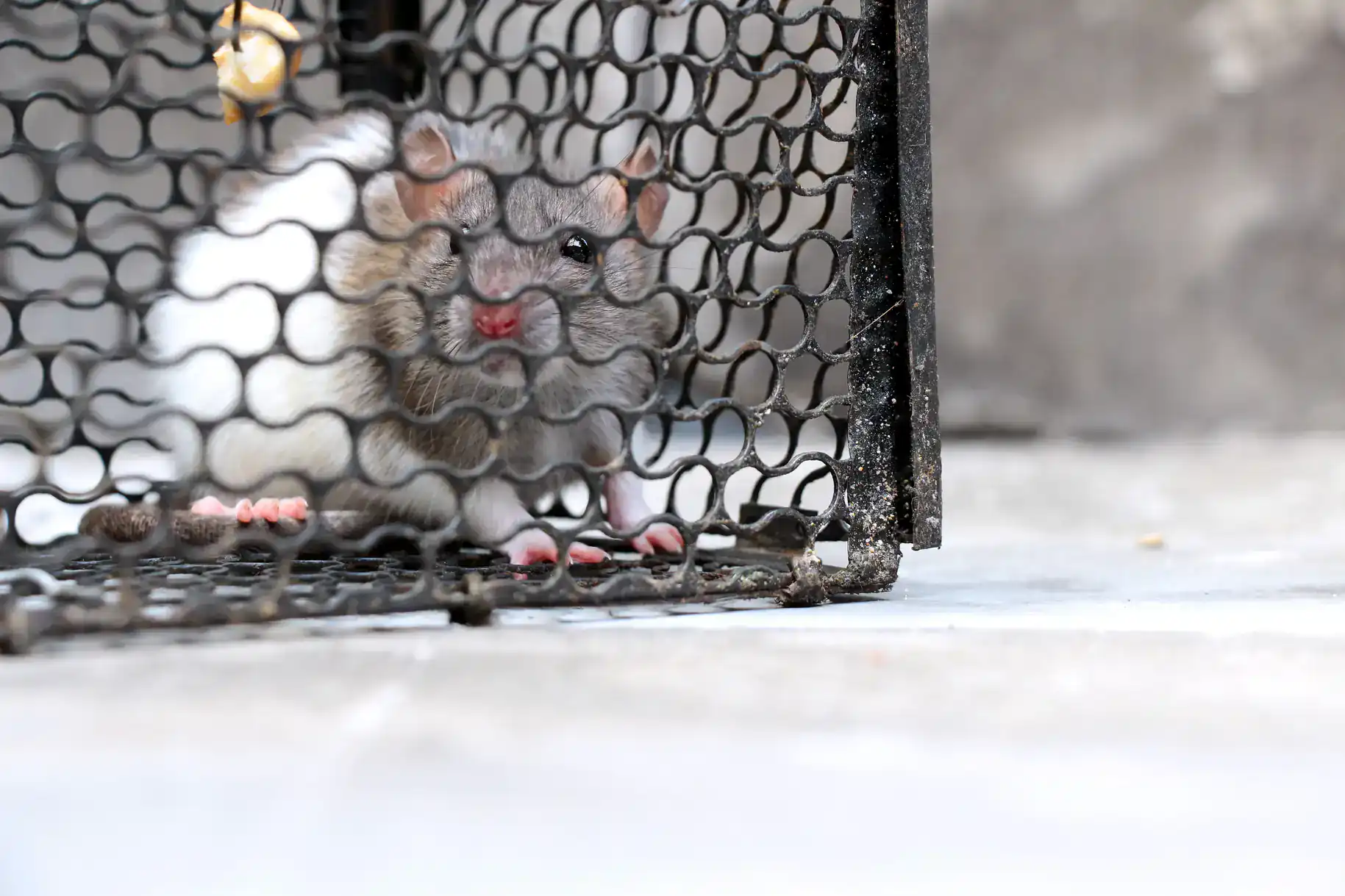
In most of Chinatown’s pre-war tenements, a single trap in one apartment doesn’t solve anything. Rats move through shared wall cavities, corroded pipe penetrations, and foundation gaps that have been open for decades. Real rodent control means identifying where they’re getting in, sealing those entry points, and eliminating the population not just knocking it back temporarily.
For the food businesses along Mott Street, Canal Street, and East Broadway, the stakes are higher than a nuisance problem. A failed NYC Health Department inspection is a public record. Anyone can search your address and see it. Documented professional pest control service isn’t just about keeping rodents out it’s about having the paper trail that shows inspectors you’re managing the problem properly and consistently.
For residents in Chinatown, especially in buildings near Columbus Park or the Manhattan Bridge overpass where construction displacement regularly pushes established rat colonies into adjacent structures, the concern is more personal. Rats in NYC carry leptospirosis bacteria, and a 2015 Columbia and Cornell University study found that NYC rats average five fleas per animal fleas linked to typhus and spotted fever. That’s the documented reality of living in one of the most rat-dense urban environments in the country, and it’s exactly why professional rodent removal in Chinatown is a health decision, not just a comfort one.
We were founded in 1976 by Richard Kourbage Sr. and have been serving all five boroughs of New York City ever since. Our sons Richard Jr. and Charles joined the company in the late 1980s and continue running it today. This isn’t a franchise that recently expanded into Manhattan. We’re a family-owned operation with more than 50 years of hands-on experience in the specific building types, rodent species, and regulatory conditions of New York City and we’ve spent decades working in Chinatown’s tenement buildings, food service establishments, and mixed-use properties.
We hold an A+ rating with the Better Business Bureau of New York State and have maintained BBB accreditation since 1989 over 35 years. We apply only N.Y.S. Department of Environmental Conservation registered pesticide materials, which is the exact standard NYC’s Health Code requires for licensed pest control. We’re also well known among NYC attorneys and real estate brokers who refer clients directly, particularly for Health Code violation citations and property transaction support.
If you’re dealing with a rodent problem in Chinatown whether it’s a tenement building on Bayard Street, a restaurant near Chatham Square, or a commercial property along the East Broadway corridor you’re calling a company that has worked in environments exactly like yours for five decades.
It starts with a free phone consultation. You describe what you’re seeing droppings, gnaw marks, sounds in the walls, a sighting and one of our technicians will ask the right questions to understand the scope before anyone shows up. In Chinatown specifically, that conversation often includes questions about your building’s age, whether you share walls with neighboring units or businesses, and whether there’s been any recent construction activity nearby, since infrastructure work around the Manhattan Bridge and ongoing development in the Two Bridges area regularly displace rat colonies into adjacent buildings.
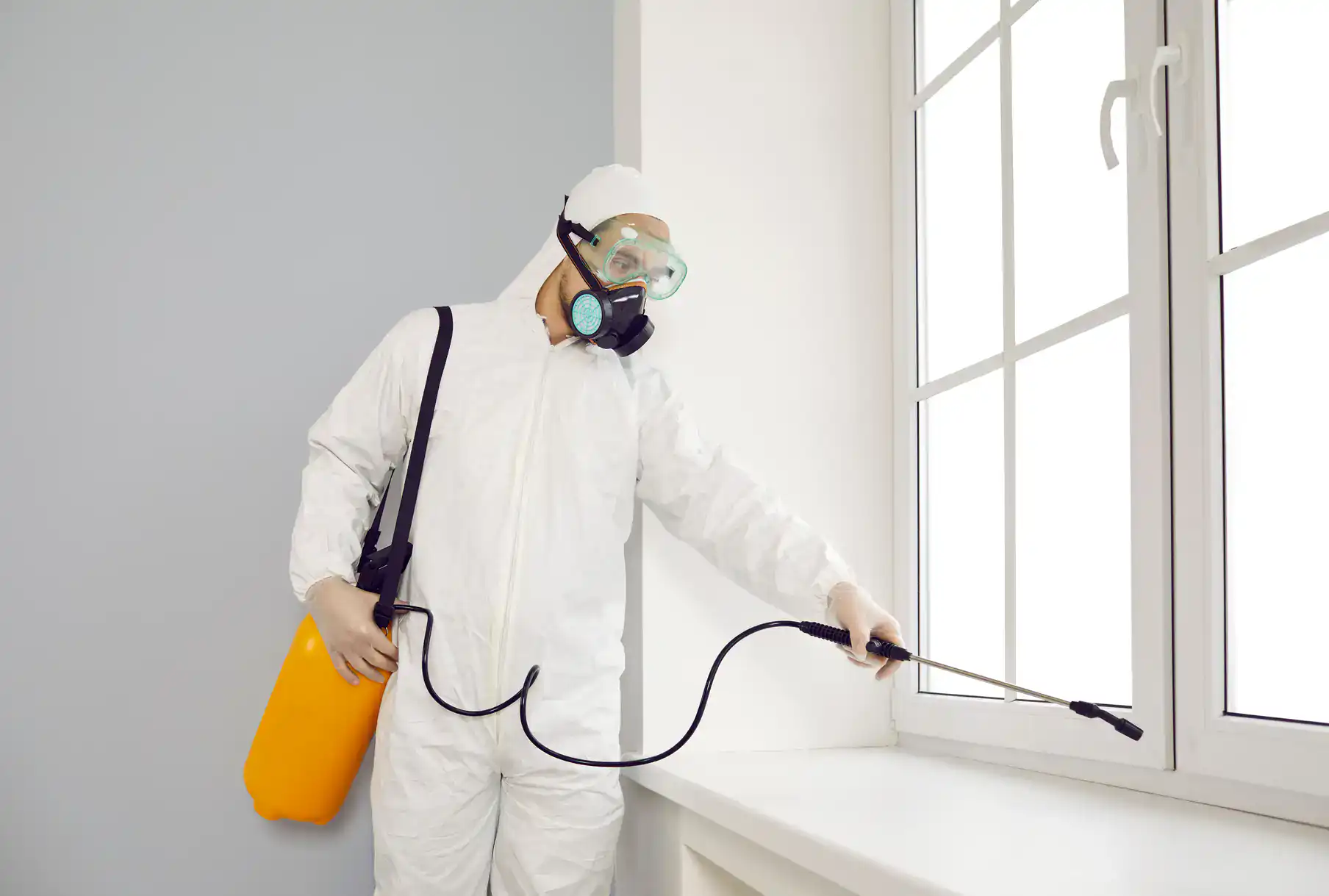
When our technician arrives, the inspection covers both the interior and exterior of the property. In pre-war tenements, that means checking foundation walls, pipe penetrations, floor joist gaps, and shared hallway entry points not just setting a few traps and calling it done. For commercial clients, the inspection is also documented in a format that meets NYC Health Department compliance requirements, so you have a written record of the visit, findings, and treatment applied.
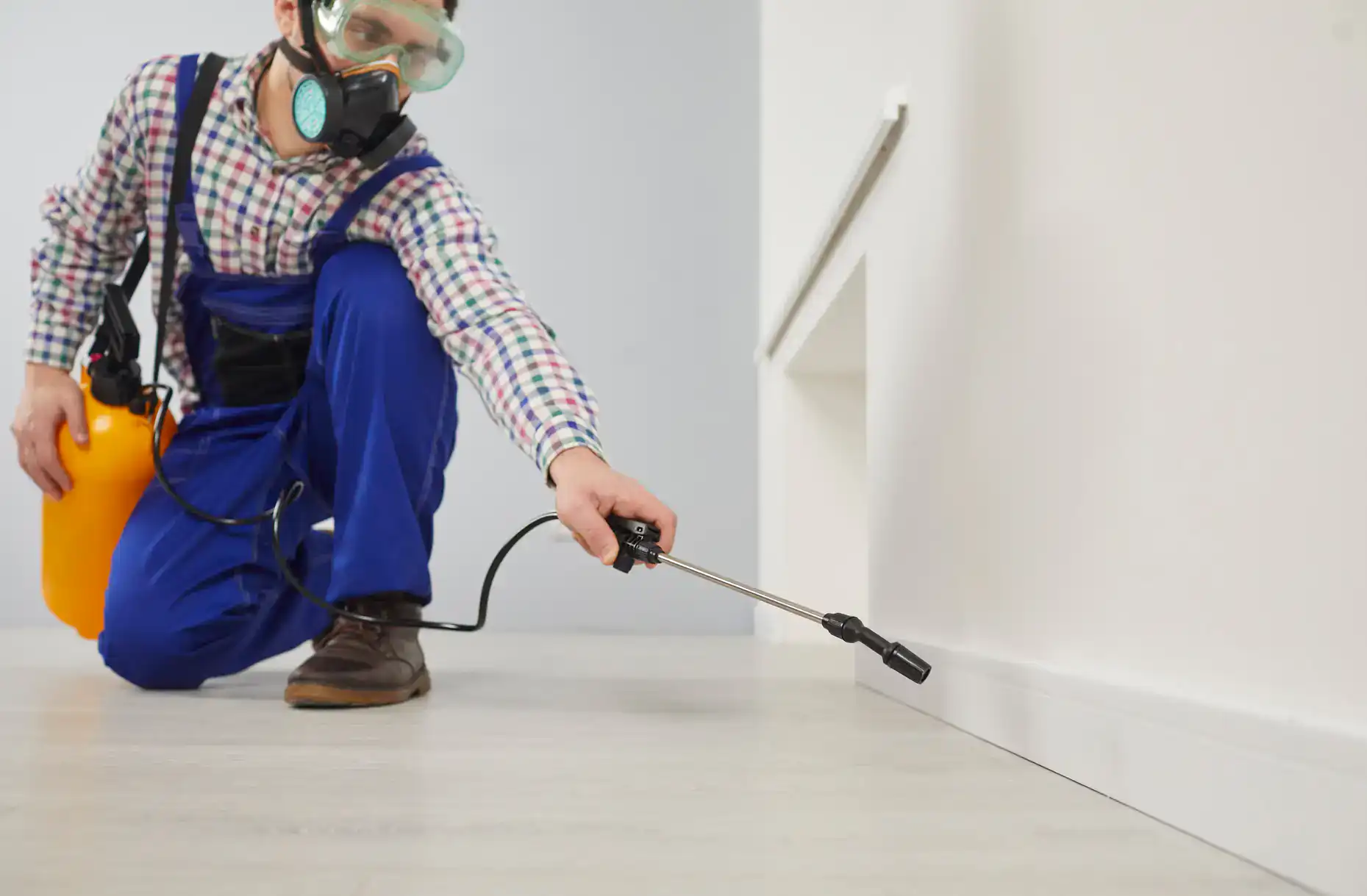
Treatment is then applied using only NYS DEC-registered materials, targeted to the specific conditions found during the inspection. Entry points are sealed where accessible. Follow-up scheduling is discussed based on the severity of the infestation and the type of property. For buildings in the East Village/Chinatown Rat Mitigation Zone, where the Health Department conducts active inspections and re-inspections, we can also help you understand what inspectors look for and how to maintain compliance between visits not just pass a single inspection and hope for the best.
Ready to get started?
Rodent control in Chinatown isn’t one-size-fits-all, and we don’t treat it that way. Our service is structured around what your specific property needs whether that’s a single apartment in a Mott Street tenement, a multi-unit building managed by a property owner, or a food service establishment on Canal Street facing active Health Department scrutiny.
For residential clients, our focus is on thorough inspection and exclusion work. That means finding the actual entry points not just the obvious ones and sealing them with materials that hold in aging masonry and around corroded utility pipes. Treatment is applied with NYS DEC-registered materials, which matters in buildings where multiple families share small living spaces and chemical safety is a real concern, not a checkbox. If you’re in a building near Sara D. Roosevelt Park or Columbus Park, both of which are documented sources of ongoing rat harborage in Chinatown, our technicians understand the external pressure those green spaces create and factor that into the treatment approach.
For commercial clients restaurants, food markets, building managers our service includes full written documentation of every visit. That documentation is what NYC Health Department inspectors ask for when they want to see that you’ve been maintaining a pest control program. We also provide pre-demolition rodent extermination certificates, which the NYC Department of Buildings requires before any demolition permit can be issued relevant to any property owner planning renovation or construction work in or around Chinatown. Every service call comes with a free estimate upfront and a guaranteed appointment within 48 hours, with 24/7 availability for situations that can’t wait.
Chinatown was officially designated as part of the East Village/Chinatown Rat Mitigation Zone in July 2023 one of only four such zones in all of New York City under Local Law 110. That designation is based on hard data: the number of rat-related 311 complaints filed in the area, the volume of NYC Health Department baiting visits, the number of cleanup orders issued, and the inspection failure rate on Parks-owned properties in the neighborhood. It’s a formal acknowledgment that this area has historically high rat activity requiring multi-agency intervention.
The underlying conditions driving that activity aren’t going away on their own. The open-air fish and produce markets along Mott Street, East Broadway, and Canal Street generate a year-round organic food source. The housing stock is predominantly century-old tenement buildings with structural gaps that are nearly impossible to seal without professional assessment. The Manhattan Bridge overpass runs directly through the eastern portion of the neighborhood, and infrastructure work on the bridge regularly displaces established rat colonies into adjacent buildings. Add the proximity of multiple subway lines converging at Canal Street Station with tunnels running directly beneath Chinatown and you have a structural rodent pressure environment that surface-level treatment alone will never fully address.
When a property fails an initial NYC Health Department inspection for rodent activity, the building owner receives a Commissioner’s Order to Abate commonly called a COTA. That order gives you a limited window to correct the problem before a compliance re-inspection is scheduled. If the re-inspection also results in a failure, the city can issue summonses and fines. All of this is on the public record, searchable by anyone through the NYC Health Department’s online portal.
For food service establishments in Chinatown specifically, the stakes are higher because inspection results for restaurants and markets are posted publicly. A rodent violation isn’t just a fine it’s a visible mark on your business’s public record that customers, competitors, and landlords can find with a basic search. The most effective way to handle a COTA or an active inspection failure is to bring in a licensed exterminator immediately, document the service, and be able to show the re-inspector a written record of what was done, when, and by whom. We provide that documentation as a standard part of every commercial service visit, and with 24/7 availability and a guaranteed appointment within 48 hours, you’re not waiting around while the clock on your compliance window runs out.
For a single mouse in a newer building with clean entry points, a store-bought trap might be enough. In Chinatown, that scenario is rare. Most of the neighborhood’s housing stock consists of pre-war tenement buildings where rodents aren’t just visiting they’re living inside the walls, moving through shared cavities between units, and entering through structural gaps that have existed for decades. A trap catches the rodent that’s already inside. It does nothing about the dozen behind it or the entry point they’re all using.
There’s also a practical legal consideration for commercial properties. NYC Health Code requires that pesticide application in food service establishments be performed by a licensed professional using registered materials. If you’re a restaurant or market owner in Chinatown and you’re applying over-the-counter bait yourself, that’s a code violation on top of the infestation problem. Beyond legality, over-the-counter rodenticides used improperly in a dense residential or commercial setting create secondary risks particularly in buildings where children, elderly residents, or food preparation areas are involved. Professional rodent control uses targeted application methods that address the actual infestation without creating collateral hazards.
This is one of the most common frustrations in Chinatown’s older buildings, and the answer almost always comes down to entry points you can’t see. Rats can squeeze through a hole the size of a quarter. Mice can fit through a gap the size of a pencil eraser. In a tenement building that’s 80 to 100 years old, those gaps exist in places that aren’t obvious during a casual inspection around utility pipes where they pass through floor joists, inside wall cavities shared between your unit and the one next door, in deteriorating masonry near the building’s foundation, and through gaps around radiator pipes and electrical conduit that were never properly sealed during original construction.
The other factor is that individual apartment treatment in a multi-unit building rarely solves the problem permanently. If the building has active entry points at the foundation or basement level, rodents will continue entering the structure regardless of what’s done inside your specific unit. A proper inspection needs to cover the exterior of the building, the basement and sub-ground level, and the shared spaces not just the apartment where you’re seeing activity. That’s the kind of assessment we conduct, and it’s why the results last longer than what you get from a single-visit trap placement.
For residential properties, there’s no legal requirement that you hire a licensed exterminator to respond to a Health Department rodent violation but practically speaking, a self-managed response rarely satisfies a re-inspection. Inspectors are looking for documented, systematic treatment that addresses the source of the infestation, not just evidence that you set a few traps. If your building is in the East Village/Chinatown Rat Mitigation Zone, inspectors are conducting more frequent and more thorough inspections than in other parts of the city, and the bar for what constitutes an adequate corrective response is higher.
For commercial food service establishments restaurants, markets, food prep facilities the requirement is clear. NYC Health Code mandates that pesticide application be performed by a licensed professional using registered materials. Using an unlicensed operator or applying over-the-counter products yourself is a separate violation. When we respond to a commercial rodent violation in Chinatown, our service includes written documentation of every finding and every treatment applied, in a format that Health Department inspectors can review during re-inspection. That paper trail is often the difference between passing a compliance re-inspection and receiving another summons.
For most properties in Chinatown, a one-time treatment isn’t a long-term solution and that’s just the reality of the neighborhood’s conditions. The East Village/Chinatown Rat Mitigation Zone designation exists because the structural drivers of rodent activity here are persistent: year-round food waste from the fish and produce markets, aging tenement building stock with ongoing entry point vulnerabilities, subway tunnel access beneath the neighborhood, and regular construction displacement from nearby development projects in Two Bridges and along the Canal Street corridor. Those conditions don’t disappear after a single visit.
For residential buildings, the frequency of professional service depends on the building’s age, the severity of the infestation history, and whether proper exclusion work has been completed. A building that has had entry points professionally sealed and has no active harborage nearby may only need seasonal monitoring. A building adjacent to Columbus Park or near active construction may need more consistent service. For commercial food businesses, ongoing documented service is both a practical necessity and a Health Department compliance requirement inspectors want to see a maintenance record, not a one-time treatment receipt. We’ll give you an honest assessment of what your specific property actually needs, not a recurring service schedule designed around billing cycles.
Useful Links
Other Services we provide in Chinatown