Hear from Our Customers
The traps you bought at the hardware store caught a mouse or two. But if you’re still hearing scratching in the walls or finding droppings in the kitchen, the entry points were never addressed. That’s the part most people miss and it’s the part that determines whether this problem comes back in two weeks or doesn’t come back at all.
Cobble Hill’s 19th-century brownstones were built long before anyone was thinking about rodent-proofing. Shared party walls, aging cellar windows, original plumbing penetrations, and old coal chute openings create a network of access points that rats and mice use freely especially in attached row houses where they can move between units without ever stepping outside. When one unit gets treated without addressing the shared infrastructure, the problem just shifts next door.
Add to that the ongoing EPA Superfund remediation of the Gowanus Canal active construction has been displacing established rodent colonies into surrounding residential blocks since 2020, with more phases still underway and you’re dealing with an inflow problem, not just an existing population. The outcome you’re after isn’t just fewer rodents right now. It’s a sealed, inspected building that stops being an easy target.
We were founded in 1971 by Richard Kourbage Sr. the same year the Cobble Hill Historic District was barely two years old. Our sons Richard Jr. and Charles have been running jobs alongside him since the late 1980s. That’s three people with a combined century of experience in Brooklyn pest control, all under one family name.
We’re not a franchise. There’s no corporate script. When you call us, you’re reaching a Brooklyn-based company that has worked in pre-war brownstones, co-op buildings, and attached row houses across Cobble Hill and the surrounding neighborhoods for over five decades. We know what aging cellar infrastructure looks like from the inside, and we know how rodents move through it.
We hold an A+ rating with the Better Business Bureau accredited since 1989 and apply only NYS Department of Environmental Conservation registered materials. We’re fully licensed, bonded, and insured, and we’re trusted by NYC attorneys and real estate brokers who refer clients when a property transaction is on the line.
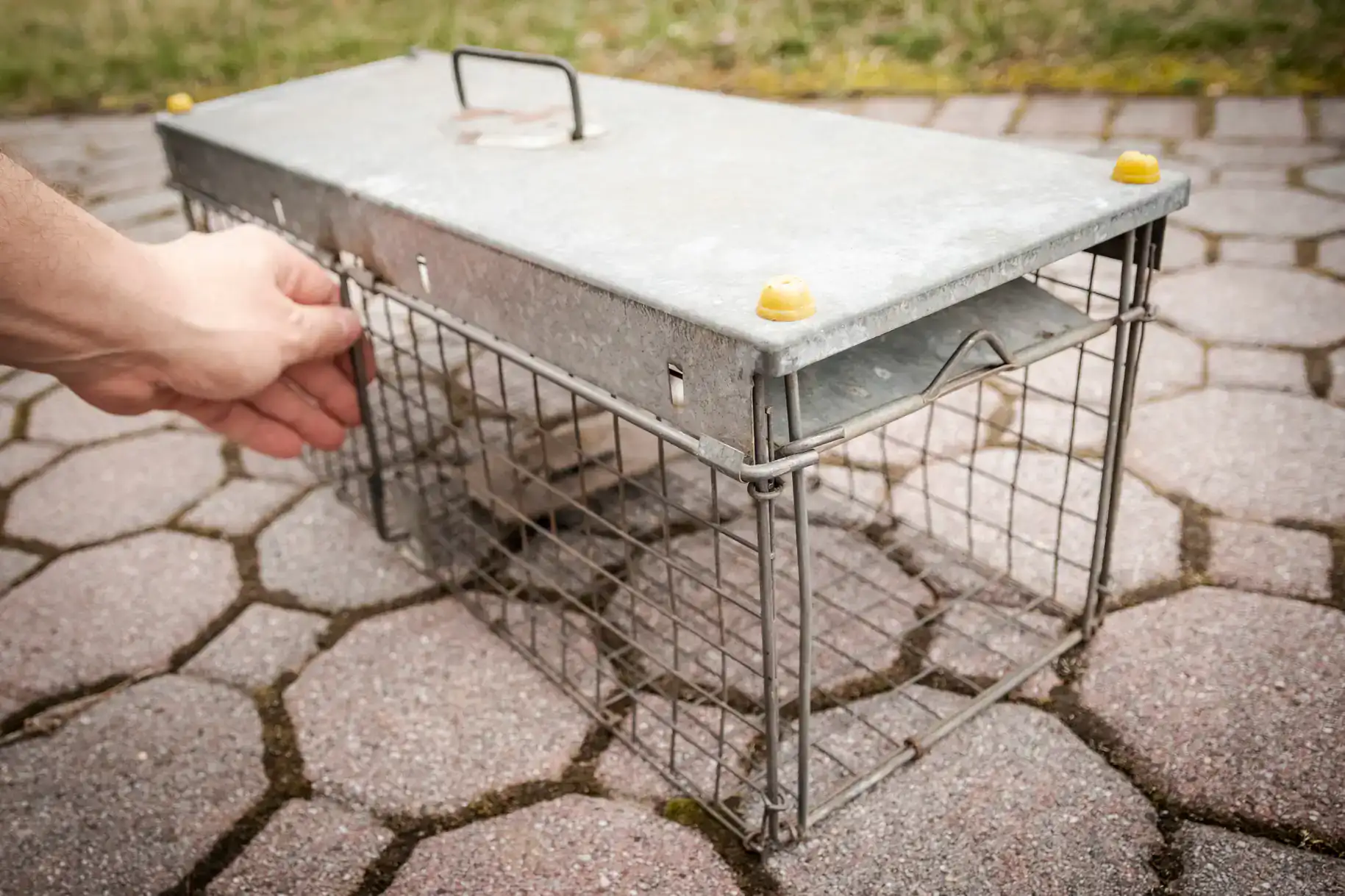
It starts with a free phone consultation. You describe what you’re seeing droppings, sounds, a sighting and one of our technicians helps you understand what you’re likely dealing with before anyone sets foot in your home. No pressure, no obligation. If you want to move forward, we’ll schedule an inspection, typically within 48 hours.
The inspection is where the real work begins. In a Cobble Hill brownstone, that means checking more than the obvious spots. Our technicians look at the cellar, utility penetrations, foundation gaps, shared wall connections, exterior entry points along the building perimeter, and anywhere else that a Norway rat or house mouse could be using as a route in. Given that nearly one in four homes in the Carroll Gardens and Cobble Hill corridor has a documented rodent or roach issue, a surface-level look isn’t enough.
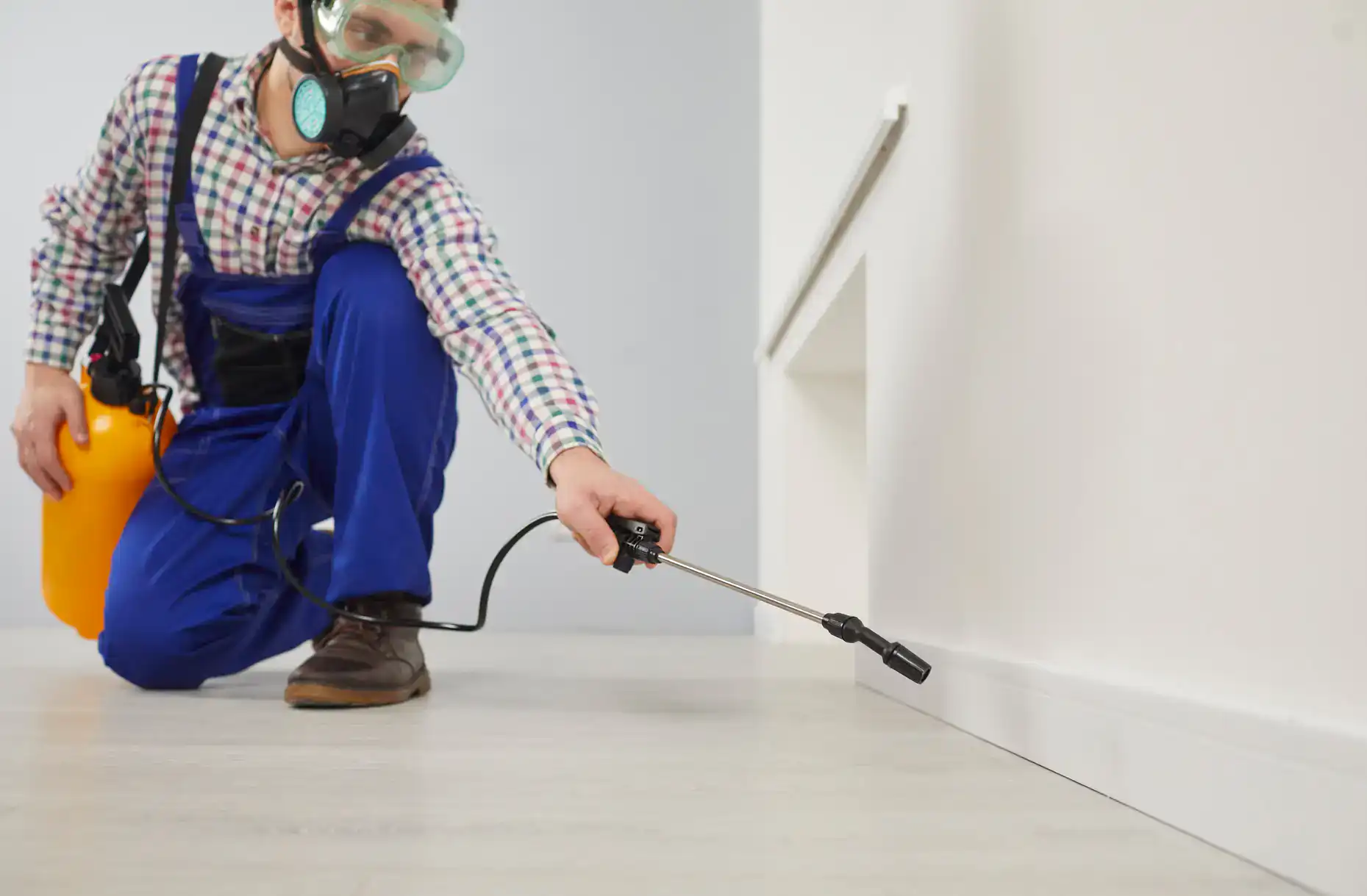
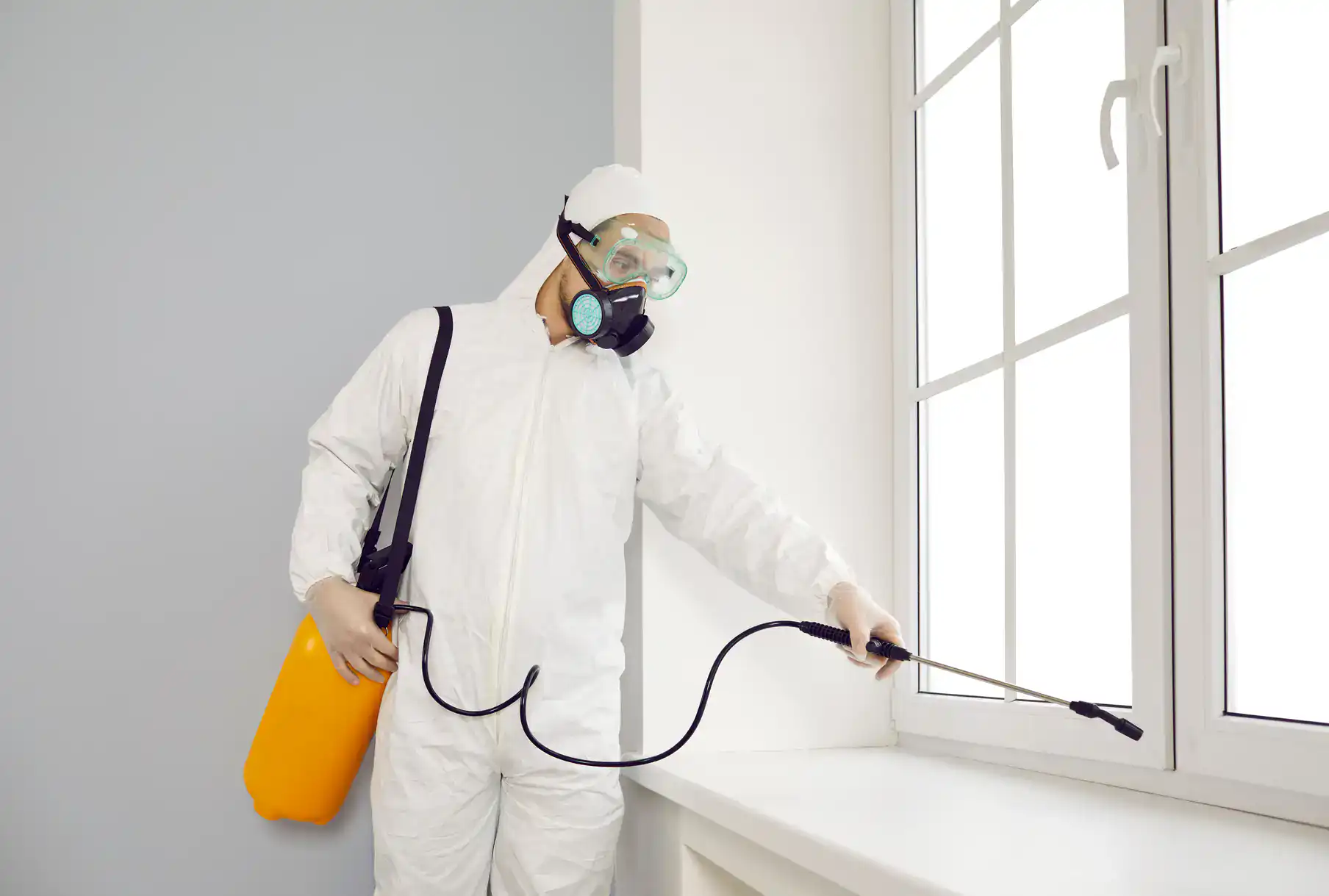
From there, we apply treatment using NYS DEC registered materials professionally and safely. But treatment without exclusion is temporary. Our approach includes sealing the entry points identified during inspection, which is the step that actually breaks the cycle. If your building falls under Cobble Hill Historic District guidelines, that work is done with the sensitivity those structures require. After the job, you’ll know exactly what we found, what we did, and what to watch for going forward.
Ready to get started?
Rodent control in a freestanding suburban house and rodent control in a Cobble Hill row house are two different problems. In an attached building, you’re not just managing your unit you’re managing your connection to every unit next to you and below you. We account for that reality from the start.
The scope of what we include goes beyond bait and traps. You get a thorough interior and exterior inspection, identification of active entry points, professional treatment using registered materials, and exclusion work to physically close the gaps that are letting rodents in. For property owners and co-op boards dealing with NYC Health Code violations the Department of Health and Mental Hygiene receives roughly 40,000 rodent complaints annually through 311 we can support the documentation and remediation process that a violation requires.
For Cobble Hill residents near the BQE corridor on Hicks Street, Henry Street, and adjacent blocks, our service also accounts for the rodent pressure that comes directly from the highway infrastructure. The drainage channels, embankments, and underpass areas along the BQE are established harborage zones, and properties on the western edge of the neighborhood face consistent inflow as a result. If you’re managing a rental property, a brownstone you own outright, or a co-op unit in this area, our approach is built around your specific building not a one-size template.
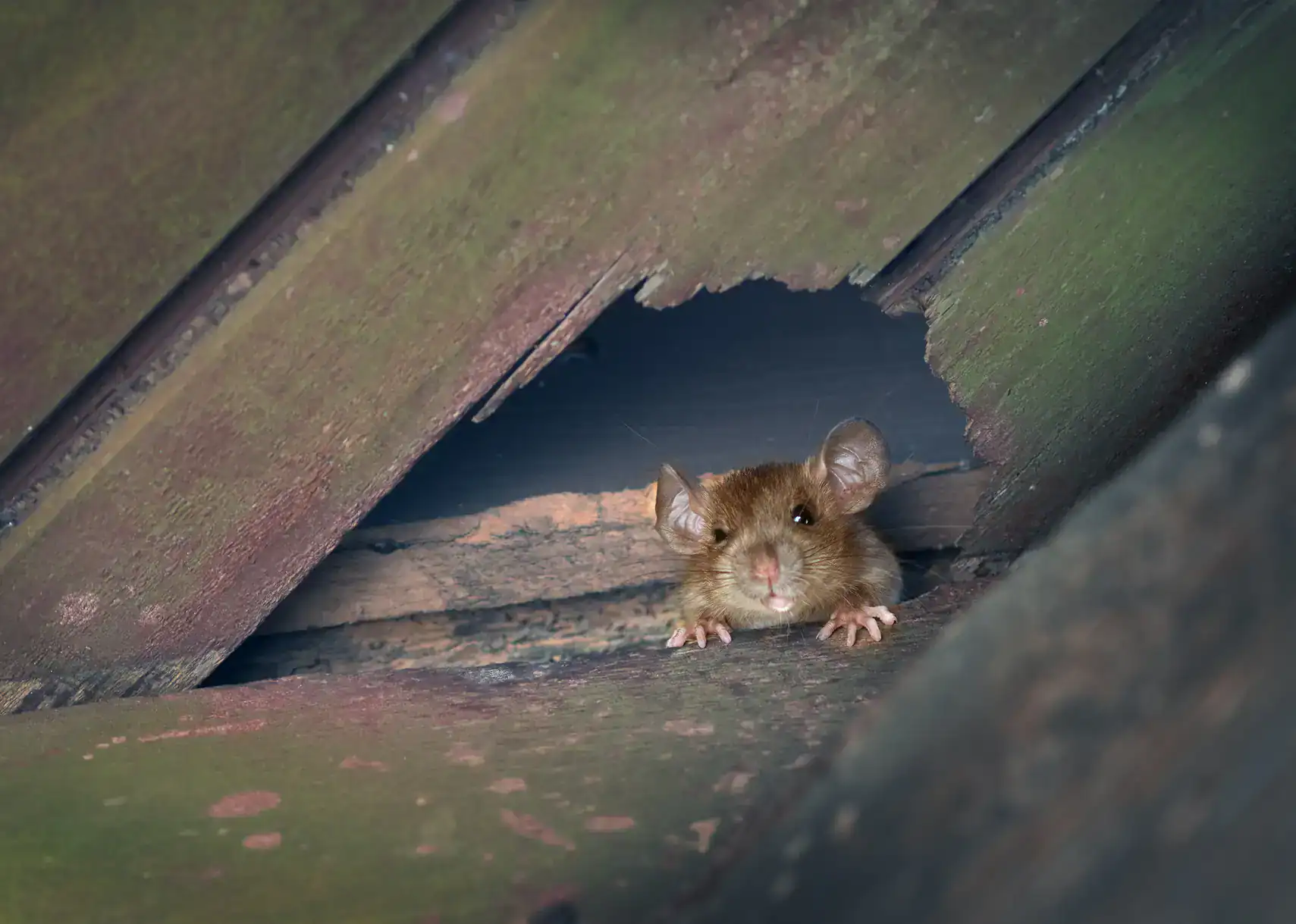
This is something a lot of Cobble Hill residents have noticed, and it’s not a coincidence. Large-scale construction like the EPA Superfund remediation of the Gowanus Canal that’s been active since 2020 disrupts established rodent colonies. When their harborage is disturbed, rats don’t disappear. They relocate. And the nearest available shelter is usually the residential blocks immediately surrounding the construction zone.
Cobble Hill sits directly north of Gowanus, which puts it in the path of that displacement. The remediation project is ongoing RTA2, the section running from 3rd Street to Hamilton Avenue, began construction in June 2024 so this isn’t a one-time disruption. It’s a recurring pressure that will continue as long as active construction phases are underway. The practical takeaway is that rodent control in Cobble Hill right now needs to include exclusion work, not just treatment, because the source of the inflow hasn’t stopped.
Yes, and this is one of the most common reasons DIY treatment fails in Cobble Hill row houses. Our neighborhood’s brownstones were built in the 1800s, and the infrastructure connecting attached units shared party walls, interconnected cellar systems, original plumbing chases was never designed with rodent-proofing in mind. Rats and mice can move laterally through a building without ever going outside, which means treating one floor or one unit doesn’t contain the population.
This is why inspection in an attached building has to look at the whole picture: where rodents are entering the structure, how they’re moving through it, and what shared infrastructure is enabling that movement. If you’ve had a pest control company come in, drop traps, and leave without doing a structural assessment, that’s why the problem came back. Effective rodent control in Cobble Hill’s attached building stock requires exclusion work at the shared-wall and cellar level not just bait placement.
It does matter, and the signs are usually pretty clear once you know what to look for. Rat droppings are larger roughly the size of a raisin while mouse droppings are small and pointed, closer to the size of a grain of rice. Rats tend to leave grease marks along baseboards and walls from their fur repeatedly brushing the same path. Mice are more likely to nest in insulation, stored boxes, and wall voids. In Brooklyn, the dominant rat species is the Norway rat, a burrowing animal that tends to enter through foundation gaps, cellar windows, and utility penetrations at or below ground level.
Treatment approaches differ between the two. Norway rats are more cautious around new objects, so bait placement and timing require a different strategy than mouse control. The entry points they use are also typically larger and lower in the structure. Knowing which species you’re dealing with or whether you have both shapes the inspection focus, the treatment method, and the exclusion work needed. A proper inspection identifies this before any treatment begins.
Yes. New York City Health Code places the responsibility for maintaining a pest-free property on the building owner. The NYC Department of Health and Mental Hygiene actively enforces this they receive roughly 40,000 rodent complaints through 311 annually and inspect properties that have been reported. If your building receives a health code violation for rodent activity, you’re required to remediate it with a licensed pest control professional and may need to provide documentation that the issue has been addressed.
For co-op boards and brownstone owners in Cobble Hill, this is especially relevant. A violation on a shared building affects all residents, and the remediation has to be thorough enough to satisfy the inspector not just surface-level. We’re fully licensed under New York State requirements, apply only NYS DEC registered materials, and can support the documentation process if you’re dealing with an active violation. If you’ve received a notice and need to respond quickly, the 48-hour appointment window matters.
When it’s done by a licensed professional using registered materials, yes. The concern most parents and pet owners have is understandable but the distinction that matters is between over-the-counter products applied without professional guidance and NYS Department of Environmental Conservation registered pesticides applied by a certified technician who knows where to place them, how much to use, and how to keep them out of reach of children and animals.
We apply only NYS DEC registered materials, and placement is done with household safety in mind not just effectiveness. For families in Cobble Hill with young children who use Cobble Hill Park or Van Voorhees Playground regularly, the bigger health risk is actually leaving an active rodent infestation untreated. The CDC documents more than 35 diseases that rats and mice spread to humans through droppings, urine, and contact including salmonella and leptospirosis. A professionally managed treatment is significantly safer than coexisting with an active infestation.
Most homeowners pay somewhere between $180 and $610 for professional rodent treatment, depending on the size of the property and the severity of the infestation. If exclusion work is needed and in Cobble Hill’s attached brownstones, it usually is that typically adds another $200 to $600 depending on the number and complexity of entry points being sealed.
For a Cobble Hill brownstone worth $1.5 million or more, that’s a straightforward investment when you consider what’s at stake. Rodents gnaw continuously on electrical wiring the National Pest Management Association estimates they’re responsible for up to 25% of house fires annually and an active infestation is a material disclosure issue in a real estate transaction. We offer a free phone consultation and free estimate before any commitment, so you can understand exactly what the job involves and what it will cost before you decide anything. There’s no pressure and no obligation just a direct conversation with people who’ve been doing this in Cobble Hill for over 50 years.
Useful Links