Hear from Our Customers
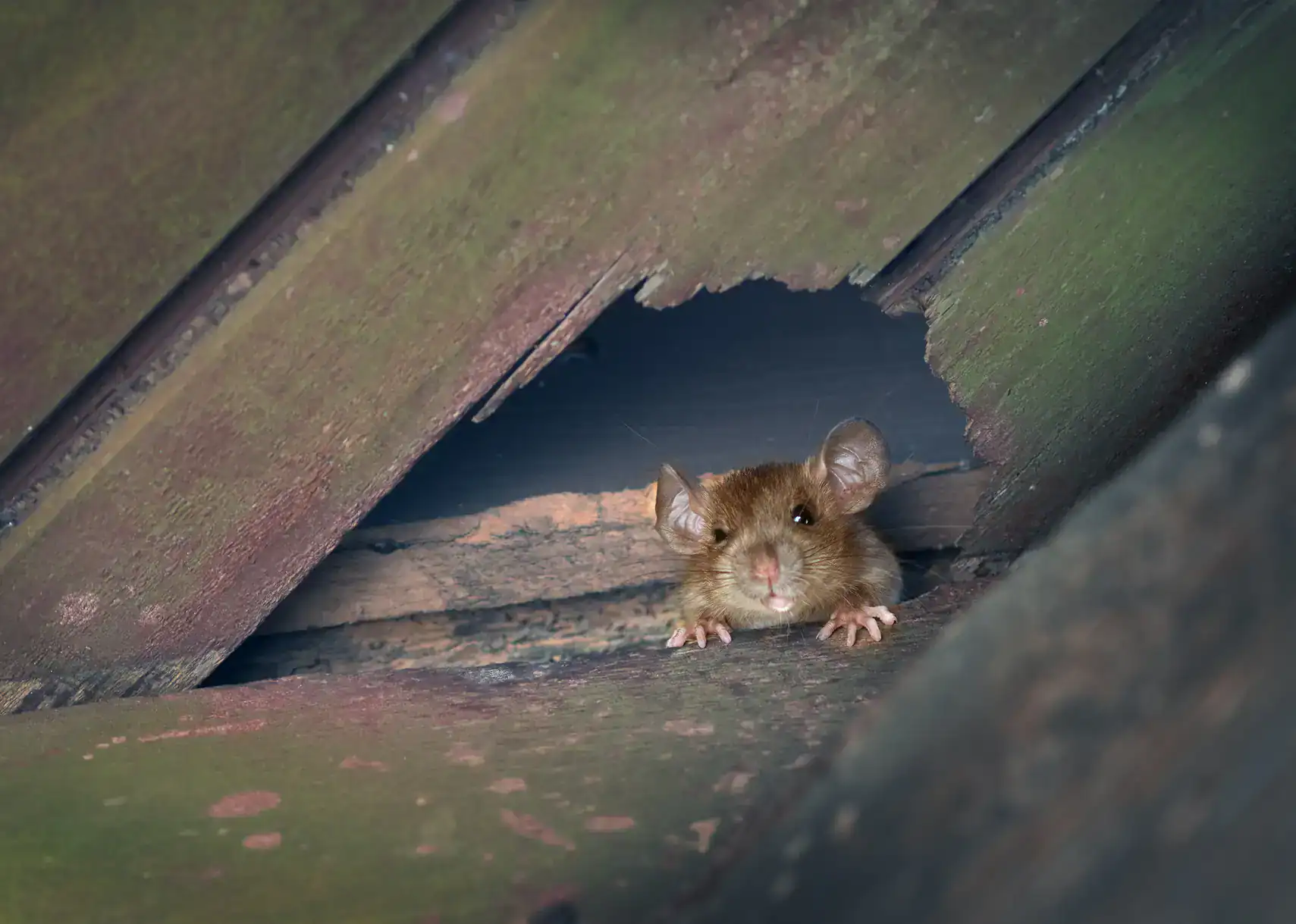
You stop finding droppings behind the stove. You stop hearing movement in the walls at 2 a.m. You stop wondering whether the snap trap you set last week did anything or whether there are ten more you never saw.
That’s what rodent control in Kew Gardens actually looks like when it’s done right. Not a bag of bait left at the door, but a real inspection, real entry point identification, and a treatment plan that accounts for where you live and what your building is up against.
Kew Gardens has two pressure points that most exterminators gloss over. The first is Forest Park 538 acres of wooded urban park sitting right on the neighborhood’s northern edge. Every fall, as temperatures drop, rodents that have been living along that park border start moving toward warmth and food. The second is the transit corridor. Properties near the Kew Gardens subway station and the LIRR line face year-round rodent pressure from populations that use underground infrastructure as a travel network. Neither of those problems goes away with a hardware-store mousetrap. They require someone who understands the environment, not just the pest.
We’ve been operating in the New York City metro area since 1971. That’s not a marketing number it’s the actual length of time we’ve been solving pest problems in buildings exactly like the ones in Kew Gardens. Richard Kourbage Sr. founded the company, and his sons Richard Jr. and Charles joined in the late 1980s. Three people, one family, over five decades of work.
We hold an A+ rating with the Better Business Bureau and have maintained BBB accreditation since 1989. We apply only NYS Department of Environmental Conservation-registered materials, handled by licensed technicians who know what they’re doing and why. That matters in a borough where licensing compliance varies widely and the consequences of getting it wrong fall on the property owner.
We’re also well known among New York attorneys and real estate professionals a community that happens to be heavily concentrated in Kew Gardens, given the Queens County Courthouse complex just up Queens Boulevard. That kind of professional trust doesn’t come from a single good review. It comes from showing up the same way, job after job, for fifty years.
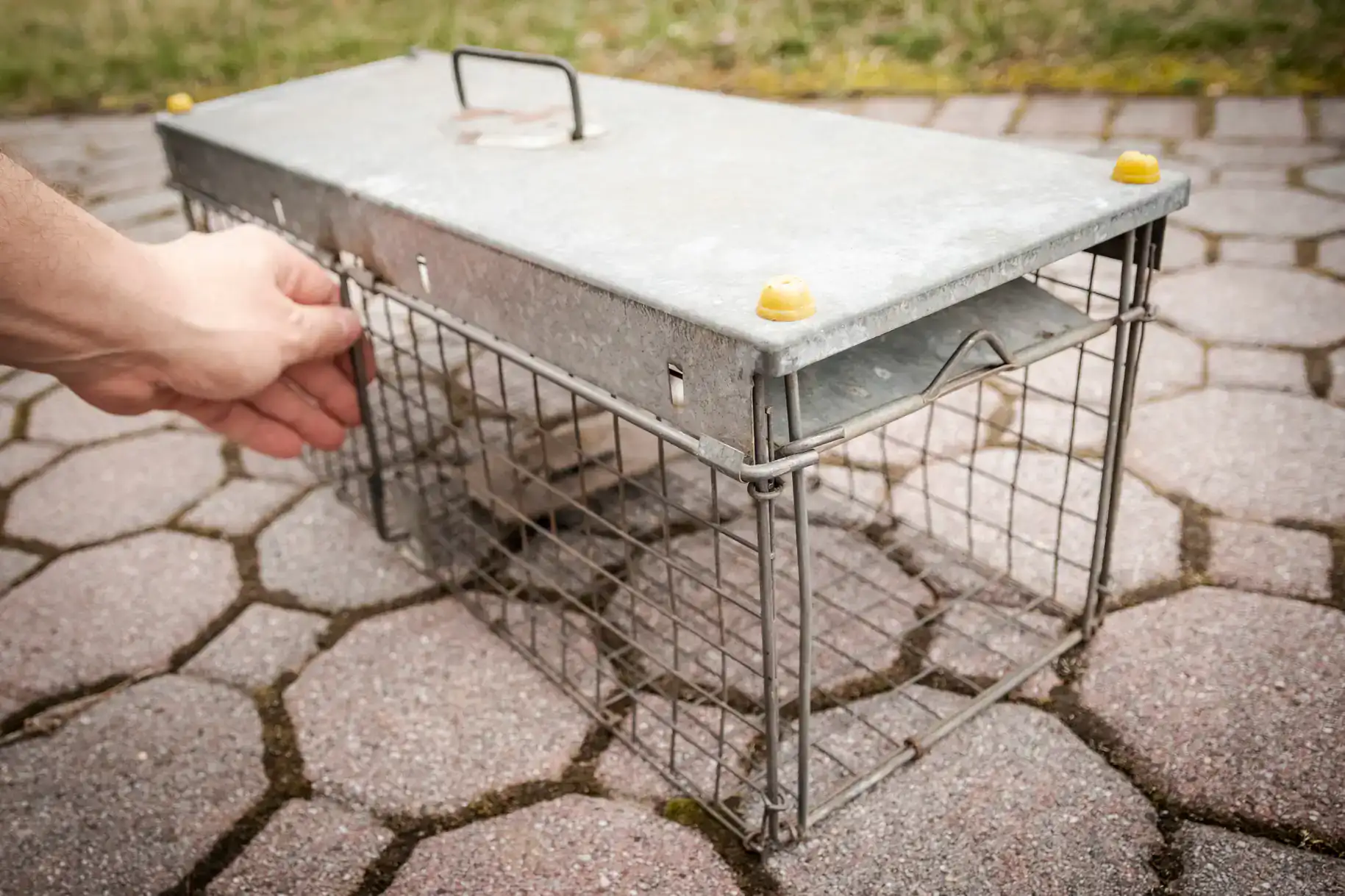
It starts with a phone call free, no obligation, no pressure. You describe what you’re seeing: droppings, gnaw marks, sounds in the walls, a trap that caught something but the problem didn’t stop. One of our representatives listens, asks the right questions, and gives you an honest read on what you’re likely dealing with before anyone sets foot in your home.
When a technician comes out, the first thing we do is inspect not just the inside of your unit or home, but the exterior of the building, the basement if accessible, the utility entry points, and any structural gaps that are letting rodents in. In Kew Gardens, that inspection carries specific weight. Pre-war construction means decades of accumulated gaps around gas lines, water pipes, and electrical conduit. Basement mechanical rooms in older apartment buildings are some of the most common harborage points in the borough. A treatment that skips this step is a treatment that won’t hold.
From there, we develop a plan based on what we actually found not a one-size-fits-all package. Treatment may include bait placement, exclusion work to seal entry points, and follow-up to confirm the problem is resolved. If you’re a property owner dealing with a NYC Department of Health and Mental Hygiene rodent violation, we can help you document and resolve that too. Appointments are available within 48 hours, and same-day service is available in many cases.
Ready to get started?
Rodent control in Kew Gardens isn’t a single action it’s a process. What we deliver starts with a thorough inspection of your property, interior and exterior, to understand where rodents are entering, where they’re nesting, and what’s sustaining the infestation. That foundation determines everything that follows.
Treatment involves NYS DEC-registered materials applied by licensed technicians not over-the-counter products misapplied in the wrong locations. For residential properties, that means targeted bait placement, exclusion recommendations, and guidance on structural vulnerabilities specific to your building type. For apartment buildings and multi-family properties which make up a significant portion of Kew Gardens’ housing stock we address the building-level problem, not just the individual unit. Rodents in pre-war buildings move through shared utility chases and basement areas freely, and treating one apartment without addressing those pathways is a temporary fix at best.
For property managers and landlords dealing with NYC Local Law 55 compliance or active DOHMH rodent violations, we provide the documentation and remediation service needed to satisfy city requirements. We also serve commercial properties along Queens Boulevard and the surrounding corridor. Whether it’s a single-family rowhouse near Metropolitan Avenue, a six-story walk-up, or a commercial property, the inspection, the treatment, and the follow-up are all part of what you get not add-ons you have to ask for.
It comes down to building structure and shared infrastructure. Pre-war apartment buildings which make up a large portion of Kew Gardens’ housing stock were constructed before modern pest-exclusion standards existed. Over decades, gaps open up around utility penetrations, mortar joints deteriorate, and basement mechanical rooms accumulate the kind of clutter and moisture that rodents seek out. Once they’re in the building, they move freely through wall cavities and shared utility chases between units and floors.
That’s why treating one apartment rarely solves the problem for long. If the entry points in the basement or exterior aren’t addressed, rodents simply re-enter. A proper inspection needs to cover the building’s common areas and exterior not just the unit where the resident is seeing activity. If you’re a renter in Kew Gardens whose landlord has been slow to act, it’s worth knowing that NYC Health Code Article 151 places the legal obligation to maintain rodent-free premises on the building owner, not the tenant. A call to 311 or the NYC DOHMH can initiate a formal inspection.
Honestly, pinpointing a single source is less important than understanding the pressure pattern. Properties near the Kew Gardens subway station and the LIRR line face year-round rodent pressure because underground transit infrastructure provides shelter, warmth, and travel corridors regardless of season. Properties closer to Forest Park’s northern border tend to see surges in fall and early winter, when food sources in the park diminish and rodents migrate toward residential buildings for warmth.
In practice, many Kew Gardens properties are dealing with both simultaneously transit-adjacent populations that maintain a constant baseline pressure, and park-edge populations that spike seasonally. What matters for treatment purposes is identifying where rodents are actually entering your specific property. That’s what a professional exterior inspection is designed to find. Entry points around utility lines, foundation gaps, and basement-level access points are the most common culprits, and sealing those is what makes treatment last.
Rodent control refers to the active elimination of an existing population bait, traps, and targeted treatment to reduce the number of rodents present. Rodent exclusion is the structural work that prevents new rodents from entering: sealing gaps around utility penetrations, reinforcing basement entry points, and addressing the physical vulnerabilities in your building that are letting them in.
You generally need both, in that order. Elimination first, exclusion second. If you seal entry points before eliminating the existing population, you may trap rodents inside the structure. If you eliminate without exclusion, new rodents from outside whether from the Forest Park corridor, the Van Wyck Expressway embankment, or neighboring properties will find their way back in. In Kew Gardens’ older building stock, exclusion work is especially important because the structural gaps that allow entry tend to be numerous and not always visible without a trained inspection. Our process addresses both components.
It’s not overstated. The National Pest Management Association estimates that rodents are responsible for up to 25% of house fires in the United States annually, and the mechanism is straightforward rodents gnaw constantly to keep their teeth filed down, and electrical wiring is one of the materials they chew through. A stripped wire inside a wall cavity is a fire hazard that may not show any visible signs until something ignites.
In Kew Gardens, this risk is compounded by the age of the building stock. Many pre-war apartment buildings and rowhouses have older wiring in wall cavities and basement areas that hasn’t been fully updated. Even buildings that have had partial electrical renovations often retain older wiring in sections that are accessible to rodents. If you’re hearing gnawing sounds in your walls or finding evidence of rodent activity near electrical panels or junction boxes, that’s not a wait-and-see situation. It warrants a professional inspection as soon as possible.
For most residential properties in the NYC metro area, professional rodent control runs between $180 and $600 for initial treatment, depending on the size of the property, the severity of the infestation, and whether exclusion work is included. Exclusion work sealing entry points and addressing structural vulnerabilities can add $200 to $600 on top of that, and in older Kew Gardens buildings with multiple entry points, it’s often a necessary part of a lasting solution.
What you should watch out for is any quote that seems unusually low without a clear explanation of what’s included. A price that covers bait placement but not inspection, or treatment but not follow-up, often ends up costing more in the long run when the problem returns. We provide a free estimate before any work begins, so you know exactly what you’re paying for and why. There’s no obligation attached to that estimate it’s just a straight answer about what your property needs.
You have more options than most tenants realize. Under NYC Health Code Article 151, building owners not tenants are legally responsible for maintaining premises free of rodent infestation. If your landlord has failed to act after being notified, you can file a complaint directly with the NYC Department of Health and Mental Hygiene by calling 311 or submitting a report online. The DOHMH will conduct an inspection, and if rodent activity is confirmed, the building owner receives a formal violation with a remediation deadline and the potential for significant fines.
You can also document the issue in writing a dated email or letter to your landlord creates a paper trail that’s useful if the situation escalates to Housing Court. In some cases, tenants have the right to pursue a rent reduction or repair-and-deduct remedy under New York State law if a landlord repeatedly fails to address a health-code-level condition. If you’re a property owner or manager in Kew Gardens who has already received a DOHMH rodent violation, we can help you respond to it providing the remediation service and documentation needed to resolve the citation and demonstrate compliance to the city.
Useful Links