
Hear from Our Customers
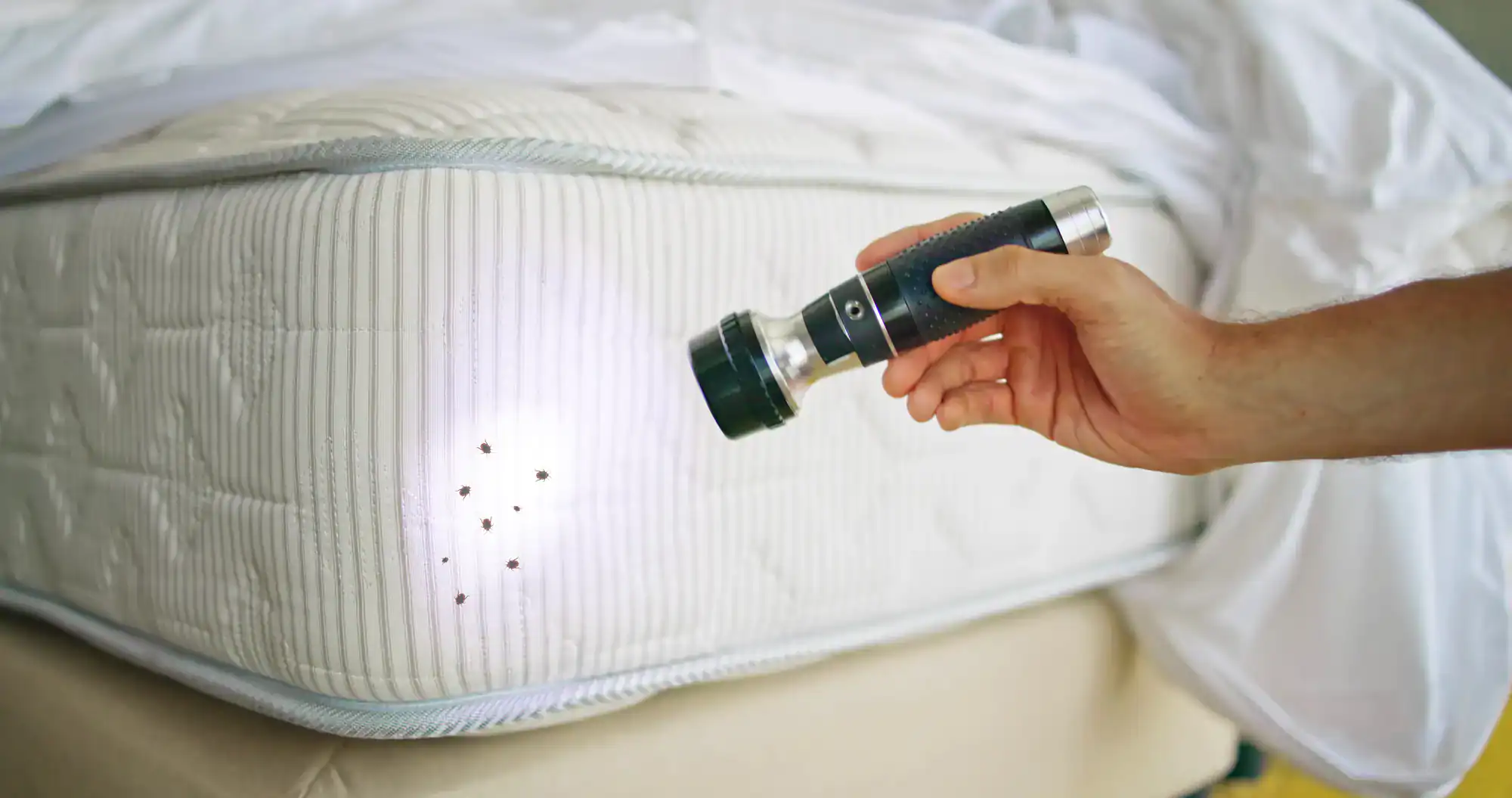
You stop waking up checking your arms. You stop wondering if the itch is in your head or in your mattress. That’s the most immediate thing the anxiety lifts when the problem is actually solved, not just temporarily interrupted.
Kew Gardens has a housing stock that makes bed bug treatment genuinely harder than in most neighborhoods. Buildings dating back to 1915, original plaster walls, aged hardwood floors with gaps, and shared wall cavities between units these aren’t just architectural details, they’re hiding spots. Bed bugs retreat deep into wall voids when disturbed, and in a prewar building, “deep” can mean very deep. A treatment that only addresses what’s visible on the mattress isn’t going to hold. You need someone who understands what’s behind the walls, not just what’s on them.
Then there’s the crash pad factor. Kew Gardens known locally as “Crew Gardens” is home to thousands of airline pilots and flight attendants cycling through shared apartments between international flights. That constant rotation of people, luggage, and international travel exposure creates a bed bug introduction risk that’s nearly unique to this neighborhood. Once bugs enter a multi-unit building, they don’t stay in one apartment. They move through shared plumbing chases, electrical conduits, and floor gaps. Getting rid of them means understanding how they move not just where they are right now.
We’ve been operating in New York City since the 1980s, with BBB A+ accreditation dating back to May 5, 1989. That’s not a recent rating that’s a 35-year track record that most competitors in the Kew Gardens market can’t come close to matching.
We hold a certified bedbug specialist designation, which is different from a general pest control license. The EPA specifically recommends hiring professionals with demonstrated bed bug expertise rather than generalists, and that distinction matters in a neighborhood like Kew Gardens, where the building stock and resident turnover create infestation patterns that require real specialization.
We’re fully licensed under New York State Department of Environmental Conservation (NYSDEC) requirements the same licensing that NYC Housing Maintenance Code mandates for any professional treating bed bugs in a rental property. Whether you’re a tenant off Queens Boulevard dealing with an unresponsive landlord, or a building owner near the courthouse district trying to resolve an HPD Notice of Violation, we know exactly how to navigate it.
It starts with a call answered live, 24 hours a day, seven days a week. Not a form, not a voicemail. A real person. If you’re a flight attendant who just landed at JFK, took the Q10 back to Kew Gardens, and found signs of bed bugs at midnight, you shouldn’t have to wait until Monday morning to talk to someone. Same-day inspections are available when possible, and an appointment is guaranteed within two days.
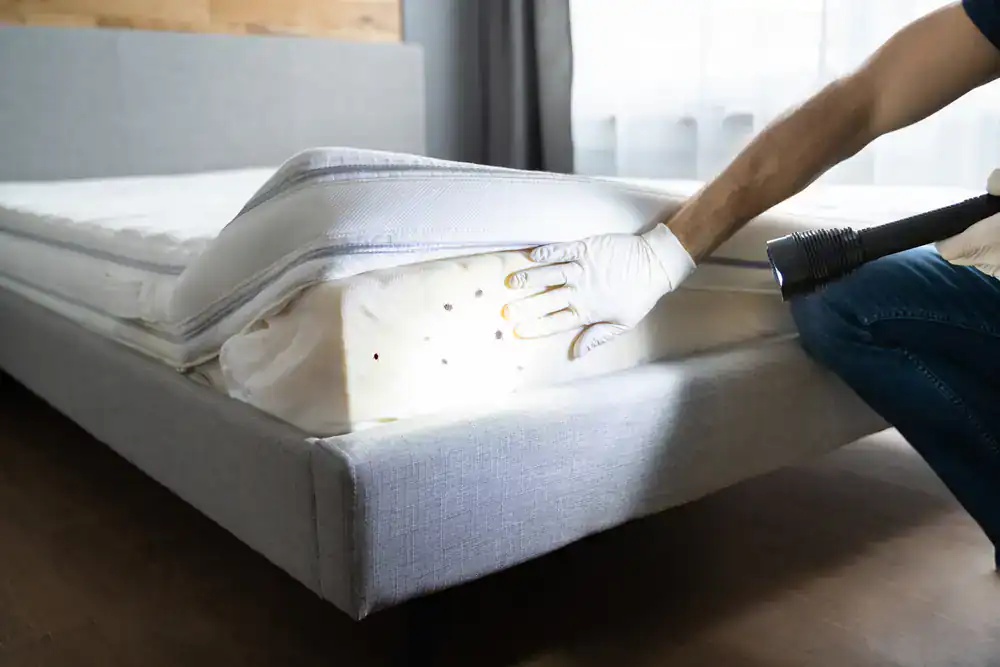
The inspection comes first. A certified specialist walks through the space not just the bedroom, but adjacent areas, baseboards, outlets, furniture, and in multi-unit buildings, the scope of potential spread to neighboring units. In Kew Gardens’ older buildings, that assessment includes checking the kinds of wall-void harborage points that prewar construction creates. This step determines what treatment approach is appropriate and how many visits the job will realistically require. You’ll get an honest answer, not an upsell.
Treatment typically involves multiple visits. Bed bugs are resilient, and in a building with shared walls, a single application rarely closes the loop completely. The follow-up visits are part of the process, not an add-on. After treatment is complete, we can provide the documentation required by the NYC Department of Health including clearance certificates which matters especially for landlords managing HPD complaints or Notices of Violation in Queens County buildings.
Ready to get started?
Bed bug treatment in Kew Gardens isn’t one-size-fits-all, and it shouldn’t be sold that way. The approach depends on your building type, the severity of the infestation, and how far it’s spread all of which look different in a 1920s prewar co-op than in a newer construction unit.
For most residential situations, we use environmentally friendly treatment methods that are safe for families and pets. Roughly 16.8% of Kew Gardens residents are children under 15, and the question of whether treatment is safe for kids and animals is almost always the first thing parents ask. The answer is yes and we provide clear preparation and re-entry guidance so you know exactly what to expect before and after each visit.
For landlords and property managers in Queens County, there’s an added layer. Under NYC Housing Maintenance Code §27-2018.1, property owners of multiple dwellings are required to disclose bed bug infestation history annually and must hire only NYSDEC-licensed professionals to treat. If an HPD inspector has confirmed live bed bugs in your building, you’re already on a clock. We handle the full scope treatment, follow-up, and the DOH clearance documentation you’ll need to close out the violation. If you own or manage a building anywhere along the Queens Boulevard corridor or in the residential courts throughout the neighborhood, that regulatory piece isn’t optional and we know exactly how to handle it.
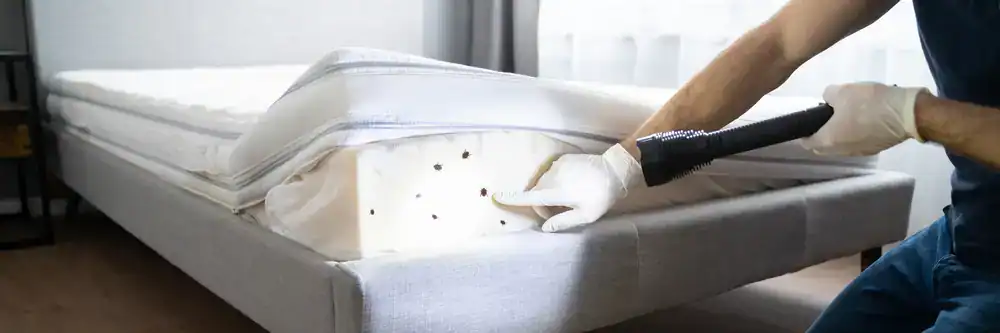
Under the NYC Housing Maintenance Code, yes landlords in all five boroughs, including Queens, are legally required to maintain pest-free conditions in rental apartments. If you report a bed bug infestation in your Kew Gardens unit and your landlord doesn’t act, you can file a complaint through the NYC HPD portal, and an inspector will come out to verify. If live bed bugs are confirmed, the landlord receives both an HPD Notice of Violation and a DOHMH Order of the Commissioner, which requires remediation within a specific timeframe.
That said, the process doesn’t always move as fast as you need it to. If your landlord is slow to respond and you’re dealing with bites every night, you have the right to pursue treatment independently and potentially seek reimbursement. Either way, the exterminator your landlord hires must be NYSDEC-licensed that’s not optional under New York State law. If someone shows up without that licensing, the treatment isn’t legally compliant, and it may not hold up if HPD follows up.
Yes, and in Kew Gardens’ older prewar buildings, it happens more easily than most people realize. Bed bugs travel through wall voids, electrical conduits, plumbing chases, and gaps in original hardwood floors all of which are common in buildings constructed between 1915 and the 1950s. A bug that enters one unit doesn’t stay there indefinitely, especially if it’s disturbed by a partial or ineffective treatment.
This is one of the reasons a thorough inspection matters so much in Kew Gardens. If the infestation in your unit is already moderate or severe, adjacent units are at risk and treating only your apartment while ignoring the spread pathway is a temporary fix at best. A proper assessment identifies not just where the bugs are, but where they’re likely moving. In a building with shared walls and century-old construction, that scope check isn’t optional it’s the difference between solving the problem and just relocating it for a few weeks.
Most bed bug infestations require a minimum of two to three treatment visits to fully resolve, and in some cases more. Bed bugs are resilient they can survive in wall voids, behind outlet covers, inside furniture joints, and deep within mattress seams. A single treatment disrupts the active population, but eggs that weren’t directly contacted can hatch in the weeks following, which is why follow-up visits are built into the process rather than added on later.
In Kew Gardens specifically, the prewar building stock adds complexity. Original plaster walls, aged floor gaps, and the kind of deep architectural layering you find in buildings from the 1920s and 1930s give bed bugs more places to harbor than a modern apartment would. That doesn’t mean the problem can’t be solved it means the timeline needs to be realistic from the start. We’ll tell you upfront how many visits your situation is likely to require, based on what the inspection actually shows. You won’t be told it’s a one-and-done job if it isn’t.
New York State law requires all pest control professionals treating bed bugs in rental properties to be licensed by the NYSDEC the Department of Environmental Conservation. This is one of the strictest pesticide applicator licensing frameworks in the Northeast, and it applies to every exterminator working in Queens, including Kew Gardens. You can verify a company’s license through the NYSDEC’s online database before you book.
Beyond the state license, look for a certified bedbug specialist designation specifically not just a general pest control license. The EPA recommends hiring professionals with demonstrated bed bug expertise, and there’s a meaningful difference between someone trained specifically in bed bug biology, harborage patterns, and treatment protocols versus a generalist who handles everything from ants to rodents. When you’re dealing with a prewar building where bugs can hide in places most people wouldn’t think to check, that specialization matters. We hold both the NYSDEC license and the certified bedbug specialist credential and carry full bonding and insurance as well.
Absolutely and in Kew Gardens, this is one of the most common introduction pathways. The neighborhood sits minutes from JFK International Airport via the Van Wyck Expressway and the Q10 bus line, and a significant portion of its residents are airline crew members who travel internationally on a regular basis. Bed bugs are expert hitchhikers. They move into luggage, clothing, and personal items in hotel rooms, airplane seat pockets, and shared sleeping spaces and they make the trip home without any help.
You don’t have to stay in a low-quality hotel for this to happen. Bed bugs have been documented in five-star properties worldwide. The risk is tied to travel volume and shared sleeping surfaces, not cleanliness. Finding bed bugs in your Kew Gardens apartment after a trip doesn’t mean you did anything wrong it means you encountered one of the most common urban pest vectors in a neighborhood that’s particularly exposed to it. The important thing is acting quickly, because a small introduction can become a full infestation within weeks if left unaddressed.
The preparation steps matter, and getting them wrong can actually make treatment less effective. Before a visit, you’ll be given specific instructions but the general rules are: don’t move furniture or belongings from the affected room to other parts of the apartment before the technician arrives. That’s one of the fastest ways to spread an infestation to areas that weren’t originally involved, and it’s a common mistake people make when they’re panicked and trying to help.
Washing and heat-drying clothing and bedding on high heat is helpful and something you can do before treatment. Bagging clean items in sealed plastic keeps them protected during the process. You should also clear access to baseboards, outlets, and under-bed areas so the technician can actually reach the harborage points that matter most in a prewar Kew Gardens apartment, that access is especially important given how much of the infestation can be behind walls and under floors. We provide a clear preparation checklist before every visit so you know exactly what to do, what not to touch, and when it’s safe to return to the treated space.
Useful Links
Other Services we provide in Kew Gardens