
Hear from Our Customers
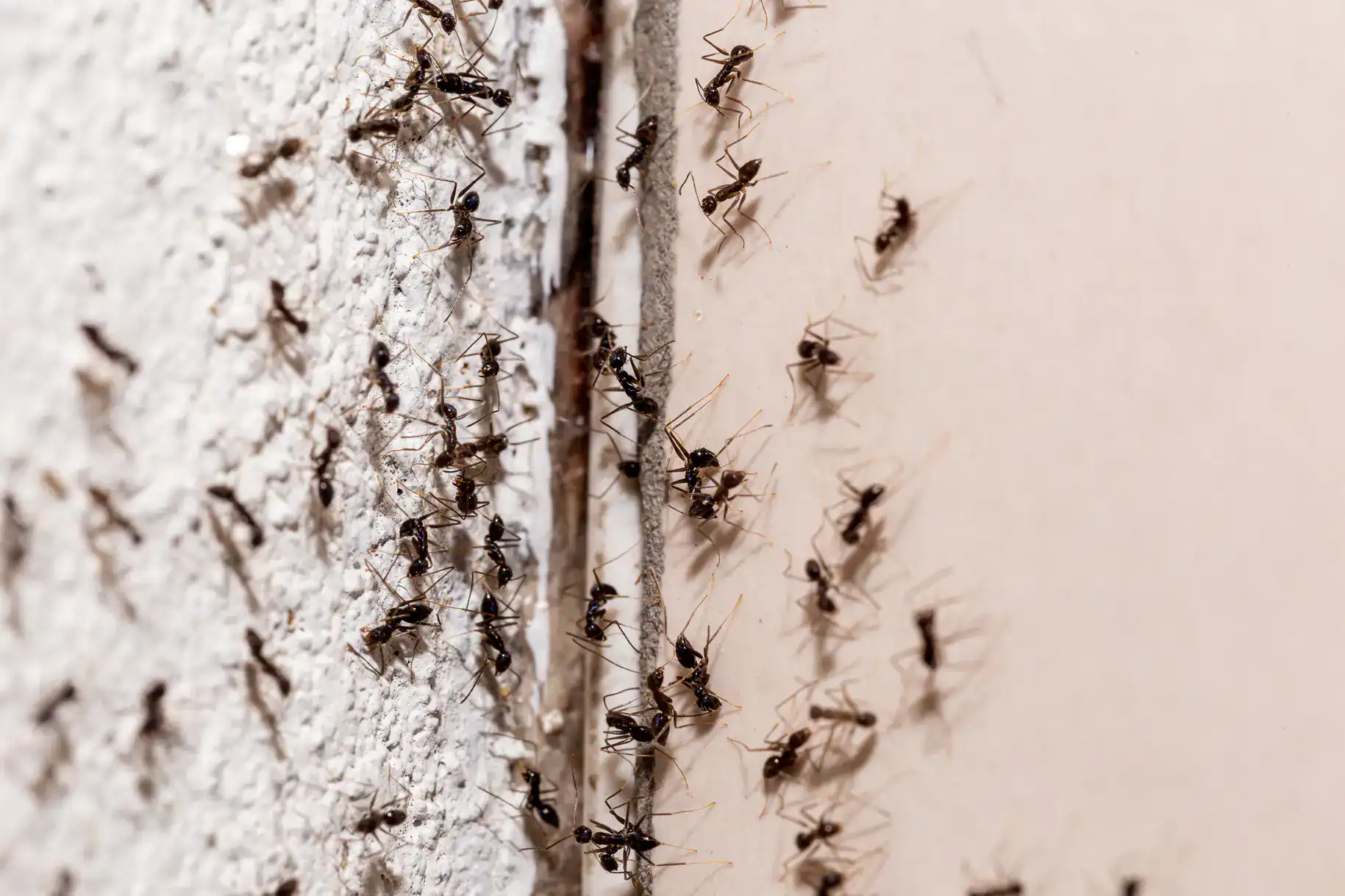
The ants you’re seeing on your counter or along your baseboard aren’t the problem they’re the symptom. The colony is somewhere else: inside a wall void, under a floorboard, in a rotting window frame softened by decades of moisture. Spraying what you can see doesn’t touch it. That’s why the problem keeps coming back.
For Kew Gardens residents, this is especially true. The neighborhood’s prewar Tudor homes and older apartment buildings many of them 80 to 100 years old have exactly the kind of aging wood, widened foundation gaps, and accumulated moisture that carpenter ants look for. Add the direct proximity to Forest Park, and you’re dealing with a level of sustained ant pressure that most Queens neighborhoods simply don’t have.
What changes after professional treatment isn’t just the ant activity it’s the confidence that the source has been addressed, not just the surface. No more waking up to a new trail. No more wondering if the frass near your baseboard means something worse. When the colony is gone, it’s gone.
We’ve been serving Brooklyn and Queens for over 50 years, and we know Kew Gardens specifically the prewar co-ops along Lefferts Boulevard, the Tudor single-families on privately-owned streets, the ground-floor garden apartments where pavement ants find their way in through foundation cracks every spring. We’re family-owned, fully licensed through the NYS Department of Environmental Conservation, bonded, and insured. We use only NYS DEC-registered materials, and we’ve maintained an A+ rating with the Better Business Bureau of New York State throughout our history. That kind of track record doesn’t happen by accident.
When you call, a real person answers 24 hours a day, 7 days a week. Not a voicemail, not a callback queue. Someone who can actually schedule your appointment and answer your questions.
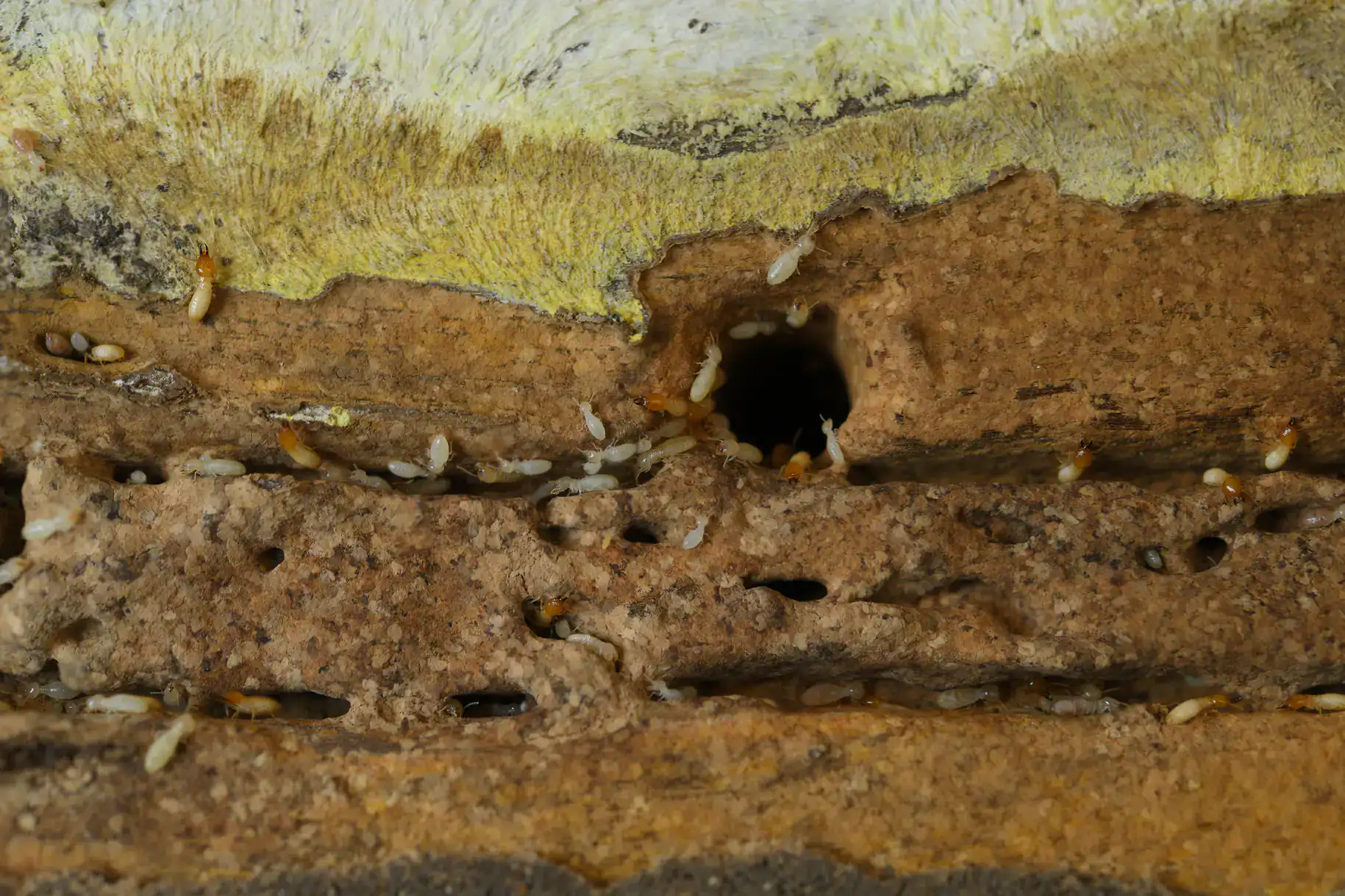
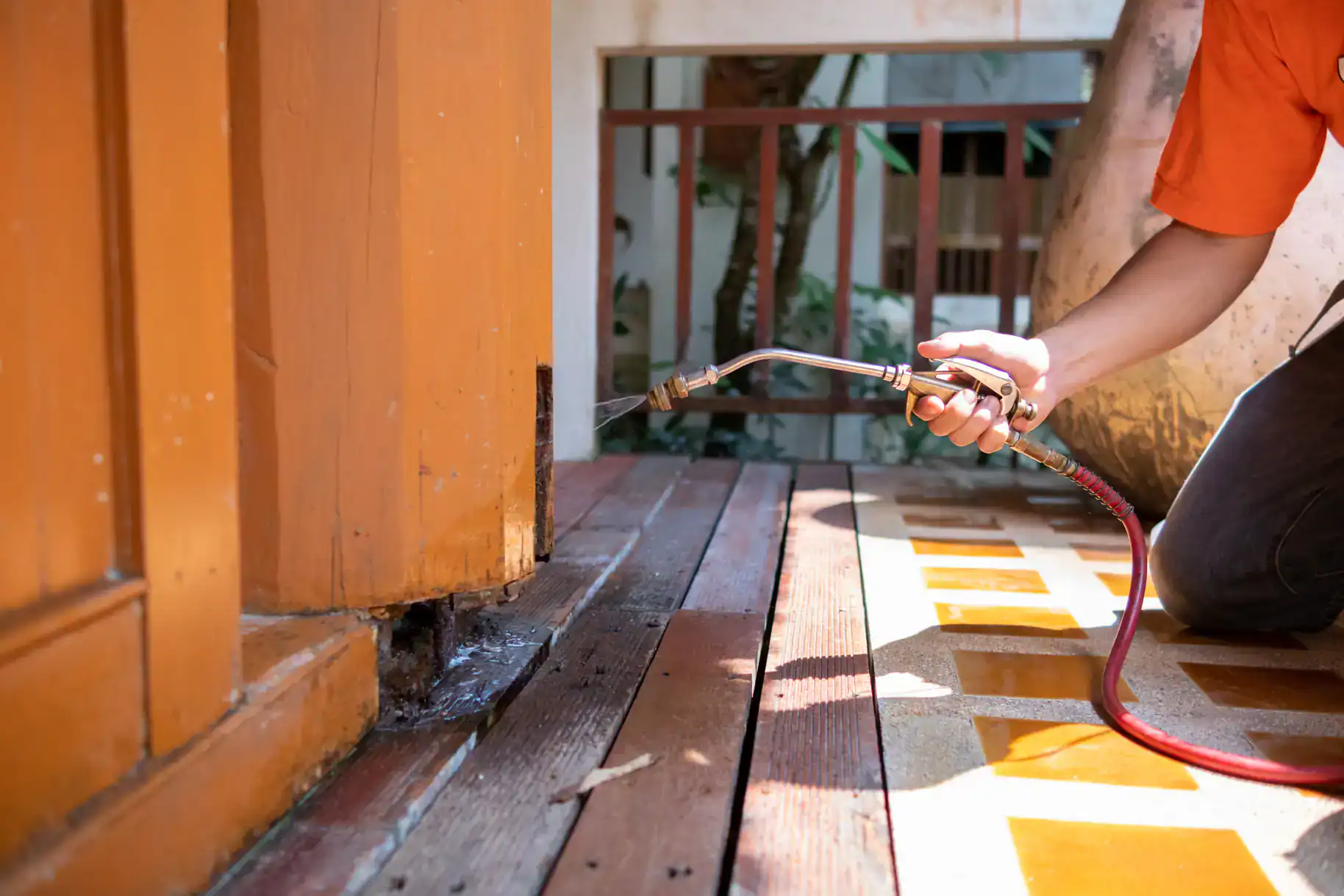
The first visit is a cleanout and it covers both the interior and exterior of your property. That matters in Kew Gardens, where ant colonies often originate outside, in the organic matter and decaying wood near the tree line, and travel into the structure through foundation gaps, plumbing penetrations, or gaps around aging window frames. Treating only inside misses half the picture.
The materials we apply are specifically chosen to work the way ant biology works. Foragers pick them up and carry them back into the nest, sharing them with the broader colony including the queen. That’s how you eliminate an infestation instead of just interrupting it temporarily.
After the initial cleanout, we set up a follow-up schedule based on your situation weekly, every other week, or monthly. In Kew Gardens, where Forest Park creates ongoing pressure from the west and older building construction creates persistent entry points, one visit is rarely the end of the story. The follow-up visits are where the work gets finished. We re-apply materials, monitor activity, and confirm the colony has been eliminated not just suppressed.
Ready to get started?
Every ant control service in Kew Gardens starts with a free estimate so you know exactly what’s involved before anything begins. From there, the work is structured around your specific situation: the type of ant, the building type, the likely entry points, and the level of activity you’ve been seeing.
Carpenter ants are the most common serious concern in Kew Gardens, particularly for residents in homes and buildings along the Forest Park border. They’re drawn to wood softened by moisture and in a neighborhood full of prewar construction with aging pipes and decades of seasonal exposure, that’s not a rare condition. Pavement ants are the primary issue for ground-floor and garden-level residents, entering through concrete cracks and utility gaps. Odorous house ants are the most frequent kitchen invader in multi-unit buildings and in the large prewar apartment complexes along Lefferts Boulevard and Metropolitan Avenue, a single colony can spread through shared plumbing chases across multiple units.
We treat all of it. Residential homeowners, co-op unit owners, building managers overseeing multi-unit properties the service scales to your situation. Seniors in the neighborhood also receive a 10% discount, which applies automatically when you call. No forms, no hoops.
Forest Park is 538 acres of mature woodland that borders Kew Gardens directly to the west. Carpenter ants thrive in forested environments they nest in decaying wood, leaf litter, and aging tree roots, and they routinely establish satellite colonies in the nearest available structure. For residents on streets like Park Lane South or Mowbray Drive, that structure is often your home.
The challenge isn’t just proximity to the park it’s that the conditions inside Kew Gardens’ older homes mirror what ants are looking for in the wild. Aging wood joists, moisture from decades of plumbing use, and widened foundation gaps all create nesting opportunities that are difficult to fully seal. Professional treatment addresses the colony, not just the foragers you’re seeing, and a structured follow-up schedule accounts for the ongoing pressure that comes from living next to a major woodland preserve.
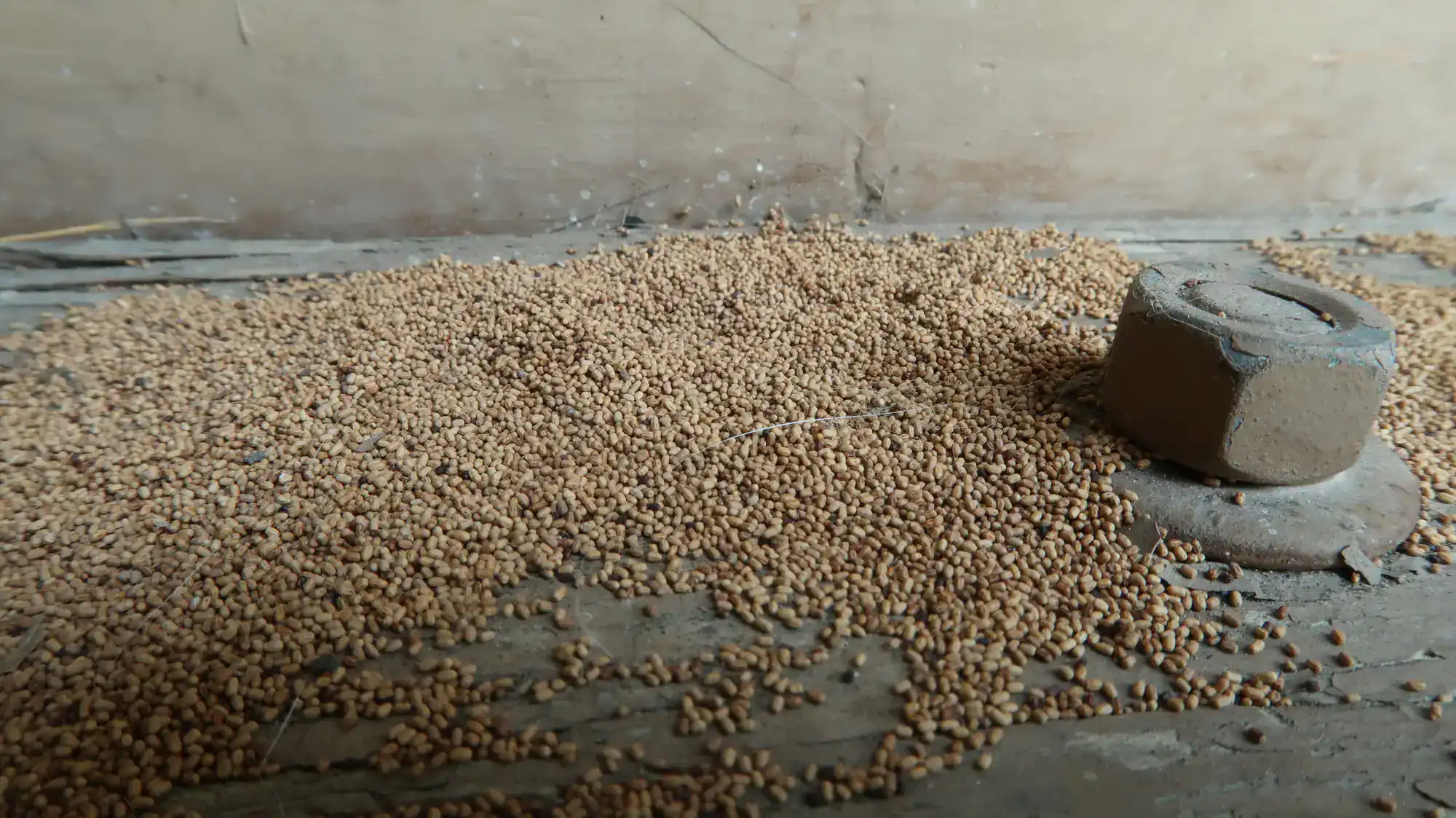
The clearest sign of carpenter ants is frass a fine, sawdust-like material near baseboards, windowsills, or door frames. Carpenter ants don’t eat wood the way termites do; they excavate it to build galleries, and the debris they push out is what you’re seeing. You might also notice winged ants called swarmers in late April or May, which is the most common trigger for service calls in Kew Gardens each spring.
Regular ants like pavement ants or odorous house ants are smaller, typically 1/16 to 1/8 of an inch, and are more likely to be trailing toward food sources in kitchens or bathrooms. Carpenter ants are significantly larger up to half an inch and are more often found near structural wood, not just food. If you’re unsure, a free estimate from a licensed technician will confirm the species and the extent of the activity before any treatment begins.
Yes and this is one of the most common scenarios we see in Kew Gardens’ large prewar apartment complexes. Odorous house ants form massive colonies and travel through shared infrastructure: plumbing chases, common basement areas, gaps around pipes that run between floors. A colony that starts in one unit can establish foraging trails into adjacent units within weeks.
This is why individual unit treatment, while helpful, often isn’t enough on its own in a multi-unit building. The source typically in a shared space or exterior entry point needs to be addressed at the same time. If you’re a unit owner dealing with recurring ants and the building management hasn’t resolved it, you have the right to bring in your own licensed exterminator. New York City’s Housing Maintenance Code places responsibility on property owners to maintain pest-free conditions, but individual residents can act independently when management is slow to respond.
Spring is the peak specifically April through June, when temperatures rise above 50°F and carpenter ant colonies become active after winter. Swarmer sightings indoors during this window are the single most common trigger for professional service calls in Kew Gardens. If you’re seeing winged ants inside your home in May, that’s a colony that’s been established in your structure for some time, not a new arrival.
Summer brings sustained forager activity from established colonies, particularly odorous house ants and pavement ants in kitchen and ground-floor areas. Fall sees a second wave of activity as ants seek warmth before temperatures drop ground-floor and basement units in prewar buildings are especially vulnerable during this transition. Winter doesn’t mean the problem disappears: carpenter ant colonies that have established themselves inside heated wall voids remain active year-round. The cleanest approach is to address the problem in spring before the colony reaches full activity, but professional treatment is effective at any time of year.
The materials we use are registered with the New York State Department of Environmental Conservation meaning they’ve been reviewed and approved for use in residential settings by the state’s regulatory authority. Our licensed technicians apply them in controlled, targeted quantities, not broadcast applications across your living space.
Before the work begins, your technician will ask about children, pets, and any household members with sensitivities. Re-entry timing after treatment is typically short often within a few hours and your technician will give you specific guidance based on what was applied and where. This conversation happens before the job starts, not after. If you have specific concerns about a product or application method, ask directly a licensed technician can tell you exactly what’s being used and why. That transparency is part of what it means to work with a properly licensed operator rather than an unlicensed one.
Seniors in Kew Gardens receive a 10% discount on ant control services. Given that roughly 17% of the neighborhood’s residents are 65 or older many of them long-term homeowners in the Tudor and Colonial homes that define this part of Queens it’s a straightforward acknowledgment of a community that’s been here a long time and deserves straightforward pricing.
All services also start with a free estimate, so there’s no financial commitment before you know exactly what’s involved. The estimate covers the type of ant, the extent of activity, the likely entry points, and the recommended treatment plan. From there, you decide. No pressure, no mystery pricing, and no annual contract requirement the maintenance schedule is flexible based on your situation and what the follow-up visits actually show.
Useful Links