
Hear from Our Customers
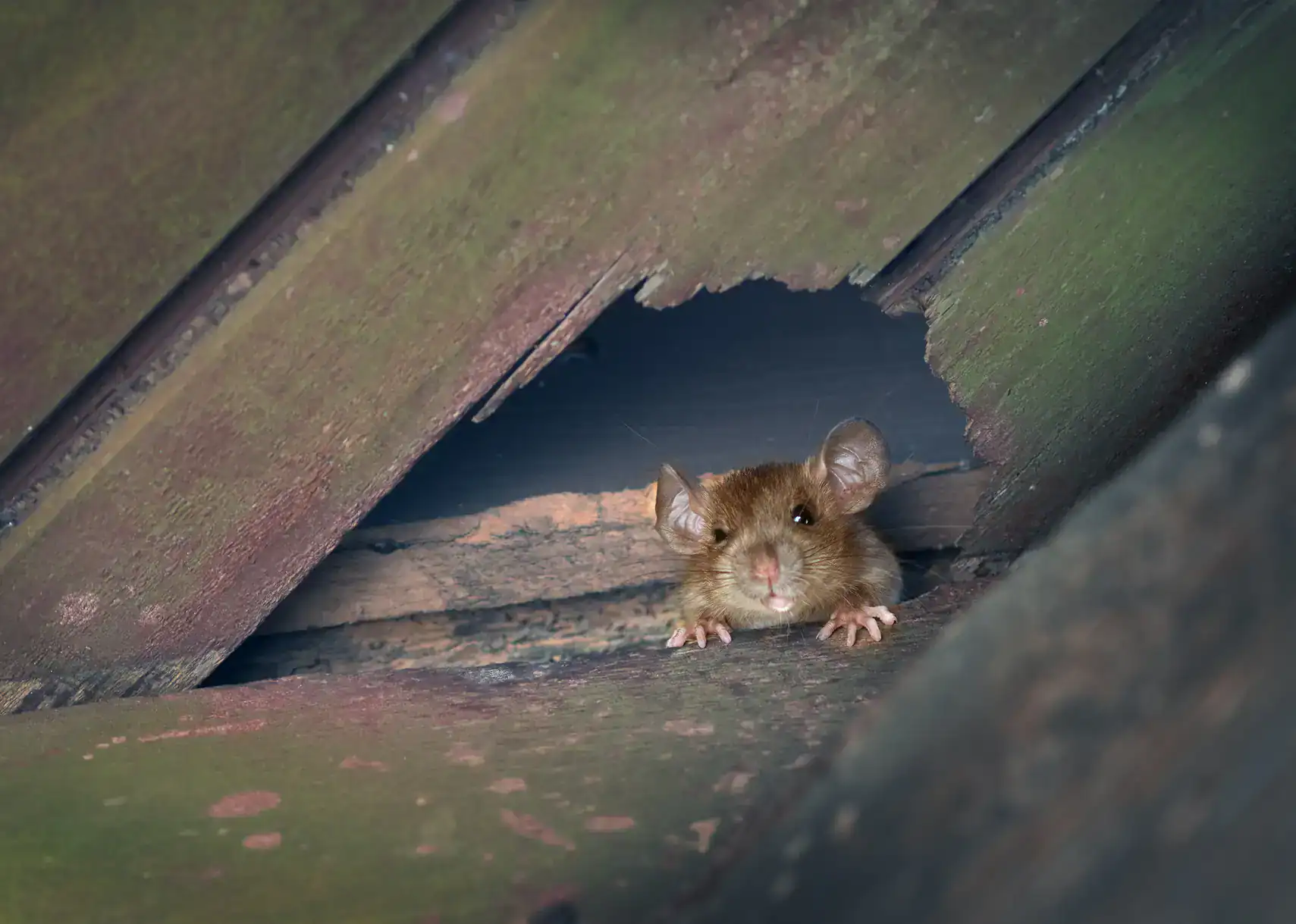
The scratching stops. The droppings stop showing up in the back of your cabinets. You stop wondering what’s moving inside the walls at night. That’s the most immediate thing the anxiety lifts. But there’s more to it than that, especially in a neighborhood like Little Neck.
Your home sits in one of the most naturally beautiful corners of Queens. The proximity to Alley Pond Park and Udalls Cove is part of why people choose to live here. But those same green spaces create a wildlife corridor that pushes rodents toward residential properties especially in the fall and early winter, when food sources in the marsh and parkland thin out and warmth becomes the priority. The homes they find most accessible are the ones built in the 1940s, 1950s, and 1960s, which describes most of Little Neck’s housing stock. Aging foundations, gaps around old utility penetrations, crawl spaces that haven’t been properly sealed in decades these are the entry points that snap traps from the hardware store will never address.
Real rodent control means the problem doesn’t come back next season. It means your wiring is no longer a chew toy. It means the home you’ve invested in and in Little Neck, that investment is real is protected the way it should be.
We founded Kingsway Exterminating Company in 1971. Our sons joined the business in 1987 and 1989 respectively. That’s three generations of the same family, building the same company, in the same city, for over five decades. No rebrands. No ownership changes. The same name, the same standards, the same accountability.
We hold an A+ rating with the Better Business Bureau of New York State and have maintained BBB accreditation since 1989. We’re fully licensed, bonded, and insured, and we apply only N.Y.S. Department of Environmental Conservation registered materials something that matters in a neighborhood like Little Neck, where homes border the tidal wetlands of Little Neck Bay and the protected habitat of Udalls Cove.
Attorneys and real estate brokers across New York refer their clients to us. In a neighborhood where homes regularly sell for over half a million dollars, that kind of professional trust isn’t a small thing. It means the people whose reputations depend on accuracy and results have decided we’re the company they stand behind.
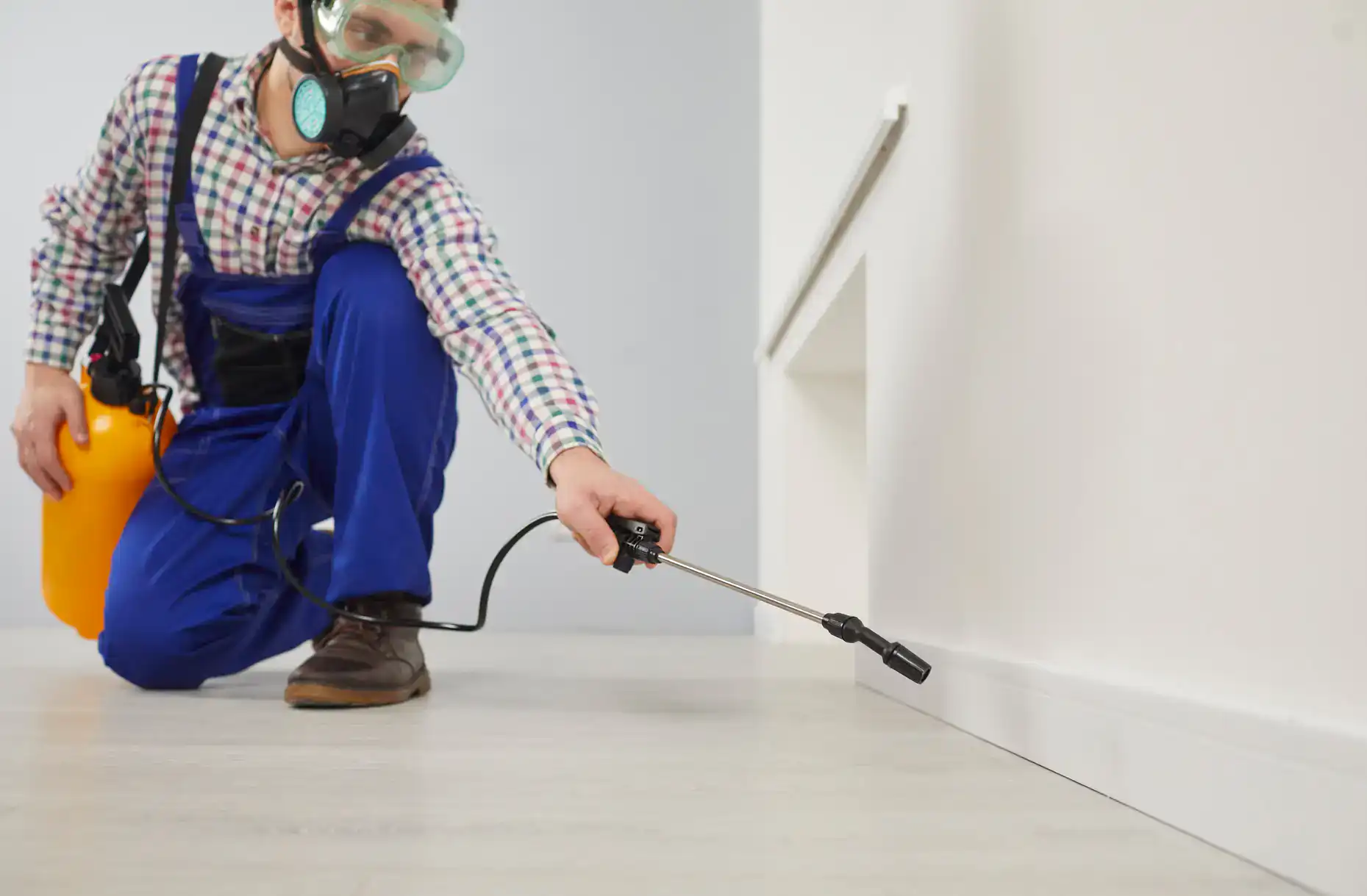
It starts with a thorough inspection interior and exterior. In Little Neck, that means paying close attention to the things that are specific to this neighborhood’s housing stock: crawl spaces, which are common in the split-level and ranch-style homes on the residential streets here; the gaps where gas lines and water pipes enter the foundation; the deteriorating mortar in older masonry that’s been settling since the Eisenhower administration. A mouse needs a hole the size of a pencil eraser. A rat needs a hole the size of a quarter. The inspection finds what you can’t see from the driveway.
Once the entry points are identified, we apply targeted and deliberate treatment. We use only NYSDEC-registered materials not because it’s required, but because it’s the right call when we’re working near the wetland buffers of Udalls Cove and the ecological corridors of Alley Pond Park. The treatment addresses the active infestation while the exclusion work addresses the structural vulnerabilities that let rodents in to begin with. One without the other is a temporary fix.
After the initial service, we walk you through what was found, what was treated, and what follow-up looks like. If there’s evidence of ongoing activity, a return visit is scheduled. Our goal isn’t a single transaction it’s a home that stays rodent-free.
Ready to get started?
Rodent control in Little Neck isn’t a one-size treatment. The homes here are predominantly single-family, owner-occupied structures many with private yards, mature landscaping, vegetable gardens, and bird feeders that create outdoor foraging conditions right next to the foundation. Our service accounts for all of it.
The inspection covers both the interior and exterior of the home, with specific attention to the crawl spaces, basement sill plates, and utility entry points that are common vulnerability zones in Little Neck’s mid-century housing stock. Treatment includes bait placement, trapping, and targeted application of NYSDEC-registered rodenticides where appropriate. Exclusion work physically sealing the entry points identified during inspection is a core part of our process, not an upsell. That’s the piece that actually prevents re-entry.
It’s also worth knowing that under New York City’s 2023 rat abatement legislation, any major construction or renovation work in the area requires certified exterminator treatment before work begins. Northern Boulevard has been an active corridor improvement zone, and construction activity even a few blocks away can displace established rodent colonies into surrounding residential streets. If you’ve noticed increased activity recently and there’s been nearby construction, that’s likely not a coincidence. We serve all five boroughs including Queens, and our team is familiar with how these displacement patterns play out in neighborhoods like Little Neck and the adjacent Douglaston area.

This is one of the most common calls we get from Little Neck homeowners between October and December, and the answer is almost always the same: the wildlife corridors on your doorstep. Alley Pond Park and Udalls Cove provide extensive natural habitat for rodents throughout the warmer months. As temperatures drop, food sources in those areas diminish, ground cover thins, and rodents begin moving toward structures specifically warm, food-accessible ones. Homes on the perimeter of these green spaces, and throughout Little Neck given its low density and mature landscaping, are the first targets.
The fall surge in rodent activity is a documented pattern across the NYC metro area, with rodent activity in residential structures increasing roughly 25% during winter months. In Little Neck, that pattern is amplified by the proximity to natural habitat. If you’re seeing droppings, hearing movement in the walls at night, or finding gnaw marks on food packaging, the problem is almost certainly more established than it looks. Rodents don’t travel alone, and by the time you notice the signs, there’s typically an active population already inside or immediately outside the structure.
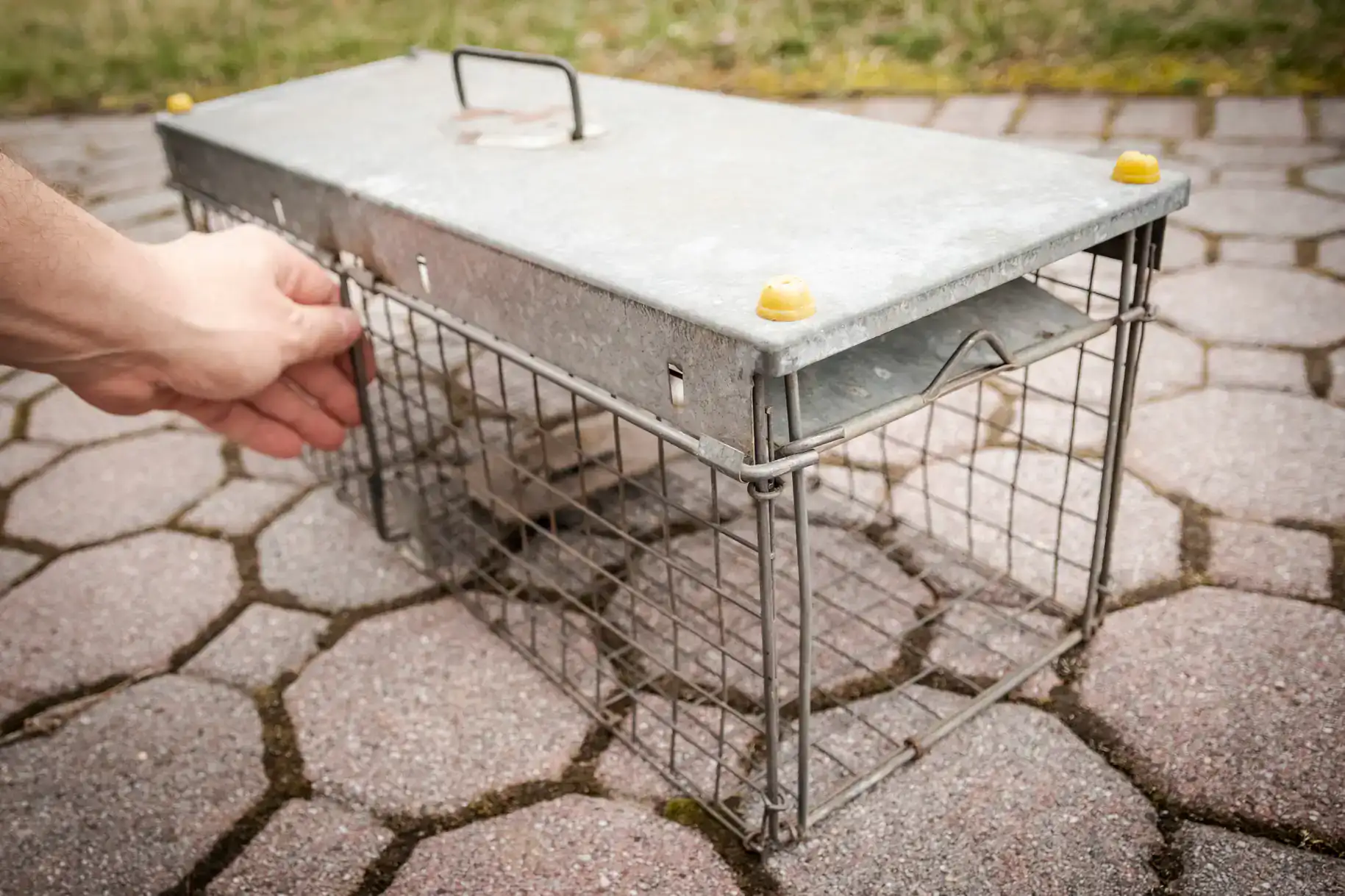
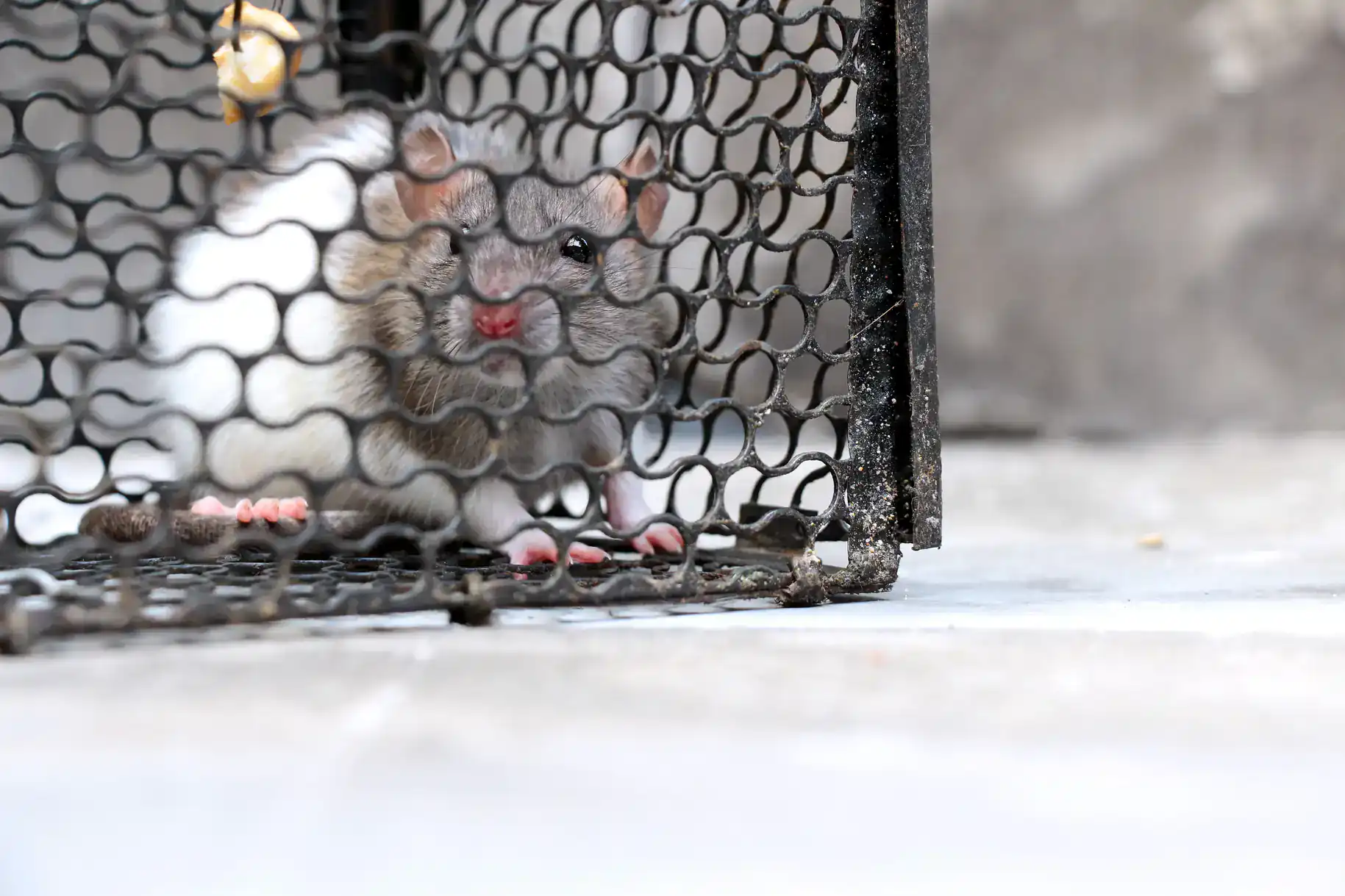
Traps work on individual rodents. They don’t work on an infestation, and they don’t address the reason rodents are getting into your home in the first place. If you’ve caught one or two mice and the problem keeps returning, what you’re dealing with isn’t a stray animal it’s an entry point that’s allowing continuous access. Every rodent you catch is replaced by another one coming in through the same gap.
In Little Neck’s older housing stock, those gaps are almost always structural: a crack in the foundation, a gap around a pipe penetration that’s widened over decades, a crawl space vent with a compromised screen, or deteriorating mortar on an older masonry foundation. A house mouse needs an opening no larger than a pencil eraser to get through. You can set traps indefinitely and never solve the problem if the entry point stays open. Professional rodent control starts with finding and sealing those access points that’s the step that actually ends the cycle.
We apply only N.Y.S. Department of Environmental Conservation registered pesticide materials, applied by our licensed technicians in targeted placements not broadcast applications throughout the home. NYSDEC registration means the materials have been evaluated for safety and efficacy before they’re approved for use in New York State. That’s a real regulatory standard, not a marketing claim.
In practice, targeted rodenticide placement in Little Neck homes typically means secured bait stations in areas that are inaccessible to children and pets inside wall voids, beneath crawl space access points, along the exterior foundation perimeter. Our technician will walk you through exactly where products are placed and any precautions relevant to your specific home layout. If you have young children, elderly family members, or pets with specific sensitivities, that’s worth mentioning when you call we can adjust the approach accordingly. The goal is effective treatment that doesn’t create a secondary problem.
This is the question most Little Neck homeowners ask, and it’s a fair one. The neighborhood is well-kept, the homes are maintained, and it doesn’t look like the kind of place that should have a rodent problem. But maintenance and rodent vulnerability aren’t the same thing. The issue isn’t cleanliness it’s age and structure.
Most homes in Little Neck were built in the 1940s, 1950s, and 1960s. Over that span of time, foundations settle and develop hairline cracks. The seals around utility penetrations where gas lines, electrical conduits, and water pipes enter the home dry out, shrink, and pull away from the surrounding masonry. Crawl spaces that were properly enclosed decades ago may have gaps today that weren’t there when the home was built. These aren’t signs of neglect. They’re the natural result of a structure aging over 60 to 80 years. Rodents exploit exactly these kinds of openings, and they’re often in locations that aren’t visible during a casual exterior walkthrough. A professional inspection is specifically designed to find them.
Yes. We serve all five boroughs of New York City, including Queens, and have done so continuously since 1971. Little Neck falls within our service area, as do the adjacent neighborhoods of Douglaston, Bayside, and the communities along the Queens–Nassau County border.
For Little Neck specifically, our familiarity with northeastern Queens is genuine not a ZIP code plugged into a coverage map. We understand the specific conditions of this area: the mid-century single-family housing stock, the proximity to Alley Pond Park and Udalls Cove, the crawl spaces and aging foundations common in the homes along the residential streets here, and the seasonal rodent pressure that comes with living at the edge of significant wildlife habitat. Same-day service is available in many cases, and a guaranteed appointment within 48 hours is always available. We offer free phone consultations and free estimates with no obligation.
There’s no honest single answer to this it depends on the extent of the infestation, the number of active entry points, and whether exclusion work is part of the treatment plan. For a typical single-family home in Little Neck with a moderate infestation and identifiable entry points, most homeowners see a significant reduction in activity within the first one to two weeks following initial treatment. Full resolution, including confirmed cessation of activity and completed exclusion work, generally takes two to four weeks with follow-up as needed.
What extends timelines is incomplete treatment specifically, addressing the active population without sealing the entry points that allowed access in the first place. If the gaps in the foundation or crawl space remain open, new rodents will move in from the surrounding area, particularly in a neighborhood like Little Neck where the adjacent green spaces of Alley Pond Park and Udalls Cove provide a continuous source of wildlife pressure. The exclusion component isn’t optional if you want a lasting result. Our process includes both, and our technician will give you a realistic timeline based on what’s actually found during the inspection not a number pulled from a brochure.
Useful Links