Hear from Our Customers
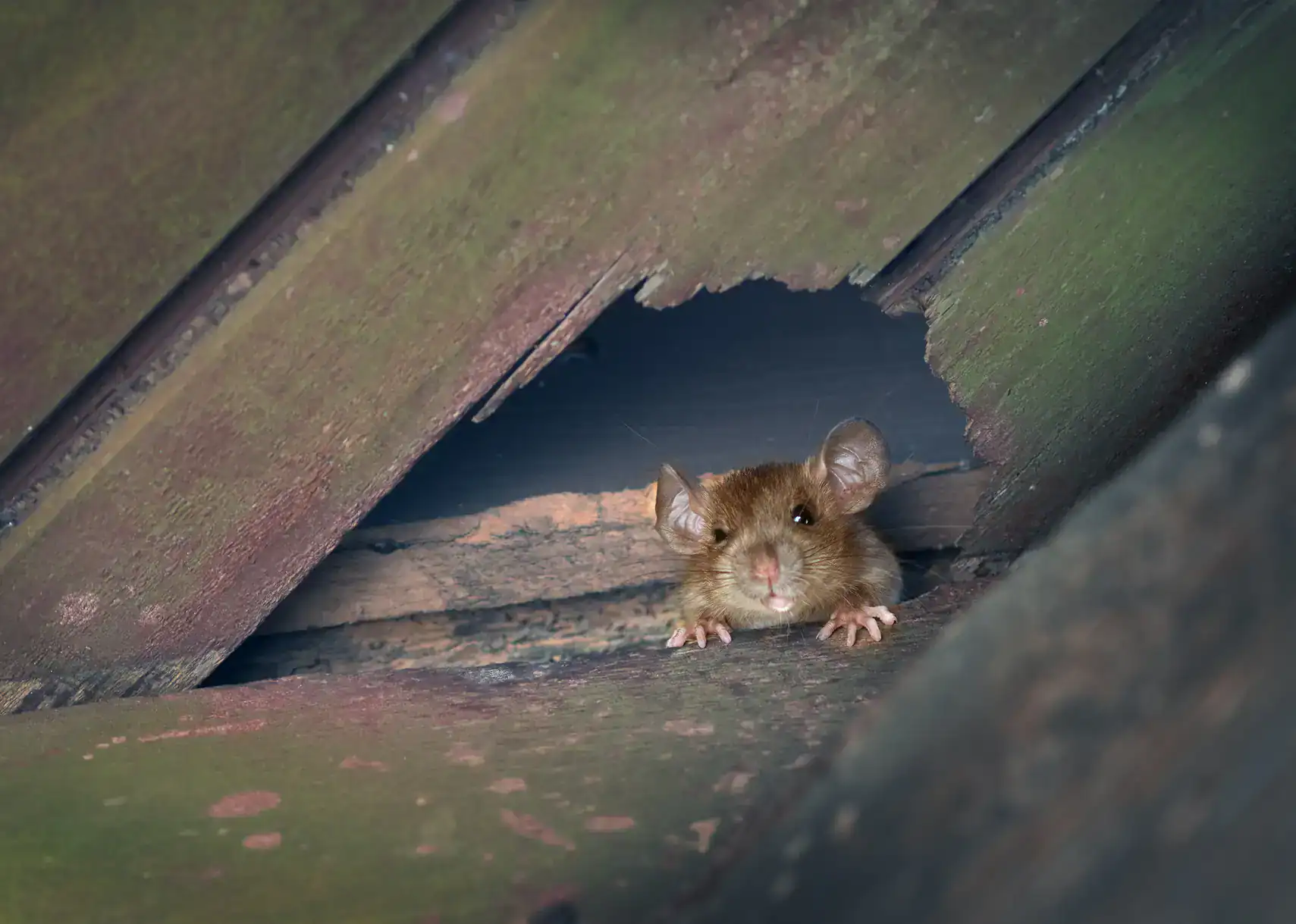
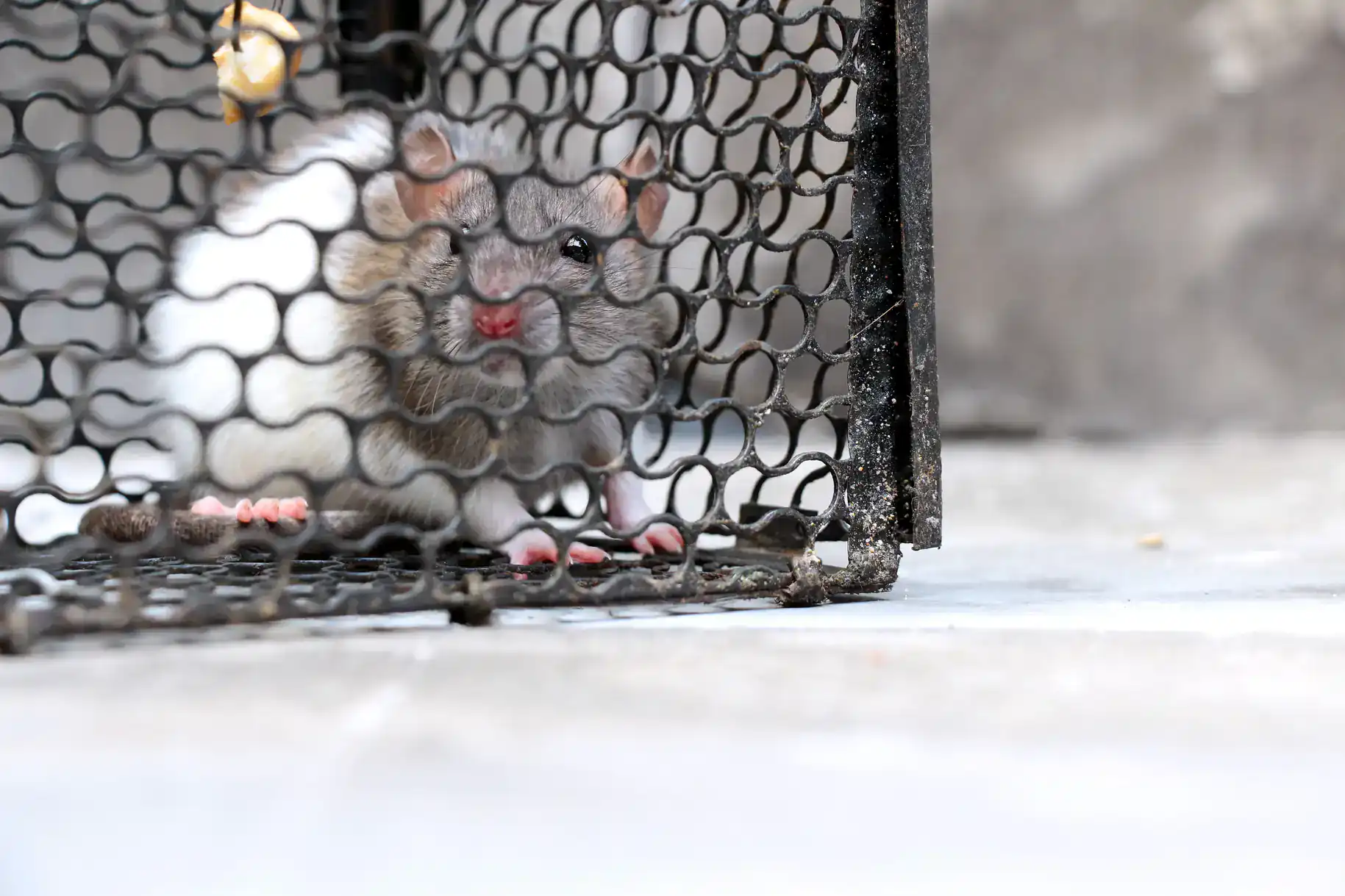
Most people call an exterminator after weeks of ignoring the signs droppings behind the stove, a sound in the wall at 2am, something that moved too fast across the kitchen floor. By that point, you’re not dealing with one or two rodents. You’re dealing with a colony that’s had time to settle in, chew through things, and find every gap in your building that you didn’t know existed.
When rodent control in Manhattan is done right, the difference is immediate and lasting. No more contaminated food prep areas. No more anxiety about what’s living in your walls. No more droppings on counters or chewed wiring that quietly becomes a fire hazard. That last part matters more than people realize rodents are responsible for up to 25% of house fires in the U.S. annually, and in a pre-war Manhattan walk-up where the electrical is already aging, that risk is not abstract.
There’s also the legal side. In Manhattan, a rodent infestation is classified as a “C” violation under the NYC Housing Maintenance Code immediately hazardous, requiring correction within 24 hours. If you’re a property owner, a co-op board member, or a building manager anywhere from Harlem to the Financial District, an unresolved rodent problem isn’t just uncomfortable. It’s a liability. Getting it handled properly means getting it handled once, by someone who knows exactly what they’re dealing with.
We’ve been operating in Manhattan and across New York City since 1971. That’s not a marketing number it means the Kourbage family has been treating rodent infestations in Manhattan’s pre-war walk-ups, subway-adjacent buildings, and restaurant-dense blocks through every phase of this city’s history. Richard Sr. built the business. Richard Jr. and Charles grew up in it and have been running it since the late 1980s. When you call, you’re reaching people who have a personal stake in the outcome.
We hold an A+ rating with the Better Business Bureau of New York State accredited since 1989 and apply only NYS Department of Environmental Conservation registered pesticide materials. That matters in a city where unlicensed operators are a real risk and where property owners can face legal exposure for using them. From the Upper East Side to Washington Heights to East Harlem’s designated Rat Mitigation Zone, we’ve been the company that New York attorneys and real estate brokers call when the stakes are high. That kind of referral doesn’t come from a marketing campaign. It comes from results.
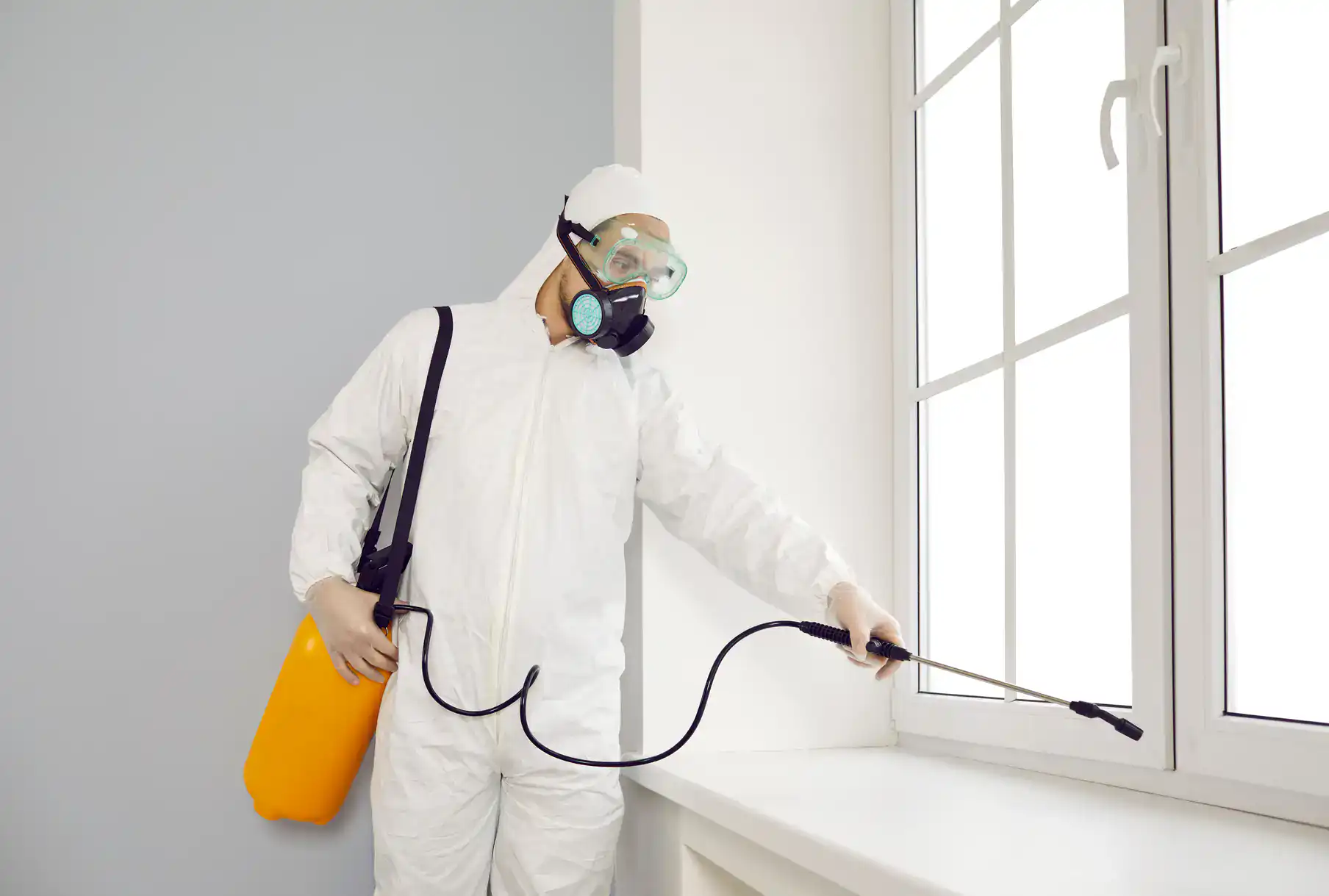
We start with a thorough inspection not a quick walkthrough, but a real assessment of your unit or building. In Manhattan, that means looking at the specific vulnerabilities that come with your building type. Pre-war construction has aging plumbing penetrations, gaps around steam pipes, and deteriorating masonry that create entry points most people never notice. A building near an active construction site in Hudson Yards or East Harlem faces a different kind of pressure displaced underground colonies migrating from broken ground. Our inspection accounts for all of it.
From there, we identify the species involved Norway rats and house mice behave differently and require different treatment approaches and develop a targeted plan using NYS DEC registered materials. That’s paired with exclusion work: physically sealing the entry points rodents are using to get in. Treatment without exclusion is just temporary relief. The rodents come back because the door is still open. Exclusion is what makes the solution stick.
After treatment, you’ll receive documentation of everything we did what was applied, where, and why. For Manhattan property owners responding to an HPD violation, co-op boards managing a building-wide issue, or property managers who need compliance records, that paperwork matters. Follow-up visits are part of our process when needed, and we guarantee an appointment within 48 hours of your call same day in many cases.
Ready to get started?
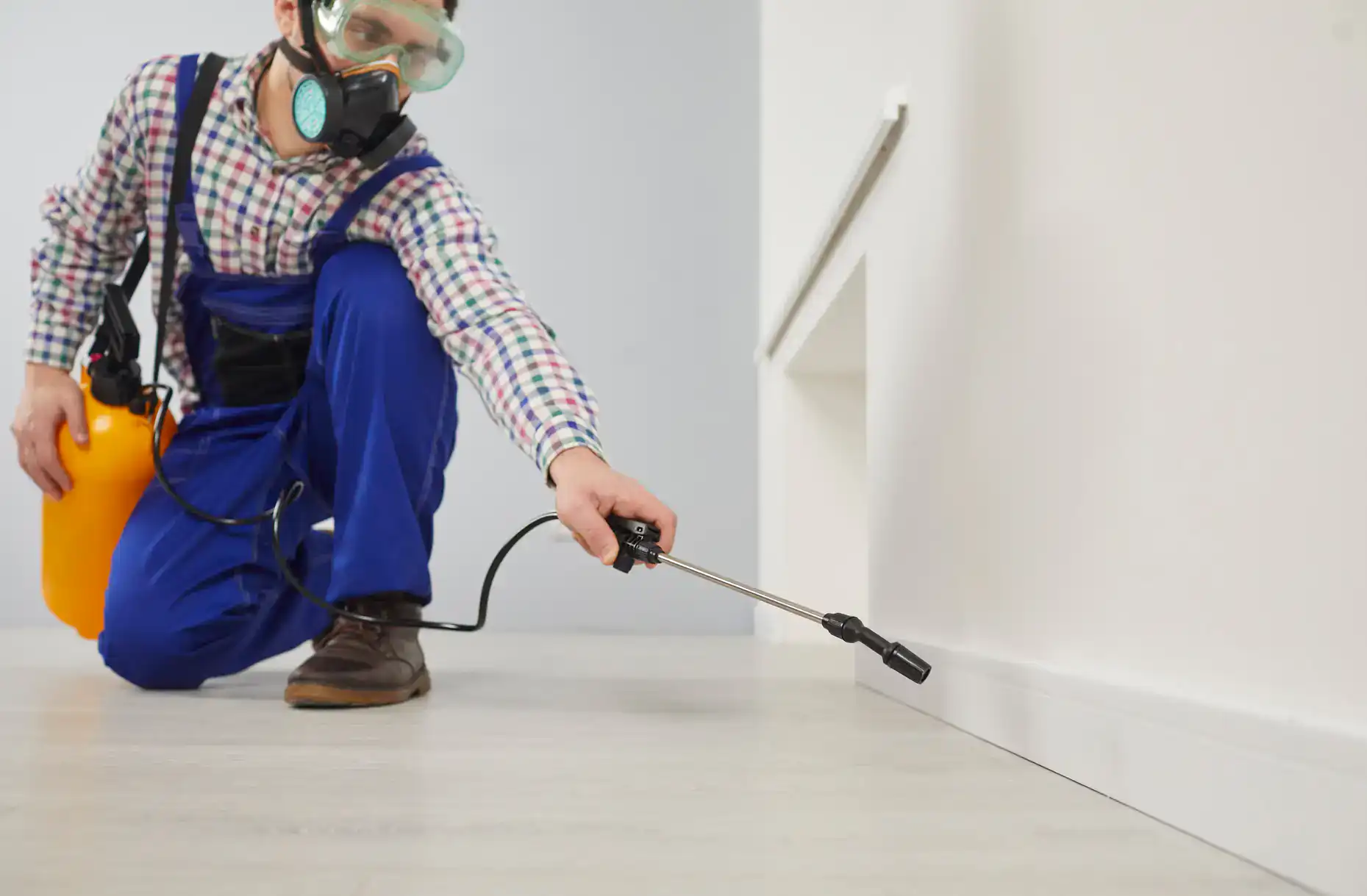
Rodent control services in Manhattan require a different approach than what works in a single-family home in the suburbs. The building stock here is older, denser, and more interconnected. A rodent problem in one unit of a pre-war walk-up on the Upper West Side is rarely contained to that unit it’s a building problem that needs a building-level response. Our rodent control services are designed with that reality in mind, covering interior inspection and treatment, targeted bait placement, exclusion work at identified entry points, and written service documentation for compliance purposes.
For commercial clients restaurants in Hell’s Kitchen, office buildings in Midtown, retail spaces in SoHo our service extends to garbage chute areas, basement access points, and loading dock perimeters where rodent pressure tends to concentrate. NYC’s trash containerization requirements, which took effect for all businesses in March 2024, reduced but did not eliminate the food waste that sustains Manhattan’s rodent population. Professional treatment fills the gap that city policy alone can’t close.
If you’re in a designated Rat Mitigation Zone Harlem or the East Village/Chinatown area our compliance-focused approach is particularly relevant. Properties in these zones face heightened city inspections and mandatory corrective timelines. Having a licensed, bonded, and insured exterminator with a documented service record is the difference between passing an inspection and receiving an escalating violation.
This is one of the most common frustrations in Manhattan, and the answer almost always comes back to exclusion. Treatment kills or removes the rodents that are already inside. But if the entry points aren’t physically sealed, new rodents from the building’s shared infrastructure or from the subway tunnels and sewer lines running beneath the block will find their way back in. In a pre-war building, those entry points are often around aging plumbing penetrations, gaps where pipes meet walls, deteriorating masonry at the foundation, or spaces behind radiators connected to a shared steam system.
A proper rodent control process in Manhattan has to include both treatment and exclusion. Snap traps and bait stations alone are not a long-term solution in a borough where the underground infrastructure provides a continuous, year-round source of rodent pressure. Our inspection process is specifically designed to identify these building-level entry points not just the obvious ones and seal them as part of the service.
Yes. Under the NYC Housing Maintenance Code, property owners not tenants are legally responsible for maintaining rodent-free conditions. A rodent infestation is classified as a “C” violation, meaning it’s considered immediately hazardous and must be corrected within 24 hours of a notice of violation from the NYC Department of Health and Mental Hygiene. If your landlord is slow to act, you can file a complaint through NYC’s 311 system, which triggers a formal inspection process.
If you’re dealing with an active infestation and your landlord isn’t moving fast enough, you do have the option to hire a licensed exterminator directly and document the service. Many Manhattan renters go this route when health or safety concerns are immediate. We can provide written documentation of all services performed, which is useful if you need to demonstrate to your landlord, building management, or the city that the issue was addressed. A free phone consultation is a good starting point if you’re unsure how to navigate the situation.
A Rat Mitigation Zone is an area officially designated by the NYC Department of Health and Mental Hygiene as having a severe enough rodent infestation to warrant prioritized city inspection, enforcement, and treatment resources. In Manhattan, the currently designated zones include Harlem and the East Village/Chinatown area. If your property is in one of these zones, it’s subject to more frequent inspections and stricter compliance timelines than properties elsewhere in the borough.
Buildings in these zones that receive two or more rodent-specific violations are required to use rodent-proof trash containers for a minimum of two years. In serious cases, the city may send exterminators to non-compliant properties and bill the owner for the cost. If you own or manage a building in one of these zones, having a licensed exterminator with documented service records isn’t optional it’s what protects you from escalating penalties. Our compliance-focused documentation process is specifically useful for property owners navigating these requirements.
Nationally, most homeowners spend somewhere between $180 and $610 for professional rodent treatment, with exclusion work adding another $200 to $600 depending on the scope. In Manhattan, where labor costs are higher and building access is more complex especially in multi-unit pre-war buildings where work may need to be coordinated with building management you should expect to be at or above those national ranges.
The more important question is what you’re paying for. A low-cost treatment that doesn’t include exclusion work will need to be repeated. A thorough inspection, targeted treatment with NYS DEC registered materials, physical sealing of entry points, and written documentation of service is a more complete solution and in the long run, a more cost-effective one. We offer a free phone consultation and free estimate before any work begins, so you’ll know exactly what’s involved and what it costs before you commit to anything.
Yes, and this is one of the things that makes rodent control in Manhattan genuinely different from anywhere else. The NYC subway system runs 245 miles of track beneath the borough, much of it built in the early 1900s. Those tunnels are warm year-round, food-accessible, and largely predator-free ideal rodent habitat. Rats living in the subway infrastructure routinely surface into adjacent buildings through utility penetrations, aging sewer connections, cracked foundation walls, and gaps around basement-level entry points.
This is why rodent pressure in Manhattan doesn’t follow the same seasonal pattern you’d see in a suburban area, where cold winters naturally suppress populations. The underground infrastructure keeps colonies active and reproductive year-round. Ground-floor commercial spaces, basement apartments, and buildings with older foundations near active subway lines are particularly vulnerable. Addressing this kind of pressure requires exclusion work that specifically targets the pathways between the underground and your building not just interior treatment after the fact.
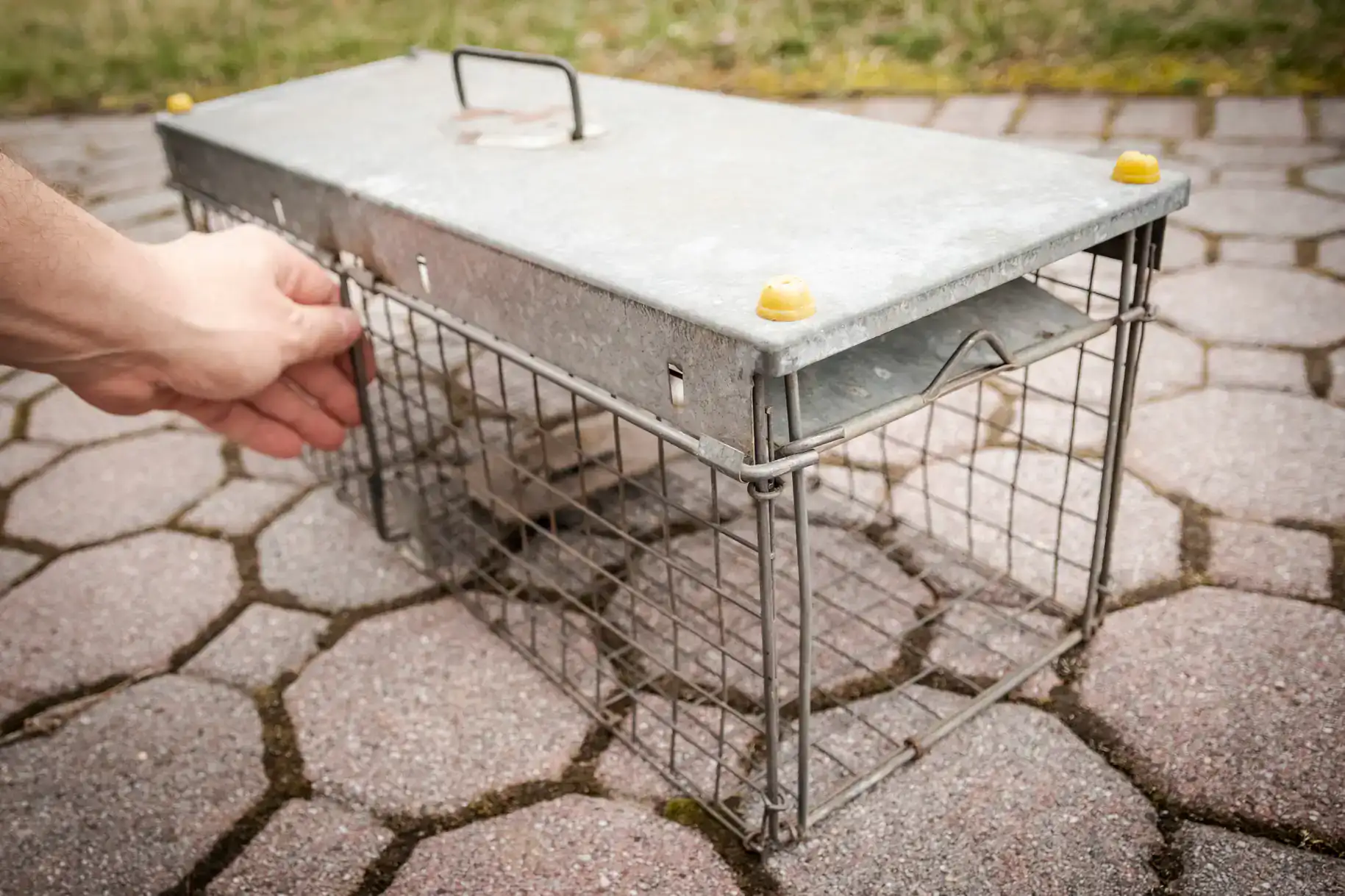
You can legally use over-the-counter traps and bait products as a property owner or tenant in New York City. But there’s a meaningful difference between what’s legally permitted and what actually works in a Manhattan building. DIY solutions snap traps, glue boards, hardware store bait stations can reduce the number of rodents you see in the short term. They don’t address the entry points, the shared building infrastructure, or the underground pressure that’s driving the problem in the first place.
For property owners responding to an HPD violation, building managers dealing with a complaint, or anyone in a designated Rat Mitigation Zone, a licensed exterminator isn’t just more effective it’s often necessary to satisfy the city’s documentation and compliance requirements. New York State requires commercial pesticide applicators to hold a valid NYS DEC certification. Hiring an unlicensed operator in Manhattan creates legal exposure for property owners and typically produces worse results. We are fully licensed, bonded, and insured, and every service comes with written documentation you can use for compliance, building management records, or landlord-tenant disputes.
Useful Links
Other Services we provide in Manhattan