
Hear from Our Customers
You stop waking up checking your mattress. You stop wondering if the unit next door is the reason they keep coming back. In Manhattan, that second part matters more than most people realize because in a building where you share walls, floors, plumbing chases, and elevator shafts with dozens of other residents, a bed bug problem is almost never just your problem. It can move. Quickly.
Manhattan’s prewar housing stock makes this harder than it sounds. Original plaster walls, settled baseboards, aging pipe penetrations these buildings have more hiding spots than any newer construction, and bed bugs know how to use every one of them. A thorough treatment here isn’t just about your unit. It’s about understanding how the infestation got in, where it’s likely to spread, and what it takes to stop it from cycling back through the building.
When treatment is done right, you get your apartment back. You stop sleeping somewhere else. You stop bagging everything you own. And if you’re a property manager or building owner, you stop fielding complaints, stop worrying about HPD violations, and have the documentation you need to show the city you handled it properly.
Kingsway Exterminating Company has been operating in New York City since 1984 long before bed bugs became the widespread issue they are today. We were founded by Richard Kourbage and are based in Brooklyn, and we’ve spent four decades treating infestations across all five boroughs, including Manhattan’s most complex prewar co-ops, rent-stabilized walk-ups in Washington Heights, and high-rise rentals from Midtown to Inwood. Our team carries a collective 100+ years of hands-on experience, and we hold an A+ rating with the Better Business Bureau, accredited since 1989.
What actually sets us apart in the Manhattan market is our certified bedbug specialist designation a credential the EPA specifically recommends seeking out when hiring for bed bug work, as opposed to a general pest control license. We’re also fully licensed under the New York State Department of Environmental Conservation, which is the exact licensing framework NYC’s HPD directs property owners to verify before hiring anyone. We know the city’s regulatory system because we’ve worked inside it for forty years.
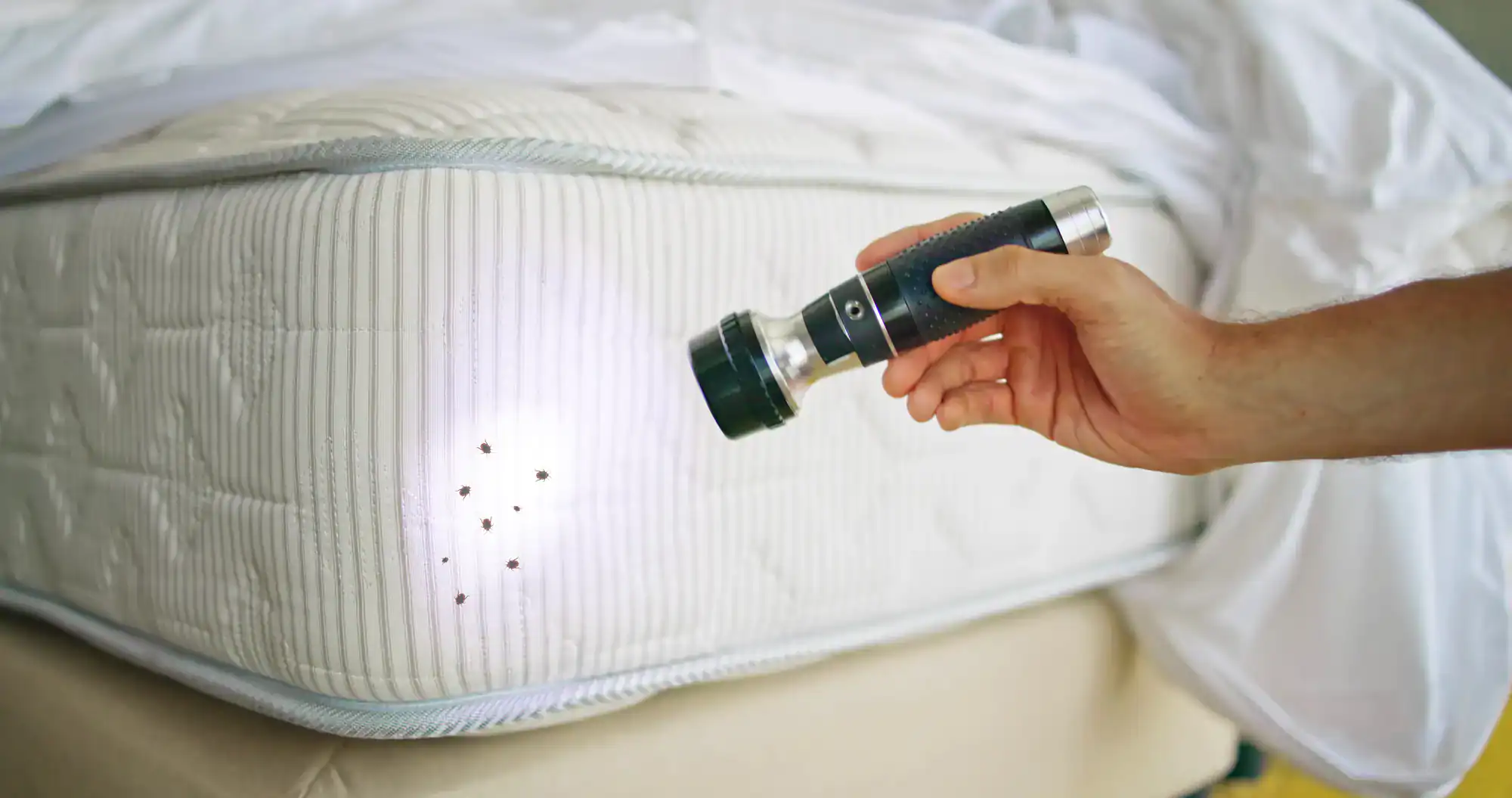
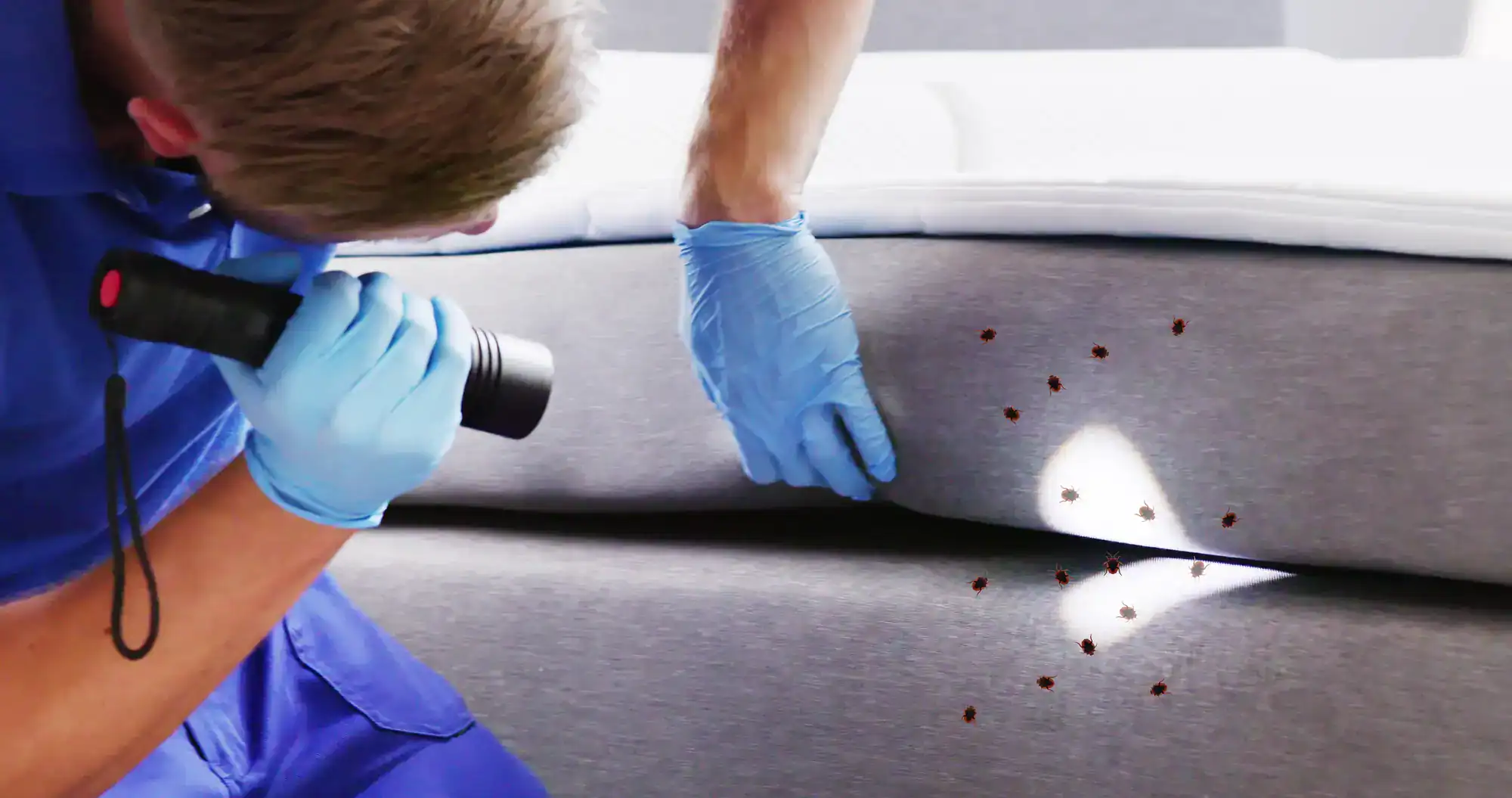
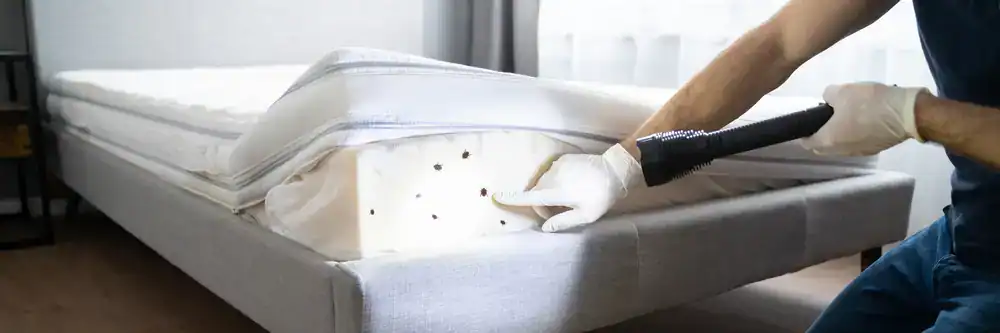
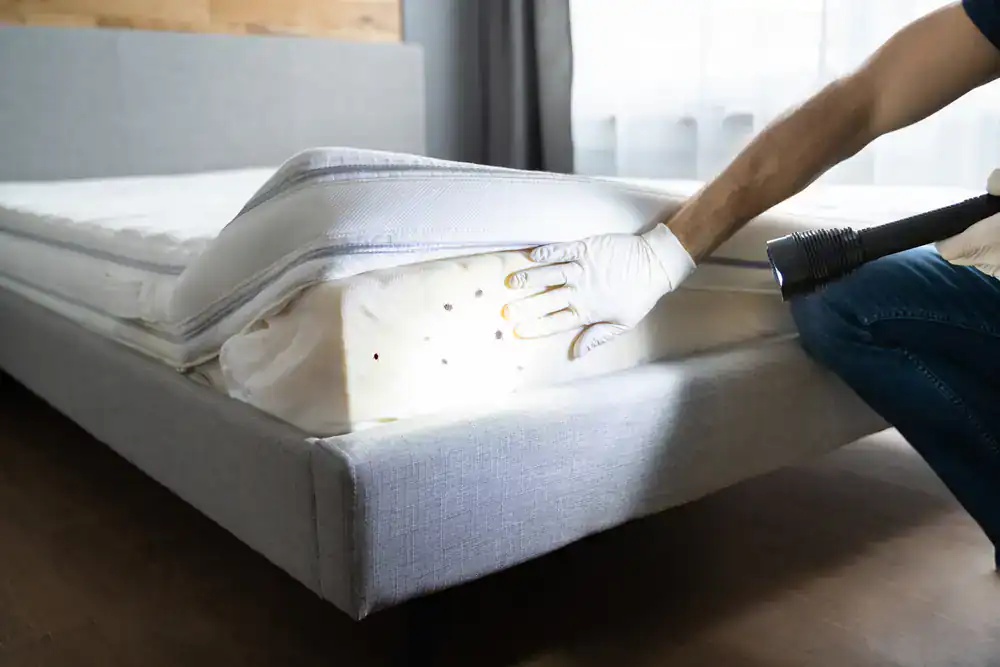
It starts with an inspection often same-day. One of our certified specialists comes to your unit, assesses the extent of the infestation, identifies where bed bugs are hiding, and determines how far they may have spread. In Manhattan buildings, that assessment includes looking beyond your four walls. Shared walls, common areas, adjacent units, and building infrastructure all factor into an accurate picture of what you’re dealing with.
From there, you get a clear treatment plan with no inflated scope and no pressure to add services you don’t need. Our reviews consistently call this out customers note that we assessed the situation honestly and didn’t push unnecessary add-ons. In a borough where a bed bug treatment can run anywhere from $1,000 to $5,000 depending on severity, that kind of transparency matters.
Treatment itself typically involves professional-grade chemical application, with follow-up visits scheduled as needed most infestations require two to four treatments over three to six weeks. If you’re in a rental and navigating the HPD process, we can provide the documentation you need. We issue clearance certificates to the NYC Department of Health and have resolved health code violation citations across Manhattan and the other boroughs. When the job is done, you’ll know it and you’ll have the paperwork to prove it.
Ready to get started?
Bed bug treatment in a 600-square-foot Manhattan studio is a different job than treating a suburban house. There’s nowhere for the treatment environment to go it’s the same space where you sleep, cook, and live. We use environmentally responsible, family-safe treatment methods that are appropriate for small-space urban living, and we’ll walk you through exactly how to prepare your apartment before the visit so nothing is left to chance.
For property managers and building owners in Manhattan, our service goes further. Under Local Law 69 of 2017, building owners with three or more residential units are required to file annual bed bug reports with HPD and disclose infestation history to incoming tenants. Non-compliance carries fines of $10 to $125 per day. We understand these requirements and provide the treatment records and documentation that support your compliance obligations not just a receipt for a spray job.
Whether you’re in a rent-stabilized building in Harlem, a co-op on the Upper West Side, a Tribeca loft conversion, or a high-rise near Grand Central, our approach is the same: a thorough inspection, an honest assessment, a targeted treatment plan, and follow-up visits until the problem is resolved. We answer the phone 24 hours a day, seven days a week because finding bed bugs at 11pm on a Friday is not a situation that should wait until Monday.
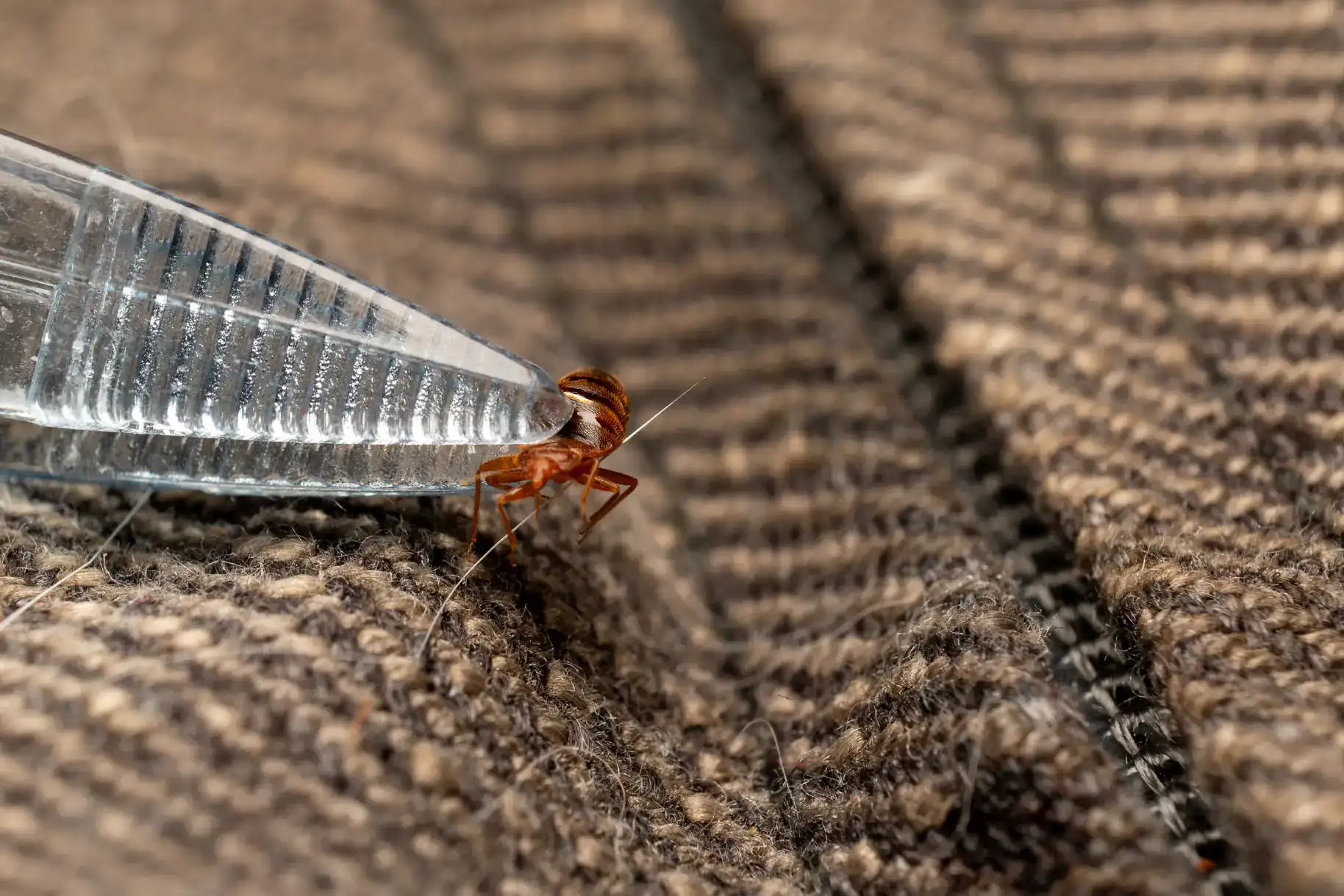
In New York City, landlords of residential rental properties are legally responsible for eliminating bed bug infestations. That means the cost of professional treatment falls on the building owner, not the tenant unless the tenant can be shown to be the direct source of the infestation. This is spelled out in the NYC Housing Maintenance Code and is actively enforced by the Department of Housing Preservation and Development.
If your landlord isn’t responding after you’ve notified them in writing, you can file a 311 complaint and HPD will schedule an inspection. If live bed bugs are confirmed, HPD issues a Notice of Violation requiring the landlord to remediate within approximately 30 days. Fines accumulate daily for non-compliance. If you’re a tenant in Manhattan facing this situation and need documentation of the infestation to support a complaint, a professional inspection report from a licensed exterminator carries real weight in that process.
Yes and in Manhattan’s building stock, this is one of the most important things to understand about a bed bug infestation. Bed bugs can travel up to 100 feet per night in search of a host. In a prewar apartment building with original plaster walls, aging pipe penetrations, and settled baseboards, they have multiple pathways to move laterally between units through wall voids, electrical conduits, plumbing chases, and gaps behind baseboards.
This is why a thorough treatment in a Manhattan building needs to account for more than just the affected unit. An experienced specialist will assess the adjacent units and common areas as part of the inspection, and a treatment plan that ignores potential spread points is a treatment plan that’s likely to fail. If you’re a property manager dealing with a complaint in one unit, it’s worth knowing whether neighboring units have also been exposed before assuming the problem is contained.
For a single Manhattan apartment, professional bed bug treatment generally runs between $1,000 and $2,500 for a standard chemical treatment. More severe infestations, or situations requiring whole-unit treatment with multiple follow-up visits, can reach $4,000 to $5,000 or more.
Most infestations require two to four treatments spaced over three to six weeks, so the total cost reflects the full course of treatment not just one visit. If you’re a renter whose landlord is legally responsible for the cost, that distinction matters less to you directly, but it’s worth understanding the scope so you can hold your building owner accountable for a complete treatment, not a single spray visit that doesn’t resolve the problem. We offer free estimates, so you’ll know what you’re looking at before anything is scheduled.
Local Law 69 of 2017 requires building owners of residential properties with three or more units to file an annual bed bug infestation report with HPD every December, covering the prior November-to-October period. This report must disclose whether any units or common areas had active infestations and what eradication steps were taken. Landlords are also required to provide all prospective tenants with a written one-year bed bug history for both the specific unit and the building before a new lease is signed.
Failure to file the annual report results in HPD violations. Providing inaccurate information such as filing a bed bug-free report when an active infestation exists is a separate violation that HPD pursues. If you’re moving into a Manhattan apartment and your landlord hasn’t provided this disclosure, ask for it in writing. If you’re a building owner unsure whether your current treatment records support an accurate filing, professional documentation from a licensed exterminator is the foundation you need.
In most cases, no. Discarding furniture is one of the most common misconceptions about bed bug treatment, and in Manhattan where replacing a couch or a bed frame in a walk-up building is a logistical ordeal on its own it’s also an expensive and unnecessary step most of the time. Professional treatment can address bed bugs in mattresses, box springs, upholstered furniture, and bed frames without requiring you to throw anything out.
There are situations where heavily infested items that can’t be effectively treated are better disposed of, but that’s a case-by-case determination made during the inspection not a blanket recommendation. If you do need to discard anything, NYC has specific rules about how infested items must be bagged and labeled before being placed for collection, to prevent spread to other residents in the building. A licensed specialist will walk you through what actually needs to go and what can stay.
Manhattan draws tens of millions of visitors annually, and the borough’s hundreds of hotels from budget Midtown properties to luxury towers on Fifth Avenue are a well-documented source of bed bug introduction into residential areas. Residents who host out-of-town guests, travel frequently for work, or live near high-traffic tourist corridors like Times Square or the Upper West Side face a statistically elevated re-infestation risk compared to residents in lower-traffic neighborhoods.
The risk isn’t limited to hotels. The MTA subway system, shared laundry facilities in apartment buildings, secondhand furniture from estate sales in prewar buildings, and student move-in season near Columbia, NYU, and Barnard are all recognized introduction vectors in Manhattan. This is part of why a single successful treatment isn’t always the end of the story ongoing awareness of how bed bugs enter your home is part of keeping them from coming back. If you’ve had treatment before and they’ve returned, the re-introduction source is worth identifying before the next round begins.
Useful Links
Other Services we provide in Manhattan