Hear from Our Customers
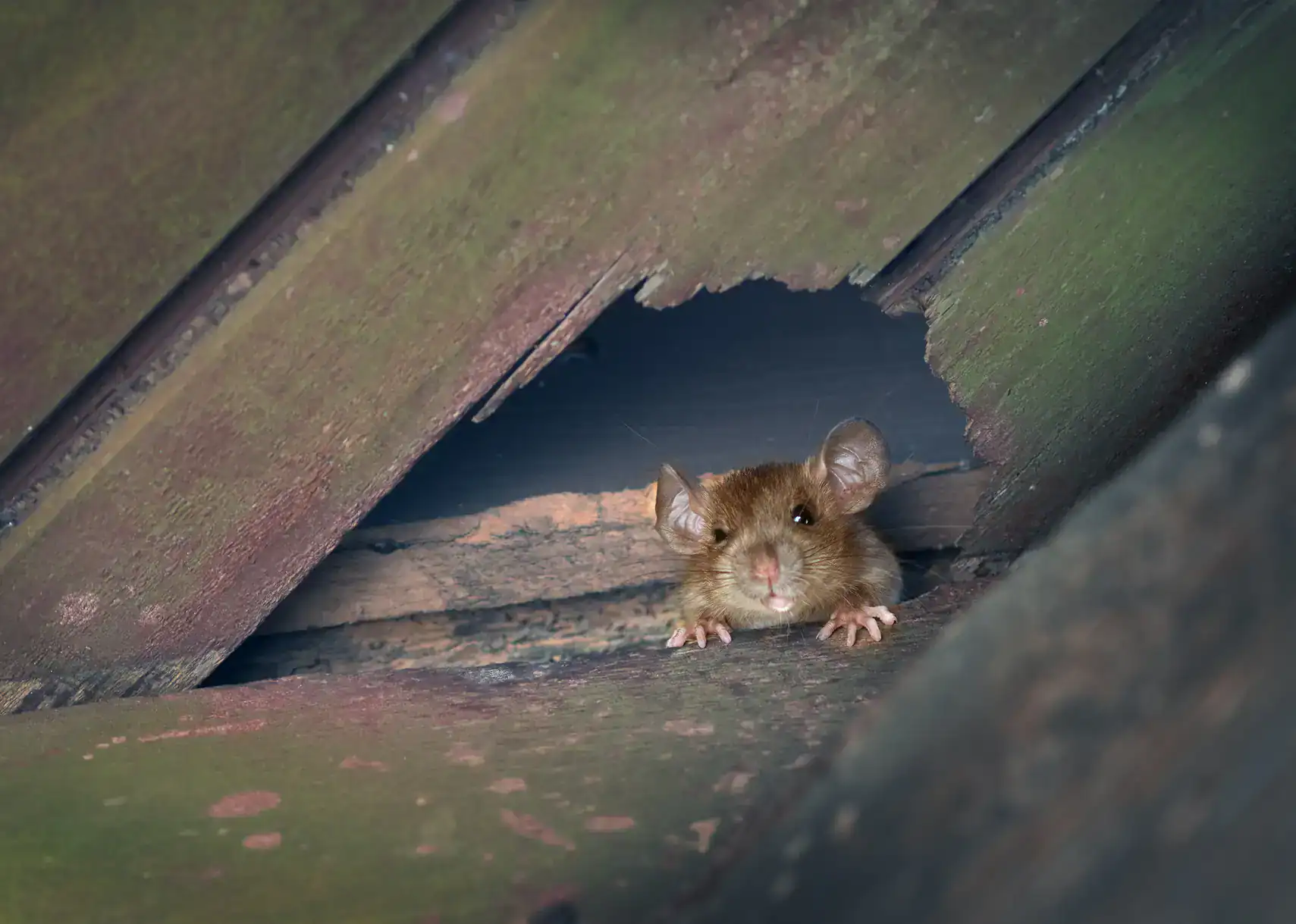
Living in a building with a rodent problem isn’t just uncomfortable it’s a real health issue. Rats and mice spread more than 35 diseases, and in a complex like Stuyvesant Town, where utility chases and pipe shafts connect your unit to dozens of others, an untreated problem rarely stays contained to one apartment.
Once the infestation is addressed properly, you stop finding droppings in your kitchen cabinets. You stop hearing movement in the walls at night. You stop wondering whether management is actually going to do something or just send someone to put down a glue trap and call it done.
The green space surrounding Stuyvesant Town’s red-brick buildings the Oval, the footpaths of Peter Cooper Village, Stuyvesant Cove Park along the East River creates active outdoor rat colonies that push inside when temperatures drop in the fall. That’s not a fluke. It’s geography. And your southern-facing units sit right at the edge of the East Village, which the NYC Health Department has formally designated as one of only four Rat Mitigation Zones in the entire city. Professional rodent control in Stuyvesant Town isn’t an overreaction. For a lot of residents here, it’s just the reality of where you live.
We were founded in 1971 by Richard Kourbage Sr. His sons Richard Jr. and Charles joined the business in the late 1980s and run it today. No franchise, no call center a family that has spent five decades working in New York City buildings exactly like yours, including the aging high-rises that define neighborhoods like Stuyvesant Town.
We hold an A+ rating with the Better Business Bureau and have been BBB-accredited since 1989. We apply only N.Y.S. Department of Environmental Conservation registered materials on every job. That last part matters in a building where your neighbors’ kids are down the hall and shared walls are the norm.
We serve all five boroughs, including Manhattan. Our experience with high-rise apartment buildings, shared utility infrastructure, and the specific rodent species active in the NYC metro Norway rats and house mice is directly applicable to what you’re dealing with in Stuyvesant Town. This isn’t a company figuring out Manhattan on your dime.
It starts with a phone consultation at no charge. You describe what you’re seeing droppings, sounds, gnaw marks, an actual sighting and one of our technicians helps you understand what you’re likely dealing with before anyone shows up at your door. There’s no pressure and no obligation. If you want to move forward, a detailed estimate is prepared before any work begins.
When our technician arrives, the inspection covers more than your unit. In a building constructed between 1945 and 1947 with the aging pipe chases and utility penetrations that come with 78-year-old infrastructure rodents rarely enter through the front door. They come up through shared basement service areas, travel vertically through utility shafts, and access individual units through gaps around pipes and conduits. Identifying those pathways is as important as the treatment itself.
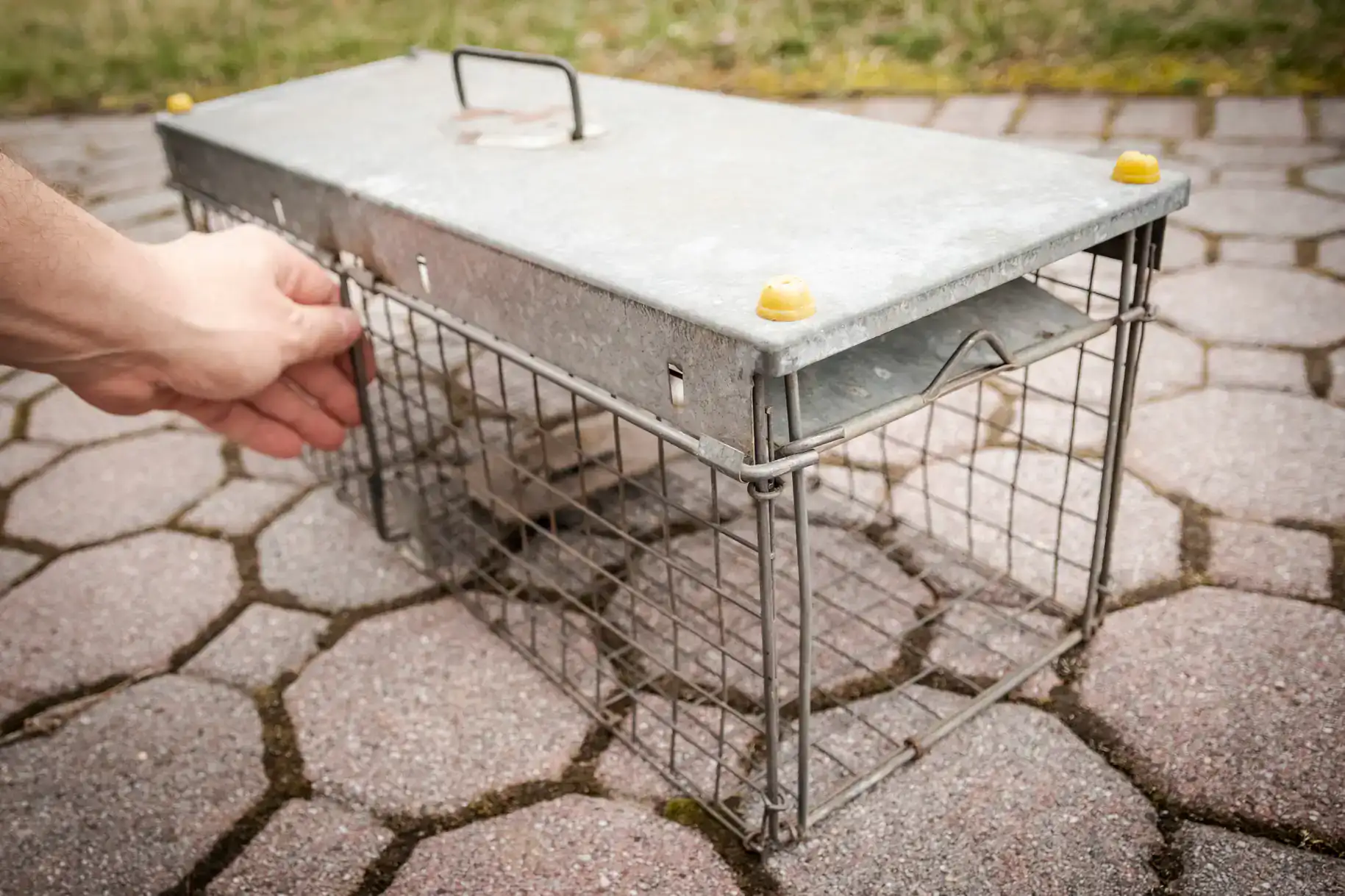
Treatment is targeted and applied using only NYS DEC-registered materials. Depending on what the inspection reveals, this may include tamper-resistant bait stations, exclusion work to seal active entry points, and recommendations for any follow-up that the building’s shared infrastructure may require. We provide written documentation of the service useful if you need records for a formal complaint to HPD or for your own files. Same-day service is available in many cases, and appointments are guaranteed within 48 hours.
Ready to get started?
Most rodent control content is written for homeowners. You’re a renter in one of the largest privately managed apartment complexes in the country. That changes how the service has to work.
Under the NYC Housing Maintenance Code, your landlord is legally required to exterminate rodents within 30 days of receiving a written complaint. A lot of residents don’t know that and a lot of others know it but don’t trust that Blackstone’s maintenance queue moves fast enough to matter. We can be reached 24 hours a day, offer same-day service in many cases, and guarantee an appointment within 48 hours. You don’t have to wait on management to act.
What’s included in our rodent service goes beyond placing a few traps. The inspection covers your unit, the likely entry pathways rodents are using to reach it, and any exclusion work that can be done within the scope of your apartment. Written service reports are provided after every visit documentation that holds up if you need to escalate a complaint or demonstrate that management has failed to act. For residents dealing with recurring pressure from the FDR Drive corridor, the East Village RMZ boundary at 14th Street, or seasonal displacement from Stuyvesant Town’s landscaped grounds, we offer ongoing maintenance plans for long-term protection rather than one-time reaction.
Under the NYC Housing Maintenance Code, yes your landlord is legally required to exterminate rodents within 30 days of receiving a written complaint from a tenant. The key word is written. A verbal complaint to the front desk or a maintenance request through the online portal may not be sufficient to trigger that legal clock. Put your complaint in writing, keep a copy, and date it.
That said, 30 days is a long time to share your kitchen with mice. And in a complex managed by a large corporate landlord, the response you get may be a single unit treatment that doesn’t address the building-wide entry points rodents are using. We can work independently of building management you hire us directly, we treat your unit and identify the pathways rodents are using to get there, and we provide written documentation you can use for your own records or for a formal complaint to the NYC Department of Housing Preservation and Development if management fails to act.
Yes, and it’s more common than most residents expect. Rats and mice access multi-story buildings through basement service entrances and then travel vertically through pipe chases, utility shafts, and gaps around plumbing penetrations in walls and floors. Active rodent infestations have been documented on floors 20 and above in Manhattan apartment buildings this is not a ground-floor-only problem.
Stuyvesant Town’s buildings were constructed between 1945 and 1947. The utility infrastructure in those buildings reflects mid-century construction standards, which means the pipe chases and service penetrations connecting floors and units were not designed with modern rodent exclusion in mind. A treatment that addresses only what’s visible in your apartment without identifying and sealing the pathways rodents are using to get there is likely to produce temporary results at best. That’s why our inspection covers entry points, not just evidence.
The most common signs residents notice first are droppings small, dark pellets typically found along walls, inside cabinets, behind appliances, or near food storage. Mouse droppings are roughly the size of a grain of rice; rat droppings are larger, about the size of a raisin. If you’re finding droppings in multiple locations, you’re almost certainly dealing with an active infestation rather than a one-time visitor.
Other signs include gnaw marks on food packaging, cardboard, or wood trim; grease smears along baseboards and walls where rodents travel repeatedly; sounds of movement or scratching inside walls, particularly at night when rodents are most active; and a faint, musky odor in enclosed spaces like cabinets or closets. In Stuyvesant Town apartments, residents sometimes notice signs near pipes under the kitchen or bathroom sink those penetrations are among the most common entry points in buildings of this age and construction type. If you’re seeing any combination of these signs, it’s worth a call before the population grows.
Building management in a complex like Stuyvesant Town typically responds to individual unit complaints with individual unit treatments. That means bait stations placed inside your apartment, maybe a glue trap or two, and a follow-up visit if you call again. What it usually doesn’t include is a thorough inspection of the entry points rodents are using to reach your unit from shared basement areas, utility chases, or adjacent units.
If the pathway rodents are using to enter your apartment isn’t identified and sealed, the population will replenish. This is especially true in buildings that border active outdoor rodent habitat and Stuyvesant Town’s landscaped grounds, combined with its position directly adjacent to the East Village Rat Mitigation Zone at 14th Street, means the external pressure on your building is ongoing. A professional inspection that traces the entry pathway and addresses it directly rather than just treating what’s visible inside your unit is what produces lasting results.
Fall is the highest-pressure season for rodent activity in Stuyvesant Town, and the reason is specific to this neighborhood’s geography. As temperatures drop in October and November, the outdoor rat colonies that spend warmer months burrowing in Stuyvesant Town’s lawns, along the Oval, and in the soil of Stuyvesant Cove Park begin moving inside. The 80 acres of landscaped grounds that make this complex unlike any other in Manhattan also mean there’s a large, established outdoor rodent population living directly adjacent to your building and when it gets cold, they’re looking for the same thing you have: warmth and food.
Spring and summer bring a different kind of pressure. Warmer months are active breeding season, and any construction or landscaping work on the grounds which is ongoing as part of the complex’s periodic infrastructure upgrades displaces established burrow colonies and drives them toward buildings. If you’ve noticed an uptick in activity after grounds maintenance or utility work nearby, that’s almost certainly why. Year-round vigilance matters here more than in neighborhoods without this much adjacent green space.
When the work is done by a licensed professional using properly registered materials, yes it’s significantly safer than most residents expect, and far safer than DIY rodenticides applied without training in a shared living environment. We apply only N.Y.S. Department of Environmental Conservation registered pesticide materials, which means every product we use has been evaluated for safety and efficacy by New York State regulators before it ever enters your home.
The concern most residents in Stuyvesant Town raise is proximity your walls are shared, your hallways are shared, and families with children and pets are close by. That’s a legitimate concern, and it’s exactly why professional application matters. A licensed technician knows where to place bait stations so they’re inaccessible to children and non-target animals, how to apply materials in targeted locations rather than broadcasting them throughout a space, and how to document what was used and where for your records. Over-the-counter rodenticides applied incorrectly in an apartment building carry far more risk than a professionally managed treatment. If you have specific concerns about products or application methods before booking, our free phone consultation is the right place to start.
Useful Links