Hear from Our Customers
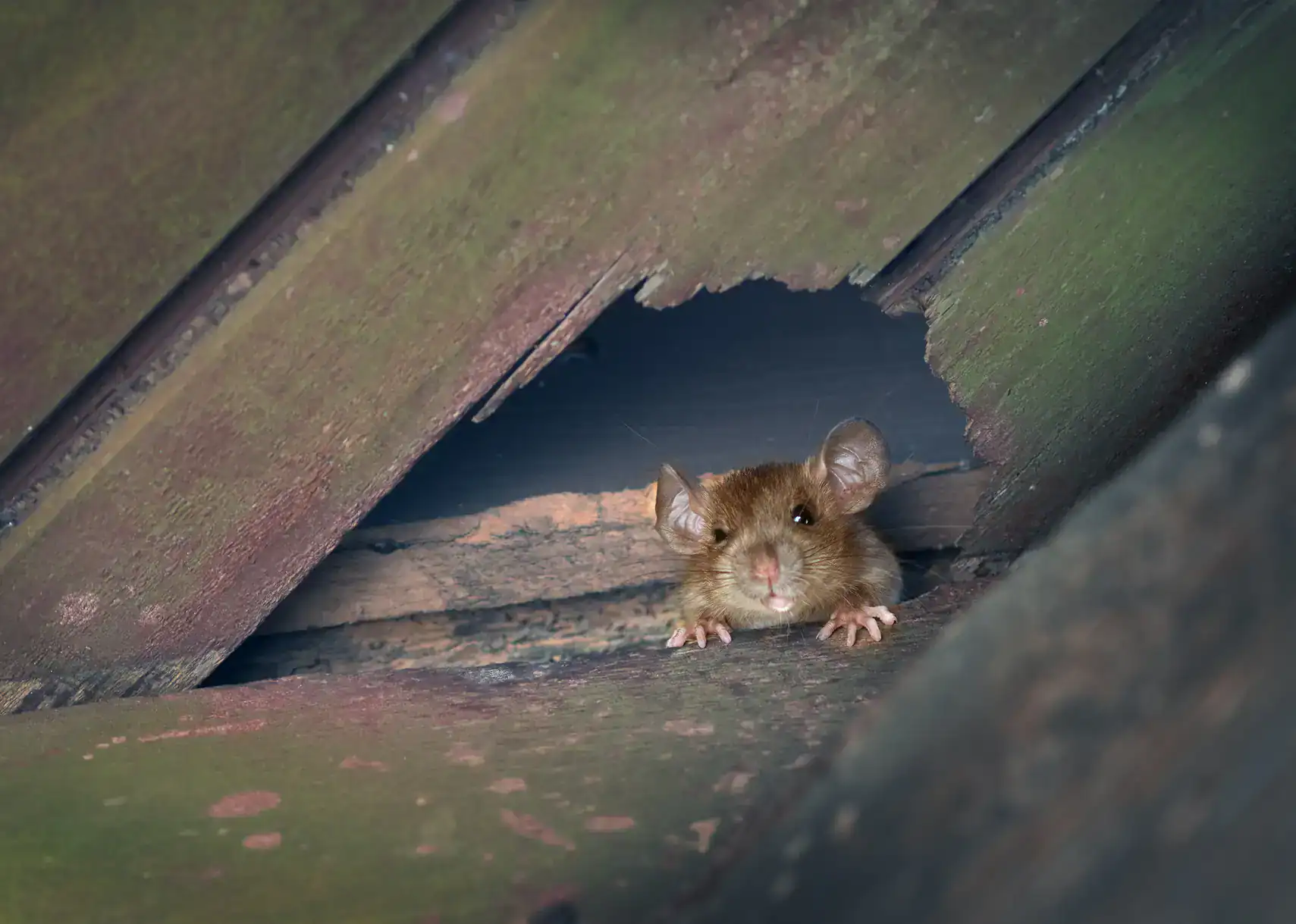
Most rodent problems in Sunnyside don’t come from bad housekeeping. They come from buildings that are 90 to 100 years old foundations with cracked mortar, steam-heat pipe penetrations that were sealed decades ago with materials that have long since failed, and shared walls between attached units that rodents move through like hallways. Once you understand that, it becomes clear why a trap alone never solves it.
When the actual entry points are found and addressed, the difference is immediate. No more scratching in the walls at night. No more droppings behind the stove or under the sink. No more wondering whether the problem is gone or just quiet for now. That kind of resolution doesn’t come from a one-size-fits-all treatment it comes from someone who knows what they’re looking at when they walk into a Sunnyside Gardens rowhouse or a six-story prewar co-op south of Queens Boulevard.
There’s also a health dimension that’s easy to underestimate. Rodents carry more than 35 diseases, and the risks are real whether you ever see an actual rodent or just find the evidence they leave behind. For households with children or pets which describes a lot of Sunnyside families getting this handled thoroughly and with NYS DEC-registered materials isn’t optional. It’s the only responsible approach.
We were founded in 1971 by Richard Kourbage Sr. His sons Richard Jr. and Charles joined the business in the late 1980s and have been running it alongside him ever since. That’s three generations of family accountability not a franchise, not a call center, not a company that launched last year and figured out Google Ads. When something goes wrong or a follow-up is needed, there’s a real person on the other end who has been doing this work in New York City for decades.
We hold an A+ rating with the Better Business Bureau and have maintained BBB accreditation since 1989. Every technician applies only NYS DEC-registered materials, and we’re fully licensed, bonded, and insured. That matters in a neighborhood like Sunnyside, where co-op boards, building managers, and tenants all have different expectations and where the legal requirement to use a licensed professional in multi-unit buildings is not a suggestion.
We serve all five boroughs, and western Queens including Sunnyside, Long Island City, and Woodside is active territory, not an afterthought. We know Sunnyside’s housing stock, the neighborhoods that border it, and the specific pressures that make rodent control here different from anywhere else in the city.
It starts with a free phone consultation. You describe what you’re seeing or hearing and a trained professional helps you understand what you’re likely dealing with before anyone sets foot in your home. There’s no charge for that conversation, and no pressure to book on the spot.
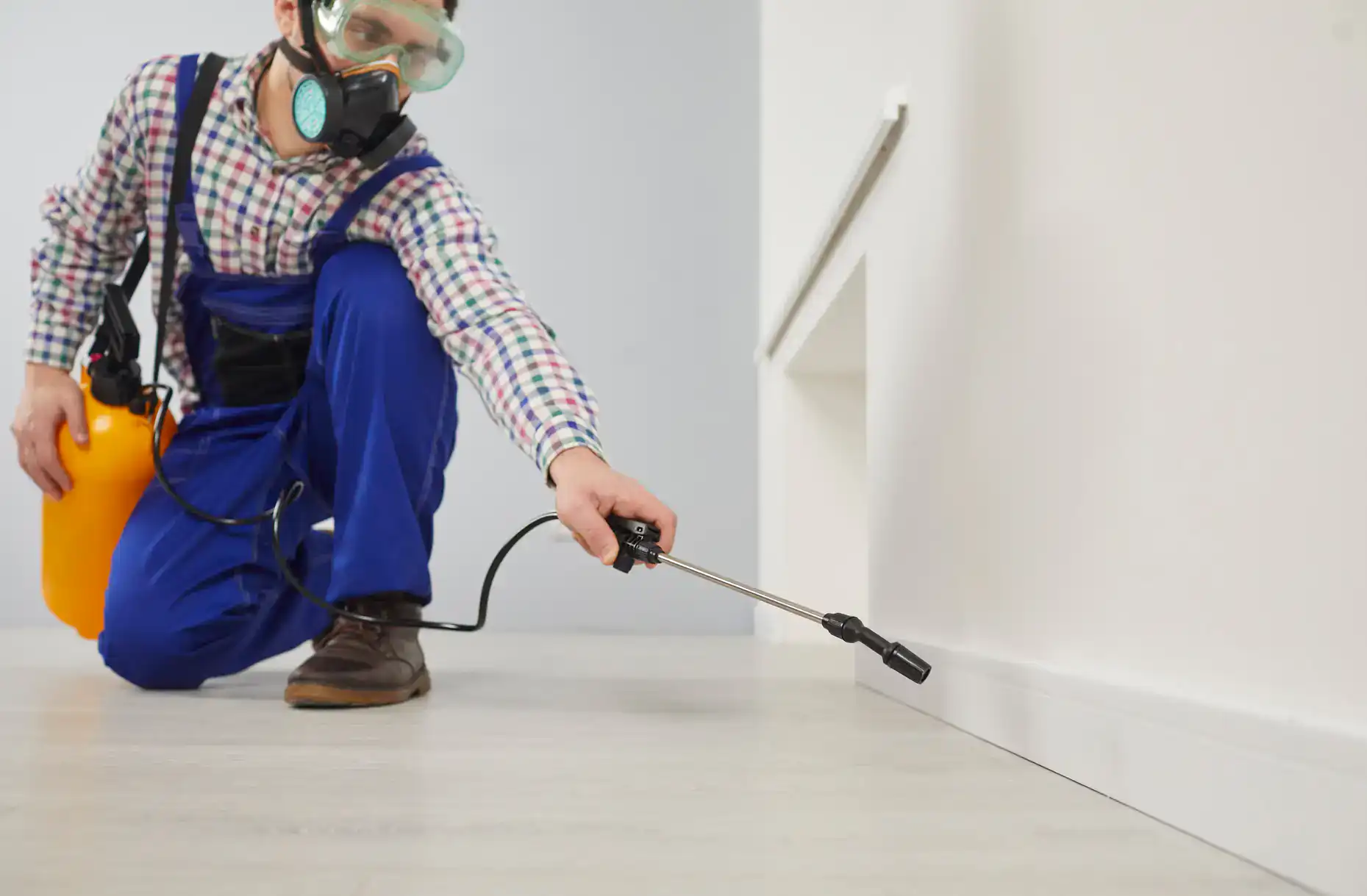
When a technician comes out, the first priority is a thorough inspection. In Sunnyside’s prewar building stock, that means checking the obvious spots but also the ones that get missed: gaps around steam-heat pipes, floor drains, deteriorated mortar along the foundation, utility penetrations in shared walls, and any access points from the basement or sub-basement. If you’re in a Sunnyside Gardens rowhouse, the rear garden and shared structural walls with neighboring units get attention too because in attached construction, where a rodent enters and where it ends up can be two very different places.
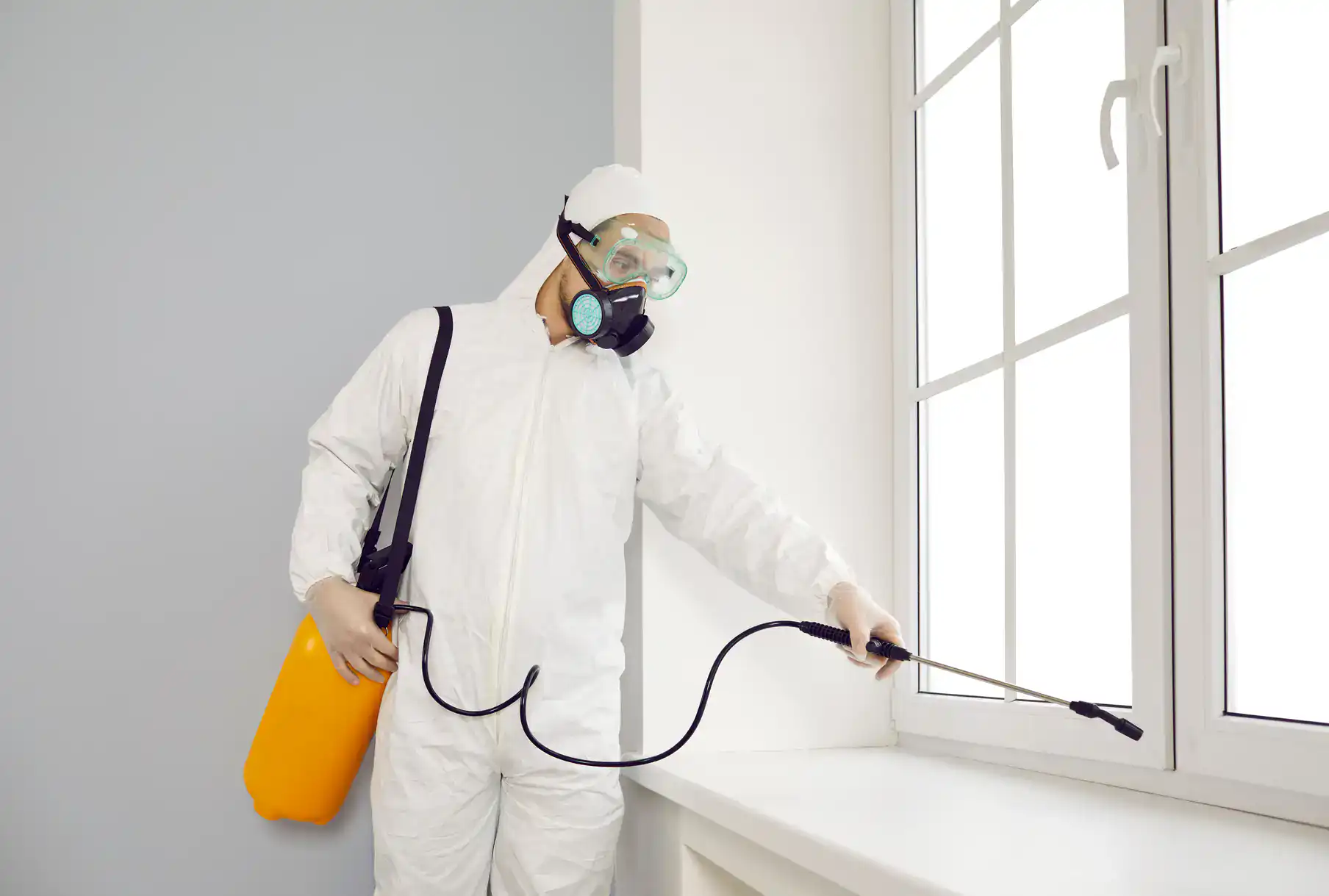
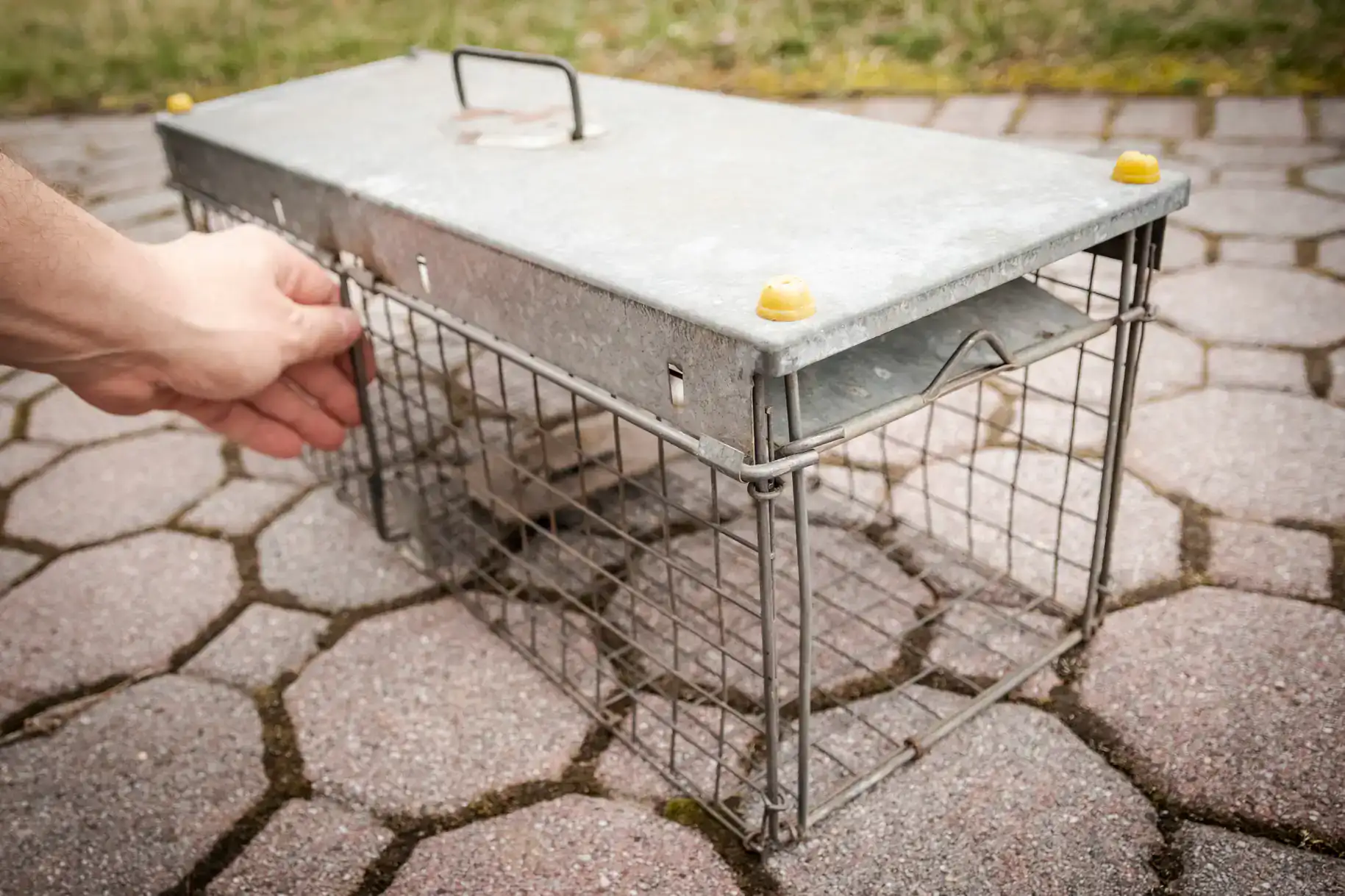
Treatment is applied using NYS DEC-registered materials in tamper-resistant bait stations, positioned to be inaccessible to children and pets. Exclusion work physically sealing the entry points is addressed as part of the process, because treatment without exclusion is just managing a recurring problem rather than resolving it. After the visit, you’ll know what was found, what was done, and what to watch for going forward. We guarantee an appointment within 48 hours of your call, and same-day service is often available.
Ready to get started?
Rodent control in Sunnyside isn’t the same as rodent control in a newer suburb. The housing stock here whether you’re in a 1924 brick rowhouse in the Sunnyside Gardens Historic District or a six-story prewar co-op building south of Queens Boulevard creates conditions that demand a more thorough approach. Shared walls mean a treated unit can be re-entered from an adjacent one. Aging sewer infrastructure beneath Sunnyside’s streets connects directly to NYC’s combined sewer system, which Norway rats use as a transit network. And Sunnyside’s geographic position bounded by the 180-acre Sunnyside Yard rail corridor to the north and Newtown Creek to the south means external rodent pressure on the neighborhood is real and ongoing.
Our rodent control service covers inspection, treatment, and exclusion. That means identifying and sealing entry points, not just placing bait. For multi-unit buildings and co-op properties in Sunnyside, NYC law requires a licensed pest management professional and our licensing, bonding, and NYS DEC compliance meet that standard completely. Property managers and co-op boards dealing with building-wide issues will get documentation that holds up to scrutiny.
For homeowners in Sunnyside Gardens who are mindful of historic district guidelines, our approach accounts for exterior modification sensitivities while still addressing the structural vulnerabilities that make century-old rowhouses an easy target. The goal is a lasting result not a monthly invoice for a problem that never actually gets solved.
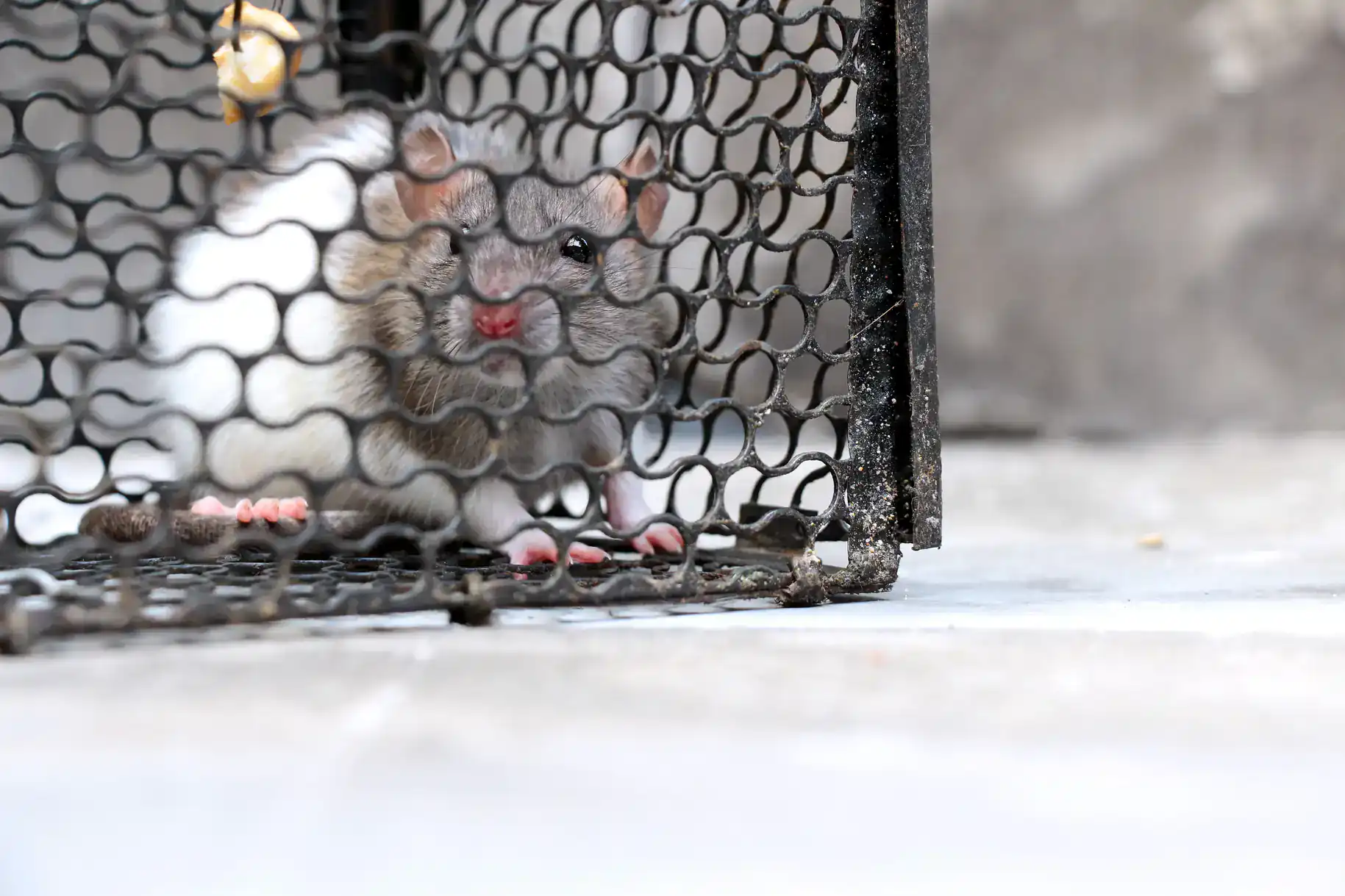
Traps catch mice that are already inside they don’t stop more from coming in. In Sunnyside’s prewar apartment buildings, the more likely explanation is that there’s an unsealed entry point somewhere in the unit: a gap around a steam-heat pipe, a crack in the baseboard where it meets a shared wall, a floor drain that isn’t properly sealed, or a deteriorated penetration around plumbing under the sink. These buildings were constructed between the 1920s and 1930s, and a century of settling, pipe replacement, and wear creates openings that aren’t visible without knowing exactly what to look for.
The other factor in attached buildings whether it’s a co-op or a rowhouse in Sunnyside is that rodents travel between units through shared wall voids. Even if your own unit is clean and well-maintained, activity in a neighboring unit or a common basement area can keep the problem cycling back. A thorough inspection that goes beyond the obvious spots is the only way to actually break that cycle.
Yes. Under New York City’s Housing Maintenance Code, landlords are legally required to maintain buildings free of pests and to address conditions that attract them. In multi-unit buildings specifically, NYC law requires that a licensed pest management professional handle rodent treatment individual tenants in apartment buildings cannot legally apply rodenticide themselves. If your landlord is slow to respond, you can file a complaint through NYC 311, which triggers an inspection by the NYC Department of Health and Mental Hygiene.
That said, a lot of Sunnyside renters call us independently because building management’s response has been inadequate or delayed and because they want the problem actually resolved rather than partially treated. We can document the inspection findings in a way that’s useful if you need to escalate the issue with your landlord or building management. A free phone consultation is a good first step to understand what you’re dealing with and what your options are.
It’s a legitimate concern. The Sunnyside Yard is a 180-acre active rail yard used by Amtrak, the Long Island Rail Road, and NJ Transit and rail yards are well-documented rodent harborage environments. They offer shelter in track infrastructure, food waste from rail operations, and minimal human disturbance. As development planning for the Sunnyside Yard continues to advance under current city proposals, any ground-disturbing activity surveys, environmental work, utility installation has the potential to displace established rodent colonies from the yard into adjacent residential streets in Sunnyside.
If you live on the blocks north of Queens Boulevard, closest to the rail yard, this is worth taking seriously now rather than waiting until you see evidence inside your home. Proactive exclusion work sealing the entry points in your foundation, around utility penetrations, and under exterior doors is significantly easier and less expensive than dealing with an active infestation after displacement has already occurred. An inspection from us can tell you where your home is vulnerable before the problem arrives.
Treatment refers to the use of bait, traps, or rodenticide to eliminate the rodents currently present in your home. Exclusion refers to physically sealing the entry points that allowed them in. Both matter but exclusion is the piece that most DIY attempts and even some professional services skip, which is why the problem keeps coming back.
In Sunnyside’s prewar building stock, exclusion work involves sealing gaps around steam-heat and water pipes, filling deteriorated mortar in foundation walls, installing door sweeps on basement and exterior doors, and addressing any gaps in shared walls between attached units. Without exclusion, treatment is essentially a reset button you eliminate the current population, but the next wave finds the same entry points and moves in. For Sunnyside Gardens rowhouses in particular, where your home shares structural walls with neighbors on both sides, exclusion that accounts for those shared pathways is the difference between a lasting fix and an ongoing frustration.
The fall-to-winter transition is when rodent pressure inside homes spikes most noticeably in Sunnyside. As temperatures drop in September through November, Norway rats and house mice actively seek warmth and move from outdoor harborage into interior spaces and in prewar buildings with aging pipe penetrations and deteriorated mortar, there’s no shortage of ways in. Rodent activity in NYC homes increases roughly 25% in winter months, and by the time you’re seeing signs in December or January, the population inside is often already established.
The practical implication is that fall is the best time to get ahead of it. An inspection and exclusion service in September or October before the cold drives rodents to start looking for a way in is far easier to manage than an active infestation in a heated wall cavity in the middle of January. Spring is also worth paying attention to: breeding accelerates as temperatures rise, and a small winter population that seemed manageable can grow quickly. Year-round awareness and a follow-up plan are especially relevant in Sunnyside given the ongoing rodent pressure from both the Sunnyside Yard corridor and Newtown Creek to the south.
In New York State, any professional applying pesticides must hold a license issued by the NYS Department of Environmental Conservation. That license is verifiable you can ask to see it, and a legitimate company will have no hesitation providing it. Beyond the state license, look for bonding and insurance, which protect you if something goes wrong during the service. We’re fully licensed, bonded, insured, and apply only NYS DEC-registered materials and have maintained an A+ rating with the Better Business Bureau since 1989, which is an independently verifiable record spanning more than 35 years.
In a neighborhood like Sunnyside, where online advertising makes every pest control operator look equally credible, those credentials matter more than a polished website. For co-op boards and building managers, proper licensing is also a legal requirement using an unlicensed exterminator in a multi-unit building exposes the property owner to liability. When you call us, you get a free phone consultation with no obligation, which gives you a chance to ask those questions directly before committing to anything.
Useful Links
Other Services we provide in Sunnyside