
Hear from Our Customers
The floor stops sounding hollow. The basement stops making you nervous every spring when the swarmers show up. You stop wondering whether that soft spot near the window frame is something you should be worried about because you already know, and it’s been handled.
That peace of mind matters more in Sunnyside than people realize. The rowhouses in Sunnyside Gardens were built between 1924 and 1928. The six-story pre-war buildings south of Queens Boulevard went up around the same era. These are beautiful, solid structures but they were built before modern termite-resistant construction existed. Wood sill plates sitting directly on masonry foundations, aging basement timbers, floor joists that haven’t been inspected in decades. Eastern subterranean termites don’t need much of an invitation. A gap the width of a credit card edge is enough.
What you get on the other side of a proper termite treatment isn’t just a chemical barrier. It’s documentation you can hand to your co-op board, your lender, or a prospective buyer. It’s a licensed inspection report that confirms what’s there and what isn’t. And if you’re in the historic district, it’s treatment that was applied with enough care that you’re not fielding questions from the Landmarks Preservation Commission about exterior alterations. That combination thoroughness, documentation, and awareness of where you actually live is what makes the difference.
We’ve been operating across the five boroughs since 1971. Richard Kourbage Sr. started Kingsway Exterminating. His sons Richard Jr. and Charles run it now. That’s not a talking point that’s what it looks like when a family’s professional reputation is personally attached to every job we send a technician out on.
Our staff collectively brings over 100 years of hands-on pest control experience to the work. That number matters in a neighborhood like Sunnyside, where the housing stock is specific, the buildings are old, and the treatment approach for a shared-wall rowhouse near the Sunnyside Arch is genuinely different from what we’d do in a newer detached home elsewhere in Queens. These aren’t technicians learning on the job. We’ve treated pre-war buildings across Sunnyside, Queens, and Brooklyn for decades.
We hold a BBB A+ rating accredited since 1989 and apply only NYS DEC-registered materials on every job. The phone is answered 24 hours a day, and an appointment is available within two business days, with same-day inspections frequently possible.
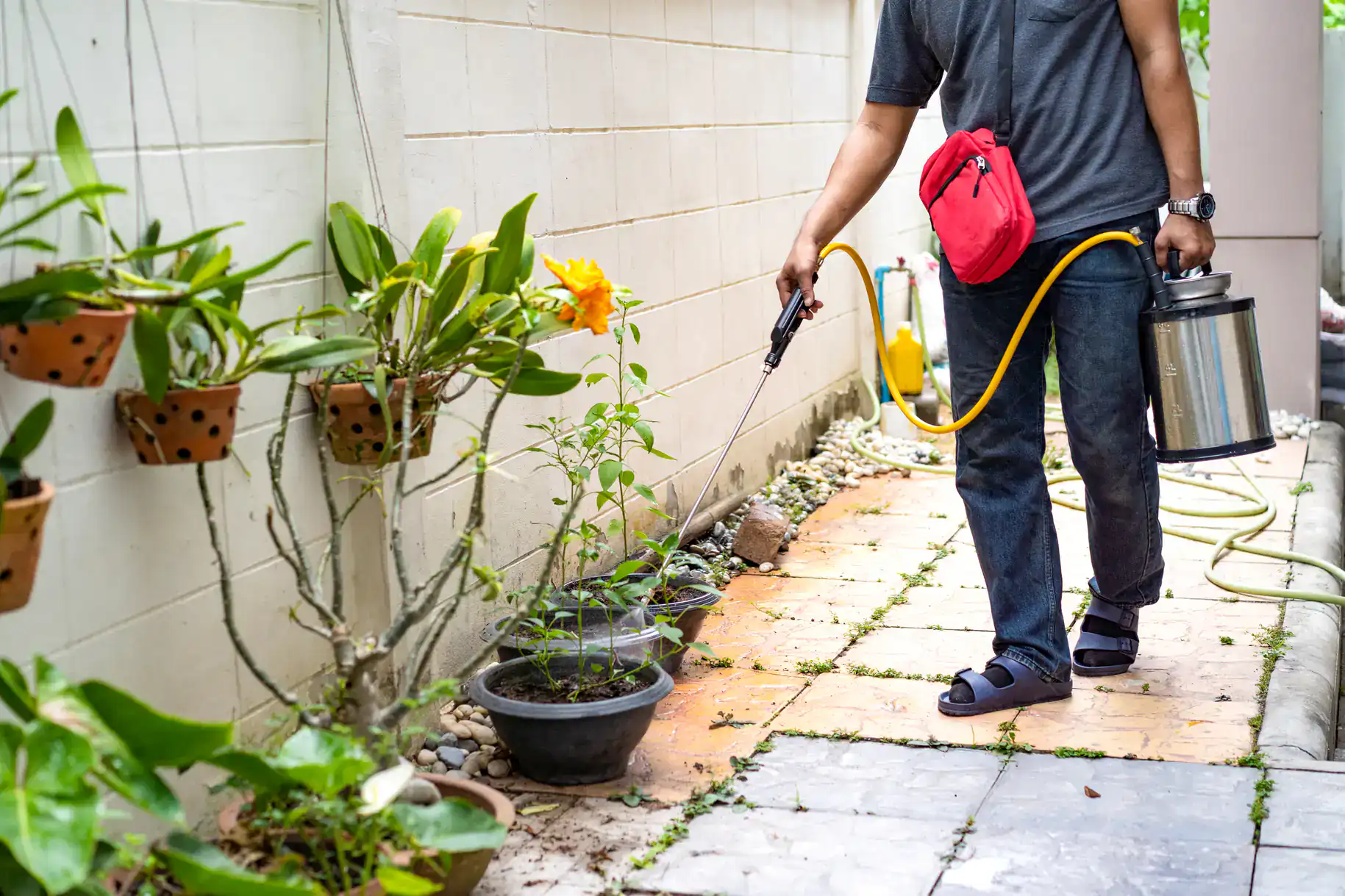
It starts with an inspection. A licensed technician walks the property basement, foundation perimeter, crawl spaces, window frames, anywhere wood meets masonry or soil. In Sunnyside’s pre-war buildings, that means paying close attention to aging sill plates, shared foundation walls in attached rowhouses, and basement timbers that may have been accumulating moisture for close to a century. If you’re in a multi-unit building, the inspection accounts for the shared structural environment, not just the individual unit.
Once the scope is clear, you get a written estimate before anything else happens. The treatment plan depends on what’s found Eastern subterranean termite infestations in Sunnyside are typically addressed through liquid barrier treatments, bait station systems, or a combination of both, depending on the severity and the structure. For properties within the Sunnyside Gardens Historic District, the approach is selected with awareness of LPC guidelines, favoring methods that don’t require exterior penetration or visible alterations to the building’s facade.
After treatment, you receive documentation a written report that confirms what was treated, how, and with what materials. If you need that report for a lender, a co-op board, or a real estate transaction, it’s ready. Spring is the most active season for termite swarms in western Queens, so if you’re seeing winged insects near your foundation in March, April, or May, that’s the time to move quickly not wait and see.
Ready to get started?
The inspection covers the full structure not just the spots that are easy to access. That means the basement, the foundation perimeter, any crawl spaces, structural framing near exterior walls, and areas where wood-to-soil contact exists. In Sunnyside’s attached rowhouses and apartment buildings, shared walls and common foundation areas are part of that assessment, because a colony doesn’t stop at a property line.
We apply treatment using NYS DEC-registered materials by certified technicians. The specific method liquid termiticide barrier, bait station system, or a targeted combination is matched to the structure and the infestation. For multi-unit buildings and co-ops in Sunnyside, the plan accounts for the shared environment and is coordinated with property managers when needed. For homeowners in the Sunnyside Gardens Historic District, treatment options are selected with the LPC preservation guidelines in mind, so you’re not creating a secondary problem while solving the first one.
We also provide Wood-Destroying Organism (WDO) reports for property purchases, sales, and mortgage approvals. If you’re buying a pre-war co-op or rowhouse in Sunnyside and your lender requires termite documentation, that’s a service we handle directly. Senior discounts are available. And if your property has received a NYC Department of Health pest-related citation relevant for building owners along the Queens Boulevard and Skillman Avenue commercial corridor we have specific experience resolving those citations with the documentation the city requires.
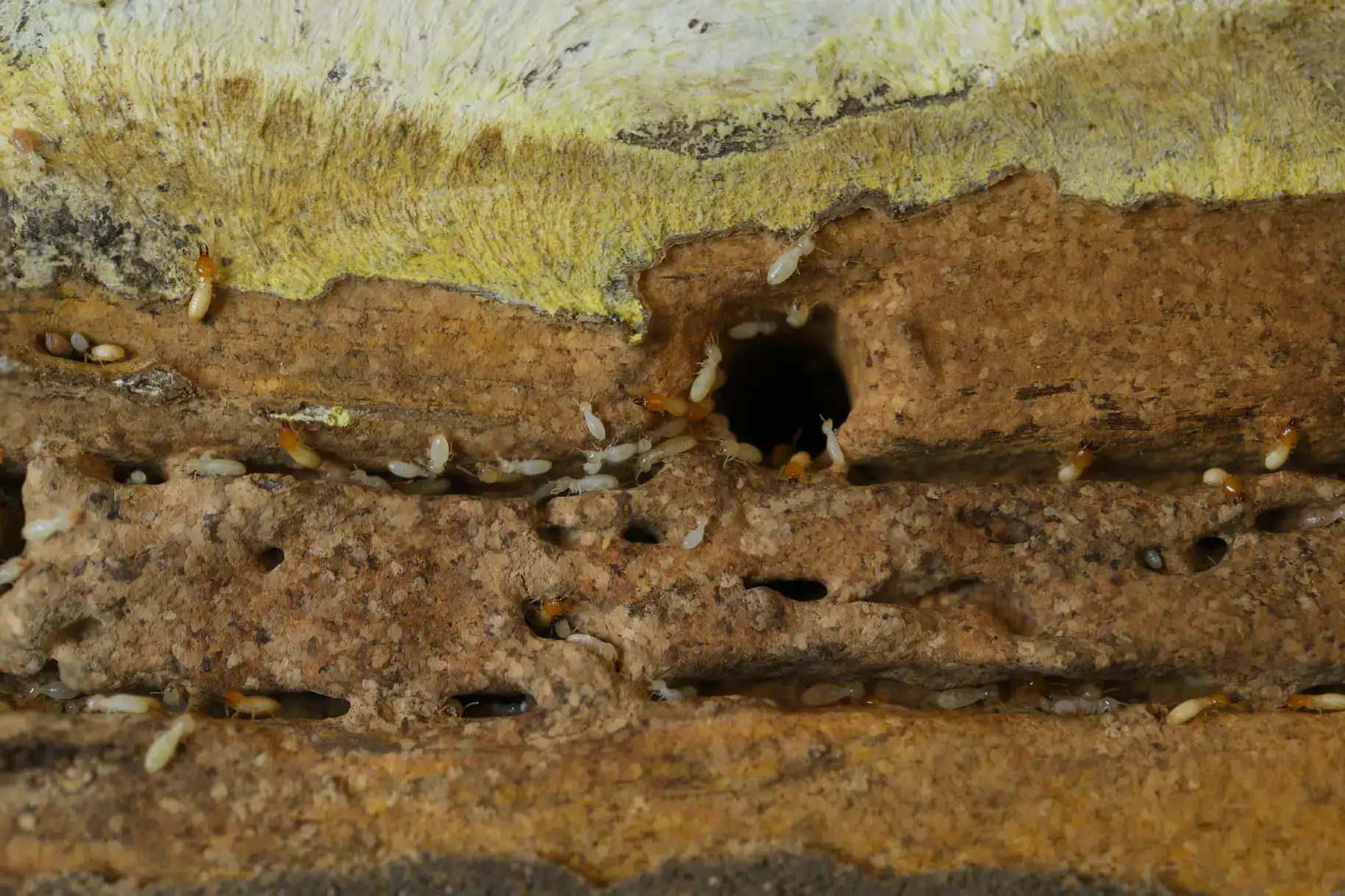
It’s not overstated. The Eastern Subterranean Termite is the dominant species in New York City, and Sunnyside’s housing stock makes it one of the more vulnerable neighborhoods in Queens. The rowhouses in Sunnyside Gardens are approaching 100 years old. The pre-war apartment buildings south of Queens Boulevard were constructed in the same era. Both building types share a common vulnerability: wood structural components sill plates, floor joists, basement timbers that were installed before termite-resistant construction practices existed, in direct or near-direct contact with masonry foundations and soil.
Termite colonies take five or more years to grow large enough to cause visible damage, which means by the time a Sunnyside homeowner notices hollow-sounding floors or discarded wings near a basement window, the infestation has often been active for years. The good news is that early inspections catch colonies before the structural damage becomes expensive. Waiting until something looks wrong is the most costly approach.
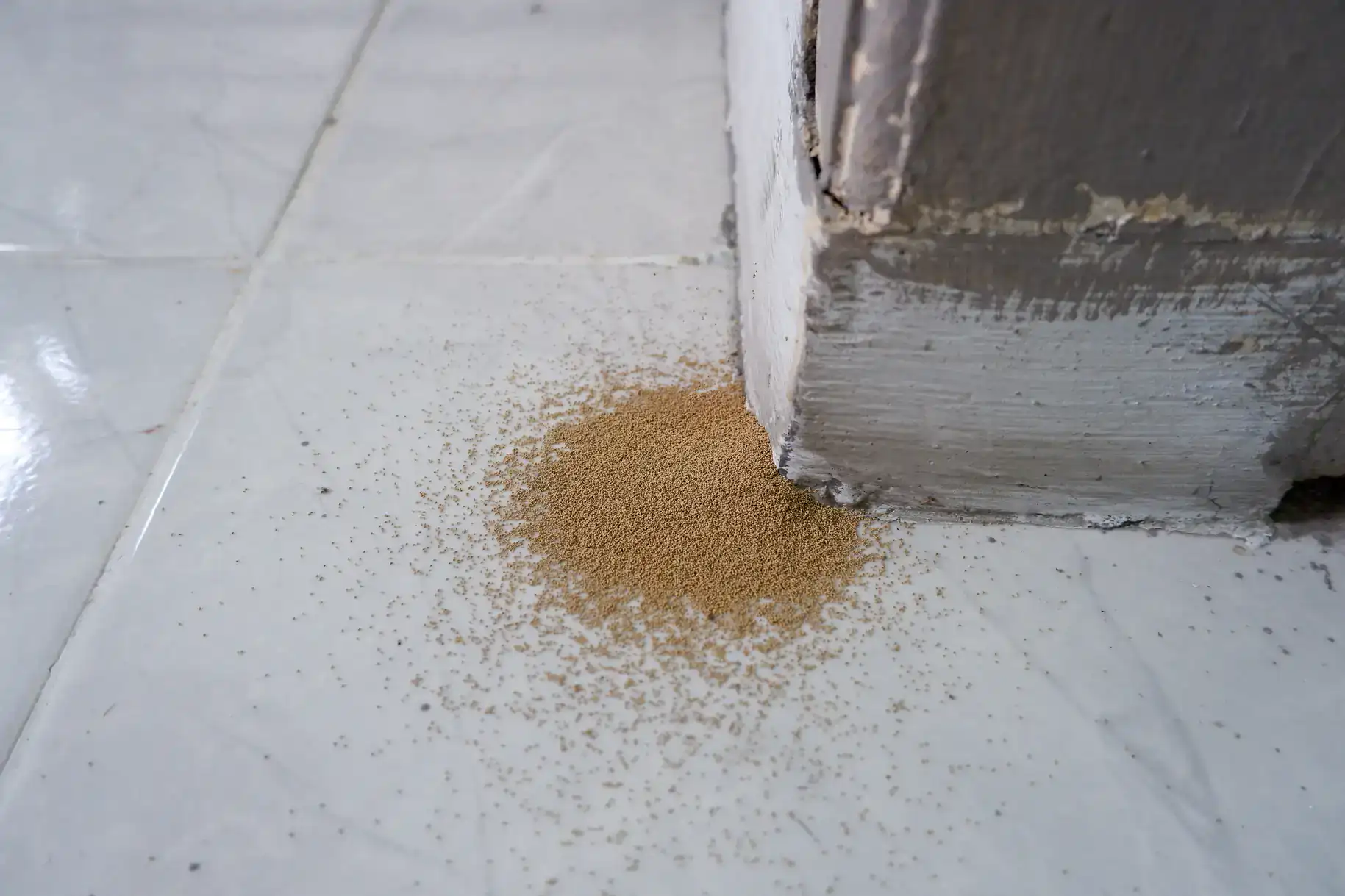
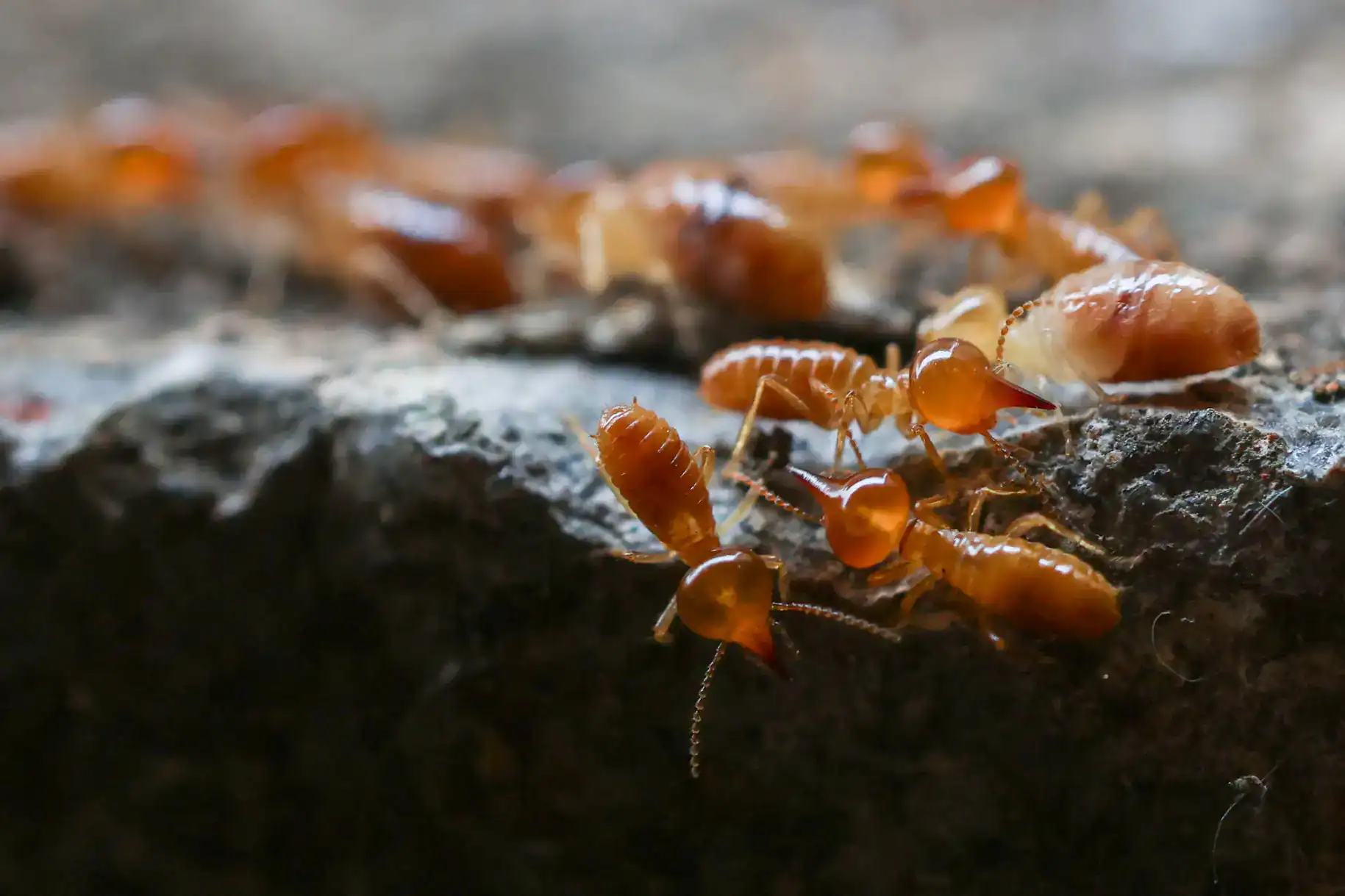
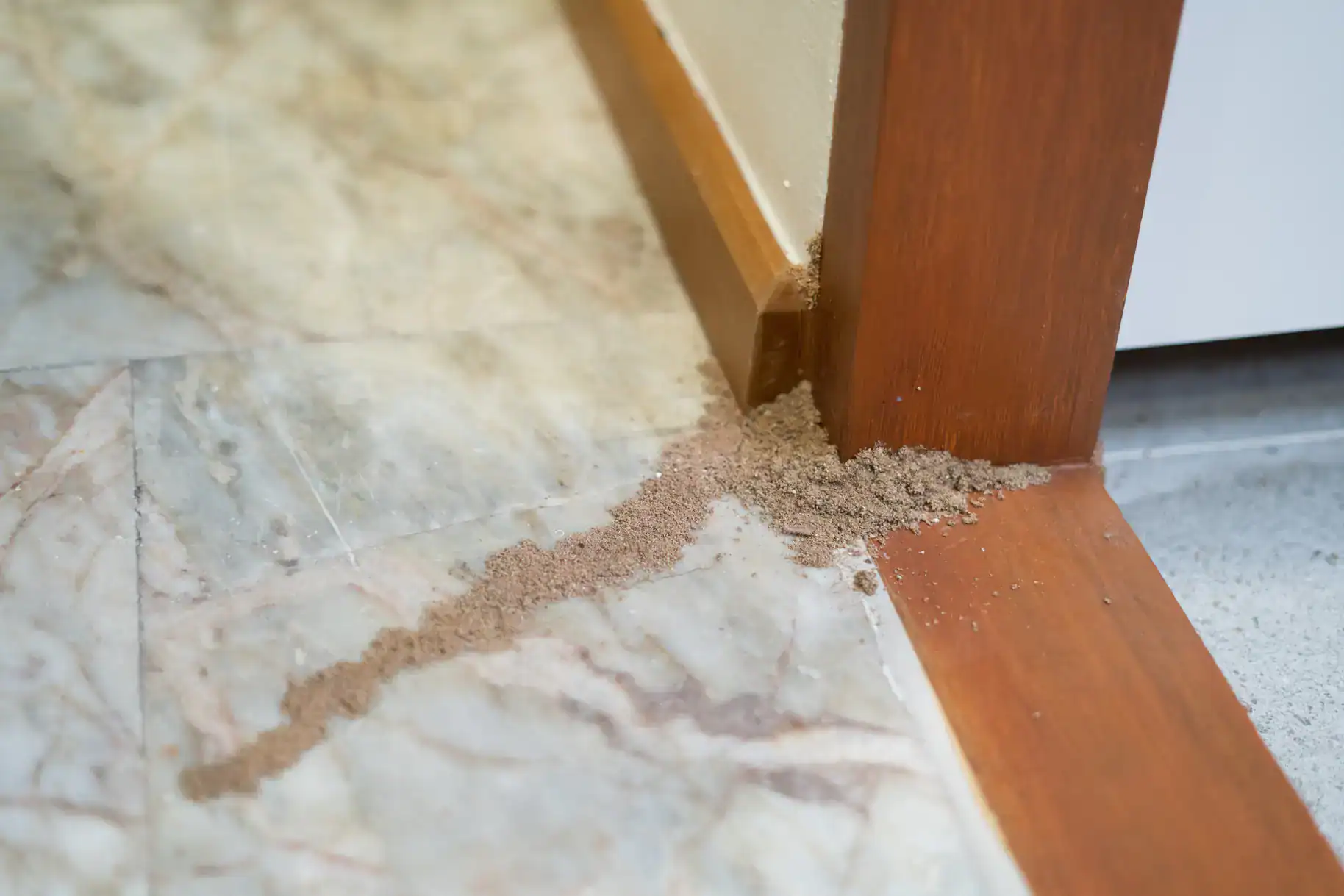
The most common signs in pre-war Sunnyside buildings are discarded wings near windowsills or basement entry points, mud tubes running along foundation walls or basement support columns, wood that sounds hollow when tapped, and floors or door frames that have started to warp or feel soft underfoot. In the spring typically March through May in western Queens you may also see swarmers, which are winged termites that emerge when a colony is mature enough to reproduce. They’re often mistaken for flying ants, but the wing shape and body profile are different.
In Sunnyside’s attached rowhouses and multi-unit buildings, the challenge is that termite activity in one unit or one section of a shared foundation can be invisible to the residents above it. A tenant on the second floor may have no idea that the basement timbers below them have been compromised. If you’re seeing any of these signs, or if you haven’t had an inspection in several years, it’s worth having a licensed technician walk the property. A visual inspection is the only reliable way to confirm what’s actually there.
Yes, and this is one of the more important things to understand about termite infestations in Sunnyside’s building stock. Eastern subterranean termites nest underground and travel through shared soil, shared foundation walls, and shared wood framing. In an attached rowhouse or a six-story pre-war apartment building, the structural wood is interconnected which means a colony that enters through one section of the foundation can migrate laterally through shared framing into adjacent units over time.
This is why building-wide inspections matter in Sunnyside. Treating a single unit without assessing the shared foundation and common structural areas leaves the source of the problem unaddressed. Our approach in multi-unit buildings accounts for the full shared environment the inspection covers common areas, basement levels, and foundation perimeters, and the treatment plan is designed to address the infestation at its source rather than just the point of visible damage.
For conventional loans, termite inspections aren’t always legally required in New York State but many lenders request a Wood-Destroying Organism (WDO) report as part of the underwriting process, particularly for older properties. FHA and VA loans have more consistent inspection requirements. And even when it’s not required by the lender, it’s a reasonable piece of due diligence when you’re purchasing a 90- or 100-year-old building in Sunnyside.
The practical reality is that a pre-war rowhouse in Sunnyside Gardens or a pre-war co-op building south of Queens Boulevard has had decades of potential exposure. A WDO report from a licensed inspector gives you a clear picture of what you’re buying before you close and it gives you negotiating leverage if an active infestation or prior damage is found. We provide termite inspections for property purchases and sales in Sunnyside, with the written documentation that lenders and property managers require, and turnaround is typically fast enough to fit within a standard closing timeline.
It’s a fair question, and the short answer is: it depends on the treatment method. Routine interior termite treatments including the application of liquid termiticides inside a basement or crawl space don’t require NYC Landmarks Preservation Commission (LPC) approval. The LPC’s oversight applies to exterior alterations that affect the visible appearance of a landmarked building.
Where it becomes relevant is when a treatment plan involves drilling into exterior masonry, installing bait stations that require penetrating the exterior facade, or any other work that modifies the building’s exterior. For properties within the Sunnyside Gardens Historic District, we select treatment methods that accomplish full termite control without triggering LPC review requirements where possible favoring interior-applied liquid barriers and subsurface bait station placements that don’t alter the facade. If you’re a homeowner or co-op board member in the historic district and you have questions about what a specific treatment plan would involve, that’s a conversation worth having before the job starts.
Costs vary based on the size of the structure, the severity of the infestation, and the treatment method used. For a single-family rowhouse or co-op unit in Sunnyside, treatment typically falls in the range of $1,500 to $3,500. For larger multi-unit buildings or cases involving significant colony activity and structural access challenges, costs can run higher $3,500 to $7,000 or more depending on scope.
What’s worth keeping in mind is that termite damage repair replacing compromised structural wood, floor joists, or sill plates averages around $3,000 and can run considerably higher if the damage is extensive. Most homeowner insurance policies don’t cover termite damage, which means the full cost of repairs falls on the property owner. Getting an inspection and treating early is almost always less expensive than waiting until the damage becomes visible. We provide written estimates before any work begins, so you know exactly what you’re looking at before you make a decision. There’s no obligation attached to the estimate.
Useful Links
Other Services we provide in Sunnyside