Hear from Our Customers
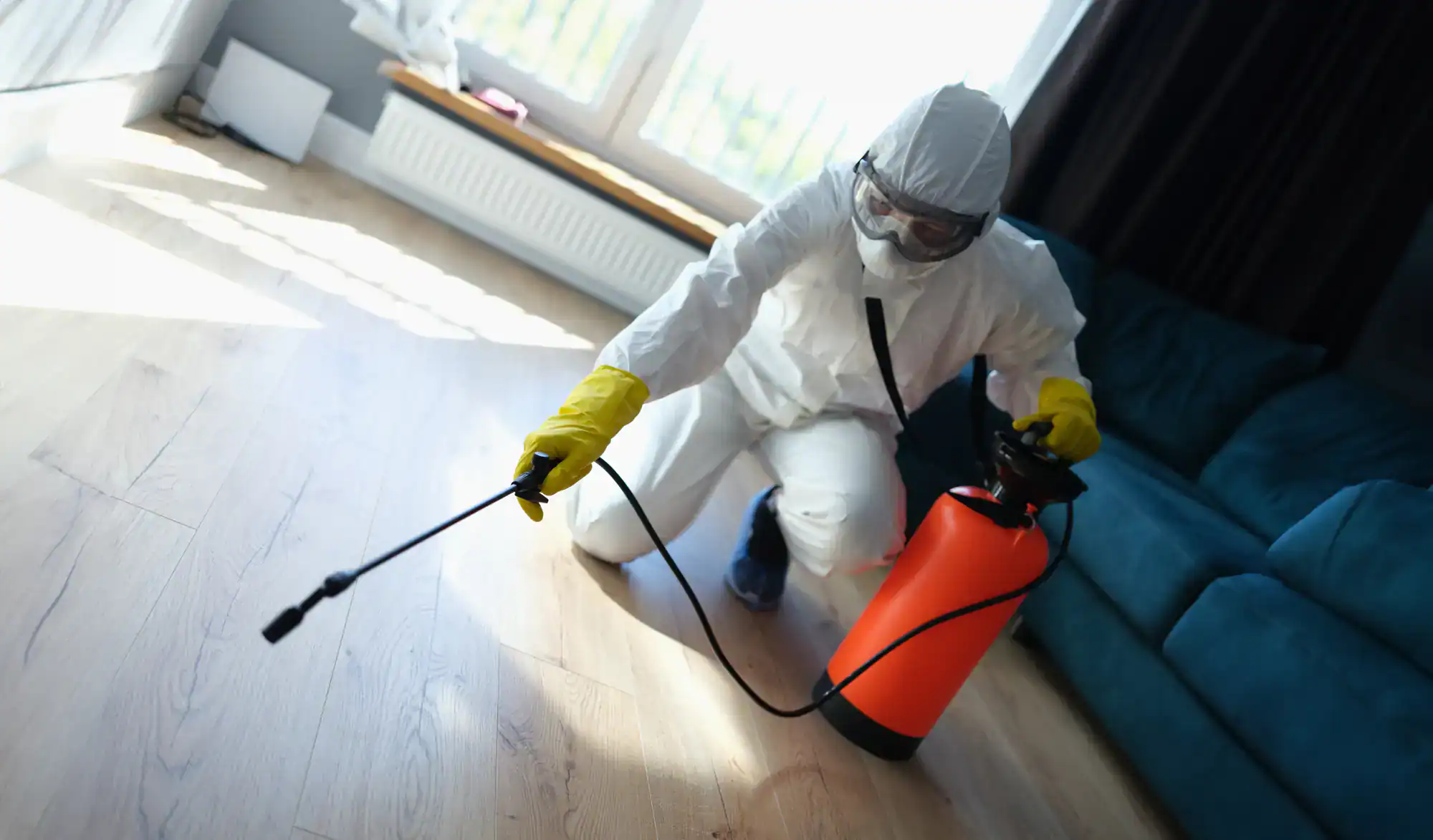
Here’s what most people in Sunnyside don’t realize: in a six-story pre-war building on Queens Boulevard or Skillman Avenue, your cockroach problem rarely starts in your kitchen. It starts in the basement, in the plumbing stack shared between floors, or in the wall voids running the entire length of the building. Treating just your unit without addressing those entry points is like mopping around a running faucet.
After a proper treatment, you stop seeing roaches in your cabinets, behind your stove, and along your baseboards at night. Your kitchen stops being something you dread walking into after dark. If you have kids or anyone in your home with asthma which cockroach allergens are a documented trigger for you’re also reducing a real health exposure, not just solving a comfort problem.
Sunnyside’s proximity to Newtown Creek adds another layer. The aging sewer infrastructure along the neighborhood’s southern edge pushes American cockroaches what most people here call waterbugs up through floor drains and into ground-floor apartments, especially after heavy rain. That’s a geography problem, not a cleanliness problem. The right treatment accounts for both: the German cockroaches living inside your building and the waterbugs coming in from below.
We’ve been operating in New York City since the early 1980s over 40 years of treating the exact type of housing stock that defines Sunnyside. Pre-war brick construction, shared plumbing, aging utility chases, basement laundry rooms that double as cockroach harborage zones. This isn’t a company that learned about these buildings from a manual.
Our team collectively brings more than 100 years of hands-on pest control experience to every job. Every technician applies only NYS Department of Environmental Conservation registered materials, and we’re fully licensed, bonded, and insured which matters when someone is treating your home, not just a commercial space. We also carry an A+ rating with the Better Business Bureau of New York State, maintained consistently over decades of service across all five boroughs.
Whether you’re a renter in a Sunnyside Gardens row house, a tenant in a pre-war apartment building off Roosevelt Avenue, or a property manager responsible for keeping a building in compliance with the NYC Housing Maintenance Code, we have the experience and scope to address the full problem not just what’s visible in one unit.
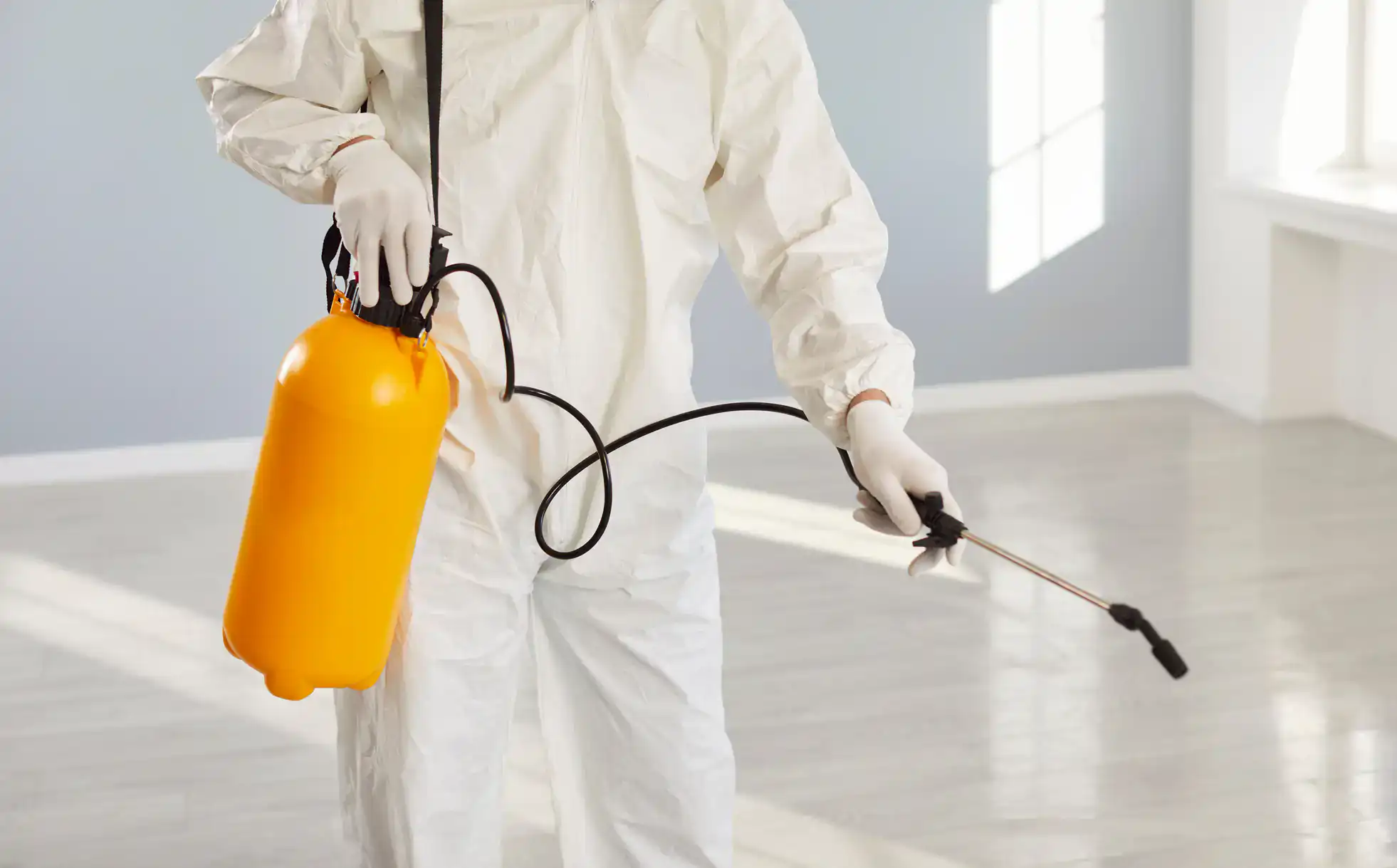
It starts with an inspection not a quick walkthrough, but a real assessment of where the infestation is originating, how it’s moving through the building, and what type of cockroach you’re dealing with. German cockroaches and American cockroaches behave differently, breed at different rates, and require different treatment approaches. Knowing which one you have changes everything about what happens next.
Once the source is identified, treatment targets the harborage zones not just the surfaces you can see. In Sunnyside’s pre-war buildings, that means wall voids, pipe chases, basement and utility areas, and any shared common spaces where cockroach populations establish before spreading to individual units. If you’re in a building near the southern end of the neighborhood, closer to Newtown Creek, drain and sewer entry points get specific attention to cut off the waterbug pathway before it becomes a recurring problem every time it rains.
Because cockroach eggs are resistant to most treatments, a single visit doesn’t solve the problem and any exterminator who tells you otherwise isn’t being straight with you. Our process includes follow-up visits timed to the cockroach reproductive cycle, so newly hatched nymphs are eliminated before they reach breeding age. Ongoing maintenance options are available for buildings or units that need consistent monitoring monthly or every other month, depending on the level of pressure.
Ready to get started?
Cockroach pest control in Sunnyside, NY isn’t a one-size-fits-all job. The neighborhood’s housing stock dominated by pre-war six-story apartment buildings with shared walls, aging plumbing, and connected basement spaces creates infestation patterns that spread horizontally and vertically across entire buildings. Our service is designed around that reality, not around what works in a single-family home in the suburbs.
Treatment covers the full infestation pathway: your unit, the common areas, and the structural entry points specific to your building type. If you’re in one of the historic row homes in Sunnyside Gardens some of which are now close to 100 years old the approach accounts for the age and construction of the building, including the aging infrastructure that makes these homes particularly susceptible to harborage. All materials we use are registered with the NYS Department of Environmental Conservation, applied by certified technicians, and safe for families with children and pets.
For property managers and landlords, we also provide building-wide programs and documentation to support NYC Housing Maintenance Code compliance. Under NYC law, landlords are legally required to address cockroach infestations in rental units and having a licensed, insured, A+ BBB-rated exterminator on record is the kind of documentation that holds up when the city comes knocking. We offer a 10% discount for senior residents, which is a meaningful benefit in a neighborhood where many longtime residents live on fixed incomes in the same pre-war buildings they’ve occupied for decades.
This is one of the most common calls we get from residents in western Queens, and the answer comes down to geography. Sunnyside sits along the northern edge of Newtown Creek, one of New York City’s most heavily industrialized waterways. The aging combined sewer infrastructure beneath the neighborhood’s southern streets creates a direct migration pathway for American cockroaches what most people here call waterbugs into ground-floor and basement apartments when heavy rain saturates the system.
This is not a sign that your apartment is dirty. It’s a sign that water is pushing cockroaches up through floor drains, sewer lines, and basement gaps that connect your building to the street-level infrastructure below. The fix requires treating those entry points specifically sealing drain pathways, applying targeted materials at the sewer interface, and addressing any basement or sub-grade areas where waterbugs establish before moving upward. A surface spray in your kitchen won’t solve a problem that’s originating three floors below you.
Honestly? Probably not for long. In Sunnyside’s pre-war apartment buildings, cockroach populations move freely through shared plumbing stacks, wall voids, and utility chases that connect units across entire floors. If your neighbor’s unit is untreated, you’re fighting half the battle the roaches will continue cycling back through the shared infrastructure between your apartments.
The most effective approach in a multi-unit building is to address the common areas and structural pathways alongside individual unit treatment. We work with both tenants and property managers for exactly this reason because building-level treatment is what actually breaks the cycle, not just treating one apartment at a time. If your landlord is responsible for coordinating the building-wide treatment under the NYC Housing Maintenance Code, we can work directly with them to put a comprehensive program in place. If you need immediate relief while that process plays out, individual unit treatment is still worth doing it just works better as part of a broader effort.
There’s no honest single-visit answer to this. Cockroach eggs called ootheca are encased in a protective shell that most pesticide treatments can’t penetrate. That means a first treatment will eliminate the adult population you can see, but eggs already laid will hatch two to four weeks later, and you’ll be dealing with a new generation of nymphs if there’s no follow-up.
In practice, most infestations in Sunnyside’s dense apartment buildings require a minimum of two to three treatments spaced to align with the cockroach reproductive cycle. German cockroaches the most common species found inside NYC apartment buildings reproduce faster than almost any other household pest, with a single female capable of producing hundreds of offspring in her lifetime. For buildings with significant infestation pressure, or for units near the basement or ground floor where sewer-adjacent waterbug activity is also a factor, an ongoing maintenance schedule monthly or every other month is often the most cost-effective long-term approach. It costs less than repeated emergency treatments and keeps the population from re-establishing between visits.
Under the NYC Housing Maintenance Code, yes landlords are legally required to eradicate pest infestations in rental apartments, including cockroaches. If you’ve reported the infestation to your landlord and they haven’t acted, you can file a complaint with the NYC Department of Housing Preservation and Development (HPD), which can result in official violations and fines against the building owner.
That said, the legal process takes time, and if you’re dealing with an active infestation right now, waiting weeks for an HPD inspector isn’t always realistic. Many Sunnyside tenants choose to bring in a licensed exterminator independently while simultaneously pursuing the landlord route both to get immediate relief and to document that the problem exists. We work with tenants in exactly this situation and can also coordinate directly with property managers or building owners when they’re ready to address the issue at the building level. Having a licensed, insured exterminator on record also gives landlords the documentation they need to demonstrate compliance if the city follows up.
This is the right question to ask before you let anyone treat your home. Every material we use is registered with the New York State Department of Environmental Conservation and applied by certified technicians which means it’s gone through regulatory review for safety and efficacy before it ever gets used in a residential setting. That’s not optional for licensed pest control operators in New York; it’s the legal standard.
In practical terms, most treatments require you and your family including pets to stay out of treated areas for a specific period after application, typically a few hours depending on the materials used. Your technician will walk you through exactly what that looks like before the job starts, including any prep steps you need to take in advance. For households with infants, elderly residents, or anyone with respiratory sensitivities which is worth mentioning given that cockroach allergens are a documented asthma trigger, particularly in the dense urban housing common throughout Sunnyside your technician can also discuss application methods that minimize airborne exposure during and after treatment.
We offer a 10% discount for senior residents. In a neighborhood like Sunnyside where a significant portion of longtime residents are older adults who have lived in the same pre-war buildings for decades that’s a real reduction on a service they genuinely need. Older buildings with aging plumbing and deteriorating mortar joints are among the most cockroach-prone structures in the city, and the residents who have been there the longest are often the ones dealing with the most persistent infestations.
Beyond the senior discount, the more meaningful cost conversation is about the long-term math. Repeated failed treatments whether from store-bought products or a single-visit exterminator who doesn’t follow up add up fast. A properly structured treatment program that accounts for the cockroach reproductive cycle, addresses building-level entry points, and includes scheduled follow-ups costs less over six months than three or four ineffective one-off visits. If you’re in a building where the infestation keeps coming back, the issue isn’t the price of professional treatment it’s that the root cause hasn’t been addressed yet. That’s the conversation we’re set up to have with you.
Useful Links
Other Services we provide in Sunnyside