
Hear from Our Customers
The worst part about bed bugs isn’t the bites. It’s the not knowing did the treatment work, or are they just hiding? When the job is done right, you stop second-guessing every itch and start sleeping normally again. That’s the outcome worth paying for.
Sunnyside’s housing stock south of Queens Boulevard is dominated by prewar brick apartment buildings six-story walk-ups and elevator buildings constructed between 1917 and the early 1940s. These buildings have aging wall voids, shared plumbing chases, and decades of accumulated hiding spaces. A bed bug infestation in one unit doesn’t stay there. It migrates through shared infrastructure to neighboring apartments, sometimes within weeks. Treating your unit alone without understanding how these buildings actually work is how infestations come back.
If you’re in one of Sunnyside’s co-op buildings or a rental managed by a landlord, you also have to navigate who’s responsible for treatment and whether the building is being addressed as a whole. That’s a layer most pest control companies don’t help you think through. It matters here, and it’s part of what a thorough bed bug inspection in Sunnyside has to account for.
We are a family-owned, licensed, and BBB A+ accredited pest control company that has been operating in New York City for over 40 years. We are certified bed bug specialists not a general exterminator that handles bed bugs on the side. The EPA recommends hiring a pest management professional with specific bed bug experience, and that distinction is exactly what separates a treatment that holds from one that doesn’t.
We’re headquartered in Brooklyn and serve all five boroughs, including all of western Queens. That means Sunnyside from the prewar elevator buildings along Queens Boulevard to the rowhouses of the Sunnyside Gardens Historic District is firmly within our service area and our experience. Our team carries more than 100 years of collective pest control experience across NYC’s most demanding housing environments.
When you call, someone answers. 24 hours a day, seven days a week. Same-day inspections are available, and an appointment is guaranteed within two days. We offer free estimates, no upselling, and a senior discount as part of our straightforward approach that our customers have specifically called out in reviews on Angi and elsewhere.
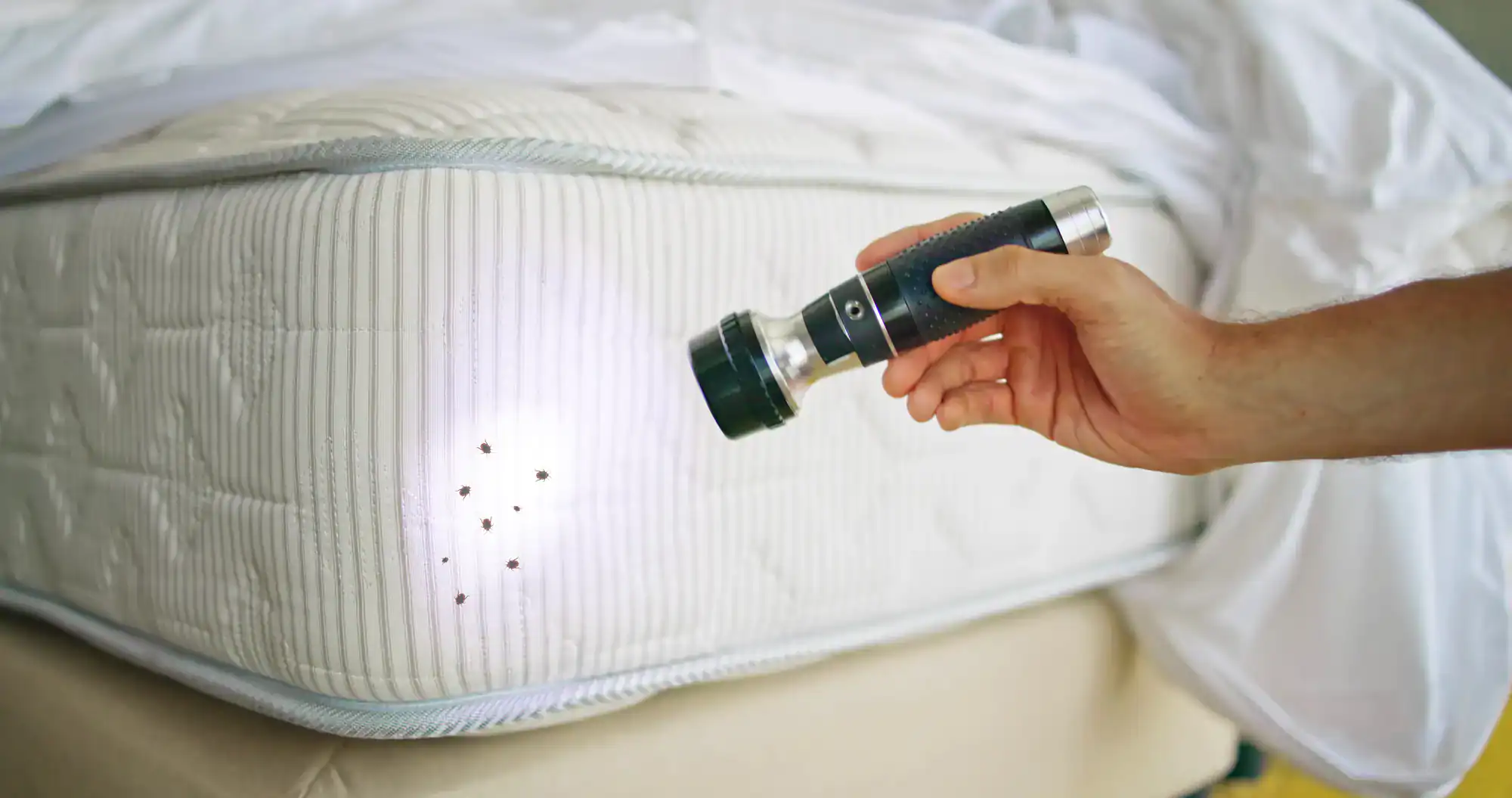
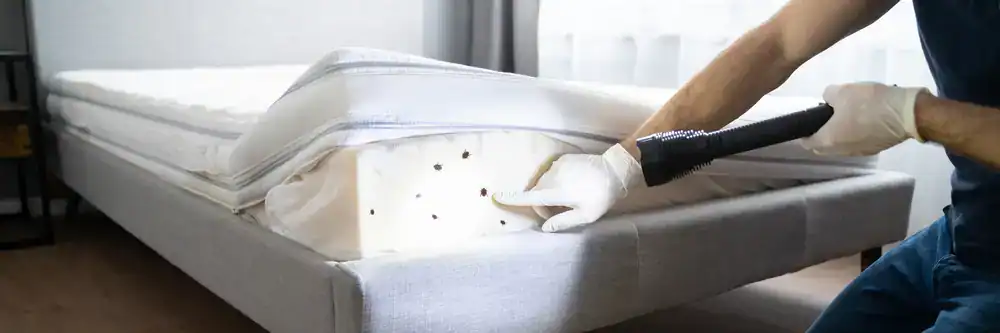
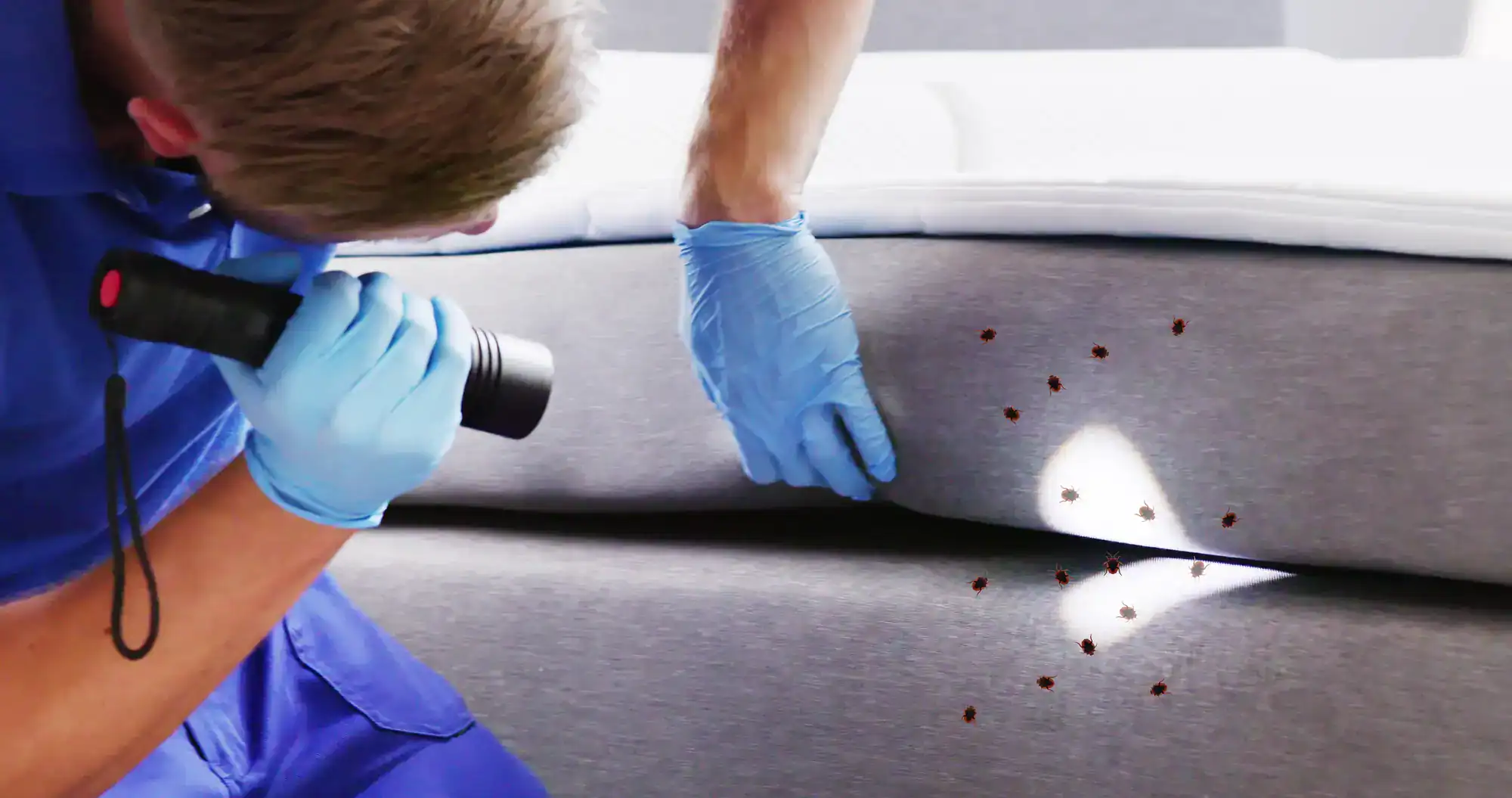
It starts with a thorough inspection. Not a quick walkthrough a real one. In Sunnyside’s prewar apartment buildings, that means checking the obvious spots (mattress seams, box springs, bed frames) and the ones most people miss: baseboards, electrical outlets, wall voids near plumbing, and any furniture that’s been in the unit long enough to become a hiding spot. If the building has a history of infestation in adjacent units, that context shapes the inspection too.
From there, we build the treatment plan around what’s actually present not a default package applied to every job. We use professional-grade residual insecticide applications targeting cracks, crevices, and harborage points, combined with follow-up monitoring to confirm the infestation has been eliminated. For cases where heat treatment is appropriate, thermal remediation can reach all life stages of bed bugs including eggs in areas that chemical treatment alone may not fully penetrate.
In Sunnyside rental buildings, the process also involves documentation. Under NYC’s Housing Maintenance Code, property owners of multiple dwellings are legally required to address bed bug infestations when reported. If your landlord has received an HPD Notice of Violation, we can provide the licensed, documented treatment needed to satisfy that requirement. Most infestations require two to four treatments over three to six weeks, and follow-up visits are built into the process not offered as an add-on after the fact.
Ready to get started?
Sunnyside is a neighborhood where roughly 76% of households rent, over half the population was born outside the United States, and most residents commute daily on the 7 train through one of the busiest transit corridors in the city. International travel, public transit, secondhand furniture, and high-turnover rental buildings are the real-world vectors through which bed bugs enter homes here. A bed bug control plan that doesn’t account for those realities isn’t built for this neighborhood.
Our bed bug treatment in Sunnyside covers the full scope: inspection, targeted residual treatment, heat treatment where indicated, follow-up monitoring, and critically documentation for HPD violations and DOH clearance when required by building management or co-op boards. We offer environmentally friendly treatment options for households with young children or pets, which matters in a neighborhood where nearly 43% of residents are between 25 and 44 and many are raising families in the same apartments being treated.
For landlords, property managers, and co-op boards in Sunnyside’s multi-family buildings, we also offer building-level coordination. When a single unit infestation has the potential to spread through shared wall infrastructure which is the default risk in any prewar Queens building addressing the problem at the unit level while ignoring adjacent units is a short-term fix. Our approach is built around how these buildings actually function, not how a suburban single-family home would be treated.
Yes and in Sunnyside’s prewar apartment buildings, it happens more easily than most people realize. These buildings were constructed between 1917 and the early 1940s, and they share wall voids, plumbing chases, and electrical conduits that run between units. Bed bugs are small enough to move through gaps around pipes, baseboards, and outlet boxes without ever entering a hallway. A single infested unit on one floor can seed neighboring units within a matter of weeks if the building isn’t addressed as a whole.
This is one of the most important reasons to hire a bed bug exterminator who understands multi-family urban housing not just someone who treats individual apartments in isolation. When we inspect a unit in a Sunnyside building, we’re also looking at the broader building context: adjacent units, shared infrastructure, and whether the infestation is contained or has already begun to migrate. That building-level awareness is what separates a treatment that holds from one that leads to a repeat call three months later.
Under NYC’s Housing Maintenance Code (Section 27-2018.1), owners of multiple dwellings are legally required to investigate and address bed bug infestations when reported by tenants. They’re also required to disclose bed bug infestation history annually. So yes in most Sunnyside rental buildings, the legal responsibility for bed bug remediation falls on the property owner, not the tenant. If your landlord is slow to act, you can file a complaint with 311 and the NYC Department of Housing Preservation and Development (HPD) will inspect and issue a Notice of Violation if bugs are found.
The practical reality is that some landlords respond quickly and some don’t. If your building has received an HPD violation and the landlord needs a licensed exterminator to document and complete the treatment, we can handle that process from inspection through clearance documentation. If you’re in a co-op rather than a rental, the question of who bears responsibility the unit owner or the co-op board depends on your building’s proprietary lease and house rules, which is worth clarifying with your board before treatment begins.
For a standard apartment in Sunnyside, professional bed bug treatment typically runs between $1,000 and $2,500 depending on the severity of the infestation, the size of the unit, and how many treatments are required. More severe infestations particularly in older prewar buildings where bugs have had time to spread into wall voids and adjacent spaces can run higher, sometimes in the $4,000 to $6,000 range for comprehensive multi-unit treatment.
The most important thing to understand is that the cost of doing it right the first time is almost always less than the cost of doing it twice. Bed bug infestations that are undertreated or treated with the wrong method don’t resolve they resurface, often worse than before. We offer free estimates so you know exactly what you’re looking at before committing to anything. The estimate is based on a real inspection of your specific unit, not a flat-rate quote over the phone that gets revised once someone actually shows up.
Heat treatment and chemical treatment each have real advantages, and the right choice depends on the specifics of your situation not a blanket recommendation. Heat treatment (thermal remediation) works by raising the temperature of the treated space to a level that kills all life stages of bed bugs, including eggs, which chemical treatments don’t always reach. It’s effective in a single session and leaves no residual chemical in the unit, which is a meaningful consideration for households with young children or pets.
Chemical treatment using professional-grade residual insecticides is often more practical for prewar apartment buildings in Sunnyside because it can be applied precisely to wall voids, baseboards, and harborage points the specific areas where bugs hide and travel in older construction. In many cases, an Integrated Pest Management approach that combines both methods with follow-up monitoring delivers the most reliable results. We’ll assess your unit and recommend what’s actually appropriate for your specific infestation and building type not default to whichever method costs more.
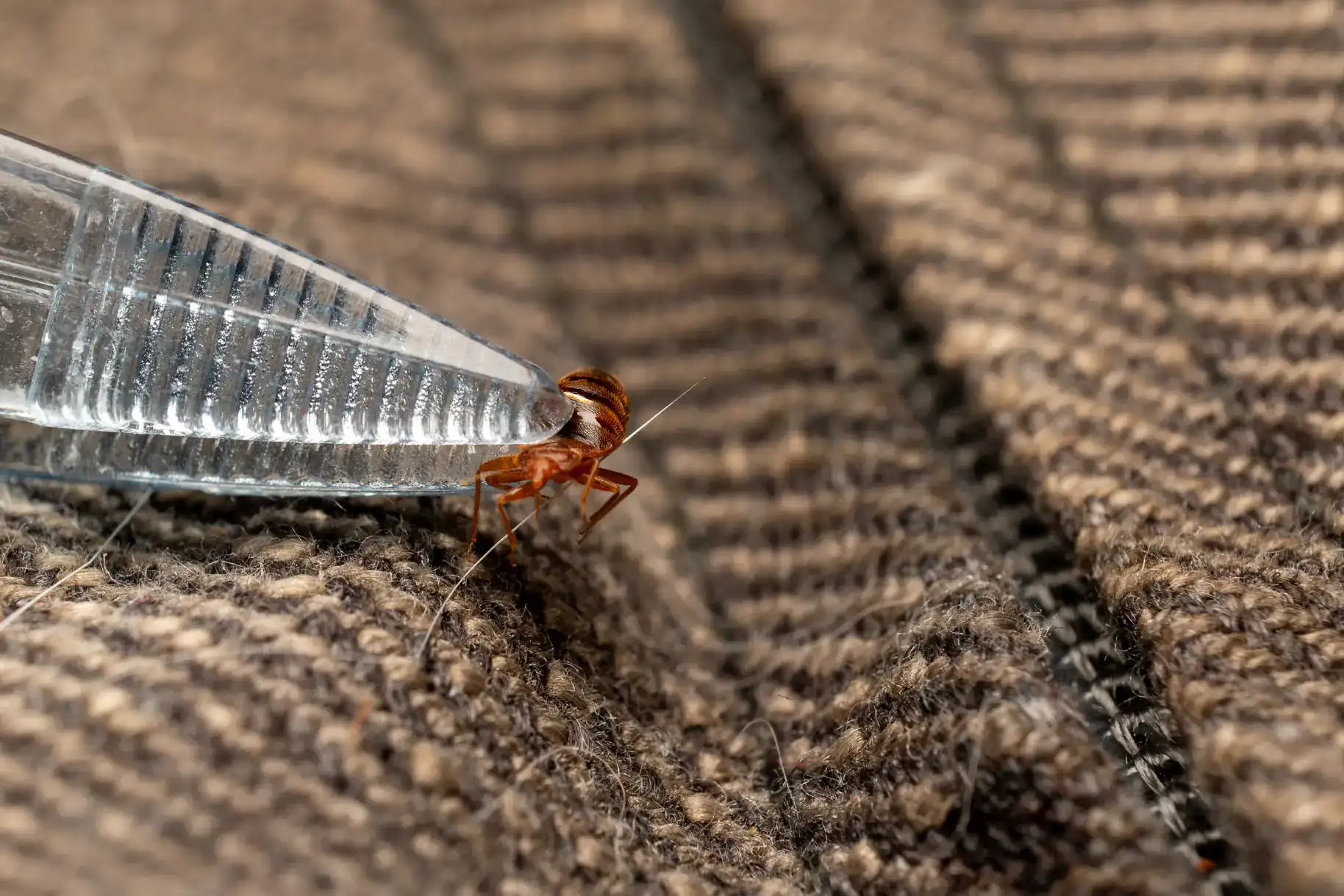
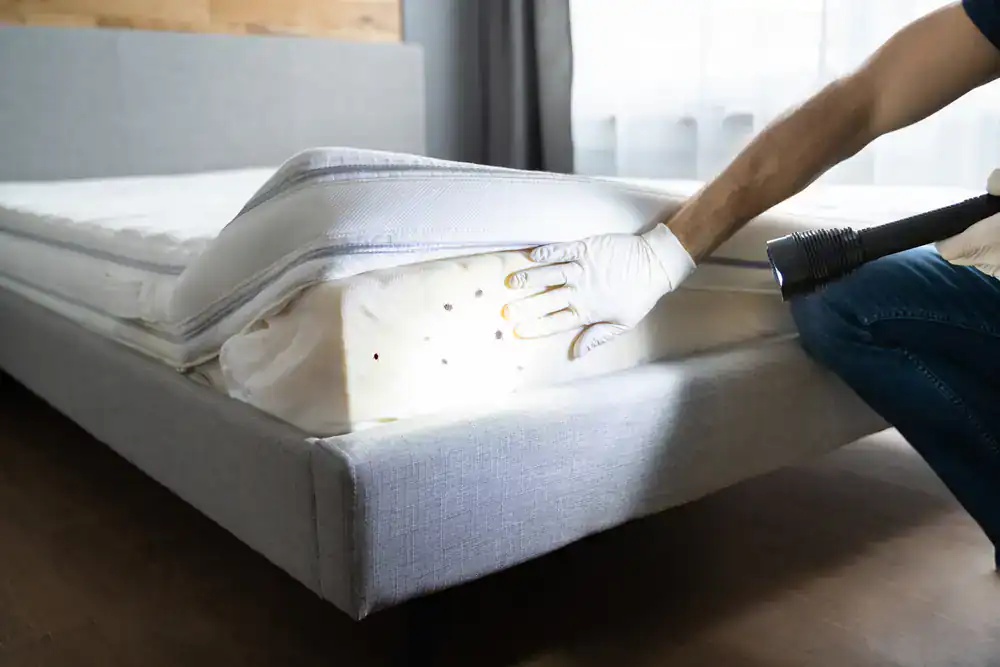
Bed bug bites alone aren’t a reliable way to confirm an infestation they look similar to bites from fleas, mites, and other insects, and some people don’t react to bed bug bites at all. The more reliable signs are physical evidence in the unit: small rust-colored stains on mattress seams or bedding (from crushed bugs or their excrement), shed skins, tiny white eggs or eggshells in seams and crevices, or the bugs themselves which are about the size and shape of an apple seed and visible to the naked eye.
In Sunnyside’s prewar apartment buildings, bed bugs most commonly hide in mattress seams, box spring fabric, bed frames, upholstered furniture, baseboards, and behind electrical outlet covers near sleeping areas. If you’re finding bites consistently in the morning and can’t identify another source, a professional inspection is the fastest way to get a definitive answer. We offer same-day inspections in Sunnyside you don’t have to spend weeks wondering. A confirmed inspection also gives you the documentation you need if you need to involve your landlord or building management.
This is one of the most common concerns from Sunnyside families, and it’s a reasonable one. We use environmentally friendly treatment options that are formulated to be safe for households with children and pets. The specific protocol what products are used, how they’re applied, and what preparation is needed beforehand depends on the treatment method selected and the layout of your unit. You’ll get clear instructions before treatment begins on how to prepare the space and how long to stay out of treated areas, if at all.
For families in Sunnyside’s apartment buildings who can’t easily relocate for an extended period, the preparation and re-entry timeline matters. Chemical treatments typically require residents to vacate for a few hours while surfaces dry; heat treatments may require a longer absence depending on the scope. We’ll walk you through exactly what’s expected before the appointment, not after. If you have an infant, a child with respiratory sensitivities, or a pet with specific health considerations, mention that when you call it factors into which treatment approach makes the most sense for your household.
Useful Links
Other Services we provide in Sunnyside