Hear from Our Customers
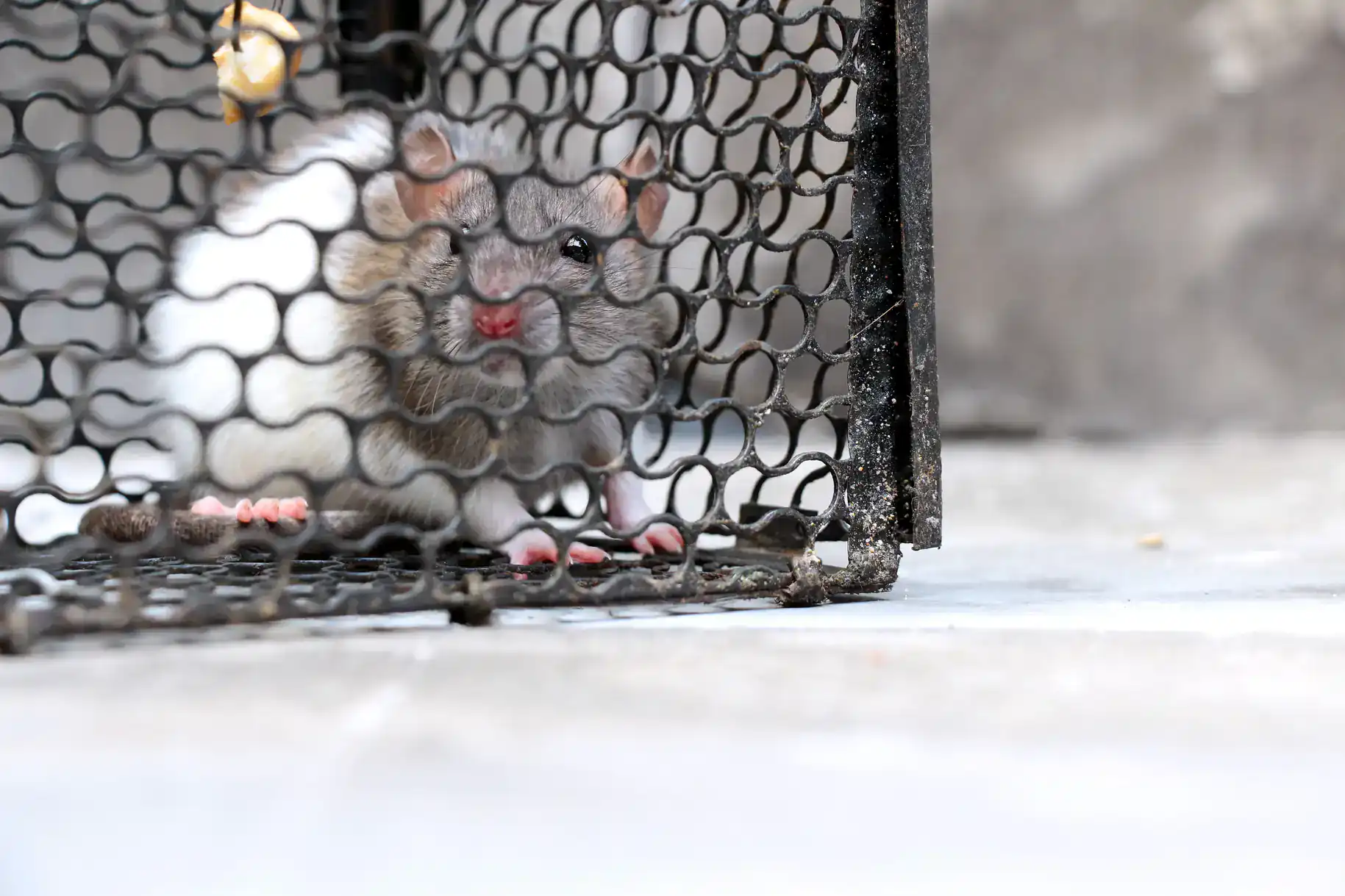
You stop hearing scratching in the walls at midnight. You stop finding droppings behind the stove. You stop wondering whether to tell your building super or handle it quietly before it becomes a board issue. That’s what resolved looks like and it’s a different feeling than “we set a few traps and we’ll check back.”
The Upper East Side creates a specific kind of rodent pressure that most pest control companies aren’t equipped to explain, let alone fix. Your building’s prewar plumbing chases and original utility penetrations give rodents a vertical highway from the basement to upper floors. Central Park’s western border feeds seasonal migration every fall when temperatures drop and park-dwelling colonies move east into adjacent residential buildings. These aren’t generic urban pest problems they’re structural and geographic realities specific to where you live.
Getting ahead of it matters for more than comfort. Under New York City’s Health Code, building owners are legally required to maintain pest-free properties, and a documented rodent condition can trigger an HPD violation that shows up in public records. In a neighborhood where co-op sales, board approvals, and property values are all connected, that’s not a small thing. Real rodent control in the Upper East Side addresses the entry points, the conditions driving activity, and the documentation not just the symptom.
We were founded in 1971 by Richard Kourbage Sr. His sons Richard Jr. and Charles joined the business in 1987 and 1989 respectively, and we’ve remained family-run ever since. No franchise. No national call center routing your job to whoever’s available. When you call Kingsway, you’re reaching a team that has spent decades working in the Upper East Side’s prewar co-ops, Lexington Avenue mixed-use buildings, and the kind of Yorkville walk-ups that haven’t been touched since the 1940s.
We hold an A+ rating with the Better Business Bureau and have maintained BBB accreditation since May 5, 1989. We’re fully licensed by the New York State Department of Environmental Conservation, fully bonded, and fully insured. Every material we apply is NYS DEC-registered something that matters in a building where children, pets, and elderly residents share the same walls and ventilation. New York attorneys and real estate brokers refer clients to us specifically because they know the stakes in a transaction and they trust our outcome.
It starts with a free phone consultation. Before anyone shows up at your door, you can talk through what you’re seeing, where you’re seeing it, and how long it’s been happening. That conversation alone usually tells an experienced technician a lot about what’s going on and where it’s coming from. From there, we schedule an on-site inspection guaranteed within 48 hours, and same-day in many cases.
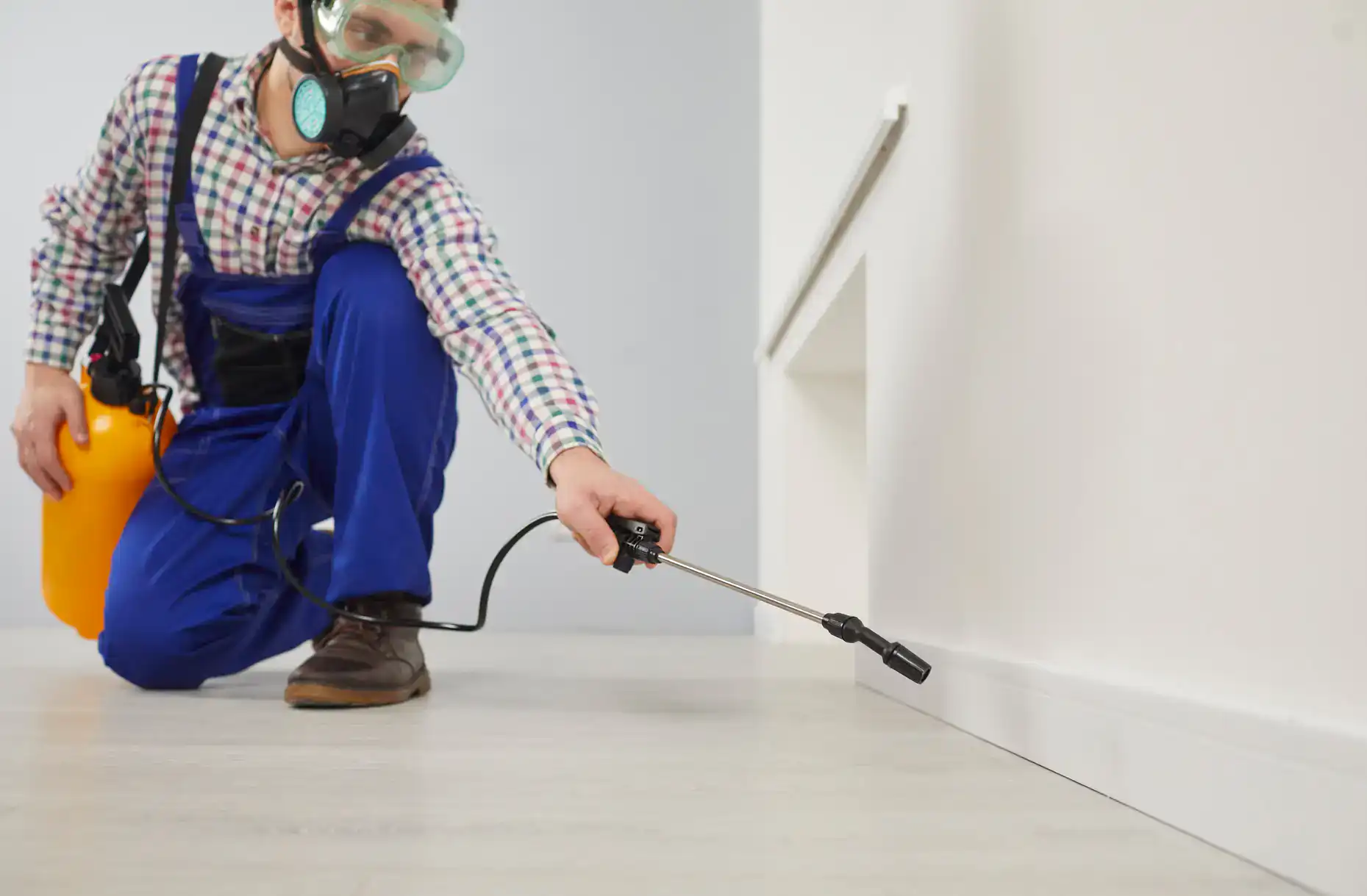
During the inspection, our technician isn’t just looking for rodents. They’re looking for entry points the gap around a steam pipe in your kitchen wall, the unsealed utility chase behind your bathroom, the crack along a baseboard that’s been there since the Eisenhower administration. In prewar buildings throughout Lenox Hill and Carnegie Hill, these openings are common and often invisible to residents. The inspection maps the infestation, identifies how rodents are moving through the building, and determines what combination of exclusion, baiting, and monitoring will actually stop it.
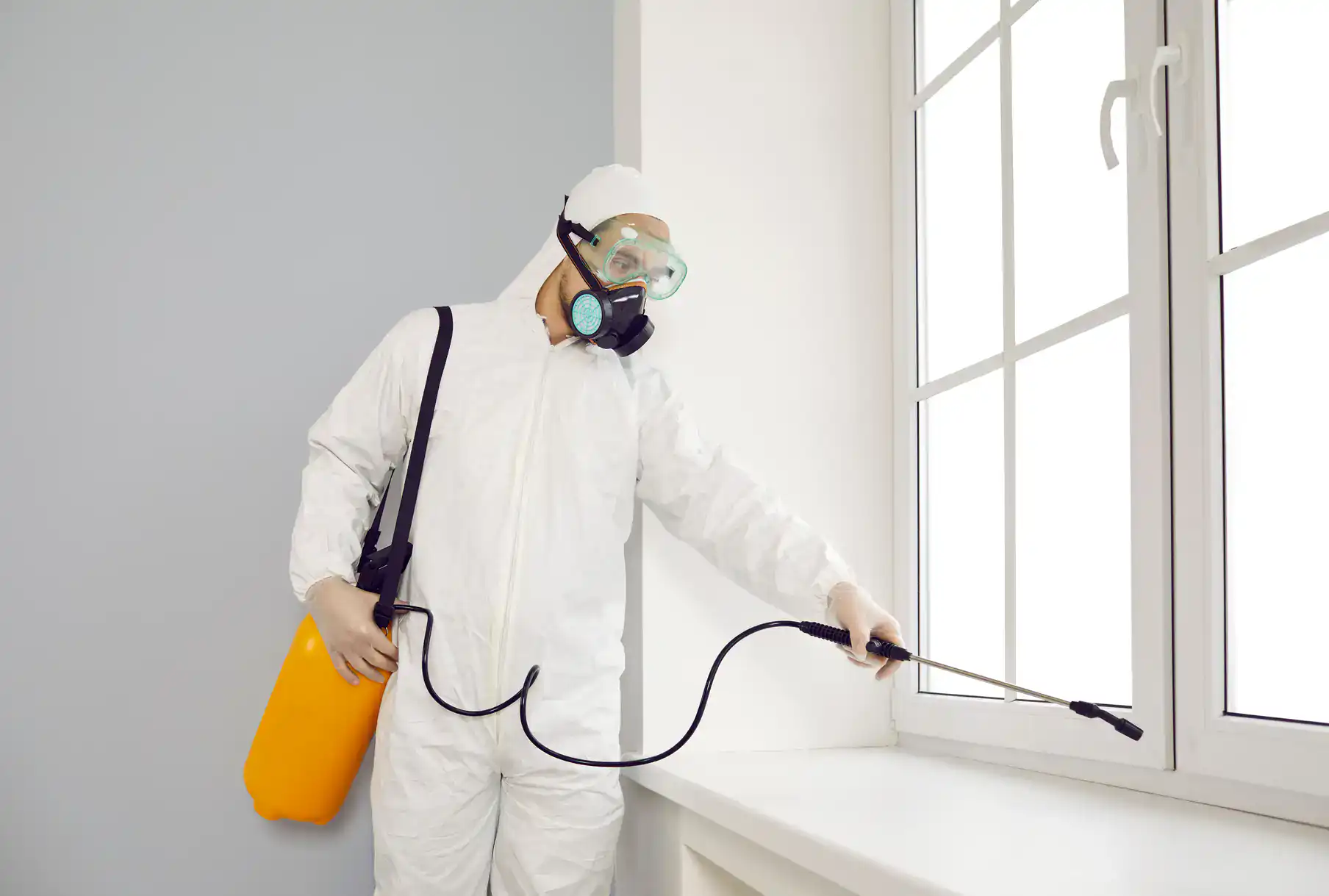
Treatment is targeted and applied using only NYS DEC-registered materials. After the initial service, we provide follow-up monitoring to confirm the activity has stopped and that new entry points haven’t opened up. If your building management or co-op board needs documentation of the service for compliance purposes, that’s part of the conversation too because in the Upper East Side, pest control isn’t just about your apartment. It’s about the building.
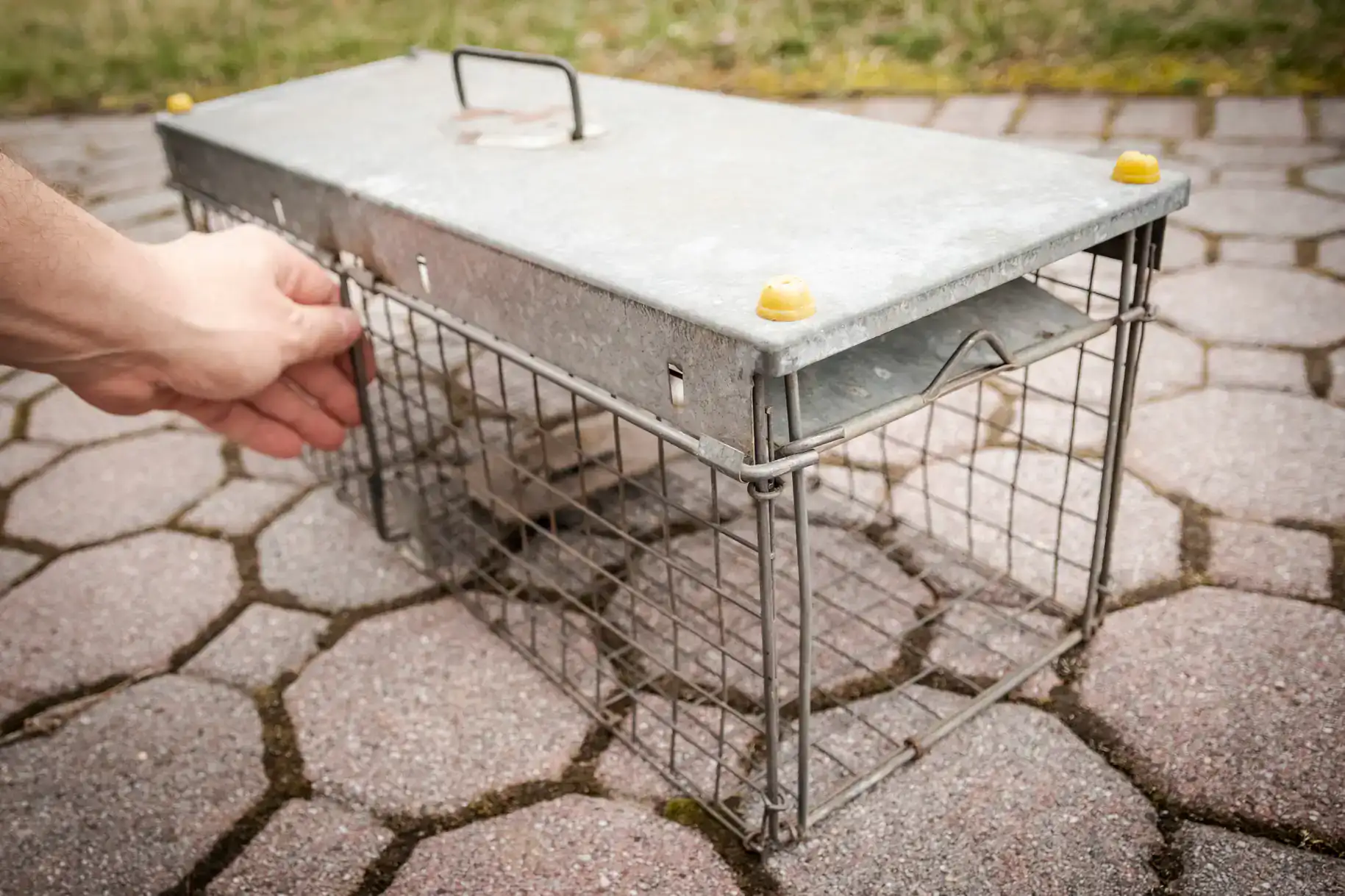
Ready to get started?
Rodent control in the Upper East Side isn’t a one-size service. The building types here full-service prewar co-ops on Park Avenue, mid-rise rentals along Second Avenue, historic brownstones in Carnegie Hill, older walk-ups in Yorkville each present different entry points, different infestation patterns, and different treatment considerations. We account for all of it.
Every service begins with a thorough inspection that goes beyond the obvious. Our technicians assess basement mechanical rooms, utility penetrations, pipe chases, shared walls, and any area where rodents are likely moving between units or floors. The “stack effect” in tall prewar buildings where warm air rising through vertical spaces draws rodents upward from lower floors is a real and documented phenomenon in this neighborhood’s building stock, and it’s something we look for specifically. Exclusion work, meaning the physical sealing of entry points with appropriate materials, is a core part of what separates a lasting solution from a temporary one.
For residents near the Lexington Avenue restaurant corridor between 70th and 86th Streets, or in buildings adjacent to the FDR Drive’s drainage infrastructure, ongoing monitoring is often the right long-term answer because the external pressure doesn’t disappear after one treatment. We also work directly with building supers, property managers, and co-op boards when the situation calls for a building-wide approach. Under NYC Health Code, multi-unit building owners are legally required to use a licensed pest management professional and our NYS DEC licensing satisfies that requirement completely.
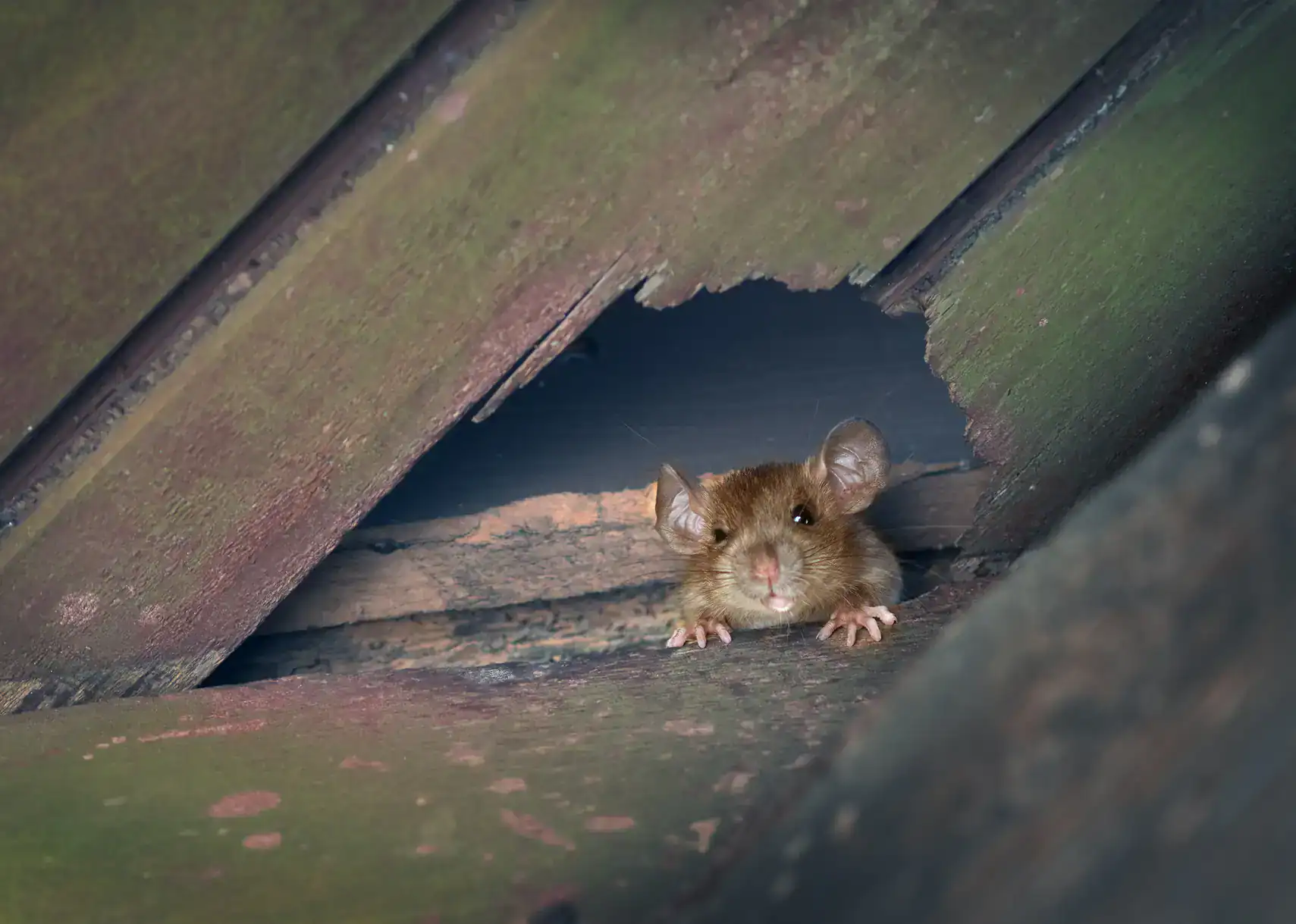
Over-the-counter products kill individual rodents they don’t stop new ones from coming in. In the Upper East Side’s prewar building stock, mice and rats are typically entering through gaps around pipes, utility penetrations, and original construction openings that haven’t been properly sealed in decades. If those entry points stay open, the infestation restarts regardless of how many traps you set or how much bait you use.
There’s also a building-level dynamic that self-treatment can’t address. Rodents in high-rise and mid-rise buildings move vertically through shared utility chases meaning the source of your problem might be two floors below you, or in a neighboring unit’s wall. A professional inspection identifies where activity is actually originating, not just where you’re seeing it. That’s the difference between a short-term fix and a real one.
Yes, and it’s one of the most common scenarios in Upper East Side buildings. Prewar construction which defines most of the residential stock from 59th Street up through Carnegie Hill relies on plumbing and electrical chases that run vertically through the building. These chases are rarely airtight, and rodents use them to move between floors with ease. A mouse that enters at the basement level can reach upper-floor apartments through these pathways without ever crossing a hallway.
This is why a rodent problem on the fourth floor doesn’t necessarily mean the fourth floor is where the infestation started. Our inspection process specifically traces rodent movement through a building’s vertical infrastructure not just the unit where activity is visible. Sealing those internal pathways, in addition to exterior entry points, is what keeps the problem from recurring in a different apartment after the initial treatment.
It does, and it follows a predictable seasonal pattern. Central Park’s green spaces, drainage infrastructure, and landscaping support established rodent colonies year-round. When temperatures drop in October and November, those colonies move outward in search of warmth and food and the residential buildings along Fifth Avenue, Park Avenue, and Madison Avenue sit directly in their path. This fall migration is a documented, recurring driver of rodent activity in buildings along the western edge of the Upper East Side.
The practical implication is that if your building has any unsealed entry points along its foundation, exterior walls, or utility connections, fall is when rodents are most actively looking for them. Scheduling a professional inspection and exclusion service before the seasonal migration rather than after you’ve already found evidence inside is the most effective way to stay ahead of it. We understand this seasonal cycle specifically because we’ve been working in park-adjacent Manhattan buildings for decades.
Under the NYC Health Code, building owners including co-op boards and landlords are legally required to maintain pest-free properties. In multi-unit residential buildings, that obligation extends to hiring a licensed pest management professional when rodenticides are being applied. Self-treatment by a landlord or super is not legally sufficient under the code, and a documented rodent condition can result in an HPD violation that appears in public records and carries fines ranging from $250 to $2,000.
For Upper East Side co-op buildings specifically, the stakes go beyond the fine. An HPD violation is a matter of public record, which means it can surface during a sale, a board approval process, or a refinancing review. Building managers and co-op boards in this neighborhood often engage us proactively before a 311 complaint triggers an inspection because the cost of a documented violation far exceeds the cost of professional rodent control. Our NYS DEC licensing fully satisfies the city’s legal requirement for licensed pest management in multi-unit buildings.
Subway and underground construction is one of the most well-documented drivers of rodent displacement in urban environments. When excavation disturbs established burrow networks, colonies relocate and the nearest available shelter is usually the residential buildings on adjacent blocks. Phase 1 of the Second Avenue Subway displaced significant rodent populations when it opened in 2017, and Phase 2 construction extending the Q train northward from 96th Street continues to push colonies into buildings along the Second Avenue corridor in Yorkville and the upper Upper East Side.
If you live in a building near Second Avenue, this is a real and ongoing source of external rodent pressure that won’t resolve on its own. It’s not enough to treat the inside of a building once the pressure from active construction nearby means new rodents will continue looking for entry points as long as that work continues. Ongoing exclusion maintenance and periodic monitoring are the practical response to a construction-adjacent infestation in this part of the neighborhood.
The honest answer is that a single-unit treatment is often a temporary fix if the infestation has a building-level source. If rodents are entering through shared utility infrastructure, a basement mechanical room, or gaps in the building’s exterior foundation, treating one apartment addresses the symptom without touching the cause. The activity will typically reappear sometimes in the same unit, sometimes in a neighboring one within weeks.
The right starting point is a professional inspection that looks at the full picture: where activity is concentrated, how rodents are moving through the building, and whether the entry points are unit-specific or structural. In many Upper East Side buildings, we work directly with the building super or property manager to coordinate a building-wide approach which is both more effective and, in multi-unit buildings, what NYC Health Code requires when licensed pesticide application is involved. A free phone consultation with us can help you figure out the right scope before any service is scheduled.
Useful Links