Hear from Our Customers
You stop second-guessing every sound in the kitchen at night. You stop throwing money at hardware store sprays that scatter the problem instead of solving it. And if you’re managing a building or running a restaurant on Atlantic Avenue or Smith Street, you stop holding your breath every time a DOH inspector walks through the door.
Brooklyn’s cockroach problem isn’t the same as what you’d find in a suburb. The borough’s aging combined sewer system pushes American cockroaches the big ones locals call waterbugs up through floor drains and cracked pipe connections, especially after heavy rain. Meanwhile, German cockroaches colonize the wall voids and cabinet spaces of pre-war brownstones and apartment buildings from Bed-Stuy to Bay Ridge, spreading unit to unit through shared plumbing chases and party walls. These aren’t problems a one-time spray fixes.
What real cockroach control in Brooklyn looks like is a treatment plan that accounts for your specific building type, the pest species involved, and whether you’re dealing with a sewer-entry problem, a neighbor-to-neighbor spread, or an active infestation behind your appliances. When that’s done right, you get your space back and it stays that way.
We’re headquartered at 2216 Flatbush Avenue in Marine Park not across a bridge, not in a regional office somewhere in New Jersey. Brooklyn is where we were built, and it’s where the Kourbage family has been working since Richard Kourbage Sr. founded Kingsway Exterminating over four decades ago. Richard Kourbage Jr. joined in 1987, and multiple family members remain active today.
Our team collectively brings more than 100 years of hands-on pest control experience, and every technician holds certification from the NYS Department of Environmental Conservation. We’re fully licensed, bonded, and insured and maintain a consistent A+ rating with the Better Business Bureau of New York State. That’s not a one-time score. It’s a track record.
When you’ve been treating cockroach infestations in Brooklyn’s brownstones, multi-unit buildings, and commercial corridors for 40 years, you stop guessing and start knowing. That’s the difference you get here.
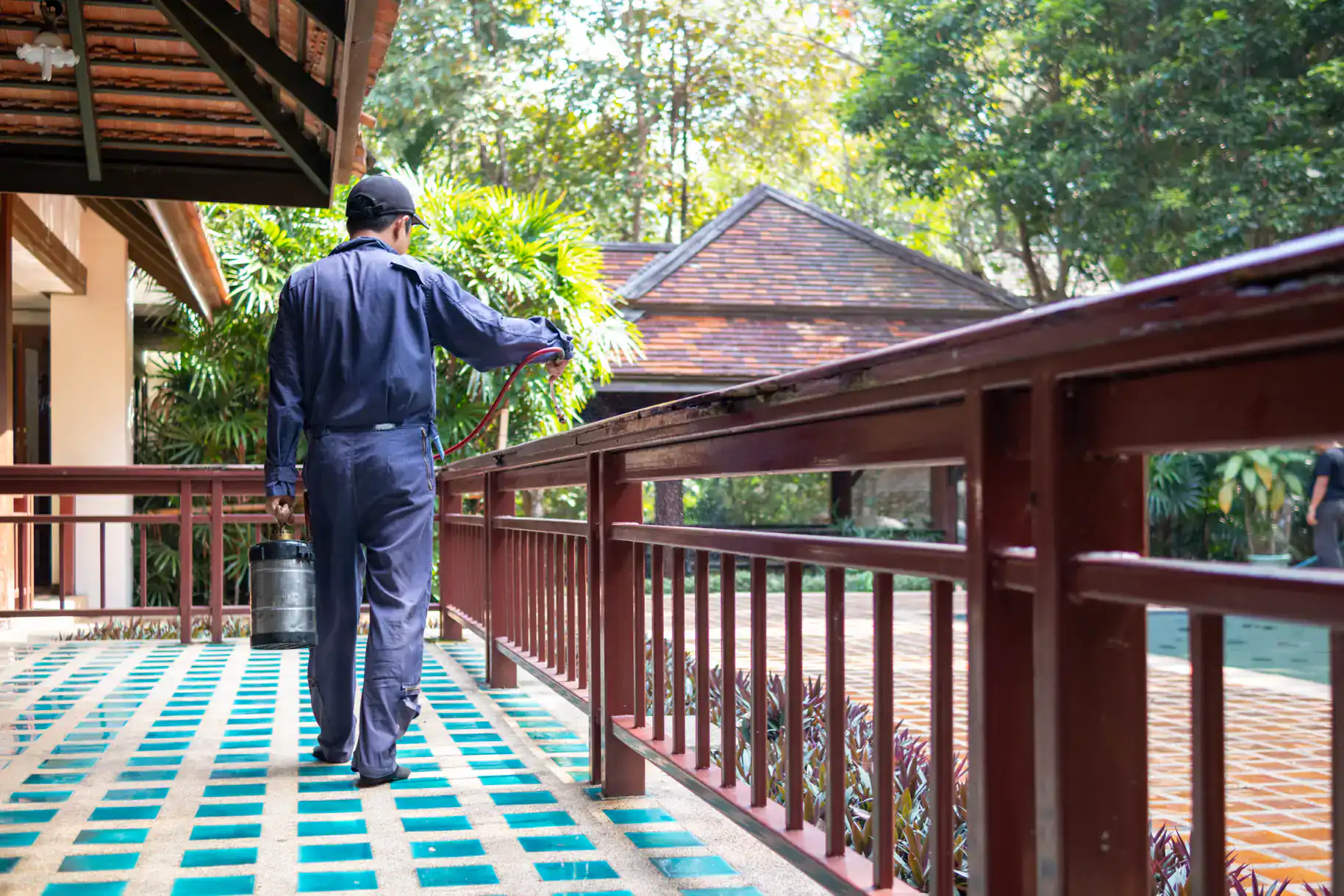
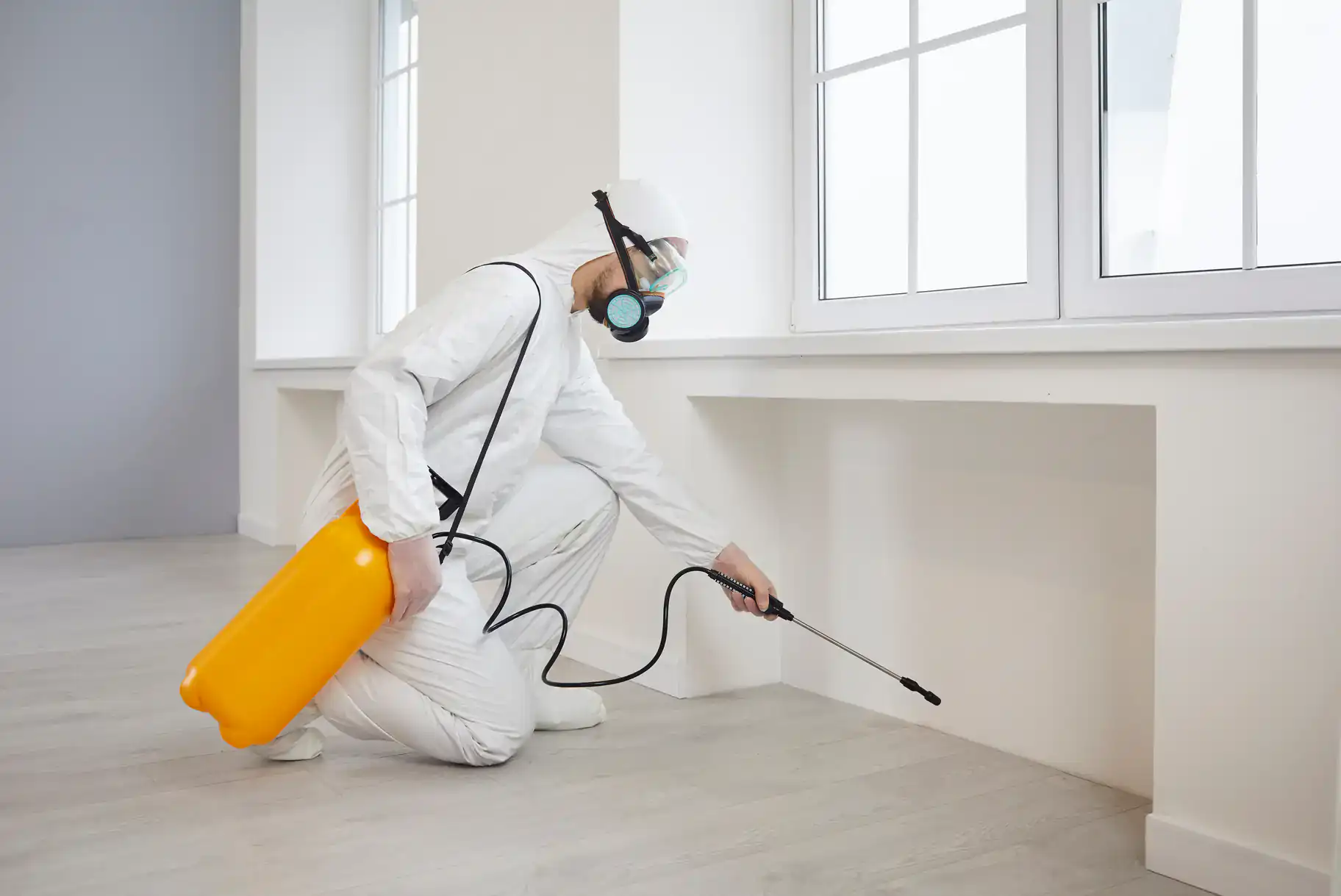
It starts with identification, and in Brooklyn, that step matters more than most people realize. A German cockroach infestation behind your refrigerator and a waterbug problem coming up through a basement floor drain are two completely different situations that require two completely different treatments. Getting that wrong on the first visit wastes your time and money. Our technicians identify the species, locate the harborage points, and assess how the infestation is moving through your space whether that’s through a shared wall in a Bed-Stuy rowhouse or a cracked P-trap in a pre-war building’s basement.
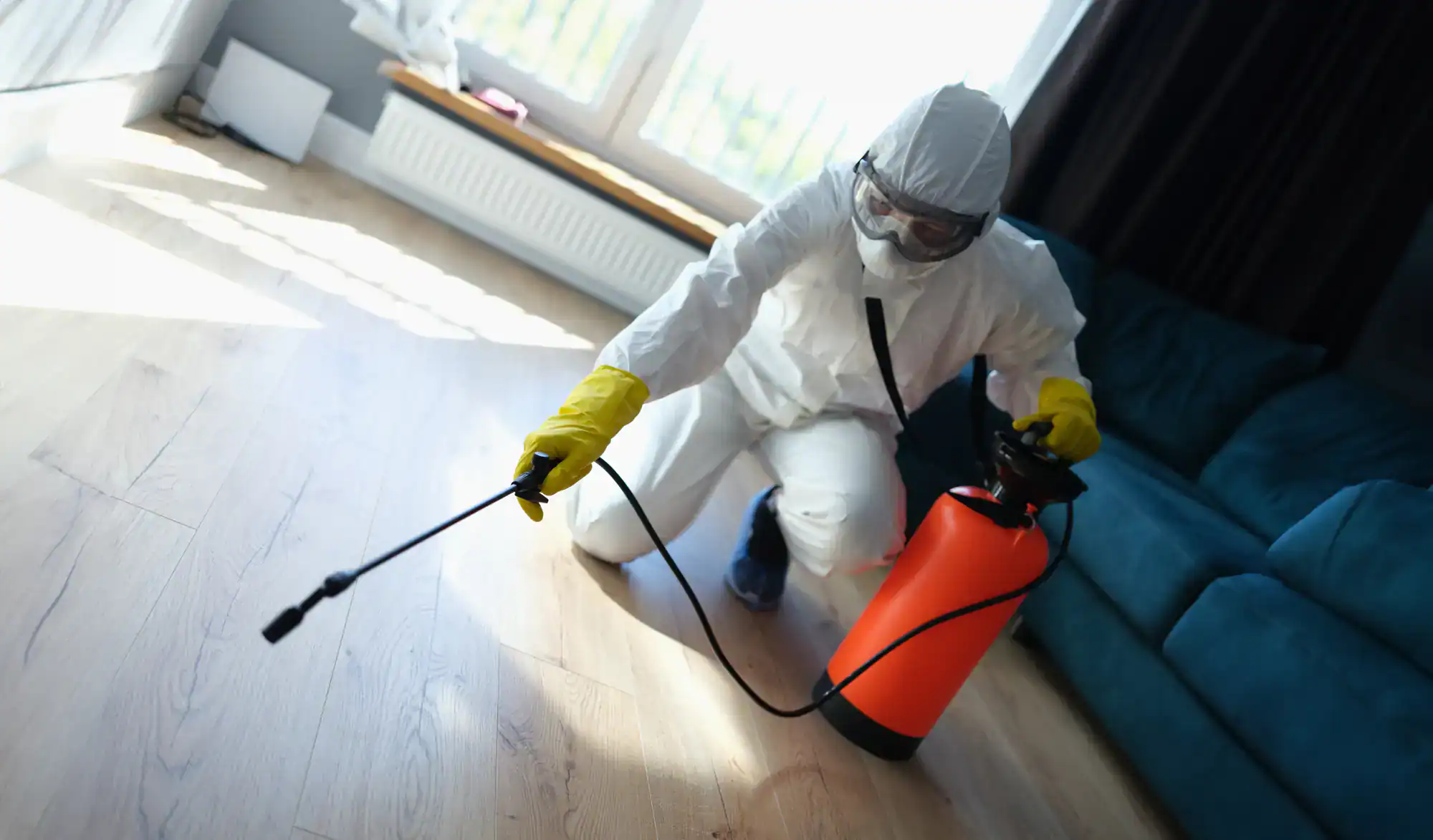
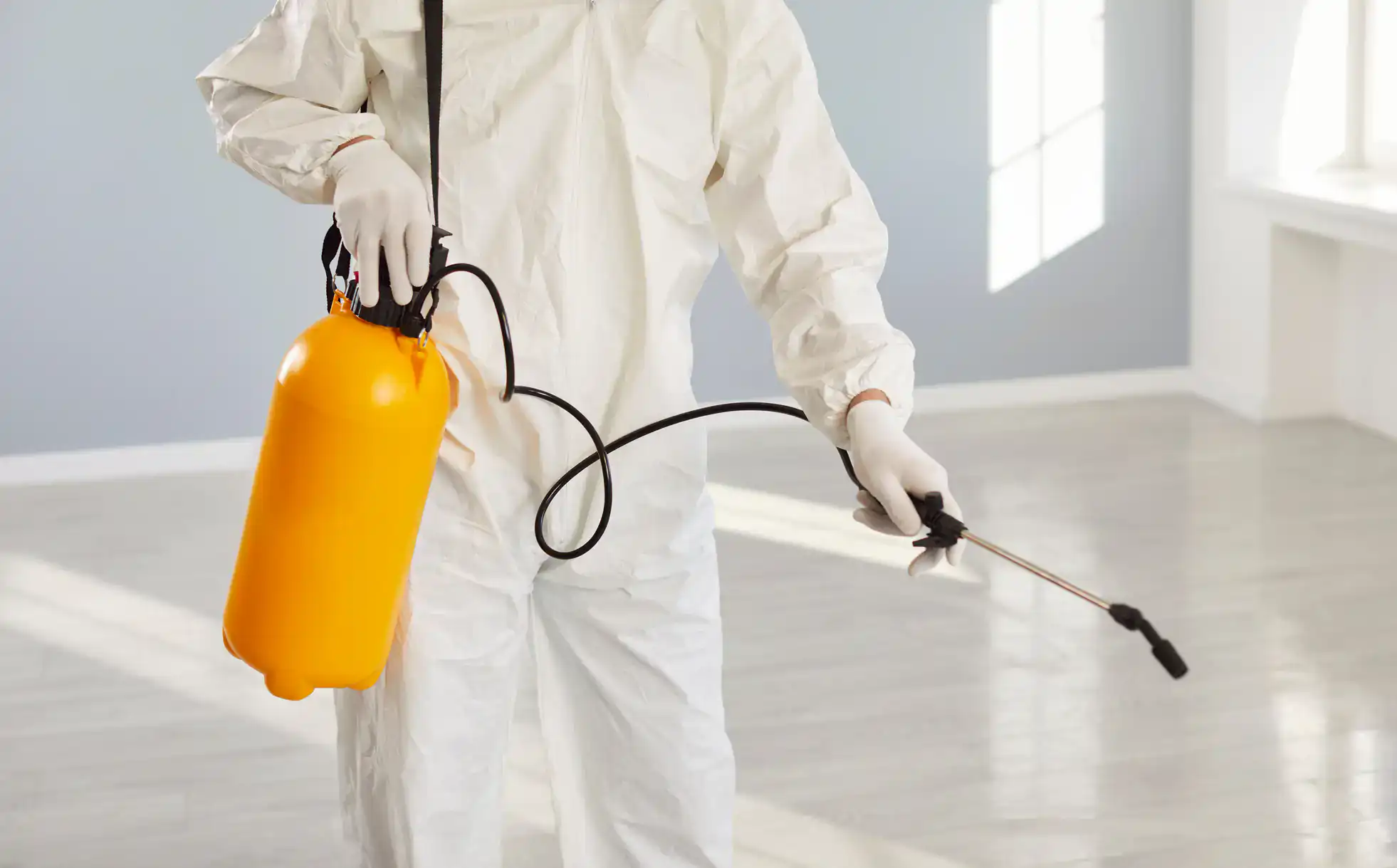
From there, we apply treatment using NYS DEC-registered materials gel baits, insect growth regulators, and crack-and-crevice applications for German cockroaches; drain treatments and plumbing penetration sealing for American cockroaches entering from the sewer system. Every product we use is legally registered for use in New York State and applied by a certified technician.
Because cockroach eggs are resistant to most pesticides, follow-up is built into the process not sold as an add-on. For multi-unit buildings, landlords with active HPD violations, or commercial clients managing DOH compliance, we also provide the service documentation you need to satisfy regulatory requirements. You’ll know what was done, when, and what comes next.
Ready to get started?
We handle both of Brooklyn’s primary cockroach problems: German cockroach infestations in kitchens, bathrooms, and wall voids, and American cockroach (waterbug) intrusions entering from Brooklyn’s aging sewer infrastructure. Both are common. Both require different approaches. And both are something we’ve been treating in this borough for over 40 years.
For residential customers whether you’re in a Park Slope brownstone, a Canarsie single-family home, or a Williamsburg apartment our treatment includes a full inspection, targeted application, and a follow-up schedule based on infestation severity. For property managers and building owners dealing with HPD Class C violations (cockroach infestations are classified as immediately hazardous under NYC’s Housing Maintenance Code and require a landlord response within 24 hours), we provide documented treatment records that satisfy compliance requirements. For commercial clients restaurants, food establishments, and businesses operating under NYC DOH oversight we deliver the kind of licensed, documented pest management that keeps you off the violation list. We also issue Demolition Clearance Certificates to the NYC Department of Health, a specialized credential relevant to Brooklyn’s active construction and renovation market.
Seniors receive a 10% discount a straightforward acknowledgment that Brooklyn’s large senior communities in Bay Ridge, Brighton Beach, and Sheepshead Bay deserve accessible pricing without compromising on quality.
This is one of the most common questions we hear from Brooklyn residents, and the answer has nothing to do with how clean your apartment is. In Brooklyn’s dense, aging housing stock particularly in pre-war buildings constructed between 1900 and 1940 cockroaches move through shared wall voids, plumbing chases, and structural gaps that connect your unit to neighboring apartments, basement spaces, and the building’s sewer connections. A spotless kitchen doesn’t stop a German cockroach colony from migrating through the wall from the unit next door.
The other factor specific to Brooklyn is the borough’s combined sewer system. American cockroaches live in it year-round and enter buildings through floor drains with dried-out P-traps, cracked pipe connections, and deteriorated toilet wax seals especially in basement and sub-basement spaces. Heavy rain events push them upward in larger numbers. Neither of these entry points has anything to do with cleanliness. They’re infrastructure problems, and they require professional treatment not a cleaner kitchen.
In Brooklyn and across all five boroughs “waterbug” is the common name for the American cockroach, a large, reddish-brown species that typically grows to about an inch and a half in length. They’re the ones you’ll find in basements, boiler rooms, and bathrooms, often appearing after rain. They’re not a separate insect; they’re a cockroach species that thrives in Brooklyn’s sewer system and migrates into buildings through drains and plumbing penetrations.
German cockroaches are the smaller, faster species light brown with two dark stripes behind the head and they’re the ones most commonly found in kitchens and bathrooms of Brooklyn apartments. They don’t come from the sewer. They hitchhike in on grocery bags, secondhand appliances, and cardboard boxes, and they reproduce extremely fast once established. The reason this distinction matters is that the treatment for each species is different. Treating a waterbug problem the same way you’d treat a German cockroach infestation or vice versa won’t work. We identify the species first, then apply the right approach.
Yes. Under New York City’s Housing Maintenance Code, cockroach infestations are classified as a Class C violation the most serious category, considered immediately hazardous. Landlords are legally required to respond within 24 hours of a complaint and must take action to eliminate the infestation. All building owners in NYC are required by law to provide housing free of pests and to employ maintenance practices that prevent and address cockroach presence.
If your landlord isn’t responding, you can file a complaint with the NYC Department of Housing Preservation and Development (HPD). HPD can inspect the property, issue violations, and impose fines that escalate the longer the problem goes unaddressed. As a tenant, you’re also entitled to request a pest management plan not just a one-time spray. If you’ve already filed with HPD and your landlord has hired an exterminator to get into compliance, that exterminator needs to provide documented service records. We work with building owners and property managers across Brooklyn on exactly this kind of compliance-driven treatment, and provide the documentation that satisfies HPD requirements.
Pricing for professional cockroach extermination in Brooklyn runs higher than national averages, for straightforward reasons: NYC’s licensing requirements add overhead for legitimate operators, multi-unit building treatments are more complex than single-family homes, and the cost of operating in one of the most expensive cities in the country is real. For a single-unit residential treatment, you’re generally looking at a range of $150 to $400 depending on the severity of the infestation and the size of the space. More severe infestations, larger units, or multi-unit building treatments will be priced accordingly.
What’s worth understanding is that a cheaper one-time treatment that doesn’t address follow-up will cost you more in the long run. Cockroach eggs called ootheca are resistant to most pesticides, which means newly hatched nymphs will repopulate the space if follow-up isn’t part of the plan. We build follow-up into the process rather than treating it as a separate charge. For seniors, a 10% discount is available something worth asking about when you call, particularly for residents in Brooklyn’s senior communities in Bay Ridge, Bensonhurst, and Brighton Beach.
Brooklyn’s housing stock is one of the main reasons cockroach infestations here are harder to eliminate than in other places. Pre-war brownstones and rowhouses share party walls the structural walls between adjoining units and those walls are full of gaps, pipe penetrations, and voids that cockroaches move through freely. A German cockroach colony established in one unit can spread to adjacent apartments within weeks, especially if only one unit is treated while the others remain untreated.
In larger apartment buildings, the spread happens through plumbing chases, elevator shafts, shared trash compactor areas, and the utility corridors that run vertically through the building. This is why a single-unit treatment in a multi-unit Brooklyn building often produces temporary results the infestation pressure from surrounding units or the building’s infrastructure continues. Effective cockroach control in Brooklyn’s apartment buildings requires either coordinated treatment across multiple units or, at minimum, a treatment strategy that accounts for the pathways the infestation is using to re-enter your space. Our technicians assess the full picture before applying any treatment.
Yes, and it’s a significant part of what we do across Brooklyn’s commercial corridors. Every NYC restaurant is required to maintain a pest management contract with a DEC-licensed exterminator, and cockroaches are among the top violations cited in NYC Department of Health restaurant inspections. A single live cockroach or visible droppings can result in point deductions that affect your grade and in Brooklyn’s competitive food scene, a B or C grade posted in the window has real consequences for foot traffic and revenue.
We provide licensed, documented commercial pest management for restaurants and food establishments across Brooklyn from the Smith Street and Court Street dining corridors in Cobble Hill and Carroll Gardens to the dense restaurant blocks of Williamsburg and Flatbush Avenue. Treatment visits come with service records that satisfy DOH compliance requirements, which inspectors can and do request to see. For high-risk establishments those with frequent deliveries, shared kitchen spaces, or locations in older commercial buildings we can structure a maintenance schedule that keeps your kitchen protected between inspections, not just after a violation. Call to discuss what frequency makes sense for your specific location and operation.
Useful Links
Other Services we provide in Brooklyn