Hear from Our Customers
Finding a cockroach in your Cobble Hill apartment or brownstone isn’t just an inconvenience it’s a health issue. Cockroach allergens are a documented trigger for asthma and respiratory problems, and in a neighborhood full of young families and children walking to PS 29 every morning, that’s not a risk worth sitting on. Getting this handled properly means your kitchen is yours again, your kids aren’t being exposed to allergens, and you’re not lying awake wondering what’s moving around behind the walls at 2 a.m.
What makes cockroach control in Cobble Hill different from anywhere else is the building stock. Nearly half the homes here were built before 1940. That means radiator pipe gaps, original cast-iron plumbing stacks, cracked mortar in brick foundations, and shared basement utility spaces that connect your unit to your neighbor’s without a single visible opening. A treatment that doesn’t account for that isn’t really a treatment it’s a temporary fix that sends the problem sideways into the next unit and back again.
The other piece most people don’t think about is the pressure coming from outside the building. The restaurant corridor on Smith Street and Court Street generates year-round food waste that sustains cockroach populations at a neighborhood level. If you’re in a building adjacent to a restaurant or food market on Atlantic Avenue, you’re dealing with a different kind of external pressure than someone in a purely residential block. That context matters when building a treatment plan that actually holds.
We’re a family-owned business out of Marine Park, Brooklyn not a franchise, not a national chain dispatching technicians from across the river. Richard Kourbage Sr. founded our company, Richard Kourbage Jr. joined in 1987, and we’ve been operating continuously in the five boroughs ever since. That’s over 40 years of Brooklyn buildings, Brooklyn pest pressure, and Brooklyn clients who expect real results.
Our company holds an A+ rating with the Better Business Bureau of New York State, is fully licensed, bonded, and insured, and we apply only NYS Department of Environmental Conservation Registered Materials which matters a great deal in a neighborhood like Cobble Hill, where people are careful about what gets used inside their homes. Every technician on our team is DEC-certified, and collectively our staff brings over 100 years of combined pest control experience to every job.
Cobble Hill residents know their buildings are complicated. We’ve been working inside buildings just like yours pre-war attached brownstones, historic co-ops, landmarked structures throughout Brooklyn for decades. This isn’t a learning curve for us. It’s what we do.
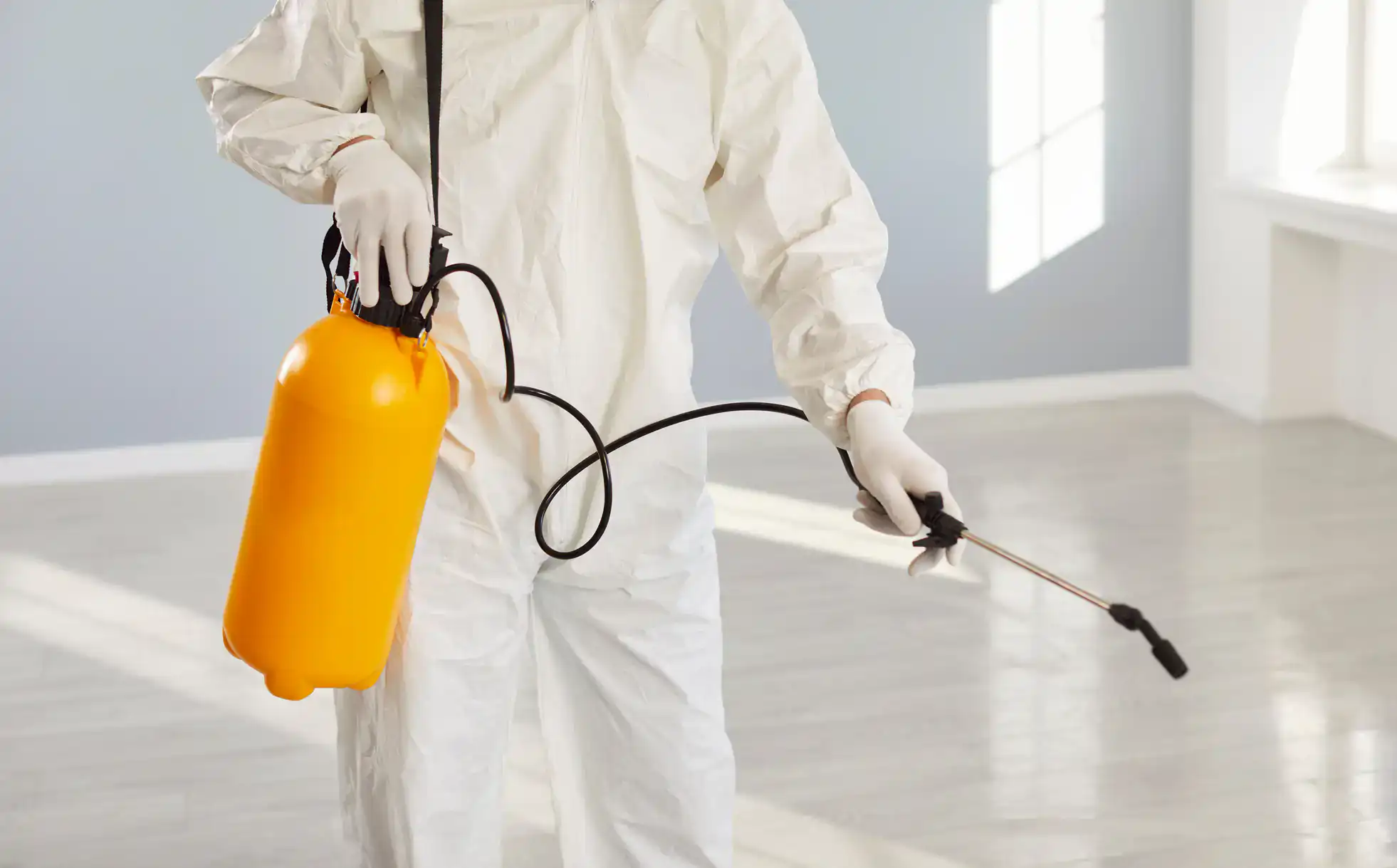
The first thing one of our technicians does when they arrive is identify what you’re actually dealing with. This matters more than most people realize. German cockroaches the small, fast ones that show up in kitchens and bathrooms require a completely different treatment approach than American cockroaches, which most Cobble Hill residents know as waterbugs. Waterbugs migrate through aging sewer infrastructure and emerge through floor drains and basement sumps, especially after heavy rain. Treating one species the way you’d treat the other doesn’t work. The inspection comes first, always.
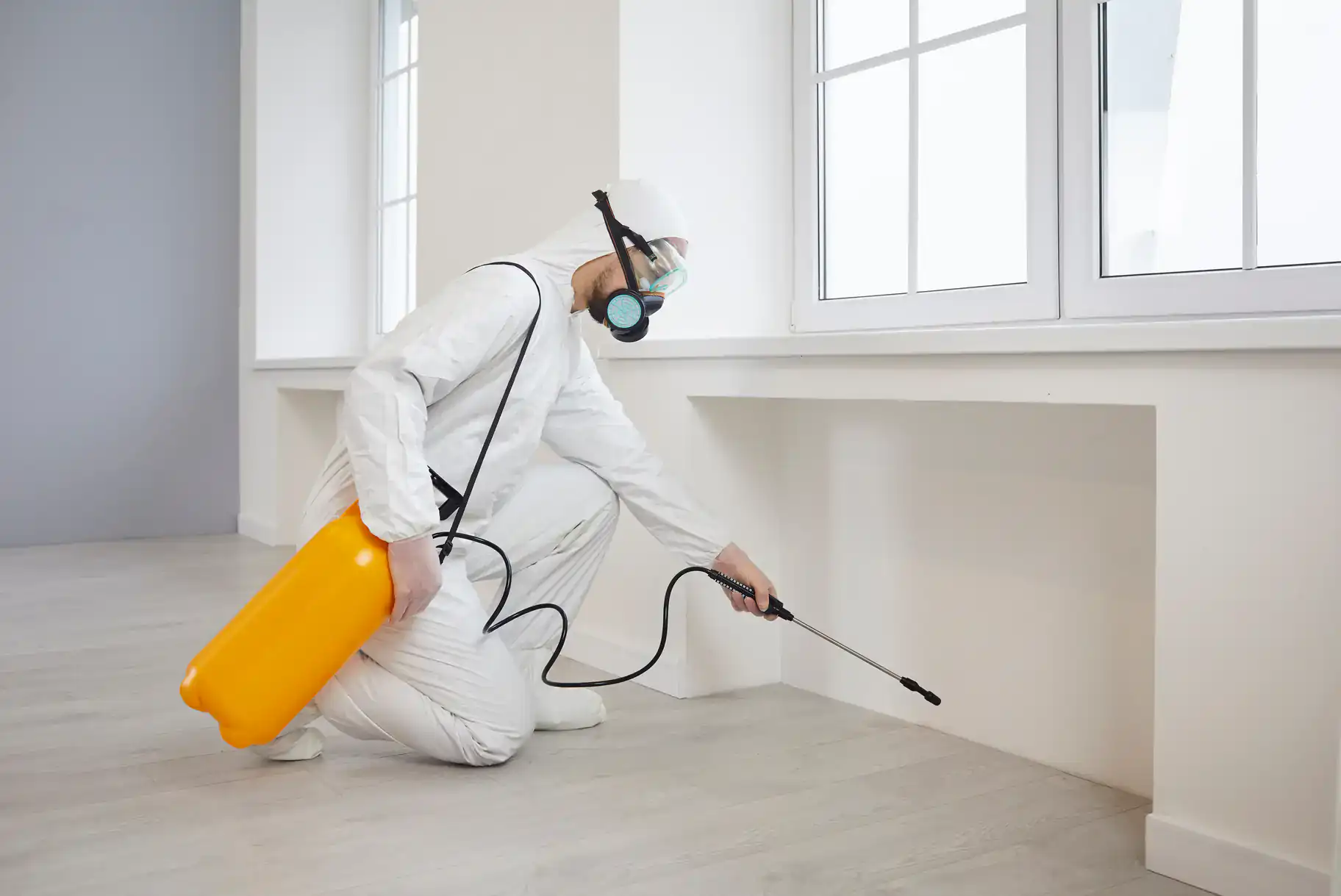
Once the species and the scope are confirmed, treatment is targeted to the actual harborage sites not just the visible surfaces. In a pre-war Cobble Hill brownstone, that means crack-and-crevice applications around plumbing penetrations, behind appliances, inside wall voids where accessible, and along the utility pathways that connect units in attached buildings. For German cockroach infestations, gel bait and insect growth regulators are deployed to interrupt the reproductive cycle, not just knock down the visible population. For waterbug pressure, the focus shifts to entry point identification and drain treatment.
If you’re in a multi-unit building a brownstone that’s been divided into apartments, a co-op on Hicks Street, or anything along the Court Street corridor we can also work with your property manager to address the infestation at the building level. A unit-only treatment in an attached building with shared wall voids is rarely the complete answer. We know that, and we’ll tell you upfront what’s actually needed.
Ready to get started?
Our cockroach pest control service in Cobble Hill covers the full picture inspection, species identification, targeted treatment, and follow-up. Every application uses NYS DEC Registered Materials applied by certified technicians, which means the products being used in your home have been reviewed and approved by New York State’s environmental regulatory body. For families with young children or pets, that’s not a small thing.
For commercial clients on the Court Street and Smith Street corridor restaurants, cafes, specialty food markets we also provide the kind of documented, professional service that holds up under NYC Department of Health inspection. A cockroach sighting during a DOHMH visit means points violations and potentially a “C” grade posting. That’s a commercial problem with a real solution, and we have the experience and documentation protocols to help food service businesses stay compliant.
We also issue Demolition Clearance Certificates to the NYC Department of Health, which is directly relevant given the ongoing redevelopment of the former Long Island College Hospital site near Hicks Street and Atlantic Avenue a major construction project that has been displacing pest populations into adjacent residential blocks throughout the surrounding area. If you’ve noticed increased activity since that construction ramped up, you’re not imagining it. A 10% senior discount is available for qualifying residents.
This is one of the most common frustrations for residents in Cobble Hill, and the answer almost always comes back to the building structure. In an attached brownstone or multi-unit building, your unit shares wall voids, plumbing chases, and basement utility spaces with the units next to you and below you. If a treatment addressed only your apartment without considering those shared pathways, the cockroaches didn’t leave they relocated temporarily and returned through the same infrastructure connections.
The other factor is source. If your building sits near a restaurant on Smith Street or Court Street, or adjacent to one of the food markets on Atlantic Avenue, there’s an ongoing external pressure that a single unit treatment won’t resolve on its own. A thorough inspection needs to identify where the pressure is actually coming from not just where the cockroaches are currently visible. We approach this as a building-level problem when the structure calls for it, which in Cobble Hill’s attached housing stock, it often does.
Yes and this is worth explaining clearly rather than just saying “don’t worry about it.” We apply only NYS Department of Environmental Conservation Registered Materials, which means every product used has been reviewed and approved by New York State’s environmental regulatory body for safety and efficacy. Every technician performing the application is DEC-certified, which means they’re trained in proper application rates, placement, and safety protocols.
In practical terms, gel bait treatments the primary method for German cockroach control are applied in targeted locations like inside cabinet hinges, behind appliances, and within crack-and-crevice sites that are inaccessible to children and pets. You’re not dealing with broadcast sprays across open surfaces. The application is precise, and the technician will walk you through any specific precautions before they leave. If you have particular concerns about a product being used near a child’s bedroom or a pet’s feeding area, raise it during the inspection that conversation should happen before any treatment begins.
It matters completely, and this is where a lot of failed treatments start. German cockroaches the small, tan-brown ones with two dark stripes behind their head are the species most commonly found in Cobble Hill kitchens and bathrooms. They reproduce rapidly, live close to food and moisture sources, and are best treated with gel bait and insect growth regulators that interrupt their breeding cycle over time.
American cockroaches, which most Cobble Hill residents call waterbugs, are a different animal entirely. They’re large, reddish-brown, and they don’t typically live in your kitchen. They live in the sewer system and migrate upward through floor drains, basement sumps, and utility penetrations especially during heavy rain events when sewer pressure increases. Cobble Hill’s western proximity to the Gowanus watershed makes waterbug pressure particularly common in the blocks closest to that corridor. Treating a waterbug problem with kitchen-focused gel bait accomplishes almost nothing. The approach needs to focus on entry point identification, drain treatment, and exclusion work at the basement level. Knowing which species you have before treatment begins is not optional it’s the whole foundation of an effective plan.
In Cobble Hill’s building stock, yes and more easily than most people expect. The attached brownstones and pre-war multi-unit buildings that define this neighborhood were built before pest-proofing was a design consideration. The shared wall voids, original plumbing stacks, and basement utility spaces that connect adjacent units create direct pathways for cockroach movement that have nothing to do with cleanliness or maintenance on your end.
This is especially relevant if you’ve had your unit treated and the problem returned within a few weeks. That pattern almost always points to a neighboring source a unit below, above, or beside yours where an untreated colony is using shared infrastructure to repopulate your space. The solution in that scenario isn’t another single-unit treatment. It’s a coordinated approach that addresses the building as a system. We work with both individual residents and property managers to handle infestations at the building level when the structure requires it, which in Cobble Hill’s attached housing, it frequently does.
Those are almost certainly American cockroaches waterbugs and rain is exactly what triggers their appearance. During heavy rain events, water pressure builds in the sewer system and forces cockroaches upward through the path of least resistance: floor drains, basement sumps, utility penetrations, and gaps around pipe entries at the foundation level. They’re not coming from inside your home they’re coming from below it.
This is a particularly common issue in Cobble Hill’s western and southern blocks, which sit closer to the Gowanus watershed and its aging combined sewer infrastructure. Buildings on Hicks Street and the blocks immediately adjacent to the BQE corridor also experience this pressure, partly because the constant vibration from heavy truck traffic on that aging highway has widened mortar joints and created new entry points in foundations over time. The fix involves identifying and sealing the specific entry points at the basement level, treating floor drains, and in some cases applying residual materials in the basement perimeter. It’s a different scope of work than a kitchen cockroach treatment, and it needs to be approached that way.
We offer a 10% senior discount, which applies to qualifying residents throughout our Brooklyn service area, including Cobble Hill. For longtime residents of the neighborhood people who have owned their brownstones or lived in their co-ops for decades and have watched the neighborhood change around them this is a straightforward acknowledgment that not every client is a newcomer with a renovation budget. It’s available, it’s applied honestly, and you can ask about it when you call.
Beyond the discount, it’s worth knowing that our pricing reflects the scope of work involved in a thorough treatment not a quick spray-and-go visit. In a pre-war Cobble Hill building with the structural complexities these homes carry, a real solution takes real time. The cost of doing it right once is considerably lower than the cost of repeat visits that don’t address the actual source. If you’ve already paid for treatment elsewhere and the problem came back, that context is worth bringing up when you call it helps us understand what’s already been tried and where the gaps were.
Useful Links
Other Services we provide in Cobble Hill