
Hear from Our Customers
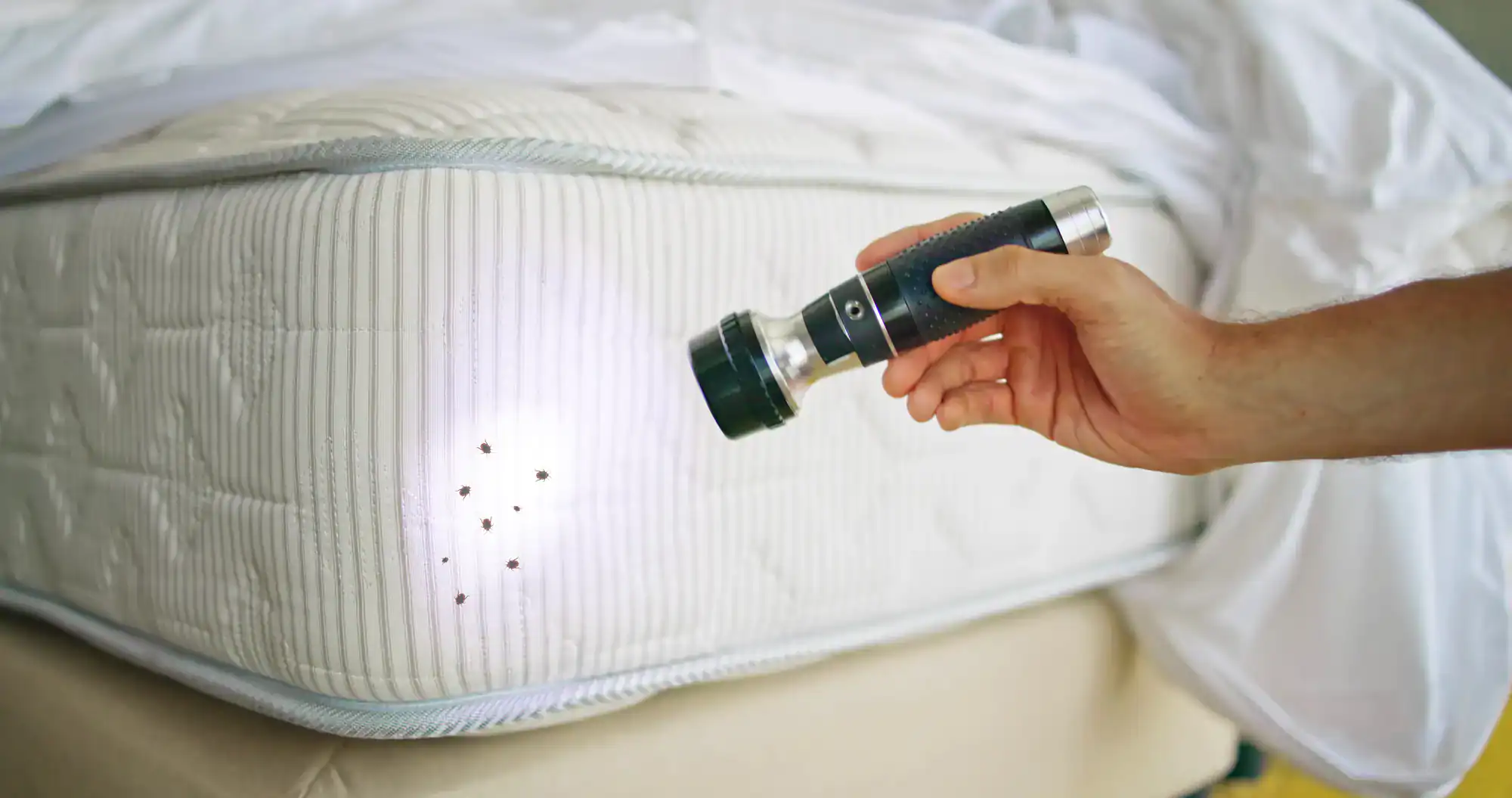
Bed bugs don’t care that you have kids at home, a dog on the couch, or a mortgage on a South Shore house you’ve spent years building up. They spread fast, they hide well, and they don’t go away on their own. A single female bed bug can lay up to 500 eggs in her lifetime which means what starts as a small problem in one bedroom can become a whole-floor infestation within weeks if it’s not handled correctly.
For Staten Island homeowners specifically, the stakes are higher than most people realize. With the borough’s homeownership rate sitting at nearly 68% more than double the citywide average a bed bug infestation isn’t just uncomfortable. It’s a direct threat to your property’s value. Under New York State’s bed bug disclosure law that took effect in December 2024, any landlord or property owner who becomes aware of an infestation is legally required to notify adjacent tenants within 72 hours. That clock starts the moment you find out. Professional, documented treatment isn’t optional anymore it’s legally necessary.
Whether you’re in Annadale, Great Kills, Stapleton, or anywhere else in Staten Island, the goal is the same: get the infestation confirmed, treated, and documented so you can sleep in your own bed again without second-guessing every morning.
We’ve been a family-owned and operated pest control company since 1971. That’s over five decades of working in New York’s housing stock the apartments, two-families, co-ops, and single-family homes that make up this city. Our family is personally involved in inspections and service calls. When you call, you’re not getting a national call center. You’re getting a company where the people answering the phone are the same people accountable for the result.
Based out of Brooklyn and accessible to Staten Island directly via the Verrazzano-Narrows Bridge, we serve the entire borough from the North Shore rental corridor near Stapleton and Tompkinsville to the single-family neighborhoods along Hylan Boulevard on the South Shore. We hold an A+ rating with the Better Business Bureau and have been BBB-accredited since 1989. We understand Staten Island’s specific housing challenges: the older North Shore rental buildings where bed bugs move easily between units, the densely packed neighborhoods near the Staten Island Expressway, and the single-family homes on the South Shore where property values make professional documentation essential.
If you’ve received an HPD Notice of Violation or need formal documentation for a real estate transaction in Richmond County, we provide licensed, professional service with the paperwork to back it up.
It starts with a call. Our phones are answered around the clock so whether you’re calling at 7am before catching the ferry to Manhattan or at 11pm after finding something you can’t explain on your mattress, someone picks up. From there, an appointment is guaranteed within two days. Same-day inspections are frequently available.
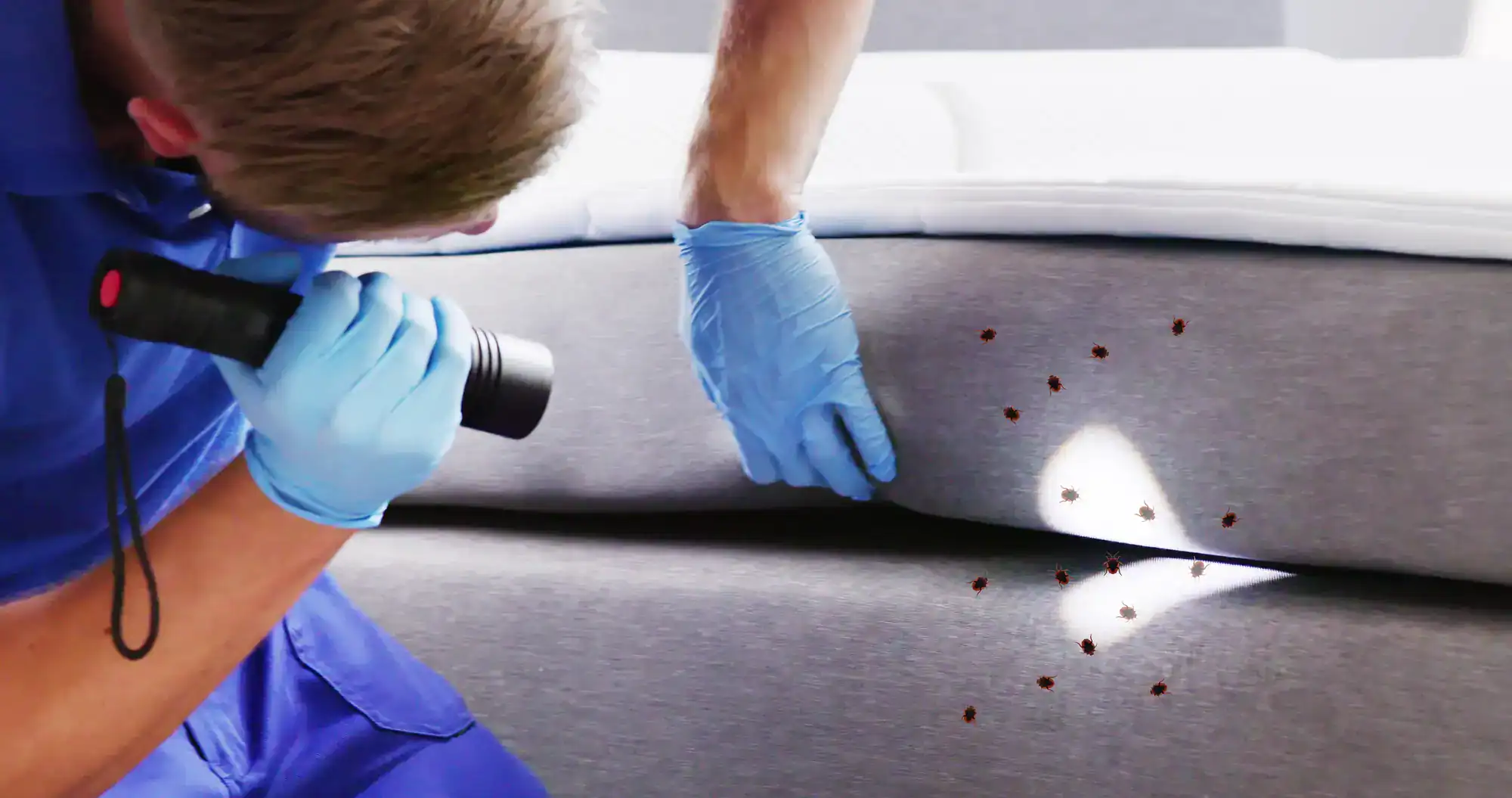
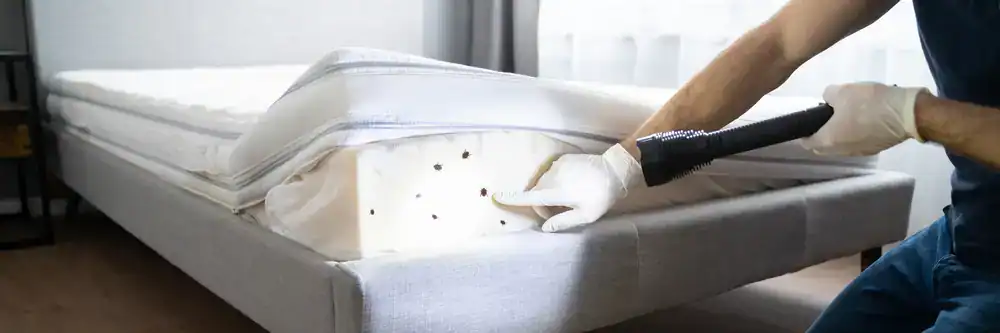
The inspection comes first. A certified technician walks through the affected areas, identifies the scope of the infestation, and explains what they’re seeing in plain language no upsell pressure, no manufactured urgency. You’ll know exactly what you’re dealing with before any treatment begins. Our technicians are fully licensed under the New York State Department of Environmental Conservation, which is the legal requirement for any professional pesticide application in this state. Not every exterminator advertising in Staten Island can say that.
Treatment is carried out using environmentally friendly solutions that are safe for your family, children, and pets. For multi-unit situations common in North Shore apartment buildings and NYCHA-adjacent properties our treatment protocols account for the risk of spread between units, which is a real and documented pattern in the borough’s denser rental stock. Follow-up visits are part of the process, not an afterthought. After treatment is complete, we provide the documentation you may need for HPD compliance or real estate disclosure purposes under New York State law.
Ready to get started?
We handle the full scope of bed bug treatment in Staten Island residential homes, rental units, multi-family buildings, and commercial properties. That includes the initial inspection, the treatment itself, follow-up visits, and formal documentation when it’s needed. We offer free estimates for residential service, which matters because the most prominent local competitor on Staten Island does not offer free estimates. You shouldn’t have to pay just to find out what you’re dealing with.
For homeowners on the South Shore in neighborhoods like Tottenville, Prince’s Bay, and Eltingville treatment documentation is increasingly important for real estate purposes. New York State now requires landlords to disclose a one-year bed bug infestation history to new tenants, and the December 2024 disclosure law adds the 72-hour adjacent-tenant notification requirement on top of that. If you’re a small landlord with a two-family home on the North Shore, or a property manager dealing with a confirmed infestation in a building near the Staten Island Expressway corridor, our licensed service and formal inspection reports are the specific documentation you need to stay compliant.
Treatment methods are selected based on the scope and location of the infestation. Chemical treatment typically involves two to four visits. Heat treatment can be completed in a single visit and reaches areas that chemical applications sometimes miss. We’ll walk you through which approach makes sense for your specific situation no guesswork, no one-size-fits-all.
The honest answer is that cost depends on the size of the infestation, the type of treatment used, and the number of visits required. For a standard residential chemical treatment which typically involves two to four service visits most Staten Island homeowners can expect a total cost somewhere in the range of $830 to $2,500. Heat treatment, which can eliminate an infestation in a single visit by raising the temperature in the affected space to a level bed bugs cannot survive, generally runs between $1,000 and $3,000 depending on the size of the space.
What you should not do is choose a provider based on the lowest quote alone. An incomplete treatment that misses eggs or harborages means the infestation comes back and you’re paying again. Given that Staten Island homes, particularly on the South Shore, are valued at $700,000 or more, the cost of a second infestation and the disclosure obligations that come with it under New York State law far outweighs the cost of getting it right the first time. We offer free estimates so you know what you’re looking at before you commit to anything.
Yes and it’s one of the more common scenarios in Staten Island’s North Shore rental stock and NYCHA developments. Bed bugs travel through wall voids, electrical outlets, plumbing chases, and shared floor and ceiling spaces. In multi-unit buildings, an infestation in one apartment can migrate to adjacent units above, below, and to either side within weeks if it’s not addressed.
This is exactly why New York State’s 2024 bed bug disclosure law (Real Property Law § 235-j) requires landlords to notify tenants in immediately adjacent units within 72 hours of learning about an infestation. It’s not just a courtesy it’s a legal requirement. If you’re a tenant in a building like those along the North Shore or near Stapleton and you suspect your infestation came from a neighboring unit, your landlord is legally obligated to act. If you’re a landlord or property manager, documented professional treatment not a DIY spray from the hardware store is what satisfies both the legal requirement and actually stops the spread.
Preparation depends on the treatment method being used, and your technician will give you a specific checklist before the appointment. For chemical treatment, the general requirements include washing and heat-drying all bedding, clothing, and fabric items from the affected areas, vacuuming the space thoroughly, and clearing clutter from around beds, baseboards, and furniture so the technician can access the areas where bed bugs harbor. You’ll also need to make arrangements to be out of the treated space for a few hours after application.
For heat treatment, preparation is somewhat different certain heat-sensitive items like candles, aerosol cans, houseplants, and medications need to be removed from the space before treatment begins. If you live in one of Staten Island’s older North Shore homes or a pre-war building near St. George, your technician may also note specific structural considerations older plaster walls and wood floors can affect how heat distributes through a space. The key is following the prep list exactly. Incomplete preparation is one of the most common reasons a treatment underperforms, and it’s entirely avoidable.
Yes, and the requirements have gotten stricter. New York State has long required landlords to provide a written Bedbug Disclosure Form to new tenants, disclosing any infestation history from the previous year. That requirement applies to all residential rental properties in Staten Island, whether you’re renting a unit in a large North Shore apartment building or a second-floor apartment in a two-family home in New Springville.
On top of that, New York State Real Property Law § 235-j which took effect in December 2024 now requires landlords to notify tenants in units immediately above, below, or adjacent to an infested unit within 72 hours of learning about the infestation. Failure to comply creates legal exposure for the property owner. If you’re a landlord who has received an HPD Notice of Violation, or if you’re trying to document that a prior infestation was properly treated before listing a property for rent or sale, we provide licensed professional treatment and the formal inspection documentation that satisfies both the disclosure requirement and HPD remediation standards.
For chemical treatment, the application itself typically takes one to three hours depending on the size of the space. You’ll generally need to stay out of the treated areas for two to four hours after the technician finishes, until the product has dried completely. Follow-up visits are scheduled within a few weeks to address any eggs that hatched after the initial treatment this is a normal and expected part of the process, not a sign that the first visit failed.
Heat treatment takes longer in terms of the active treatment window typically six to eight hours for the space to reach and hold the temperatures required to kill bed bugs and their eggs at all life stages. However, because heat treatment doesn’t leave a residual chemical in the space, you can typically return to the treated area the same day once it has cooled to a safe temperature. For Staten Island families with young children or elderly residents at home, the same-day return timeline is often a deciding factor in choosing heat treatment over chemical. Your technician will confirm the specific re-entry window based on your home’s layout and the method used.
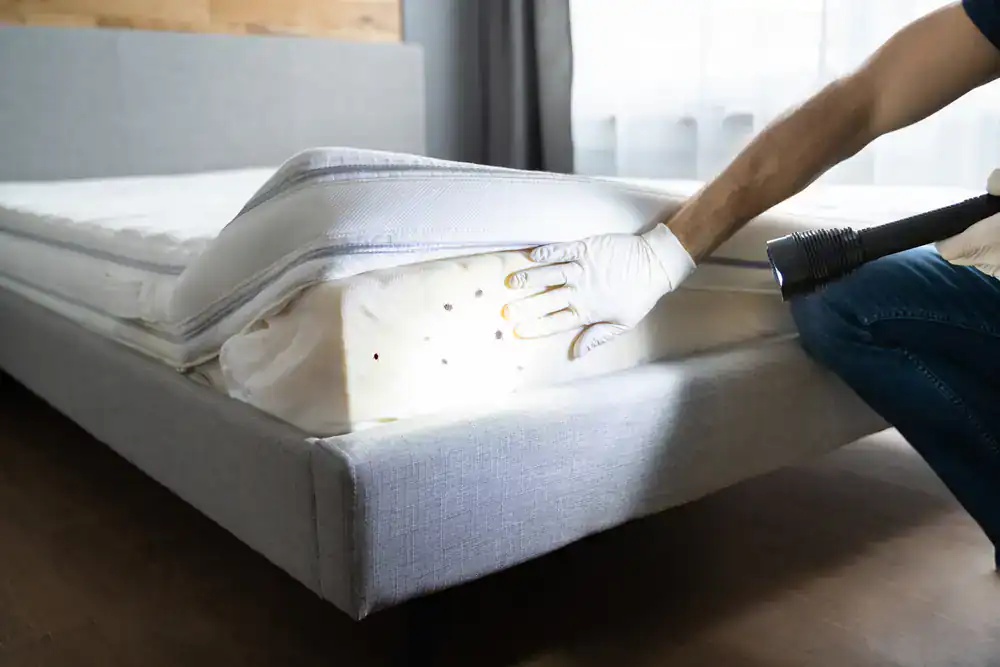
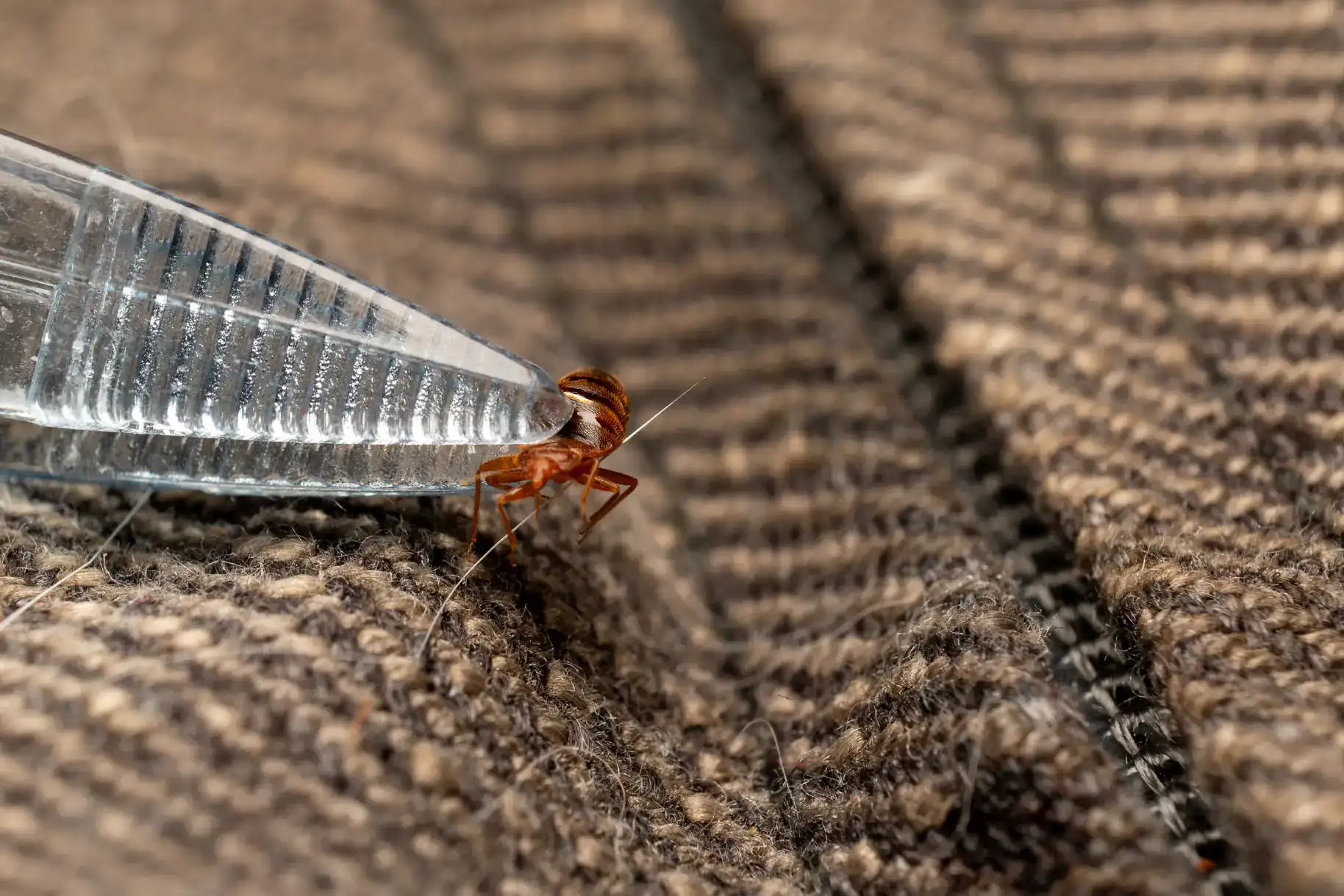
It’s a fair question bed bug bites alone are not a reliable way to confirm an infestation, because bite reactions vary significantly from person to person. Some people react with visible welts; others have no skin reaction at all. The more reliable indicators are physical evidence in the space itself: small rust-colored stains on your mattress seams or box spring (from crushed bugs or excrement), tiny shed skins along the seams of furniture and baseboards, or in more advanced infestations a faint musty odor in the bedroom.
The most common misidentification is between bed bugs and fleas. Fleas tend to bite around the ankles and lower legs and are associated with pets in the home. Bed bugs tend to bite in clusters or lines on exposed skin arms, neck, shoulders and are not dependent on a pet host. If you’re finding bites but no visible evidence, or if you’re unsure what you’re looking at, the right move is a professional inspection rather than a DIY treatment that may not be appropriate for what you’re actually dealing with. We offer free estimates and inspections, so you’re not paying to find out whether you have a problem you’re only paying once you know what it is and you’ve agreed on how to handle it.
Useful Links
Other Services we provide in Staten Island