
Hear from Our Customers
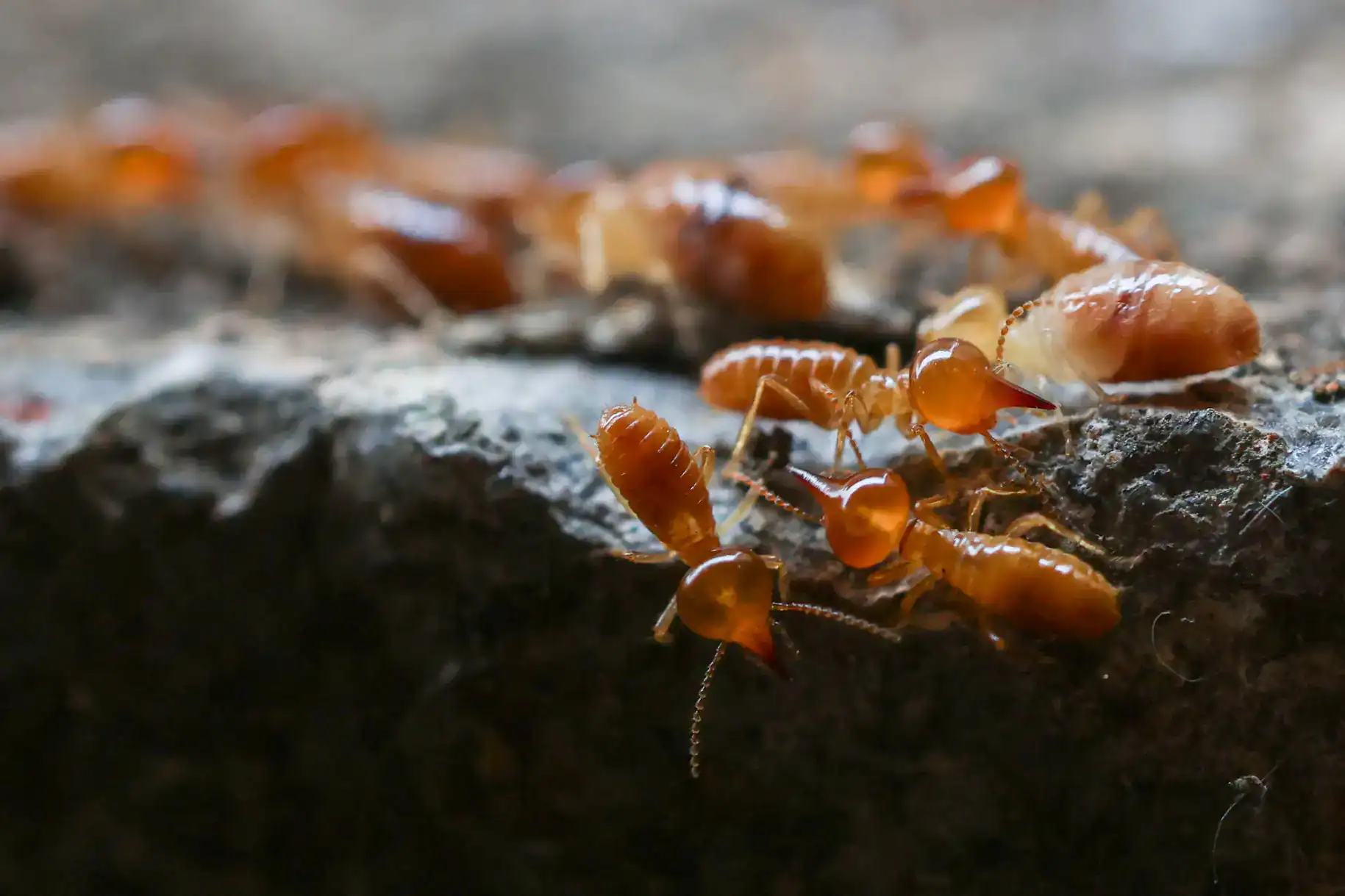
When termites are identified and treated correctly, you stop the damage before it compounds. For most Staten Island homeowners, that means protecting a home worth $750,000 or more and avoiding a repair bill that your homeowner’s insurance almost certainly won’t cover, because termite damage is classified as a maintenance issue, not a covered peril, in virtually every standard policy in New York State.
Staten Island’s housing stock makes this borough particularly vulnerable. The majority of homes here are detached, wood-frame single-family properties many built between the 1960s and 1990s sitting on soil that stays moist year-round thanks to the borough’s coastal position and proximity to tidal waterways. That combination of aging wood framing and damp ground is exactly what Eastern subterranean termites need to establish and expand a colony quietly, sometimes for five years or more before a homeowner notices anything at all.
Neighborhoods bordering the Staten Island Greenbelt Willowbrook, New Springville, Heartland Village face even more consistent termite pressure, because that 3,000-acre wooded preserve doesn’t go away. Neither does the moisture damage left behind in foundations and crawl spaces along the East and South Shores after Hurricane Sandy. A proper termite treatment doesn’t just remove what’s there today. It puts a barrier between your home and what’s living in the ground around it.
We’ve been handling termite infestations across New York City’s five boroughs since 1971 over 50 years of showing up, doing the work, and standing behind it. We’re family-owned and headquartered in Marine Park, Brooklyn, about 15 minutes from Staten Island’s North Shore across the Verrazzano-Narrows Bridge. That proximity means we know Staten Island’s housing stock, its soil conditions, and the specific termite pressures that come with living near the Greenbelt and the island’s coastal waterways.
Our technicians collectively bring more than 100 years of hands-on pest control experience, and we hold an A+ rating from the Better Business Bureau, accredited since 1989. We answer the phone 24 hours a day, 7 days a week, and we can get a technician to your Staten Island home within two days of your call. When you’re dealing with a termite problem, that kind of availability matters.
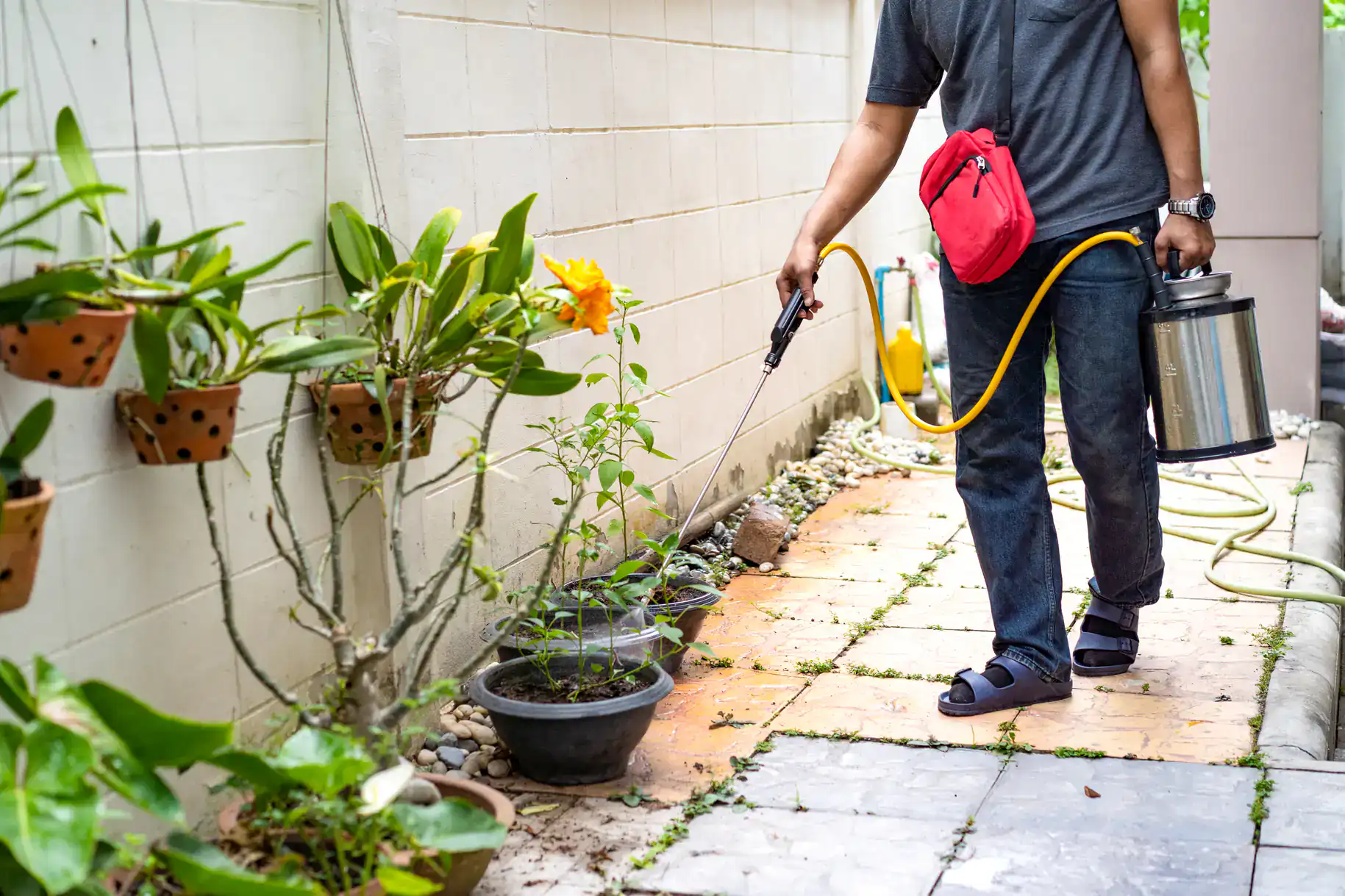
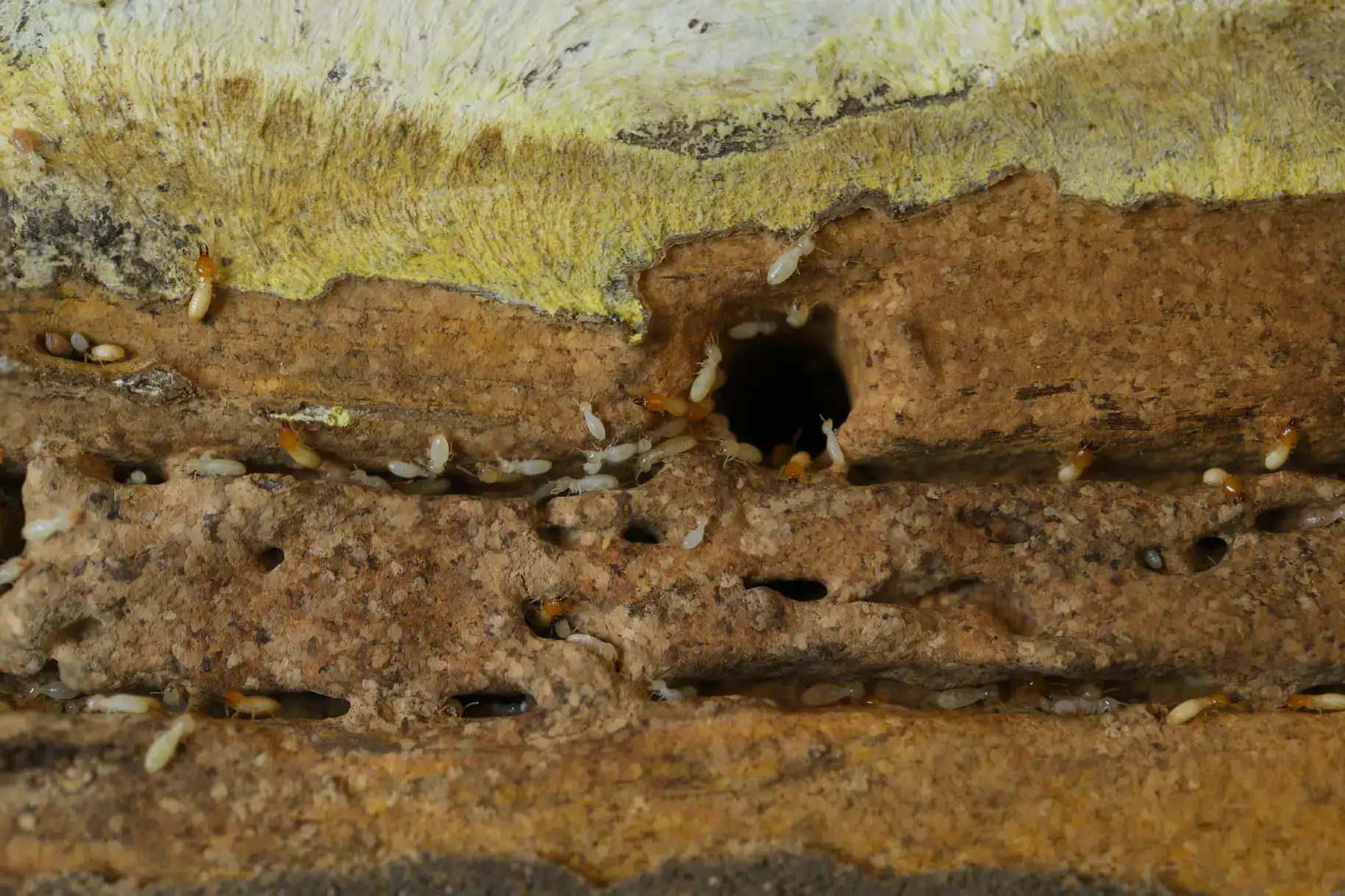
The first step is a thorough inspection. A licensed technician walks your property foundation perimeter, basement, crawl space, sill plates, any area where wood meets soil or concrete and looks for the specific signs of Eastern subterranean termite activity: mud tubes, damaged wood, frass, or live insects. In Staten Island homes, that inspection pays particular attention to full basements with exposed framing, wooden decks with direct soil contact, and any areas that show signs of past moisture intrusion, including homes on the East and South Shores that were affected by Sandy.
If termite activity is confirmed, we walk you through the findings before anything else happens. You’ll know what was found, where it was found, and what the recommended treatment involves. From there, the two primary options are a liquid barrier treatment where a NYS DEC-registered termiticide is applied to the soil around and beneath your foundation to create a continuous chemical barrier or a baiting system, where stations are installed around the perimeter and monitored over time. The right approach depends on the extent of the infestation, your home’s construction, and your long-term goals for protection.
After treatment, we provide complete documentation. If you’re in the middle of a real estate transaction buying or selling a Staten Island home that documentation includes the NPMA-33 Wood Destroying Insect report that FHA, VA, HUD, and most conventional lenders require before a mortgage closes. Every material we use is registered with the New York State Department of Environmental Conservation, and every technician performing termite work holds the Category 7b/7c DEC certification that New York State law requires specifically for termite treatments.
Ready to get started?
Every termite job starts with a full inspection not a quick walk-around, but a real assessment of your home’s foundation, basement, framing, and any exterior wood elements. For Staten Island’s single-family homes, that often means checking wood-to-concrete contact at sill plates, inspecting wooden porch and deck structures, and evaluating any areas where soil grading or drainage may be directing moisture toward the foundation. Homes in flood-zone areas along the East and South Shores get additional attention to subfloor and crawl space conditions.
From there, treatment is selected based on what’s actually found not a one-size-fits-all package. Liquid barrier treatments using NYS DEC-registered termiticides can provide protection for up to five years. Bait station systems offer ongoing monitoring and are well-suited to homes in high-pressure zones, including those adjacent to the Staten Island Greenbelt where termite habitat is persistent and not going anywhere. Both approaches are available, and your technician will explain the difference clearly before any work begins.
All treatments are performed by state-certified technicians holding the NYS DEC Category 7b/7c license required specifically for termite work in New York a credential not every exterminator operating in Staten Island actually holds. If you need a termite clearance certificate for a real estate transaction, we issue the NPMA-33 report that satisfies FHA, VA, and conventional lender requirements. The paperwork is handled correctly, the first time.
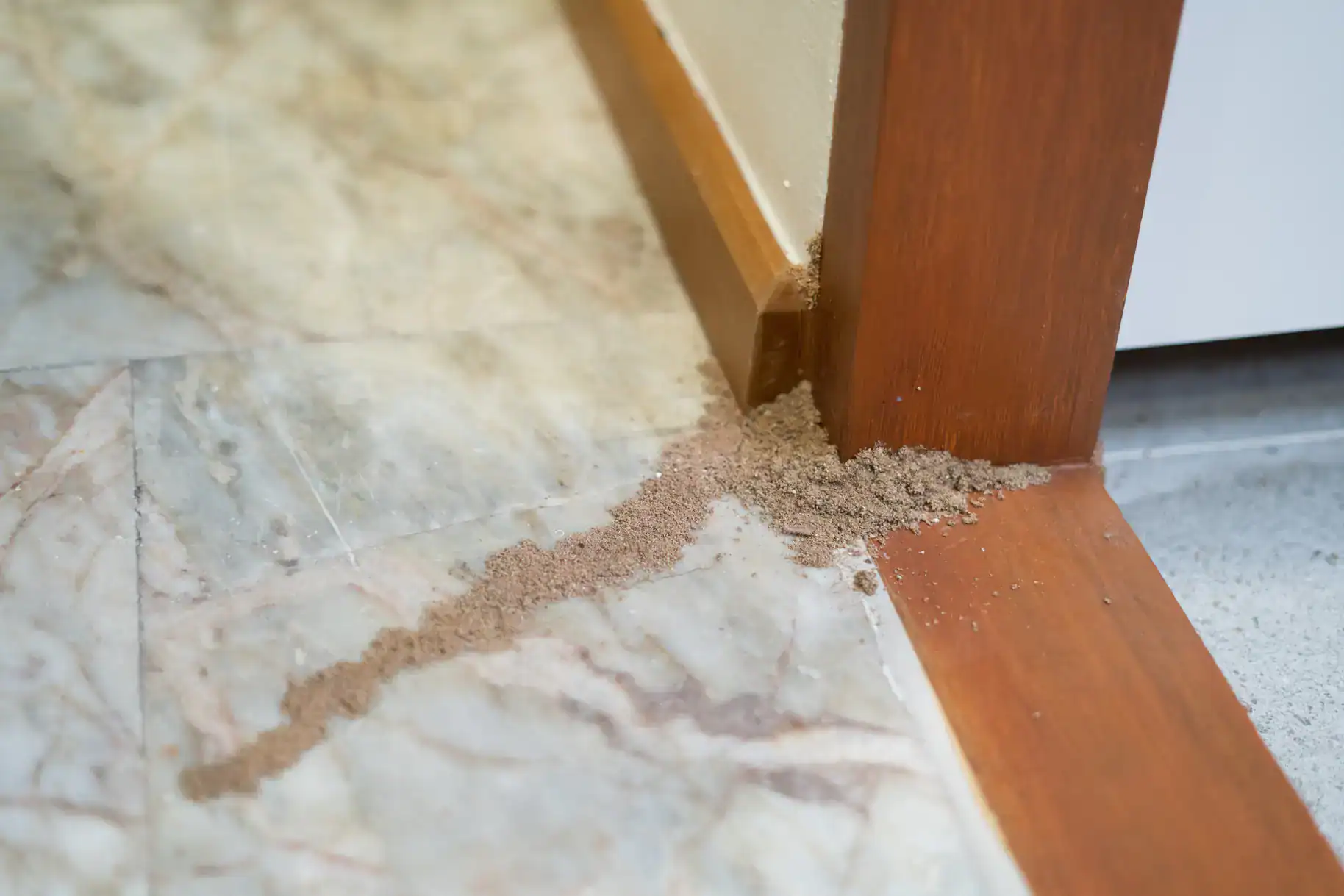
Yes and Staten Island is specifically identified by pest control industry sources as a high-pressure termite zone within New York State, alongside Nassau and Suffolk Counties. That designation exists for real reasons. The borough is dominated by detached, wood-frame single-family homes, many built between 1960 and 1999, sitting on coastal soil that retains moisture year-round. Eastern subterranean termites the species found throughout New York State need moist ground to survive, and Staten Island gives them exactly that.
The presence of the Staten Island Greenbelt, a 3,000-acre wooded preserve in the center of the island, means that neighborhoods like Willowbrook, New Springville, and Heartland Village are bordered by a permanent source of termite habitat. Add in the moisture damage left in foundations and crawl spaces along the East and South Shores after Hurricane Sandy, and the risk picture for Staten Island homeowners is more significant than most people realize until they’re already dealing with an infestation.
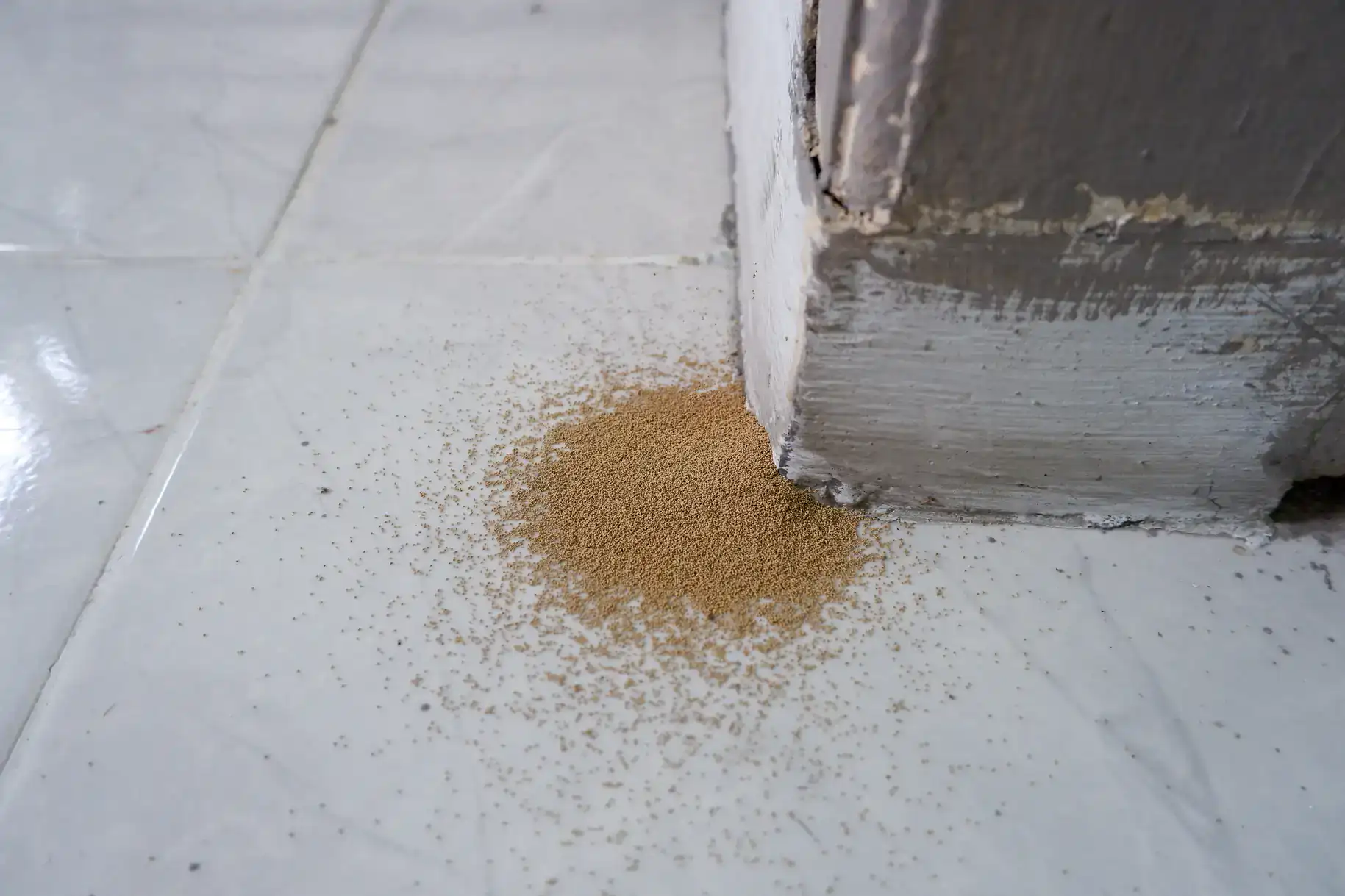
The most common sign Staten Island homeowners notice first is winged termites called swarmers or alates appearing inside the home, near windowsills, or along the foundation perimeter, typically between March and June. Swarming season in Staten Island peaks in April and May, triggered by warming temperatures and spring rainfall. Finding swarmers doesn’t mean termites just arrived it means a colony is mature enough to reproduce, which typically takes five or more years of active feeding.
Other signs include mud tubes on foundation walls, basement walls, or crawl space framing pencil-width tunnels that subterranean termites build to travel between the soil and the wood they’re feeding on. You might also notice wood that sounds hollow when tapped, floors that feel soft or slightly springy, or paint that appears to bubble without a moisture source. In Staten Island’s older North Shore homes, including Victorian-era properties in Stapleton and St. George, damaged wood in basement framing or floor joists is often the first structural sign that gets discovered during a renovation or inspection.
In almost every case, no. Standard homeowner’s insurance policies in New York State classify termite damage as a preventable maintenance issue not an accidental or sudden loss which means it falls outside the scope of coverage. This applies whether you’re insured through a national carrier or a regional provider, and it applies regardless of how long the infestation has been active or how severe the damage is.
For Staten Island homeowners, that’s a significant financial exposure. With median home values in the $725,000 to $900,000 range for single-family properties, structural termite damage to floor joists, sill plates, wall framing, or support beams can easily run $5,000 to $20,000 or more in repairs all out of pocket. The practical takeaway is that professional termite inspection and treatment isn’t an optional expense. It’s the only financial protection available for a risk that your insurance policy specifically excludes.
If the transaction involves an FHA, VA, or HUD loan which is common in Staten Island’s single-family home market a Wood Destroying Insect inspection is required before the mortgage can close. The official document is called the NPMA-33 form, and it must be completed by a licensed pest control operator holding the appropriate state certification. Your lender, attorney, or real estate agent will typically confirm this requirement early in the transaction, but it’s worth knowing upfront so it doesn’t become a last-minute delay.
Even for conventional loans where the WDI report isn’t technically mandated by the lender, sellers in Staten Island’s competitive real estate market increasingly provide termite clearance documentation proactively because a buyer’s inspector flagging potential termite activity can stall or kill a deal. With single-family homes selling in the $780,000 to $900,000 range on the South Shore, a clean termite inspection certificate carries real financial value for both sides of the transaction. We issue NPMA-33 reports for Staten Island real estate transactions and can typically turn them around quickly to keep your closing on schedule.
For a typical Staten Island single-family home, professional termite treatment generally ranges from $1,500 to $5,000 or more, depending on the size of the home, the extent of the infestation, and the treatment method used. A liquid barrier treatment where termiticide is applied to the soil around and beneath the foundation tends to be a one-time cost with protection lasting up to five years. A bait station system involves a lower initial installation cost but requires annual monitoring, which adds up over time.
The variables that push cost higher in Staten Island specifically include larger home footprints on the South Shore, full basements with extensive wood framing, and homes with attached wooden decks or porches that require additional treatment points. A termite inspection, which typically runs $100 to $300 on its own, is often credited toward the cost of treatment if you move forward. The more useful way to think about cost is in comparison to what you’re protecting a $2,500 treatment on an $800,000 home is a straightforward decision when the alternative is uninsured structural repair.
For most Staten Island single-family homes, a liquid barrier termite treatment takes between two and four hours to complete, depending on the size of the structure and the number of treatment points required. Bait station installation is typically faster and less disruptive. In both cases, our technician will walk you through what to expect before work begins, including any precautions related to re-entry time for the specific materials being used.
Whether you need to vacate depends on the treatment method and the products applied. With NYS DEC-registered termiticides applied as a soil treatment around the exterior foundation, occupants can typically remain in the home during treatment and return to normal activity immediately after. If interior application is required for example, treating a basement or crawl space with active infestation our technician will give you specific guidance based on the materials used and your household situation, including whether you have young children, elderly family members, or pets. Every product we use is registered with the New York State Department of Environmental Conservation, and safety guidance is specific to your home, not generic.
Useful Links