
Hear from Our Customers
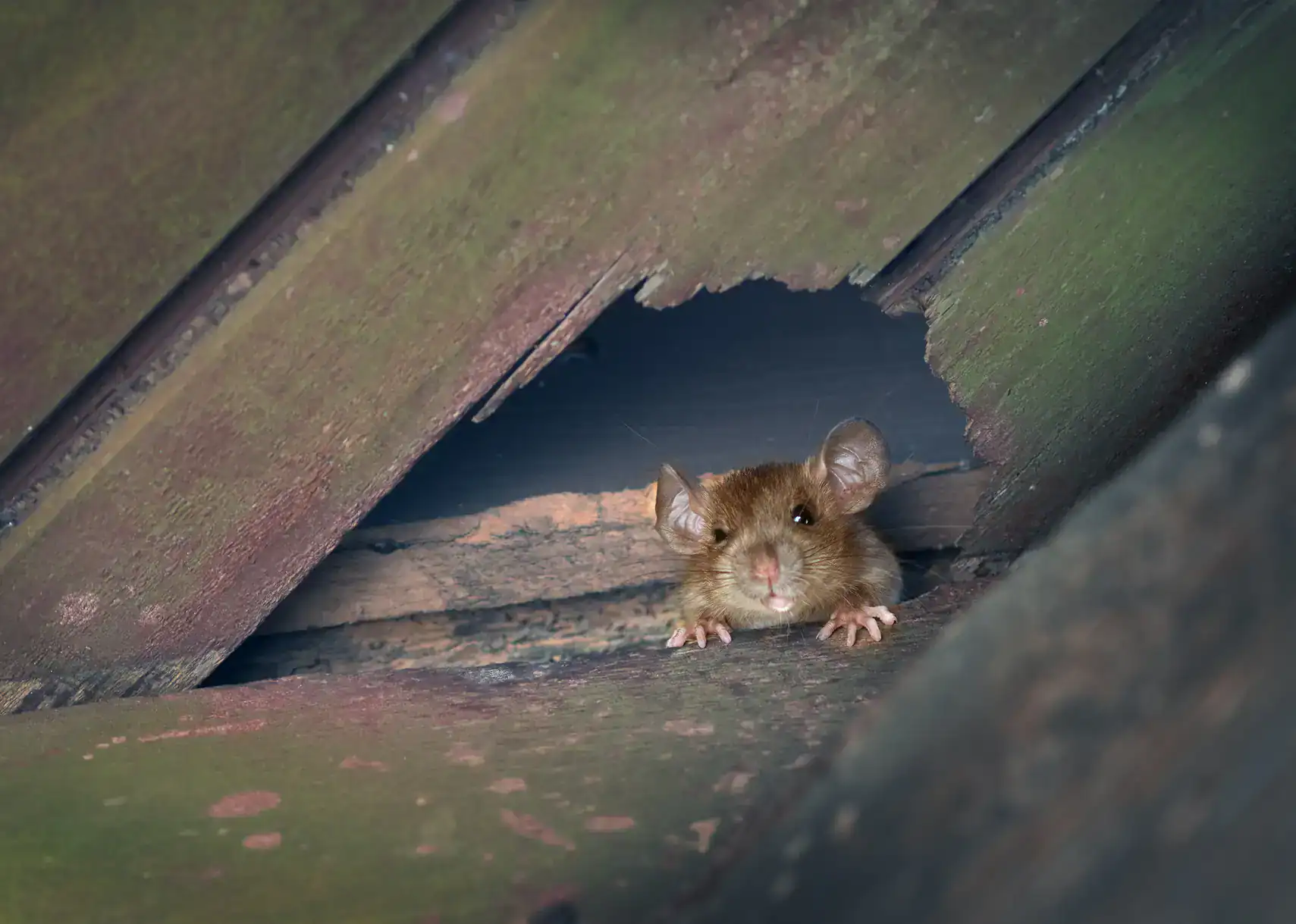
The scratching in the walls stops. You stop finding droppings behind the stove. You stop wondering whether the noise you heard at 2 a.m. was something moving through the gap behind the radiator pipe. That’s what effective rodent control actually looks like — not just fewer rodents for a few weeks, but a building that isn’t letting them back in.
In Brooklyn Heights, that outcome is harder to reach than it sounds. The neighborhood’s Federal row houses, Greek Revival brick homes, and Italianate brownstones were built between the 1820s and the late 1800s. These buildings have had 150 to 200 years to develop settling cracks, deteriorating mortar joints, and gaps around utility penetrations that no one ever designed with rodent exclusion in mind. Because the row houses share continuous party walls from building to building, rodents don’t need to cross open ground — they move through hidden interior corridors that run the length of an entire block.
Add to that the Brooklyn–Queens Expressway running directly below the neighborhood’s western edge. The aging infrastructure beneath the BQE provides permanent harborage for Norway rat colonies, and every round of repair work on that structure displaces those colonies into the residential buildings on Henry Street, Hicks Street, and the blocks east of the Promenade. This isn’t a cleanliness problem. It’s a structural one — and it requires a structural solution.
We’ve been operating from Brooklyn since 1971 — the same year Brooklyn Heights was already six years into its status as New York City’s first designated Historic District. We’re family-owned, headquartered on Flatbush Avenue, and we’ve never operated as a franchise or a national chain with a local phone number. That matters when the buildings you’re working in are 19th-century masonry attached to other 19th-century masonry, and the rodent pressure is coming from subway tunnels and BQE infrastructure that have been there for decades.
Every technician we send to your door holds a valid New York State DEC commercial pesticide applicator certification — not just the company, every individual. For more than 35 consecutive years, we’ve maintained BBB accreditation at the highest rating. That’s publicly verifiable, not a self-reported claim. If you want to check it, you can.
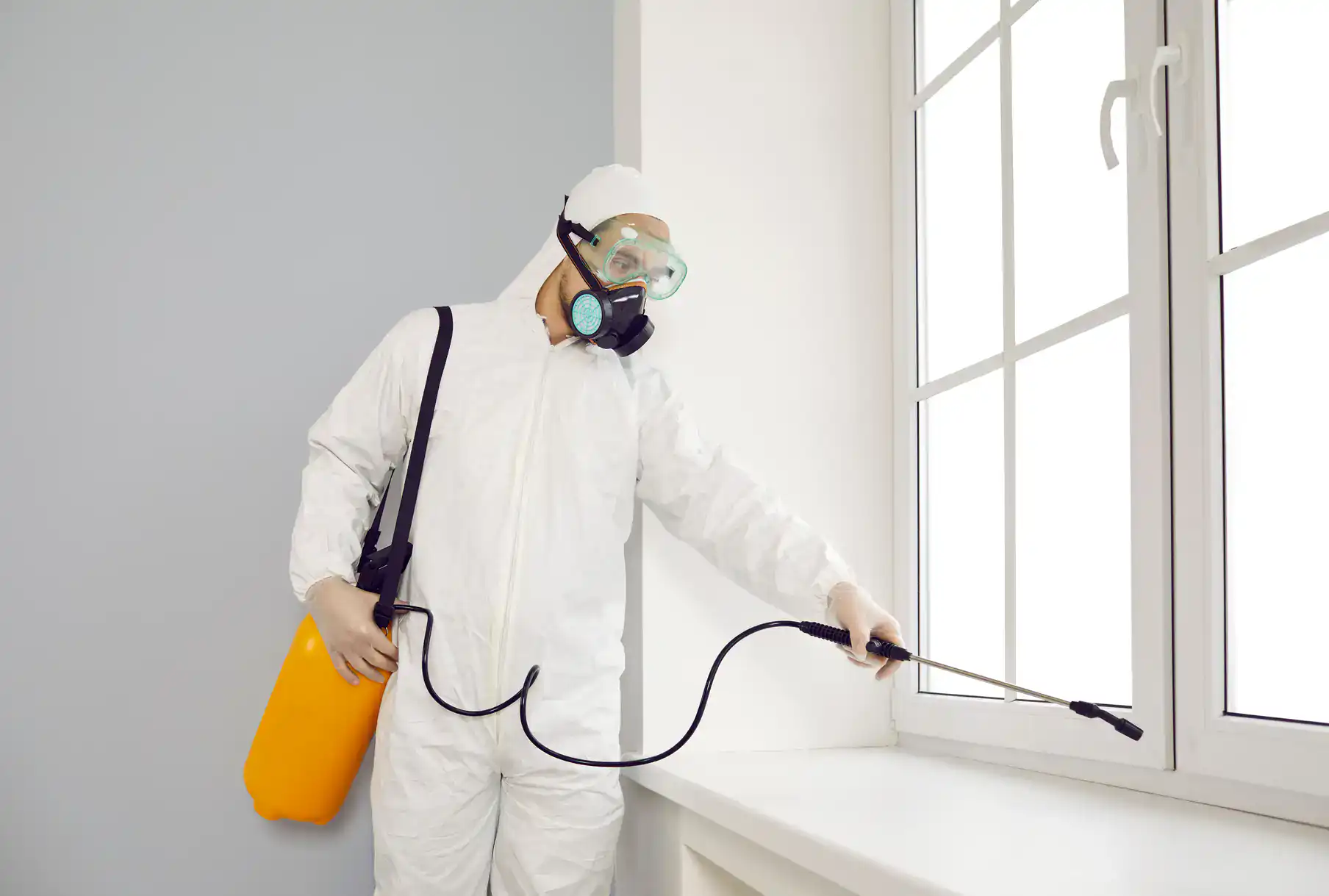
The first step is an inspection — a real one, not a five-minute walk-through before the technician reaches for the bait box. In a Brooklyn Heights brownstone or row house, that means looking at the basement, the utility penetrations, the party wall connections, and the exterior masonry for the cracks and gaps that are actually letting rodents in. The inspection drives everything that follows. Without it, you’re treating symptoms.
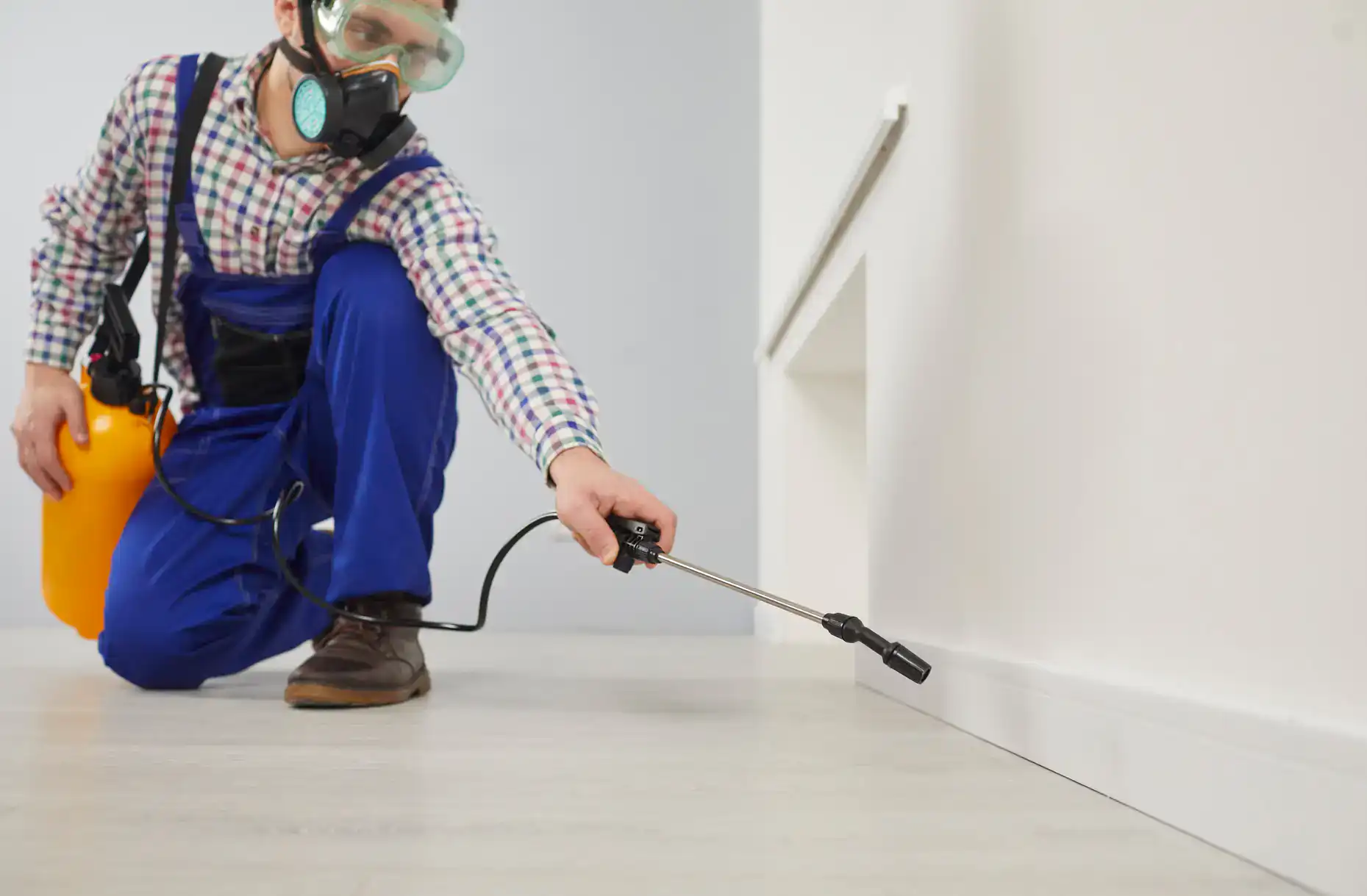
Once the entry points are identified, treatment comes next. For Norway rats — the dominant species in this part of Brooklyn, sustained in part by the sewer and subway infrastructure running under and adjacent to the neighborhood — we place tamper-resistant bait stations strategically, not scattered randomly. For mice, the approach shifts based on where they’re entering and how they’re moving through the space. Species-specific treatment produces better results than a one-size-fits-all approach.
After treatment, exclusion is the step that actually makes the difference long-term. Sealing the entry points — with materials appropriate to the building’s historic masonry, and with awareness of what the Landmarks Preservation Commission governs in this Historic District — is what stops the next wave from following the same path. We provide written documentation of everything applied: what it was, where it went, and why. For co-op boards, building managers, and anyone dealing with an HPD violation, that paperwork matters.
Ready to get started?
Rodent control in Brooklyn Heights involves conditions that simply don’t exist in most other markets. The neighborhood’s pre-Civil War and post-Civil War building stock creates entry-point challenges that a suburban pest control template doesn’t account for. The BQE corridor generates ongoing rodent pressure that isn’t going away — major reconstruction of the cantilever structure isn’t projected until 2028 at the earliest, meaning the western-facing blocks of Brooklyn Heights will continue to face displacement pressure from that infrastructure for years. The Montague Street restaurant corridor and Brooklyn Bridge Park’s food concessions sustain the rat population at a high baseline that individual building owners can’t control from the outside.
What you can control is your own building. Our rodent control services for Brooklyn Heights cover the full process: inspection, species-specific treatment using EPA-regulated rodenticides applied in tamper-resistant bait stations, exclusion work to seal identified entry points, and written compliance documentation. For residents in co-op buildings — a significant portion of Brooklyn Heights’ housing stock — that documentation is often required by the board before and after any pest control work. For brownstone owners and landlords responding to HPD violations, it’s what the city needs to see. We guarantee an appointment within 48 hours, with same-day availability in many cases, and we take calls around the clock.
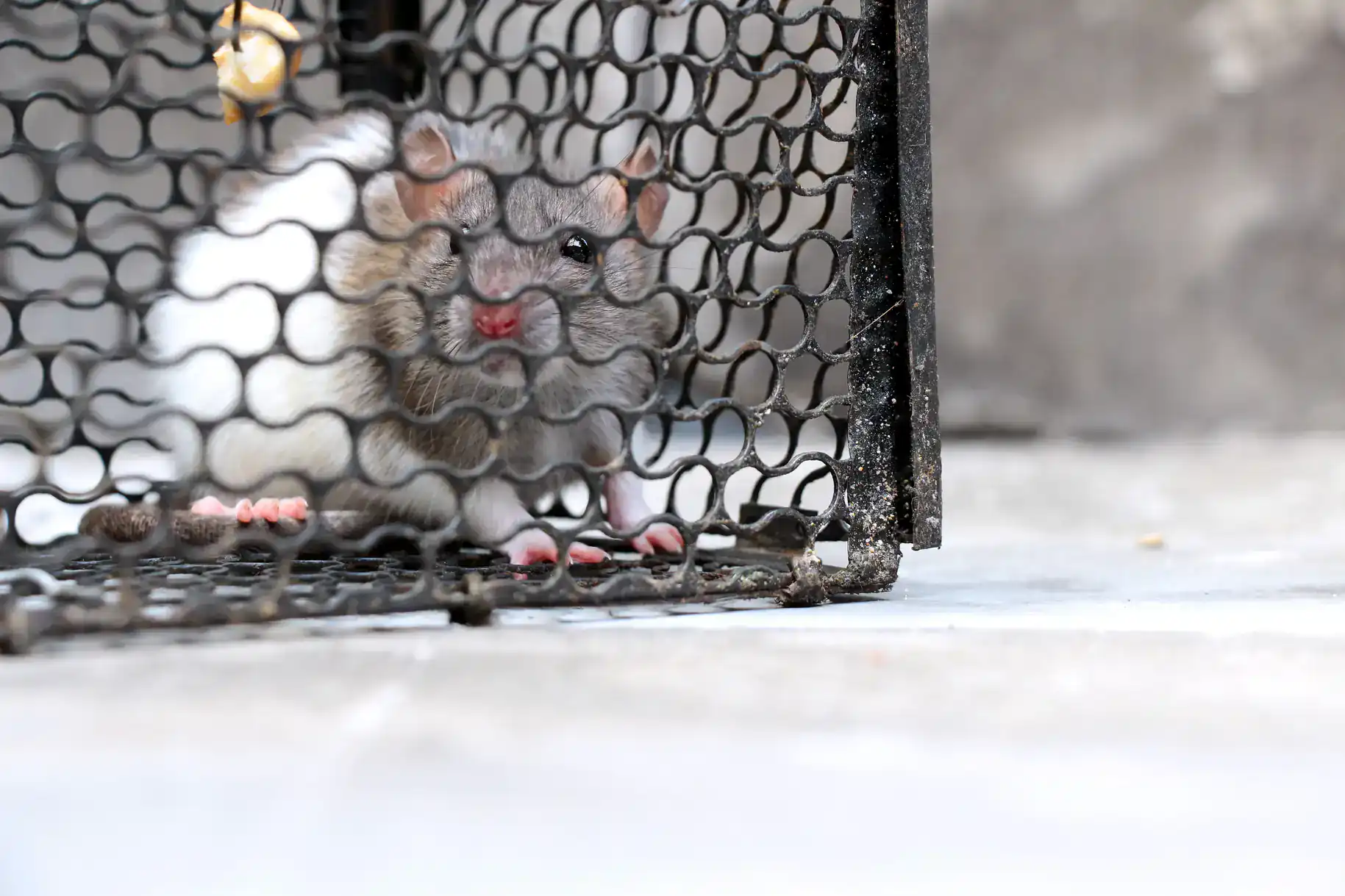
The most common reason is that the entry points were never sealed. Traps and bait will reduce the population inside your building, but if the gaps in your foundation, the cracks in your exterior masonry, or the spaces around your utility penetrations are still open, new rodents will follow the same path the previous ones used. In a Brooklyn Heights brownstone — especially on the blocks closest to the BQE — that pressure is coming from a persistent external source. The aging infrastructure beneath the Brooklyn–Queens Expressway provides permanent harborage for Norway rat colonies, and repair activity on the structure regularly displaces those colonies into adjacent residential buildings.
The fix isn’t more traps. It’s identifying and sealing the specific points where rodents are entering, using materials appropriate to the building’s historic masonry. That’s the exclusion step, and it’s the part most DIY attempts skip entirely. Once the entry points are sealed and the existing population inside is treated, the problem stops cycling.
Yes, when it’s done correctly. Professional rodent control uses EPA-regulated rodenticides placed inside tamper-resistant bait stations — not broadcast-sprayed throughout your home. The bait stations are specifically designed so that children and pets can’t access the product inside. We place them in locations based on where rodent activity is confirmed, not randomly throughout the space.
This is actually one area where professional treatment is meaningfully safer than the store-bought alternative. Homeowners using snap traps and retail rodenticide products often place them in accessible locations or misuse them in ways that create real risk. Professional application follows strict placement protocols, uses products that meet federal safety standards, and is documented so you know exactly what was used and where. If you have specific concerns about a particular product or placement — especially relevant if you have young children or small pets — that’s worth raising directly when you call, so the technician can plan accordingly.
The entry points in Brooklyn Heights buildings tend to be different from what you’d find in a newer or suburban building. Because the neighborhood’s row houses and brownstones were built between the 1820s and the late 1800s, they’ve had 150 to 200 years to develop settling cracks in the foundation, deteriorating mortar joints in the exterior masonry, and gaps around pipes and utility lines that were added long after the building was constructed. Mice can fit through gaps smaller than a dime, and rats don’t need much more than that.
The other factor specific to Brooklyn Heights is the party wall. Attached row houses share continuous walls from building to building, which means rodents can move through hidden interior corridors without ever crossing open ground. If your neighbor has a rodent problem and the shared wall has any penetrations — which, in a 19th-century building, it almost certainly does — rodents can enter your unit through a path that has nothing to do with your own building’s exterior. A thorough inspection looks at all of these access points, not just the obvious ones.
It depends on the scope of the work and where it’s being done. Brooklyn Heights is a New York City Landmarks Preservation Commission Historic District, which means the LPC has jurisdiction over exterior alterations to most structures in the neighborhood. If exclusion work involves visible exterior masonry — filling cracks in the facade, installing metal flashing around a ground-level opening, or sealing gaps in the front stoop — that work may require LPC review before it proceeds.
Interior exclusion work, including sealing gaps inside the basement, around interior pipe penetrations, or within wall voids, generally doesn’t trigger LPC review. The practical implication is that a pest control company working in Brooklyn Heights needs to understand what the LPC governs and approach exterior exclusion accordingly — either by using methods and materials that fall within LPC guidelines or by flagging to the property owner that a permit may be needed before certain exterior work can be done. This is one reason local experience in Brooklyn’s historic building stock matters more here than it would in a newer neighborhood.
There’s no honest single answer to this — it depends on the size of the infestation, how many entry points exist, and whether exclusion work can be completed during the initial service or requires follow-up. For a moderate infestation in a single unit with identifiable entry points, you can expect meaningful improvement within the first week or two after treatment and exclusion. For a building with multiple units, shared basement access, or significant party-wall penetration — which describes a large portion of Brooklyn Heights’ row house stock — it typically takes more than one visit to confirm that the problem is fully contained.
Follow-up monitoring matters here. After the initial treatment, a technician needs to check the bait stations, assess trap activity, and verify that the exclusion work is holding. If new activity shows up at a point that wasn’t addressed in the first visit, that gets treated in the follow-up. The goal is resolution, not an indefinite service relationship — and we guarantee an appointment within 48 hours of your call, with same-day availability in many cases, so follow-up visits don’t drag out into weeks of waiting.
Brooklyn as a whole leads all five boroughs in rat sightings — that’s reflected in NYC Health Department data. Within Brooklyn, Brooklyn Heights has a specific set of conditions that make rodent pressure persistent rather than occasional. The BQE’s aging cantilever infrastructure runs directly below the neighborhood’s western edge, providing permanent harborage for Norway rat colonies that get displaced into residential buildings every time repair work happens on the structure. The Montague Street restaurant corridor and Brooklyn Bridge Park’s food concessions create a sustained food supply that keeps the rat population at a high baseline. And the neighborhood’s pre-war building stock — some of it dating to the 1820s — has had generations to accumulate the entry points that rodents exploit.
None of this means your building is inevitably infested. It means the external pressure is real and ongoing, which is why exclusion work — sealing the entry points so rodents can’t get in regardless of what’s happening outside — is the most important part of any rodent control plan in Brooklyn Heights. Managing the population inside without addressing how they’re getting in is a temporary fix in a neighborhood where the source of pressure isn’t going anywhere.
Useful Links
Other Services we provide in Brooklyn Heights