Hear from Our Customers
When cockroach pest control in Brooklyn Heights is done right, you stop finding droppings behind the stove. You stop hearing movement in the walls at night. You stop wondering whether the problem is yours or your neighbor’s — because someone finally treated it like the building-wide issue it actually is.
Brooklyn Heights is structurally hospitable to cockroach infestations in ways that generic pest control can’t address. More than 40% of homes here were built before 1940. That means aging plumbing, original pipe penetrations through shared walls, and brick construction with decades of settling in the mortar joints — all creating harborage space that surface spraying will never reach. German cockroaches don’t just live in your kitchen. They live in the voids between your walls and the unit next door.
Then there’s the waterfront factor. The East River corridor runs along the western edge of Brooklyn Heights. American cockroaches — the large ones residents call waterbugs — live in the sewer infrastructure below street level and come up through drain lines and basement pipe gaps, especially after heavy rain. If you’re on Columbia Heights or anywhere near the Promenade, that’s not coincidence. It’s geography. We address both problems: the German cockroach colonies in shared walls and the American cockroaches entering from below.
We’ve been operating out of Brooklyn since 1971. That’s not a marketing number — it means our team has spent decades working inside the exact building types that define Brooklyn Heights: attached brownstone row houses, pre-war co-ops on Remsen and Pierrepont, multi-unit brick buildings with shared basement infrastructure. Our collective experience across the team exceeds 100 years. When a technician walks into a Brooklyn Heights building, they’ve seen this before.
We hold an A+ BBB accreditation that has been continuous since May 5, 1989 — over 35 years of independently verified conduct. Every technician is NYS DEC-certified, and every material we apply is registered with the New York State Department of Environmental Conservation. We’re fully licensed, bonded, and insured.
We’re a family-owned Brooklyn company, not a franchise dispatching technicians from a call center. When you call, you reach people who know what a pre-war co-op building looks like from the inside — and what it takes to actually clear one.
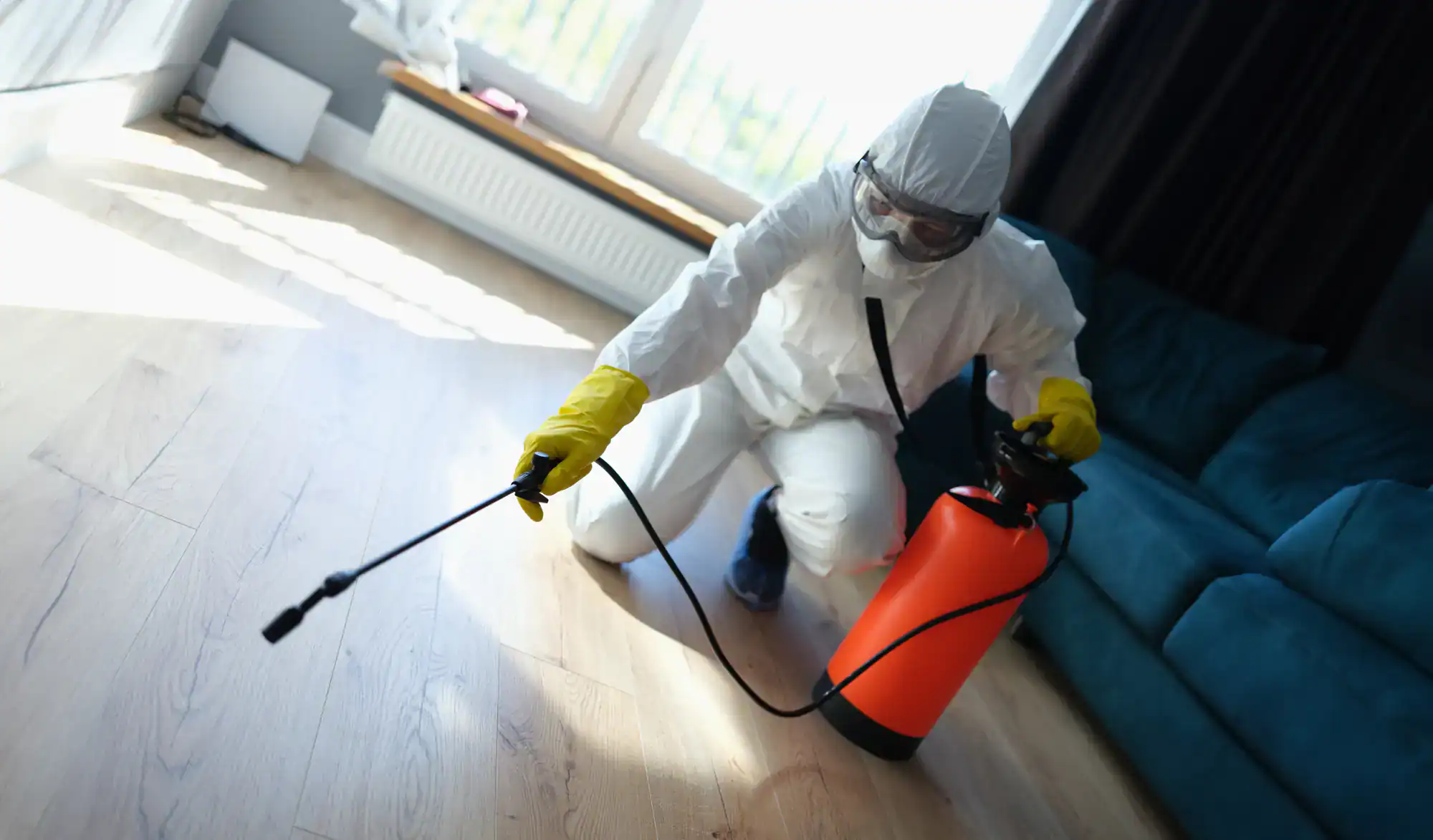
The first visit starts with a real inspection — not a quick walk-through. Our technician identifies which species you’re dealing with, locates the harborage areas, and assesses how the infestation is moving through the building. In Brooklyn Heights, that often means looking at shared plumbing chases, basement access points, and drain lines that connect to the East River sewer corridor. German cockroaches and American cockroaches require different treatment approaches, and the inspection determines which one — or both — you’re dealing with.
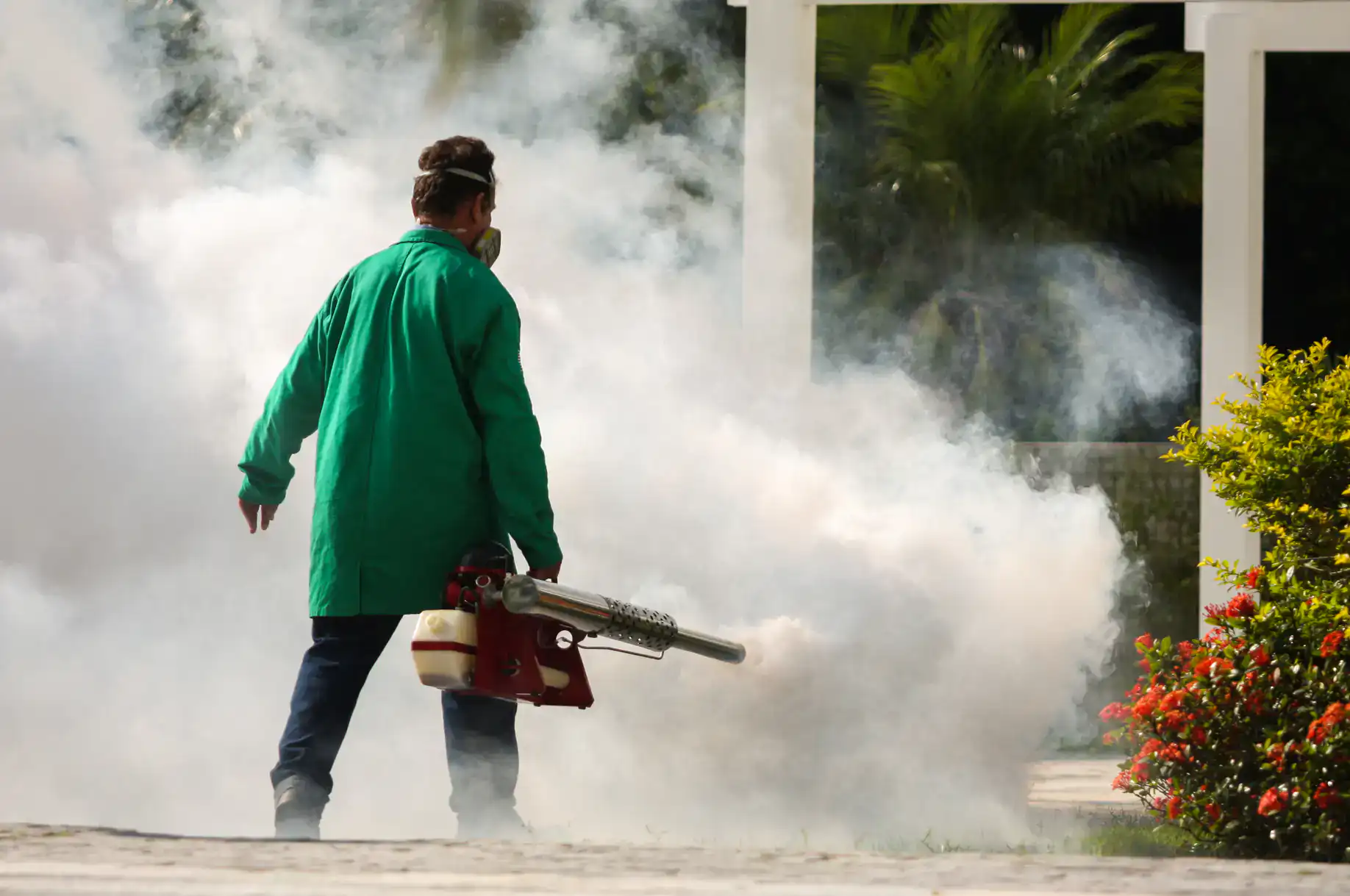
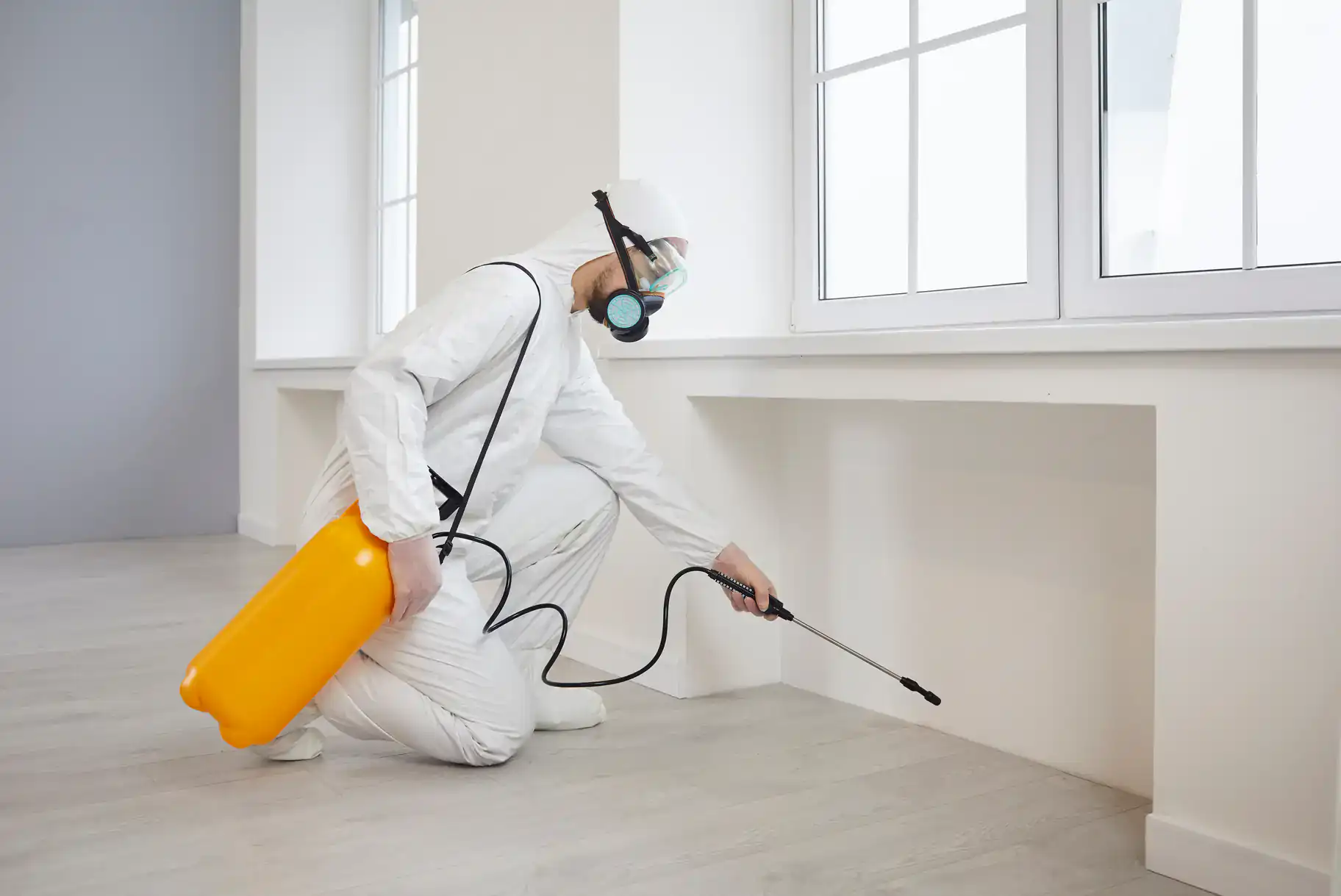
We use NYS DEC-registered materials: gel bait placed precisely in harborage zones, insecticidal dust in wall voids and pipe penetrations, and crack-and-crevice application in the areas where colonies actually live. This is not broadcast spraying. It’s targeted application designed to reach the colony, not just the cockroaches that wander out into the open.
The second visit is built into our service. It’s not an upsell. It exists because cockroach eggs survive initial treatment, and pre-war buildings with shared walls give surviving populations places to regroup. The second visit verifies that the infestation is gone, addresses any remaining activity, and provides written documentation — which matters if you need to report to a co-op board or building management. Brooklyn Heights’ landmark district status also means exterior exclusion options can be limited by LPC requirements, so the interior treatment protocol is where the real work happens, and that second visit is how you confirm it worked.
Ready to get started?
Cockroach pest control in Brooklyn Heights covers both German cockroaches and American cockroaches, because this neighborhood consistently deals with both. German cockroaches establish colonies in kitchens and bathrooms of pre-war buildings and spread through shared walls. American cockroaches enter from below — through basement drains, pipe gaps, and the sewer infrastructure that runs beneath the East River waterfront. Treating one without accounting for the other leaves the job half done.
Our service includes full species identification, targeted gel bait application, insecticidal dust in wall voids and plumbing penetrations, and crack-and-crevice treatment in harborage zones. We address chemical safety directly: every material is NYS DEC-registered, and our technician will tell you exactly what was applied, where, and whether it requires any precautions around children or pets. That transparency isn’t a formality — it’s how we’ve operated for over 50 years.
For residents in co-op buildings or attached brownstones, we provide written documentation of the service for building management, co-op boards, or landlords. Under New York City’s warranty of habitability and Local Law 55, landlords are legally required to maintain pest-free conditions — and having a written service record protects you in that process. We also handle commercial properties along Montague Street and Atlantic Avenue, where a single live cockroach during a NYC DOH inspection can cost 28 points and drop a restaurant from an A to a C grade.
American cockroaches — the large species Brooklyn Heights residents call waterbugs — don’t originate inside your building. They live in the sewer system and migrate upward through drain lines, pipe penetrations, and basement gaps when conditions below street level change. The East River waterfront and the aging sewer infrastructure along the BQE corridor make this a recurring issue for Brooklyn Heights, not a one-time event. Heavy rain is a common trigger — storm runoff displaces cockroach populations from the sewer system and drives them into the nearest available space, which is often a ground-floor or basement unit.
The fix isn’t just spraying the basement. It requires treating the entry pathways — drain lines, pipe gaps, basement wall voids — with the right materials, which means insecticidal dust and targeted bait placement in the areas where American cockroaches actually travel. A surface treatment won’t stop them from coming back if the entry points aren’t addressed. If your building is on the western blocks near Columbia Heights or Furman Street, the waterfront proximity makes this an ongoing management issue, not a single-visit problem.
Yes — and in Brooklyn Heights specifically, this is one of the most common reasons infestations persist after a single-unit treatment. The attached brownstone row houses that define this neighborhood share party walls, plumbing stacks, and basement infrastructure. German cockroach populations move through pipe penetrations, wall voids, and utility chases that connect units without any visible gap you could point to. You can have a completely clean apartment and still end up with roaches because the colony is established in the shared wall between you and your neighbor.
This is why treating cockroach infestations in Brooklyn Heights brownstones and co-op buildings requires a building-level perspective, not just a unit-level one. A technician who only treats the unit where the complaint originated is doing an incomplete job. The inspection needs to assess how the infestation is moving through the building’s shared infrastructure, and the treatment needs to address harborage zones in the shared spaces — not just the kitchen and bathroom of a single apartment. We provide written documentation of what was found and treated, which is useful when you need to bring the issue to a co-op board or property manager.
This is one of the first things residents ask, and it deserves a straight answer. Every material we use is registered with the New York State Department of Environmental Conservation — which is a stricter standard than federal EPA registration alone. Our primary treatment methods are gel bait and crack-and-crevice application, both placed in targeted locations like inside cabinet hinges, behind appliances, and within wall voids — not broadcast across surfaces where children and pets spend time.
In a pre-war Brooklyn Heights apartment, our technician will tell you exactly what was applied, where it was placed, and what, if any, precautions apply. There’s no vague “eco-friendly” claim here — just a clear explanation of what was used and why it’s appropriate for the space. The health risk from an active cockroach infestation — cockroach allergens are a documented trigger for asthma, particularly in children — typically outweighs the risk of properly applied, DEC-registered professional materials. If you have specific concerns about a child’s allergies or a pet’s behavior, raise them before the visit so our technician can plan accordingly.
For most infestations in Brooklyn Heights, the standard is a structured two-visit clean-out. The first visit handles the inspection, species identification, and full treatment. The second visit — which is built into our service, not added on afterward — verifies that the infestation is gone and addresses any surviving activity. Cockroach eggs are not killed by the initial treatment, so the follow-up exists specifically to catch the population that hatches after the first visit.
In Brooklyn Heights’ pre-war brownstones and co-op buildings, the two-visit structure is especially important because the building stock gives surviving cockroaches places to regroup that a single treatment won’t reach. Shared wall voids, aging plumbing penetrations, and connected basement spaces all create harborage zones that require verification, not assumption. After the two-visit clean-out, we offer ongoing maintenance visits for buildings that need them — particularly for commercial properties on Montague Street or Atlantic Avenue, or for multi-unit residential buildings where reinfestation from adjacent units is a realistic ongoing risk.
It can, and it’s worth understanding before you hire someone. Brooklyn Heights is NYC’s first designated historic landmark district, and the Landmarks Preservation Commission requires approval for visible exterior modifications to landmarked structures. That means certain exterior exclusion methods — sealing exterior masonry, modifying historic window frames or door surrounds — may require LPC review before they can be done. A pest control company that doesn’t know this can create a compliance problem for you while trying to solve a pest problem.
The practical implication is that cockroach control in Brooklyn Heights relies more heavily on interior treatment protocols than exterior exclusion. Gel bait, crack-and-crevice application, insecticidal dust in wall voids and plumbing chases — these are the primary tools, and they’re effective when applied correctly. The landmark designation doesn’t make cockroach control harder; it just means the approach has to be interior-focused and thorough, which is exactly what our structured two-visit protocol provides. If exterior exclusion is needed and LPC approval is required, that’s a conversation to have with your building management or co-op board before work begins.
Under New York City’s warranty of habitability — Real Property Law Section 235-b — your landlord is legally required to maintain pest-free conditions in your apartment. A cockroach infestation is a housing code violation. If your landlord isn’t responding, you can file a complaint with the NYC Department of Housing Preservation and Development through 311, and an HPD inspector can issue a violation. NYC Local Law 55, passed in 2018, further requires landlords to take proactive steps to prevent pest infestations in residential buildings — it’s not enough to wait for a complaint.
In practical terms, many Brooklyn Heights renters — who make up the majority of the neighborhood’s households — find that documenting the problem speeds up the process significantly. We provide written documentation of every service visit: what was found, what species, what was treated, and what the results were. That written record gives you something concrete to present to your landlord, your co-op board, or an HPD inspector. If you choose to arrange treatment yourself while the landlord dispute is ongoing, that’s your right — and having a professional service record strengthens your position considerably if the matter escalates.
Useful Links
Other Services we provide in Brooklyn Heights