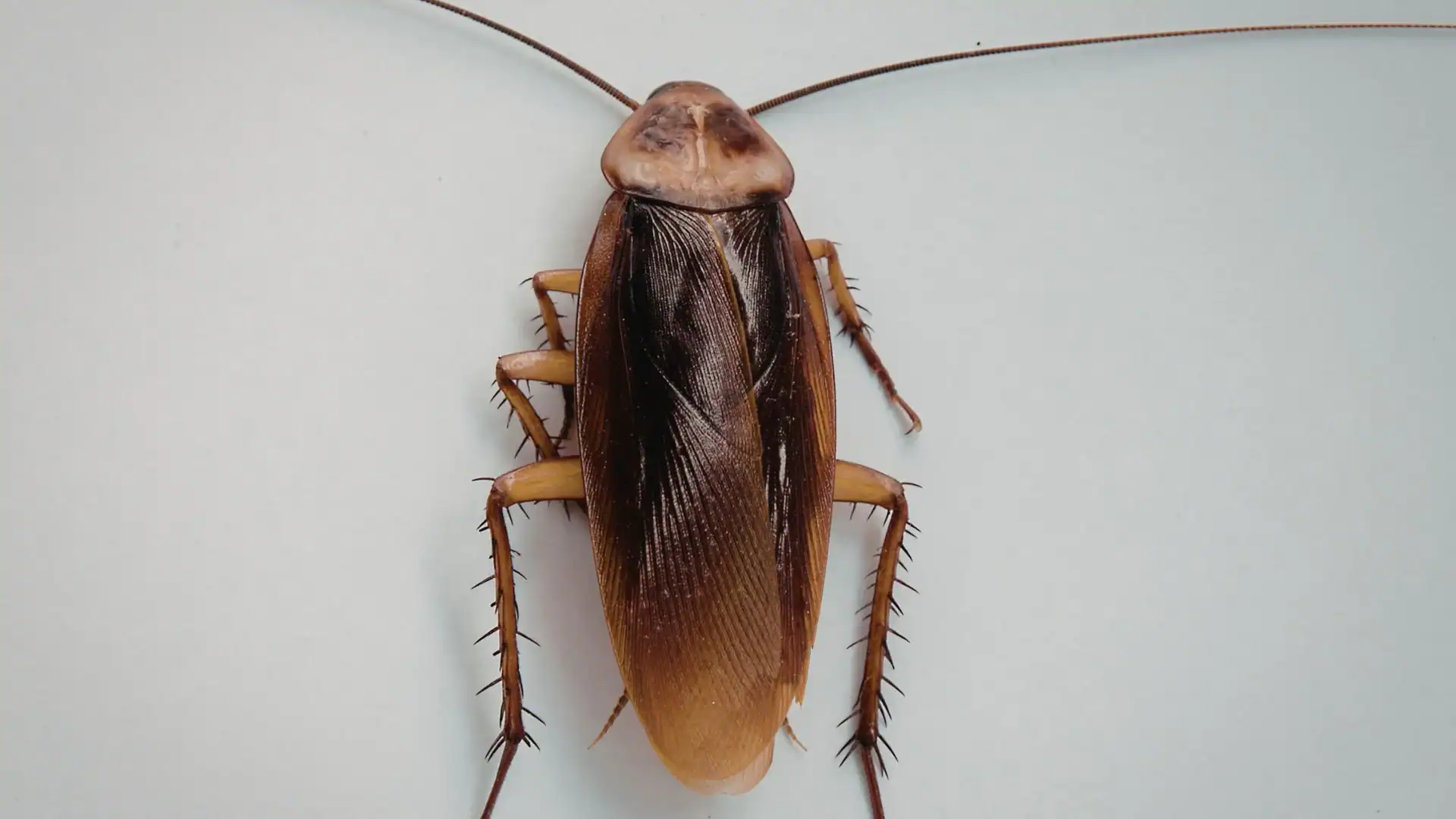
Spotted a rodent or found evidence of one? Here's how to figure out what you're dealing with — and what actually works in NYC buildings.
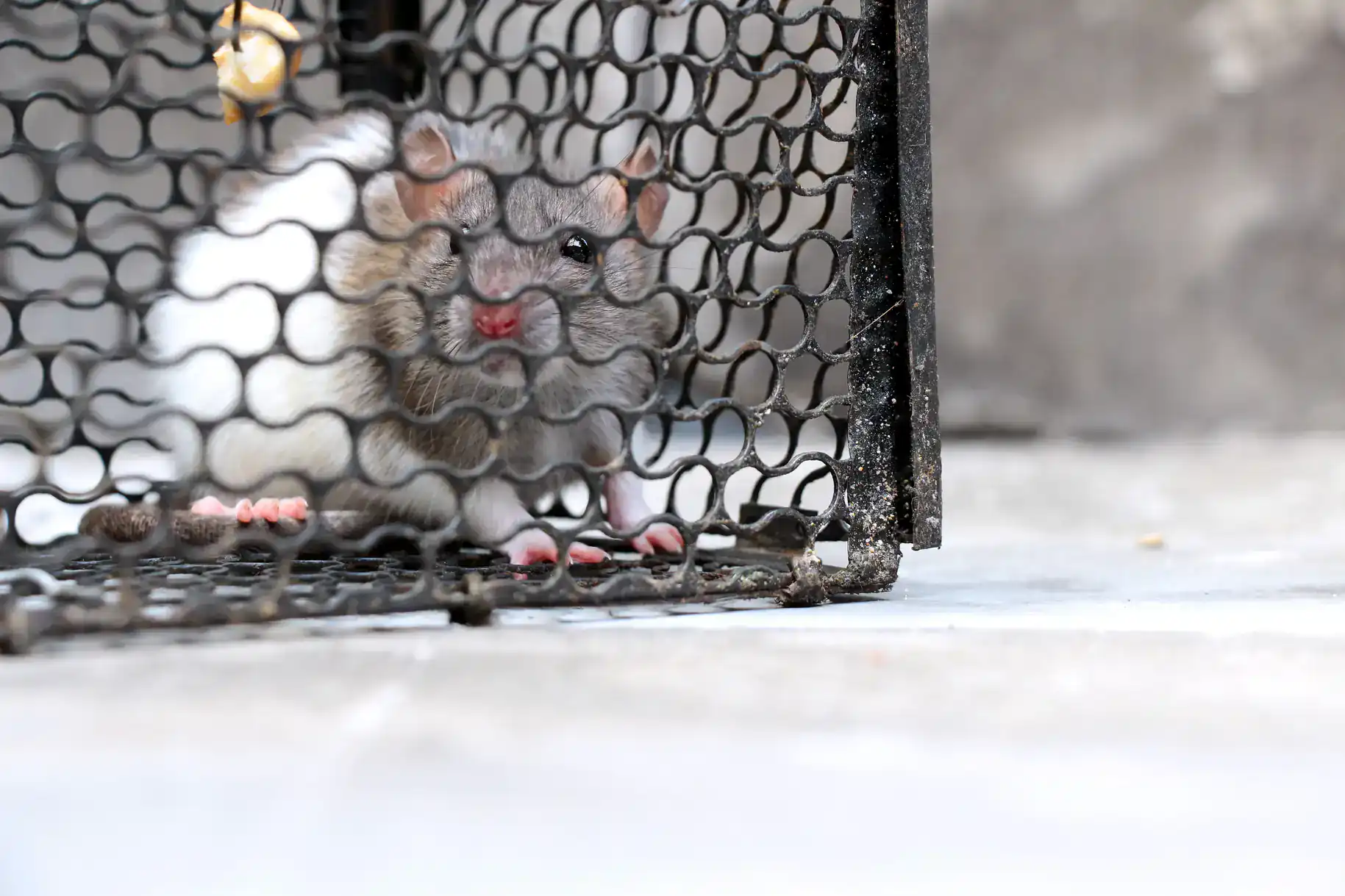
You found something. Maybe it was droppings behind the stove. Maybe you heard scratching inside the wall at 2 a.m. and couldn’t get back to sleep. Or you caught a glimpse of something dart across the kitchen floor and told yourself it was nothing — but you know it wasn’t. Before you can do anything useful, you need to know what you’re actually dealing with. A mouse is not the same problem as a rat. One animal is not the same situation as a colony. And in Brooklyn, Manhattan, and Queens — where dense, aging housing stock creates year-round rodent pressure — the difference between a minor incursion and a building-wide infestation often comes down to catching it early and reading the signs correctly. That’s what this guide is for.
The three rodents you’re most likely dealing with in Brooklyn, Manhattan, or Queens are the Norway rat, the roof rat, and the house mouse. Each one behaves differently, lives in different parts of a building, and requires a different approach to eliminate. Identifying which one you have isn’t just trivia — it changes everything about how the problem gets solved.
Norway rats are the big ones. Heavy-bodied, blunt-nosed, and ground-level. They burrow along foundation walls, live in basements and sewers, and enter buildings through gaps near utility pipes, drains, and deteriorating foundation edges. If you’re in a Brooklyn brownstone or a pre-war building in Queens, and you’re hearing activity near the floor or in the basement, Norway rats are the most likely culprit. Their droppings are about three-quarters of an inch long with blunt ends — noticeably larger than what a mouse leaves behind.
Roof rats are more agile. They climb, they nest in upper floors, and in Manhattan’s high-rises they’re known to travel through elevator shafts and utility chases. Their droppings are smaller than Norway rat droppings and have pointed ends. House mice are smaller still — their droppings are only about an eighth to a quarter inch long, also pointed. If you’re finding tiny dark specks in a kitchen cabinet or behind a refrigerator, you’re almost certainly looking at mice, not rats.
Most people find droppings first. And the instinct is usually to clean them up immediately — which is understandable, but it removes the most useful diagnostic information you have. Before you wipe anything down, take a close look.
Fresh droppings are dark, moist, and soft. Older droppings are dry, gray, and crumble easily. If you’re finding fresh droppings in multiple locations, that’s not a single animal passing through — that’s an active infestation. The quantity matters too. A handful of droppings in one spot could be one mouse. Droppings scattered across multiple cabinets, along baseboards, and near the stove suggests a much larger population.
Gnaw marks are the second thing to look for. Rodents chew constantly — not because they’re hungry, but because their teeth never stop growing. Fresh gnaw marks are light-colored and rough. Older ones darken over time. If you find gnaw marks on food packaging, wooden cabinets, or electrical wiring, you’re looking at an active problem. Chewed wiring is particularly serious — it’s a direct fire hazard, not just a pest issue.
Grease marks are specific to rats and tend to get overlooked. Rats follow the same paths repeatedly, and their fur leaves dark smudge marks along walls, baseboards, and around entry holes. If you see dark greasy streaks at floor level near a wall or pipe, that’s a rat runway. It tells you not just that rats are present, but exactly where they’re traveling — which is useful information for any treatment plan.
Noise is another reliable signal. Scratching, scurrying, and squeaking behind walls or above ceilings tends to happen at night when rodents are most active. Scratching sounds in the walls of a Brooklyn row house or a Queens attached home often indicate activity in the wall voids between units — which is a building-wide problem, not just yours.
Finally, nesting materials. Rodents shred paper, insulation, fabric, and cardboard to build nests. Finding shredded material in a cabinet, behind an appliance, or in a basement corner is a strong sign of an established presence — not a rodent just passing through.
Here’s the part most people find out the hard way. You set a trap. You catch a mouse. You feel like the problem is solved. Then three more appear the following night, and you’re back to square one.
This isn’t a failure of the trap. It’s a failure of the approach. In a single-family home with clearly identifiable entry points, a determined homeowner can sometimes manage a minor mouse problem with traps and exclusion work. In a Brooklyn brownstone, a pre-war Queens row house, or a Manhattan apartment building, it almost never works that way. Rodents in these buildings aren’t coming in through one gap you can seal with a piece of steel wool. They’re traveling through shared wall voids, utility chases, basement spaces, and gaps around steam pipes and plumbing that run through every floor of the building. Treating your unit alone, without addressing the building-wide entry points and pathways, produces temporary results at best.
There are also a few common fixes that sound reasonable but simply don’t work. Cats, for one — a Fordham University study found that cats have no meaningful impact on NYC rat populations. The rats here are large, aggressive, and well-fed enough that most cats avoid confrontation entirely. Plug-in ultrasonic repellers don’t work through walls, furniture, or across rooms, regardless of what the packaging says. Steel wool rusts and degrades quickly and can be chewed through. Expandable foam is not a rodent barrier — rodents chew through it without much difficulty.
Professional exclusion work uses copper gauze, stainless steel mesh, and cement to seal entry points properly. But even that only works when the entire building is addressed, not just one unit. This is the honest reality of rodent control in Brooklyn, Manhattan, and Queens’ multi-unit housing stock, and it’s worth understanding before you spend money on solutions that won’t hold.
Want live answers?
Connect with a Kingsway Exterminating expert for fast, friendly support.
A professional rodent inspection isn’t someone showing up and immediately spraying things. It starts with a conversation — where are you noticing activity, what signs have you found, how long has it been going on. That information shapes everything that follows.
From there, a thorough assessment covers the likely entry points, the extent of the infestation based on the evidence, and the specific treatment approach that fits your building type and situation. In Brooklyn, Manhattan, and Queens, that means understanding the difference between a basement-level Norway rat entry in a Flatbush brownstone versus a roof rat situation in a Manhattan high-rise versus a mouse problem spreading through the shared walls of a Woodside attached home. The building type, the borough, and the specific evidence all factor into what comes next.
One of the most common questions people have before calling anyone is some version of: am I overreacting, or is this actually serious? It’s a fair question, and the signs you’ve already found can help you answer it.
A mild situation typically looks like this: a small number of droppings in one location, no gnaw marks, no grease trails, no sounds at night, and no visual sightings. This could be a single animal that found its way in through a temporary gap. It’s still worth addressing — a single mouse can produce up to 35 young in a year — but it’s a different scale of problem than what comes next.
A moderate situation involves droppings in multiple locations, some gnaw marks, possibly sounds at night, and one or two visual sightings. This is an active infestation that has likely been developing for longer than it feels like. Rodents are nocturnal and secretive, which means by the time you’re seeing signs regularly, the population is usually larger than the evidence suggests.
A severe situation involves widespread droppings, visible grease trails, significant gnaw damage, consistent nighttime noise, multiple sightings, and possibly evidence of nesting. At this point, you’re not dealing with a few animals — you’re dealing with an established colony, and the treatment approach needs to reflect that.
NYC’s density accelerates all of this. The city’s rat population is estimated at around 3 million, and its 7,400 miles of sewer lines provide year-round subterranean habitat that keeps pressure on residential buildings regardless of season. In 2025, 80 percent of properties in NYC’s four designated Rat Mitigation Zones failed their initial rat inspection — including nearly three-quarters of properties in Brooklyn’s Bed-Stuy and Bushwick zone. If you’re in or near one of those zones, the baseline pressure on your building is higher than average, and early action matters more.
The short answer is: sooner than feels necessary. Fall is when rodents move indoors as temperatures drop, and the window between a minor incursion and an established colony is shorter than most people expect. By the time winter sets in and the problem becomes impossible to ignore, the infestation is typically well-established and significantly harder — and more expensive — to eliminate.
If you’ve found droppings, heard sounds at night, or seen a rodent, those are not ambiguous signals. That’s your cue to act, not to wait and see. The “wait and see” approach is exactly how a manageable problem becomes a multi-unit building issue that requires coordination with your landlord and neighbors.
For renters in Brooklyn, Manhattan, and Queens, it’s worth knowing that rodent infestations are a landlord’s legal responsibility. The NYC Department of Housing Preservation and Development issues violations for rodent infestations, and landlords face fines and compliance deadlines when those violations are filed. If your landlord isn’t responding, filing a 311 complaint creates an official record and triggers a Health Department inspection. That’s a lever worth knowing about.
For property owners and landlords, the stakes are higher. HPD rodent violations require documented remediation, and the cost of non-compliance compounds quickly. Having a licensed exterminator who understands the NYC regulatory context — and can provide the documentation to support compliance — is a practical necessity, not just a convenience.
We’ve been working in Brooklyn, Manhattan, and Queens for over 50 years, and the situations that are hardest to resolve are almost always the ones where someone waited too long. The building stock in these boroughs — the pre-war brownstones, the attached row houses, the high-rises with aging utility infrastructure — creates rodent pressure that doesn’t resolve on its own. What it responds to is a thorough inspection, a treatment plan built around your specific building and infestation, and follow-up that confirms the problem is actually gone.
If there’s one thing this guide should leave you with, it’s this: the signs you’ve found are telling you something specific, and reading them accurately is the difference between solving the problem and managing it indefinitely. Species identification, dropping location and quantity, gnaw marks, grease trails, and building type all point toward the right approach — and skipping that assessment step is why most DIY attempts and some professional treatments fall short.
NYC’s rodent pressure is real, it’s structural, and it doesn’t respond to half-measures. What it does respond to is a proper inspection, honest assessment of the infestation’s extent, and treatment that accounts for the building as a whole — not just the unit where the signs showed up.
If you’re in Brooklyn, Manhattan, or Queens and you’re ready to move from identifying the problem to actually solving it, Kingsway Exterminating Company offers free price quotes and has been doing this work across all five boroughs for over 50 years. Give us a call and tell us what you’re seeing — that conversation is where the solution starts.
Summary:

Article details:
Share: