Most NYC restaurant pest problems aren't random — they're the result of a few specific, avoidable mistakes. Here's what to watch for.
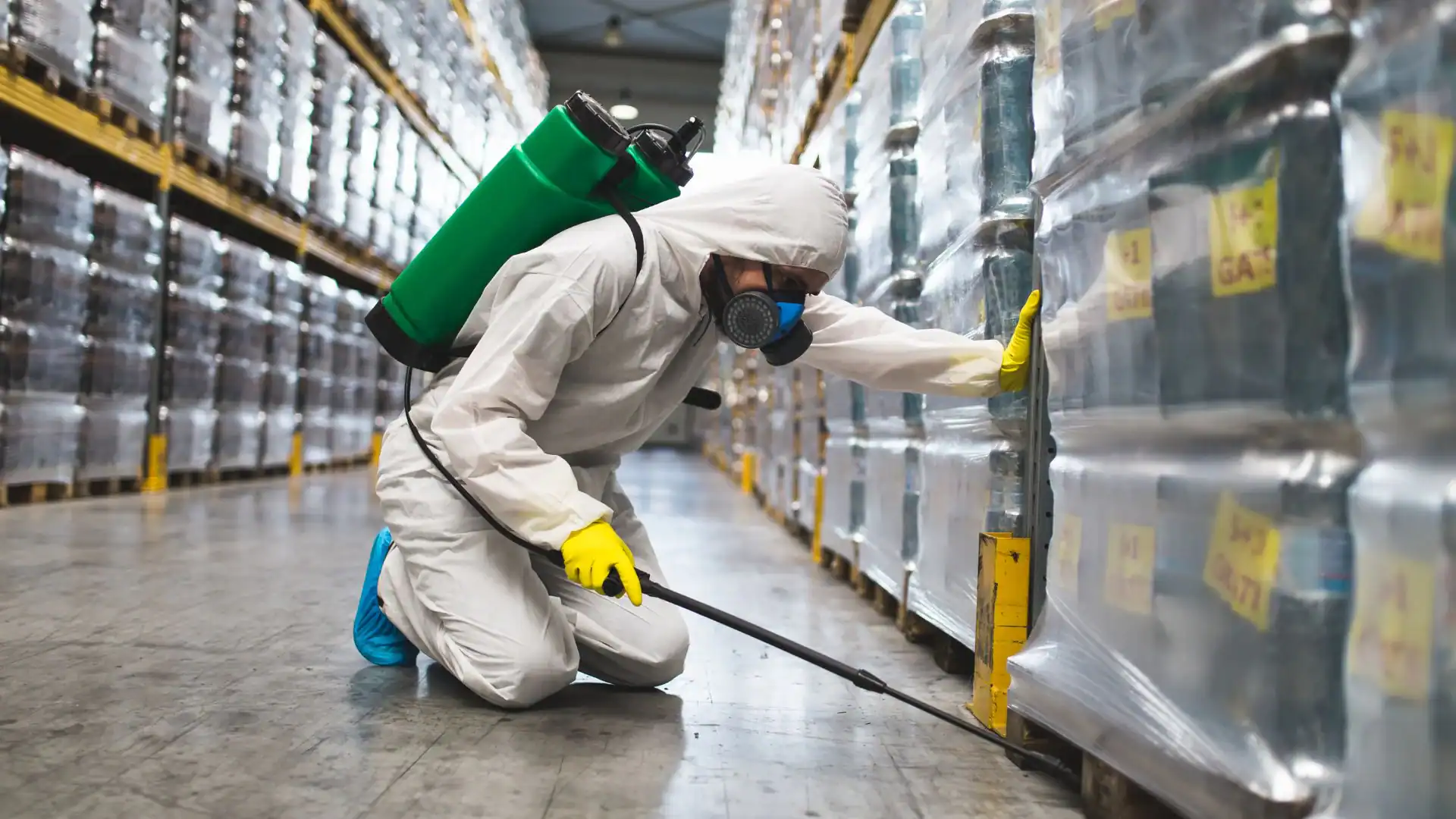
You run a clean restaurant. You take sanitation seriously. And then an inspector finds a live cockroach behind your prep table and your A grade is gone.
It happens more than most operators expect — and it rarely comes down to negligence. It comes down to specific, fixable mistakes that most food businesses in Brooklyn, Manhattan, and Queens don’t know they’re making. The NYC Department of Health doesn’t grade you on effort. It grades you on what its inspector finds in the moment. So understanding where things go wrong — before that knock on the door — is the most practical thing you can do for your business.
The most common assumption restaurant operators make is that pest problems are a sanitation problem. Keep the kitchen clean, take the trash out on time, and you’re covered. That logic works in a lot of markets. It doesn’t work as well in New York City.
Brooklyn, Manhattan, and Queens have some of the most pest-dense urban conditions in the country. The subway infrastructure runs directly beneath your building. Construction activity in neighborhoods like Williamsburg, Long Island City, and Hudson Yards regularly displaces rat populations into neighboring blocks. Your building shares walls, pipe chases, and drainage systems with every property next to it. A spotless kitchen can still have a rodent problem if the building’s structural vulnerabilities haven’t been addressed — and that’s exactly what inspectors are trained to find.
This is the most expensive mistake on the list, and the most common. Most restaurant operators think of pest control the way they think of calling a plumber — you bring someone in when there’s a visible problem. But by the time you see the cockroach, the infestation is almost always already established. And by the time your inspector sees it, you’re already looking at a point deduction.
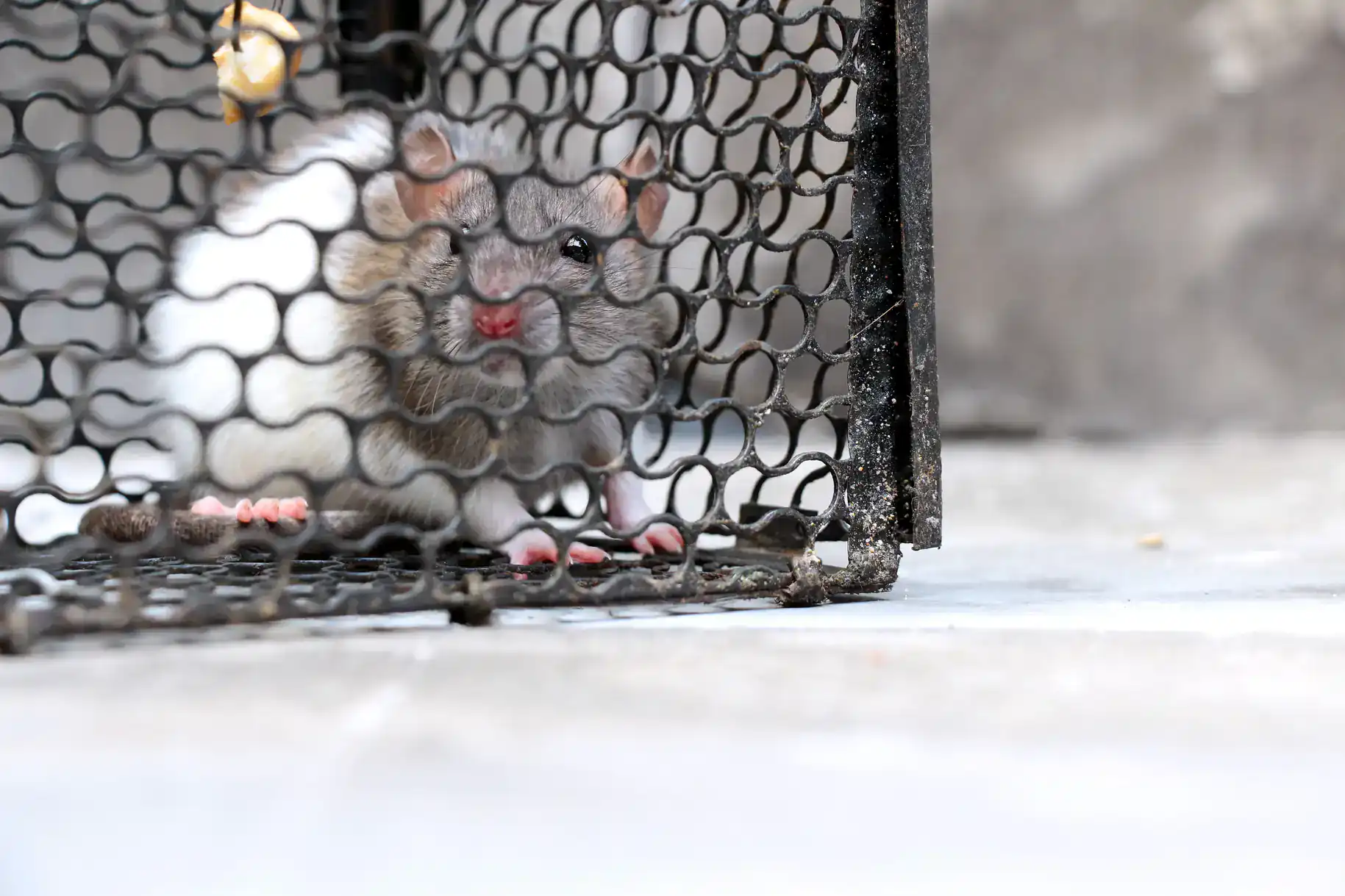
Under NYC’s letter-grade system, a single live cockroach observed during an inspection can trigger a 28-point violation. That’s enough to drop a restaurant from an A to a C in a single visit. Rat droppings behind a prep table — even without a live animal present — can trigger Violation 4K, which carries fines between $200 and $350 and five or more points on top of that. These aren’t edge cases. They’re among the most common reasons NYC restaurants lose their grade.
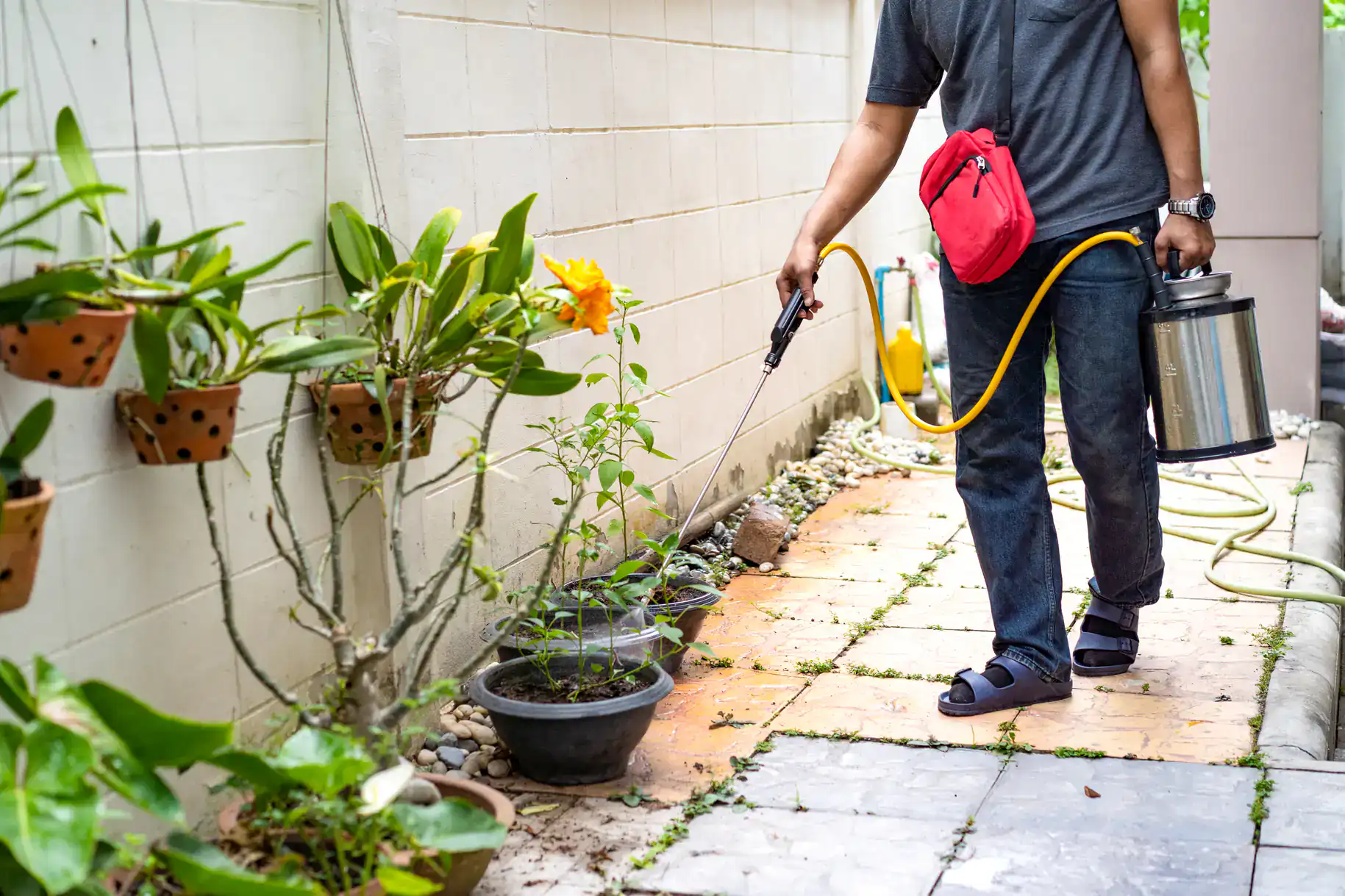
The fix isn’t complicated, but it does require a mindset shift. Pest control in a commercial food service environment isn’t something you call when you have a problem — it’s an ongoing compliance infrastructure, the same way you maintain your equipment or manage your food temperatures. Proactive, scheduled pest management with documented service reports is what keeps your A grade intact year-round. A single emergency treatment after a citation is almost always more disruptive, more costly, and less effective than a regular maintenance program would have been.
We’ve been working with restaurants across Brooklyn, Manhattan, and Queens since 1976, and the operators who maintain their grade consistently are almost always the ones who treat pest control as part of their routine operations — not a crisis response.
Monthly spray visits feel like due diligence. And if your exterminator shows up, applies product, and leaves without a report or a conversation, it’s easy to assume you’re covered. But spray-only treatments that don’t address entry points, harborage conditions, and the structural factors that allow pests to enter and survive are treating symptoms — not causes.
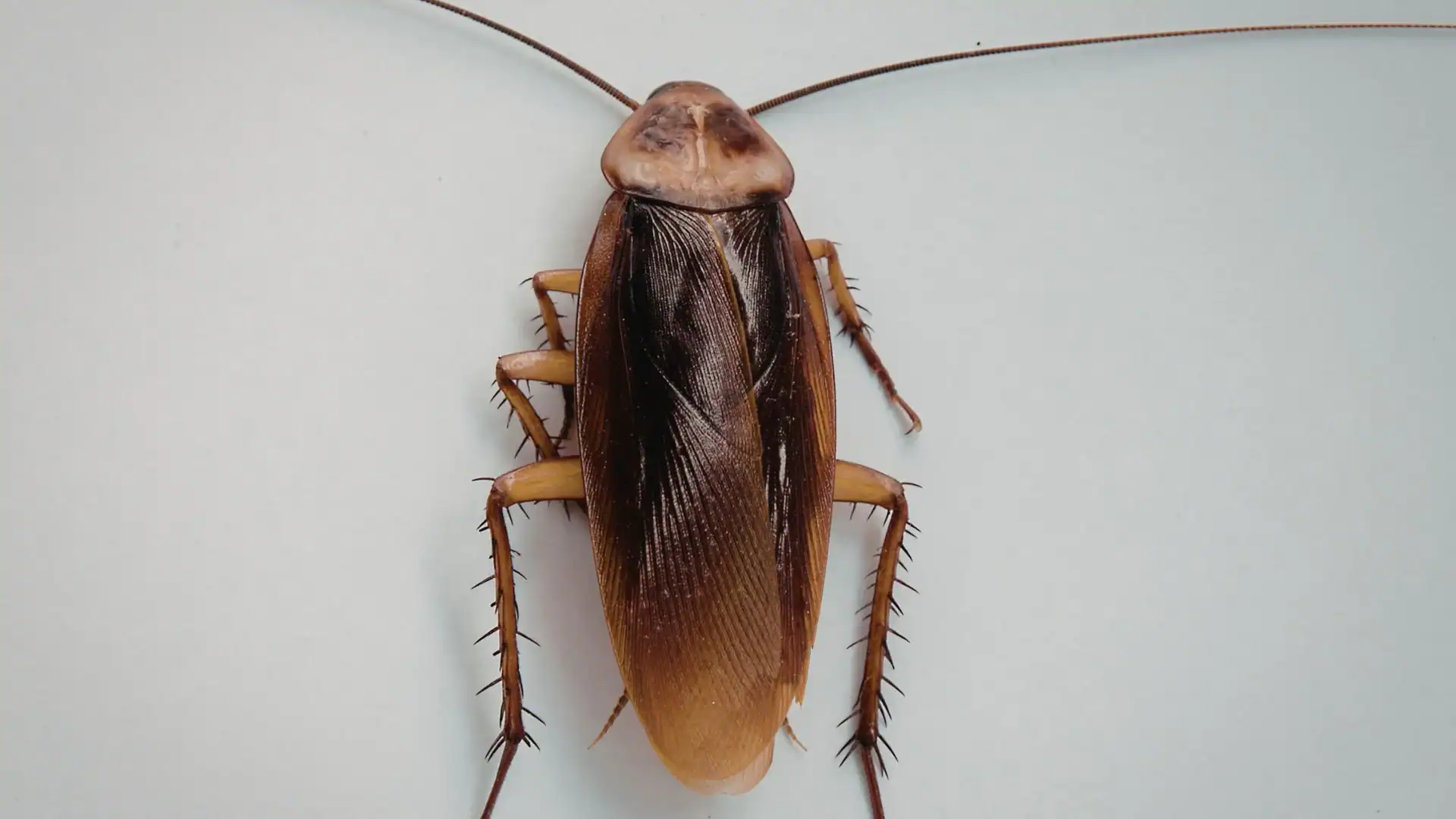
German cockroaches, which are the primary species found in NYC commercial kitchens, are a good example of why this matters. They develop bait resistance quickly. They hide in motor housings, under equipment, and inside wall voids — areas that a surface spray never reaches. If your pest control program doesn’t include inspection of those specific harborage areas, identification of how cockroaches are entering and surviving in your space, and targeted treatment of the actual problem, you’re not getting pest control. You’re getting a receipt.
The NYC Department of Health’s guidance on pest management for food service establishments aligns with Integrated Pest Management principles — an approach that combines exclusion, sanitation guidance, environmental modification, and targeted chemical use rather than blanket application. IPM-aligned treatment isn’t just better for your kitchen. It’s more consistent with what inspectors expect to see when they evaluate your pest control program.
What this looks like in practice: every service visit should begin with an inspection, not an application. The technician should be able to tell you what they found, where they found it, and what conditions in your space are contributing to the problem. If that conversation isn’t happening, your pest control program has a gap — and your next inspection might be the one that exposes it.
Want live answers?
Connect with a Kingsway Exterminating expert for fast, friendly support.
Some mistakes are structural. Others are operational. The ones that inspectors notice first tend to be the ones that are hiding in plain sight — or just out of sight, which is almost worse.
Inspectors in New York City are trained to look in the places that daily cleaning routines miss. Behind and beneath equipment. Inside storage areas. Along the base of walls where pipes enter. In the corners of walk-in coolers. These are the places where pest activity concentrates, and they’re the places that a reactive pest control program — one that only responds to visible problems — is least likely to address.
Most restaurant operators think about pests coming in through gaps in the building — under doors, through wall penetrations, from neighboring spaces. That’s real, and it matters. But one of the most overlooked entry points is the delivery itself.
Produce boxes, dry goods shipments, and equipment deliveries can carry cockroach egg cases, rodents, and other pests directly into your kitchen. A single infested cardboard box from a supplier can introduce a German cockroach population into a space that was previously clean. And because the introduction happens at the point of delivery — often during a busy receiving window — it goes unnoticed until the population is already established.
The practical response here is straightforward: inspect incoming shipments before they enter your storage areas, transfer dry goods out of cardboard and into sealed containers as quickly as possible, and break down and remove cardboard boxes from the premises promptly rather than letting them accumulate. Cardboard is a cockroach harborage material. In a dense commercial kitchen environment, it accelerates the problem.
This is also an area where your pest control provider should be part of the conversation. When we conduct our initial inspection and ongoing service visits, delivery areas and receiving zones are part of what we assess — not just the kitchen floor and prep surfaces. The entry points that matter most aren’t always the ones you can see from the dining room.
This one surprises a lot of operators, because it has nothing to do with whether pests are actually present. It’s purely a paperwork issue — and it can cost you points on an inspection regardless of how clean your kitchen is.
All commercial properties in New York City that receive exterminator services are required to maintain pest control logs on-site. In some cases, you’re required to post a copy of the exterminator’s service report where staff and inspectors can see it. If your pest control company isn’t providing written service documentation after every visit, you may be out of compliance before an inspector ever checks a trap or looks behind a piece of equipment.
This is a real gap in how some pest control companies operate. They come, they treat, they leave — and the operator has no paper trail to show for it. In a city where an unannounced inspection can happen any time a 311 complaint comes in, that missing documentation isn’t just an inconvenience. It’s a liability.
When we service a restaurant in Brooklyn, Manhattan, or Queens, we provide the documentation you need to satisfy NYC DOH requirements — service reports that identify what was found, what was treated, and what corrective conditions were observed. That paper trail matters. It demonstrates to inspectors that your pest control program is active, documented, and professionally managed. And if you’ve received a prior citation, that documentation is part of how you demonstrate compliance at reinspection.
NYC requires that pesticide applicators working for hire hold a valid New York State Department of Environmental Conservation certification. All materials we use are EPA-approved and NYS DEC-registered. That’s not a marketing claim — it’s a legal requirement, and it’s something you should verify with any company you hire.
An unlicensed provider might be cheaper upfront, but they can’t legally apply restricted-use pesticides, they may not understand NYC’s specific violation codes, and they won’t provide the documentation that inspectors expect to see. If an inspector discovers you’ve been using an unlicensed applicator, that’s a separate violation on top of whatever pest issues they find.
Summary:

Article details:
Share: