Spotted something and not sure if it's urgent? Here's how to know when to call an emergency exterminator in Brooklyn, Manhattan, or Queens — and what to do in the meantime.
You didn’t plan for this. Nobody does. Whether you just found droppings behind the stove, spotted something skittering across the kitchen floor at 2 AM, or woke up to the kind of evidence that makes your stomach drop — you’re trying to figure out two things at once: is this bad enough to call someone right now, and what do I do in the meantime?
Those are exactly the right questions. And the honest answer depends on what you’re dealing with, where you live, and how New York City’s specific housing conditions affect how fast things can get worse. This guide walks you through both — pest by pest, step by step.
Not every pest sighting is a crisis. But in Brooklyn, Manhattan, and Queens — where a single German cockroach can signal dozens more living inside your walls, and where one mouse almost certainly means several — the threshold for “urgent” is lower than most people realize.
If the pest poses an immediate health risk, is actively spreading, or is causing structural damage right now, it’s an emergency. If it’s an isolated sighting with no other signs, it’s urgent but may not require a same-day call.
The pest type matters enormously here. A rat in your kitchen is a different situation than a single waterbug near the drain. Knowing the difference helps you act fast without overreacting — and helps you communicate clearly when you do call.
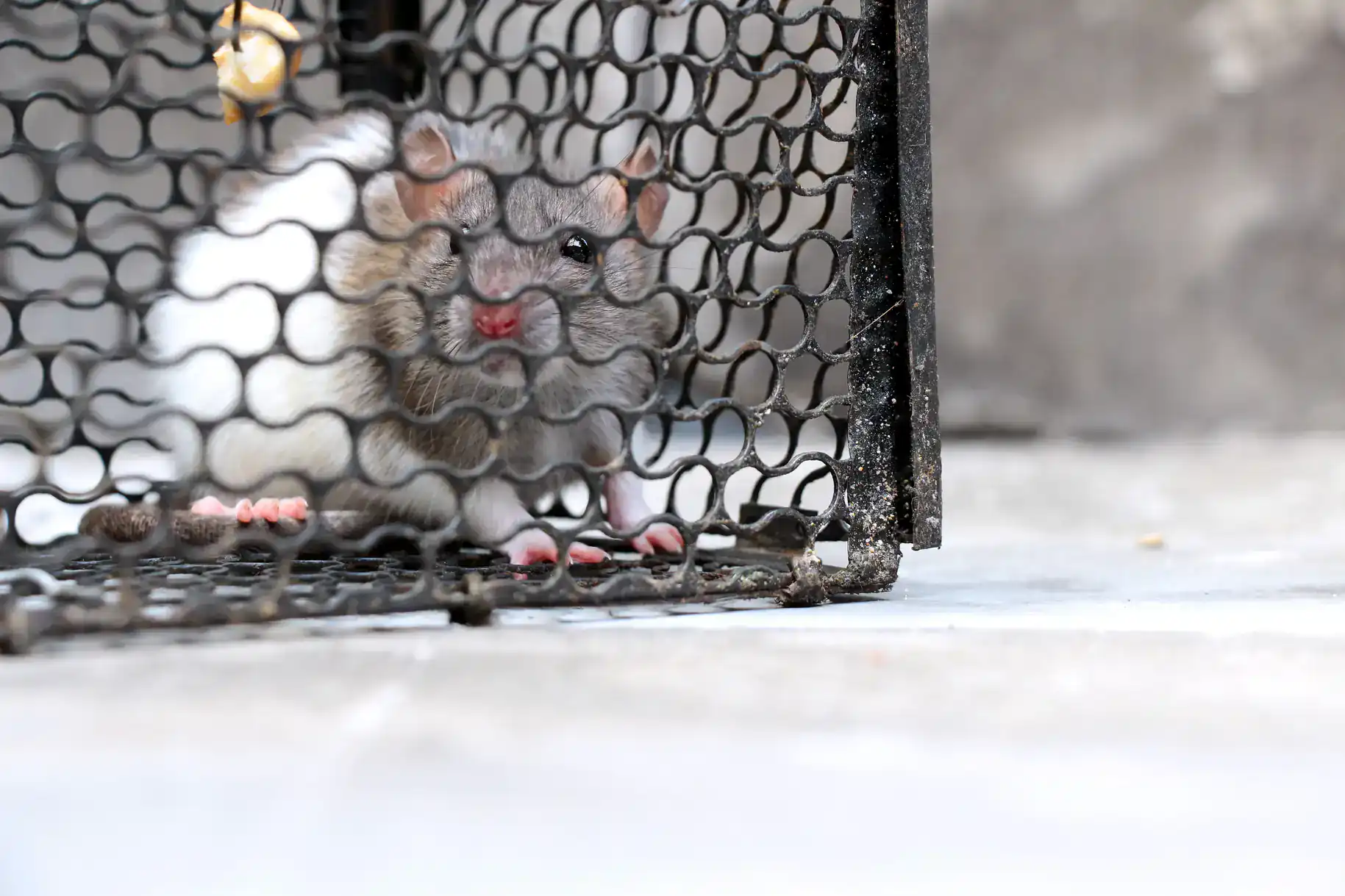
Rodents are almost always an emergency. If you’ve seen a rat or mouse inside your apartment, there are almost certainly more. Mice average around 35 offspring per year, and they don’t travel alone. Rodents can carry more than 30 different diseases, and they chew through wiring, insulation, and even lead pipes.
In Brooklyn and Queens especially — where older row houses and brownstones have aging foundations and plenty of entry points — a single sighting warrants a call that day, not a wait-and-see approach.
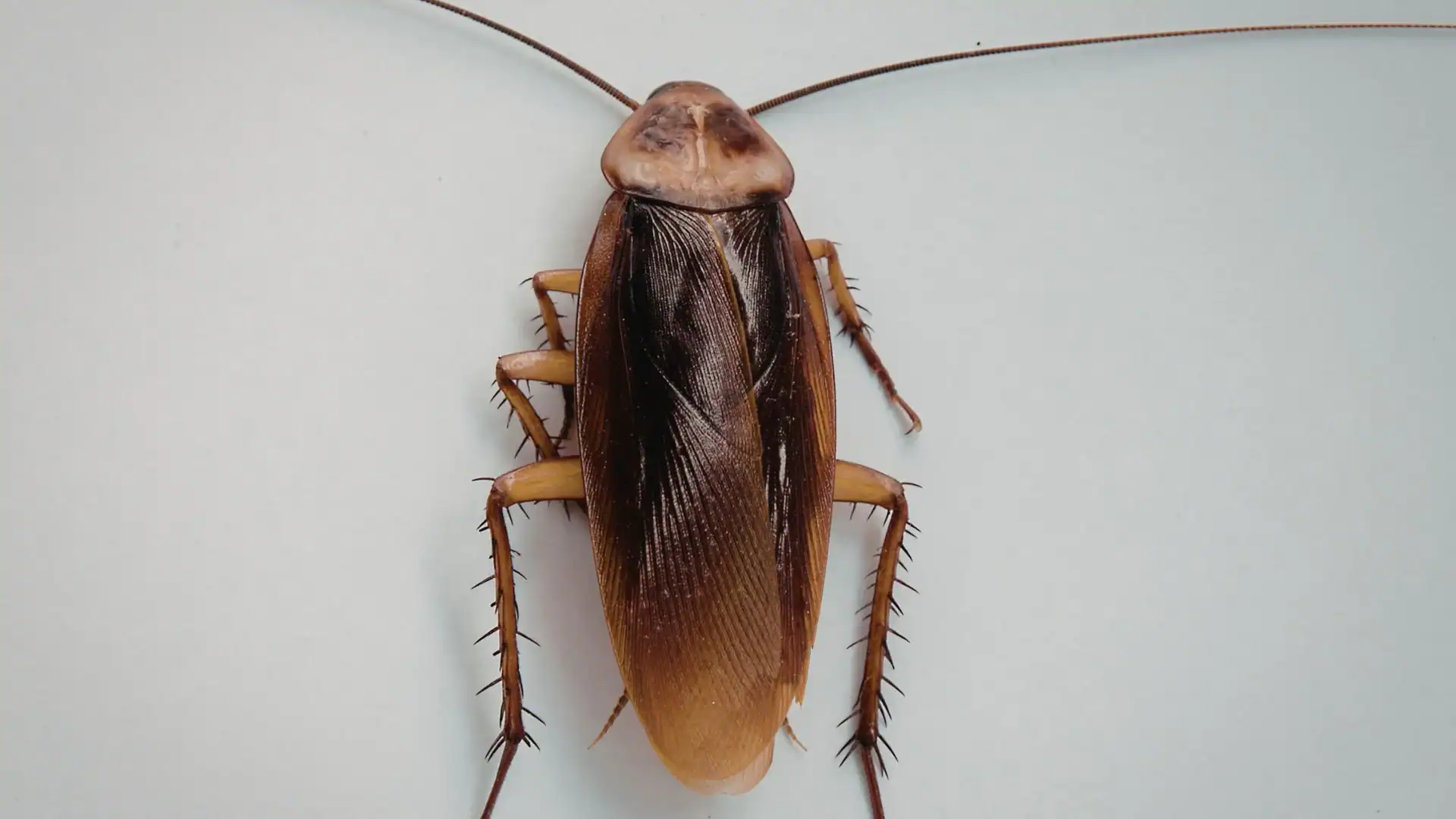
Cockroaches are trickier. One cockroach at night near a drain may not be an emergency on its own. But if you’re seeing cockroaches during daylight hours, that’s a strong signal. Cockroaches only emerge in the light when their population has grown large enough to push them out of hiding.
In NYC apartment buildings, where shared plumbing chases and utility corridors connect dozens of units, an established roach population spreads fast. They carry roughly 30 different types of pathogens, and nearly 30% of NYC households have reported them — so if yours has them, the clock is already running.
Bed bugs require immediate attention, but with one important caveat: treatment cannot be rushed. Whether the approach is heat or chemical, bed bug treatment requires several hours of preparation — laundering and sealing bedding, clearing floor space, bagging specific items. You can’t skip that step, and no reputable exterminator will ask you to.
So “emergency” for bed bugs means call today, schedule as soon as possible, and start preparing immediately. Waiting a week is not the same as waiting a day, but don’t expect a technician to walk in and treat in the next hour.
Termites are slow-moving but devastating. They cause more than $5 billion in damage to U.S. homes every year, and in older Brooklyn brownstones and Queens wood-frame homes, they can compromise structural integrity before you notice anything visible. If you’re seeing sawdust-like frass near baseboards, soft or hollow-sounding wood, or small mud tubes along your foundation, get an inspection scheduled immediately — not in a few weeks.
You’ve made the call, someone is on their way, and now you’re standing in your apartment wondering what to do for the next two to four hours. The answer depends on what you’re dealing with, but there are a few things that apply across the board.
For rodents, resist the urge to seal every hole you can find right now. It sounds counterintuitive, but sealing entry points before a professional has assessed the situation can trap rodents inside and make the problem harder to treat. What you can do: remove any food from countertops, put dry goods in sealed containers, and clear access to areas where you’ve seen activity — under the sink, behind appliances, along baseboards. Make it easier for the technician to do a thorough inspection.
For cockroaches, avoid spraying store-bought products before the exterminator arrives. Consumer sprays kill on contact but don’t address the nest, the eggs, or the entry points — and they can scatter cockroaches deeper into walls, making professional treatment more difficult and potentially less effective. The best thing you can do is clear under the sink, behind the refrigerator, and around the stove so the technician has full access.
For bed bugs, start the preparation process the moment you hang up the phone. Strip the bed, bag all bedding and clothing in sealed plastic bags, and begin laundering what you can on high heat. Move furniture away from the walls. Clear floor space in every room that will be treated. The more preparation you complete before the technician arrives, the more effective the treatment will be — and the less likely you’ll need a costly follow-up visit.
For termites, don’t disturb any mud tubes or damaged wood you’ve found. Leave it intact so the inspector can assess the extent of the damage and determine the appropriate treatment approach. Document what you’ve seen with photos if you can.
One more thing worth knowing: calling 311 is not the same as calling an exterminator. A 311 complaint creates a legal record and can trigger a city inspection, but it does not dispatch anyone to your unit. City inspections play out over days to weeks. If you need someone there today, a private exterminator is your only immediate option — and you can still file the 311 complaint to protect your legal standing as a tenant.
Want live answers?
Connect with a Kingsway Exterminating expert for fast, friendly support.
In a suburban single-family home, a pest problem is contained to that house. In Brooklyn, Manhattan, or Queens, it almost never is. German cockroaches travel through shared plumbing chases. Bed bugs move through shared walls and hallways. Rats enter through shared basements and utility corridors that connect entire buildings.
That’s the reality of living in one of the densest housing markets in the world. It’s also why the urgency of an emergency exterminator call here carries a different weight — delay doesn’t just worsen your situation, it can affect your neighbors, your building, and your landlord’s legal standing under the NYC Housing Maintenance Code.
Brooklyn and Queens have some of the most diverse housing stock in the city — and some of the most pest-vulnerable. Pre-war brownstones in Park Slope and Carroll Gardens, attached row houses in Jackson Heights and Jamaica, aging apartment buildings in Flatbush and Crown Heights — all of them share a common trait: aging infrastructure with plenty of gaps around pipes, foundations, and utility lines that give pests easy access.
Norway rats — the large, aggressive species that dominates NYC’s streets and subway tunnels — are especially active in fall, when dropping temperatures push them indoors. Apartments near subway lines or above stations face elevated rodent pressure because the tunnel network functions as a rat highway that runs directly under the city’s residential neighborhoods. If you’ve ever lived near a subway entrance in Brooklyn or Queens and wondered why your building seems to have a recurring mouse problem, the infrastructure underneath you is a significant part of the answer.
Cockroaches in NYC apartments are almost always German cockroaches — small, fast, and remarkably resilient. New Yorkers often use the term “waterbug” to describe the larger American cockroach found near drains and water sources, but both are cockroaches and both require professional treatment. The distinction matters because German cockroaches are harder to eliminate and more likely to have established a deep population inside your walls before you see the first one in the open.
We’ve been operating out of 2216 Flatbush Avenue in Marine Park, Brooklyn since 1976. We know these buildings. We know how pests move through them, where they hide, and what it actually takes to eliminate them — not just push them to a different unit.
Manhattan presents its own set of challenges. The borough’s density is unmatched — it’s the most densely populated county in the United States — and its housing stock ranges from pre-war walk-ups with steam heat (which keeps interior temperatures warm enough for cockroaches and bed bugs year-round) to high-rise residential buildings where a single infested unit on one floor can seed problems on multiple floors above and below.
For renters in Manhattan, the landlord-tenant dynamic is worth understanding clearly. NYC law requires landlords to keep rental units pest-free under the Housing Maintenance Code. That means if you report a pest problem and your landlord doesn’t act, you have legal recourse. But legal recourse takes time — and a rat in your kitchen doesn’t wait for a housing court date.
The practical advice: call a private exterminator immediately if you need relief now, keep your receipts, document everything, and file the 311 complaint to create the legal paper trail in parallel. Both actions serve a purpose; they just operate on completely different timelines.
For landlords and property managers in Manhattan, the stakes are different but equally urgent. A single rodent sighting during a NYC Department of Health inspection can drop a restaurant’s letter grade. An HPD violation for pest conditions creates documented liability. We provide full DOH compliance documentation for commercial clients, landlords, and property managers — the paperwork that demonstrates you responded, you hired a licensed professional, and the problem was addressed. That documentation matters whether you’re managing a restaurant on the Upper West Side or a multi-family building in Washington Heights.
We don’t push you toward an annual contract when you don’t need one. If you need a one-time treatment, that’s what we’ll provide. The job isn’t finished until the problem is resolved — and if it isn’t, we come back. That’s our guarantee, and it’s been our standard for over 50 years.
When you’re dealing with a pest emergency, the most important thing you can do is act quickly and call someone you can actually trust. In a market full of options, that means looking for verifiable credentials — a real physical address, a current state license, an A+ BBB rating, and a track record that goes back more than a few years.
It also means calling a company that answers the phone. Not a voicemail, not a web form — a person, at whatever hour you’re calling, who can assess your situation and tell you honestly what needs to happen next.
Kingsway Exterminating Company has been doing exactly that since 1976. If you’re in Brooklyn, Manhattan, or Queens and you need help now — or want to know whether what you’re seeing warrants a call — reach out. We’ll give you a straight answer.
Summary:

Article details:
Share: