
Hear from Our Customers
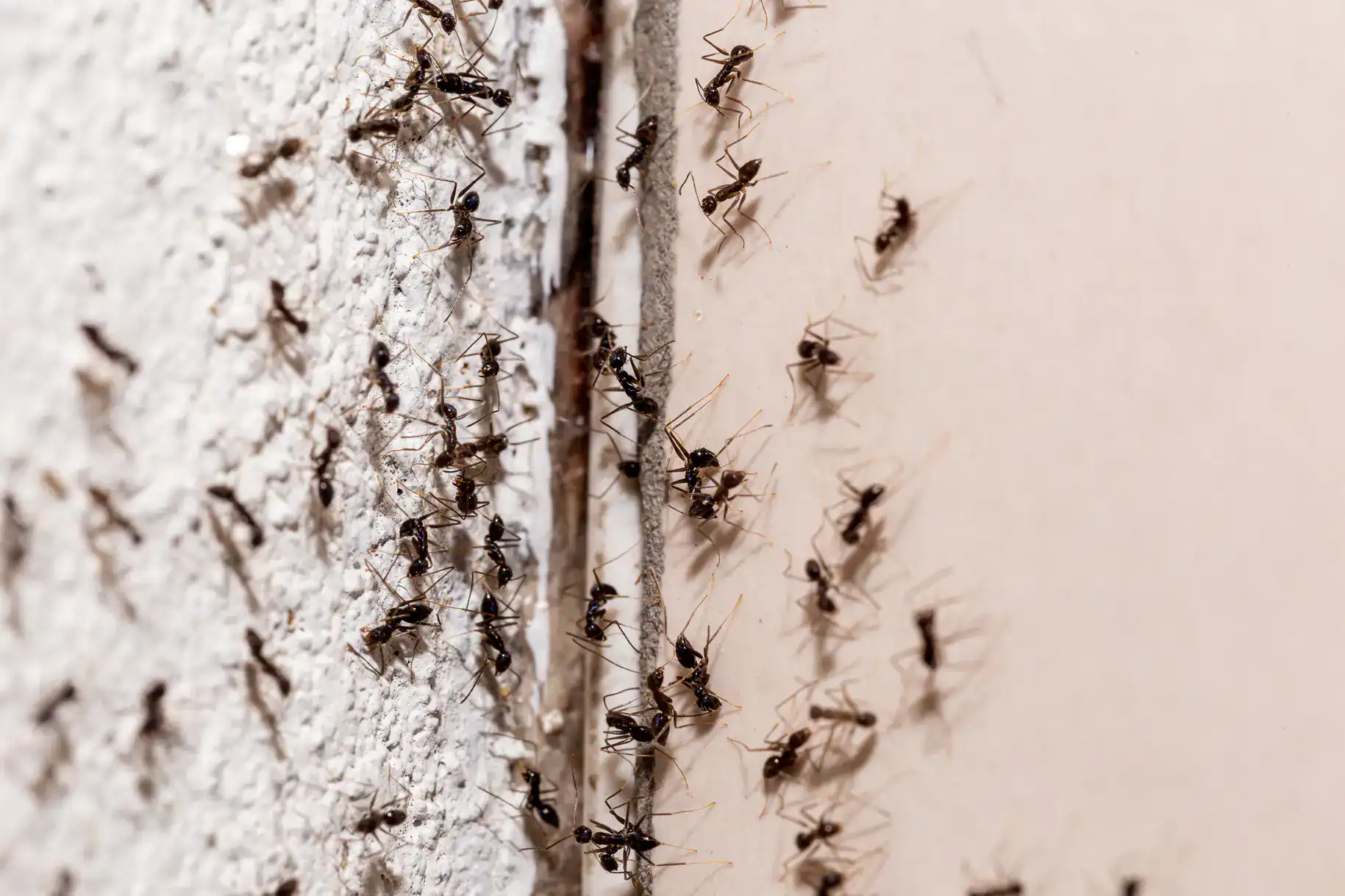
If you’ve sprayed, wiped down counters, and watched them come right back you’re not doing anything wrong. The problem is that store-bought products kill what’s on the surface and leave the colony completely untouched. A colony can have tens of thousands of individuals, and until the queen is gone, the foragers keep coming. That’s not a cleaning problem. That’s a treatment problem.
Flatlands sits in low-lying terrain close to Jamaica Bay, and that matters more than most people realize. The moisture in the soil around southeastern Brooklyn creates near-ideal conditions for ant colonies to establish themselves deep in the ground and when it rains hard, those colonies get pushed upward and into structures. If you’ve noticed ant activity spike after a storm, that’s exactly why. It’s not a coincidence. It’s geography.
The other thing worth knowing: a lot of the housing stock in Flatlands semi-detached brick homes, finished basements, aging wood framing gives carpenter ants exactly what they’re looking for. Moisture, wood, and warmth. Getting rid of them isn’t just about comfort. In a home valued near $775,000, it’s about protecting what you’ve built.
We’ve been based in Brooklyn for over 40 years and our office on Flatbush Avenue puts us less than two miles from the heart of Flatlands. That’s not a coincidence. Southeastern Brooklyn has always been our territory, and the homes along Kings Highway, near Amersfort Park, and down toward Bergen Beach are the kinds of properties we’ve been treating since before most of our customers moved in.
We’re family-owned, fully licensed, bonded, and insured. Every material we use is registered with the NYS Department of Environmental Conservation. And our A+ rating with the Better Business Bureau isn’t something we applied for it’s a track record built over four decades of showing up and following through.
When you call a 718 number and someone actually answers, that’s us.
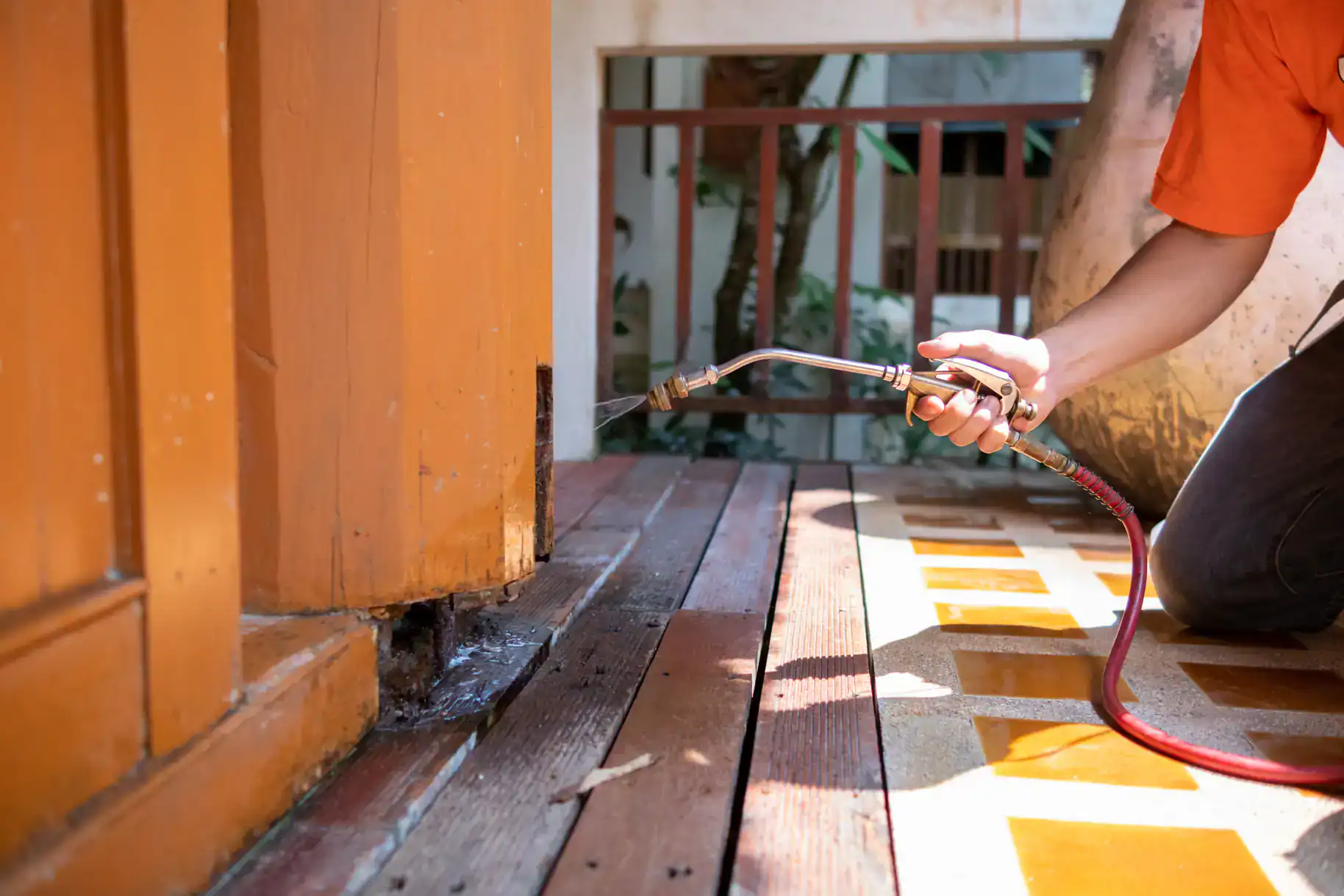
It starts with a free estimate. We come out, look at what you’re dealing with, identify the ant species because carpenter ants, pavement ants, and odorous house ants each require a different approach and tell you exactly what we’re going to do before we do anything. No guessing, no pressure.
The initial treatment is what we call the cleanout. We apply materials in a way that forager ants carry back into the colony and share with the rest of the population including the queen. This is the part that store-bought sprays can’t replicate. The material has to travel through the colony to work. That process takes time, which is why a single visit starts the job but doesn’t finish it.
After the cleanout, we schedule follow-up visits weekly, every other week, or monthly, depending on the severity and what we find. For Flatlands homes with mature trees in the yard, basement moisture, or direct soil contact along the foundation, that ongoing monitoring matters. Carpenter ants especially can remain active in wall voids through winter in a heated home, so we don’t just declare victory and disappear. We stay on it until the infestation is gone.
Ready to get started?
Ant control in Flatlands isn’t one-size-fits-all, and our service reflects that. Every job starts with species identification, because the treatment that works on pavement ants along your driveway isn’t the same one you need for a carpenter ant colony that’s set up inside your basement joists. Getting that wrong means the colony survives and you’re back to square one.
For homes near Jamaica Bay or with significant tree coverage and Flatlands has plenty of both, thanks in part to the oak and cherry trees planted throughout the neighborhood we pay close attention to exterior conditions. Yard debris, tree stumps, rotting wood, and damp soil along the foundation are all entry points and nesting sites that have to be addressed as part of the treatment, not ignored. Interior treatment alone won’t hold if the exterior is left untouched.
All materials we use are NYS DEC-registered, applied by our licensed technicians who know exactly where and how to place them safely around children, pets, and the multigenerational households that are common in this part of Brooklyn. Our service includes the initial cleanout and a structured follow-up schedule so the treatment stays active long enough to reach the colony. If you’re a senior homeowner in the neighborhood, ask about the 10% senior discount when you call it applies here and it’s straightforward.
The most common reason is that the treatment never reached the colony. Most over-the-counter sprays are contact killers they eliminate the ants you see but do nothing about the thousands that never left the nest. The foragers you’re watching trail across your counter represent maybe 10% of the actual population. The rest, including the queen, stay protected underground or inside your walls.
In Flatlands specifically, the low-lying terrain and proximity to Jamaica Bay mean the soil around your foundation holds more moisture than in higher-elevation parts of Brooklyn. That creates ideal nesting conditions that don’t go away on their own. Even after a professional treatment, if there are untreated satellite colonies or exterior nesting sites under yard debris, in a tree stump, along the foundation the infestation can rebound. That’s why follow-up visits aren’t optional. They’re the part of the process that actually finishes the job.
Size is the first indicator. Carpenter ants are noticeably larger than pavement ants or odorous house ants typically between half an inch and an inch long, usually black or dark brown. If you’re seeing large ants emerging from wall voids, near window frames, or around basement joists, carpenter ants are the more likely culprit.
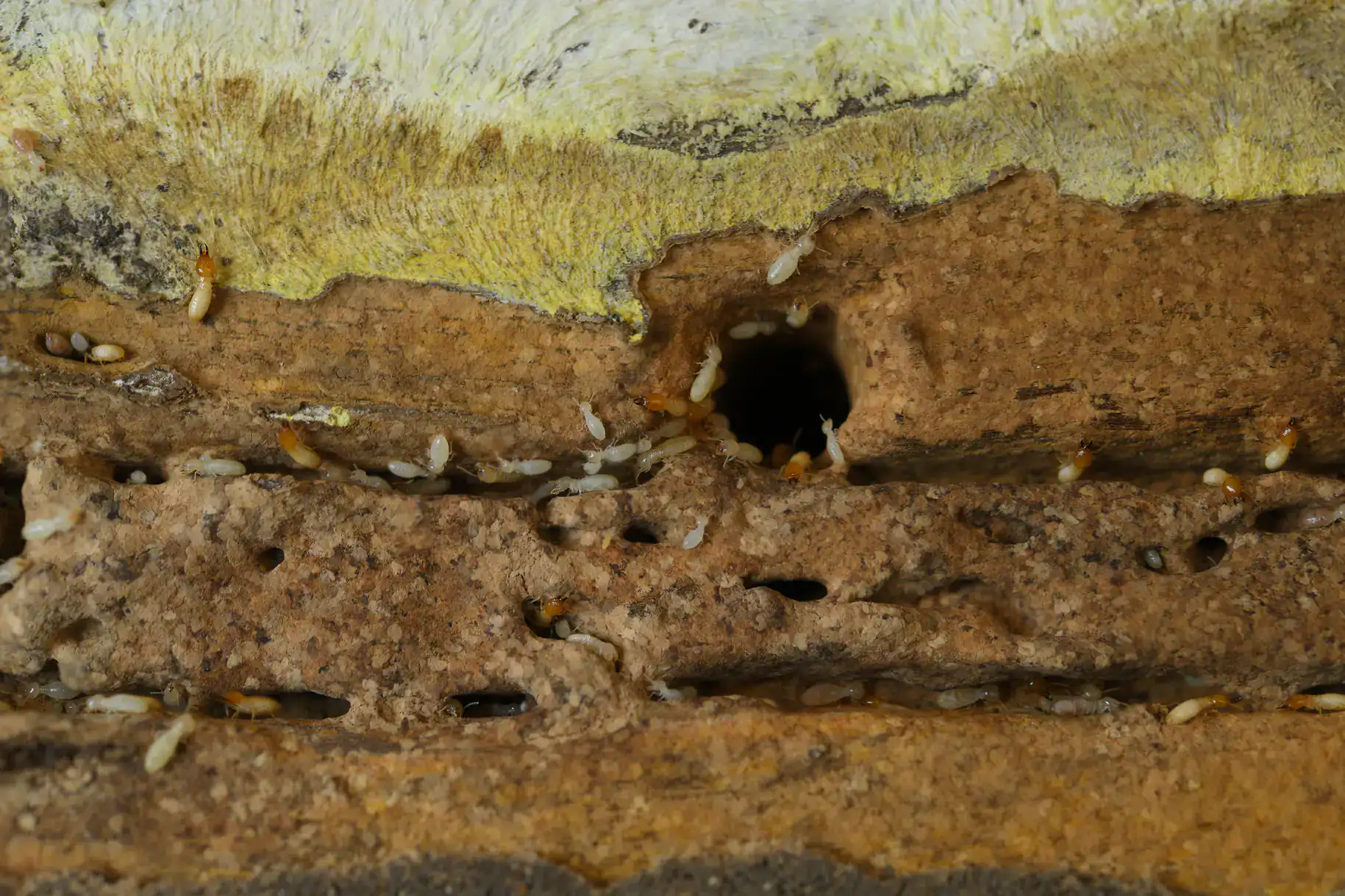
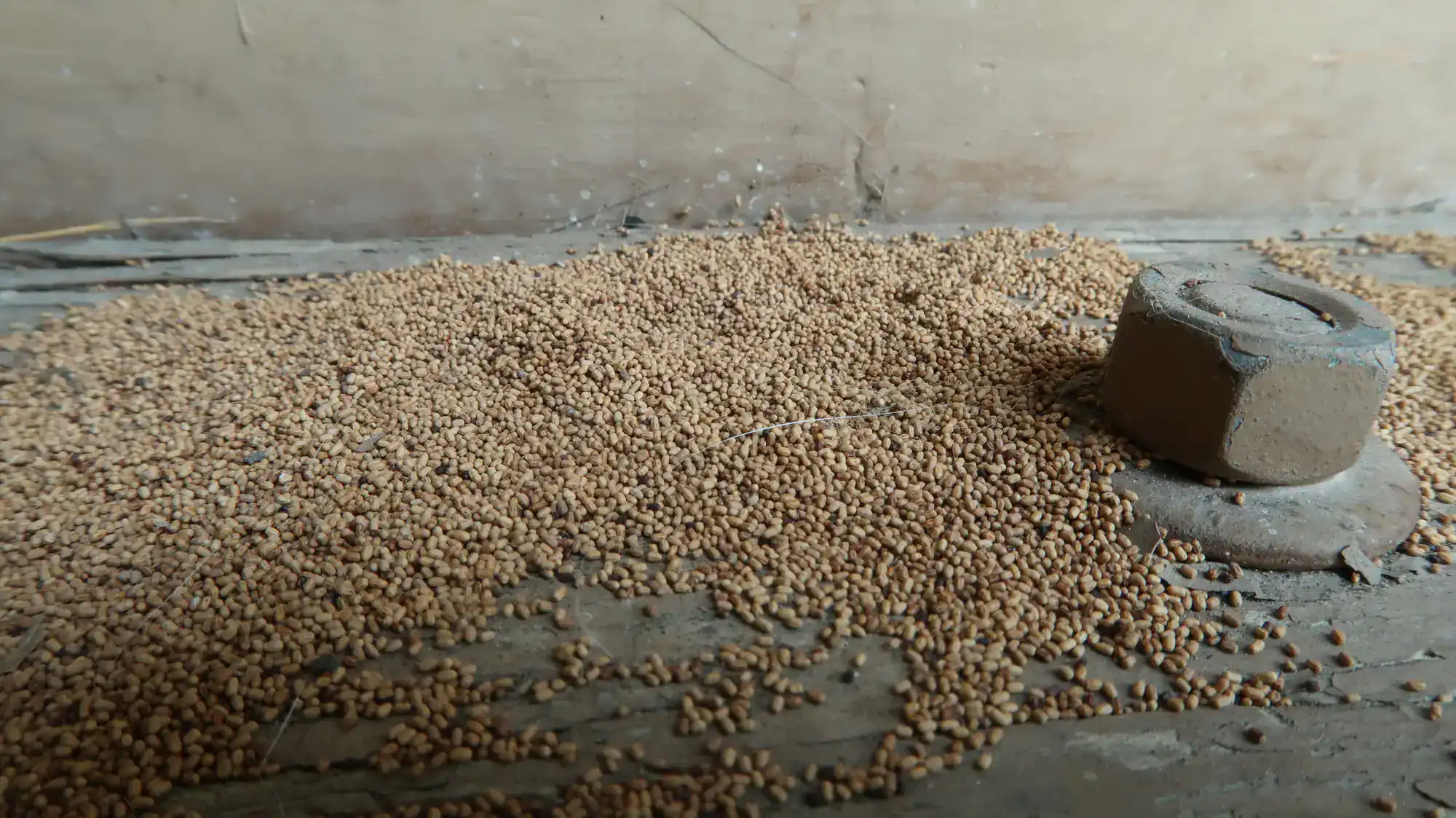
The other sign is what they leave behind. Carpenter ants don’t eat wood they excavate it to build galleries for nesting. That excavation produces a fine, sawdust-like material called frass, which you might find near baseboards, under window sills, or along wood beams in a finished basement. In Flatlands homes with prewar construction and any history of moisture in the basement, carpenter ants are a real structural concern not just a nuisance. If you’re seeing large ants and finding frass, that’s the point where a professional inspection matters, because the longer a carpenter ant colony is active inside wood framing, the more damage accumulates.
Yes when it’s done by a licensed technician using properly registered materials. Every product we use is registered with the New York State Department of Environmental Conservation, which means it’s been reviewed and approved for residential use. The application is targeted and controlled, not broadcast spraying throughout your home.
Before treatment, our technician will walk you through what’s being applied, where it’s going, and how long you should keep children and pets out of treated areas typically a short window while the material dries or settles. This is standard practice and something we take seriously. Multigenerational households are common in Flatlands, and we’re aware that a lot of the homes we treat have young kids, grandchildren, or elderly family members under the same roof. The guidance we give you before and after treatment is specific to your home and what was used not a generic handout.
There’s no honest single answer to that, because it depends on the species, the size of the colony, how long the infestation has been active, and the conditions in and around your home. What we can tell you is that one visit is never the complete solution for an established infestation. The initial cleanout starts the process by introducing materials that travel back through the colony. But it takes time for that material to reach the queen and enough of the population to collapse the colony.
For most Flatlands homes, you’re looking at a minimum of two to three follow-up visits after the initial treatment, scheduled weekly or bi-weekly. Homes with carpenter ants established in basement framing or wall voids which stay warm year-round in a heated Brooklyn home may require a longer monitoring period. The follow-up schedule isn’t about billing more visits. It’s about re-applying material before it breaks down and confirming the colony is actually declining, not just temporarily suppressed.
Spring is when activity picks up the most typically April through June. That’s when carpenter ant swarms are most common in New York, and when outdoor colonies that have been dormant through winter start expanding and foraging aggressively. For Flatlands residents, there’s an added factor: the neighborhood’s flat, low-lying terrain near Jamaica Bay means that heavy spring rains can saturate the soil and push ant colonies upward and into structures. If you’ve noticed ant activity surge after a rainstorm, that’s the direct cause.
Summer keeps the pressure going as colonies mature and foraging ranges expand especially in yards with mature trees, garden beds, or wood piles near the foundation. Fall brings a second wave as ants seek warmth before temperatures drop. And in winter, don’t assume the problem is gone just because you’re not seeing ants outside. Carpenter ants established inside heated wall voids or basement framing remain active year-round. If you had a significant infestation in spring or summer and didn’t treat it, it didn’t disappear it moved inside.
Yes we offer a 10% senior discount, and it applies to ant control services in Flatlands. Flatlands is a neighborhood where a lot of people have owned their homes for decades. Many of the residents we serve have been in the same house since the 1970s or 80s, and they’ve watched the neighborhood change around them while staying put. That kind of long-term investment in a home and in a community is something we genuinely respect.
The discount is straightforward: mention it when you call, and it gets applied. There’s no complicated qualification process. It’s a small way of acknowledging that long-term homeowners in southeastern Brooklyn have kept this neighborhood what it is, and that loyalty deserves something back. If you’re a senior homeowner dealing with ants in a home you’ve maintained for years, you shouldn’t have to pay full rate to protect it.
Useful Links