
Hear from Our Customers
No more scratching in the walls at night. No more droppings behind the stove or along the basement walls. No more wondering whether the snap trap you set last week did anything. When rodent control is done right, you stop managing the problem and start living without it.
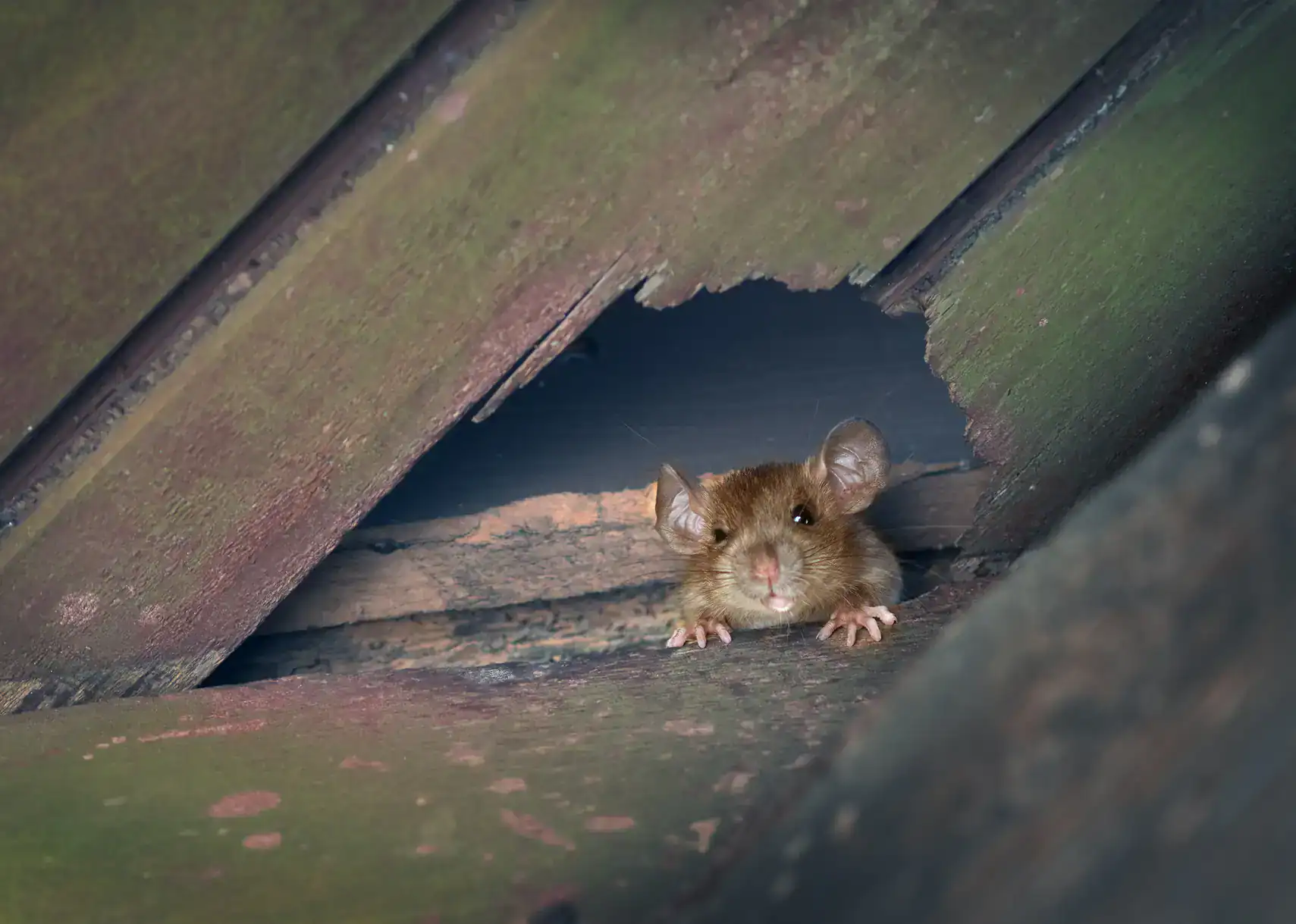
For Flatlands homeowners specifically, that matters more than it might in other parts of Brooklyn. Most of the housing stock here was built between the 1920s and 1950s. These are brick and wood-frame homes that have had decades to settle and settling means gaps. Gaps in foundations, gaps around original plumbing runs, gaps where basement bulkhead doors no longer sit flush. Norway rats need an opening no bigger than a quarter. House mice need even less. The older your home, the more potential entry points exist, and most of them aren’t obvious unless you know what you’re looking for.
The other factor is geography. Flatlands sits on low-lying terrain that was once part of the Jamaica Bay wetland system. When tidal water levels rise which happens more frequently now than it did twenty years ago rodent populations that burrow in the lower-lying areas near the bay get displaced. They move toward higher ground. In this neighborhood, that often means toward your foundation. Solving a rodent problem in Flatlands isn’t just about catching what’s inside. It’s about understanding why they got in and making sure the same conditions don’t invite the next wave.
We’ve been operating since 1976. That’s not a marketing number it’s the actual year Richard Kourbage Sr. started Kingsway Exterminating. His sons Richard Jr. and Charles joined in the late 1980s and have been running it alongside him ever since. Three people, one family, one company. Your name stays on the work when it’s your family’s reputation on the line.
We’re headquartered at 2216 Flatbush Avenue in Marine Park the neighborhood directly next to Flatlands. Our technicians aren’t dispatching from another borough or navigating unfamiliar streets. We know Kings Highway. We know the housing stock on these blocks. We’ve been working in southeastern Brooklyn long enough to understand what rodent pressure actually looks like in Flatlands, not just in theory.
We hold an A+ rating with the Better Business Bureau accredited since 1989 are fully licensed, bonded, and insured, and apply only NYS Department of Environmental Conservation registered materials. We offer free estimates, free phone consultations, and guaranteed appointments within 48 hours.
It starts with a thorough inspection. Not a quick walkthrough a real one. A Kingsway technician goes through your home looking for active signs of rodent activity: droppings, gnaw marks, rub marks along baseboards, burrow evidence near the foundation. We’re also looking for what’s making your home accessible the entry points that hardware-store traps will never address.
In a Flatlands home, that inspection pays close attention to the basement. Older bulkhead doors, original pipe penetrations, foundation cracks that have widened over decades of settling these are the places rodents use, and they’re easy to miss if you don’t know what you’re looking for. The inspection also accounts for what’s happening outside: proximity to the commercial corridors along Flatbush Avenue and Kings Highway, yard conditions, fence lines, and any vegetation that’s creating harborage near the structure.
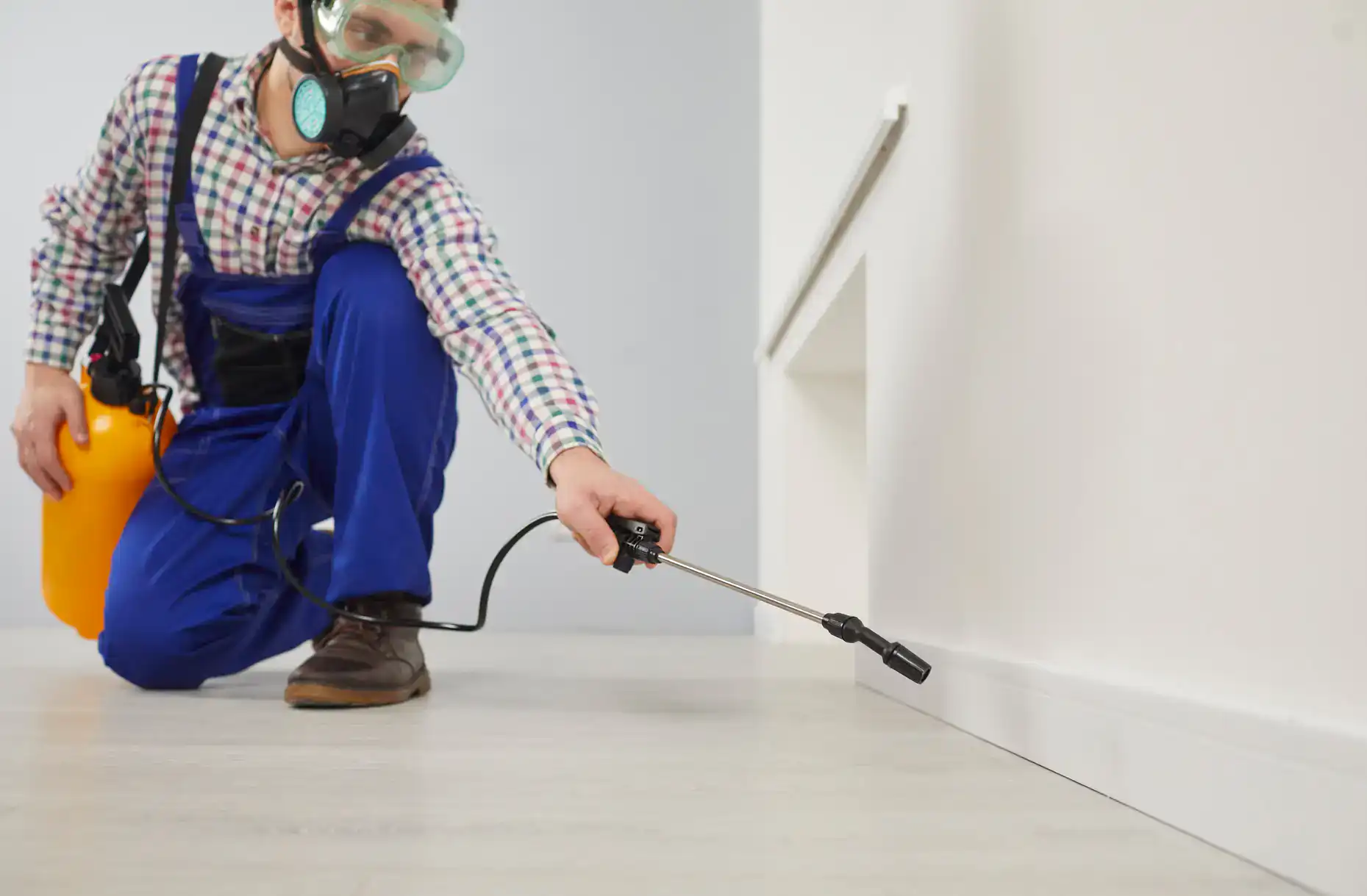
From there, treatment is targeted and deliberate. We use NYS DEC-registered materials applied in a way that’s effective against the infestation and safe for the people and pets living in the home. Trapping, baiting, and exclusion work are coordinated not applied as isolated steps. After the initial treatment, follow-up is part of the plan. Rodent control in an urban environment like southeastern Brooklyn isn’t a one-visit fix. The follow-through is what separates a real solution from a temporary one.
Ready to get started?
Our rodent control service covers the full picture not just the rodents you can see. The service includes a detailed inspection of the interior and exterior, identification of active infestation areas, targeted treatment using NYS DEC-registered materials, and a clear plan for follow-up. Every step is documented, and every recommendation is explained so you understand what’s happening in your own home.
For Flatlands residents, the exterior component of this service is especially important. Properties near the eastern side of the neighborhood closer to Ralph Avenue and the Spring Creek Towers complex tend to face elevated rodent pressure from the surrounding density. Properties near the commercial strips along Flatbush Avenue and Kings Highway deal with food-source-driven rodent activity that spills into adjacent residential blocks. Our exterior baiting and perimeter work accounts for these neighborhood-specific pressure points, not just what’s happening inside the four walls.
Exclusion is also part of the conversation. Treating an active infestation without sealing the entry points is a short-term fix at best. We identify and address the structural vulnerabilities that allowed rodents in whether that’s a deteriorating basement threshold, a gap around a utility line, or a foundation crack that’s been there since the Eisenhower administration. Under the NYC Health Code, property owners are legally required to maintain their homes free of rodents. A failed Health Department inspection is a matter of public record. Our approach is built to resolve the problem and keep it resolved.
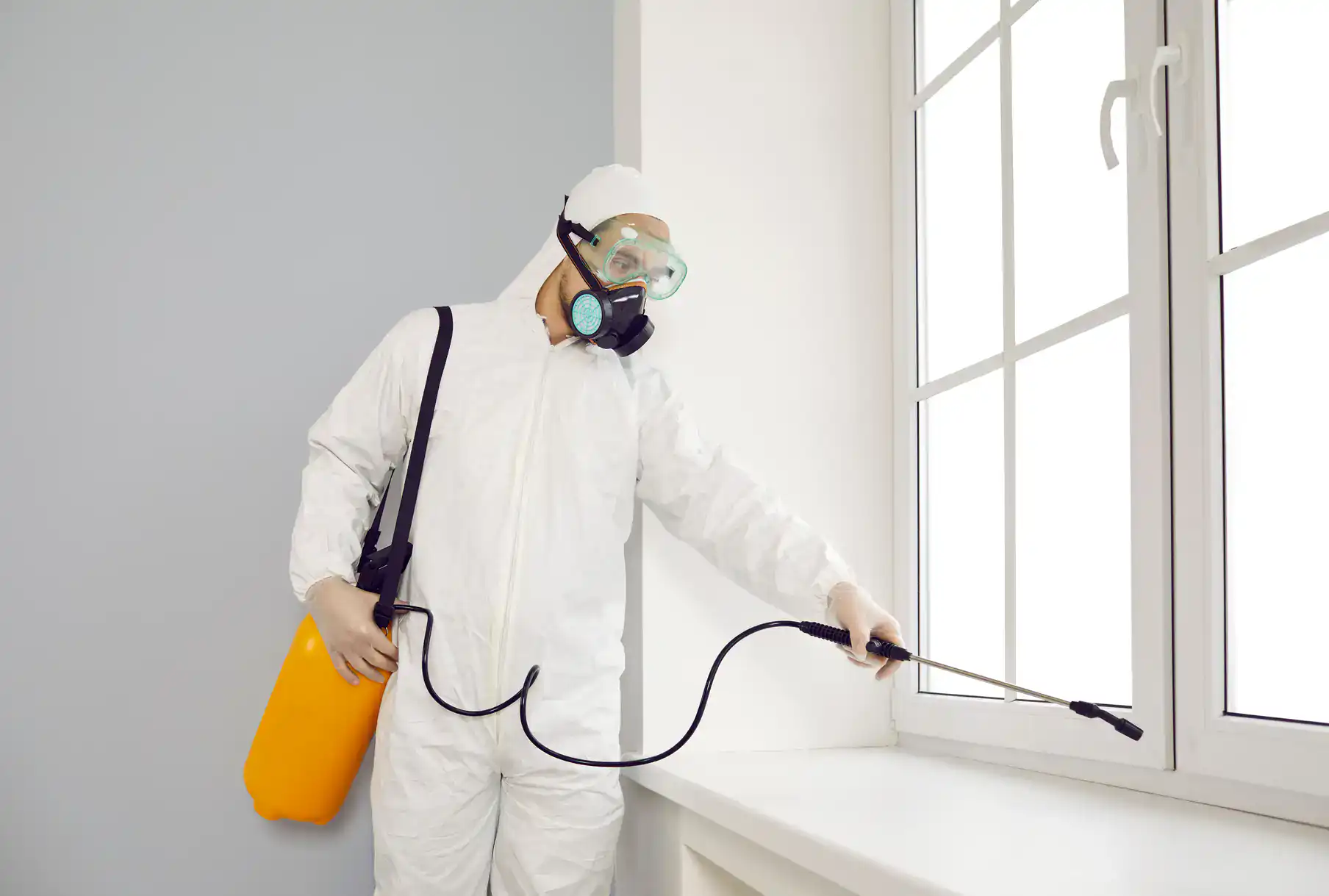
A few things work against Flatlands homeowners that don’t apply in other parts of Brooklyn. The first is the age of the housing stock. Most homes in Flatlands were built in the 1920s through 1950s, and over 70 to 100 years, foundations settle, pipe penetrations widen, and door frames shift. These structural changes create entry points that didn’t exist when the home was new and most homeowners have no reason to notice them until there’s already a problem inside.
The second factor is geography. Flatlands sits on low-lying terrain that was historically part of the Jamaica Bay wetland system. As tidal flooding becomes more frequent in the area, rodent populations that burrow near the water get displaced and move toward residential structures. That’s a dynamic you don’t see in higher-elevation Brooklyn neighborhoods, and it means rodent pressure in Flatlands can spike after weather events in ways that feel sudden and confusing if you don’t know the cause.
It does matter, and the signs are different enough that a trained eye can usually tell without setting a single trap. Rat droppings are larger roughly the size of a raisin and you’ll often find them along walls, near food sources, or at the base of the foundation. Rats also leave rub marks: greasy smudges along baseboards and walls from the oils in their fur. Burrow holes near the exterior foundation are another indicator. Mice leave smaller, rice-sized droppings and tend to nest in tighter, more concealed spaces inside walls, behind appliances, inside stored boxes.
Treatment differs because behavior differs. Norway rats, which are the dominant rat species in Brooklyn, are bait-shy and territorial in ways that require a more strategic placement approach. Mice move faster and breed faster a single female can produce up to 60 offspring per year so speed and thoroughness matter more. In either case, identifying the species early allows for a more targeted, efficient treatment plan rather than a generic approach that may address one and miss the other.
Yes. Under the NYC Health Code, property owners including homeowners, not just landlords are required to maintain their premises free of rodents and the conditions that attract them. The NYC Department of Health and Mental Hygiene conducts proactive inspections and also responds to 311 complaints. If an inspection finds active rat signs, problem conditions like improperly stored garbage, or evidence of mice activity, the property can receive a violation and face monetary penalties.
What makes this more relevant in Flatlands than some residents realize is that inspection results are publicly accessible through the NYC Rat Information Portal. A failed inspection tied to your address is a matter of public record which matters when it comes time to sell, refinance, or simply maintain your standing in the neighborhood. Professional rodent control isn’t just about comfort. It’s about keeping your property in compliance with the city’s own health standards, and doing it with documentation that shows the problem was properly addressed.
This is one of the most common questions we get, and it’s a fair one especially in a neighborhood where a quarter of residents are under 17. The honest answer is that professional treatment using properly applied, NYS DEC-registered materials is significantly safer than most homeowners realize, and considerably safer than the alternative of using over-the-counter rodenticides without knowing the correct placement, dosage, or follow-up protocol.
NYS Department of Environmental Conservation registration means the materials used have been reviewed and approved within New York State’s own regulatory framework not just a general federal standard. Beyond the materials themselves, professional application matters. Our technician places bait and treatment in locations that are accessible to rodents but not to children or pets inside wall voids, within tamper-resistant bait stations, and in areas of the home where rodents are active but people and animals are not. The goal is targeted treatment, not a blanket chemical application. Your family’s safety is part of how the job gets planned, not an afterthought.
As temperatures drop typically starting in October and running through February in the New York City area rodents that have been living and breeding outdoors during warmer months start looking for warmth. Your home is the obvious option. Norway rats and house mice don’t hibernate. They adapt, and in the fall, adapting means moving inside through any gap or crack they can find in your foundation, around your pipes, or under your doors.
For Flatlands homeowners with older homes, this seasonal shift is predictable enough that it’s worth getting ahead of. A home that showed no signs of rodent activity in July can have an active infestation by November if the entry points aren’t sealed before the weather turns. Exterior baiting and exclusion work done in late summer or early fall before the pressure builds is far less disruptive and less expensive than treating an established interior infestation in January. If you’ve dealt with rodents in the winter before, the pattern is likely to repeat unless the underlying entry points are addressed.
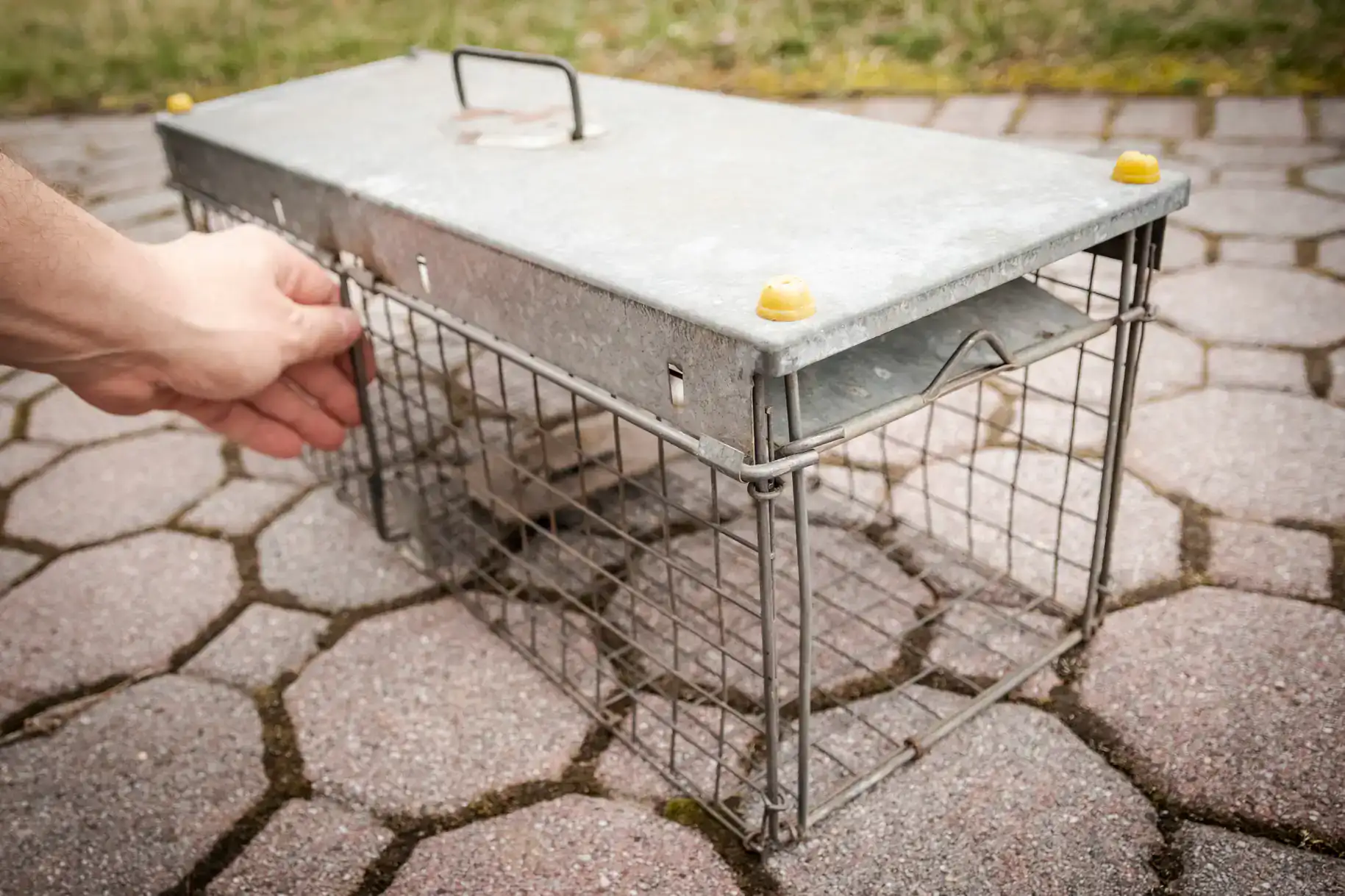
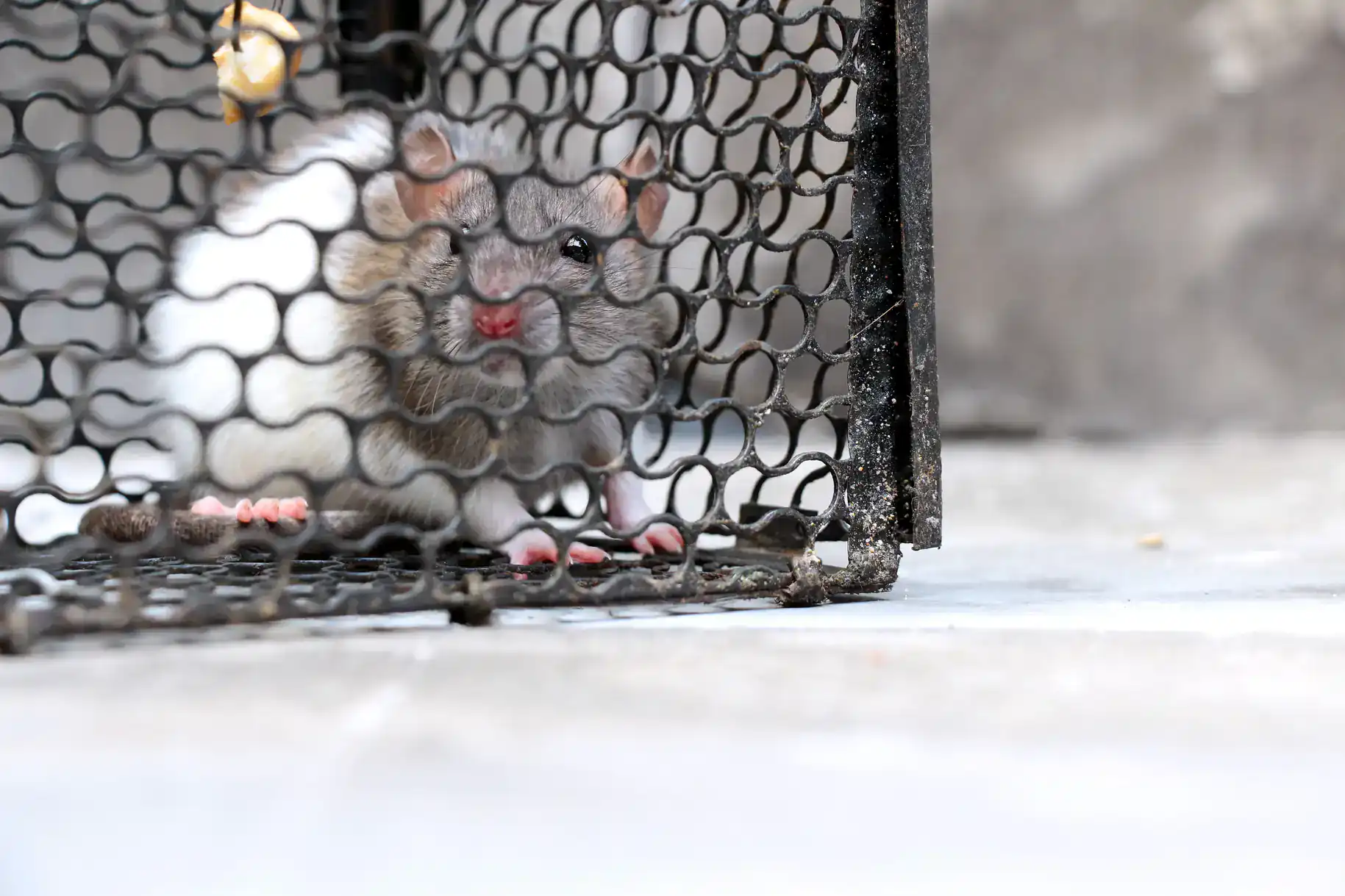
Recurring infestations almost always mean the same thing: the entry points haven’t been found and sealed. Traps catch individual rodents. They don’t stop new ones from coming in through the same gaps the first ones used. If you’ve gone through multiple rounds of hardware-store traps and the problem keeps returning, the traps aren’t the issue the inspection is what’s been missing.
In Flatlands, this is particularly common in homes along the blocks closest to Kings Highway and Flatbush Avenue, where commercial food sources nearby sustain a larger rodent population that continuously puts pressure on adjacent residential properties. As long as that external pressure exists, any home with unsealed entry points will keep seeing activity. The fix isn’t more traps it’s a thorough inspection that identifies every point of entry, a treatment plan that addresses the active infestation, and exclusion work that closes the gaps permanently. That’s the difference between managing a recurring problem and actually ending it.
Useful Links
Other Services we provide in Flatlands