
Hear from Our Customers
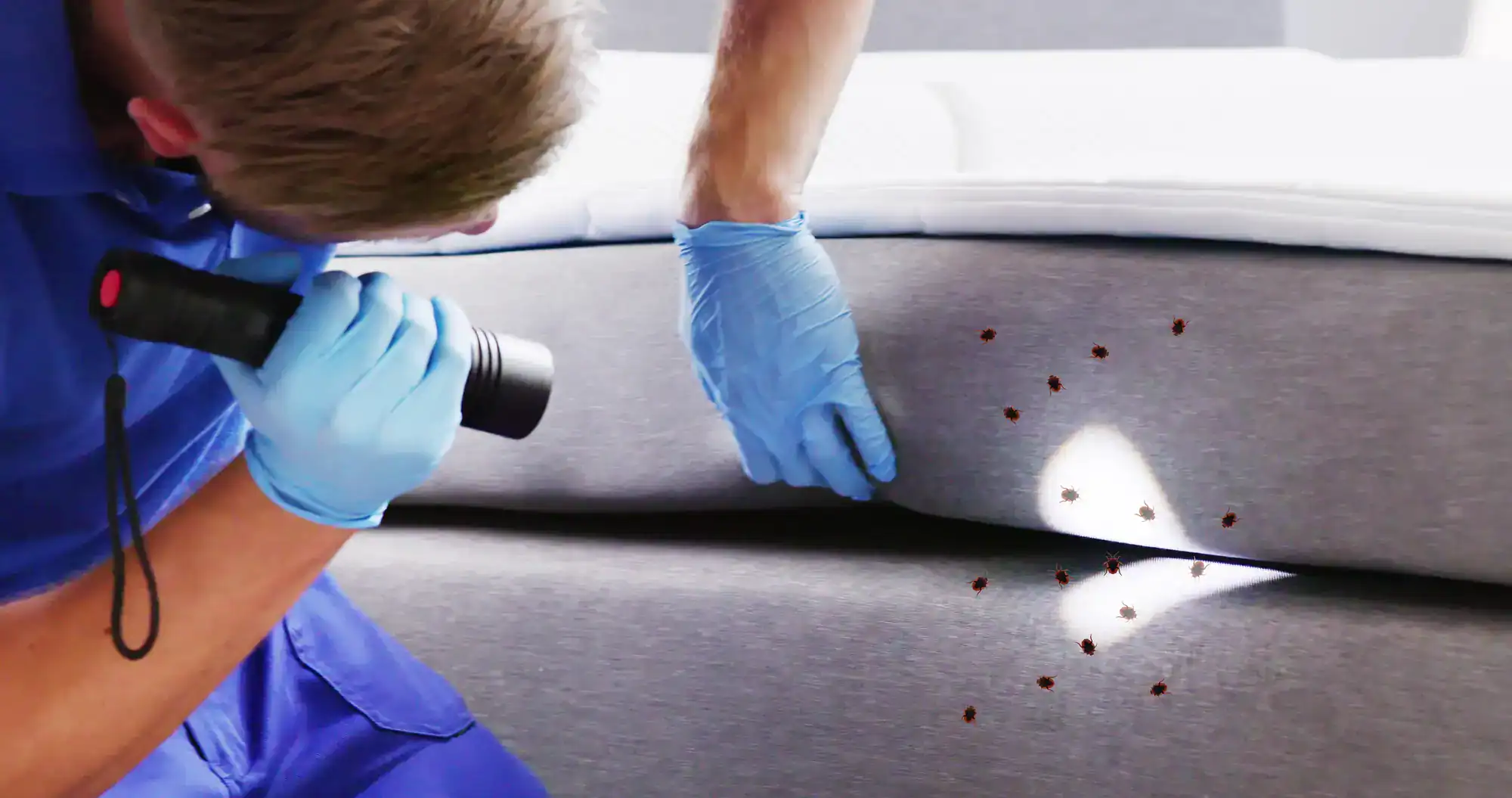
Finding bed bugs in your apartment is one of those moments that changes how you feel in your own home. You start sleeping lighter. You check the mattress before you get in bed. You wonder if they’re already in the next room or the next unit. That feeling doesn’t go away on its own, and it doesn’t go away with a can from the hardware store.
Sunset Park’s housing stock is some of the oldest and densest in Brooklyn. Century-old brownstones, attached rowhouses, prewar walk-ups with shared walls, shared laundry, original hardwood floors with gaps that have been there for a hundred years these buildings were not built with pest control in mind. Bed bugs don’t need much space to travel between units, and in a neighborhood where over 2,300 apartment buildings sit wall-to-wall, an untreated infestation in one unit rarely stays there.
When the treatment is done right, you get your home back. You stop dreading bedtime. You stop wondering if your neighbor’s problem just became yours. That’s the outcome not just fewer bugs, but actual peace of mind in a building type that makes this harder than it sounds. That’s what a certified specialist brings to the table that a general exterminator simply doesn’t.
We’ve been treating bed bugs in Brooklyn for over 50 years. Founded by Richard Kourbage and still family-owned and operated, Kingsway Exterminating Company holds a BBB A+ rating with accreditation dating back to May 5, 1989 longer than most competitors in this market have been in business. Our team carries over 100 years of combined pest control experience and holds a certified bedbug specialist designation, which goes beyond a standard exterminator license.
Sunset Park is a neighborhood we know well. The prewar brownstones along the residential hill between 4th and 8th Avenues, the multi-family walk-ups near the 8th Avenue corridor, the attached rowhouses that run block after block from 39th to 65th Street these aren’t abstract building types to us. They’re the buildings we’ve been treating for decades, and we understand how bed bugs move through them.
No upselling. No inflated assessments. You get an honest inspection, a clear treatment plan, and a company that picks up the phone at any hour because bed bug problems don’t wait for business hours.
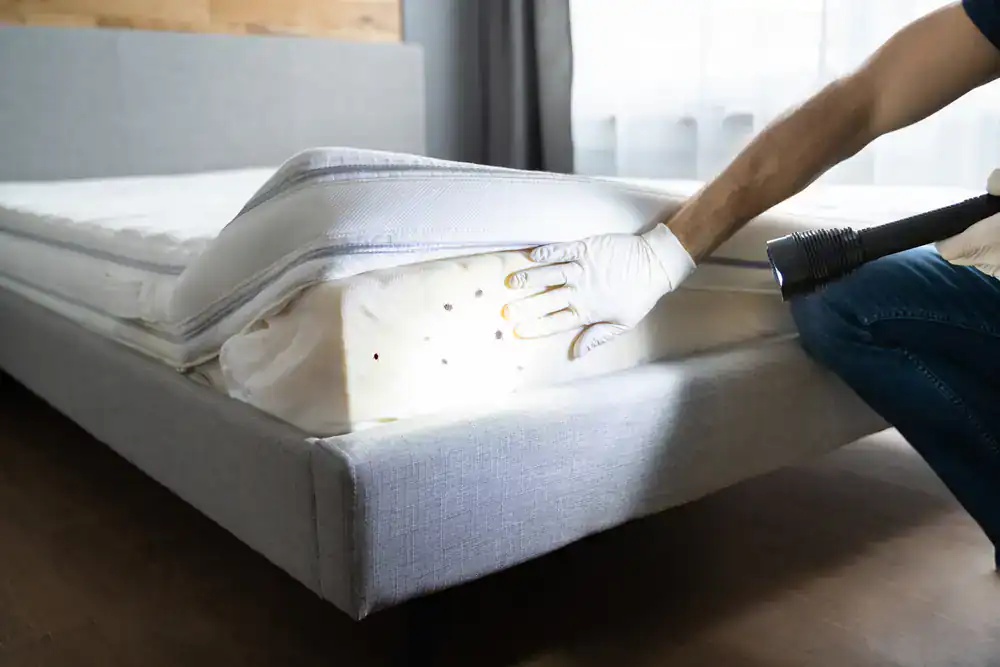
It starts with a call and someone answers, any time of day or night. From there, we schedule an inspection, typically same-day or within 48 hours. When our technician arrives, they’re not doing a quick visual sweep and handing you a quote for the most expensive package. They’re doing a thorough inspection of harborage points mattress seams, box spring folds, baseboards, wall voids, outlet covers, and the cracks in original hardwood floors that are common in Sunset Park’s older buildings. The inspection drives the treatment plan, not the other way around.
Treatment in multi-unit buildings like the ones throughout Sunset Park requires more than just treating the visible infestation. Bed bugs travel through shared walls, electrical conduits, and common laundry areas so our plan accounts for spread risk, not just the unit you called about. Depending on the severity and the building type, treatment may involve residual chemical application, steam, or a combination of methods applied across one or more visits.
After treatment, you’ll receive clear post-treatment instructions so you know exactly what to do and when it’s safe to return to normal use of the space. For renters dealing with unresponsive landlords, we can provide the documentation you need to support an HPD complaint including clearance certificates recognized by the NYC Department of Health. Most infestations require two to four follow-up visits over three to six weeks, and we stay with the job until it’s done.
Ready to get started?
Bed bug treatment in Sunset Park isn’t one-size-fits-all and it shouldn’t be. The neighborhood’s housing stock ranges from single-room occupancy units in prewar walk-ups to multi-family brownstones where four or five households share a building with one laundry room. Our treatment approach has to match the actual conditions, not a generic protocol.
We offer multiple treatment methods residual chemical application, steam treatment, and bed bug heat treatment in Sunset Park for cases where a single-session, all-life-stage solution is the right call. Heat treatment is especially effective in buildings where furniture cannot easily be removed or where chemical sensitivity is a concern for families with young children, which is a real consideration in a neighborhood where roughly one in five residents is under 15. Every method we use is EPA-registered and applied by a licensed, certified specialist under New York State Department of Environmental Conservation requirements.
For Sunset Park renters, we also provide HPD-compliant documentation and NYC Department of Health clearance certificates something that matters significantly in a neighborhood where multiple buildings have documented histories of landlord non-compliance with bedbug reporting requirements. If your landlord is dragging their feet, that paperwork gives you something to stand on. For landlords and property managers, it’s the documentation you need to come back into compliance. Either way, you’re covered.
Under the NYC Housing Maintenance Code, your landlord is legally required to maintain pest-free conditions in your rental unit. That includes bed bugs. If you report an infestation and your landlord fails to act within a reasonable timeframe, you can file a 311 complaint and request an HPD inspection. If a live infestation is confirmed, a violation is issued against the property.
This matters especially in Sunset Park, where multiple buildings have documented histories of HPD violations for failing to file the required annual Bedbug Infestation History reports a pattern that signals ongoing landlord non-compliance. If you’re in one of those buildings and your landlord is unresponsive, you’re not without options. We can provide the inspection documentation and clearance certificates you need to support your complaint and protect your rights as a tenant. The short answer: yes, your landlord is responsible and we can help you hold them to it.
Yes and in Sunset Park’s attached brownstones and prewar walk-ups, it happens more easily than most people realize. Bed bugs travel through shared walls, electrical conduits, plumbing chases, and shared laundry facilities. In a building with original construction from the 1890s or 1920s, there are often gaps and voids in the wall structure that give bed bugs a direct path between units. The older the building, the more routes they have.
This is why treating only the unit where the infestation was first noticed is often not enough. A thorough treatment plan in a multi-unit Sunset Park building needs to account for adjacent units and common areas, not just the apartment that called. When you contact us, the inspection includes an assessment of spread risk across the building because stopping an infestation in your unit while ignoring the wall you share with your neighbor is not a solution. It’s a delay.
Professional bed bug treatment in New York City typically ranges from $1,000 to $2,500 for a standard apartment, depending on the size of the unit, the severity of the infestation, and the treatment method used. More advanced cases particularly in larger multi-room units or situations where the infestation has spread to multiple rooms or adjacent units can run higher.
In Sunset Park specifically, the age and layout of the housing stock can affect treatment scope. Prewar buildings with original plaster walls, hardwood floors, and shared infrastructure often require more thorough harborage treatment than newer construction. That said, the cost of a professional treatment done right is significantly less than the cost of a failed DIY attempt followed by a worsening infestation. Bed bugs are increasingly resistant to over-the-counter products, and in a dense multi-unit building, every week of delay increases the risk of spread. We provide free estimates with no obligation so you know exactly what you’re looking at before you commit to anything.
Preparation matters, and our technician will walk you through the specifics based on your unit and the treatment method being used. In general, you’ll want to wash and dry all bedding, clothing, and soft items on high heat before the appointment, bag them in sealed plastic, and keep them out of the treated areas until clearance is given. Furniture should stay in place moving it around can actually spread bugs to areas that haven’t been treated yet.
In Sunset Park apartments, where many units have limited floor space and shared laundry facilities in the basement, the prep process requires some planning. If you’re using a shared laundry room, bag your items before you carry them down don’t risk spreading bugs through the building’s common areas. If there are children or pets in the unit, our technician will give you specific guidance on when it’s safe to return and which areas to avoid immediately after treatment. We provide written preparation instructions in advance so you’re not guessing on the day of the appointment.
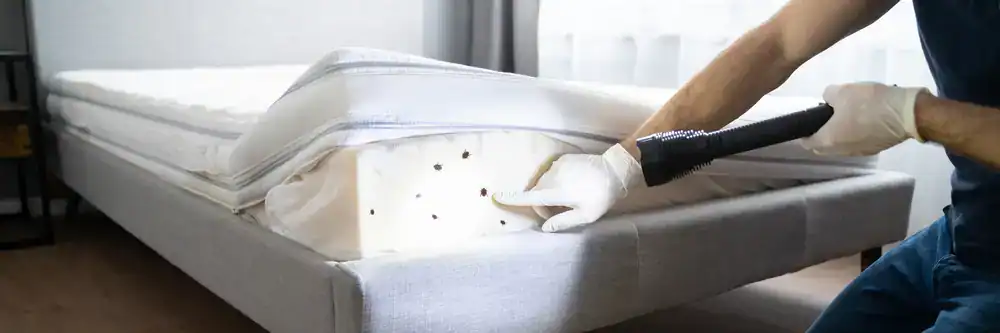
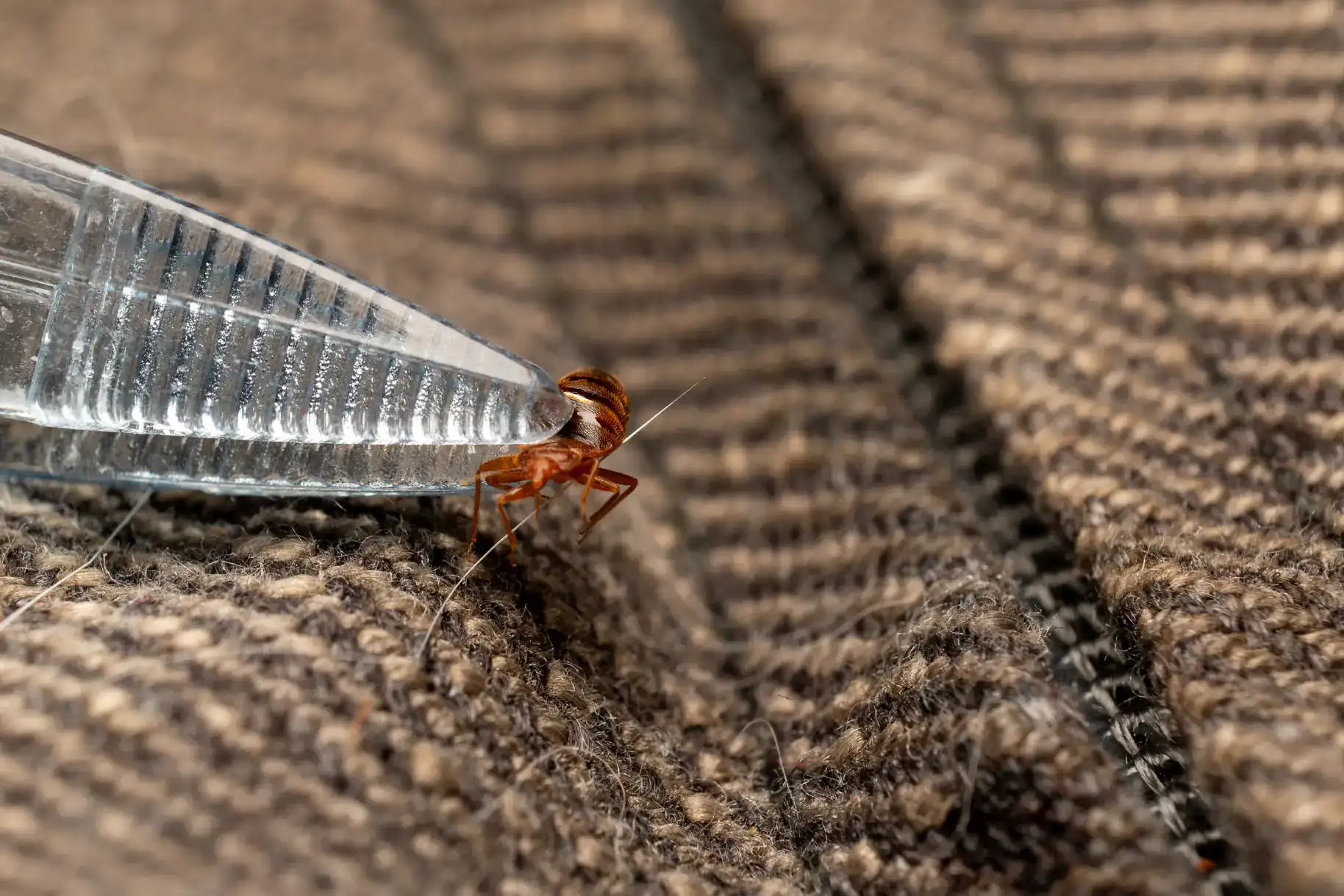
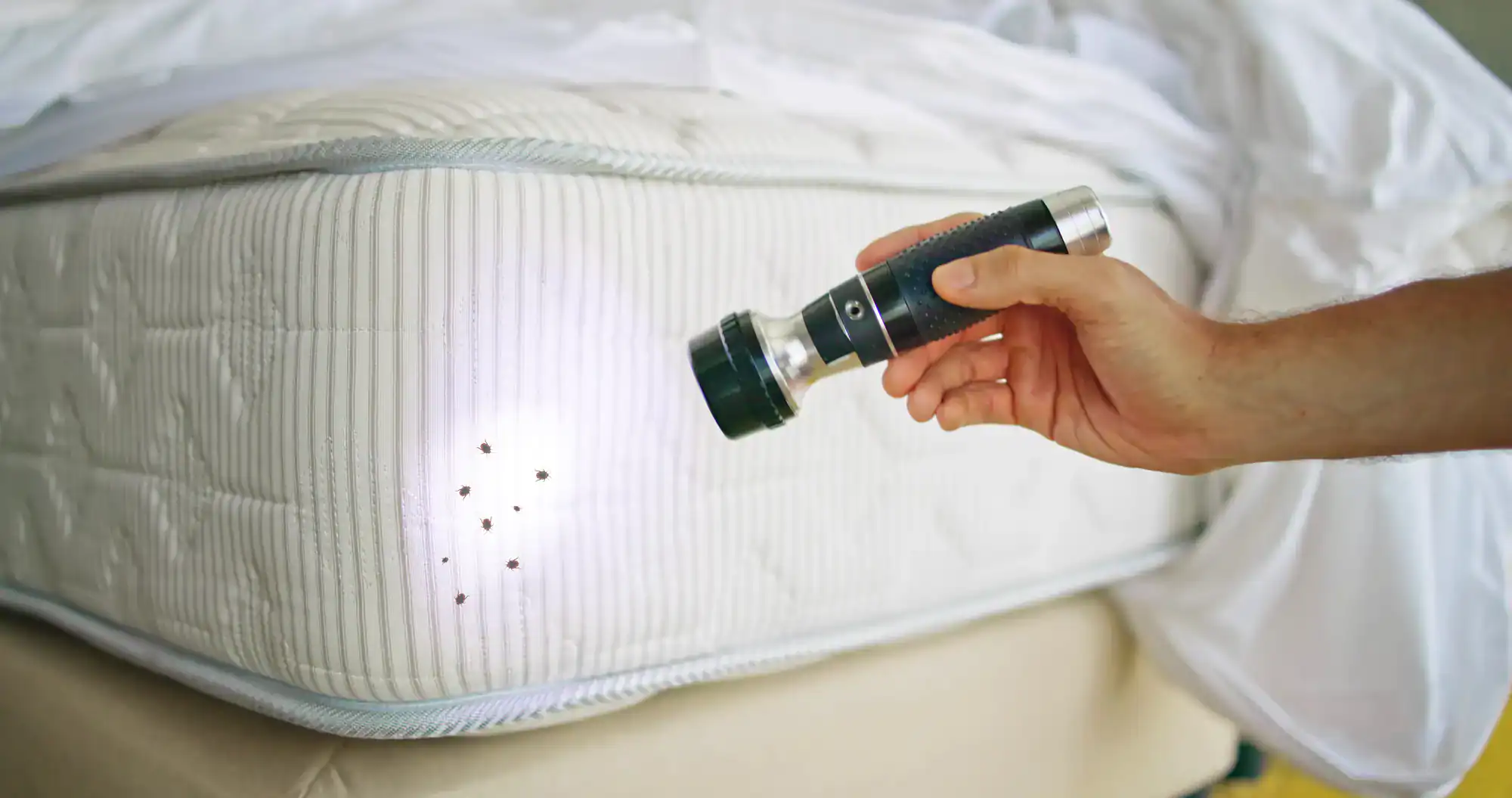
Bites alone aren’t a reliable indicator bed bug bites look similar to mosquito bites, flea bites, and even allergic reactions, and some people don’t react to them at all. The more reliable signs are physical evidence in the bed and surrounding area: small rust-colored stains on the mattress or sheets from crushed bugs, tiny dark spots (fecal matter) along the mattress seams or behind the headboard, shed exoskeletons near the seams or in crevices, or a live bug small, flat, and brownish, about the size of an apple seed.
In Sunset Park’s older apartments, the most common harborage points are mattress and box spring seams, the gap between the mattress and the wall, baseboards, and the cracks in original hardwood floors. If you’re seeing any of the physical signs above especially in combination with bites it’s worth getting a professional inspection before assuming it’s something else. A certified inspection takes the guesswork out of it, and it costs you nothing to get eyes on the situation before committing to treatment.
Bed bugs don’t come from filth that’s one of the most persistent and damaging myths about them. They come from movement: luggage, secondhand furniture, clothing, public transit, hotels, and any shared space where people pass through. In Sunset Park, that list is long. The neighborhood has one of the highest population densities in Brooklyn, with thousands of residents commuting daily on the N, R, and D trains, a large immigrant community with strong international travel ties, active commercial corridors on 5th and 8th Avenues, and a growing visitor base drawn to Industry City on the waterfront.
The most common introduction vectors are international travel (especially to regions where bed bugs are endemic), picking up secondhand furniture left on the street a common practice in working-class neighborhoods where budgets are tight and bringing infested items in from another location without realizing it. To reduce your risk: inspect secondhand furniture before bringing it inside, use hard-shell luggage when traveling and keep bags off the floor and bed in hotels, and check your clothing and bags after spending time in heavily trafficked spaces. If you live in a building where a neighbor has had bed bugs, that’s also a risk factor worth monitoring which is another reason early inspection matters.
Useful Links
Other Services we provide in Sunset Park