Hear from Our Customers
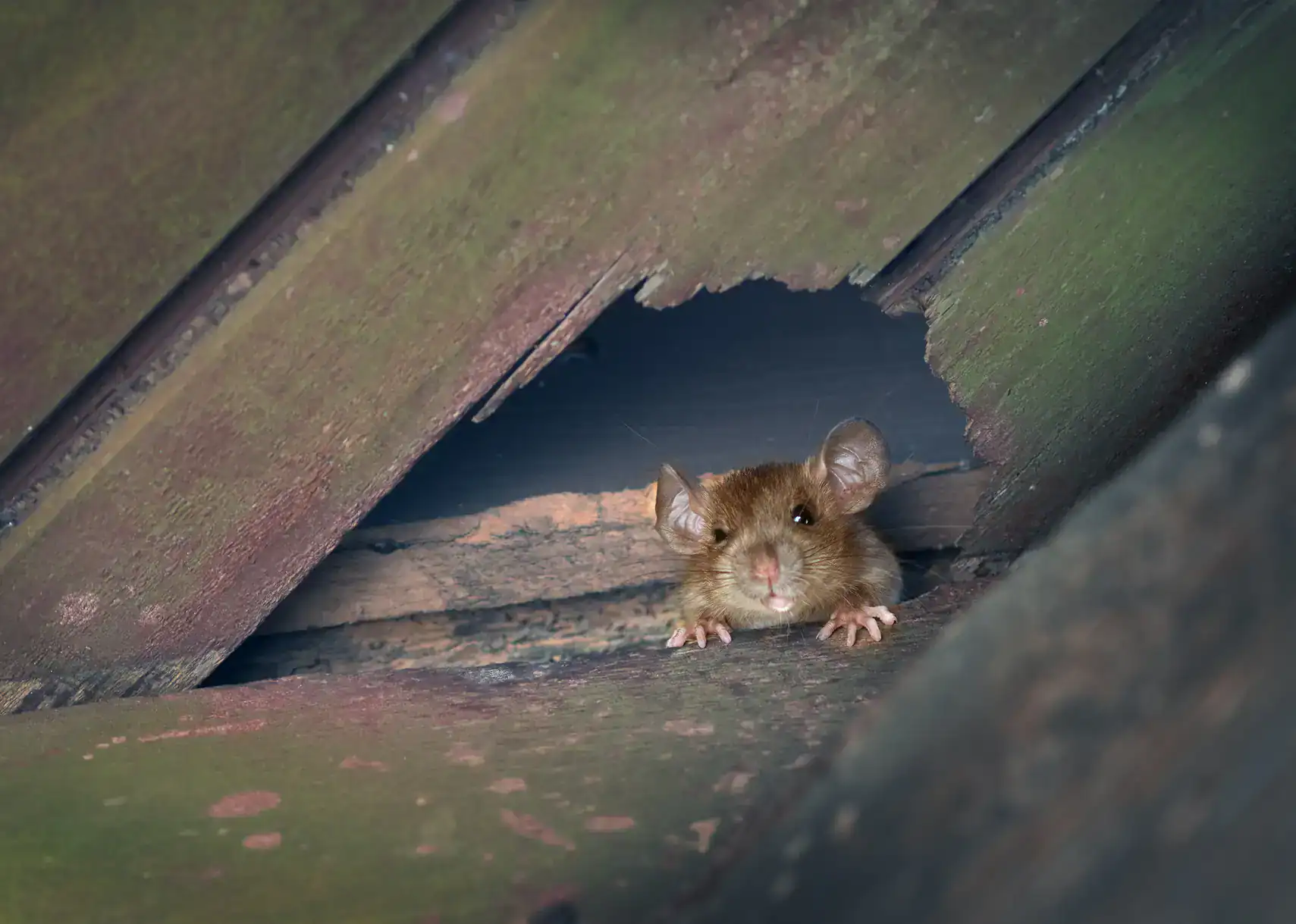
When rodent control actually works, you stop finding droppings behind the stove. You stop hearing movement in the walls at 2 a.m. You stop wondering whether the problem is gone or just quiet for now. That’s the difference between a real solution and a temporary fix and it’s exactly what Sunset Park homeowners deserve after dealing with a problem this persistent.
The row houses between 4th and 6th Avenues were built over a century ago. Their shared walls, original masonry foundations, and aging plumbing create hidden pathways that rodents use to move between units without ever being seen. Treating one apartment while the building’s structure stays open is like bailing water without plugging the hole. Effective rodent pest control in Sunset Park means addressing how they’re getting in not just where they showed up.
The food corridors on 8th Avenue and 5th Avenue don’t close seasonally. That means the rat population feeding off those blocks is active year-round, and the pressure on surrounding residential buildings doesn’t let up. When the source is continuous, the solution has to be built to last exclusion work, not just bait stations.
We were founded in Brooklyn in 1976 by Richard Kourbage Sr. His sons Richard Jr. and Charles joined the business in the late 1980s, and the company has been family-run ever since. That’s not a marketing angle it just means the people doing this work have a personal stake in getting it right, and we’ve been doing it in the same borough long enough to know exactly what we’re dealing with.
Sunset Park’s housing stock Victorian row houses, three-family brownstones, pre-war multi-family buildings is the kind of construction we’ve worked in for decades. We know how rodents move through plumbing chases in attached row houses. We know what a Norway rat burrowing beneath a stoop looks like versus a mouse traveling through a wall void. This isn’t generic pest control applied to Brooklyn from somewhere else. It’s rodent control built around how Sunset Park is actually constructed.
We hold an A+ rating with the Better Business Bureau and have been BBB accredited since 1989. We’re licensed, bonded, insured, and apply only NYSDEC-registered materials on every job.
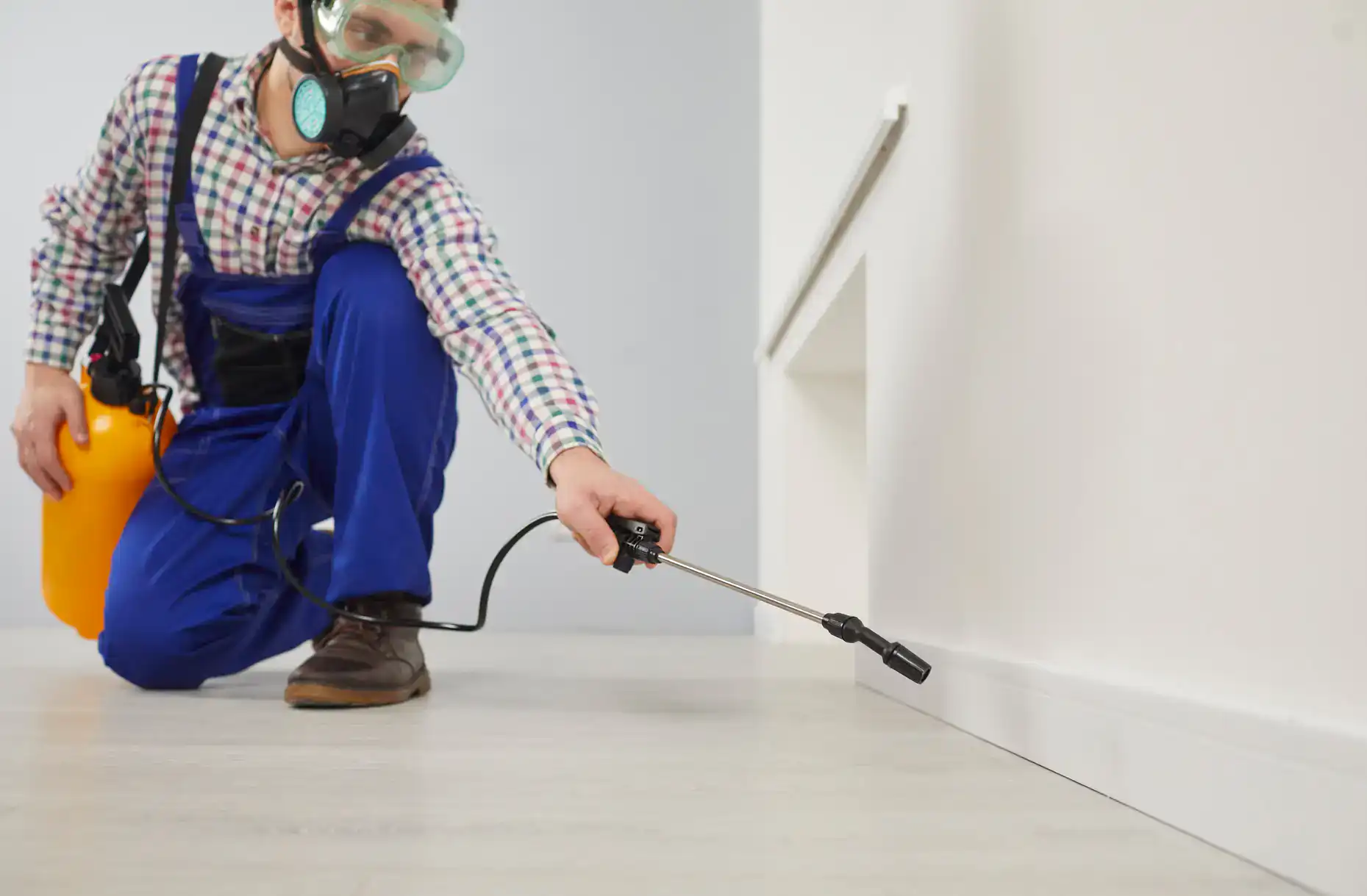
It starts with a thorough inspection interior and exterior. Before anything gets applied or sealed, we need to understand where the rodents are entering, where they’re nesting, and what’s sustaining them. In Sunset Park, that often means checking foundation mortar joints, gaps around utility penetrations, basement access points, and any exterior areas where harborage has developed. If your building sits within a few blocks of 3rd Avenue and the elevated Gowanus Expressway, the inspection accounts for that pressure specifically.
From there, the treatment plan is built around what we actually found not a one-size-fits-all package. That might include interior snap traps or bait stations in targeted locations, exterior rodent bait stations along the building perimeter, and exclusion work to seal the entry points that are letting them in. Exclusion is the part most companies skip, and it’s the part that makes the difference between solving the problem and managing it indefinitely.
After the initial treatment, we follow up to assess activity, remove any rodents caught, and confirm the exclusion work is holding. Under the NYC Housing Maintenance Code, landlords in Sunset Park are legally required to maintain properties free of vermin if you’re a property owner managing multiple units, we can provide the documentation you need for compliance. Every step is explained before we do it, and you’ll know exactly what was done when we leave.
Ready to get started?
Rodent control in Sunset Park covers both rats and mice and in this neighborhood, Norway rats are the primary concern. They burrow, they chew through concrete, and they’re not deterred by DIY bait from a hardware store. The residents quoted in the Brooklyn Paper weren’t exaggerating when they described rats chewing through their stoops and burrowing into their foundations. That level of activity requires a professional approach that includes inspection, treatment, and exclusion not just one of the three.
Every job includes a full property inspection to identify active entry points and harborage areas, followed by targeted interior and exterior treatment using NYSDEC-registered materials that are safe for households with children and elderly residents. For Sunset Park’s multi-family row houses and three-family buildings, we assess shared wall conditions and basement access points that allow rodents to move between units because an infestation in one unit of an attached building is rarely contained to just that unit.
For property managers and landlords overseeing multiple units in Sunset Park, we also provide commercial rodent control services with service documentation for Housing Maintenance Code compliance. Whether you’re a homeowner on 46th Street, a renter whose landlord hasn’t acted, or a property manager dealing with a building-wide issue, the process is built around your actual situation not a generic treatment plan.
The most common reason rodents keep coming back is that the entry points were never sealed. Treatment bait, traps, poison reduces the population that’s already inside, but it doesn’t stop new rodents from entering through the same gaps. In Sunset Park specifically, the food sources sustaining rat populations on and around 8th Avenue and 5th Avenue are continuous. That means there’s always pressure on residential buildings from outside, and if your foundation has open mortar joints, gaps around pipes, or deteriorated masonry, new rodents will move in to replace the ones that were removed.
The fix isn’t more bait it’s exclusion. That means physically sealing every viable entry point: steel wool and caulk around pipe penetrations, hardware cloth over vents, repaired mortar along foundation walls, door sweeps on exterior basement doors. Until that work is done, treatment alone is a temporary measure. A professional inspection will tell you exactly where your building is vulnerable, and that’s where the real solution starts.
Norway rats can squeeze through a gap the size of a quarter, and house mice need even less space about the diameter of a dime. In Sunset Park’s pre-war row houses and brownstones, the most common entry points are gaps where utility pipes enter the foundation, deteriorated mortar joints in brick foundations, openings around basement window frames, unscreened floor drains, and the shared wall voids between attached units where plumbing and electrical conduits run.
The attached construction of Sunset Park’s row houses is a particular challenge. Because units share walls, rodents can move laterally through plumbing chases and wall voids from one end of a building to the other without ever being exposed. An infestation that appears to be isolated to one unit often has its origin point in a basement or ground-floor space that’s accessible to the entire structure. That’s why a thorough inspection not just a visual walkthrough of the affected unit is the right starting point.
Yes, and it’s a well-documented dynamic in urban pest control. When large-scale construction or renovation disrupts established rodent harborage as has been happening with the ongoing redevelopment of Industry City, the Brooklyn Army Terminal, and the South Brooklyn Marine Terminal displaced rat colonies migrate into the nearest available shelter. For residents in the blocks surrounding the waterfront, that often means a sudden increase in rodent activity that feels like it came out of nowhere.
If you’ve noticed more activity in your building over the past year or two and you’re within several blocks of the waterfront or 3rd Avenue, construction displacement is likely a contributing factor. This doesn’t mean the problem is temporary once rats establish a new harborage in a residential building, they don’t leave on their own. Professional rodent removal in Sunset Park that includes exclusion work is the right response, especially for buildings on the western side of the neighborhood where waterfront pressure is most direct.
The CDC documents over 35 diseases that rats and mice can spread to humans and not all of them require direct contact with a live rodent. Hantavirus, for example, can be contracted by breathing in dust contaminated with rodent droppings or urine, which means an infestation that’s been active in a wall void or basement can create a health risk even after the rodents are gone. Other diseases spread through rodents include leptospirosis, salmonella, and rat-bite fever.
In a neighborhood like Sunset Park where 22% of Community Board 7 residents are children under 17 the health stakes of an untreated infestation are real and immediate. Parents in the neighborhood’s large immigrant communities often ask about the safety of pest control treatments for their families, which is a completely reasonable question. We apply only NYSDEC-registered materials, which have been reviewed and approved by New York State regulators for safety and efficacy. We’ll walk you through exactly what’s being used and why before any treatment begins.
Under the NYC Housing Maintenance Code, landlords are legally required to keep rental properties free of rats and other vermin. If your landlord has failed to address a documented rodent infestation, you have a few options. You can file a complaint through 311, which triggers an inspection by the NYC Department of Health and Mental Hygiene. If violations are confirmed, the city can issue a Commissioner’s Order to Abate, which formally requires the landlord to remediate the problem within a set timeframe and can result in fines for non-compliance.
That said, many Sunset Park renters have found that 311 complaints move slowly and don’t always produce fast results which is consistent with what residents told the Brooklyn Paper when describing the neighborhood’s rat problem. If you need the issue addressed now, we can work directly with your landlord or property manager to provide professional rodent control services and the documentation needed for Housing Maintenance Code compliance. We’re familiar with how these situations work in Brooklyn and can help move things forward without you having to navigate it alone.
For a standard residential rodent treatment in the Sunset Park area, most professional services run somewhere between $200 and $500 depending on the size of the property, the severity of the infestation, and whether exclusion work is included. Exclusion the physical sealing of entry points is typically priced separately from the initial treatment, and the cost varies based on how many access points need to be addressed and what materials are required. For multi-unit buildings or commercial properties, pricing is assessed based on the scope of the job.
It’s worth framing the cost against what you’re already spending. Rats chewing through concrete, gnawing on electrical wiring, and damaging insulation inside walls creates repair costs that can run well into the hundreds or thousands of dollars and the NPMA estimates rodents are responsible for up to 25% of unexplained house fires annually due to chewed wiring. One professional treatment that actually solves the problem is almost always less expensive than repeated DIY attempts that don’t hold, plus the property damage that accumulates in the meantime. We offer free phone consultations and free estimates there’s no cost to find out exactly what you’re dealing with.
Useful Links