
Hear from Our Customers
You stop dreading the kitchen at night. You stop finding them behind the stove, under the sink, or along the baseboard at 2 a.m. That shift from bracing for it to not thinking about it is what real cockroach pest control in Prospect Lefferts Gardens is supposed to deliver.
But in PLG, the challenge runs deeper than most neighborhoods. The prewar apartment buildings along Maple Street, Hawthorne Street, and the blocks off Rogers Avenue weren’t built with pest barriers in mind. Shared walls, aging plumbing stacks, and open utility runs between floors mean roaches don’t stay in one unit. They travel. And treating just your apartment while the building around you stays untreated is like patching one hole in a net.
There’s also the Prospect Park factor. Buildings along Ocean Avenue and the surrounding blocks in Prospect Lefferts Gardens face seasonal pressure from American cockroaches waterbugs that migrate out of the park’s drainage systems and sewer lines during heavy spring and summer rains. That’s a geography-specific problem, and it requires a treatment approach that accounts for entry points at the foundation level, not just what’s visible inside your walls. When cockroach control is done right here, it addresses the building, the entry points, and the conditions driving the problem not just the insects you can see.
We’ve been operating out of Brooklyn since before most of today’s Prospect Lefferts Gardens residents arrived. Kingsway Exterminating was founded by Richard Kourbage Sr. and has stayed family-owned through five decades of Brooklyn’s transformation through the changes on Flatbush Avenue, the shifts in the neighborhood, and the buildings that have stood through all of it. Richard Kourbage Jr. joined in 1987, and the team we’ve built together brings more than 100 years of combined pest control experience to every job.
Our home base is at 2216 Flatbush Avenue in Marine Park the same Flatbush Avenue corridor that runs along the edge of Prospect Lefferts Gardens. That’s not a coincidence worth ignoring. It means the technicians who show up at your building know Brooklyn’s prewar housing stock the way most exterminators know a brochure. We’ve treated the same aging infrastructure, the same shared-wall configurations, the same basement utility layouts hundreds of times over.
We hold an A+ rating with the Better Business Bureau of New York State, are fully licensed, bonded, and insured, and use only NYS Department of Environmental Conservation Registered Materials. Every technician is DEC-certified. That’s the baseline you should expect and it’s what we consistently deliver.
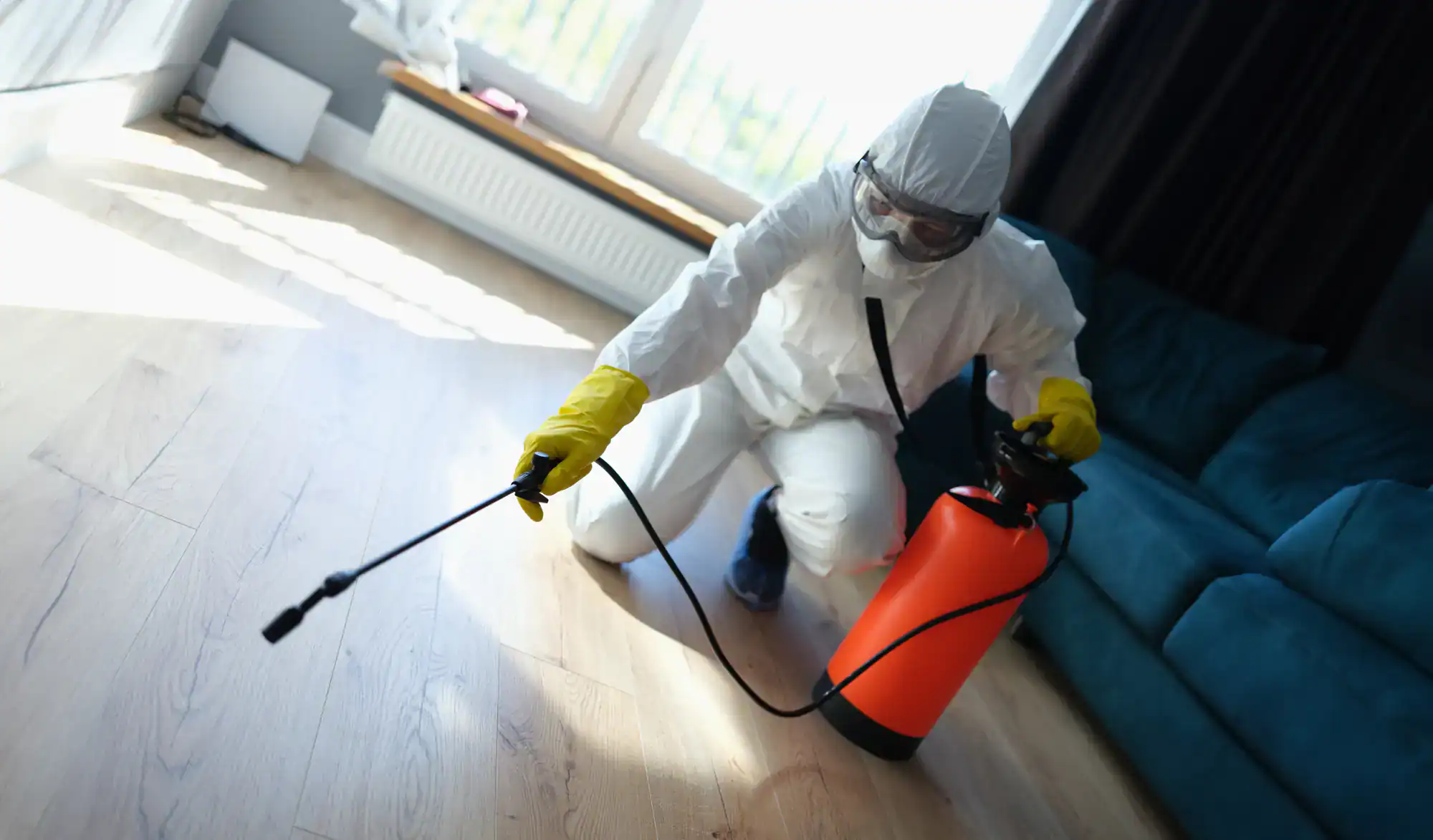
It starts with a thorough inspection not a quick walk-through, but a real assessment of where the infestation is concentrated, how it’s moving, and what’s allowing it to persist. In Prospect Lefferts Gardens’ multi-unit buildings, that means looking beyond your apartment walls. Cockroaches travel through plumbing penetrations, electrical conduits, and wall voids. The inspection accounts for all of it.
From there, treatment is applied using NYS DEC Registered Materials targeted to the harborage sites, entry points, and travel routes identified during the inspection. For German cockroaches, that typically means gel baits and crack-and-crevice treatments in the kitchen and bathroom areas where they concentrate. For American cockroaches coming in from the building’s foundation or drain lines a common issue for buildings near Prospect Park’s perimeter treatment focuses on the points of entry, not just the interior.
After treatment, we walk you through what to expect: how long before activity drops, what the follow-up looks like, and what ongoing maintenance options are available if your building needs a longer-term plan. For property managers dealing with building-wide infestations or HPD violation pressure, we can coordinate multi-unit treatment schedules and provide the documentation you need for compliance. This isn’t a one-visit-and-done approach. It’s a process built around actually solving the problem.
Ready to get started?
We handle cockroach pest control for individual tenants, multi-unit residential buildings, and commercial establishments all with the same licensed, insured, and DEC-compliant approach. In Prospect Lefferts Gardens, where the housing stock ranges from 1930s red-brick co-ops to subdivided brownstones to newer condominiums along the Flatbush Avenue corridor, the service is adapted to what the building actually requires.
For residential tenants, that means thorough interior treatment with products that are safe for families including children and pets and a clear explanation of what was applied and why. If you’re a renter whose landlord has been slow to act, you don’t have to wait. Under New York City’s Housing Maintenance Code, landlords are legally required to maintain pest-free conditions but we can treat your unit directly while that process plays out. For property managers and building owners, we offer ongoing maintenance schedules monthly, every other month, or weekly to keep buildings ahead of HPD violations and prevent the kind of building-wide infestations that are common in Prospect Lefferts Gardens’ older housing stock.
For commercial clients along Flatbush Avenue and Rogers Avenue, we respond to NYC Department of Health inspection concerns and can issue Demolition Clearance Certificates to the NYC Department of Health. Cockroach activity during a DOH inspection can result in a failing grade or forced closure we have the credentials and the experience to help you avoid that. A 10% senior discount is also available for qualifying residents, reflecting our long-standing commitment to the communities we have served across Brooklyn for more than five decades.
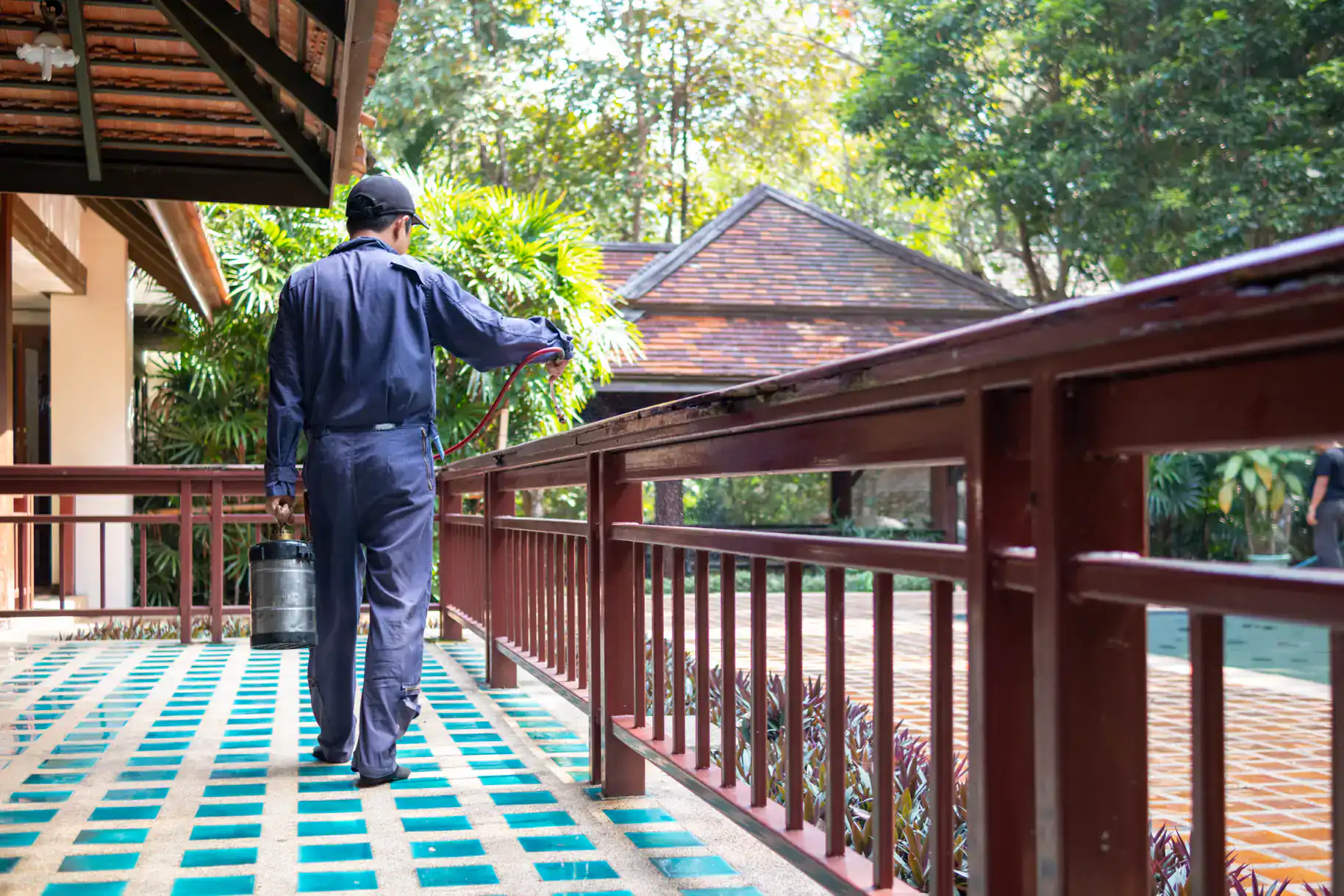
This is the most common frustration in Prospect Lefferts Gardens, and the answer almost always comes down to the building not your apartment. In prewar and older multi-unit buildings, cockroaches move through shared wall voids, plumbing stacks, and utility penetrations between units. If your unit gets treated but neighboring units or the building’s common areas don’t, reinfestation is essentially guaranteed. The roaches have nowhere to go except back through the same pathways they used to get in.
This is why building-level coordination matters so much in Prospect Lefferts Gardens specifically. A single-unit treatment can reduce the population you’re seeing, but without addressing the broader harborage conditions in the building, it’s a temporary fix. We work with both individual tenants and property managers, and when a building-wide approach is needed, that’s exactly what we recommend not because it’s a bigger job, but because it’s the only approach that actually works in this type of housing stock.
Yes, under New York City’s Housing Maintenance Code, landlords are legally required to keep rental properties free of pests including cockroaches. If you’ve reported the problem and your landlord hasn’t responded adequately, you can file a complaint with the NYC Department of Housing Preservation and Development (HPD) through 311, and HPD can issue violations and require remediation. Buildings in Prospect Lefferts Gardens have documented HPD pest violations on record this is a known issue in the neighborhood, not an unusual situation.
That said, legal requirements don’t always translate into fast action. If your landlord is slow to respond or the building-contracted exterminator isn’t getting results, you have the option to hire us directly for your unit. You don’t have to wait out a landlord dispute while living with an active infestation. We treat individual apartments and can also work alongside building management if and when they engage the goal is getting your home clear, regardless of how the landlord side of the equation resolves.
German cockroaches and American cockroaches commonly called waterbugs are two distinct species, and they behave very differently. German cockroaches are smaller, light brown, and almost exclusively live indoors. They concentrate in kitchens and bathrooms, reproduce rapidly, and are the species most commonly responsible for persistent apartment infestations. If you’re seeing roaches near your stove, under your sink, or in cabinet hinges, that’s almost certainly a German cockroach problem.
Waterbugs are larger, darker, and spend most of their time in sewers, drains, and outdoor environments. In Prospect Lefferts Gardens, buildings near Prospect Park’s eastern perimeter particularly along Ocean Avenue and the surrounding blocks see elevated waterbug pressure during spring and summer when heavy rains push them out of the park’s drainage systems and into building foundations and drain lines. It’s entirely possible to have both species in the same building, and the treatment approach for each is different. A proper inspection will identify which species you’re dealing with and where they’re entering from that’s the starting point for any effective cockroach control plan.
This is a completely reasonable concern, and it’s one we take seriously. Every product we use is registered with the New York State Department of Environmental Conservation and applied by DEC-certified technicians. These aren’t off-the-shelf sprays they’re professional-grade materials selected and applied in a way that targets cockroach harborage sites while minimizing exposure to the rest of the living space.
For families with children or pets, we’ll walk you through exactly what was applied, where, and how long you should keep children and pets away from treated areas before returning to normal use. In most residential treatments, that window is relatively short and the technician will give you specific guidance based on what was used in your unit. If you have specific sensitivities or concerns, raise them before the treatment begins. The goal is a clear home that’s also a safe one, and those two things aren’t in conflict when the work is done properly.
The treatment itself typically takes one to two hours for a standard apartment, depending on the size of the unit and the extent of the infestation. For multi-unit buildings or commercial spaces along Flatbush Avenue, the timeline extends based on scope but we work efficiently and will give you a realistic estimate before the job begins.
As for when you’ll stop seeing roaches that depends on the species and the severity. With German cockroaches, it’s normal to see some activity in the days immediately following treatment as the population is disrupted. Most people notice a significant drop within one to two weeks. With waterbugs, if entry points at the foundation or drain level have been sealed and treated, you should see a reduction fairly quickly though seasonal pressure from Prospect Park’s drainage perimeter means some ongoing vigilance is warranted during spring and summer months. If activity persists beyond what’s expected, we follow up. The process doesn’t end when the technician leaves.
Yes we offer a 10% discount for senior residents. Prospect Lefferts Gardens has a significant population of long-term residents who have lived in the neighborhood for decades, many of whom are on fixed incomes and dealing with pest problems in older buildings that have needed attention for years. The discount reflects the reality of that situation not a promotional gimmick, but a straightforward acknowledgment that the people who built this community deserve straightforward access to professional pest control without the premium pricing that some providers charge in a gentrifying neighborhood.
If you or someone in your household qualifies, mention it when you call. There’s no complicated process we’ll apply the discount to your service. For seniors living in multi-unit buildings where the landlord has been slow to address a roach problem, this is also a good moment to ask about what your rights are under the NYC Housing Maintenance Code. We can point you in the right direction on that front as well.
Useful Links
Other Services we provide in Prospect Lefferts Gardens