
Hear from Our Customers
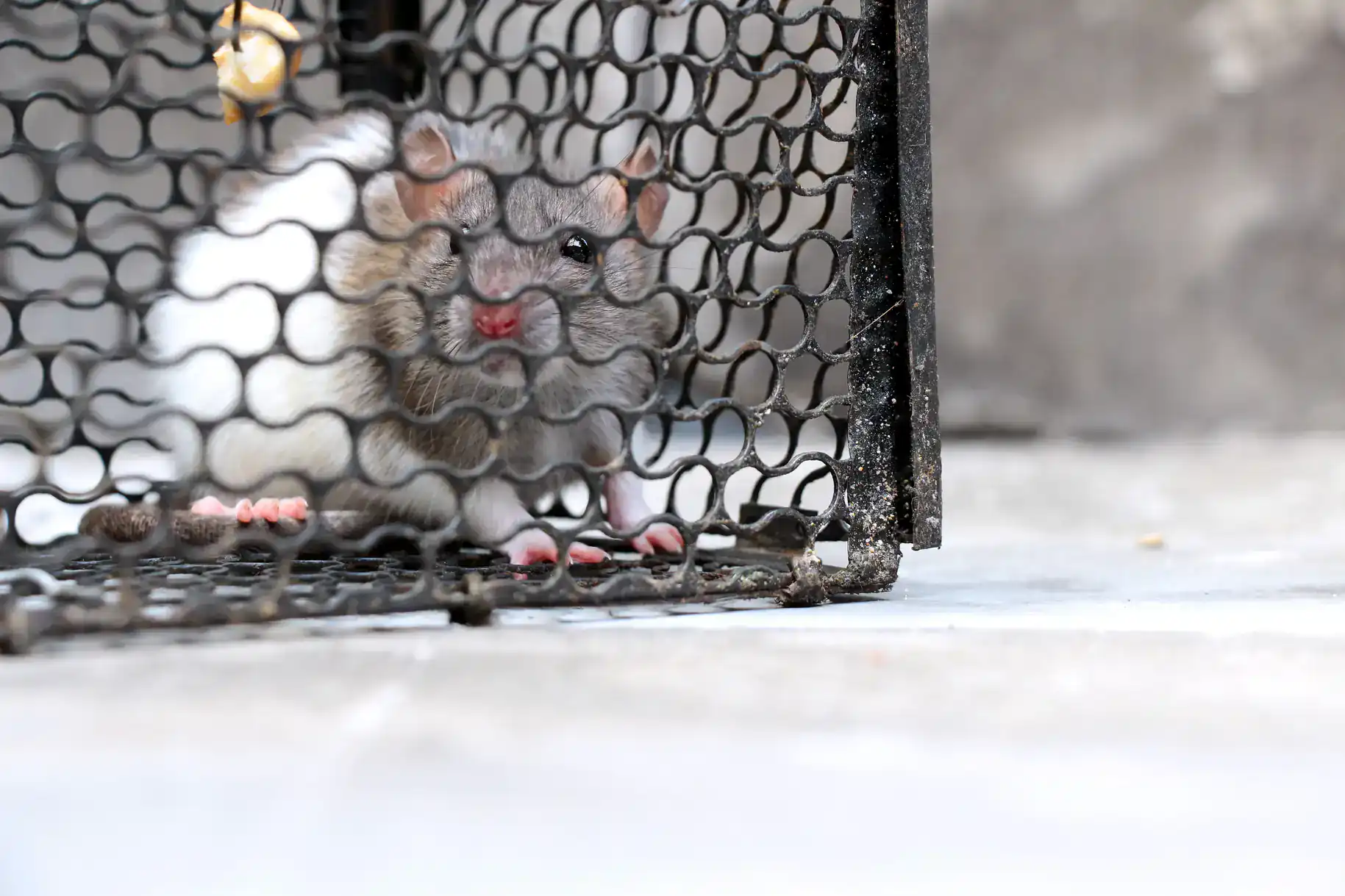
You stop hearing scratching in the walls at night. You stop finding droppings behind the stove. You stop buying traps that catch one mouse and do nothing about the next three coming through the same gap in your foundation. That’s what real rodent control looks like not a one-time visit that masks the problem, but a thorough process that finds out where they’re getting in and closes it off for good.
In Prospect Lefferts Gardens, that’s harder than it sounds. Most of the homes here were built before World War II, and a century of aging pipe penetrations, worn door thresholds, and cracked masonry means there’s no shortage of entry points. The attached row houses that line blocks like Maple Street and Midwood Street make it worse rodents move freely through shared wall cavities and basement connections between units. Your neighbor’s problem becomes yours, whether you asked for it or not.
And then there’s the park. Prospect Park sits right on PLG’s western edge, and its tree beds and wooded areas are documented rat harborage zones. Rats forage up to 150 feet from their nesting sites which means residents along Ocean Avenue and Parkside Avenue are dealing with external pressure that never fully goes away. The goal isn’t just to remove what’s inside your home. It’s to make your home a place rodents can’t get back into.
We founded Kingsway Exterminating in Brooklyn in 1971. Richard Kourbage Sr. built the company from the ground up, and his sons Richard Jr. and Charles have been running it alongside him since the late 1980s. That’s three people with a combined century of experience in Brooklyn pest control and a family name attached to every job we take.
We hold an A+ rating with the Better Business Bureau and have maintained BBB accreditation since 1989. That’s not a recent achievement. It’s 35 consecutive years of accountability to a third-party standard, which you can verify independently at any time. We’re fully licensed, bonded, and insured, and we apply only NYS Department of Environmental Conservation registered materials which matters in New York, where hiring an unlicensed applicator creates real legal liability for property owners.
We’re based on Flatbush Avenue in Marine Park the same Flatbush Avenue that runs straight through the heart of Prospect Lefferts Gardens. This isn’t a company driving in from another borough. New York attorneys and real estate brokers across Brooklyn refer clients to us regularly, including buyers and sellers navigating Prospect Lefferts Gardens’ active market for landmark row houses and prewar brownstones.
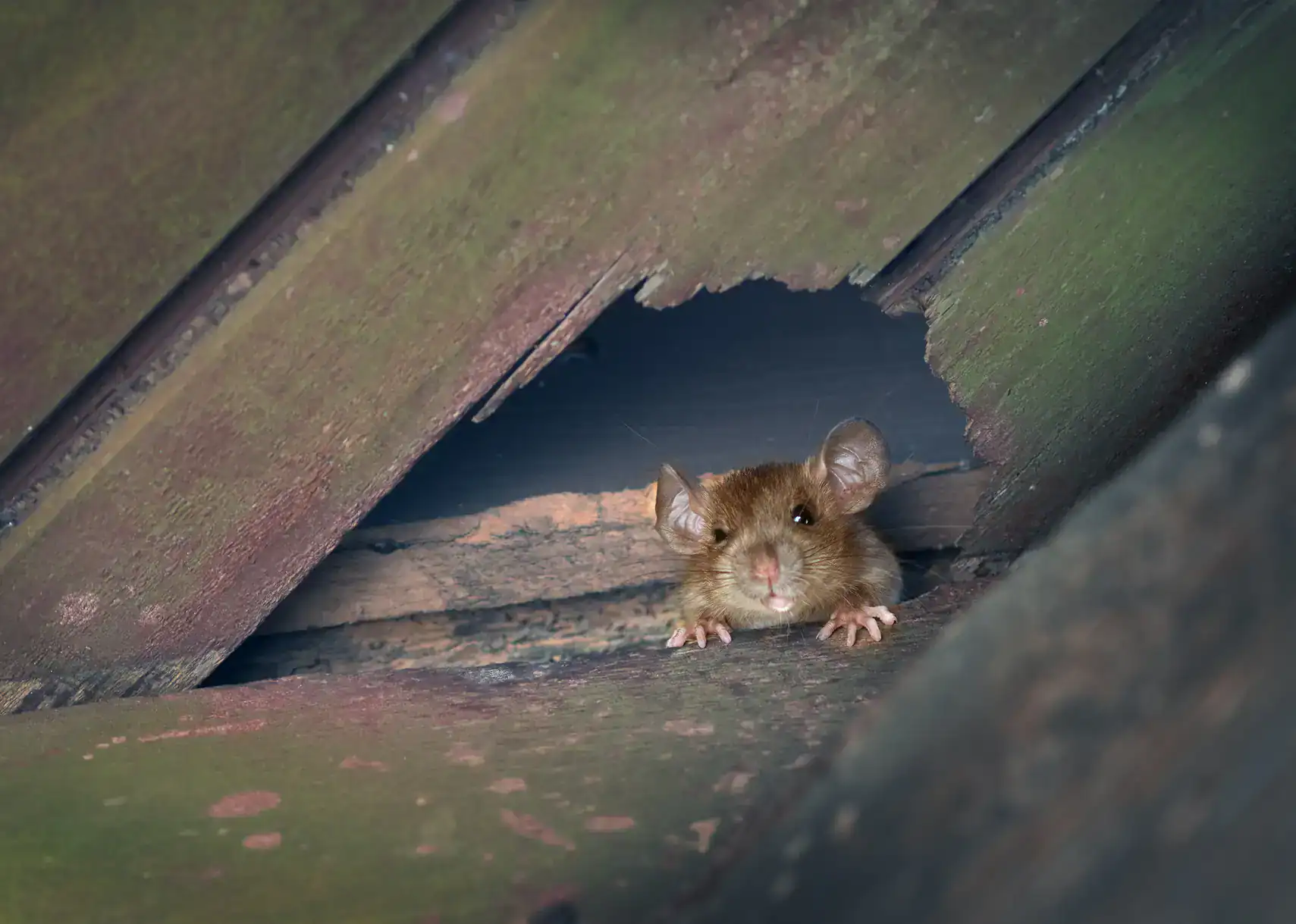
It starts with a thorough inspection interior and exterior. In Prospect Lefferts Gardens’ prewar housing stock, that means checking foundation walls, basement connections, pipe penetrations, utility entries, and the gaps around aging door frames that most people overlook. In an attached row house, it also means understanding how the building connects to adjacent units, because treating one space without accounting for shared pathways is how infestations come back two weeks later.
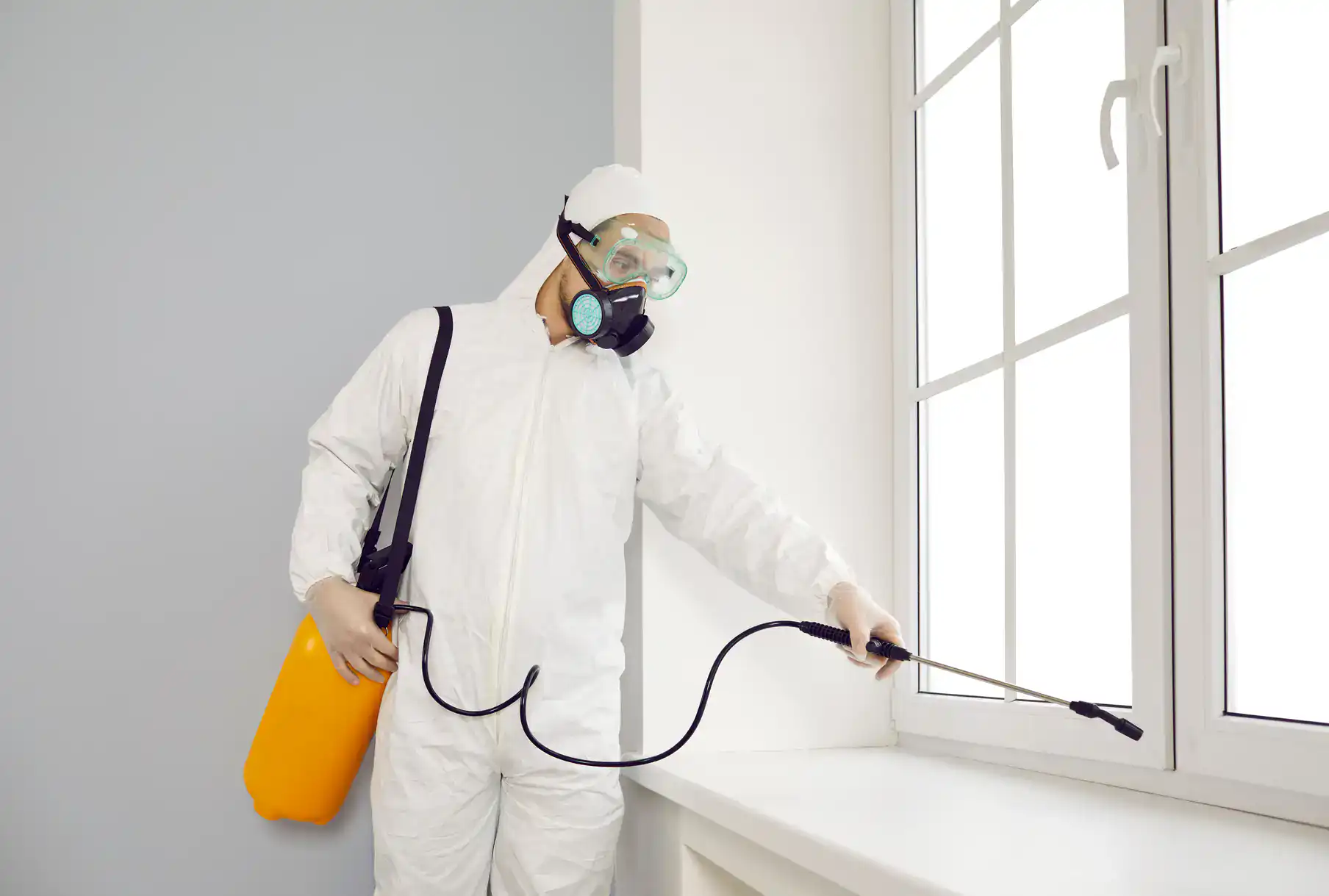
From there, we develop a targeted treatment plan based on what’s actually found not a generic protocol applied to every job. We use only NYS DEC-registered materials, applied by our licensed technicians in controlled amounts. In a neighborhood where 51% of households are families and a significant number of homes have young children, that’s not a marketing point. It’s a standard we hold ourselves to on every visit.
The final step is exclusion physically sealing the entry points identified during the inspection. This is the part most DIY attempts skip entirely, and it’s the reason traps alone never fully solve the problem. For homes in Prospect Lefferts Gardens’ historic districts, including properties within the Lefferts Manor or Chester Court designations, we approach exclusion work carefully to avoid affecting protected architectural elements. After the job is complete, we offer ongoing maintenance options for residents who want continued protection which, given Prospect Lefferts Gardens’ proximity to Prospect Park and its active commercial corridors on Flatbush and Rogers Avenues, is often the practical choice.
Ready to get started?
Rodent control in a prewar Brooklyn neighborhood isn’t a product you pull off a shelf. The service we deliver in Prospect Lefferts Gardens is built around the specific conditions here: century-old building stock, attached row house architecture, park-adjacent rodent pressure, and a dense urban environment where the external sources of infestation are constant.
Every service begins with a detailed inspection that goes beyond what’s visible. We look at how the building is constructed, where utilities enter, where foundation walls meet soil, and how the structure connects to neighboring units. That inspection drives everything that follows the treatment approach, the products we select, and the exclusion work we recommend. Nothing is templated. For multi-family buildings and rental properties in Prospect Lefferts Gardens, we can also provide documentation of the service, which is useful for property managers navigating NYC housing code compliance or tenants building a record of a landlord’s failure to act.
Ongoing maintenance plans are available for homeowners and property managers who want year-round coverage. Given that Prospect Lefferts Gardens’ neighboring ZIP codes have been identified as among the highest for rodent 311 complaints in the entire city, and that the neighborhood sits directly adjacent to the Brooklyn Rat Mitigation Zone without the benefit of enhanced city enforcement, continuous professional monitoring is often the most practical long-term strategy. A free phone consultation is available with no obligation, and we provide written estimates at no charge before any work begins.
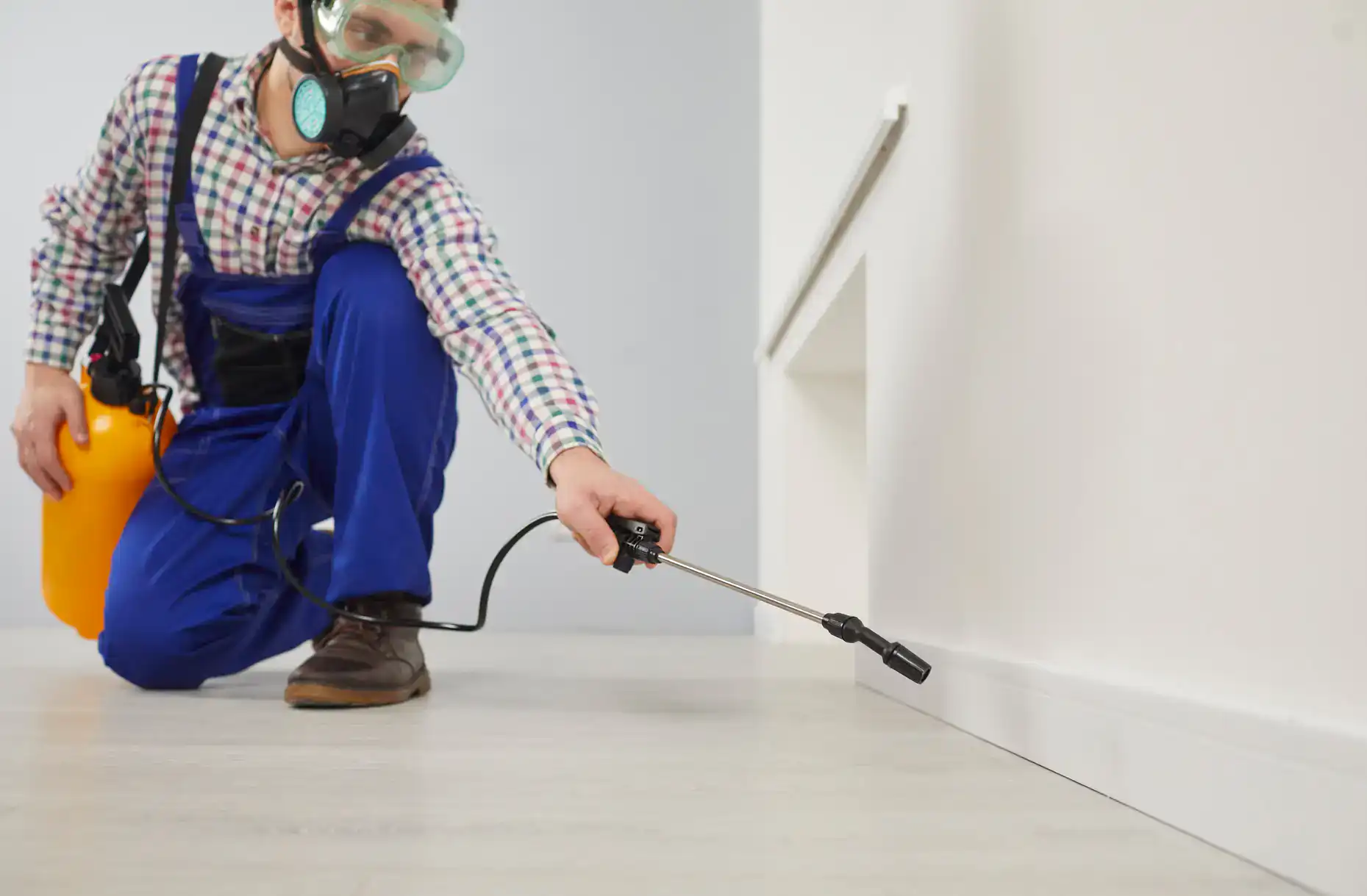
This is one of the most common frustrations in Prospect Lefferts Gardens, and the answer almost always comes down to exclusion or the lack of it. Treatment without exclusion removes the rodents that are currently inside your home, but it doesn’t address the structural entry points that allowed them in. In a neighborhood where the median home was built in 1938, those entry points are everywhere: gaps around aging pipe penetrations, deteriorated foundation seals, worn door thresholds, cracks in century-old masonry.
The other factor is external pressure. If your home backs up to a block near Prospect Park, or sits on or near Flatbush Avenue’s commercial corridor, the rodent population around your building is being continuously replenished by outside sources. That means even a well-executed treatment can be undone if the building isn’t properly sealed afterward. Effective rodent control in Prospect Lefferts Gardens has to account for both what’s inside and what keeps trying to get back in.
Yes, and this is one of the most important things to understand about rodent control in Prospect Lefferts Gardens’ attached row houses and brownstone blocks. Rodents don’t recognize property lines. They move through shared wall cavities, basement connections, and utility chases between units which means an infestation in one unit can spread to adjacent units without anyone doing anything wrong on their end.
This is why a thorough inspection has to look beyond the boundaries of a single unit or apartment. The entry point may be in a shared basement. The nesting site may be in a wall cavity that runs between your unit and your neighbor’s. Treating only what’s visible inside your space will reduce the problem temporarily, but it won’t stop the next wave of activity from moving through the same shared pathways. A complete approach maps those movement routes and addresses them not just the symptoms showing up in your kitchen.
Prospect Park is a 526-acre green space with extensive tree beds, wooded areas, and composting zones that provide ideal rodent harborage year-round. Norway rats, which are the dominant species in Brooklyn, establish burrows in park tree beds and forage outward typically up to 100 to 150 feet from their nesting sites. For residents along Ocean Avenue, Parkside Avenue, and Caton Avenue in Prospect Lefferts Gardens, that puts your home squarely within foraging range of the park’s rat population.
What this means practically is that park-adjacent homes in Prospect Lefferts Gardens face a level of external rodent pressure that doesn’t go away after a single treatment. Even if every rodent inside your home is eliminated and every visible entry point is sealed, the environmental pressure from the park continues. This is one of the main reasons we recommend ongoing maintenance plans for residents in the western blocks of Prospect Lefferts Gardens not because it generates recurring revenue, but because the conditions genuinely call for continued monitoring and upkeep.
Under New York City’s housing code, landlords are legally required to maintain pest-free conditions in rental properties. If your landlord has failed to respond to a rodent complaint, you have a few options. You can file a complaint through NYC 311, which generates an official record and can trigger a city inspection. You can also contact the NYC Department of Housing Preservation and Development, which enforces housing maintenance standards and can issue violations and fines to non-compliant landlords.
Hiring us at Kingsway Exterminating also serves a practical purpose in this situation: it addresses the immediate problem in your unit and generates documentation that a professional service was performed documentation that can be used in a housing court proceeding if the landlord dispute escalates. We can provide written records of the inspection findings and treatment performed, which is useful evidence if you’re building a case. The free phone consultation is a good starting point it costs you nothing and gives you a clearer picture of what you’re dealing with before you decide on next steps.
Rodent activity in Prospect Lefferts Gardens follows a seasonal pattern, but it’s worth being clear: there’s no true off-season here. The park proximity and the density of Flatbush Avenue’s commercial corridor mean that rodent pressure exists year-round. That said, fall and winter roughly September through February are when activity inside homes increases most noticeably. As temperatures drop, Norway rats and house mice actively seek warmth indoors, and Prospect Lefferts Gardens’ prewar housing stock gives them plenty of ways to get there. Rodent activity inside residential buildings typically increases by around 25% during winter months.
Spring brings a different kind of pressure. As temperatures rise, breeding accelerates and construction season begins and construction activity along Prospect Lefferts Gardens’ gentrifying avenues is one of the most reliable drivers of rodent displacement in the neighborhood. When excavation or demolition disturbs existing burrows, rat colonies relocate fast, and the nearest residential buildings are the first place they go. If there’s active construction near your block, that’s worth factoring into your timing for professional treatment and exclusion work.
Yes. A significant portion of Prospect Lefferts Gardens’ housing stock is rental and multi-family buildings present a specific set of challenges that single-unit treatment doesn’t address. Rodents in a multi-family building often have access to shared basement spaces, utility chases, and wall cavities that connect multiple units, which means building-level treatment and exclusion is more effective than addressing one apartment at a time.
We work with property managers and building owners across Brooklyn, including in Prospect Lefferts Gardens, to develop treatment plans that account for the full scope of a building’s rodent exposure not just the unit where the complaint originated. For landlords managing properties in Prospect Lefferts Gardens, we can also provide written documentation of inspections and treatments performed, which supports compliance with NYC housing code and creates a paper trail that’s useful if a tenant files a complaint or a city inspection is triggered. The free estimate covers multi-family properties, and there’s no obligation before you decide how you want to proceed.
Useful Links
Other Services we provide in Prospect Lefferts Gardens