

Hear from Our Customers
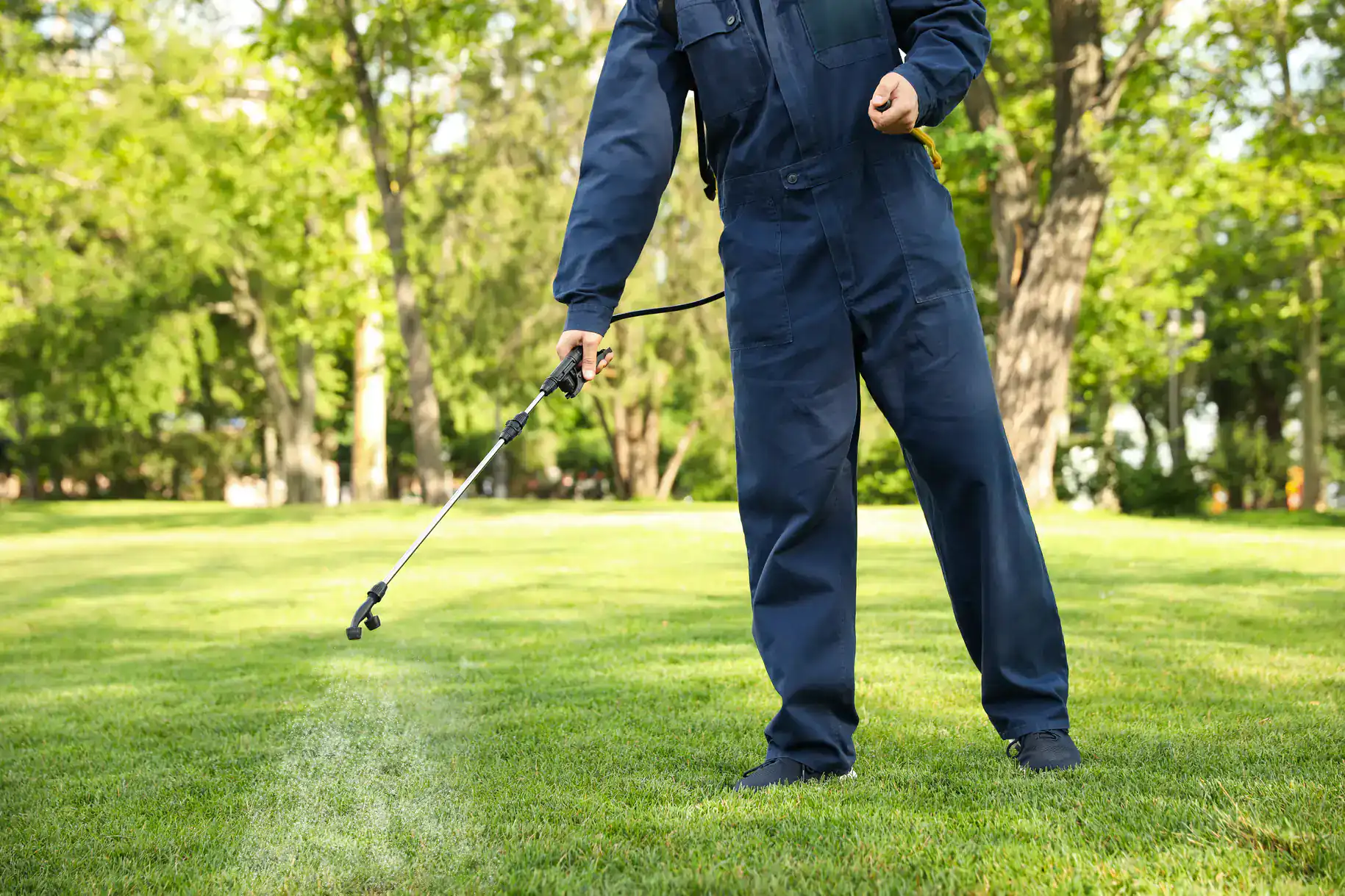
You stop finding droppings behind the stove. You stop waking up wondering what’s moving in the basement. You stop putting off having people over because something’s living in your home that shouldn’t be. That’s what real pest control looks like not just a spray visit, but a result you can feel.
St. Albans is a neighborhood of single-family homes, finished basements, and mature tree-lined streets. That’s exactly the kind of environment where mice find gaps around aging pipes, where cockroaches settle into wall voids in pre-war construction, and where termites quietly work through original wood framing without anyone noticing until the damage is already done. The homes here aren’t generic and the pest control shouldn’t be either.
If your home sits near Roy Wilkins Park or on one of the tree-canopied blocks off Linden Boulevard, you’re also dealing with seasonal mosquito and tick pressure that comes with the green space. A thorough treatment program accounts for all of it inside and out so you’re not solving one problem while another one builds.
We’ve been operating in the New York City metro area since 1976. That’s more than five decades of treating homes across Brooklyn, Queens, and the surrounding boroughs including St. Albans, Hollis, Cambria Heights, and Springfield Gardens. We’re not a franchise location. There’s no national call center. We’re a family-owned business, which means the people answering your call are the same people accountable for the outcome.
When you’re dealing with a pest problem in St. Albans where homes in the Addisleigh Park Historic District date back to the 1910s and 1920s, and where many families have owned their properties for generations you need a company that understands what’s at stake. Not just the inconvenience, but the investment. We’ve been protecting homes like yours since before most of today’s competitors were in business.
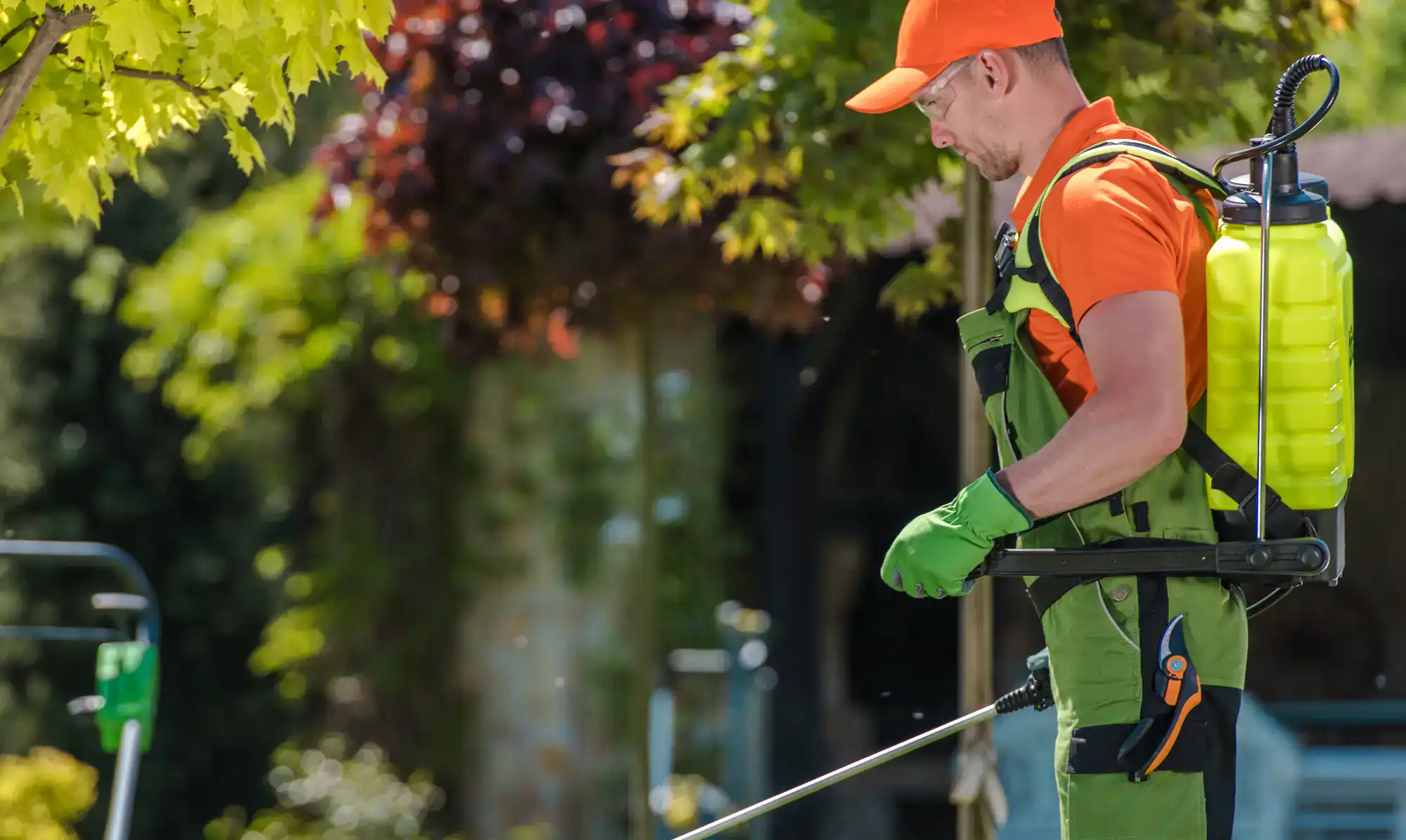
It starts with a free inspection. Before anything is recommended or applied, a licensed technician walks your property inside and out. That means the basement, the foundation perimeter, the kitchen, the attic access, and any areas where you’ve seen activity. In St. Albans, where many homes have full basements and yards with mature landscaping, that exterior inspection matters just as much as what’s happening inside. Entry points, harborage areas, and moisture conditions all get evaluated before a single treatment decision is made.
From there, you get a straight answer about what’s going on and what it takes to fix it. No inflated estimates, no unnecessary upsells. The treatment plan is built around your specific situation the pest, the property, and the severity. For something like a rodent issue in an older home near the park, that might include exclusion work to seal entry points alongside the treatment itself. For bed bugs, it means a targeted protocol, not a generic spray.
After the job is done, you’re not just handed a receipt and left to hope for the best. If activity continues within the treatment window, we come back. That follow-through is built into how we work not something you have to argue for.

Ready to get started?
We handle the full range of pest issues that come up in southeastern Queens mice, rats, cockroaches, bed bugs, termites, ants, mosquitoes, stinging insects, and more. For St. Albans homeowners, that matters because pest problems here rarely travel alone. A rodent issue in the basement can coincide with a cockroach harborage in the kitchen. Termite activity in a pre-war wood-frame home can go undetected for years. Having one licensed, experienced company that covers all of it means nothing gets missed and nothing gets handed off.
For homeowners buying or selling in St. Albans especially in the Addisleigh Park area where historic homes command $800,000 to over $1 million we also issue WDI inspection reports, the wood-destroying insect clearance document required by FHA and VA lenders before closing. It’s a service most pest control companies don’t advertise clearly, but it’s one of the most time-sensitive things a homeowner in this market can need.
All treatments use EPA-registered materials applied by NYSDEC-licensed technicians. If you have children, elderly family members, or pets in the home which describes a lot of St. Albans households the approach is targeted and specific, not a blanket chemical application. You’ll know exactly what’s being used, where, and when it’s safe to re-enter. That’s not a bonus feature. That’s the standard.
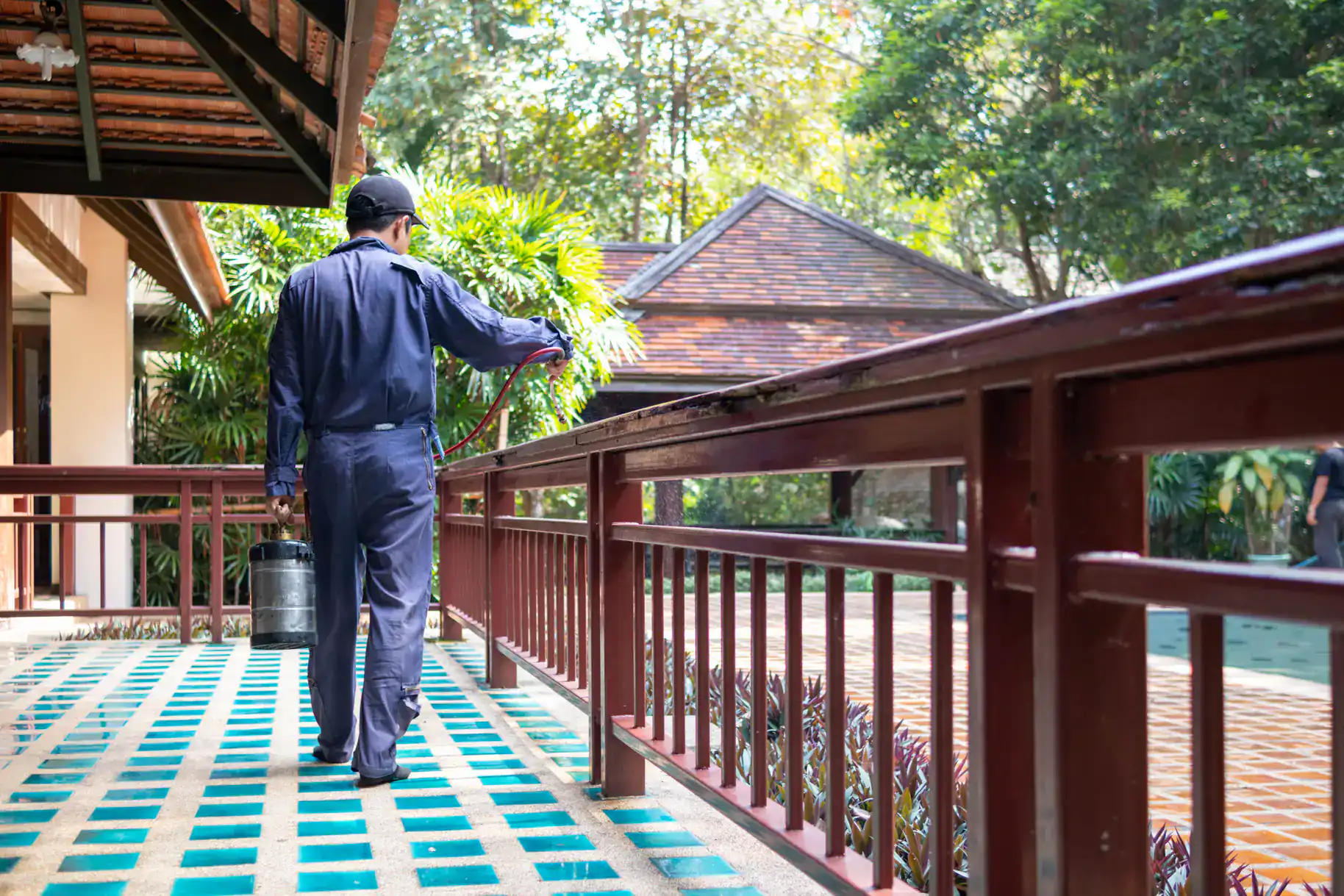
Termites are one of the hardest pest problems to catch early because the damage happens inside the wood in walls, floor joists, and structural framing long before you see anything on the surface. In St. Albans, this is a real concern. Homes in the Addisleigh Park Historic District and throughout the neighborhood’s older residential blocks were built with wood-frame construction that dates back decades, and that original framing is exactly what subterranean termites target.
The signs to watch for include hollow-sounding wood when you tap it, small mud tubes along your foundation walls or basement, discarded wings near windowsills or doorframes in the spring, and wood that looks slightly blistered or darkened. If you’re seeing any of those, or if you’re preparing to buy or sell a home in St. Albans and need a WDI inspection report for your mortgage lender, a licensed inspection is the right first step. We issue WDI reports regularly for Queens homeowners going through real estate transactions.
Mice in a basement is one of the most common calls we get from St. Albans and the surrounding southeastern Queens communities and it makes sense. Single-family homes with full basements, aging foundations, and utility penetrations give mice exactly what they need: warmth, shelter, and easy access. A female mouse can produce up to 60 offspring per year, so what starts as one or two quickly becomes a much larger problem if it’s not addressed completely.
The most effective approach is a combination of treatment and exclusion. Treatment handles the active population. Exclusion sealing the gaps around pipes, foundation cracks, and utility entry points prevents the next wave from getting in. A lot of companies skip the exclusion step, which is why rodent problems keep coming back after treatment. We evaluate both sides of the problem during the inspection so you’re not just clearing out what’s there today and leaving the door open for more.
This is one of the most common questions homeowners ask before scheduling service, and it’s a fair one. St. Albans has a significant share of multigenerational households grandparents, parents, and young children living under the same roof and the concern about chemical safety is legitimate, not overcautious.
We use EPA-registered materials and apply them according to Integrated Pest Management principles, which means the least invasive, most targeted treatment that will actually solve the problem. Before any treatment, the technician will walk you through exactly what’s being applied, which areas are being treated, and what the re-entry timeline looks like for your household. For most standard treatments, re-entry is relatively quick and straightforward. For more intensive treatments like bed bug protocols, you’ll get specific preparation and re-entry instructions in advance so nothing is a surprise. If you have specific concerns about a family member’s health condition, share that during the inspection the treatment plan can be adjusted accordingly.
The honest answer is that it depends on the pest, the size of the home, and the severity of the infestation and anyone who gives you a flat price without seeing the property first is guessing. That said, most standard residential treatments for common pests like cockroaches, ants, or a moderate mouse issue in a single-family St. Albans home fall within a range that most homeowners find reasonable, especially compared to the cost of letting the problem grow.
Bed bug treatments tend to run higher because of the labor and materials involved, and termite treatment costs vary based on the extent of activity and the treatment method used. For a WDI inspection report for a real estate transaction, that’s typically a flat fee. The most useful thing you can do before worrying about cost is schedule the free inspection you’ll walk away knowing exactly what you’re dealing with and what it actually takes to fix it, with no obligation to book anything on the spot.
We answer 24 hours a day, seven days a week, and can typically schedule service within 24 hours for urgent situations. If you’ve found a mouse in a home with young kids, discovered a wasp nest near your back door, or woken up to signs of a bed bug problem, you shouldn’t have to wait three days for an appointment or leave a voicemail and hope someone calls back.
St. Albans is within our core Queens service area, so scheduling isn’t complicated by long travel times or limited technician availability in the borough. When you call, you’ll speak to someone who can ask the right questions, give you a realistic timeline, and get something on the calendar fast. For situations that genuinely can’t wait a severe infestation, a stinging insect nest blocking access to your home, or a rodent situation that’s escalating same-day service is often possible. The best move is to call and explain what you’re dealing with so the right response can be arranged.
You don’t need to do much to prepare for the initial inspection that’s the point of it. The technician is there to assess the situation as it actually exists, not a cleaned-up version of it. That said, a few things make the inspection more useful. If you’ve seen pest activity in specific areas a corner of the basement, behind the refrigerator, along a particular wall note that ahead of time so the technician can pay close attention to those spots.
For homes in St. Albans with finished basements, try to make sure the basement is accessible, including any storage areas or utility rooms where activity might be concentrated. If you have pets, plan for them to be secured or out of the treated areas during and immediately after service. If you’re scheduling a WDI inspection for a real estate transaction, have any previous pest control records or inspection reports on hand they can give the technician useful context about the property’s history. Beyond that, just be ready to describe what you’ve seen, when you first noticed it, and how frequently. The more specific you can be, the faster the inspection moves and the more accurate the assessment will be.
Useful Links
Other Services we provide in St. Albans