Hear from Our Customers
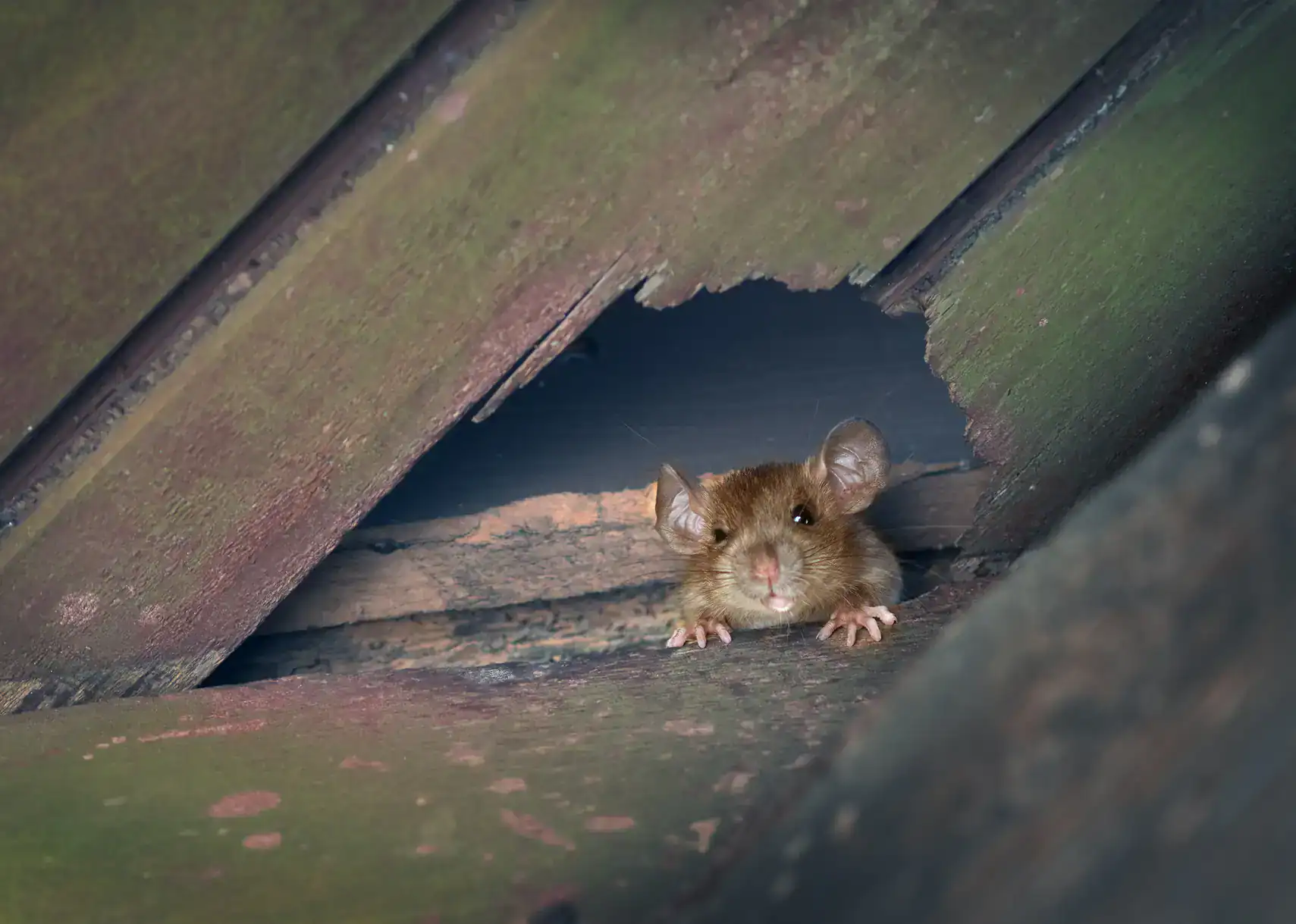
You stop hearing scratching in the walls at night. You stop finding droppings behind the stove or in the back of a cabinet. You stop wondering whether the snap trap you picked up at the hardware store is doing anything because you already know it isn’t. That’s what professional rodent control in St. Albans actually looks like when it’s done right.
Here’s what most people don’t think about until it’s too late: a home worth $650,000 to $900,000 which is exactly the range you’re looking at in St. Albans and Addisleigh Park is carrying real financial risk every day a rodent infestation goes untreated. Rats gnaw constantly. They chew through electrical wiring, insulation, and structural material. The National Pest Management Association estimates rodents cause up to 25% of house fires in the U.S. every year.
St. Albans also sits about two miles north of JFK Airport, and the infrastructure surrounding a major international airport drainage channels, cargo corridors, maintenance yards creates significant rodent habitat that puts steady pressure on the residential blocks nearby. Roy Wilkins Park’s 54 acres directly adjacent to the neighborhood adds another source of ongoing rodent population. When you combine that external pressure with the structural vulnerabilities of older homes, rodent problems in St. Albans aren’t one-time events. They’re recurring. The right rodent control service doesn’t just eliminate what’s there today it addresses the conditions that keep drawing them back.
We were founded in 1971 by Richard Kourbage Sr. His sons Richard Jr. and Charles joined in 1987 and 1989. That’s three people from the same family who staked their professional reputations on doing this work correctly in St. Albans, across Queens, Brooklyn, and all five boroughs for over half a century.
We hold an A+ rating with the Better Business Bureau of New York State and have maintained that accreditation since May 5, 1989. Every material we apply is registered with the New York State Department of Environmental Conservation. That matters in a neighborhood like St. Albans, where families have lived in the same homes for decades and aren’t looking for the cheapest option they’re looking for the right one.
We’re also trusted by attorneys and real estate brokers throughout the NYC metro area for property inspections and health code matters. If you’re buying or selling in St. Albans where homes in Addisleigh Park regularly trade in the high $800,000s that relationship with the legal and real estate community is something most pest control companies simply can’t offer.
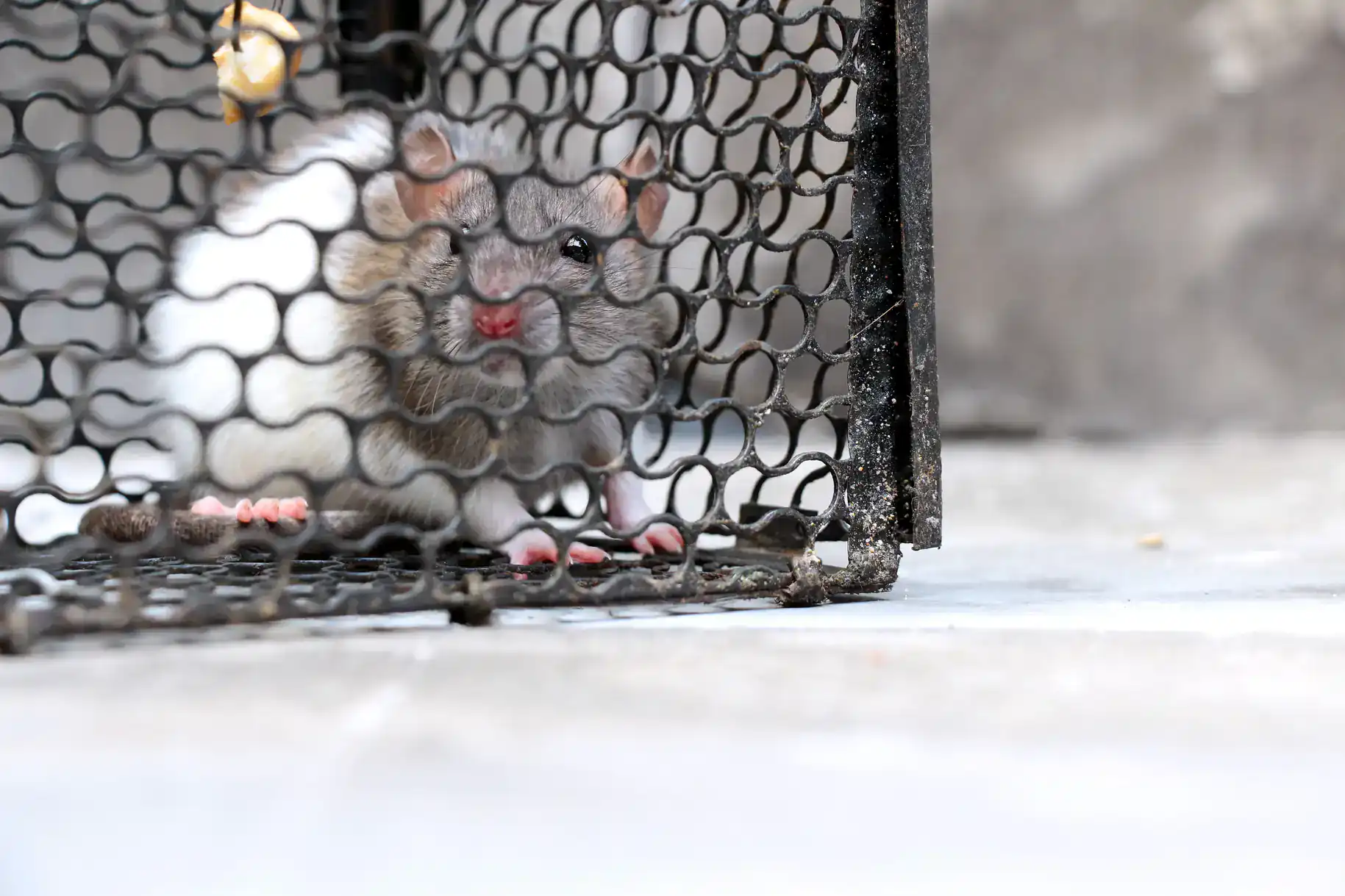
It starts with a thorough inspection interior and exterior. Our technician walks the property and looks for the things most homeowners miss: gaps around utility penetrations, cracks in the foundation, aging entry points around pipes and conduits. In St. Albans, where a significant portion of the housing stock dates back to the 1910s through 1930s particularly in the Addisleigh Park historic district those entry points are rarely obvious. Rats can enter through a hole the size of a quarter. Mice need only a gap the size of a pencil eraser. The inspection is about finding every one of them, not just the ones that are easy to spot.
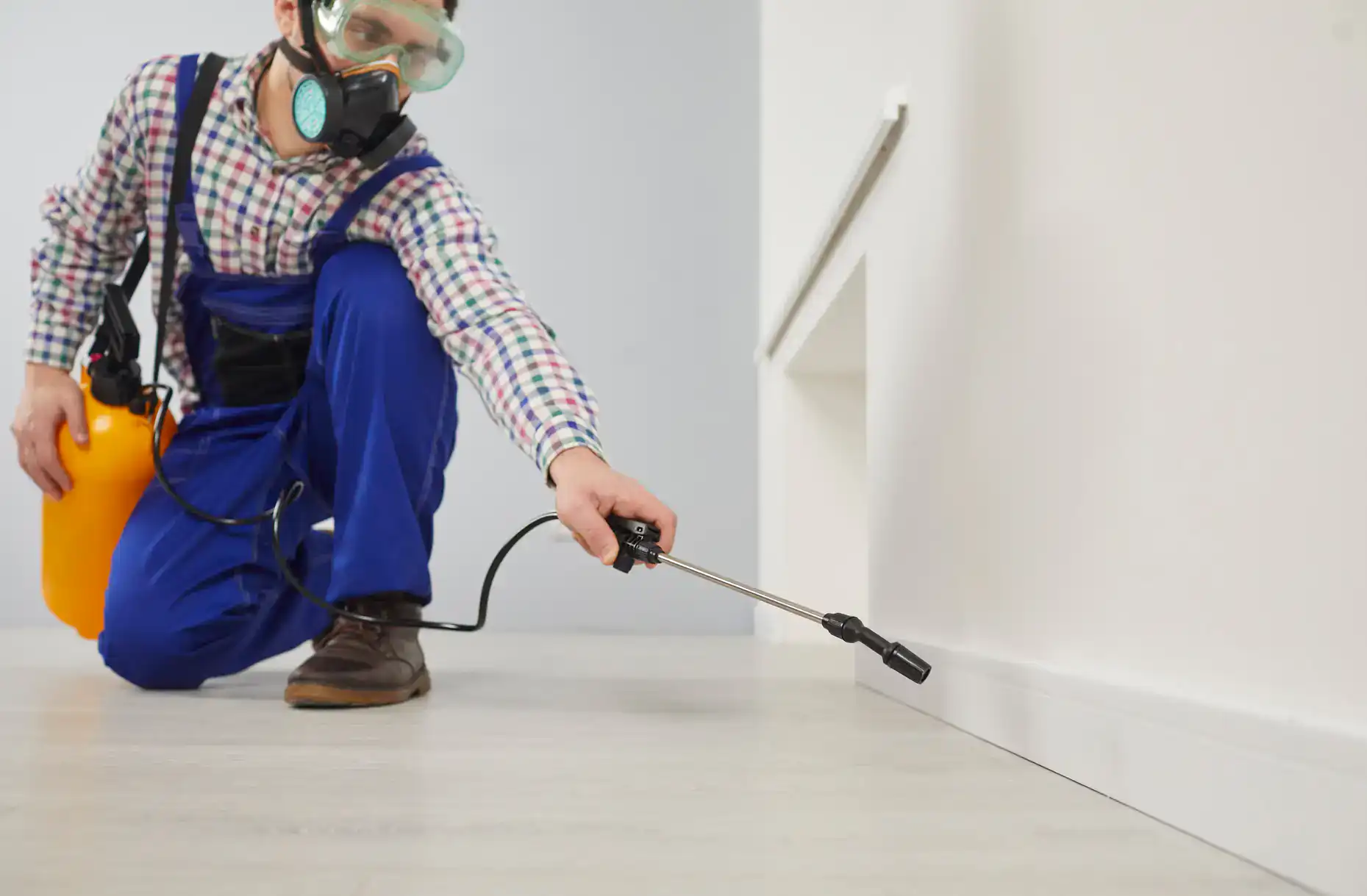
Once the scope of the infestation is understood, treatment begins. Depending on what’s present Norway rats, house mice, or both the approach may include baiting, trapping, and exclusion work to seal the entry points that are allowing rodents to move in and out of the structure. Our technician explains what they found, what we’re doing, and why. You’re not handed a bill and left to wonder what happened.
One thing worth knowing: if your home is near any of the active infrastructure work in the area the city has invested tens of millions in sewer upgrades in St. Albans and South Jamaica over the past several years, with another major project expected to begin in 2026 construction disturbance is a documented driver of rodent displacement. When underground burrows get disrupted, rodents move. Often into the nearest residential structure. If that’s what’s happening at your address, we account for it in the treatment plan.
Ready to get started?
Rodent control in St. Albans isn’t a single-step job, and any company treating it like one is going to leave you with the same problem in a few weeks. What we provide is a complete process: inspection, treatment, exclusion, and follow-through. The goal isn’t to catch a few mice. It’s to understand how they’re getting in, eliminate what’s there, and close the entry points so the problem doesn’t return.
For homeowners in St. Albans especially those with older homes near Linden Boulevard, Farmers Boulevard, or within the Addisleigh Park historic district exclusion work is often the most important part of the job. Sealing gaps in a 90-year-old home requires care. You’re working around original construction, aging materials, and in some cases, landmarks preservation considerations that affect what can and can’t be modified on the exterior. Our technicians know how to navigate that.
Under New York City’s Housing Maintenance Code and the NYC Health Code, property owners are legally required to keep their homes free of pest infestations. If you’ve received a health code violation notice, or if a rodent issue is complicating a real estate transaction, we have direct experience handling both situations. We apply only NYSDEC-registered materials, carry full licensing, bonding, and insurance, and provide the written documentation that attorneys and real estate brokers in the NYC metro area rely on. Free estimates are available by phone or online no charge, no obligation.
St. Albans has a combination of factors that make rodent pressure persistent rather than occasional. The neighborhood sits about two miles north of JFK Airport, and the infrastructure surrounding a major international airport drainage systems, maintenance corridors, cargo areas creates dense rodent habitat that puts ongoing pressure on adjacent residential blocks. Roy Wilkins Park, which covers 54 acres just south of the neighborhood, adds another significant source of rodent population that borders residential streets directly.
On top of that, a large portion of St. Albans’ housing stock is older construction many homes in and around Addisleigh Park were built in the 1910s through 1930s. Aging foundations and original utility penetrations develop gaps over time, and those gaps are exactly what rats and mice look for. When you combine ongoing external rodent pressure with structural vulnerabilities in older homes, recurring infestations are common. The solution isn’t just eliminating what’s inside it’s sealing the entry points that keep allowing rodents back in.
Yes, it changes the approach. Norway rats the dominant species in New York City are significantly larger than house mice, burrow along foundations and under structures, and require different bait placements and trapping strategies than mice do. Mice, on the other hand, are more likely to nest inside wall voids and travel along baseboards, which affects where treatment is focused inside the home.
The signs are usually distinguishable if you know what to look for. Rat droppings are about the size of a raisin and blunt at both ends. Mouse droppings are much smaller roughly the size of a grain of rice and pointed. Gnaw marks on wood, food packaging, or wiring tend to be larger and rougher with rats. If you’re hearing noise in the walls or ceiling at night, rats tend to be louder and slower-moving; mice are faster and higher-pitched. A proper inspection will confirm which species you’re dealing with and determine the right treatment plan for your home.
It’s one of the most common triggers for sudden rodent activity in residential neighborhoods, and it’s well-documented. When underground burrows and sewer corridors are disturbed by excavation, established rodent colonies are forced to the surface. They don’t disappear they relocate, and the nearest warm, food-accessible structure is usually a residential home.
New York City has invested significantly in infrastructure upgrades in St. Albans and South Jamaica over the past several years a $21.8 million sewer project completed in 2018, a $24 million project completed in 2022, and another major Cloudburst Demonstration Project expected to begin construction in 2026. If you’ve noticed a sudden uptick in rodent activity near your home during or after nearby construction work, that’s not a coincidence. It’s a pattern we’ve seen repeatedly across NYC neighborhoods undergoing infrastructure work. The treatment approach in these situations accounts for the ongoing displacement pressure, not just what’s already inside the structure.
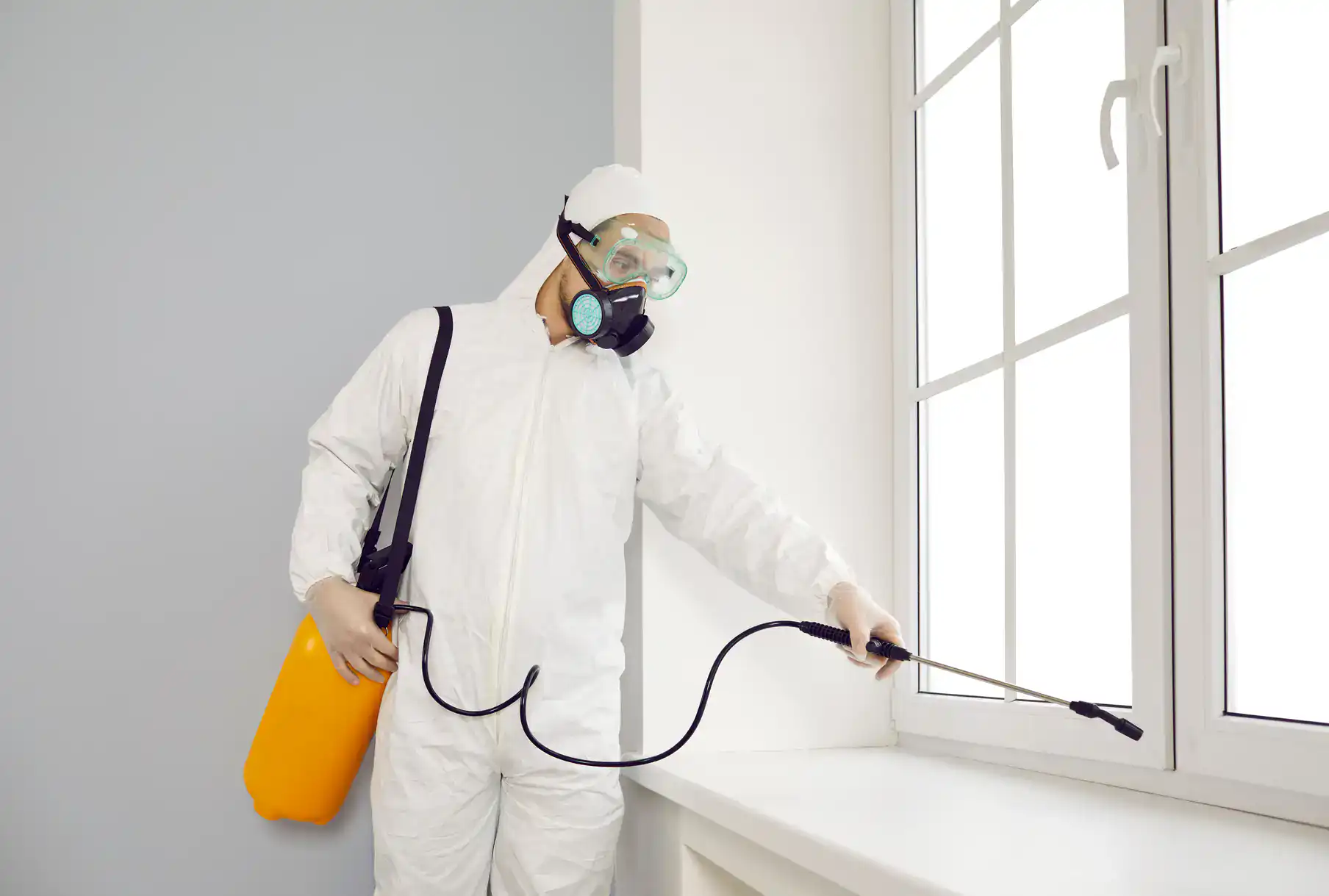
This is one of the most common concerns homeowners raise, and it’s a reasonable one. The answer depends entirely on what materials are being used and how they’re applied which is exactly why hiring a licensed, regulated exterminator matters. We apply only N.Y.S. Department of Environmental Conservation-registered pesticide materials. Every product used has been reviewed and approved by state regulators, and application methods are designed to minimize exposure to non-target animals and people.
In practice, our technician will walk you through what’s being applied, where it’s being placed, and what precautions to take whether that means keeping children and pets out of a specific area for a period of time or simply avoiding disturbing bait stations. In homes with young children or pets, placement strategy is adjusted accordingly. The goal is to eliminate the infestation without creating a secondary problem. If you have specific concerns about a product or method, ask directly during the consultation you’ll get a straight answer, not a rehearsed one.
Nationally, professional rodent control services typically run between $180 and $610 for initial treatment, with exclusion work sealing the entry points that allow rodents into the structure adding another $200 to $600 depending on the scope of the job. In an older home in St. Albans or Addisleigh Park, where there may be multiple aging entry points around the foundation and utility penetrations, exclusion work is often a meaningful part of the total cost.
That said, the cost of professional rodent control is worth framing against what you’re protecting. Homes in St. Albans sell for $650,000 to $760,000 on average; homes in Addisleigh Park regularly reach the high $800,000s to $900,000s. Rodent damage to electrical wiring, insulation, and structural material can cost thousands to repair. We provide free estimates by phone or online with no charge and no obligation, so you can get a clear picture of what the job involves before committing to anything.
It can, and in more ways than one. Under New York City’s Housing Maintenance Code, property owners are required to maintain their homes free of pest infestations. An active rodent problem that surfaces during a buyer’s inspection or that has generated a health code violation notice can stall or derail a transaction entirely. Buyers and their attorneys take these issues seriously, and in a market where St. Albans homes carry significant value, a documented pest problem gives buyers leverage they will use.
We have a long-standing relationship with attorneys and real estate brokers throughout the NYC metro area specifically because of situations like this. We provide the professional inspection documentation and written service records that are needed to satisfy a buyer’s attorney, clear a health code violation, or demonstrate that a problem has been properly addressed before a closing. If you’re preparing to list a home in St. Albans or if a rodent issue has come up mid-transaction calling us early in that process is the most straightforward way to handle it cleanly.
Useful Links
Other Services we provide in St. Albans