Hear from Our Customers
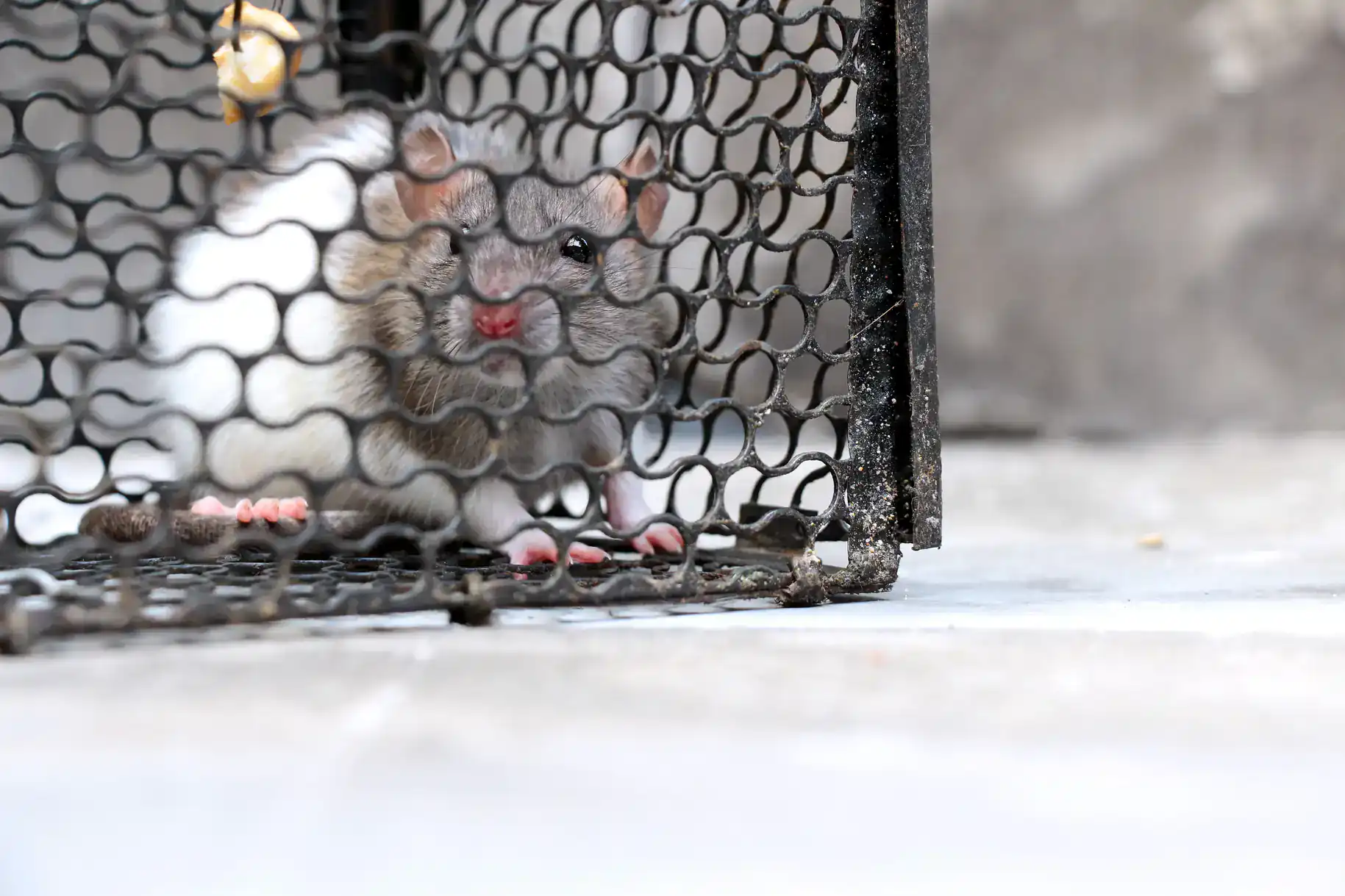
You stop hearing scratching behind the walls at 2 a.m. You stop finding droppings in the kitchen. You stop wondering whether the gap behind the radiator is where they’re getting in because someone actually looked, found it, and sealed it. That’s what real rodent removal in East Harlem looks like when the work is done right.
East Harlem’s housing stock makes this harder than it sounds. Pre-war tenements built before 1930 have aging foundations, crumbling mortar, and pipe chases that rodents have been using as highways for decades. NYCHA buildings like the Wagner Houses and Jefferson Houses have documented, systemic infestation histories that building management alone hasn’t solved. When rodents are moving freely through shared wall voids between units, treating one apartment without addressing the building isn’t a solution it’s a delay.
And right now, the Second Avenue Subway Phase 2 construction is actively making things worse in East Harlem. Tunnel excavation along Second Avenue between East 96th and East 125th Streets is displacing established rodent colonies from underground sewer lines directly into surrounding residential buildings. If you live near that corridor and your problem has gotten worse recently, that’s not a coincidence. It’s displacement and it requires a professional rodent pest control response, not a box of traps from the hardware store.
We were founded in 1971 by Richard Kourbage Sr. His sons Richard Jr. and Charles joined the business in 1987 and 1989, respectively. That’s not a feel-good detail it means the people running this company have a personal stake in every job and a multi-decade reputation to protect. There’s no franchise layer. No regional manager. When something goes wrong, there’s a real family name attached to it.
We hold an A+ rating with the Better Business Bureau of New York State and have been BBB-accredited since 1989 over 35 consecutive years. We’re fully licensed, bonded, and insured, and we apply only NYS Department of Environmental Conservation registered materials. That matters in East Harlem, where multi-unit buildings and NYCHA properties require documented, code-compliant treatment not a guy with a spray can.
We serve all five boroughs, and we’re actively referred by New York attorneys and real estate brokers for rodent inspections, health code violation citations, and pre-transaction pest assessments. In a neighborhood like East Harlem where DOHMH violations carry real fines and properties are changing hands through an active development market, that professional trust network is worth something.
It starts with a free phone consultation. You describe what you’re seeing droppings, gnaw marks, sounds in the walls, a sighting and a Kingsway representative helps you understand what you’re likely dealing with and what a professional treatment involves. No charge for that conversation. No pressure to book on the spot.
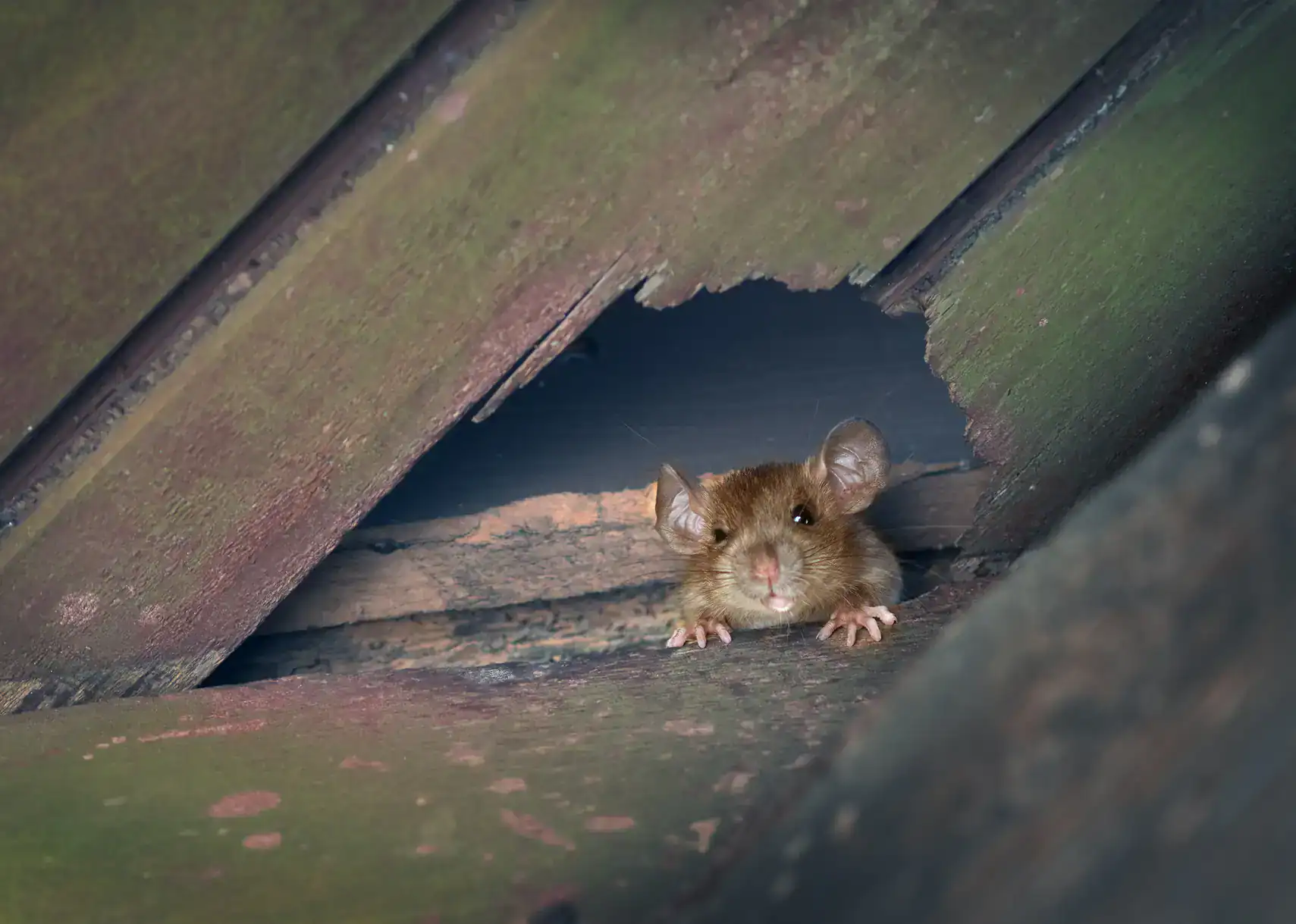
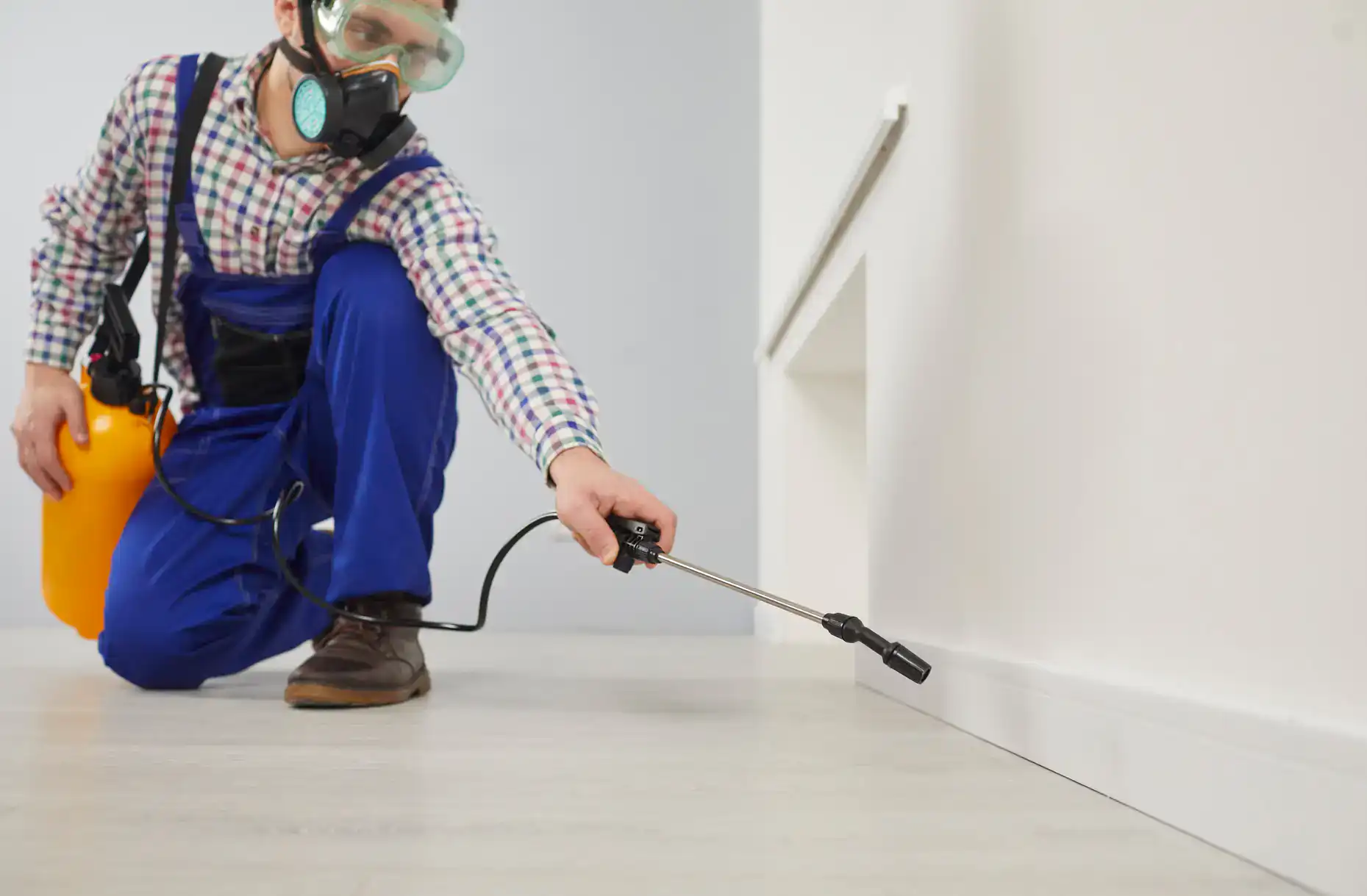
When you schedule, a licensed technician comes to your property and conducts a thorough interior and exterior inspection. In East Harlem’s attached multi-family buildings, this means checking more than just the visible problem. It means looking at basement access points, pipe chases, utility entry gaps, foundation cracks, and any shared infrastructure that rodents use to move between units. Norway rats can squeeze through a hole the size of a quarter. House mice need only the width of a pencil eraser. Finding those entry points is not optional it’s the whole job.
Treatment follows the inspection and is tailored to what was actually found, not a standard package applied to every building the same way. Because East Harlem properties sit within a designated NYC Rat Mitigation Zone, they’re subject to proactive DOHMH inspections twice per year meaning any treatment needs to hold up to that standard. After treatment, we walk you through what was done, what conditions to monitor, and what ongoing steps make sense for your specific building type. Appointments are guaranteed within 48 hours of your call, and the line is available 24 hours a day, 7 days a week.
Ready to get started?
Rodent control services in East Harlem have to account for conditions that simply don’t exist in most other neighborhoods. You have aging pre-war tenement stock with decades of accumulated entry points. You have NYCHA superblock developments where infestation is often building-wide, not unit-specific. You have two waterfront boundaries the East River to the east and the Harlem River to the north that sustain Norway rat populations from below through sewer and waterfront pressure. And you have active underground construction along Second Avenue that is displacing colonies in real time.
Our rodent control services address all of it: full interior and exterior inspection, identification and sealing of entry points, treatment calibrated to the species and scope of the infestation, and clear documentation of the work performed. That documentation matters if you’re a landlord who has received a DOHMH rodent violation, a property owner navigating a health code citation, or a tenant whose building management has failed to act and you need a paper trail.
For small business owners along East 116th Street or Second Avenue restaurants, bodegas, food service operations the stakes are even more immediate. A single failed DOHMH inspection can result in fines or a temporary closure order. Our commercial rodent pest control is designed to meet and exceed Health Code Section 151.02 compliance requirements, so you’re not just treating the problem you’re protecting your ability to stay open.
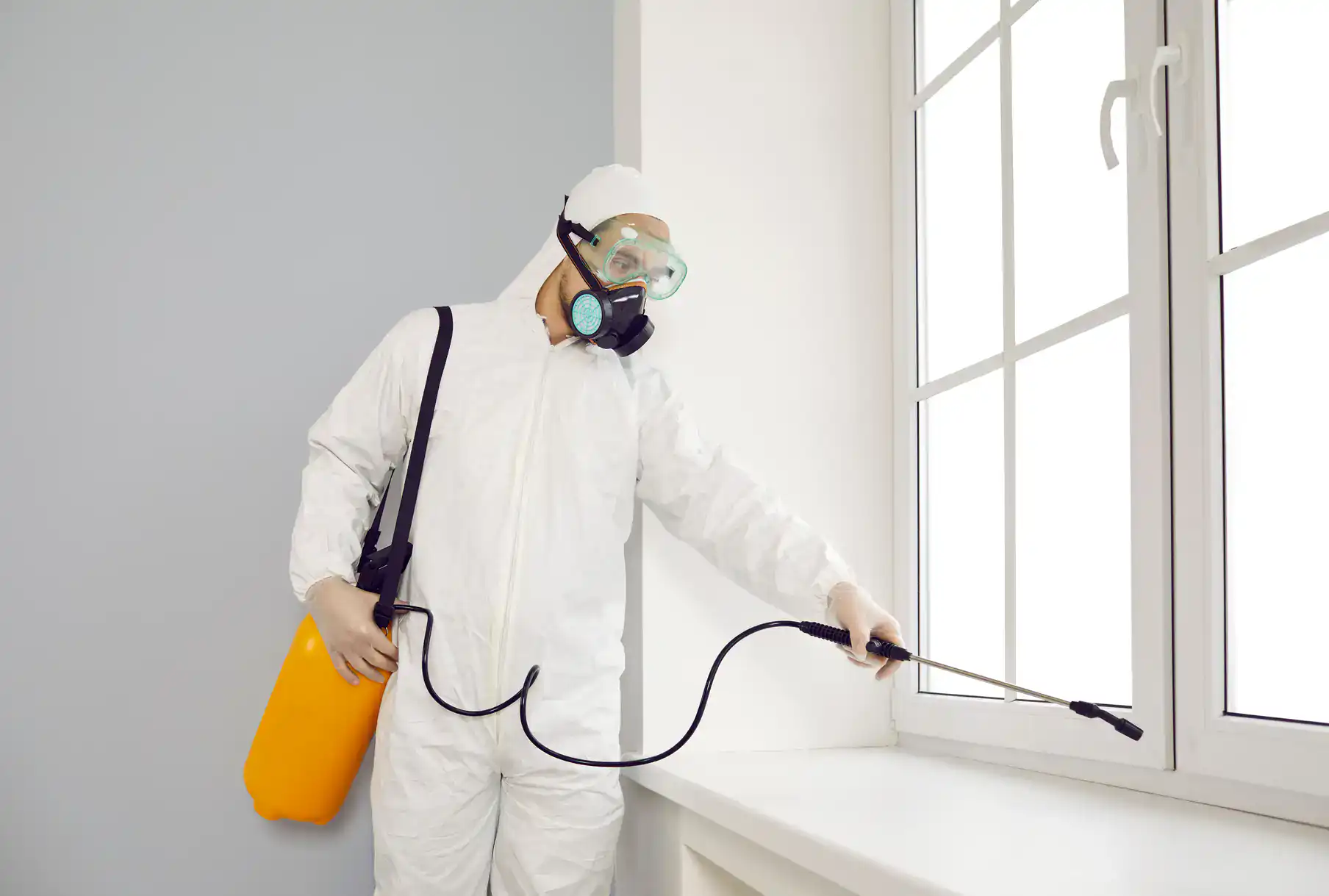
East Harlem’s rodent pressure comes from several factors stacking on top of each other in ways that don’t exist in most other parts of Manhattan. The neighborhood has a high concentration of pre-war tenement buildings with aging foundations and structural gaps, NYCHA developments with documented systemic infestation histories, proximity to both the East River and Harlem River waterfront corridors that sustain Norway rat populations through sewer connections, and dense street-level food sources from bodegas, open-air vendors, and restaurant clusters along East 116th Street.
On top of that, East Harlem along with the broader Harlem area was officially designated by New York City as one of only four Rat Mitigation Zones in the entire city in 2023. That designation was based on documented rodent violations, 311 complaint volume, and rat exterminator activity. In just the first half of 2024, the Harlem Rat Mitigation Zone generated over 1,200 complaints about signs of rodents and nearly 850 rat sighting complaints. This is not a neighborhood with a normal rodent problem it is one of the highest-pressure rodent environments in all of New York City, and it requires a professional rodent exterminator response calibrated to that reality.
Yes and it’s one of the most common questions we hear from residents along the Second Avenue corridor right now. Underground excavation disrupts established rodent burrow networks and sewer lines. When construction crews dig through those systems, the colonies living in them don’t disappear they relocate, and the nearest residential buildings are where they go. This is a well-documented pattern in New York City’s construction history, and the Second Avenue Subway Phase 2 extension is currently producing exactly that effect in East Harlem.
The MTA awarded utility relocation contracts in January 2024 and a tunnel construction contract in August 2025 for the new stations at East 106th Street, East 116th Street, and East 125th Street. That construction activity will continue through the mid-2030s. If you live or operate a business near Second Avenue between East 96th and East 125th Streets and your rodent problem has intensified recently, construction displacement is a likely contributing factor. Professional rodent pest control that includes thorough entry point identification and sealing is the appropriate response because displaced colonies will keep finding new ways in if those gaps aren’t addressed.
Under NYC Health Code Section 151.02, building owners are required to maintain their properties free of rodents and the conditions that attract them. That’s the law. But the law and the reality of what happens in East Harlem’s rental buildings are often two different things. NYCHA’s court-monitored pledge to halve rodent populations in public housing has been widely reported as having made minimal progress. Private landlords in rent-stabilized tenements frequently delay or ignore rodent complaints until a DOHMH inspection forces their hand.
If you’ve filed a 311 complaint and nothing has happened, or your super has made a perfunctory visit without actually resolving the problem, you have options. Hiring a licensed private exterminator like us gives you immediate professional treatment and documented proof of the work performed which is useful if you later need to escalate to the building owner, the Housing Court, or the Department of Health. It also just solves the problem faster than waiting for a system that has historically moved slowly in this neighborhood. Our free phone consultation costs you nothing, and it gives you a clear picture of what you’re dealing with and what it would take to fix it.
This is a legitimate concern, and it’s one that comes up often in East Harlem’s multi-generational households. Approximately 16% of East Harlem residents are 65 or older, and a similar share are children under 15 so the question of treatment safety around vulnerable household members is not a minor one.
We apply only New York State Department of Environmental Conservation registered pesticide materials, which means every product used has been evaluated and approved under state regulatory standards. The specific treatment approach what products are used, where they’re placed, and what precautions are recommended depends on the scope of the infestation and the layout of your home. A licensed technician will walk you through exactly what’s being applied, where, and what you should do before and after the treatment. In multi-unit buildings, NYC law also requires advance notification to residents before pesticide application, and we’re experienced in navigating those requirements. The goal is effective treatment that doesn’t create a new problem while solving the old one.
It does change the approach, and the distinction matters more than most people realize. Norway rats the dominant species in New York City and the primary rodent in East Harlem’s sewer-adjacent, waterfront-adjacent environment are large, burrowing animals that typically enter buildings through ground-level gaps, basement access points, and broken sewer connections. House mice are smaller, more agile, and tend to enter through higher gaps in walls, around pipes, and through gaps in window frames or door sweeps.
The signs are different too. Rat droppings are roughly the size of a raisin and blunt-ended. Mouse droppings are smaller, pointed at both ends, and often scattered in larger quantities. Gnaw marks from rats tend to be rougher and larger. Sounds in the walls at night are common for both, but rats are generally louder and more active at ground level, while mice often travel through wall voids higher up. During the inspection, a Kingsway technician identifies the species, maps the likely entry points, and builds the treatment around what’s actually there not a one-size-fits-all approach that treats both the same way.
Professional rodent control in the New York City market typically ranges from around $180 to $600 or more depending on the scope of the infestation, the building type, and whether exclusion work sealing entry points is included. For East Harlem’s pre-war tenements and NYCHA-adjacent multi-family buildings, where infestations are often building-wide rather than unit-specific, the cost reflects the complexity of what’s actually required to solve the problem rather than just suppress it temporarily.
DIY traps and bait stations work in limited, isolated scenarios. In East Harlem’s dense attached buildings, where rodents are moving through shared wall voids and pipe chases between units, they rarely address the source of the problem. You may catch a few mice or displace a rat, but without identifying and sealing entry points, new animals replace them within weeks. The repeated cost of failed DIY attempts plus the property damage from gnawed wiring, the health risk from droppings, and the potential DOHMH fines for landlords with unresolved violations adds up quickly. Our free phone consultation is the right starting point: you get a clear picture of what you’re dealing with and what a professional treatment would actually cost before you commit to anything.
Useful Links