Hear from Our Customers
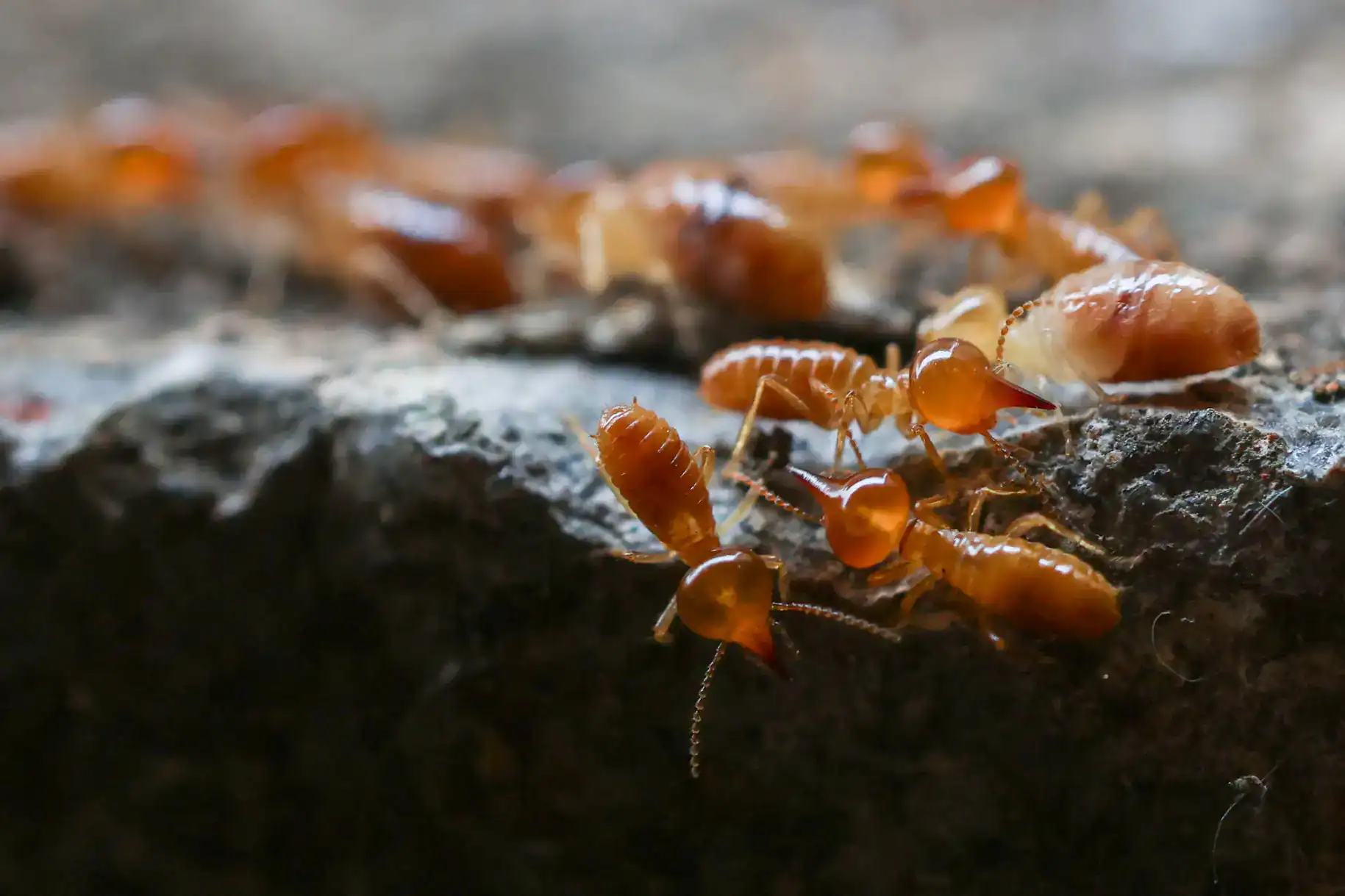
The real cost of a termite problem in East Harlem isn’t the treatment it’s what happens when you wait. Eastern Subterranean Termites feed around the clock, and in buildings where wood joists, staircase stringers, and subfloor framing have been in place for a century, they don’t need long to do serious damage. The average repair bill after a termite infestation runs around $3,000, and structural work can reach $10,000 or more. Most homeowner and landlord insurance policies won’t cover a dollar of it.
In East Harlem specifically, aging plumbing in pre-war tenements creates the moisture conditions that termites actively seek out. A slow pipe leak inside a wall cavity doesn’t just damage the pipe it softens the surrounding wood and turns it into an ideal feeding ground. Once a colony establishes itself in a building’s shared basement or foundation, it isn’t contained to one apartment. It feeds on the continuous wood structure running across multiple units, multiple floors.
Getting ahead of that means knowing what you’re dealing with before the damage compounds. A thorough termite inspection identifies active colonies, mud tubes, damaged wood, and entry points so treatment targets the actual source, not just what’s visible on the surface. When the problem is resolved correctly, the structure is stable, the building is protected, and landlords aren’t fielding tenant complaints or HPD violations tied to pest conditions they didn’t know existed.
We were founded in 1976 by Richard Kourbage Sr. and the family has been running it ever since. Richard Jr. and Charles joined the business in the late 1980s, and between our family and staff, we carry more than 100 years of combined pest control experience. That’s not a marketing number. It means the people who show up at your building have seen termite infestations in every configuration that New York City’s housing stock can produce including the Old Law tenements and multi-family walk-ups that line the blocks of East Harlem from 96th Street up to 125th.
We hold an A+ BBB rating with accreditation dating back to 1989 over 35 consecutive years. We apply only NYS DEC-registered treatment materials, answer calls 24 hours a day, seven days a week, and can typically schedule an inspection the same day you call. Free estimates, no pressure, and a real person on the line every time.
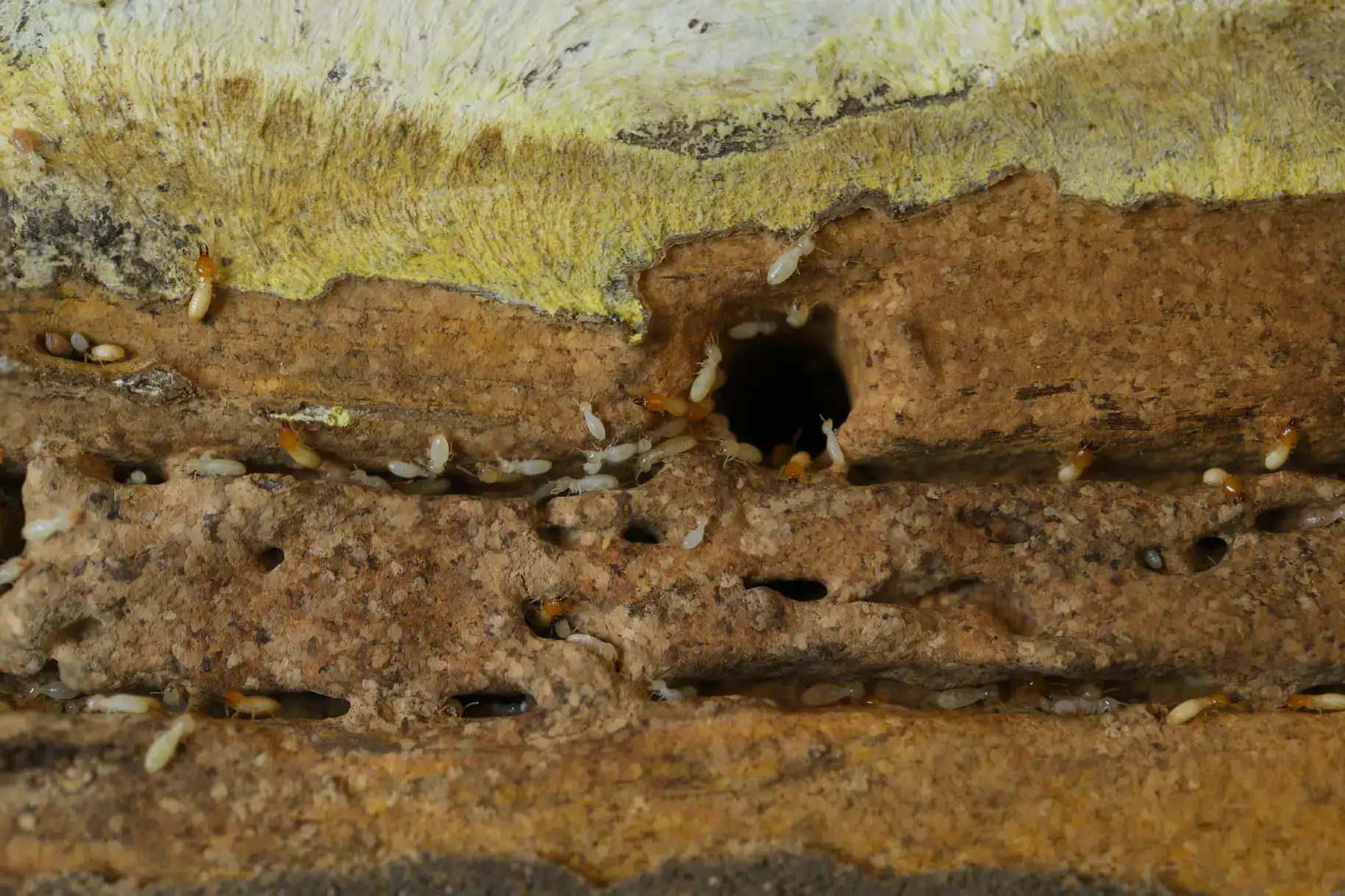
It starts with a thorough inspection. In East Harlem’s older buildings, that means going beyond the apartment where swarmers were spotted it means checking the basement, the foundation perimeter, the floor joists, and any areas with known moisture exposure. Eastern Subterranean Termites nest underground and travel up through mud tubes built along foundation walls and masonry cracks. Finding those tubes, and tracing them back to the colony’s access point, is what separates a real inspection from a surface-level walkthrough.
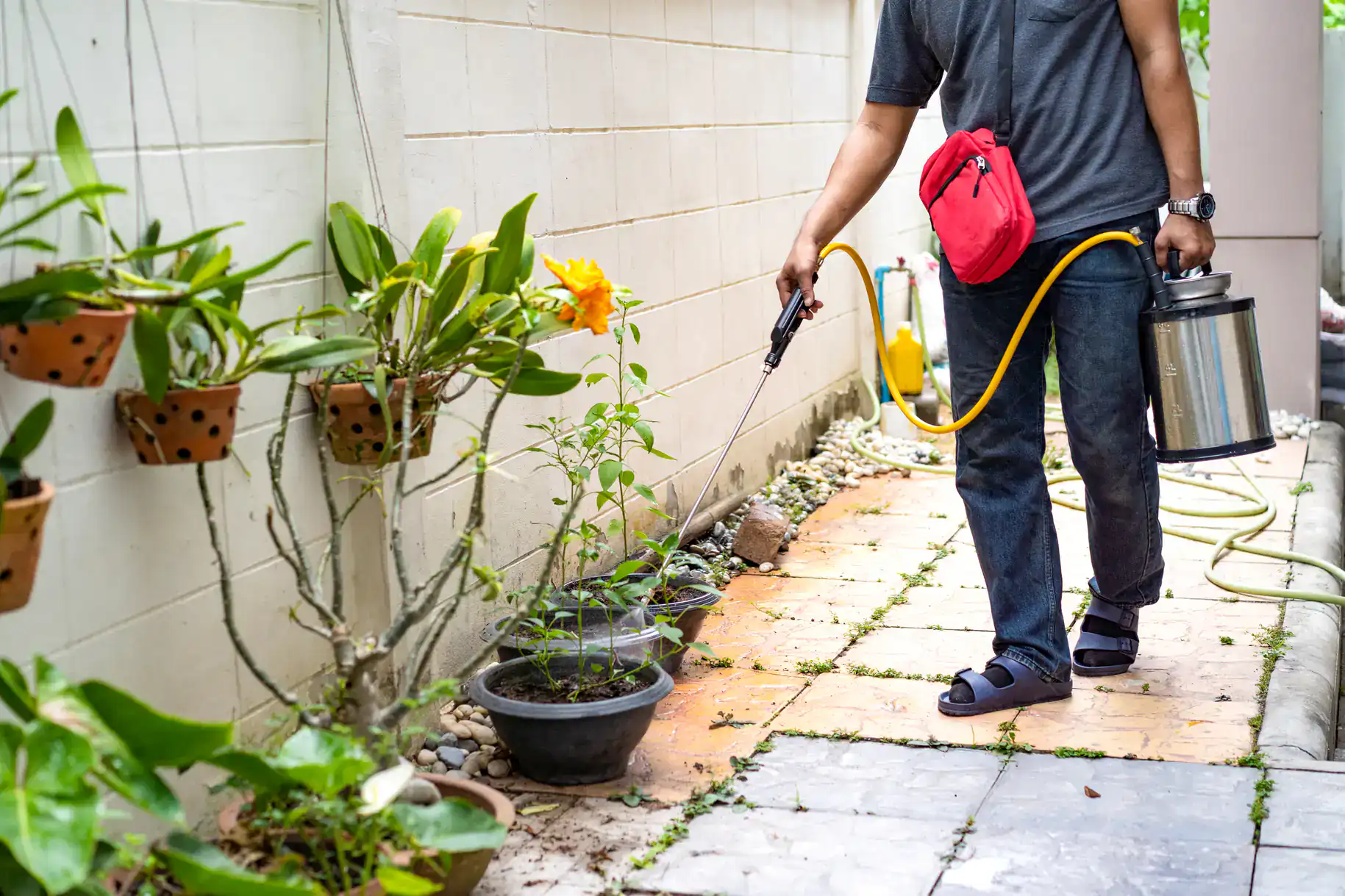
Once the scope of the infestation is clear, treatment is matched to what’s actually there. For subterranean termite activity, that typically means a liquid barrier treatment applied to the soil around the foundation, a termite baiting system, or a combination of both depending on the building’s layout and the extent of the colony. In multi-unit buildings which make up the vast majority of East Harlem’s housing stock treatment is planned with the building’s occupants in mind. We use only NYS DEC-registered materials, applied precisely, so the work gets done without disrupting the people living there.
After treatment, you receive documentation of what was found, what was done, and what to watch for going forward. If you’re a landlord dealing with an HPD violation or a buyer who needs a WDO report for a lender, that paperwork is part of what we provide. The process is clear from the first call to the final report.
Ready to get started?
Termite control in East Harlem covers more ground than it does in most neighborhoods, because the housing stock here demands it. We handle subterranean termite eradication, termite baiting system installations, Wood Destroying Organism (WDO) inspections for real estate transactions, and termite damage assessments for both residential and commercial properties. If you’ve received a pest-related citation from the NYC Department of Health or an HPD violation tied to a termite or pest condition, we can handle the remediation and provide the documentation needed to close it out.
For landlords managing pre-war walk-ups near Lexington Avenue or Third Avenue, our service includes a full assessment of basement and foundation conditions the areas most vulnerable to subterranean termite entry in buildings where soil contact at the foundation has existed for a century. For buyers closing on a building in East Harlem, a WDO inspection report from a licensed exterminator is often required by the lender before financing is approved. We provide that report with the detail and credentials lenders expect.
For commercial properties along 116th Street or institutional buildings throughout the neighborhood, the same licensed, documented approach applies. Every job residential or commercial, single unit or full building is treated with the same thoroughness, the same NYS DEC-compliant materials, and the same written follow-through.
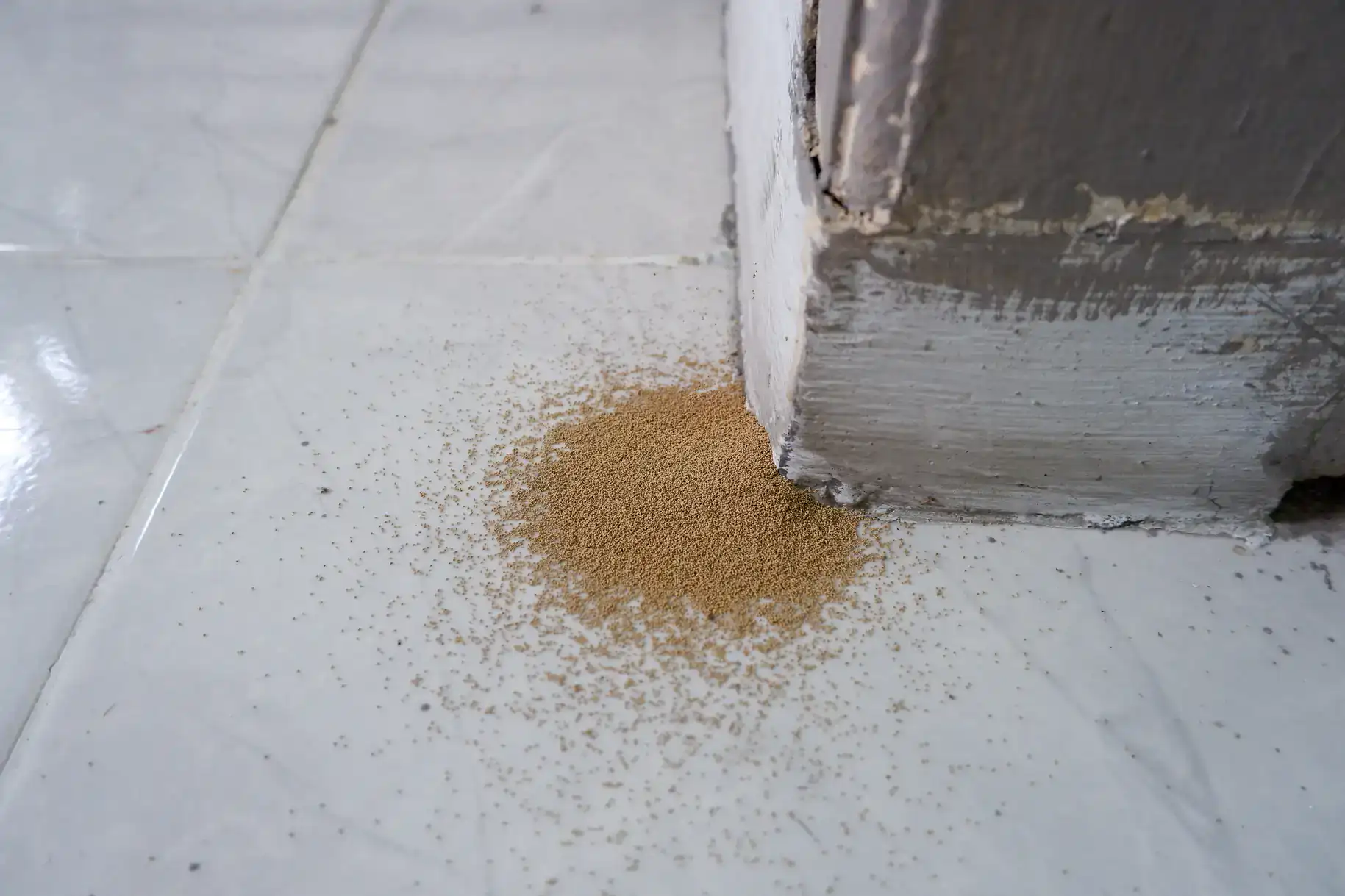
The most common signs residents in East Harlem notice first are termite swarmers small, winged insects that appear near windows, along baseboards, or around light fixtures, usually in early spring after a warm, rainy day. If you’re seeing swarmers inside your apartment, that’s a strong indicator that a colony is already established somewhere in the building’s structure, not just visiting. Swarmers don’t eat wood they’re the reproductive members of an existing colony looking to expand.
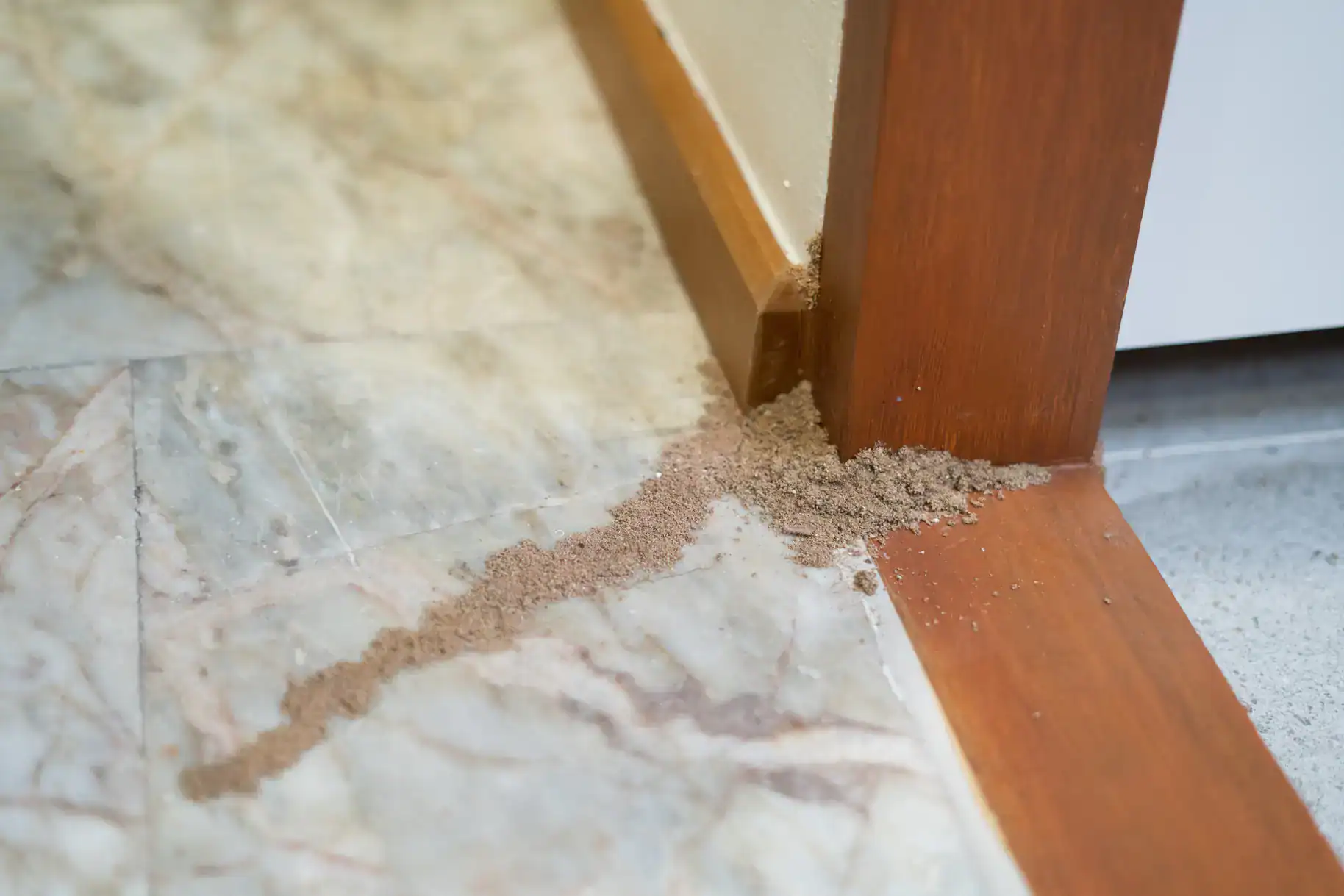
Other signs include mud tubes running along basement walls or foundation masonry, wood that sounds hollow when tapped, floors or ceilings that feel soft or slightly spongy, and paint that bubbles or peels without an obvious moisture source. In East Harlem’s pre-war tenements, these signs often appear in basements, near aging plumbing, and along the building’s foundation perimeter areas that have had soil contact and moisture exposure for decades. If you’re seeing any of these, the right move is a professional inspection, not a spray from the hardware store.
Yes and this is one of the most important things to understand about termite infestations in East Harlem’s housing stock. Eastern Subterranean Termites don’t respect apartment walls. They feed on the continuous wood structure that runs through a building floor joists, wall framing, staircase stringers which connects multiple units on the same floor and across floors. A colony established in the shared basement or foundation of a six-unit walk-up isn’t contained to one apartment. It’s feeding on wood that supports the entire building.
This is why a swarm in one unit is a building-wide concern, not just a single-tenant problem. In East Harlem, where buildings are densely occupied and many have connected basement systems, a thorough inspection needs to cover the full structure not just the unit where swarmers were first spotted. Our inspections are designed around the actual layout of multi-unit buildings, so the scope of any infestation is understood before treatment begins.
In East Harlem and across New York City, Eastern Subterranean Termite swarm season peaks in early spring typically March through May following warm days with rain. That’s when reproductive swarmers emerge from an established colony to find new nesting sites. In a densely built neighborhood like East Harlem, swarmers often appear indoors, near windows or light sources, because they’re drawn to light and warmth.
If you see swarmers, don’t panic but don’t ignore it either. The presence of swarmers inside a building means a mature colony is already established somewhere in or beneath the structure. Collect a few of the insects in a sealed bag or take a photo this helps confirm whether you’re looking at termite swarmers or flying ants, which are commonly mistaken for each other. Then call for an inspection as quickly as possible. We offer same-day inspections and answer calls around the clock, so you don’t have to wait through the weekend to find out what you’re dealing with.
Under New York City’s Housing Maintenance Code, landlords are legally required to maintain residential buildings free of pest infestations and that includes termites. If you’re a tenant in East Harlem and you’ve identified signs of a termite problem, you have the right to notify your landlord in writing and request treatment. If the landlord doesn’t respond, you can file a complaint through 311, which can trigger an HPD inspection and result in a formal violation order requiring the landlord to address the condition with a licensed exterminator.
That said, tenant-initiated complaints and HPD violations create timelines that landlords are required to meet. If you’re a property owner in East Harlem who has received a pest-related HPD violation or a NYC Department of Health citation, we handle the remediation and provide the documentation needed to formally close the violation. Acting quickly matters HPD violations that aren’t resolved within the required timeframe can escalate to additional fines and enforcement actions.
If you’re financing the purchase of a property in East Harlem particularly an older building there’s a good chance your lender will require a Wood Destroying Organism (WDO) inspection report before approving the loan. FHA loans and many conventional mortgage products require this documentation as part of the underwriting process. Even when it’s not required by the lender, a WDO inspection is straightforward due diligence on any pre-war building in East Harlem, where the housing stock is 80 to 130 years old and termite activity can be present without any visible signs on the surface.
For sellers, having a clean WDO report in hand can actually smooth the transaction and reduce the chance of a deal falling apart during the inspection period. For buyers, it’s the only way to know what you’re actually purchasing. We provide termite inspections and formal WDO reports for real estate transactions with the licensing, documentation format, and turnaround that lenders and real estate attorneys expect.
The cost of termite treatment in East Harlem depends on a few factors: the size of the building, the extent of the infestation, the type of treatment required, and whether the job involves a single unit or a full multi-family structure. For a targeted liquid barrier treatment on a smaller residential building, costs typically start in the range of $500 to $1,500. Termite baiting system installations, which are often used for ongoing monitoring and colony elimination in larger or more complex buildings, generally run higher depending on the number of stations and the building’s footprint.
What’s worth keeping in mind is the comparison. The average cost of repairing termite damage after the fact is around $3,000 and structural work like replacing floor joists or load-bearing framing can reach $10,000 or more. None of that is covered by standard property insurance. For landlords in East Harlem managing older buildings where wood infrastructure has been in place for a century, the cost of professional treatment is a fraction of what deferred action ends up costing. We offer free estimates, so you know exactly what you’re looking at before any commitment is made.
Useful Links
Other Services we provide in East Harlem