Hear from Our Customers
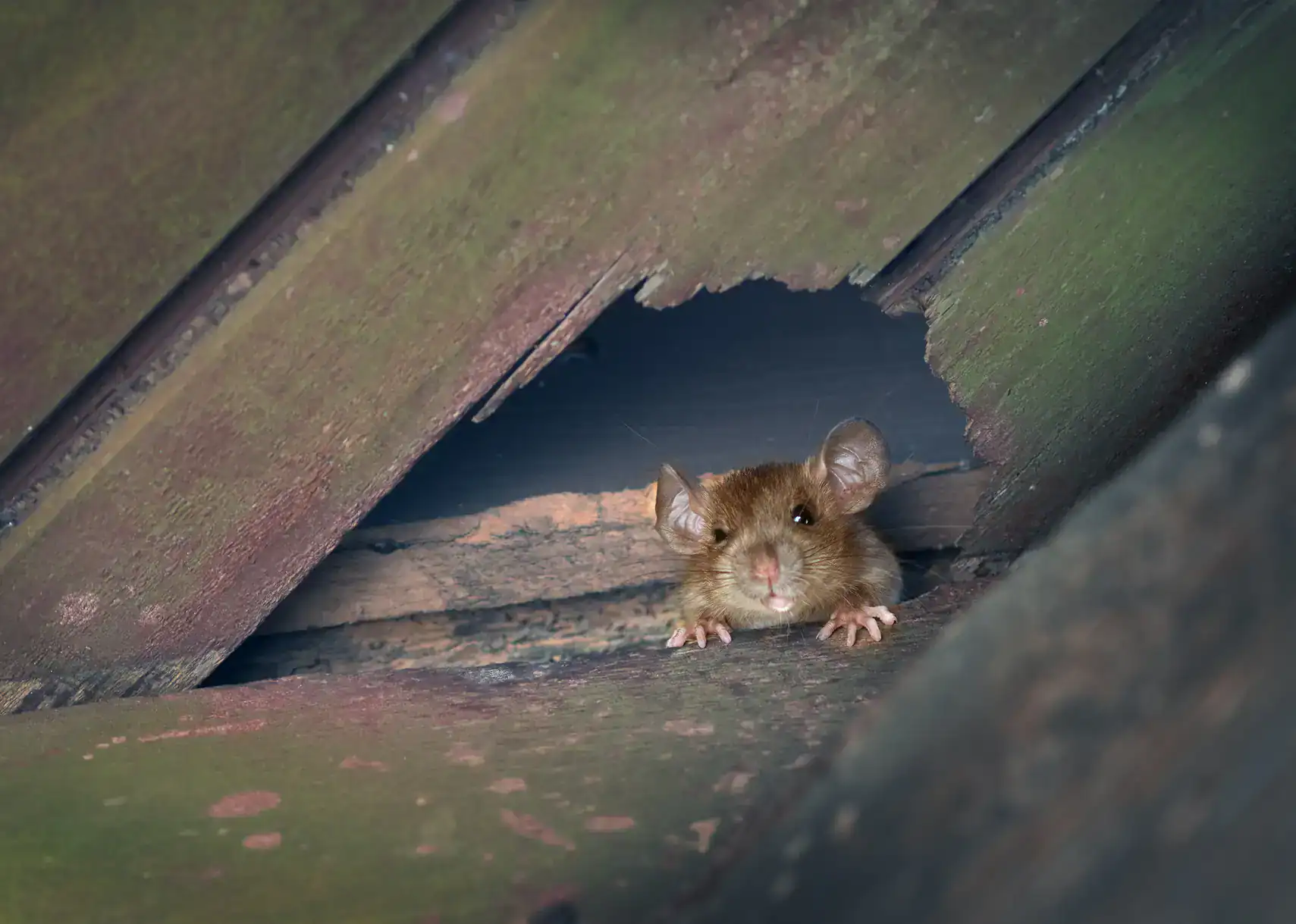
You stop hearing things in the walls at night. You stop finding droppings behind the stove or in the back of the cabinet under the sink. That low-grade anxiety the one that shows up every time you open a drawer in the kitchen goes away. That’s what rodent removal actually looks like when it’s done right.
For Floral Park homeowners, the stakes are real. The median home value here sits above $800,000. A rodent problem left unchecked doesn’t just affect your comfort it affects your wiring, your insulation, and what a buyer’s inspector finds when you’re ready to sell. The National Pest Management Association estimates rodents are behind up to 25% of house fires in the U.S. every year because of their compulsion to gnaw through electrical wiring.
There’s also the construction factor that’s specific to Floral Park. The LIRR Third Track expansion a $2.6 billion project that began right here at Floral Park Station displaced rat colonies from underground burrows directly into surrounding residential neighborhoods. News 12 covered it. Village officials coordinated with exterminators. Residents living near the station described it plainly: “It’s not a good way to live, it’s not healthy, it’s not comfortable.” If your home is near the LIRR corridor and you’ve noticed activity you didn’t have before, that context matters. Knowing why it’s happening is the first step toward solving it for good.
We’ve been operating in the New York metro area since 1976 over five decades of working in older housing stock like what dominates Floral Park, where pre-war construction and early Cape Cods are the norm, not the exception. We were founded by Richard Kourbage Sr. and later joined by his sons Richard Jr. and Charles. We’re still family-owned and operated today, which means there’s real accountability behind every service call.
We hold an A+ rating with the Better Business Bureau of New York State accredited since 1989 and apply only NYS Department of Environmental Conservation registered materials on every job. We’re fully licensed, bonded, and insured, and we’ve built a reputation across Nassau County and the five boroughs that attorneys and real estate brokers actively refer clients to. When your Floral Park home is worth what homes in this village are worth, that kind of track record isn’t a nice-to-have. It’s the baseline you should expect.
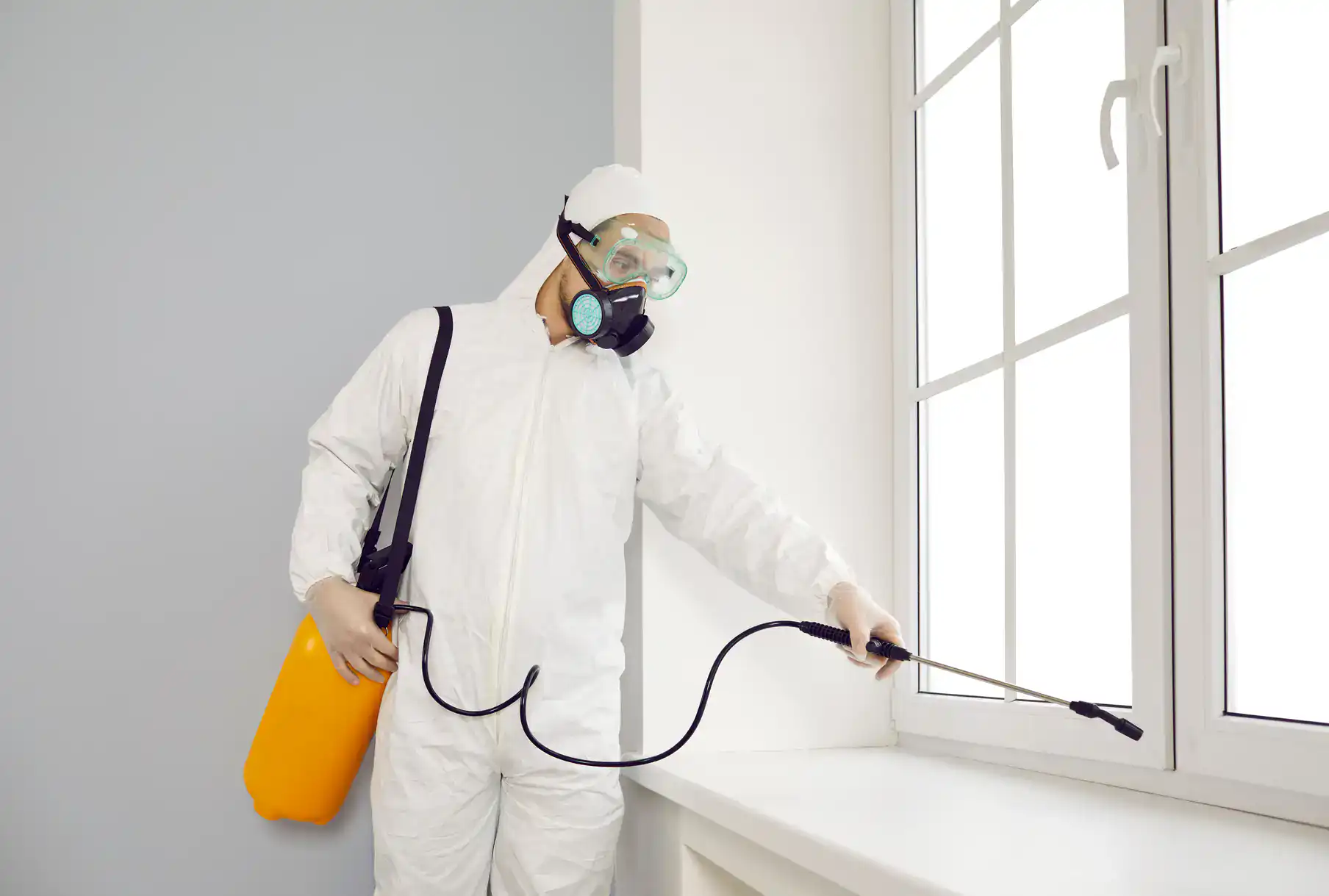
It starts with a thorough inspection interior and exterior. In a Floral Park home, that means looking at the places most homeowners don’t think to check: gaps around aging pipe penetrations in the basement, deteriorated mortar along the foundation, spaces around utility conduits that were added or modified during decades of renovations. A rat can enter through a hole the size of a quarter. A mouse needs even less. The inspection is about finding every one of those points, not just the obvious ones.
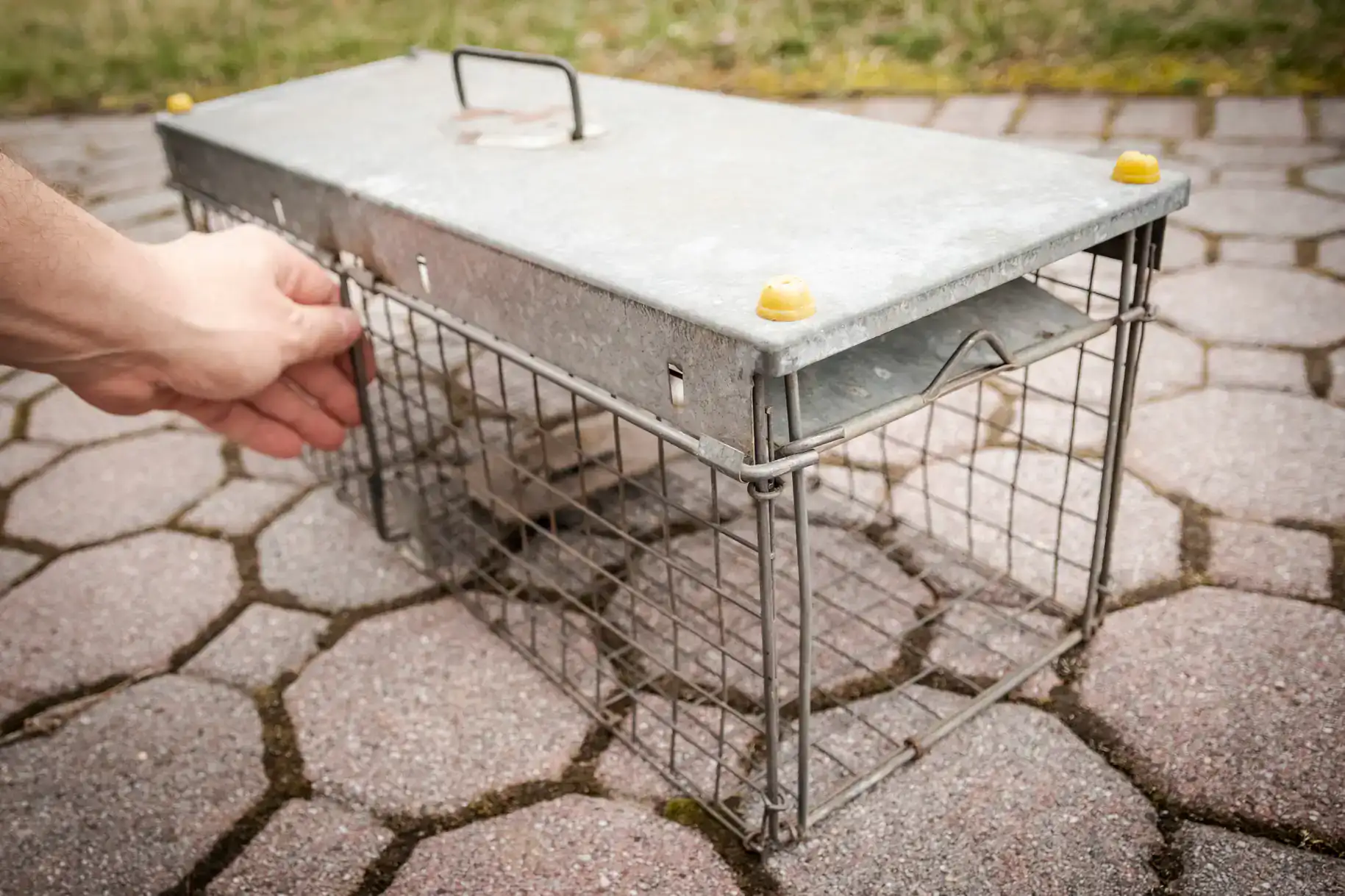
From there, we build a treatment plan around what’s actually happening in your home. That could mean bait stations, snap traps, or a combination of methods placed strategically based on where activity is concentrated and how the rodents are moving through the structure. For homes near the Floral Park LIRR station, that often means paying close attention to the perimeter and any soil disturbance around the foundation, since displaced Norway rat colonies tend to establish new burrows along the outer edge of structures before working inward.
The last step is exclusion sealing the entry points so the problem doesn’t come back. Treatment without exclusion is a temporary fix. Rodents will return if the access points remain open. We identify them, address them, and follow up to make sure the result holds. You’ll know what was found, what was done, and what to watch for going forward.
Ready to get started?
Rodent control in Floral Park isn’t a one-size situation. The older the home, the more entry points exist and most of them aren’t visible without a trained inspection. What we bring to every job is a complete process: inspection, treatment, exclusion, and follow-up. Not just bait stations dropped near the garage and a handshake at the door.
The inspection covers both the interior and exterior of the home, with specific attention to the foundation perimeter, utility entry points, attic access areas, and any crawl space or basement conditions. In Nassau County’s older housing stock and Floral Park has some of the oldest in the county those areas are where the vulnerabilities concentrate. All materials we apply are NYS DEC-registered, which is a legal requirement in New York and a standard we’ve maintained for over 50 years.
If you’re dealing with a rodent infestation in Floral Park and you’ve already tried hardware store solutions without success, that’s common. Over-the-counter traps and bait address the rodents you can see. They don’t address the entry points, the nesting areas behind the walls, or the colony activity that continues while you’re catching individuals. That’s the difference between a professional rodent removal process and a temporary patch. We also offer a free phone consultation no charge, no pressure so you can talk through what you’re experiencing before committing to anything.
It’s a fair question, and the honest answer is: yes, for many homes near the station, it almost certainly contributed. Large-scale underground construction the kind involved in the LIRR Third Track expansion from Floral Park to Hicksville disturbs established rodent burrow systems. When that happens, displaced rat colonies scatter into the surrounding area looking for new harborage. Residential properties with older foundations, soil around the perimeter, and structural gaps are exactly what Norway rats look for when they’re on the move.
News 12 reported on Floral Park homeowners calling on the village and the LIRR to address a documented rat infestation tied directly to construction near the station. Village officials confirmed they were working with exterminators to manage it. If you’re near the LIRR corridor in Floral Park and started noticing activity during or after the construction period, the timing is not a coincidence. The good news is that displaced colonies, once identified, can be addressed systematically starting with a proper inspection of the foundation perimeter and any areas of disturbed soil around your property.
Older homes give rodents more opportunities than newer construction not because they’re poorly maintained, but because decades of settling, weathering, and incremental renovation create gaps that weren’t there originally. In Floral Park, where a significant portion of the housing stock was built before or just after World War II, the most common entry points are gaps around aging copper or cast-iron pipe penetrations in the basement, cracks in foundation mortar that have widened over time, deteriorated sill plates at the base of the structure, and openings around utility conduits added during kitchen or bathroom renovations.
A Norway rat needs a gap roughly the size of a quarter to enter. A house mouse needs even less about the diameter of a pencil. That means entry points don’t look like obvious holes. They look like minor imperfections that most homeowners walk past every day without a second thought. A trained inspection is the only reliable way to find them all. Without identifying and sealing those points, any treatment you apply is temporary new rodents will move in to replace the ones removed.
Yes, it changes the approach in a few meaningful ways. The two most common species in Floral Park and the broader Nassau County area are Norway rats and house mice. Norway rats are larger, tend to burrow in soil along foundation perimeters, and are more cautious around new objects which means bait stations and traps need to be positioned based on their established travel routes, not just placed randomly. House mice are smaller, more exploratory, and can be active in areas of the home that rats wouldn’t typically reach, like inside wall voids, behind appliances, and in attic insulation.
The treatment plan for each is different in terms of product selection, placement strategy, and what the exclusion work looks like. For a Floral Park home near the LIRR corridor where Norway rat displacement is a documented issue, the inspection focuses heavily on the exterior foundation and soil conditions. For a home with house mouse activity, the focus shifts more to interior entry points and structural gaps at a smaller scale. Getting the species identification right at the start is what makes the rest of the process effective.
In New York, sellers are generally required to disclose known material defects that affect the value or habitability of a property. A rodent infestation particularly one that has caused damage to wiring, insulation, or structural components can fall into that category. Beyond the legal question, a buyer’s inspector is likely to find evidence of rodent activity if it exists: droppings, gnaw marks, nesting material in the attic or wall voids, or compromised insulation. In a market where Floral Park homes are transacting above $800,000, that kind of discovery during due diligence can delay or derail a sale.
We’re well known to attorneys and real estate brokers throughout the New York metro area, who actively refer clients for pre-sale inspections and remediation. If you’re preparing to list a Floral Park property, a professional rodent inspection and documented treatment gives you a clean record to present and removes the risk of a last-minute issue surfacing during the buyer’s inspection period. It’s one of the more straightforward things you can do to protect a transaction of that size.
The initial inspection and treatment visit typically takes between one and three hours depending on the size of the home and the extent of the activity. For most residential rodent control jobs in Floral Park, you don’t need to vacate the property during treatment but we’ll walk you through any specific precautions based on what materials are being used and where they’re being placed. All materials are NYS DEC-registered, and the application process follows safe handling protocols designed to prevent additional contamination during the removal process.
What takes longer is the full resolution and it’s worth being realistic about that. A single visit addresses the active population and puts the treatment in place, but follow-up is part of the process. Rodent activity is monitored, exclusion work is completed, and any adjustments to the treatment plan are made based on what the follow-up reveals. For homes near the LIRR corridor where displacement from construction may have introduced a larger-than-typical Norway rat population, that follow-up phase is especially important. The goal isn’t just to reduce the problem it’s to resolve it.
Hardware store traps and bait work on the rodents you can see or catch. They don’t find the entry points, they don’t address the colony activity happening inside the walls, and they don’t seal the gaps that will let the next wave of rodents in. In a Floral Park home with aging construction foundation gaps, deteriorated mortar, decades-old pipe penetrations the structural vulnerabilities that allowed rodents in are still there after you’ve caught a few mice. The problem pauses. It doesn’t end.
There’s also the health dimension. The CDC identifies more than 35 diseases that rats and mice spread to humans, including hantavirus, leptospirosis, and salmonella. Hantavirus can be contracted by breathing in dust from dried rodent droppings even after the rodents themselves are gone. For a household with children, or for the significant number of Floral Park residents who work in healthcare at Long Island Jewish Medical Center or Cohen Children’s Medical Center and understand disease transmission firsthand, that risk isn’t abstract. Professional rodent control addresses the source, the access points, and the contamination not just the symptom. That’s the difference, and for most homeowners in Floral Park, it’s a straightforward call once the full picture is clear.
Useful Links