Hear from Our Customers
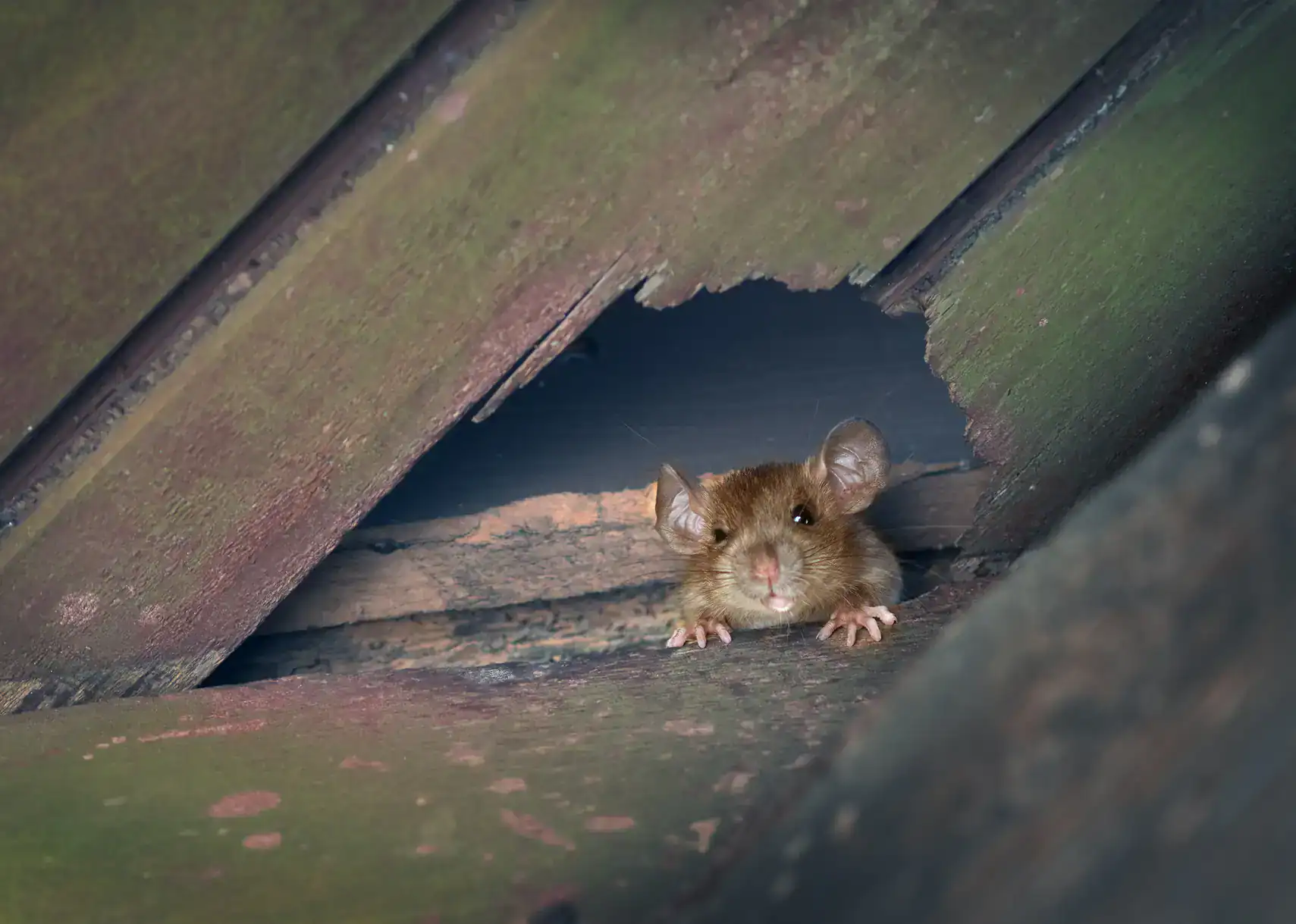
Most rodent problems in Marine Park don’t start inside your house. They start at the marsh edge in the tidal vegetation along the park’s perimeter and move inward when temperatures drop. By the time you’re hearing scratching in the walls or finding droppings behind the stove, there’s already an established pathway from the outside in. Treating what’s inside without closing that pathway just means you’ll be dealing with it again in a few weeks.
What changes after a proper rodent control service is the whole picture. The rodents already inside are eliminated. The entry points they used gaps around aging pipe penetrations, cracked mortar joints, foundation openings in homes that were built in the 1940s and 1950s for returning veterans and city workers get identified and addressed. And the conditions that made your home a target in the first place get corrected so the marsh population doesn’t simply send the next wave through the same door.
For Marine Park homeowners specifically, that last part matters more than it does almost anywhere else in Brooklyn. You’re not dealing with a one-time event. You’re living next to a permanent wildlife habitat. The solution has to account for that reality, not just the rodents that happened to show up this season.
Kingsway Exterminating Company has been headquartered at 2216 Flatbush Avenue in Marine Park since 1976. That’s not a service area claim that’s a street address in your neighborhood. Richard Kourbage Sr. founded our company here, and his sons Richard Jr. and Charles have been running it alongside him since the late 1980s. We’re a family business, and we’ve operated from the same Marine Park location for over five decades.
That kind of tenure means something specific in this neighborhood. Our technicians know the housing stock on Avenue S and Fillmore Avenue. They know how the older brick two-families and Tudor rowhouses in Marine Park age, where they develop gaps, and how the underground storm drain that replaced Gerritsen Creek creates rodent movement corridors beneath neighborhood streets. That’s not something you learn from a training manual.
We hold an A+ rating with the Better Business Bureau accredited since 1989 and apply only New York State DEC-registered materials on every job. Licensed, bonded, and insured, with a track record that attorneys and real estate professionals across Brooklyn rely on when a property transaction or health code citation is on the line.
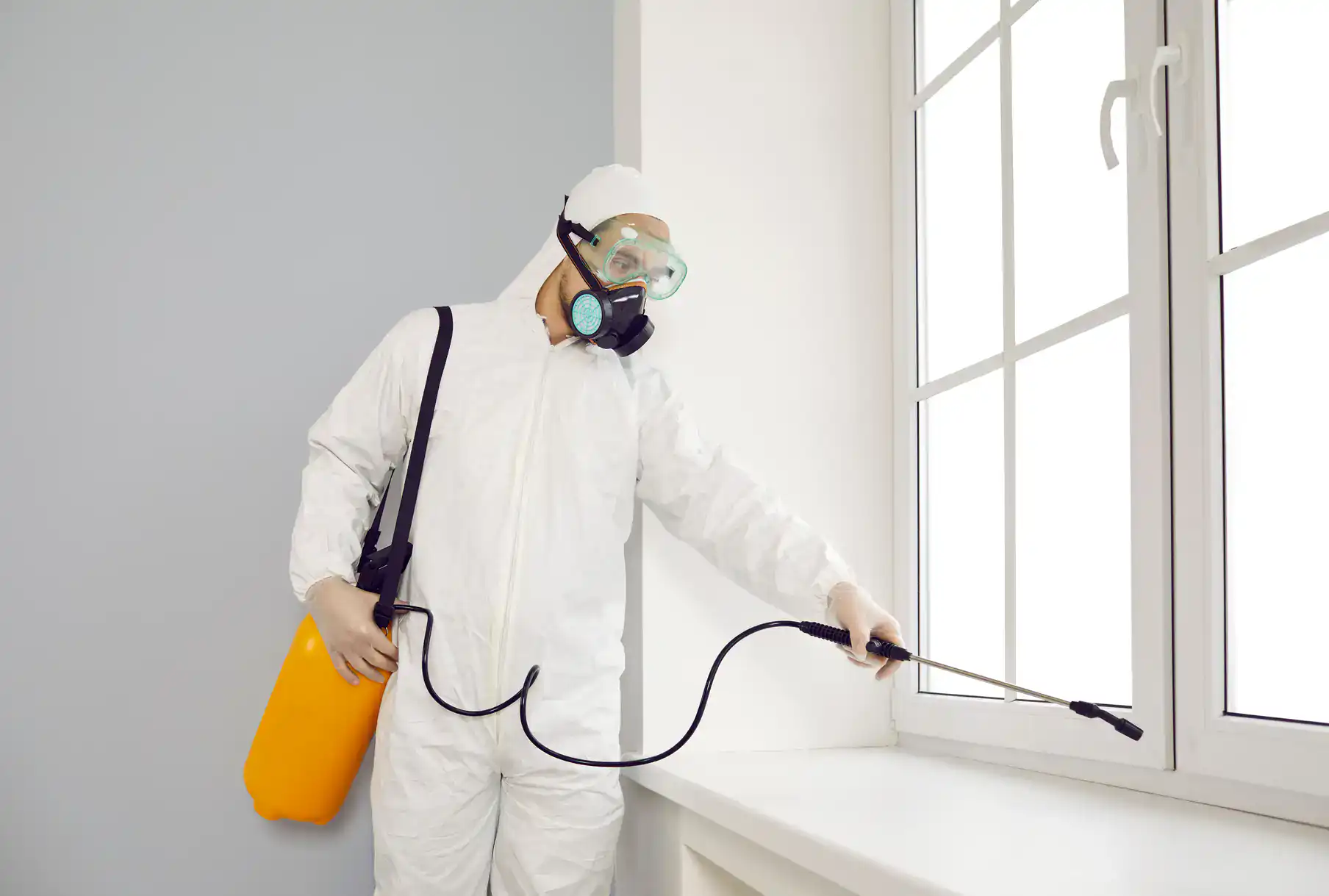
When you call Kingsway, the first step is a conversation not a sales pitch. You’ll describe what you’re seeing, where you’re seeing it, and how long it’s been going on. From there, an appointment gets scheduled, guaranteed within 48 hours, and we take calls around the clock if what you’re dealing with can’t wait until morning.
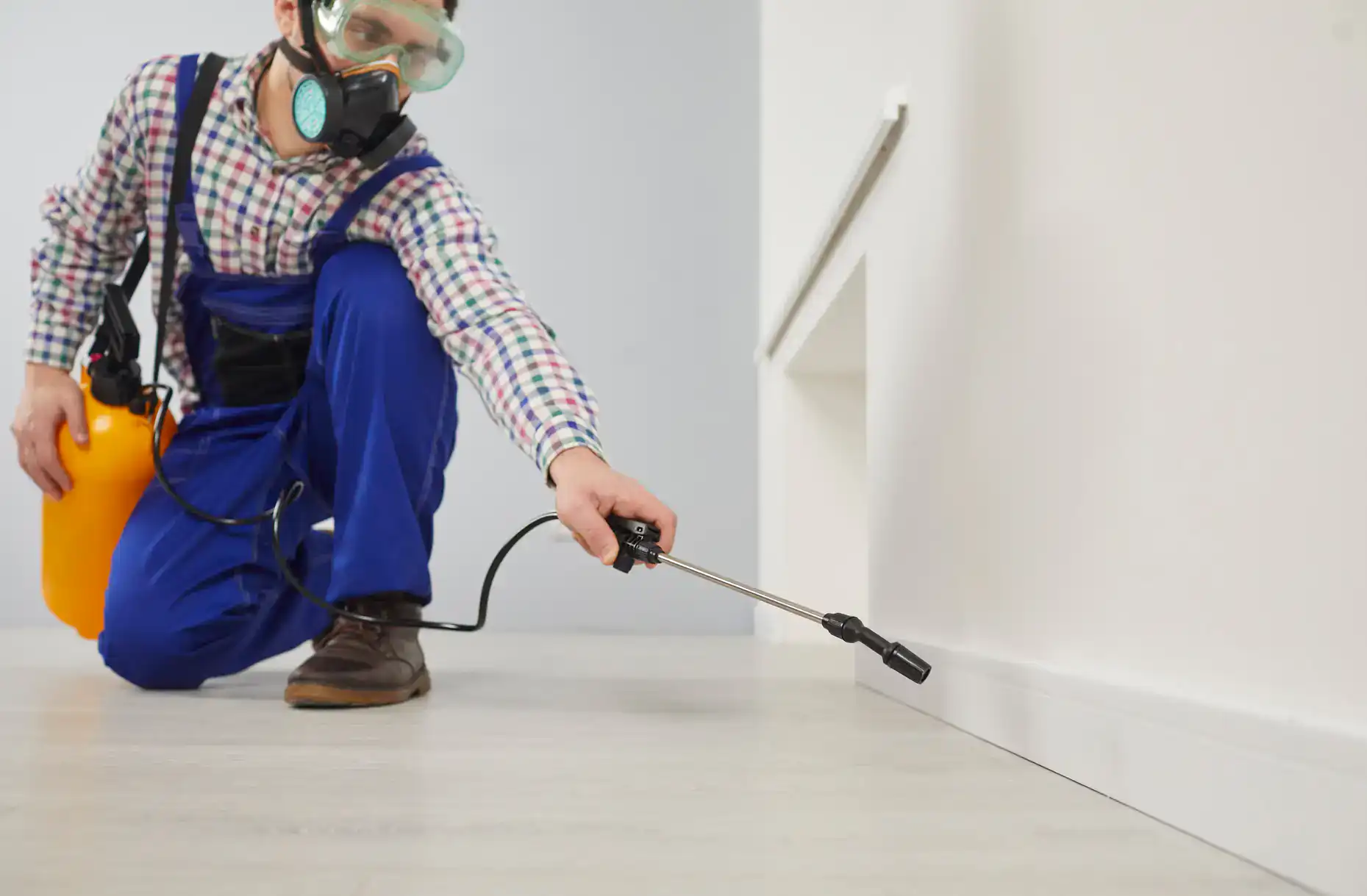
The inspection comes first, and it covers more than just the interior. In Marine Park, where the pressure comes from outside from the marsh perimeter, from the storm drain infrastructure running beneath the streets, from the wildlife corridor that connects your backyard to Jamaica Bay the exterior matters just as much as what’s happening inside. Our technician looks at foundation walls, utility penetrations, pipe entries, and any gap or crack in the building envelope that gives rodents a way in. In homes built 70 to 80 years ago, those openings are almost always present. Finding them is the job.
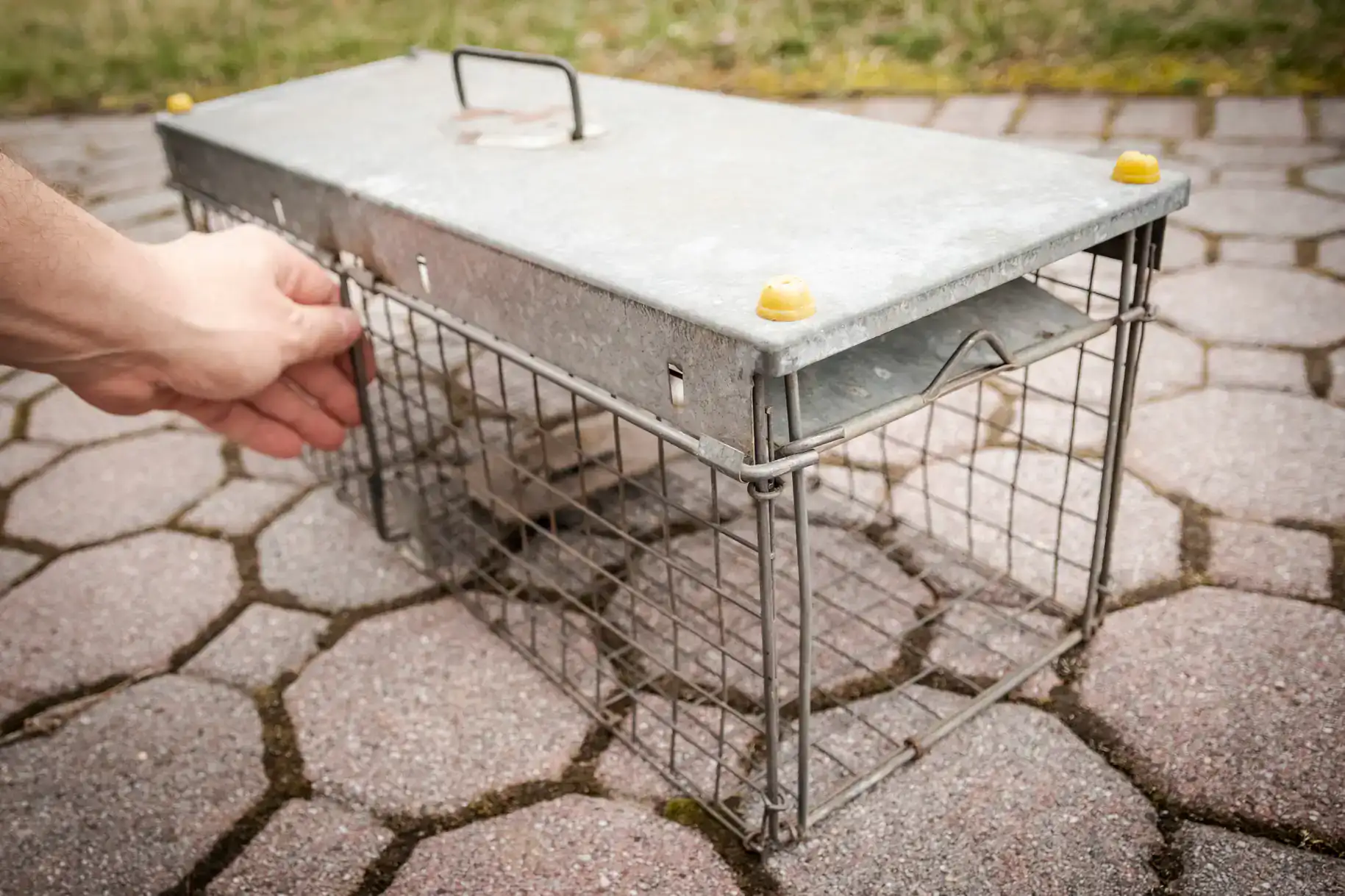
Treatment follows the inspection and is built around what was actually found not a standard package applied the same way regardless of conditions. Bait stations, traps, and targeted application of NYS DEC-registered rodenticides are deployed based on species, severity, and the specific layout of your home. Exclusion recommendations are provided so the entry points that allowed the infestation don’t simply become the entry points for the next one. The goal isn’t a single visit it’s a lasting result.
Ready to get started?
Rodent control in Marine Park isn’t the same job it is in Midtown or even in most of the rest of Brooklyn. The salt marsh changes the equation. The 530 acres of tidal wetland designated as a Forever Wild preserve by NYC Parks isn’t just a nice backdrop it’s a permanent rodent habitat that borders residential streets on multiple sides. Norway rats that live along the marsh edge travel up to 150 feet from their burrows in search of food and shelter. When the weather turns and the marsh floods, that radius extends directly into the homes on Gerritsen Avenue, Fillmore Avenue, and the blocks running between the park boundary and Kings Highway.
Our rodent control service addresses this at every level. Interior treatment targets the population already inside eliminating active rodents through professionally applied, NYS DEC-registered baiting and trapping methods that are safe for households with children, elderly residents, and pets. Exterior inspection identifies the structural vulnerabilities that allowed entry, with particular attention to the aging mortar joints, foundation gaps, and legacy pipe penetrations common in Marine Park’s older brick and bungalow housing stock. Exclusion guidance gives you a clear picture of what needs to be sealed and why.
All work complies with New York City and New York State pest control regulations, and our familiarity with NYC Department of Health and Mental Hygiene requirements means we can also assist homeowners navigating a health code citation something that comes up more often than most people expect in a neighborhood with the rodent pressure Marine Park carries.
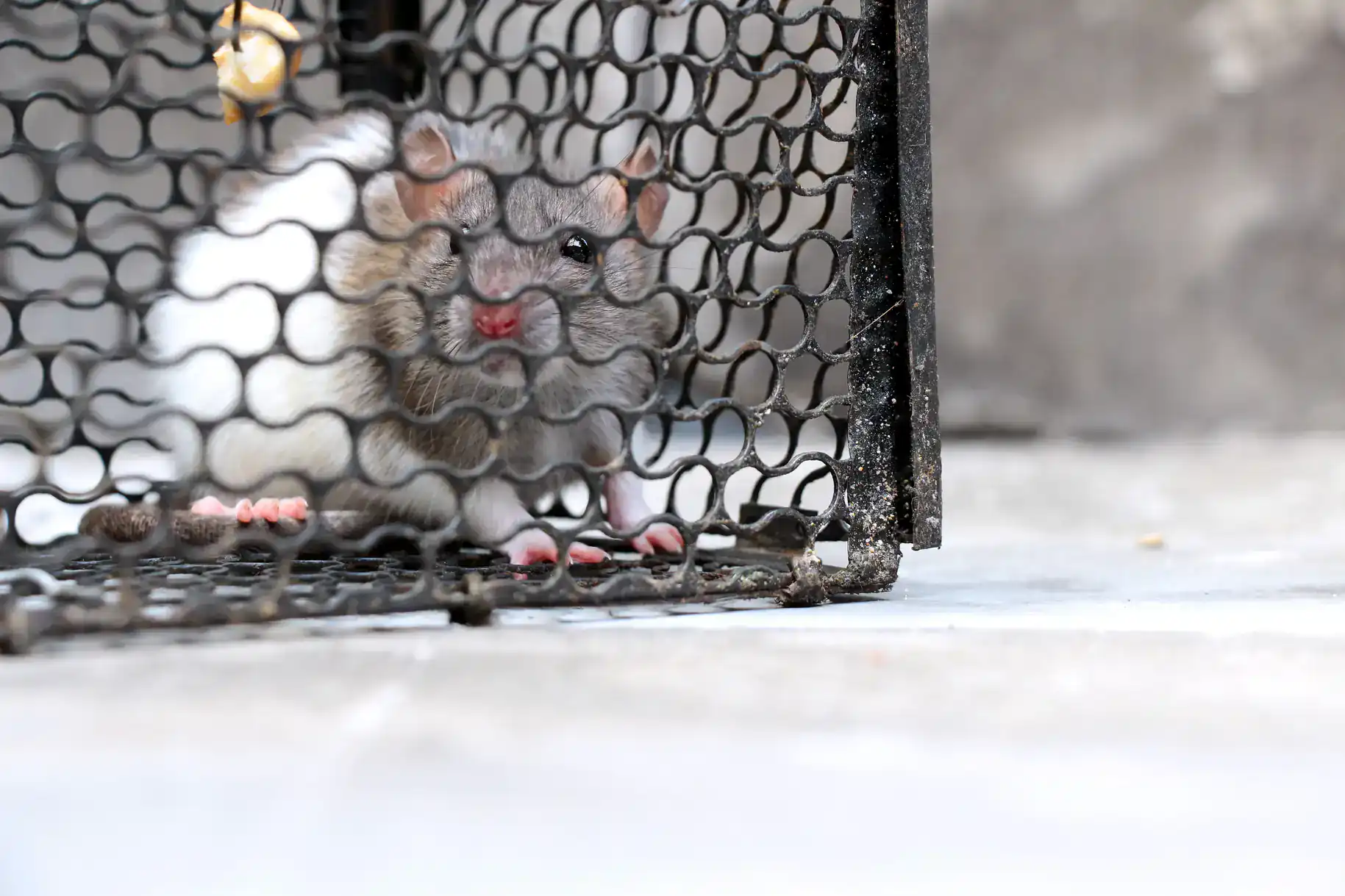
Yes, and it happens more predictably than most people realize. Norway rats the dominant species in this part of Brooklyn are documented inhabitants of urban salt marsh edges throughout the Northeast. The Marine Park salt marsh gives them exactly what they need: dense vegetation for cover, standing water, and organic material for food. When seasonal conditions shift, particularly in fall when temperatures drop or after significant tidal flooding events, that population moves outward toward the nearest warm, food-accessible environment. For the homes on Fillmore Avenue, Gerritsen Avenue, and the residential blocks between the park perimeter and Kings Highway, that means your house is often the closest option.
The entry points they use are rarely obvious. A gap the size of a quarter is enough for a rat. A hole the diameter of a pencil eraser admits a mouse. In Marine Park’s older housing stock brick two-families, bungalows, and Tudor rowhouses built largely in the 1930s through 1950s those gaps exist around virtually every pipe penetration, utility entry, and foundation crack that has widened over decades of settling. The marsh doesn’t have to send many rodents to create a serious infestation once they find a way in.
The signs are different enough that you can usually tell. Rats leave droppings that are roughly the size and shape of a raisin dark, blunt-ended, and often found along baseboards, behind appliances, or near food storage. Mice leave smaller, more pointed droppings, typically scattered more widely. Rats tend to produce audible movement heavy scratching or thumping in walls and ceilings, especially at night. Mice are quieter but leave more visible gnaw marks on food packaging, wood trim, and soft materials.
In Marine Park specifically, Norway rats are the more common concern in homes adjacent to the park and the storm drain infrastructure that replaced Gerritsen Creek. House mice are more typical in the interior blocks, particularly in older homes where small gaps around kitchen pipes and utility entries have gone unaddressed for years. If you’re seeing droppings but aren’t sure which species you’re dealing with, a professional inspection will tell you definitively and the treatment approach differs enough between the two that it’s worth knowing before you start.
Because over-the-counter traps and rodenticides address the rodents already inside, but they do nothing about the population source outside or the entry points that connect the two. In most neighborhoods, closing a few gaps and setting some traps is enough to resolve a minor problem. In Marine Park, you’re dealing with a permanent external population the salt marsh and its surrounding habitat aren’t going anywhere, and neither is the pressure they create on adjacent homes. Every fall, that pressure renews. Every time the marsh floods, it intensifies.
DIY products also tend to be applied without a full inspection, which means the actual entry points the ones rodents are actively using often go unidentified and unsealed. A mouse that finds its way in through a gap around a gas line at the foundation will keep using that gap, and so will every mouse that follows it. Professional rodent control in Marine Park has to include an exterior assessment and exclusion recommendations, not just interior treatment, or the cycle continues. That’s the part most homeowners don’t realize until they’ve already been through it two or three times.
We apply only New York State Department of Environmental Conservation registered materials which means every product used has been evaluated for safety and efficacy by state regulators before it’s ever brought into a home. That’s a meaningful distinction from what you’ll find on a hardware store shelf. Professional-grade application also means the product goes where it needs to go, in the amount it needs to be used, without the over-application or misplacement that makes DIY rodenticide genuinely risky in a household with children or animals.
For Marine Park households specifically and this neighborhood skews older, with a lot of multigenerational families and long-term homeowners the question of safety around elderly residents and grandchildren comes up often. Bait stations used in our professional treatment are tamper-resistant and placed in locations inaccessible to children and pets. Our technician will walk you through exactly what was applied, where it was placed, and any precautions relevant to your household before leaving. If you have specific concerns about a family member’s health conditions or sensitivities, raise them during the initial call that’s exactly the kind of information that shapes how the treatment is approached.
The honest answer is that it depends on what the inspection finds. A straightforward mouse problem in a single-family home limited entry points, contained activity is a different job than a Norway rat infestation in a two-family brick home with a basement that backs up against the park perimeter. Nationally, professional rodent control runs roughly $180 to $610 for treatment, with exclusion work adding $200 to $600 depending on the scope. Marine Park jobs that involve significant exterior work sealing foundation gaps, addressing utility penetrations in older homes, or dealing with the kind of persistent marsh-edge pressure that requires a more comprehensive approach tend to fall toward the higher end of that range.
What that investment gets you is a lasting result rather than a temporary one. The cost of repeated DIY attempts, combined with the property damage that an unresolved rodent infestation causes over time gnawed wiring, contaminated insulation, structural damage consistently exceeds the cost of a professional service done right the first time. We offer free estimates, so you’ll know the full scope and cost before any work begins. There’s no obligation to proceed until you’re comfortable with what’s proposed.
Our office is at 2216 Flatbush Avenue a Marine Park address. This isn’t a company that added Marine Park to a service area list. We’ve operated out of this neighborhood for over 50 years, founded here by Richard Kourbage Sr. in 1976 and still run by his family today. When you call, you’re reaching people who work on Flatbush Avenue, who know the difference between the housing stock on Avenue S and the blocks closer to the park boundary, and who have been treating rodent problems in this specific neighborhood through every seasonal cycle for decades.
That matters in a practical sense, not just a marketing one. A technician who knows Marine Park knows that the homes near the salt marsh face different pressure than the homes closer to Kings Highway. They know the underground storm drain that replaced Gerritsen Creek runs beneath neighborhood streets and creates rodent movement corridors that a generic service map doesn’t account for. You’re not getting a technician who drove in from somewhere else and is working off a general Brooklyn protocol. You’re getting someone who knows this neighborhood the way a neighbor does because that’s exactly what we are.
Useful Links