
Hear from Our Customers
You stop finding droppings in the kitchen. You stop hearing scratching in the walls at night. You stop wondering whether the snap trap you set last week did anything. That’s the baseline and it matters more than most people realize until they’ve gone a few weeks without sleeping well because something is moving around inside their home.
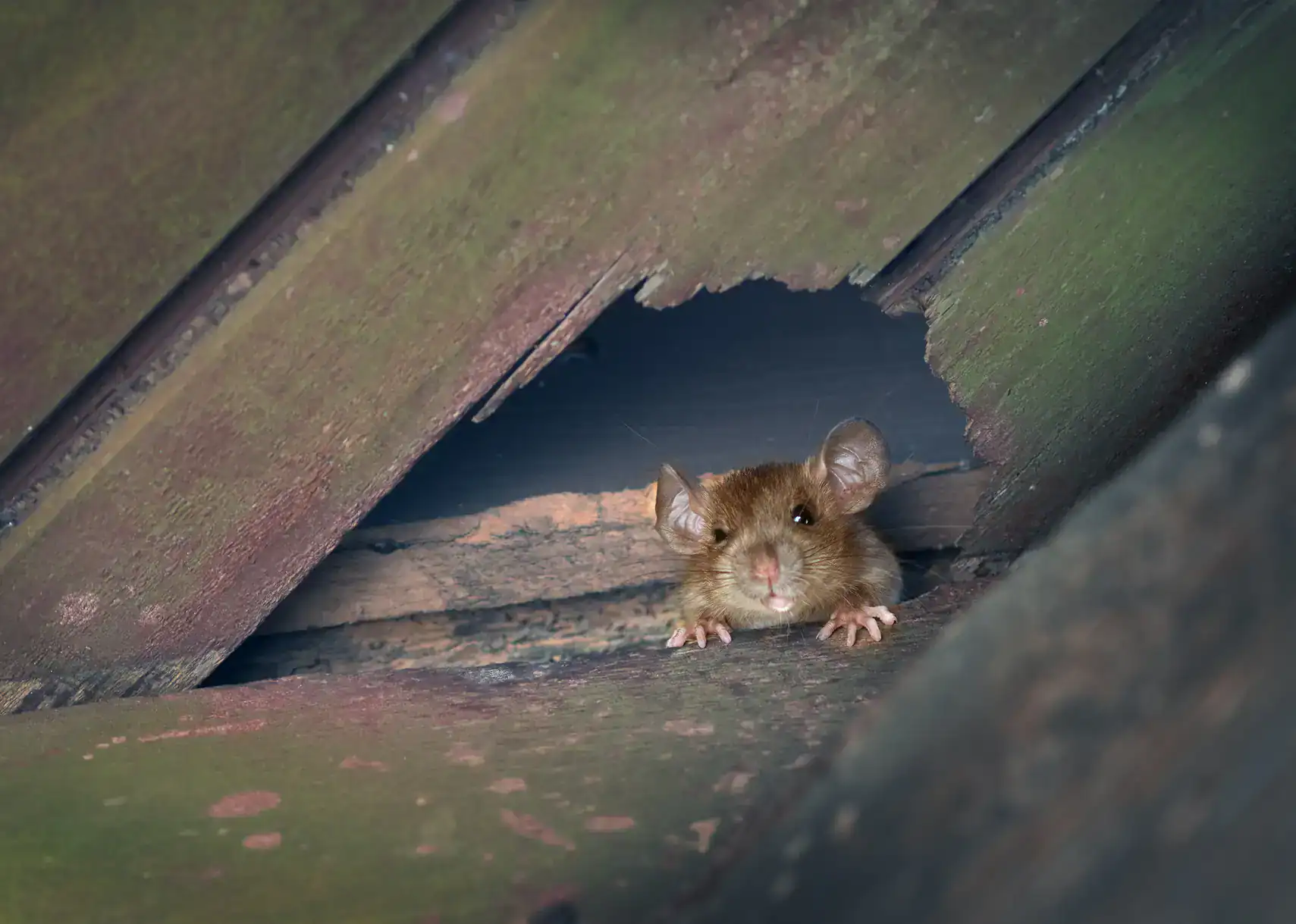
For Midwood homeowners specifically, there’s a layer to this that goes beyond the typical rodent story. A lot of the homes here were built in the 1920s through the 1950s, and decades of settling, pipe work, and minor renovations have left behind entry points that aren’t visible from the outside. A rat needs a gap the size of a quarter. A mouse needs a hole the size of a pencil eraser. Those openings exist in almost every pre-war home in this neighborhood around utility lines, along foundation walls, near basement windows. Sealing them is what turns a treatment into a lasting fix.
There’s also the reality of where Midwood sits. The LIRR Bay Ridge Branch trench runs along the northern edge of the neighborhood, and rail corridors like that are textbook rodent habitat undisturbed soil, consistent food waste, limited human traffic. Homes within a few blocks of that corridor are within the daily foraging range of the populations living there. Add the food waste generated by the restaurants and food markets along Avenue J and Coney Island Avenue, and you have persistent pressure coming from multiple directions. Solving the problem means understanding that pressure and building a response around it not just placing a few traps and calling it done.
We’ve been operating out of Brooklyn since 1976, headquartered on Flatbush Avenue in Marine Park right on Midwood’s southeastern edge. This isn’t a satellite office or a franchise location. The same family that started Kingsway Exterminating is still running it today, and that continuity matters when you’re dealing with a problem that requires someone to actually know what they’re looking at.
Richard Kourbage Sr. founded Kingsway with a straightforward philosophy: show up, do the work correctly, and charge a fair price. His sons Richard Jr. and Charles have carried that forward since the late 1980s. Over fifty years of work across Brooklyn and the five boroughs means the technicians who come to your Midwood home have seen the same building types, the same seasonal patterns, and the same rodent pressures that define south-central Brooklyn neighborhoods like yours.
We hold an A+ rating with the Better Business Bureau accredited since 1989 and we’re fully licensed, bonded, and insured. We apply only NYS DEC-registered materials, and attorneys and real estate brokers across the New York market refer clients to us regularly, which says something about the level of trust we’ve built over time.
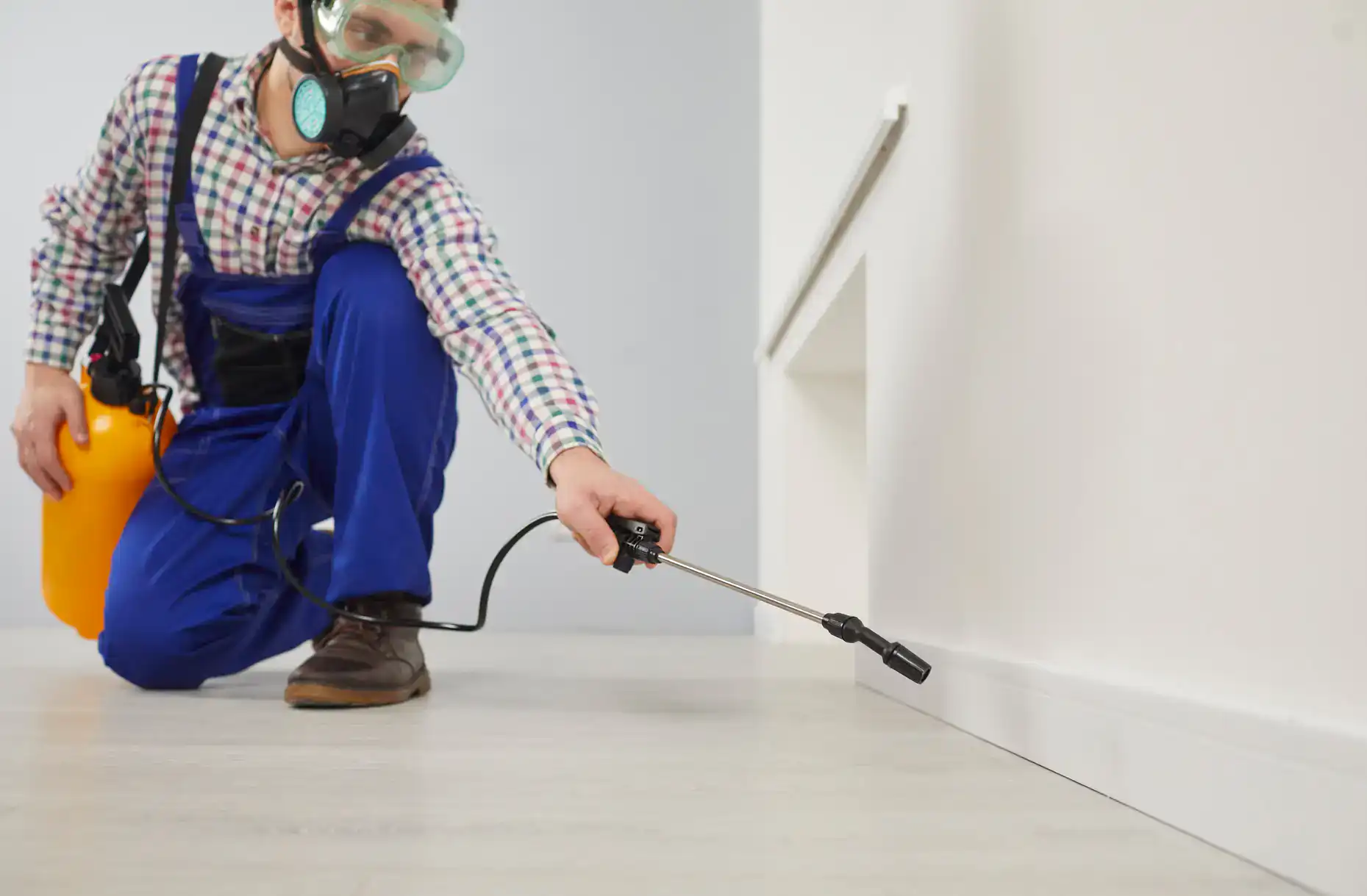
It starts with a thorough inspection interior and exterior. In a Midwood home, that means looking at the foundation perimeter, basement walls, utility penetrations, garage connections, and any area where the structure has settled or been modified over the years. These are the places rodents use, and they’re often not obvious. The inspection is what separates a real treatment from a temporary fix.
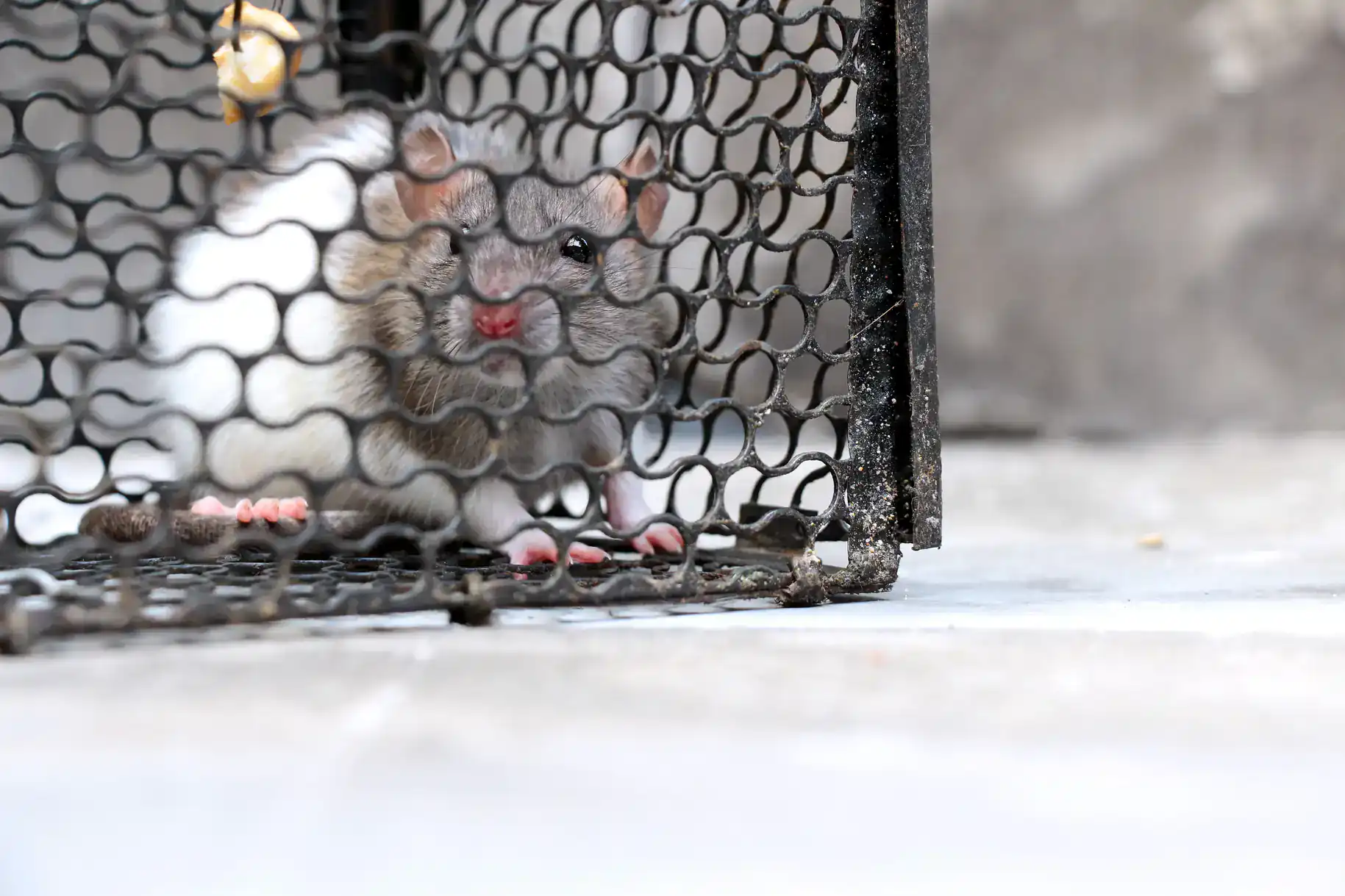
Once the entry points and activity areas are identified, we build the treatment plan around what’s actually happening in your specific home. That could include tamper-resistant bait stations, snap traps placed in strategic locations, or a combination depending on the species and the scale of the activity. Norway rats and house mice behave differently, and our approach adjusts accordingly. For homes near the Avenue J corridor or within a few blocks of the LIRR trench, we also account for the ongoing external pressure those environments create because a one-time treatment won’t hold if the conditions driving the problem aren’t addressed.
Exclusion work physically sealing the entry points we identify during the inspection is what makes the difference between solving the problem and managing it indefinitely. After treatment and exclusion, follow-up monitoring confirms the activity has stopped and catches anything that needs adjustment. You’ll receive a written service report after each visit so you know exactly what was done and what to watch for. The process is methodical because it has to be. In a dense urban environment like Brooklyn, cutting corners just means the problem comes back faster.
Ready to get started?
Every rodent control service starts with a free phone consultation no charge, no pressure, no obligation. You describe what you’re seeing, and a real person helps you understand what you’re likely dealing with and what the next steps look like. If you want to move forward, we guarantee an appointment within 48 hours, and same-day service is frequently available.
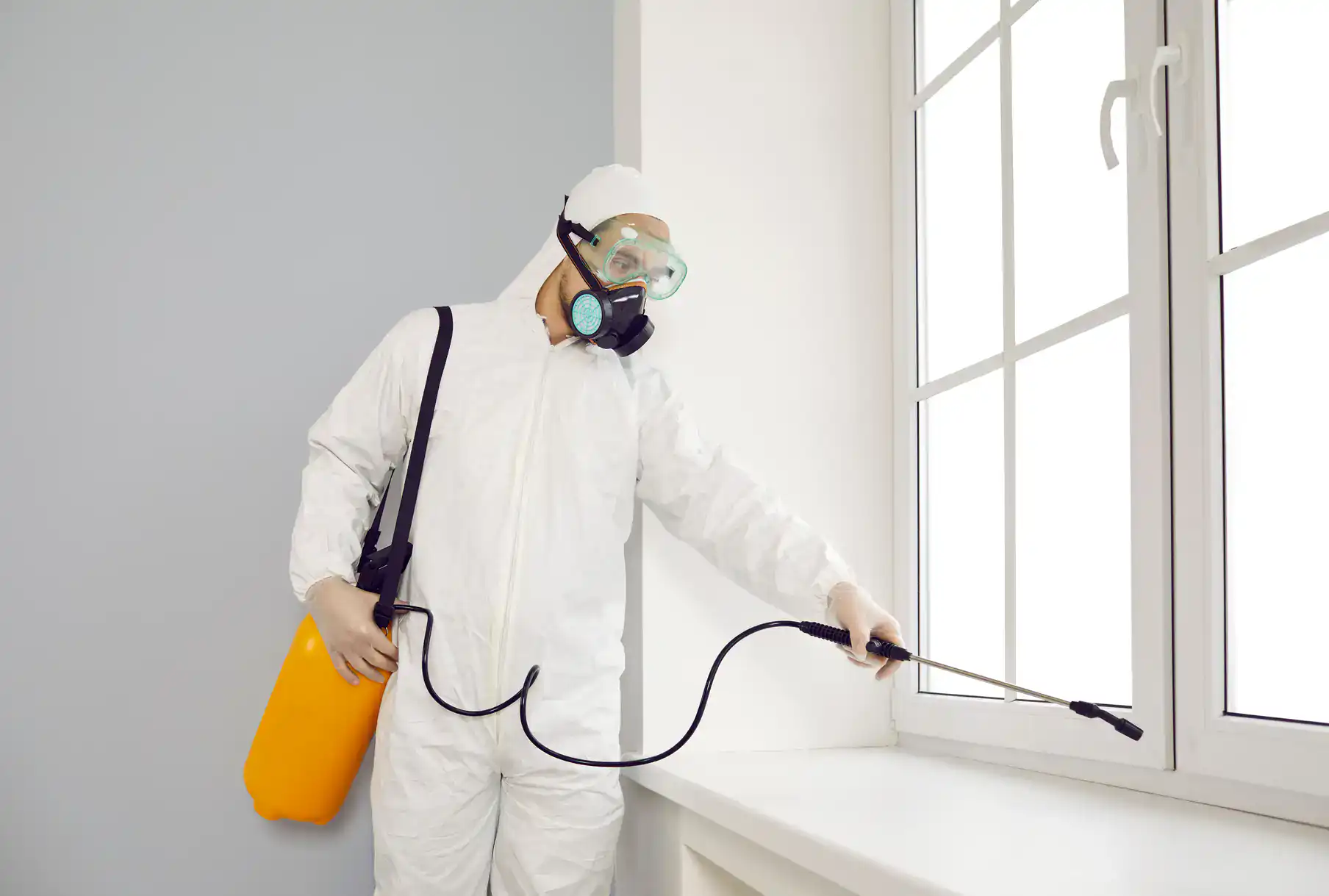
The on-site visit covers a full interior and exterior inspection, species identification, a customized treatment plan, and targeted application of NYS DEC-registered materials by a licensed technician. In New York City, all pesticide applications must be performed by a certified applicator using an unlicensed operator isn’t just a risk to the outcome, it’s a legal exposure for the property owner. Every product we use meets NYS DEC registration requirements, and the application is documented in a written service report you keep for your records.
For Midwood homeowners who also own or operate commercial properties on Kings Highway, Coney Island Avenue, or Avenue J, rodent activity carries an additional layer of urgency. The NYC Health Department actively inspects food-handling businesses, and evidence of rodent activity droppings, gnaw marks, burrows directly affects your letter grade and can trigger mandatory follow-up inspections with fines. We handle both residential and commercial rodent infestations in Midwood, and our approach for each is built around what the property actually needs, not a one-size-fits-all package.
It comes down to the age of the housing stock. Most homes in Midwood were built between the 1920s and 1950s, and over seventy or eighty years, even a well-maintained house develops gaps. Foundation walls shift slightly. Pipe penetrations that were sealed decades ago dry out and crack. Basement window frames settle. None of these openings are dramatic you might not notice them on a casual walk around the property but a rat only needs a gap the size of a quarter to get inside, and a mouse needs even less than that.
Newer construction is built to tighter tolerances and uses materials that don’t degrade the same way. Pre-war Brooklyn homes have character and durability, but they also have a history of modifications, repairs, and additions that create the kind of irregular gaps rodents exploit. A thorough exterior inspection of a Midwood home almost always turns up more potential entry points than the homeowner expected. That’s not a reflection of how well the home has been maintained it’s just the reality of the building type.
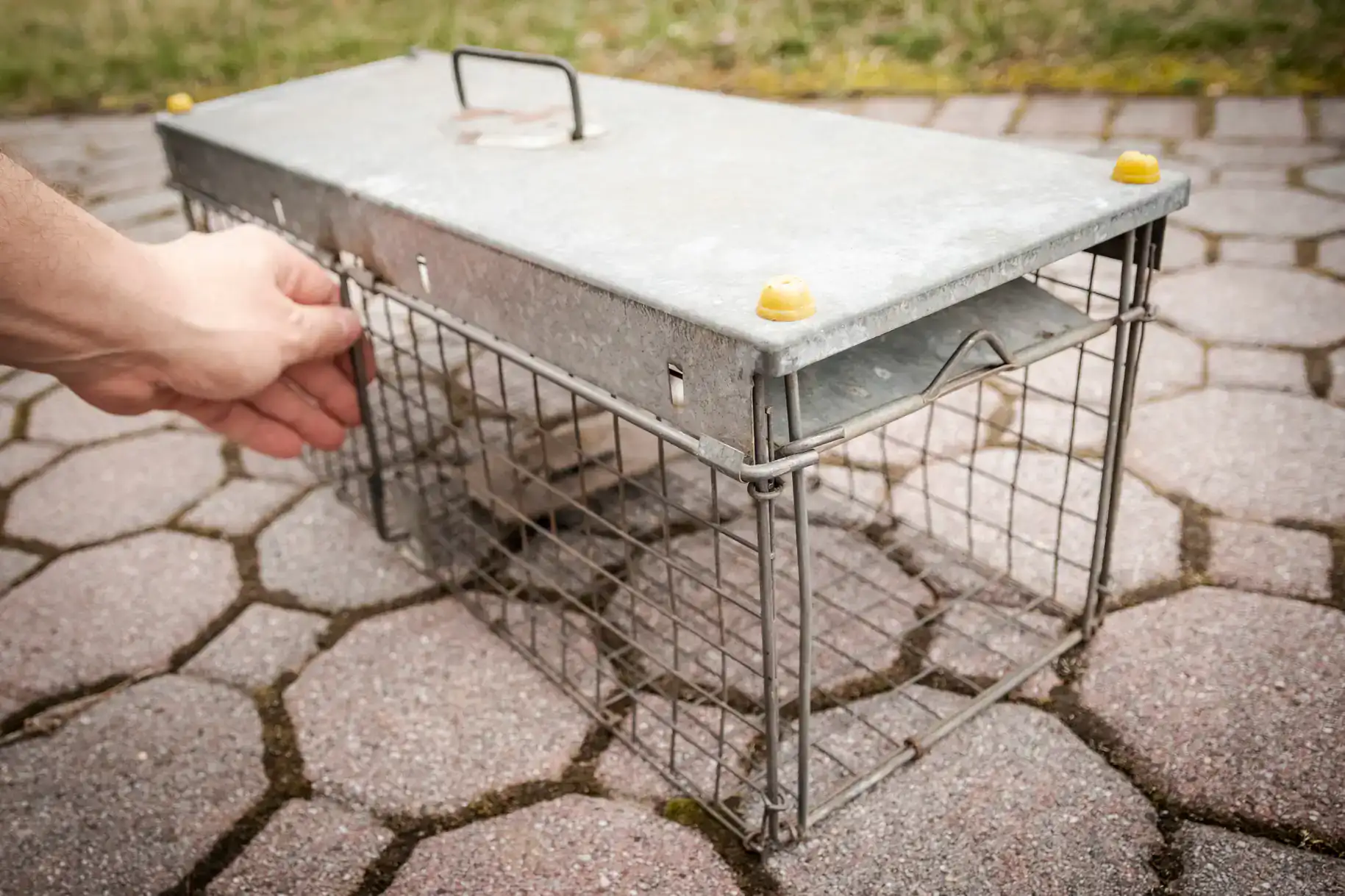
Traps catch individual rodents. They don’t address the reason rodents are getting into your home in the first place, and they don’t account for how quickly a mouse population can grow. A single female house mouse can produce her first litter at two months old and go on to have six to ten litters over her lifespan, with five or six young per litter. The math compounds quickly. If you’re catching mice consistently but the activity never stops, it usually means there’s an active entry point that hasn’t been found and sealed, and the population inside is being replenished from outside.
In Midwood, the external pressure is real and ongoing. Homes near Avenue J, Kings Highway, or Coney Island Avenue are within the daily foraging range of rodent populations sustained by food waste from restaurants and food markets. Homes within a few blocks of the LIRR Bay Ridge Branch trench are dealing with a known rodent corridor along the neighborhood’s northern edge. Trapping without exclusion without physically sealing the entry points is a cycle that doesn’t end. Professional rodent control addresses both sides of the problem.
In New York City, building owners are legally required to keep their properties free of rodents and to take all necessary steps for remediation when a problem exists. This applies to both residential and commercial property owners. If a tenant in a multi-unit building reports a rodent problem and the landlord fails to address it, the NYC Department of Housing Preservation and Development can issue housing violations and fines. For single-family homeowners, the obligation is less about tenant law and more about Health Department enforcement particularly if a complaint is filed through 311, which triggers an inspection.
The city receives approximately 40,000 rodent complaints through 311 every year, and Brooklyn is consistently one of the highest-complaint boroughs. A reported property gets inspected, and if the inspector finds active rat signs burrows, droppings, gnaw marks the property owner is required to remediate and may face fines for non-compliance. Beyond the legal dimension, NYC requires that all pesticide applications be performed by a licensed applicator certified by the NYS Department of Environmental Conservation. Using an unlicensed exterminator exposes you to liability and often produces results that don’t hold.
Treatment refers to eliminating the rodents that are currently present through bait stations, traps, or targeted application of rodenticide in areas of confirmed activity. Exclusion refers to physically sealing the entry points rodents are using to get into the structure in the first place. Both matter, but they address different parts of the problem. Treatment without exclusion means you’re removing the rodents that are inside while leaving the door open for more to follow. In most cases, they will.
For a Midwood home particularly one built before 1960 exclusion work is almost always part of the recommendation. The entry points in these homes are typically around the foundation perimeter, basement utility penetrations, and areas where the structure has settled or been modified. Sealing them correctly requires knowing what materials hold up in a Brooklyn basement environment and understanding how rodents probe for weaknesses over time. It’s more involved than caulking a gap, but it’s also what makes the treatment last. If you’re in a block close to the LIRR trench or within a couple of streets of a commercial corridor, exclusion isn’t optional it’s what keeps a solved problem from becoming a recurring one.
Yes, it changes the approach meaningfully. Norway rats the dominant rat species in Brooklyn are larger, more cautious, and tend to burrow along foundation walls, under concrete slabs, or in the soil adjacent to a structure. They’re neophobic, meaning they’re suspicious of new objects in their environment, which affects how and where bait stations and traps get placed. House mice are smaller, more exploratory, and tend to nest inside walls, behind appliances, and in insulation. They’ll investigate new objects quickly, which changes the timing and placement strategy.
The signs are usually distinguishable. Rat droppings are roughly the size and shape of a raisin dark, blunt-ended, about three-quarters of an inch long. Mouse droppings are much smaller, pointed at both ends, about a quarter inch. Gnaw marks, burrow locations, and the size of entry points also help confirm the species. In Midwood, Norway rats are the more common concern in homes near the LIRR corridor or commercial food businesses, while house mice tend to be the issue in purely residential blocks. A proper inspection confirms the species and drives the treatment plan from there.
We guarantee an appointment within 48 hours of your call, and same-day service is available in many cases. We’re headquartered in Marine Park, directly adjacent to Midwood, so response time to this area is not a logistical stretch it’s a short drive. You can reach us at (718) 859-8448, and the line is staffed 24 hours a day, seven days a week.
The first step is a free phone consultation with no charge and no obligation. You describe what you’re seeing where, how often, what type of evidence and get a real assessment of what you’re likely dealing with before anyone asks you to commit to anything. Pricing for residential rodent control varies based on the size of the property, the extent of the infestation, and whether exclusion work is needed. National averages for a residential treatment run roughly $180 to $600, with exclusion adding to that depending on scope. We’ll give you a clear picture of cost before the work begins. For Midwood homeowners who’ve already spent money on hardware-store traps that haven’t held, the free consultation is a reasonable next step it costs nothing and usually answers the questions that matter most.
Useful Links
Other Services we provide in Midwood