
Hear from Our Customers
Most Midwood homeowners don’t find out they have termites until they’re already dealing with the damage. A renovation project exposes a compromised joist. A basement inspection turns up mud tubes along the foundation wall. By that point, a colony has often been feeding for years quietly, 24 hours a day, through wood that’s been in place since the 1920s. The Eastern Subterranean Termite doesn’t care how well-maintained your home looks from the outside.
What changes after proper termite treatment isn’t just peace of mind it’s real structural security. The homes along Avenue J, Ocean Parkway, and the West Midwood blocks were built to last, but wood sill plates set directly on masonry foundations and crawl spaces with decades of accumulated moisture are exactly the conditions these termites are drawn to. Getting ahead of that means your floors stay solid, your load-bearing timbers stay intact, and the investment you’ve made in a Midwood property where median values are approaching $915,000 is actually protected.
There’s also the real estate side of it. Whether you’re buying, selling, or refinancing, lenders and attorneys in this market routinely require a Wood Destroying Organism report before closing. We provide written WDO reports that meet those requirements, which keeps your transaction on schedule and gives you documented proof that your Midwood home is termite-free.
We’ve been based on Flatbush Avenue since 1976 which means the homes we’ve treated look exactly like yours. The detached Tudors in West Midwood, the brick rowhouses near Kings Highway, the multi-family buildings along Coney Island Avenue these aren’t unfamiliar territory. They’re the building types our team has been walking through for over 50 years.
Richard Kourbage Sr. founded our company. His sons Richard Jr. and Charles run it today. When something needs to be made right, you’re not calling a regional call center you’re reaching the family whose name is behind every job. That accountability is real, and it shows in over 35 years of BBB A+ accreditation.
Our team brings more than 100 years of combined pest control experience to every inspection. That’s not a marketing number it means the technician who walks through your door has likely seen every termite situation a Midwood home can present, and knows exactly what to do about it. We understand the specific vulnerabilities of pre-war construction in this neighborhood because we’ve been treating them since before most of our current clients were born.
It starts with a phone call and someone actually picks up, any time of day. Once you reach us, we’ll ask a few straightforward questions about what you’ve noticed and schedule an inspection, typically within two business days. Same-day availability is common, especially during spring swarm season when Midwood homeowners start spotting winged insects near their windowsills after a warm rain.
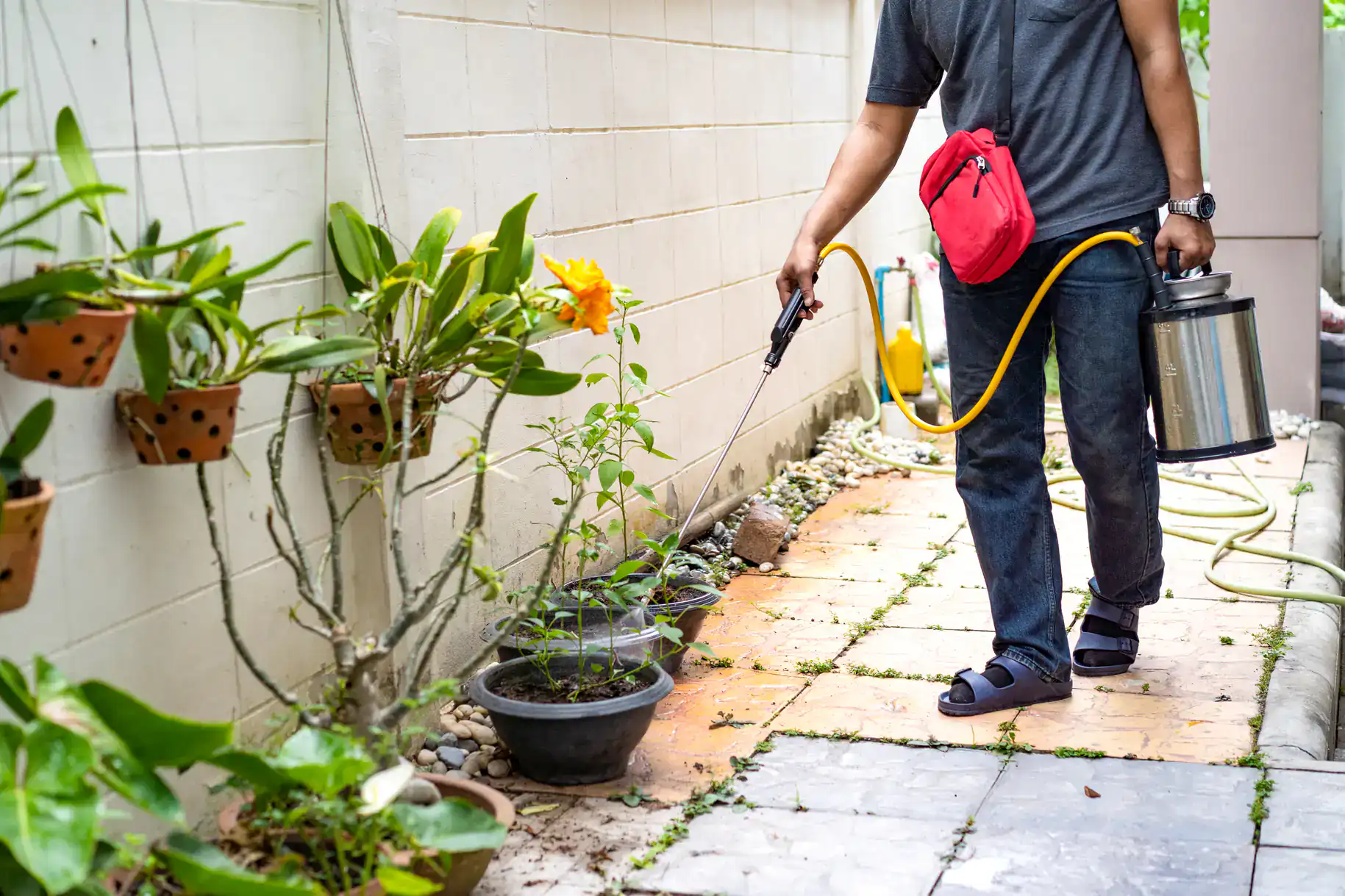
The inspection itself is thorough and specific to your property. For the pre-war homes that make up most of Midwood’s residential stock, that means checking the basement sill plates, crawl spaces, foundation perimeter, and any wood-to-soil contact points including fences, garden beds, and tree root zones along the front and back yards. These are the highest-risk areas in Midwood, and we don’t skip them. All materials we apply are registered with the New York State Department of Environmental Conservation, and every treatment is targeted not broadcast across your entire home.
If treatment is needed, we’ll walk you through exactly what’s being done and why. For established infestations, we often use a baiting system designed to reach the colony at its source not just the termites visible at the surface. Workers carry the treatment back underground, eliminating the colony from within. After treatment, we document everything clearly, which matters whether you’re staying in your home long-term or need a WDO report for a lender or real estate attorney.
Ready to get started?
Termite control in Midwood, NY isn’t a one-size approach. The service we deliver is shaped by what your specific property needs and in a neighborhood built almost entirely before World War II, that requires real attention to detail.
Every engagement starts with a full inspection of your property’s most vulnerable areas: foundation perimeter, basement framing, crawl spaces, sill plates, and any exterior wood features. For homes near the LIRR Bay Ridge Branch corridor or with mature landscaping a common feature on Midwood’s tree-lined residential blocks we pay close attention to root zones and soil conditions that can harbor subterranean termite colonies before they reach the structure. If you’ve received a NYC Department of Health pest violation or are managing a multi-family building with tenant-facing compliance requirements, we handle that too. We know what the inspectors look for and what it takes to get a property back into compliance.
For active infestations, treatment typically involves a liquid barrier application, a termite baiting system, or both depending on the extent of the colony and the construction type. Liquid treatments create a protective zone around the foundation. Baiting systems go further, targeting the colony underground so it doesn’t simply relocate and re-enter from an adjacent soil zone. In Midwood, where homes sit close together on standard Brooklyn lots, that distinction matters a treated home can be re-infested from an untreated neighbor’s yard if the colony isn’t fully eliminated. We also provide written WDO inspection reports accepted by lenders and real estate attorneys, which is a frequent need in Midwood’s active residential market.
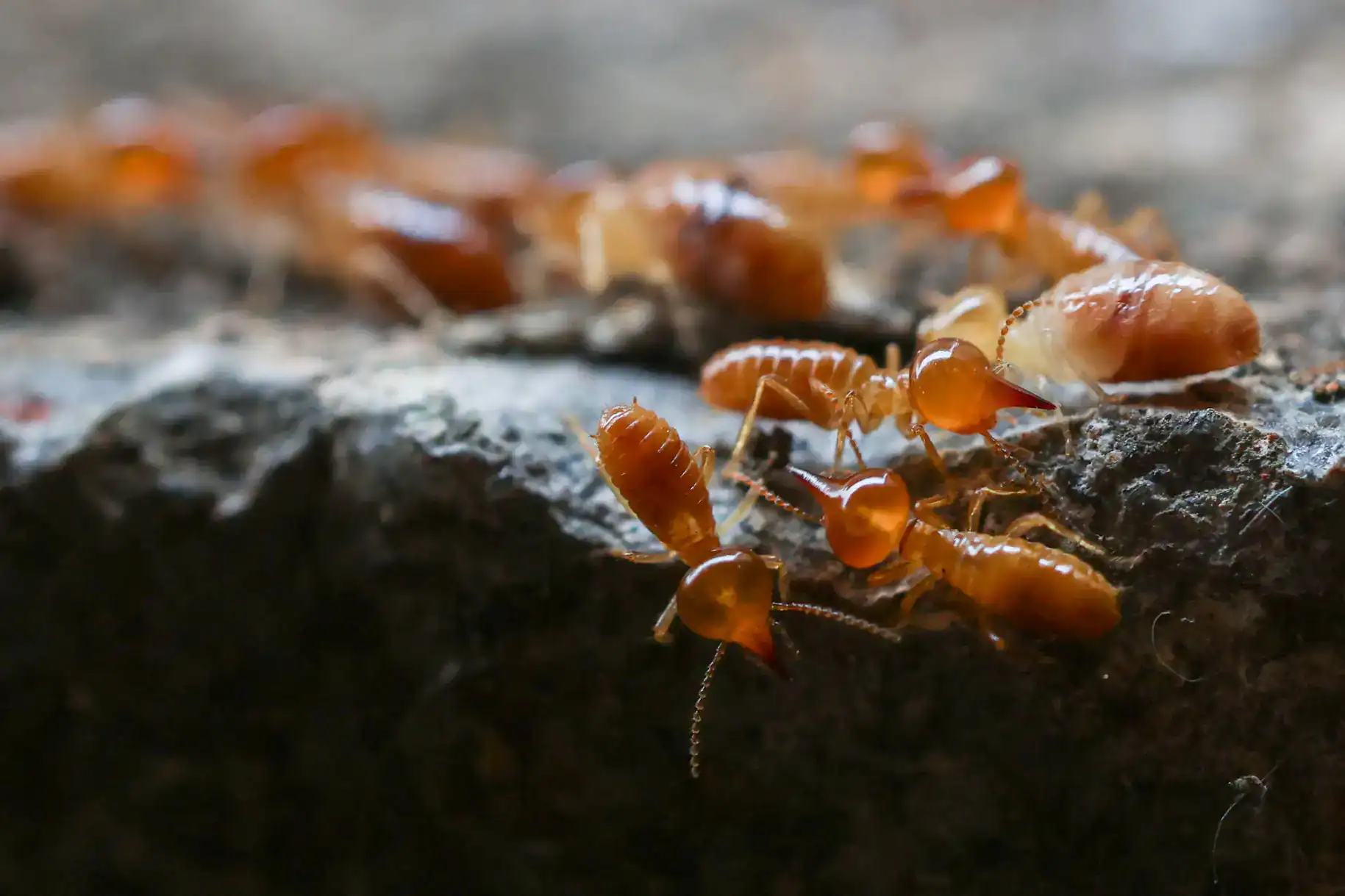
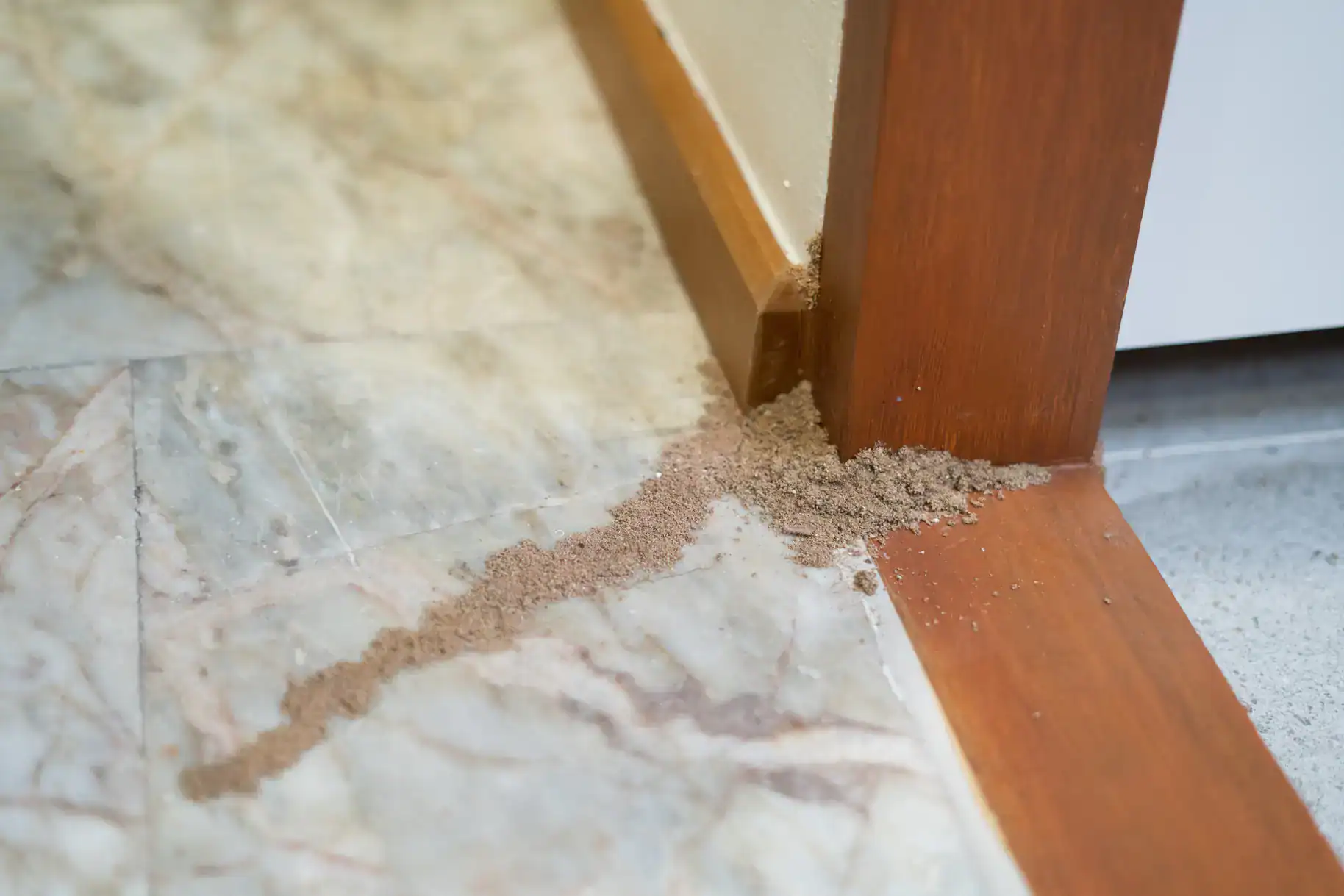
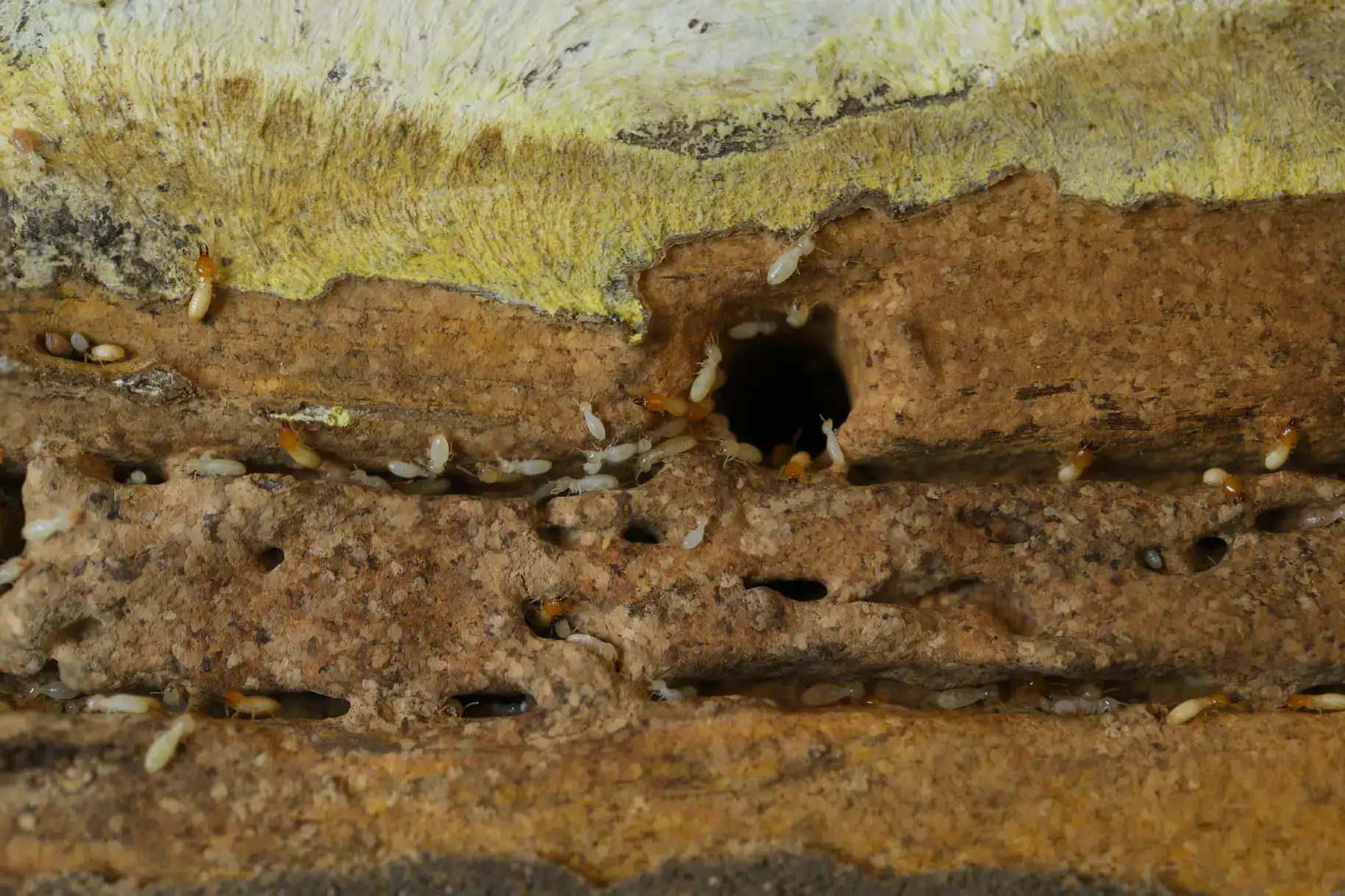
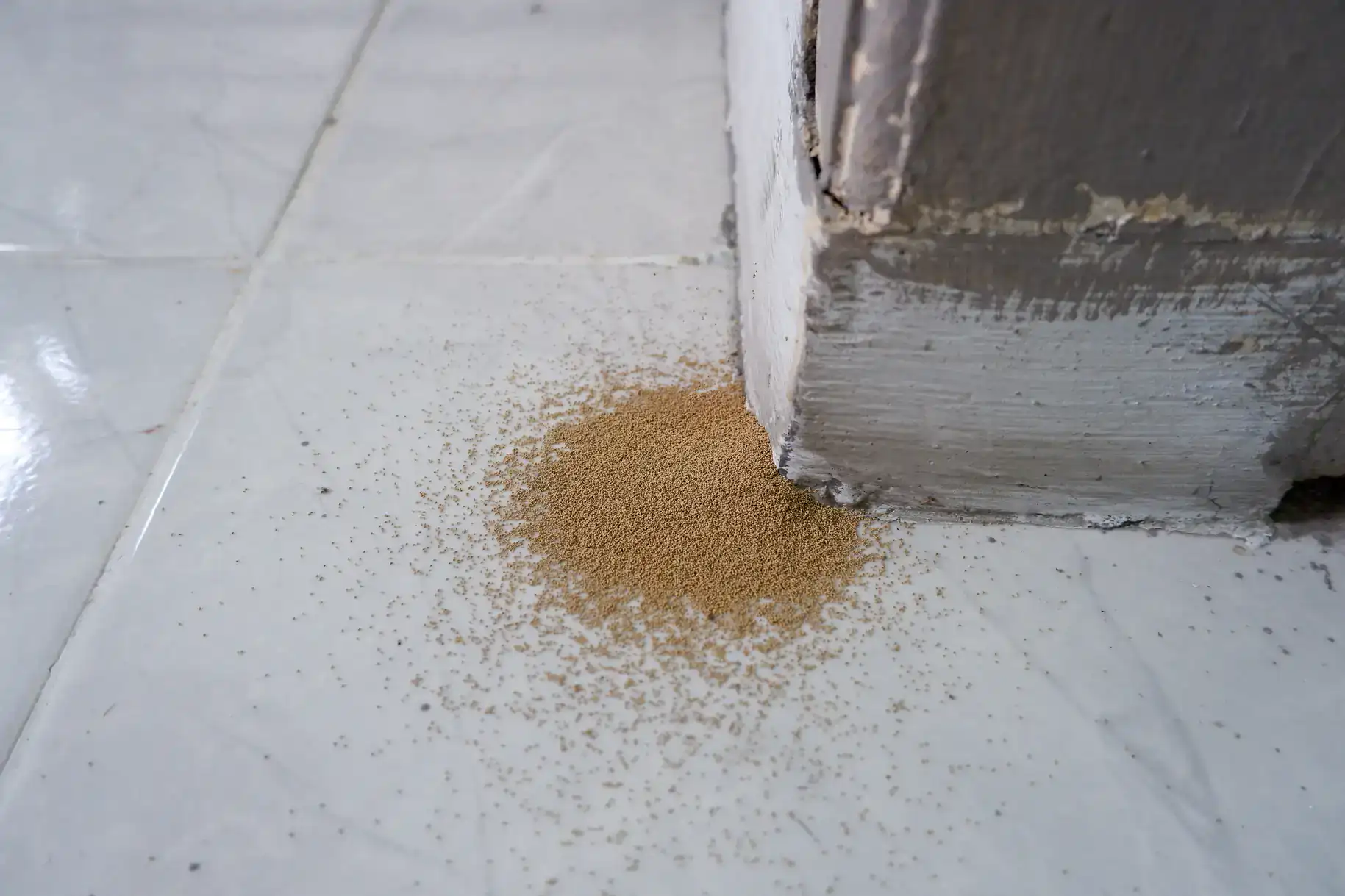
The most common signs in Midwood’s pre-war housing stock are mud tubes running along foundation walls or basement framing, hollow-sounding wood when you tap on floor joists or sill plates, and small piles of what looks like sawdust near baseboards or window frames. During spring typically late March through May you may also notice swarmers: winged termites that emerge after warm, rainy days and are often mistaken for flying ants.
In the 1920s and 1930s homes that define Midwood’s residential blocks, these signs often appear first in the basement or crawl space, where wood-to-masonry contact is most direct. If you’re seeing any of these indicators, don’t wait. A colony of 250,000 workers can consume 20 feet of a standard 2×4 in a single year, and by the time the damage is visible from the surface, it’s typically been building for years.
The cost of termite treatment in Midwood, NY depends on the size of your property, the extent of the infestation, and the treatment method required. For a typical detached or semi-detached home in Midwood, professional termite treatment generally ranges from $1,500 to $5,000. Larger multi-family properties or buildings with advanced structural involvement can run higher.
What’s worth keeping in mind is that the average homeowner spends around $3,000 on termite damage repairs alone and structural work on compromised joists or load-bearing timbers can reach $10,000 or more. Most homeowner insurance policies in New York do not cover termite damage, which means every dollar of repair cost comes directly out of your pocket. In a neighborhood where property values are approaching $915,000, the cost of early treatment is modest compared to the cost of waiting. We provide written estimates before any work begins no surprises.
If you’re financing a purchase with an FHA or VA loan both common in Brooklyn’s residential market a Wood Destroying Organism report is typically required before mortgage approval. Many conventional lenders and buyers’ attorneys also request termite inspections as a condition of sale, particularly for pre-war homes, which describes the majority of Midwood’s housing stock.
Even outside of financing requirements, it’s increasingly common for buyers in Midwood to request a termite inspection as part of their due diligence, especially given the age of the neighborhood’s homes. Sellers who have a clean inspection on record are in a stronger position and less likely to face last-minute delays. We provide written WDO reports that meet lender and attorney requirements, and we can typically schedule inspections within two business days fast enough to keep your transaction timeline on track.
This is a question we hear often in Midwood, and it’s a fair one. All materials we apply are registered with the New York State Department of Environmental Conservation. Every treatment is targeted and applied by our certified professionals following EPA safety protocols we don’t broadcast chemicals through a home indiscriminately.
For households that maintain kosher kitchens or have young children and elderly residents present, we’ll walk you through exactly what’s being applied, where, and what the re-entry timeline looks like before we start any work. Treatment areas are selected specifically to minimize contact with food preparation zones. We understand that in a community where home and family are central, the question of what’s going into your walls and foundation isn’t secondary it’s the first thing you should ask. We’re prepared to answer it clearly, every time.
Liquid barrier treatments we apply around a foundation typically remain effective for five years or more when properly applied. Termite baiting systems provide ongoing protection and are monitored over time bait stations are checked and refreshed as needed to maintain continuous colony suppression. The right approach depends on your property’s specific situation and risk profile.
For Midwood homeowners, annual inspections are worth taking seriously even after treatment. The neighborhood’s density means that a treated property can be re-exposed if a neighboring home or adjacent soil zone harbors an untreated colony subterranean termites don’t respect property lines. Homes with mature trees, landscaped yards, or wood fencing are at higher ongoing risk because the surrounding soil provides a sustained food source. An annual inspection catches any new activity before it becomes a structural problem, and it’s far less expensive than dealing with a re-infestation that’s had time to develop.
The honest answer is local depth. We’ve been headquartered on Flatbush Avenue since 1976 a genuinely local address, not a regional dispatch hub. The pre-war brick homes, detached Tudors, and basement-heavy construction that define Midwood’s residential streets are the same building types our team has been inspecting and treating across Brooklyn for over 50 years. That familiarity isn’t something you can replicate with a franchise model or a recently launched local competitor.
Beyond the history, our team brings over 100 years of combined pest control experience to every job. That means the technician who arrives at your door has likely treated homes on streets just like yours, many times before. We hold BBB A+ accreditation dating back to 1989, we answer phones 24 hours a day, and we use only NYS DEC-registered materials on every job. If you’re managing a multi-family property and dealing with a NYC Department of Health citation, we handle that too. For a Midwood homeowner comparing options, those aren’t small distinctions.
Useful Links
Other Services we provide in Midwood