Hear from Our Customers
Most rodent problems in Williamsburg don’t get solved they get delayed. A snap trap catches one mouse. A bait station slows things down. But if no one has looked at the foundation gaps in your 19th-century tenement, the utility penetrations in your converted loft, or the shared wall system your building has with the one next door, you’re going to be back at the hardware store in three weeks.
When rodent control is done right, the difference is immediate and lasting. No more scratching in the walls at 2 AM. No more droppings on the kitchen counter. No more wondering whether your landlord is going to do anything about it. You get a clear picture of where the infestation is coming from, what’s being done to stop it, and what needs to happen to keep it from coming back.
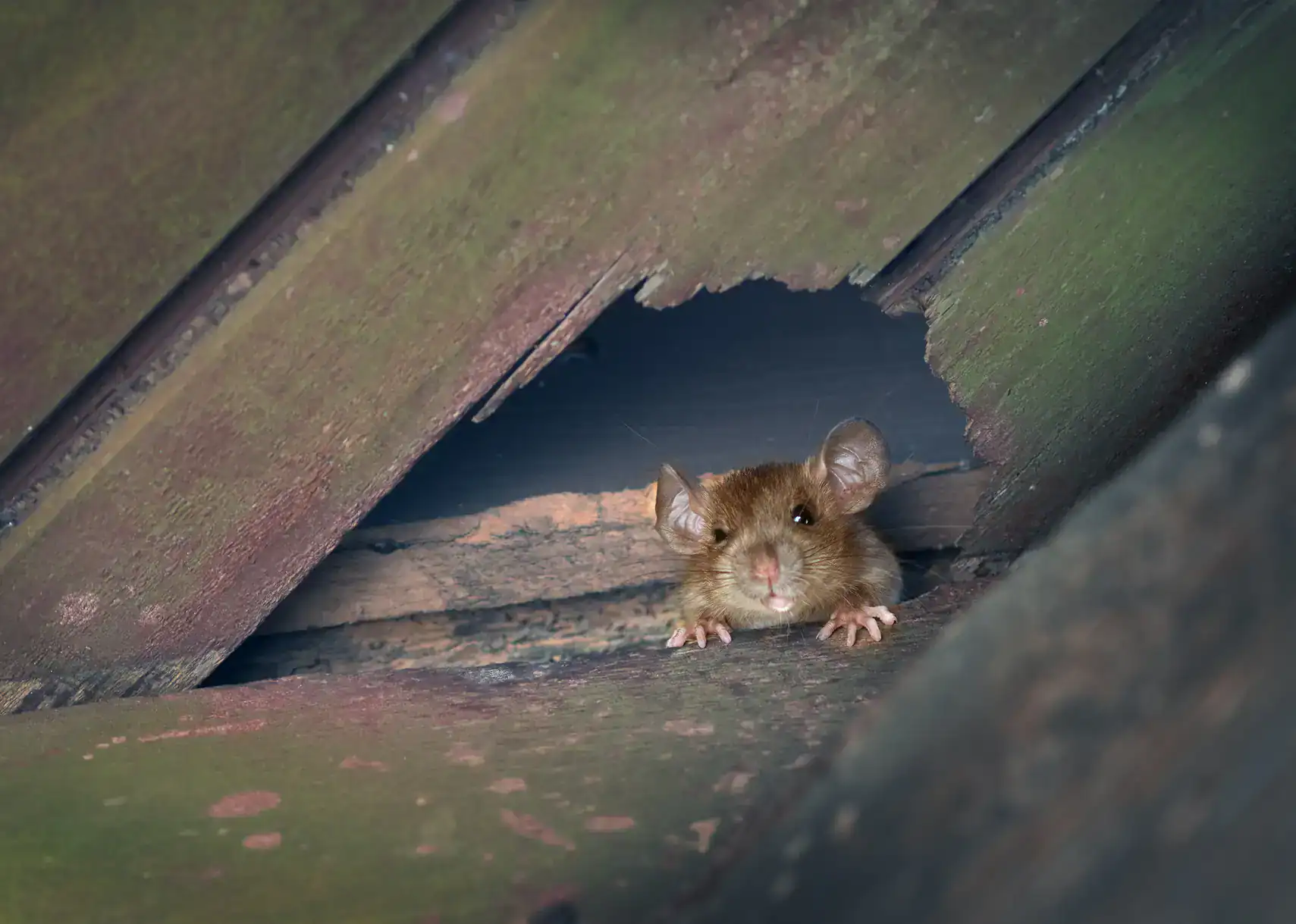
Williamsburg’s building stock makes this harder than most places. The converted industrial lofts along the Kent Avenue corridor and the aging row houses near the Fillmore Place Historic District weren’t built with pest exclusion in mind. Mice can enter through a gap the size of a pencil eraser. Rats need about a quarter. Our inspections are built to find those points not just treat the interior and leave you to figure out the rest.
We were founded in 1971 by Richard Kourbage Sr. and have been a Brooklyn operation ever since, headquartered in Marine Park and serving the full borough including Williamsburg for over five decades. Richard Jr. and Charles joined the business in the late 1980s, and we’ve stayed family-owned and accountable ever since. That matters because there’s no franchise layer between you and the people doing the work.
We hold an A+ rating with the Better Business Bureau of New York State, accredited since 1989, and apply only NYS Department of Environmental Conservation registered materials on every job. We’re fully licensed, bonded, and insured. We’re trusted by New York attorneys and real estate brokers professionals who deal with Brooklyn property every day and need a company they can stand behind when recommending to clients.
Whether you’re in a Northside loft off Bedford Avenue, a Southside apartment in Los Sures, or managing a multi-unit building near the Williamsburg Bridge, we’ve been in buildings like yours for longer than most of the pest control companies currently advertising in this neighborhood have been in business.
It starts with a thorough inspection interior and exterior. Our technicians are looking for the actual source of the problem: active entry points, nesting areas, harborage zones, and food access. In Williamsburg, that often means checking around utility penetrations in converted loft spaces, inspecting basement and sub-basement areas common in older tenements, and assessing the building perimeter for gaps that connect to underground rodent movement corridors running beneath the L, J, and G train infrastructure below the neighborhood.
Once the inspection is complete, you get a clear explanation of what we found and what the treatment plan looks like. No vague promises. We’ll walk you through the rodent species involved, why they’re in your building, what treatment methods will be used, and what exclusion work is needed to prevent re-entry. If you’re a renter dealing with a landlord who hasn’t acted, the inspection documentation can support a 311 complaint or a DOHMH inspection request our technicians understand the NYC regulatory process and can help you navigate it.
Treatment is followed by exclusion sealing the entry points that allowed access in the first place. In Williamsburg’s dense, attached building environment, this step is what separates a real fix from a temporary one. Ongoing monitoring and follow-up are available for buildings with sustained pressure, particularly those near the waterfront or adjacent to active construction sites.
Ready to get started?
Rodent control in Williamsburg isn’t one-size-fits-all. The neighborhood has Norway rats pushing in from the East River waterfront and the construction displacement around Domino Park. It has house mice moving through shared wall systems in attached row houses. It has restaurants on the Bedford Avenue corridor generating the kind of consistent food waste that sustains large rodent populations year-round. Each of those scenarios calls for a different approach, and our service is built around what’s actually happening in your specific building not a standard protocol applied the same way everywhere.
For residential properties, we provide a full inspection, targeted interior treatment, and exclusion work focused on the specific entry points common to your building type whether that’s a pre-war tenement in the Southside, a warehouse conversion in East Williamsburg, or a newer development near the waterfront. For commercial properties restaurants, bars, multi-unit buildings we provide written service documentation that supports NYC Health Department compliance. Under NYC law, commercial and multi-unit property owners are required to use a licensed pest management professional, and our documentation holds up to regulatory scrutiny.
All materials we use are registered with the NYS Department of Environmental Conservation. If you have pets, children, or specific concerns about treatment safety, that conversation happens before any work begins not after.
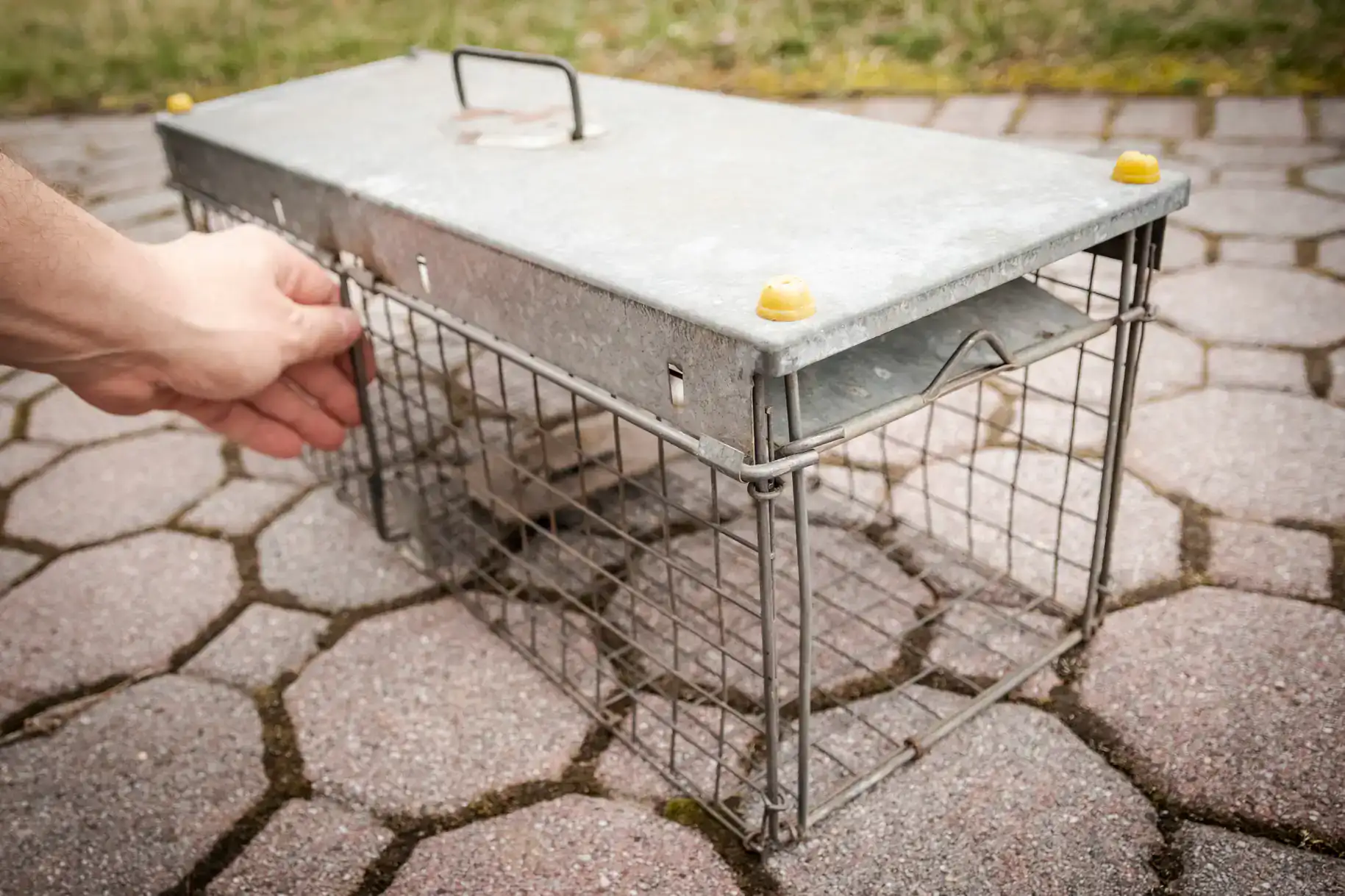
Traps catch individual mice they don’t address why mice are getting into your apartment in the first place. In Williamsburg’s older building stock, particularly the pre-war tenements and converted industrial spaces that make up a large portion of the neighborhood’s housing, there are often multiple entry points that aren’t visible without a proper inspection. Gaps around pipes, cracks in foundation walls, and openings where utility lines enter the building are all common access routes that hardware store traps don’t touch.
The other factor in Williamsburg specifically is the shared building infrastructure. In attached row houses and multi-unit buildings, rodents move freely through wall systems between units and floors. Treating your apartment without addressing the building-level entry points means new mice will keep arriving from adjacent spaces. A licensed exterminator will identify those structural access points and seal them which is the only way to actually stop the cycle.
Yes. Under New York City law, landlords of multi-unit residential buildings are legally responsible for maintaining the property free of pest infestations. If your landlord is not responding, the first step is filing a 311 rodent complaint, which triggers an inspection by the NYC Department of Health and Mental Hygiene. If the property fails inspection, the landlord receives a Corrective Order to Abate. If conditions aren’t corrected after that, fines range from $300 to $2,000 per violation.
We work with tenants in this situation regularly. A professional inspection provides documentation of the infestation what was found, where, and what conditions are contributing to it which can support your 311 complaint or be used in communications with your landlord or building management. If you’re in a NYCHA property like the Williamsburg Houses, the process involves NYCHA’s own extermination program, but residents still have the right to escalate through 311 if the response is inadequate.
Almost certainly, if the timing lines up. Construction displacement is one of the most well-documented causes of sudden rodent infestations in urban environments. When excavation or demolition disturbs established rat burrow colonies which is exactly what’s been happening continuously along the Domino Park waterfront, the Kent Avenue corridor, and throughout East Williamsburg for the better part of two decades large rat populations are forced to relocate. The nearest available shelter is the surrounding residential and commercial buildings.
If you’ve noticed rodents appearing suddenly after a nearby renovation started, that’s not a coincidence. Construction-displaced infestations require a specific approach: the priority is perimeter exclusion and rapid sealing of entry points to prevent new waves from entering your building as construction continues. Interior trapping alone won’t keep up with ongoing displacement pressure. Our inspections account for this they look at what’s happening outside your building, not just inside it.
An inspection is the diagnostic step it identifies what species are present, where they’re entering the building, where they’re nesting, and what conditions are sustaining the infestation. Treatment is the intervention that follows based on what the inspection found. The two should always go together, because treatment without a proper inspection is essentially guesswork.
In Williamsburg’s building environment, a thorough inspection often turns up things that aren’t obvious from inside the unit. Basement access points, exterior foundation gaps, utility penetrations in common areas, and roof-level entry points are all areas that require a trained eye and direct access to assess. Our inspection covers the full building envelope not just the rooms where you’ve seen activity and the treatment plan is built around what we actually found. That’s what separates a lasting fix from a temporary reduction in visible activity.
Converted industrial buildings present some of the most challenging rodent entry scenarios in Brooklyn. These structures were designed for heavy equipment and industrial use not residential occupancy and they were never built with pest exclusion in mind. Large utility penetrations left over from manufacturing operations, loading dock areas that were partially converted but never fully sealed, and basement or sub-basement spaces that connect directly to the building’s exterior are all common entry routes in Williamsburg’s loft conversions.
The renovation process itself can also create new vulnerabilities. When contractors cut through walls or floors for plumbing and electrical work, the resulting gaps are often filled with materials that rodents can chew through foam, lightweight caulk, or nothing at all. Mice need a gap the size of a pencil eraser. Rats need about a quarter-inch. In a building that started its life as a factory, finding and sealing every one of those gaps requires a systematic inspection by someone who knows what to look for in that specific building type.
For a standard residential rodent control treatment inspection, interior treatment, and basic exclusion costs typically fall in the range of $180 to $610, depending on the size of the space, the severity of the infestation, and how much exclusion work is needed. More extensive exclusion work, particularly in older buildings with multiple entry points, can add $200 to $600 on top of that. For commercial properties restaurants, bars, and multi-unit buildings on the Bedford Avenue corridor or elsewhere in Williamsburg pricing varies based on square footage and the scope of ongoing monitoring required.
What’s worth understanding is the comparison. Repeated hardware store purchases, property damage from gnawed wiring or insulation, and the potential cost of an NYC Health Department violation which runs $300 to $2,000 per infraction add up quickly. A single professional treatment that actually addresses the source of the problem is almost always less expensive than the cumulative cost of managing a recurring infestation on your own. We offer a free phone consultation so you can get a clear picture of what you’re dealing with before committing to anything.
Useful Links