
Hear from Our Customers
Most people who call us have already tried something else. A spray treatment that wore off in two weeks. A technician who showed up, did a walkthrough, and never came back. The problem didn’t go away it just got quieter for a while. That’s not a solution, and you already know it.
When pest control is done right, you stop thinking about it. No more checking the kitchen at night. No more wondering what’s moving behind the walls when the building gets quiet. No more anxiety about what the co-op board will say if someone else on your floor reports a problem that started with you. The issue gets identified at the source, treated properly, and followed up on not handed off to whoever’s available that week.
Forest Hills has specific conditions that make this harder than it sounds. If your home backs up against Forest Park, you’re dealing with a 538-acre wildlife corridor that pushes rodents, ticks, and stinging insects into residential properties every single season. If you’re in a Tudor or Cord Meyer-era home built before 1920, your foundation gaps, aging wood framing, and complex rooflines create entry points and harborage that a generalist exterminator will miss entirely. Getting this right means understanding the neighborhood not just the pest.
We’ve been operating in Forest Hills and across New York City since 1971. That’s more than five decades of treating the exact building types, pest species, and seasonal patterns that define this neighborhood including the century-old homes of Forest Hills Gardens, the large co-op complexes along Queens Boulevard, and the residential properties that border Forest Park to the south.
We’re family-owned and have been since day one. That means when something goes wrong or a treatment doesn’t hold, there’s a real person accountable not a regional manager three states away. Our technicians are NYSDEC-licensed, trained for New York’s specific pest environment, and experienced in the kind of work that older Queens housing stock actually demands.
No franchise model. No rotating crews who’ve never seen your building before. Just a company that’s been doing this in Forest Hills long enough to know the difference between a seasonal rodent intrusion and a structural entry problem and how to handle both.

It starts with a free inspection. Before any treatment is discussed or priced, one of our licensed technicians walks the property and tells you what they actually found not what’s most profitable to treat. For a Forest Hills Gardens Tudor home, that means checking foundation gaps, roof voids, and wood framing that’s had a century to develop vulnerabilities. For a co-op unit in a high-rise, it means understanding how pests move through shared wall voids and plumbing chases, because what’s happening in your unit may be connected to what’s happening two floors down.
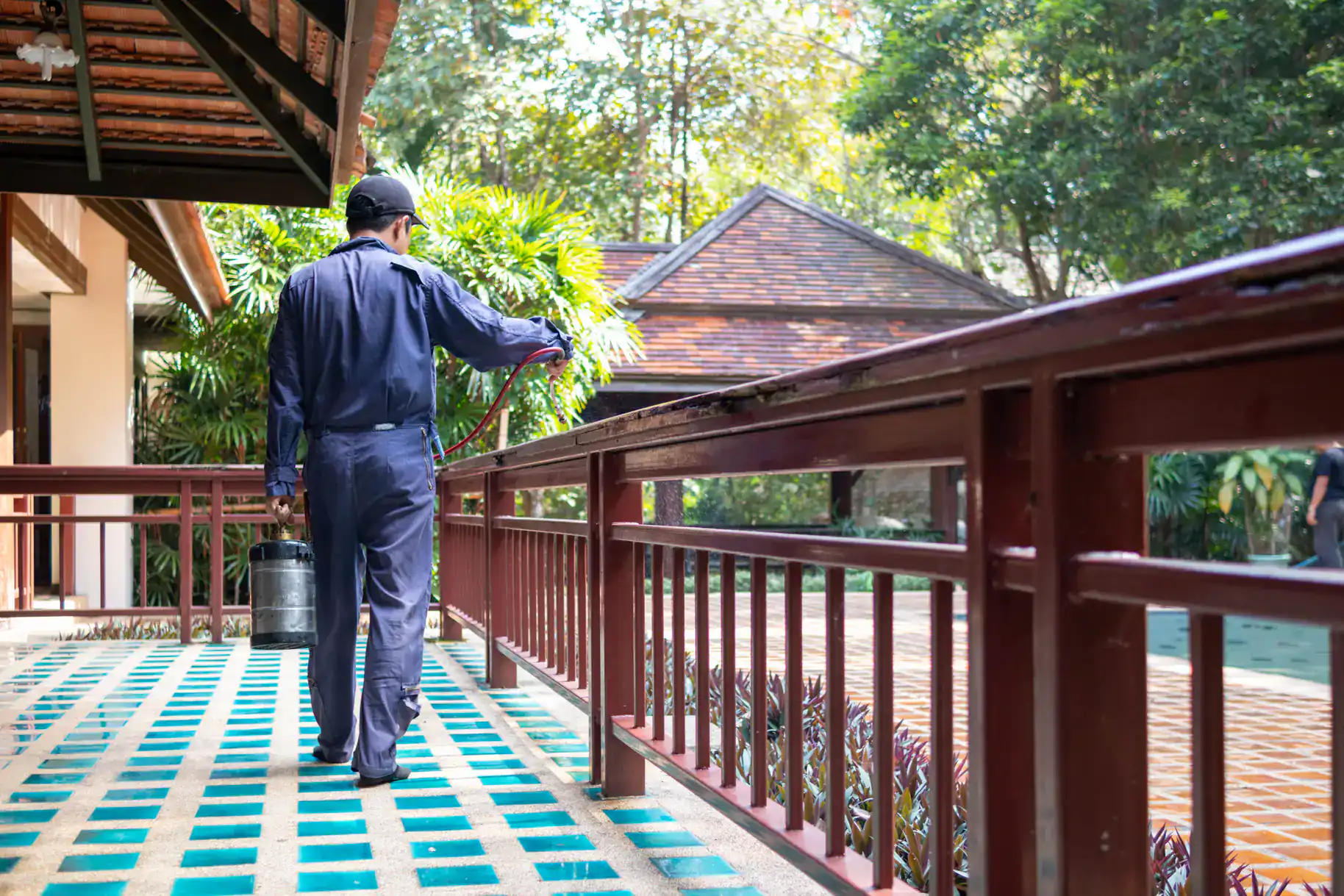
Once we know what we’re dealing with, we put together a treatment plan that addresses the source not just the surface. We use EPA-registered materials applied by NYSDEC-licensed technicians, and we follow Integrated Pest Management principles, which means we’re targeting the pest where it lives and travels, not broadcasting chemicals throughout your home. For families with children or pets and Forest Hills has plenty of both we walk you through exactly what was applied, where, and when it’s safe to resume normal activity.
After treatment, we follow up. If the problem comes back within the service window, so do we at no additional charge. That’s not a promotional line. It’s how a company that’s been in business for over 50 years stays in business.

Ready to get started?
Forest Hills isn’t one type of property or one type of pest problem. It’s Tudor single-family homes with clay tile roofs and aging wood frames. It’s massive co-op towers where one infested unit can spread through a building’s infrastructure before anyone notices. It’s properties along the southern edge of the neighborhood where Forest Park’s wildlife corridor makes rodent and tick pressure a year-round reality. The pest control services we provide here are built around that range.
We handle general pest control for cockroaches, ants, silverfish, and earwigs the everyday problems that come with New York City density, especially along the Austin Street and Queens Boulevard commercial corridors where restaurant activity pushes insects into adjacent residential buildings. We treat for bed bugs using both heat and chemical methods, which matters in a neighborhood with heavy E, F, M, and R subway traffic and frequent travelers moving in and out of high-rise buildings. Rodent control, termite treatment, stinging insect removal, mosquito and tick programs, flea and mite treatment, and wildlife removal are all part of what we do.
We also provide formal WDI inspection reports and pest clearance certificates for real estate transactions a service that sees consistent demand in Forest Hills given the neighborhood’s active co-op and condo market. If you’re buying or selling and need a licensed pest inspection on a closing timeline, we can schedule quickly and deliver documentation that satisfies lenders, attorneys, and title companies. Under New York City’s Health Code and co-op board requirements throughout Queens County, licensed and documented pest control isn’t optional it’s required. We make compliance straightforward.
The most common pests in Forest Hills depend heavily on where you live in the neighborhood. In the high-rise co-op buildings along Queens Boulevard places like Parker Towers or Kennedy House German cockroaches and bed bugs are the most frequent problems. These buildings have shared infrastructure that allows pests to move between units through wall voids, plumbing chases, and elevator shafts, which means a problem in one unit rarely stays contained without a coordinated building-level response.
In the single-family homes of Forest Hills Gardens and the Cord Meyer section, the picture shifts. Rodents entering through foundation gaps and aged utility penetrations are a major concern, especially in fall when mice and rats migrate from the highway corridors along the Long Island Expressway and from the Forest Park wooded margin into residential structures. Termites are an elevated risk in homes built before 1920, and stinging insects wasps and hornets consistently build nests in the complex rooflines and soffits that define Tudor Revival architecture. Tick and mosquito activity is also notably higher for properties near the park boundary.
The clearest sign is seeing the pest but in a Forest Hills co-op building, the more important signal is where you’re seeing it. If cockroaches are appearing in a kitchen that’s clean and well-sealed, or if you’re getting bites in a unit with no obvious source, the problem is likely coming through shared building infrastructure rather than originating in your apartment. That distinction matters because treating only your unit won’t solve it.
Co-op boards in Forest Hills typically require that pest control work be performed by a licensed, insured professional, and many require service documentation to be filed with building management. We’re NYSDEC-licensed and provide written service reports that satisfy those requirements. If you’re a unit owner dealing with a problem your building management hasn’t addressed, we can document the infestation, treat your unit, and provide the kind of formal paperwork that supports a complaint to the board or the NYC Department of Health. Under the NYC Health Code, building owners are legally required to maintain pest-free conditions you have standing to push for action.
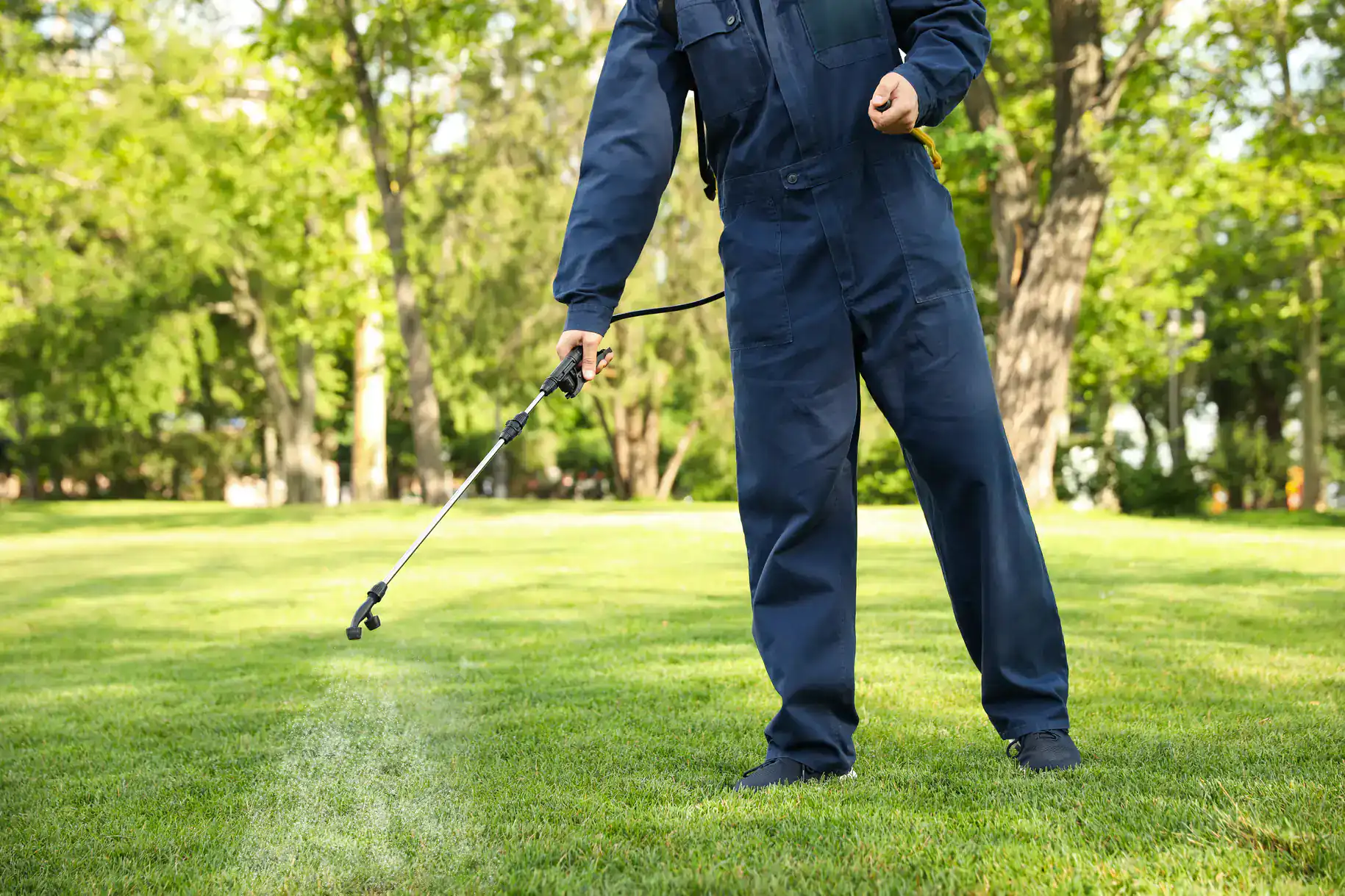
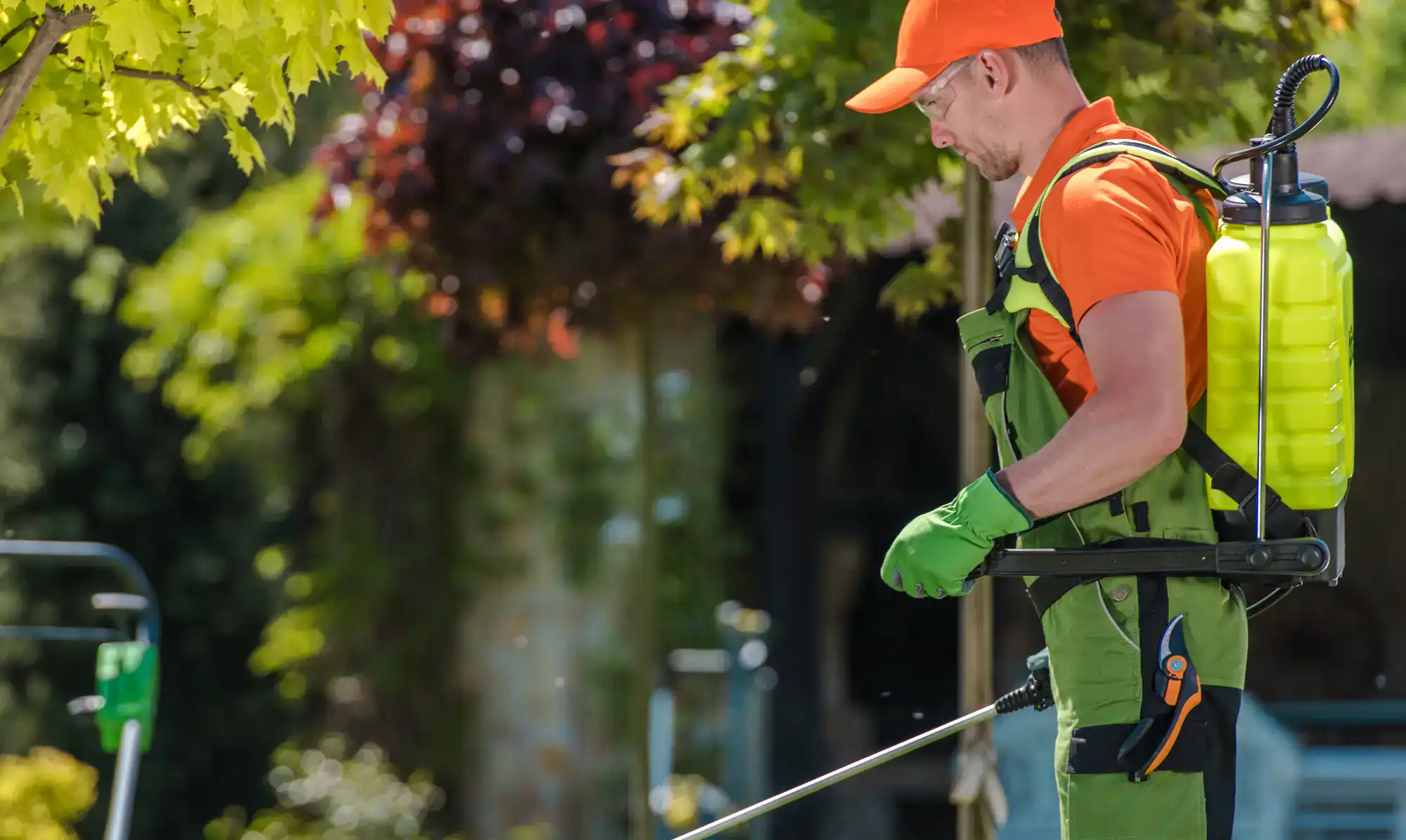
Yes when it’s done correctly. The key is how the treatment is applied, not just what’s used. We use EPA-registered pesticides applied by NYSDEC-licensed technicians following label directions and Integrated Pest Management principles. That means materials are applied in targeted areas where pests live and travel baseboards, wall voids, under appliances, along plumbing runs not broadcast throughout living spaces.
Before any treatment, we’ll give you clear preparation instructions: what to put away, where to keep children and pets during application, and when it’s safe to return to normal activity. Re-entry times vary by product and application method, and we communicate those specifics plainly not in fine print. For households with infants, elderly residents, or pets with respiratory sensitivities, we can discuss lower-toxicity options within our IPM framework that are effective without the exposure concerns. Forest Hills is a family-oriented neighborhood, and this question comes up on almost every service call. We’re used to answering it in detail.
It depends on the transaction, but in many cases, yes. FHA and VA loan programs require a Wood-Destroying Insect (WDI) inspection report before closing, and many conventional lenders and real estate attorneys in Queens County request one as standard practice particularly for the older single-family homes in Forest Hills Gardens and the Cord Meyer section, where the age and wood construction of the property make termite risk a legitimate lender concern.
Only a licensed pest control professional can issue a legally valid WDI report in New York State. We’re NYSDEC-licensed and regularly provide these reports for Forest Hills real estate transactions from Tudor single-family homes to co-op apartments. If you’re working against a closing deadline, call us early. We can typically schedule promptly and deliver documentation that satisfies your lender, title company, and attorney. If the inspection reveals an active infestation or prior damage, we can treat and re-inspect on a timeline that keeps your transaction on track.
Fall is the highest-urgency season for most Forest Hills homeowners, particularly for rodents. As temperatures drop in September and October, mice and rats that have been living in the outdoor environments along the Long Island Expressway corridor and in Forest Park begin moving into residential structures for warmth. A single female mouse can produce up to 60 offspring per year, so what looks like one mouse in October can become a serious infestation by January if it’s not addressed.
Spring brings a different set of concerns termite swarm season peaks between March and May, which is the highest-risk window for Forest Hills’s century-old wood-frame housing stock. Stinging insects begin building nests in the soffits and roof voids of Tudor homes around the same time. Summer elevates mosquito and tick activity for properties near Forest Park, and bed bug complaints spike with travel season. Year-round preventive service makes the most sense for co-op buildings and older single-family homes where the structural conditions create consistent vulnerability. For other properties, scheduling a professional inspection in early spring and again in early fall covers the two highest-risk transition periods.
Cost varies based on the type of pest, the size of the property, and whether you need a one-time treatment or an ongoing program. For a standard general pest treatment in a Forest Hills apartment or single-family home, you’re typically looking at a range that reflects the scope of the inspection and the materials required not a flat fee applied regardless of what’s actually found. We provide free inspections with no obligation, so you know exactly what you’re dealing with and what treatment will cost before you commit to anything.
Bed bug treatment tends to run higher because it’s more labor-intensive and often requires multiple visits, particularly in a co-op building where the source may extend beyond a single unit. Termite treatment for an older Forest Hills Gardens home is priced based on the structure’s size and the extent of any damage or activity found. WDI inspection reports for real estate transactions are a separate, straightforward service with clear pricing. What we don’t do is quote low to get in the door and adjust the number after the fact the estimate you get after the inspection is the number you can plan around. If you have a specific situation in mind, the fastest way to get an accurate answer is to call and describe what you’re seeing.
Useful Links
Other Services we provide in Forest Hills