Hear from Our Customers
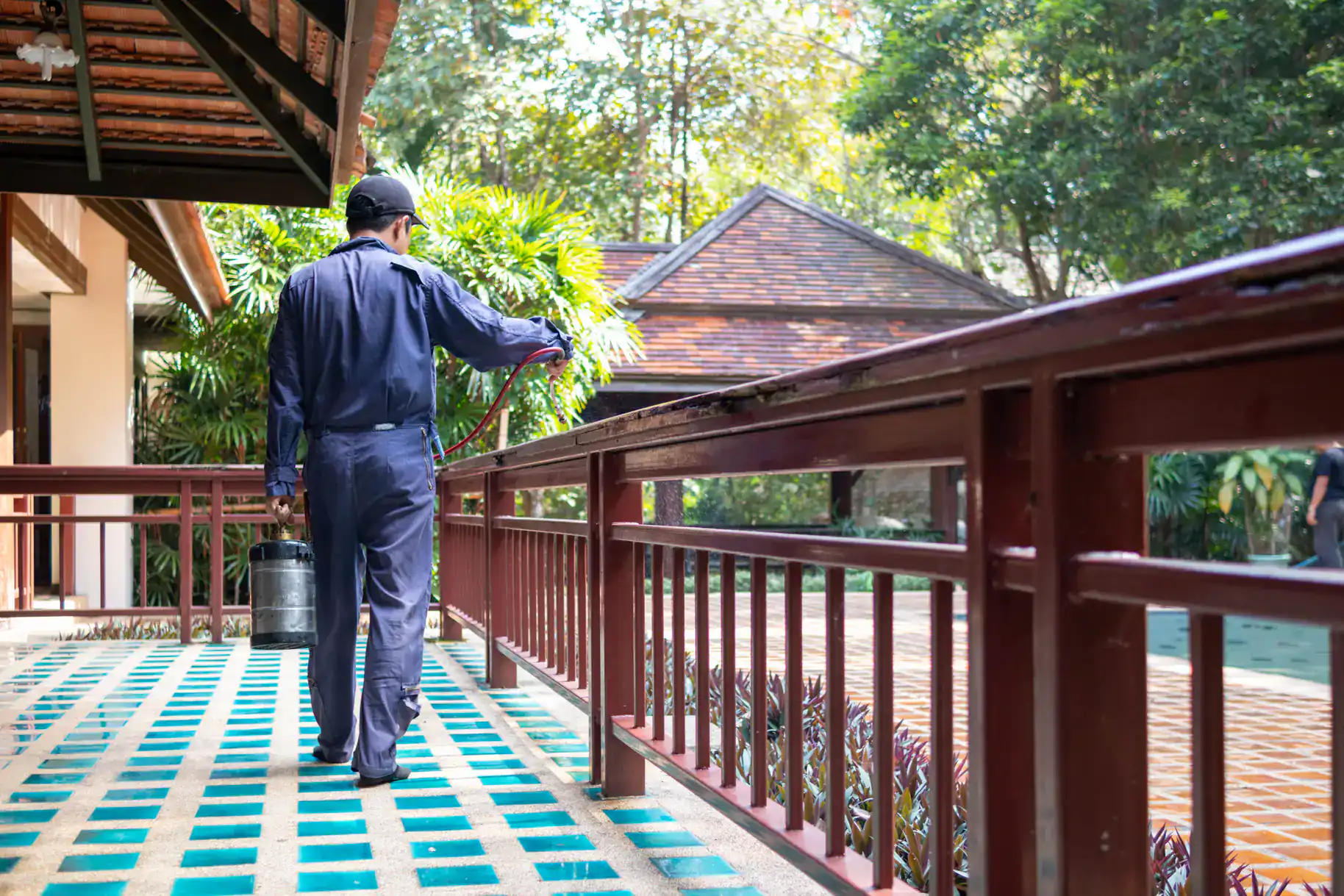
In Kew Gardens, pest problems don’t stay contained. A cockroach issue in one unit travels through shared plumbing chases to the next. A mouse that finds a gap near an aging pipe penetration in the basement doesn’t stop at one floor. When pest control is done right, that cycle breaks and it stays broken.
For Kew Gardens residents living near the Forest Park edge, there’s a second layer to this. That wooded border brings squirrels, raccoons, and rodents to doorsteps that most Queens neighborhoods don’t deal with at the same frequency. Proper exclusion work sealing entry points, not just treating what’s visible is what keeps wildlife from turning a seasonal nuisance into a recurring one.
The difference between a real fix and a temporary one usually comes down to whether the person treating your home understands the building. Our technicians have been working in Queens’ multi-unit residential buildings for over 50 years. We know what’s behind the walls in buildings like yours, and we treat accordingly.
We’ve been operating in the New York City metro area since 1971. That’s over five decades of work in the exact type of pre-war co-op and apartment buildings that define Kew Gardens the kind of buildings where pest problems require building-level thinking, not just a unit-level spot treatment.
We’re New York State DEC-licensed and fully insured. That matters in a neighborhood like Kew Gardens, where co-op boards have requirements, NYC Local Law 55 mandates IPM-based treatment in multi-unit buildings, and residents near Queens Boulevard tend to ask the right questions before letting anyone through the door.
We’re based in Brooklyn, with direct access to Kew Gardens via the Jackie Robinson Parkway. When you call, you’re reaching a family-owned business that has been accountable to NYC residents for over half a century not a national chain rotating technicians every few months.
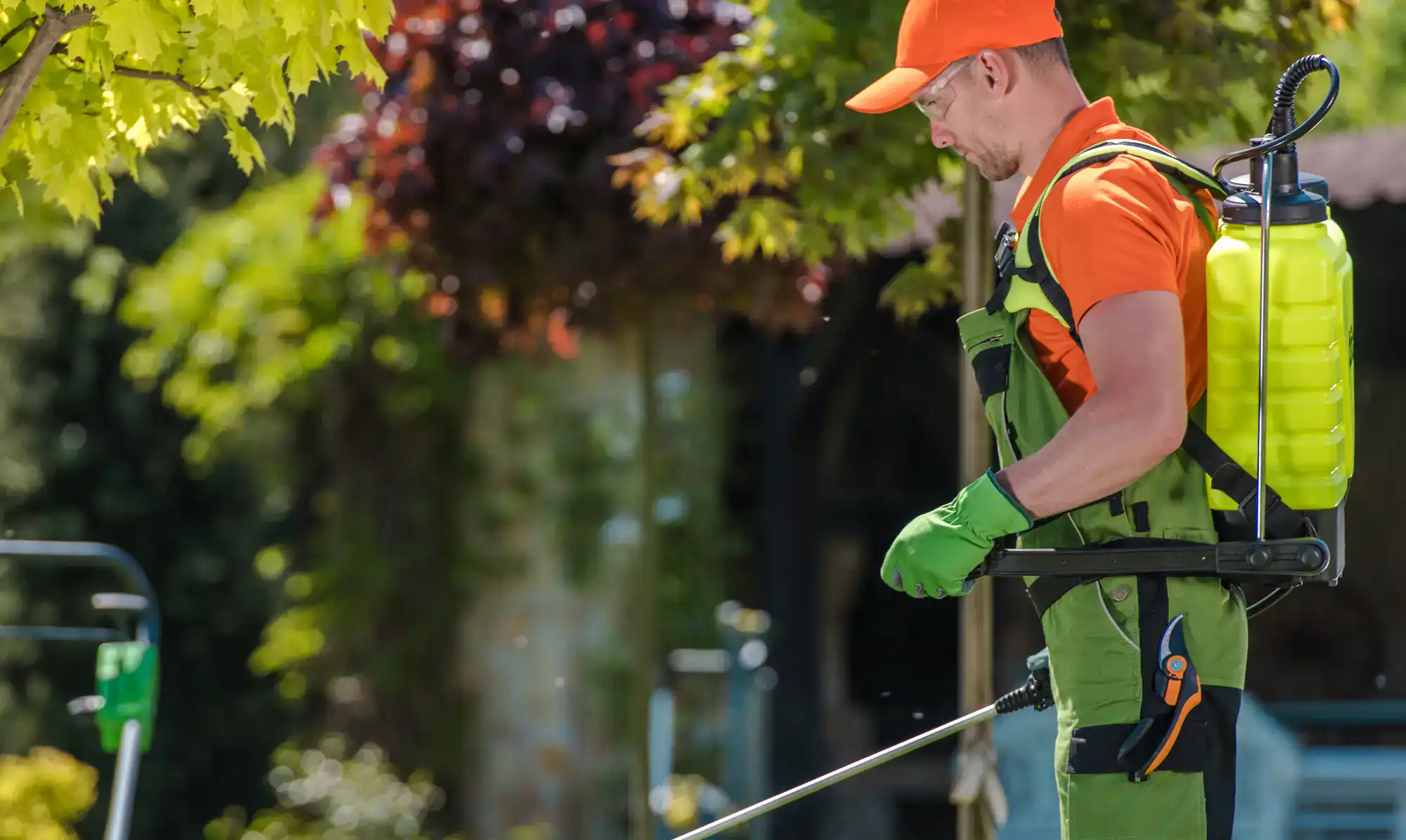
It starts with a free inspection. Before anything is treated, a licensed technician walks your space whether that’s a co-op unit on Queens Boulevard, a single-family home near Forest Park, or a multi-unit building that needs a broader assessment. We’re looking to understand what you’re actually dealing with: where pests are entering, where they’re harboring, and what’s driving the activity. That inspection shapes everything that follows.
From there, treatment is targeted. We use professional-grade materials EPA-registered, IPM-aligned applied precisely where the problem exists. For cockroaches in apartment buildings, that means gel baits and insect growth regulators placed in the harborage points that consumer sprays never reach. For rodents, it means tamper-resistant bait stations combined with exclusion work to seal the entry points that keep the problem coming back. For bed bugs, it means a choice between heat treatment and chemical protocols depending on the scope and the building’s layout.
After treatment, you’ll know what was done, why it was done that way, and what to watch for. If follow-up is needed especially relevant in Kew Gardens’ multi-unit buildings where a neighboring unit can re-introduce pressure we return. The job isn’t finished until the problem is.
Ready to get started?
We handle the full range of pest threats relevant to Kew Gardens residents and building owners. That includes cockroach extermination, bed bug treatment (heat and chemical), rodent control, termite inspections, ant and stinging insect removal, flea and mite treatment, mosquito and tick control, and wildlife removal. For properties near Forest Park, wildlife removal particularly squirrel and raccoon intrusion is a service that comes up more here than in most other Queens neighborhoods.
For anyone buying or selling a co-op in Kew Gardens, we also provide mortgage pest inspections and WDI (wood-destroying insect) clearance certificates. Many lenders require these before closing, and the pre-war building stock in this neighborhood with its older wood framing and decades of potential termite exposure makes this service particularly relevant here. Only a licensed pest control professional can issue a WDI report, and our NYSDEC registration covers exactly that.
We offer commercial pest control for building management companies, co-op boards, and businesses operating in the Kew Gardens area. If you manage a multi-unit building and need to demonstrate compliance with NYC Local Law 55’s IPM requirements, our documented, licensed approach gives you the paper trail and the results to back it up.
This is one of the most common frustrations in Kew Gardens’ multi-unit buildings, and the answer almost always comes down to the same thing: the source wasn’t fully addressed. Consumer sprays and even some basic professional treatments push cockroaches deeper into wall voids and shared plumbing chases rather than eliminating them. In a pre-war building where multiple units share infrastructure, a treated apartment can be re-infested within weeks if neighboring units or common areas remain active.
Professional treatment in this type of building uses targeted gel baits and insect growth regulators placed directly in harborage points the gaps around pipes, the voids behind appliances, the cracks along baseboards. These materials work where sprays don’t reach, and they interrupt the reproductive cycle rather than just killing visible insects. If your building has a recurring problem, the conversation worth having is about building-wide treatment coordination, not just retreating your unit. We’ve been navigating exactly this dynamic in Queens co-op and apartment buildings for over 50 years.
If you’re financing the purchase with an FHA or VA loan, a pest inspection is typically required before closing and even in conventional transactions, many lenders and co-op boards in Kew Gardens request one. The inspection produces a WDI (wood-destroying insect) report that documents whether termites, carpenter ants, or other wood-destroying organisms are present or have caused damage. Only a licensed pest control professional can issue this document.
In Kew Gardens specifically, this matters more than it might in newer construction. The neighborhood’s pre-war co-ops and Tudor-style homes were built in the 1920s and 1930s, long before modern pest exclusion standards existed. Subterranean termite activity in older wood framing often goes undetected until structural damage has already occurred. Getting a WDI inspection before closing isn’t just a lender requirement it’s a practical step that protects you from inheriting a problem the previous owner may not have known about. We provide these inspections and can turn around the documentation your real estate attorney needs.
There’s no single answer because different pests peak at different times and in Kew Gardens, the seasonal calendar has some specific local factors worth knowing. Fall is the most urgent season for rodents. As temperatures drop in September and October, mice and rats move from outdoor harborage into building interiors, and Kew Gardens’ older buildings with aging foundations and utility penetrations are particularly vulnerable during this transition. If you’re in a multi-unit building along Queens Boulevard or near the Van Wyck corridor, scheduling a rodent inspection before the weather turns is a practical move.
Spring brings termite swarm season, which is the highest-priority period for Kew Gardens’ pre-war homes and co-ops. Summer is when bed bug calls spike citywide largely driven by travel, and with JFK International Airport roughly five miles south via the Van Wyck, Kew Gardens residents are among the most frequent international travelers in Queens. Year-round, cockroach activity in heated apartment buildings doesn’t take a winter break. The honest answer is that pest control in this neighborhood is a year-round consideration, but fall rodent prevention and spring termite inspection are the two seasonal priorities that most residents underestimate.
This is a fair question, and you deserve a straight answer rather than a vague reassurance. We use EPA-registered materials applied according to Integrated Pest Management (IPM) protocols, which means the approach is targeted the least amount of material necessary, applied precisely where the problem exists, not broadcast across surfaces where children and pets spend time. For cockroach treatment in apartments, that typically means gel baits placed inside cabinets and behind appliances, not sprays on countertops or floors.
NYC Local Law 55 actually requires IPM-based treatment in buildings with three or more units so in most of Kew Gardens’ residential stock, this approach isn’t optional, it’s the legal standard. After treatment, your technician will give you specific re-entry guidance based on what was applied and where. In most cases for standard apartment treatments, re-entry is safe within a short window. If you have specific sensitivities a child with respiratory issues, a pet with known chemical sensitivities mention that before the inspection so the treatment plan can account for it from the start.
Yes, and it happens more often than most Kew Gardens residents expect. Forest Park borders the neighborhood directly to the west and is home to a significant squirrel and raccoon population. Properties on the western streets of Kew Gardens particularly single-family homes and smaller apartment buildings near the park’s edge experience wildlife intrusion pressure that simply isn’t a factor for most other Queens neighborhoods. Squirrels typically enter through roofline gaps, deteriorating fascia boards, or uncapped chimneys. Once inside an attic, they cause real structural damage and create entry points that persist even after the animal is removed.
Raccoons are a separate issue they’re stronger, more destructive, and more difficult to exclude once they’ve established a pattern of accessing a property. Our wildlife removal service addresses both the immediate problem (removing the animal) and the underlying vulnerability (sealing the entry points). If you’ve heard scratching in the walls or ceiling, or noticed chewed areas around your roofline, that’s worth having someone look at before the damage compounds. The longer a wildlife intrusion goes unaddressed, the more expensive the structural repair tends to be.
It depends on what you’re dealing with, but here’s a realistic range. A standard cockroach or ant treatment for a Kew Gardens apartment typically runs between $150 and $300 for an initial visit, depending on unit size and the severity of the infestation. Rodent control programs which include inspection, bait placement, and exclusion work generally range from $200 to $400 for a residential property, with follow-up visits often included. Bed bug treatment is the most variable: chemical treatment for a single apartment unit typically starts around $300 to $500, while heat treatment for larger spaces can run $1,000 to $2,000 or more depending on square footage.
Termite inspections and WDI reports for real estate transactions in Kew Gardens are generally in the $150 to $250 range. What’s worth understanding is that the cost of not treating or of choosing the cheapest option that doesn’t actually solve the problem tends to be higher than the initial professional service. In a co-op building, one untreated unit can re-infest an entire floor. A termite problem discovered after closing costs far more than a pre-purchase inspection. Our free inspection means you know exactly what you’re dealing with before committing to anything.
Useful Links
Other Services we provide in Kew Gardens