
Hear from Our Customers
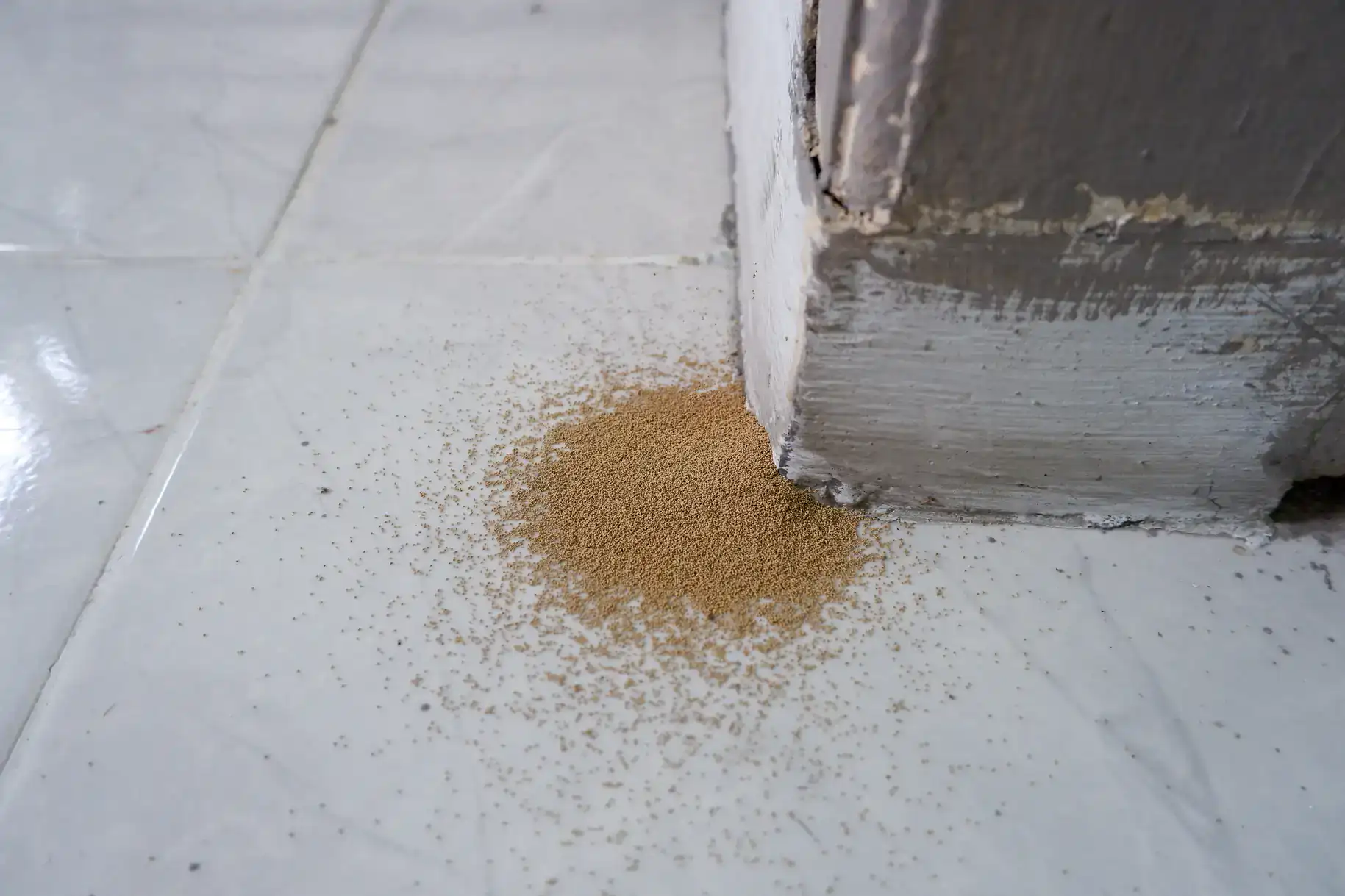
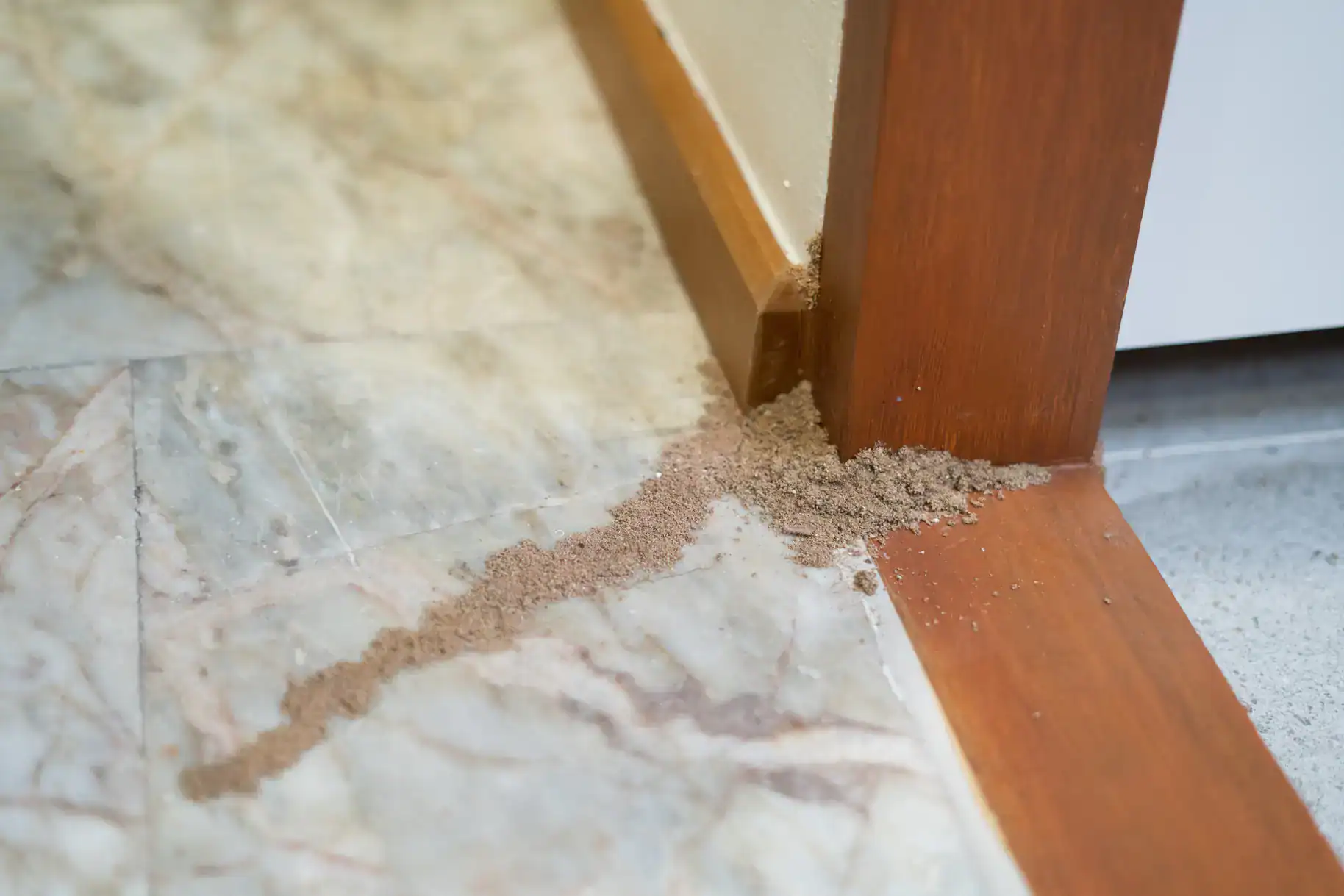
Termites don’t announce themselves. By the time you notice something a hollow sound in the baseboard, a door that suddenly sticks, a faint pile of what looks like sawdust near the foundation a colony has typically been feeding inside your walls for three to five years. In Carroll Gardens, that’s not a hypothetical. It’s the reality for homes built in the 1860s, 1880s, and early 1900s, where original untreated lumber sits just inches from soil that’s been accumulating moisture for over a century.
Those deep front gardens Carroll Gardens is known for the ones legally required to be at least 33 feet deep are beautiful. They’re also one of the most direct pathways termites use to reach your home’s foundation. Mulch, wood borders, tree roots, and garden beds all hold moisture and provide food sources that support underground colonies. Add in the neighborhood’s proximity to the Gowanus Canal watershed, where soil moisture levels run higher than most of Brooklyn, and you have near-ideal conditions for subterranean termite activity year-round.
What changes after professional termite treatment is simple: the colony is gone, the entry points are sealed, and you have documentation of what was found and what was done. For a Carroll Gardens brownstone worth well over a million dollars, that’s not an expense it’s asset protection.
We’ve been serving Brooklyn since 1976 which means we were already treating pre-war brownstones in Carroll Gardens, Cobble Hill, and Red Hook before most of those homes saw their first major renovation. Founded by Richard Kourbage Sr. and now run alongside his sons Richard Jr. and Charles, this is a company where the people making decisions are the same people whose names are on the truck.
That matters in a neighborhood like Carroll Gardens. This isn’t a call center dispatching someone from out of borough. We’re headquartered in Brooklyn, hold BBB accreditation dating back to 1989, use only NYS DEC-registered materials, and bring more than 100 years of combined staff experience to every inspection and treatment. When Charles responds personally to a customer review, that’s not a customer service policy that’s how a family-run operation actually works.
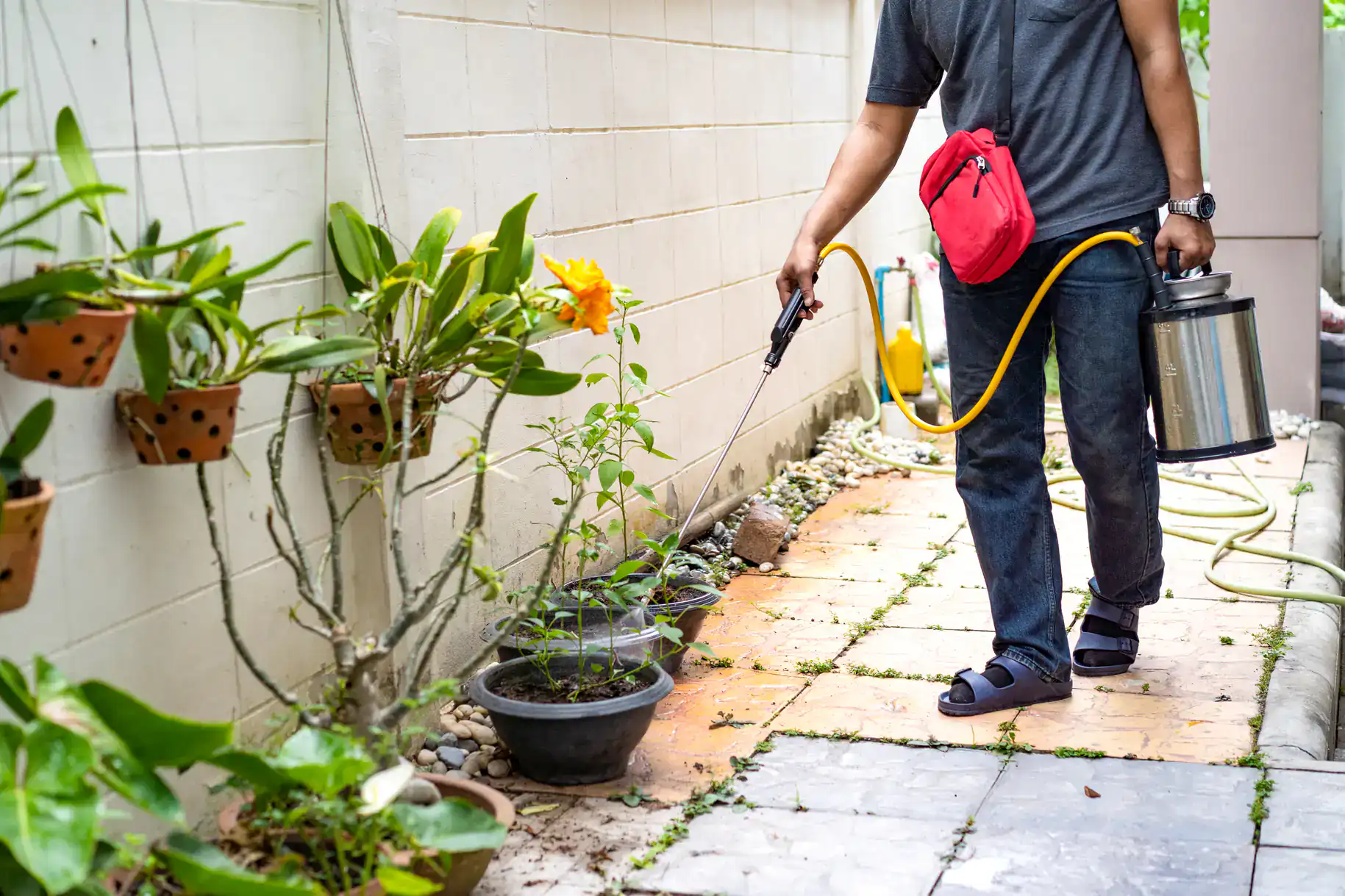
It starts with a call answered live, 24 hours a day. From there, we schedule your inspection within two business days, and same-day availability is common. When our technician arrives at your Carroll Gardens home, the inspection covers the full picture: basement and crawl space conditions, foundation perimeter, any soil-to-wood contact points, and a close look at the garden-level entry zones that are especially relevant in a neighborhood where deep front gardens meet 19th-century brownstone foundations directly.
If termites are found, you get a clear explanation of what species, where the activity is concentrated, and what treatment approach makes sense for your specific structure. For most Carroll Gardens row houses, that means a targeted liquid barrier treatment applied along the foundation, a termite baiting system, or a combination of both depending on the extent of the infestation and the construction type. Because these are attached homes sharing party walls and continuous foundation lines with neighboring buildings, the inspection also accounts for lateral risk, not just what’s visible in your unit.
After treatment, we provide full documentation of findings and work completed. If you’re in the middle of a property sale or purchase, that documentation can serve as the basis for a Wood Destroying Organism report which many lenders require before a Carroll Gardens transaction can close.
Ready to get started?
Our termite services cover the full scope of what Carroll Gardens homeowners actually face. That includes termite identification and inspection, subterranean termite eradication, termite baiting systems, and Wood Destroying Organism inspections for real estate transactions. For properties with carpenter ants or powder post beetles both common in aged brownstone construction we handle those as well.
Every treatment uses only NYS DEC-registered materials, applied by licensed technicians who hold the Category 7C Commercial Pesticide Applicator Certification required by New York State law. In a neighborhood where front gardens are a daily-use living space and families are in and out of basement-level entries year-round, that regulatory compliance isn’t a footnote it’s a baseline requirement that we meet on every job.
For Carroll Gardens homeowners dealing with a NYC Department of Health citation tied to a multi-family brownstone or mixed-use building along the Smith Street corridor, we also handle DOH health code compliance work. And for buyers, sellers, attorneys, and mortgage brokers navigating a high-value transaction in this market, the WDO inspection report we provide meets the documentation standard required by FHA and VA lenders delivered with the turnaround speed that tight closing timelines demand.
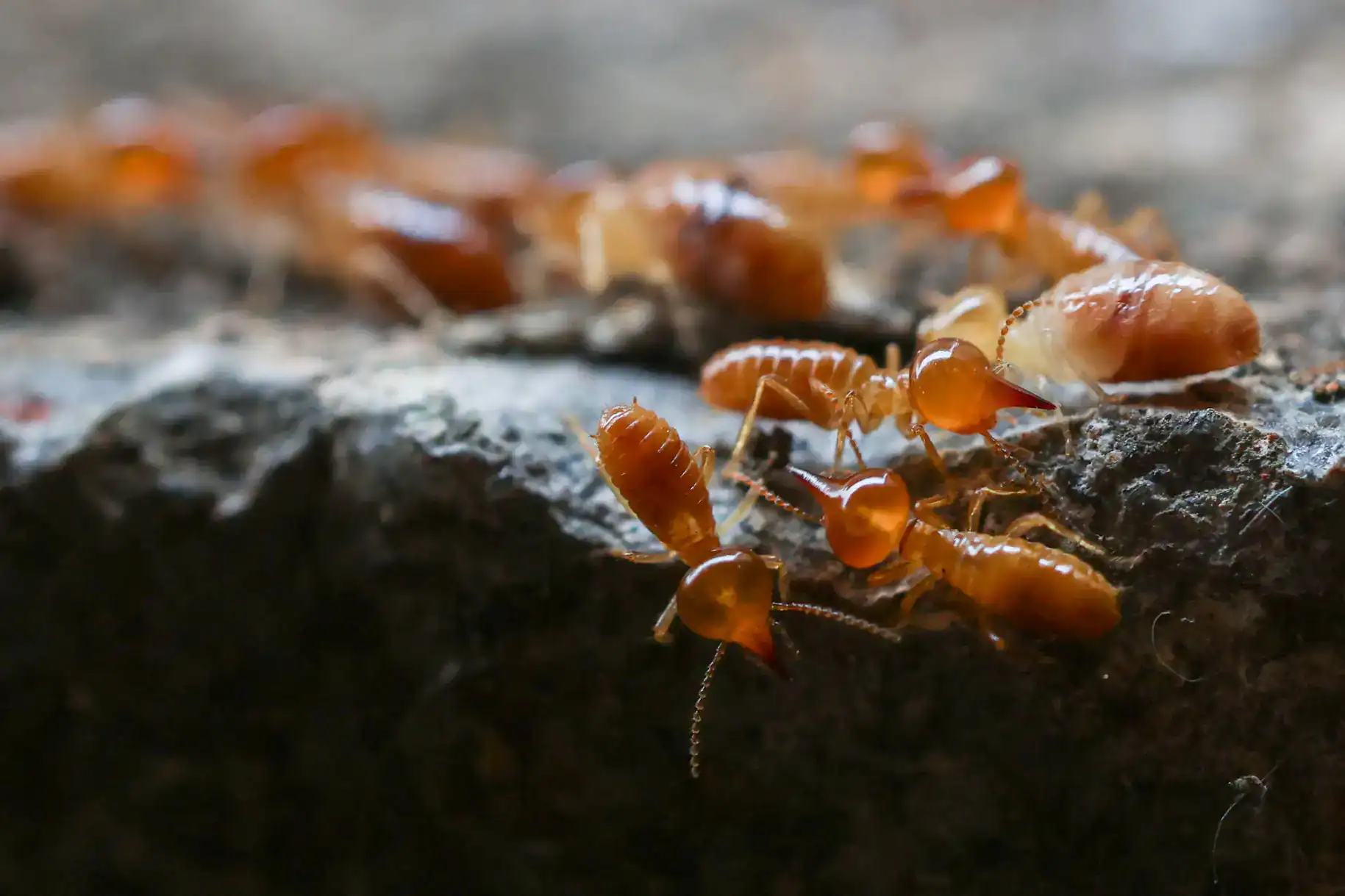
Eastern Subterranean Termites the species found throughout New York City, including Carroll Gardens live underground and travel through the soil to reach structural wood. They enter brownstones through foundation cracks, gaps around utility penetrations, and any point where wood makes direct or near-direct contact with soil. In Carroll Gardens specifically, the deep front gardens that run up to the building foundation create a long, continuous soil interface that gives termites multiple entry opportunities along the front and side of the structure.
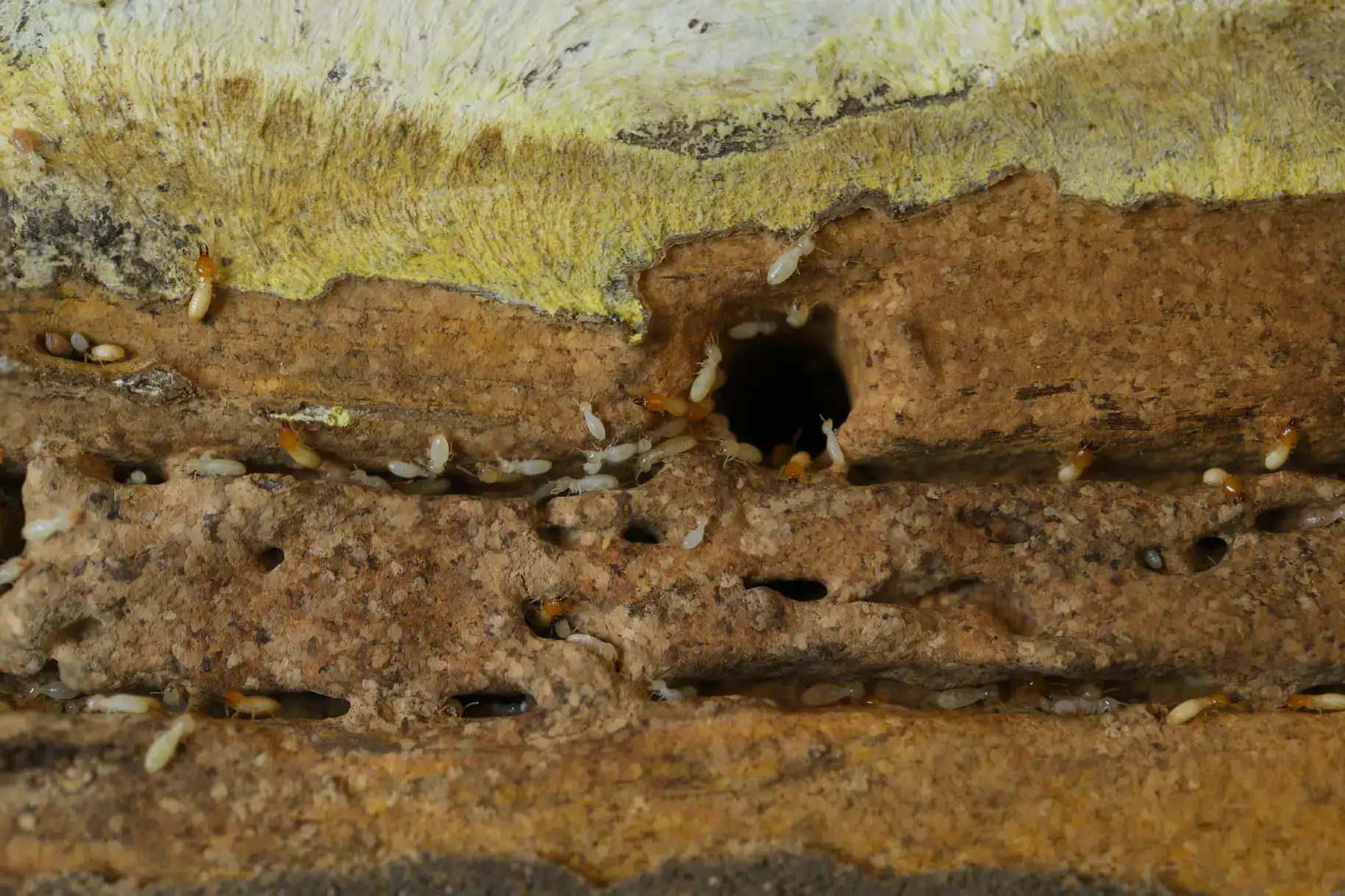
Once inside, they move through mud tubes pencil-thin tunnels made of soil and debris that you might spot along foundation walls, floor joists, or basement ceilings. The brick and brownstone exterior gives no indication of what’s happening inside. The structural wood framing behind that facade is just as exposed as any wood-frame house, and in homes built in the 1800s, that wood has never been treated with any protective chemical barrier. That’s why a professional inspection that looks at the full foundation perimeter not just what’s visible from the surface is the only reliable way to know what you’re dealing with.
The most common early signs are things most homeowners dismiss or attribute to something else. Mud tubes along the foundation or basement walls are a direct indicator they’re the highways termites build to travel from soil to wood while staying protected. Hollow-sounding wood when you knock on a baseboard or floor joist is another sign. Doors or windows that suddenly fit tighter than they used to can indicate that termites have damaged the framing around the opening, causing subtle warping.
During swarm season which peaks in Carroll Gardens from March through May, typically following a warm day with rain you may see winged termites (swarmers) near basement windows, along garden-level entry points, or inside the home near light sources. Swarmers themselves don’t cause damage, but their presence means a mature colony is established nearby and actively expanding. Discarded wings left in small piles on windowsills or floors are often the only visible evidence after a swarm. If you’re seeing any of these signs, the colony has almost certainly been active for years getting an inspection scheduled quickly is the right move.
Yes, and this is one of the most important things to understand about termite risk in Carroll Gardens specifically. Because the neighborhood’s brownstones are attached row houses sharing continuous foundation lines and party walls, a single underground termite colony can extend beneath multiple buildings simultaneously. Termites travel through soil they don’t need to breach a wall to move from one property to the next. They simply follow the path of least resistance through the shared soil beneath connected foundations.
This means that even if the infestation originated next door, your home may already be involved. It also means that treating only one unit in a row without understanding the full scope of underground activity can leave the colony partially intact and able to reinfest. A thorough inspection accounts for this lateral risk looking at the full foundation perimeter and any evidence of activity along shared walls, not just the interior of a single unit. If you’re in a row of attached homes and a neighbor has recently disclosed or treated a termite problem, that’s a strong reason to get your own inspection done promptly.
In almost every case, no. Standard homeowner’s insurance policies classify termite damage as a preventable maintenance issue rather than a sudden, accidental loss which means it falls outside the coverage most Carroll Gardens homeowners assume they have. This is true regardless of how long the infestation was active or how extensive the damage turns out to be. The policy language typically excludes damage from insects, vermin, and gradual deterioration, and termite damage fits squarely in that category.
The financial exposure here is real. Structural damage to floor joists, load-bearing framing, or original millwork in a Carroll Gardens brownstone can easily exceed $10,000 and none of it is reimbursable after the fact. The practical takeaway is that prevention and early detection are the only financial protection available. A professional termite inspection costs a fraction of what structural repair costs, and treatment eliminates the colony before the damage compounds. Waiting until something is visibly wrong almost always means the damage is already significant.
If the transaction involves FHA or VA financing, a Wood Destroying Organism inspection is typically required before the loan can close. The lender needs documented confirmation that the property is free of active wood-destroying insect activity and that documentation has to come from a licensed professional, not a general home inspector. In Carroll Gardens, where median property values exceed $1.6 million and transactions regularly involve lender scrutiny at that price point, this requirement comes up frequently.
Even in conventional transactions where a WDO report isn’t technically required by the lender, it’s a reasonable thing for a buyer to request and a seller to provide. A property with no documented termite history or with documented treatment and a clear inspection is a stronger asset than one with an unknown history. For sellers, having a current inspection report ready can prevent a termite finding from derailing a deal at the last minute. We provide certified termite inspections and WDO documentation with turnaround times that work within the timelines of an active real estate transaction.
This is a fair question, and it deserves a straight answer. We use only materials registered by the New York State Department of Environmental Conservation, applied by technicians licensed under Category 7C the certification required by New York State for wood-destroying organism work. These aren’t off-the-shelf products. They’re professional-grade materials applied in targeted ways that minimize exposure to surrounding areas, including garden beds, soil near play areas, and interior living spaces.
For Carroll Gardens specifically where the front garden is a genuine daily-use space, not just landscaping treatment along foundation perimeters is done with application methods designed to stay where they’re placed and not migrate into surrounding garden soil or plant root zones. After treatment, your technician will walk you through any re-entry timing relevant to the specific materials used and the areas treated. The short version: the treatments we use are designed to be lethal to termites and low-risk to everything else when applied correctly by a licensed professional which is exactly what every Carroll Gardens job involves.
Useful Links