
Hear from Our Customers
You stop second-guessing every cabinet you open. You stop finding them in the bathroom at midnight. You stop wondering whether the problem is yours or your neighbor’s because in Carroll Gardens, that question matters more than most people realize. In an attached brownstone or a divided row house, cockroaches don’t stay in one unit. They move through shared wall voids, plumbing chases, and aging pipe penetrations that have been there since the 1880s. A treatment that only addresses what’s visible inside your kitchen isn’t solving the problem it’s delaying it.
The large ones showing up after heavy rain the ones Carroll Gardens residents call waterbugs are American cockroaches migrating up through the building’s sewer connection. That’s a drainage and entry-point issue, not a cleanliness issue. And the smaller German cockroaches reproducing inside your kitchen walls? One female can produce hundreds of offspring. When the infestation is fully addressed, the difference isn’t just visual. It’s the allergen load in your home dropping. It’s your kids’ asthma triggers being removed. It’s your Carroll Gardens brownstone feeling like the home you paid for not a building you’re sharing with something else.
We’re a family-owned business founded in Brooklyn and still operating here more than 50 years later. That means our team walking into your Carroll Gardens home has decades of direct experience with pre-war Brooklyn buildings, the pest dynamics they create, and the NYS regulations that govern how they get treated. Every product we apply is registered with the New York State Department of Environmental Conservation. Every technician is certified. We carry a consistent A+ rating with the Better Business Bureau of New York State, and are fully licensed, bonded, and insured.
Carroll Gardens sits between the Gowanus Canal and the BQE two infrastructure features that drive real, ongoing pest pressure into the neighborhood’s aging building stock. We’ve been treating buildings in neighborhoods exactly like this one since before most of the competition existed. That depth of experience shows up in the results.
It starts with an inspection not a quick walkthrough, but a real assessment of where the infestation is coming from, what species you’re dealing with, and how the building’s structure is contributing to the problem. In Carroll Gardens, that last part is critical. A German cockroach colony in a shared kitchen wall requires a completely different approach than American cockroaches migrating up through a floor drain connected to aging sewer infrastructure. Identifying the species and the entry pathway is what determines whether the treatment works.
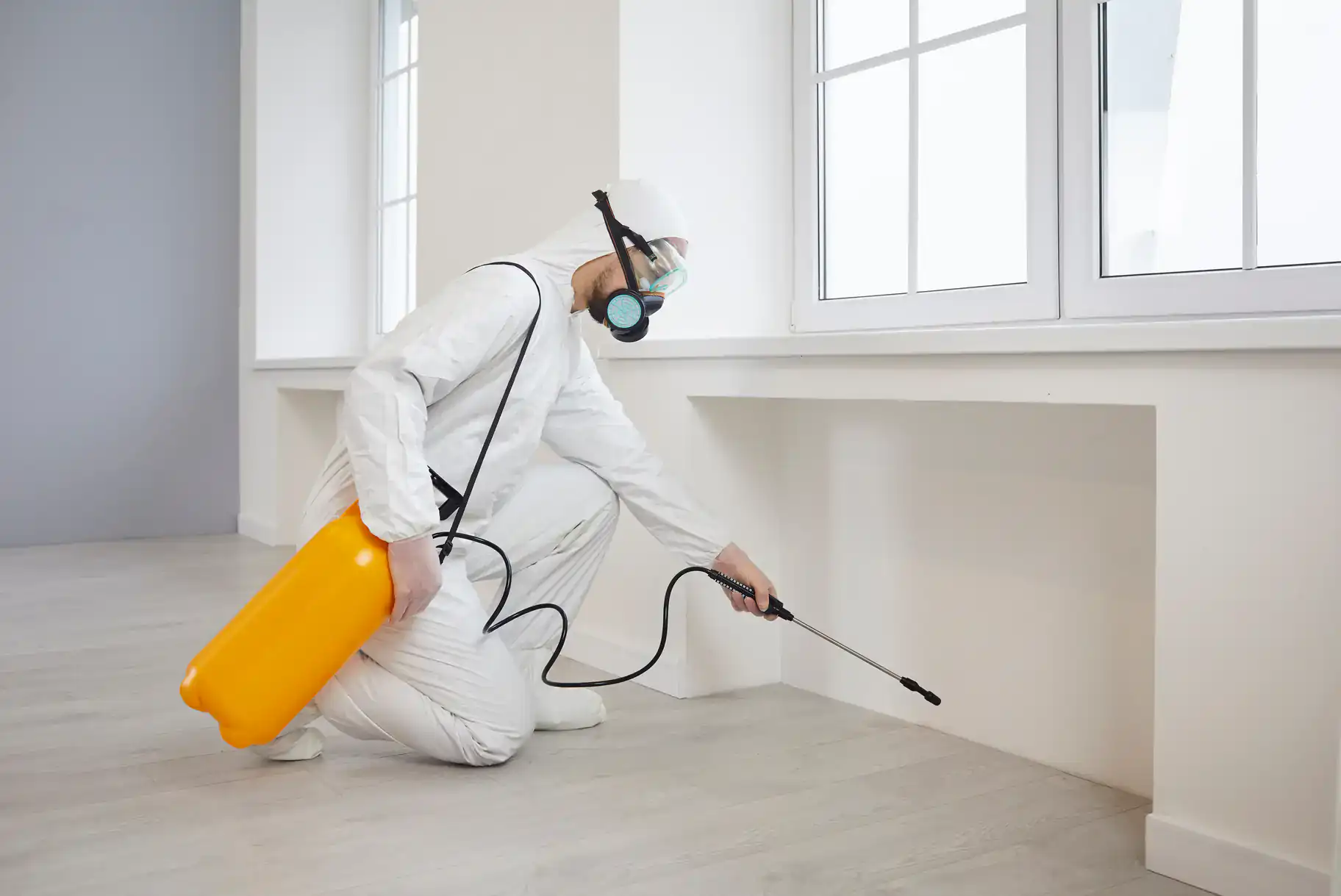
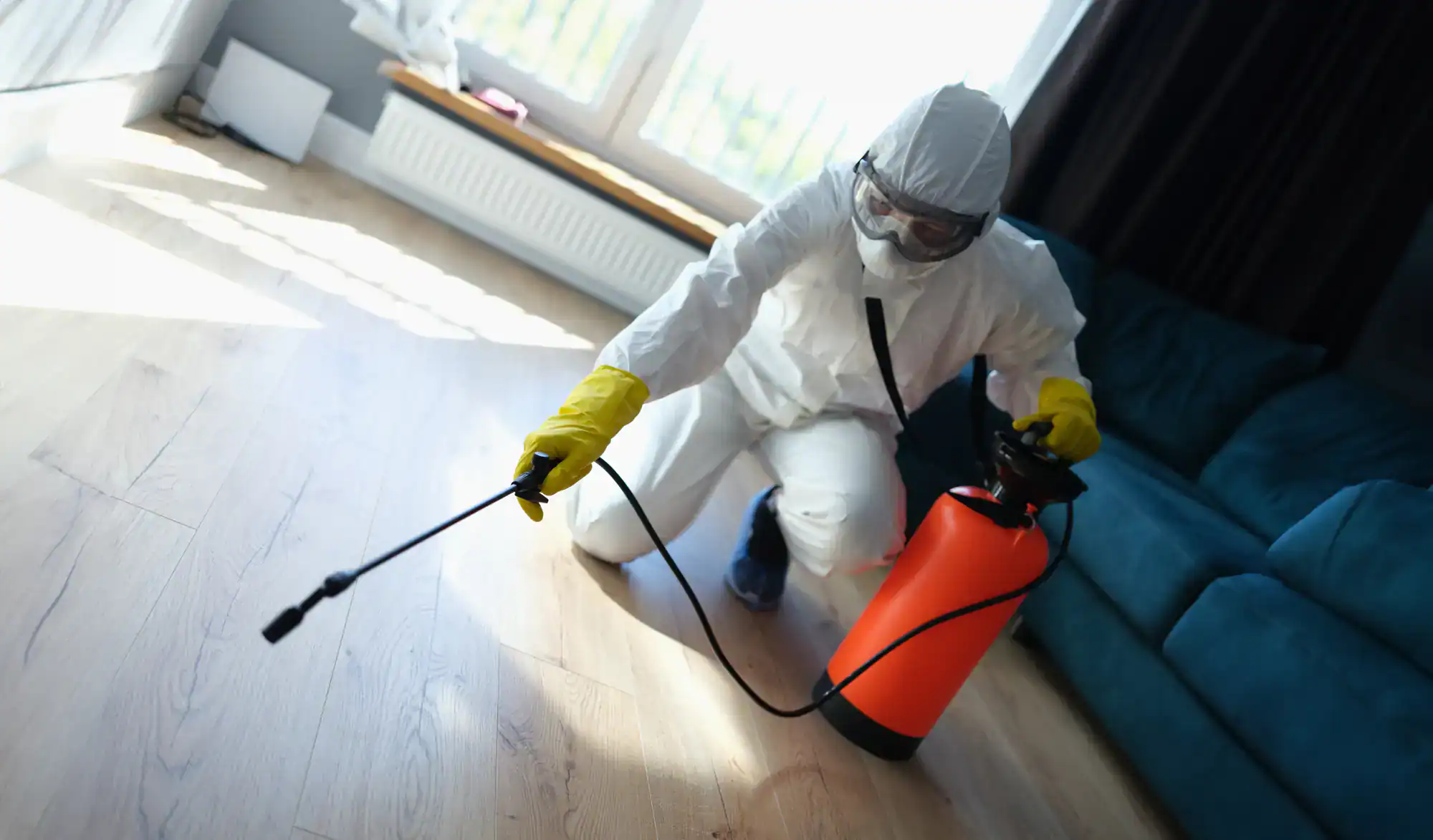
From there, we apply targeted treatments using NYS DEC registered materials placed precisely where cockroaches harbor and travel, not broadcast across surfaces indiscriminately. For pre-war buildings with shared walls, that means addressing the structural voids and plumbing penetrations that connect your unit to the rest of the building. You’ll get clear instructions on how to prepare before the visit and what to expect afterward, including re-entry timing that keeps your family safe throughout the process.
Because cockroach eggs are resistant to most treatments, a single visit rarely closes the loop entirely. We offer flexible maintenance schedules monthly, every other month, or more frequent designed to catch newly hatched cockroaches before they establish new colonies. In a neighborhood where the Gowanus rezoning is actively displacing pests from adjacent construction sites, ongoing protection isn’t overcautious. It’s practical.
Ready to get started?
Cockroach pest control in Carroll Gardens isn’t a one-size-fits-all service and we don’t treat it like one. The neighborhood’s housing stock is almost entirely pre-war. The median construction year is 1938. These are 19th-century Italianate brownstones and brick row houses with century-old wall voids, cast-iron plumbing, and basement spaces that were never designed to be sealed against modern pest pressure. Treatment here requires specific knowledge of how these buildings are constructed and how cockroaches move through them.
For residential clients whether you own your brownstone or rent a floor of one our service covers inspection, species identification, targeted treatment of harborage and entry points, and a follow-up plan. For property managers and landlords operating under NYC’s Housing Maintenance Code, we also handle the documentation and compliance side of the process. If you’re on or near Court Street, Smith Street, or any of the blocks adjacent to Carroll Gardens’ restaurant corridor, commercial pest pressure from neighboring food service businesses is a real factor and we account for it.
We also serve Carroll Gardens seniors with a 10% discount, and are one of the few local providers authorized to issue Demolition Clearance Certificates to the NYC Department of Health a credential that matters for property owners navigating the construction activity spreading from the Gowanus rezoning into the neighborhood’s eastern blocks.
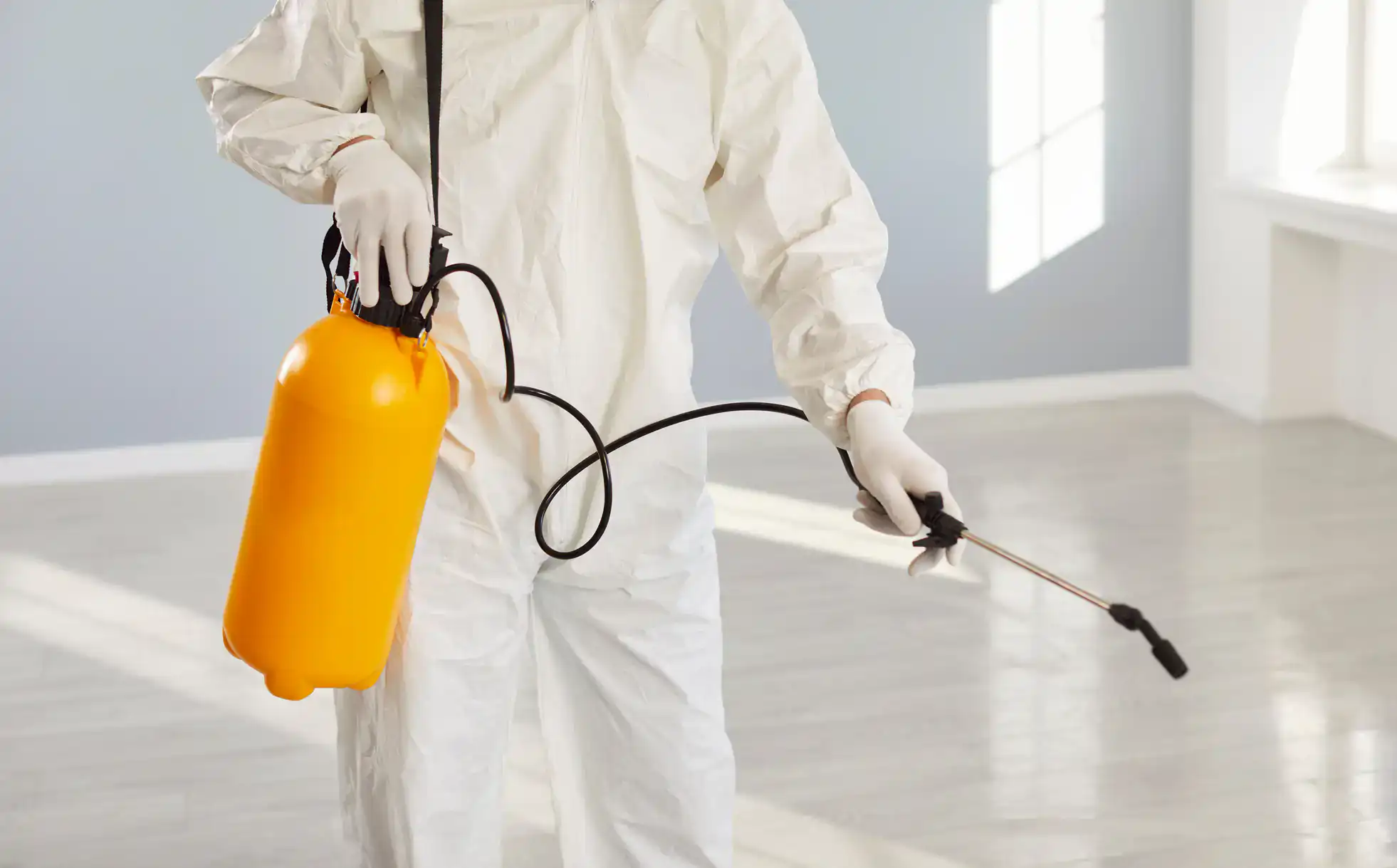
The most common reason is that the source of the infestation isn’t being addressed only the visible population. In Carroll Gardens’ attached pre-war buildings, cockroaches travel through shared wall voids, plumbing chases, and structural gaps that connect your unit to neighboring units and to the building’s sewer infrastructure. Treating only the interior of your apartment without addressing those pathways produces temporary results at best.
German cockroaches the small ones most common in Brooklyn kitchens also reproduce fast enough that a partial treatment leaves enough survivors to rebuild a colony within weeks. And cockroach eggs are resistant to most standard pesticide applications, which means newly hatched nymphs can repopulate a space even after a thorough treatment. The fix is a combination of targeted treatment, structural entry-point management, and a follow-up schedule timed to catch the next generation before it establishes.
Yes, in most cases. What Carroll Gardens residents typically call “waterbugs” are American cockroaches a much larger species than the German cockroach and they use sewer lines as their primary migration pathway. They enter buildings through floor drains, pipe penetrations, and gaps around aging plumbing connections, particularly in basement and ground-floor units.
Carroll Gardens’ proximity to the Gowanus Canal and the below-grade BQE trench creates elevated moisture conditions in the neighborhood’s soil and foundation infrastructure, which amplifies American cockroach activity especially after heavy rain events that cause combined sewer overflow. These aren’t random visitors. They’re following moisture and warmth through a building’s plumbing system. Effective treatment targets the entry points directly, not just the cockroaches that have already made it inside.
Absolutely and this is one of the most important things to understand about cockroach infestations in Carroll Gardens specifically. The neighborhood’s attached brownstones and divided row houses share structural walls, and those walls contain continuous voids that run between units, between floors, and sometimes between adjacent buildings. Cockroaches particularly German cockroaches don’t need to go outdoors to move from one apartment to another. They travel through these voids, along plumbing chases, and through gaps around pipes and electrical conduits.
This is why a single-unit treatment often produces incomplete results in Carroll Gardens. If the infestation has established itself in a shared wall void or is originating in a neighboring unit, treating only your space creates a temporary improvement while the source remains active. A proper assessment accounts for the building’s structure and the likely migration pathways not just what’s visible inside your kitchen or bathroom.
When applied correctly by a licensed professional, yes. Every product we use is registered with the New York State Department of Environmental Conservation meaning it’s been tested and approved for use by certified applicators under strict state guidelines. Before treatment, you’ll receive clear instructions on what to prep and how long to stay out of treated areas. Those instructions exist for a reason, and following them keeps your family safe throughout the process.
It’s also worth framing the risk comparison accurately: an untreated cockroach infestation carries real health consequences, particularly for children. Cockroach allergens shed skin, fecal matter, and body parts are documented asthma and allergy triggers. Between 23% and 60% of urban residents with asthma are sensitive to cockroach allergens, according to the National Pest Management Association. In a family-oriented neighborhood like Carroll Gardens, where parents are understandably careful about indoor environmental health, the risk of leaving an infestation untreated is not trivial.
It depends on the species, the size of the infestation, and the building’s structure. A moderate German cockroach infestation in a single unit of a Carroll Gardens brownstone can show significant improvement within one to two weeks of a targeted treatment but complete resolution typically requires at least one follow-up visit to address newly hatched nymphs that weren’t affected by the initial application.
For larger infestations, multi-unit buildings, or situations where the source is a shared structural void or sewer entry point, the timeline extends. In those cases, a maintenance schedule is usually the most practical path not because the treatment isn’t working, but because the building’s infrastructure creates ongoing exposure that a single visit can’t permanently seal off. Carroll Gardens’ pre-war building stock, combined with the pest displacement currently happening from Gowanus construction activity nearby, makes ongoing maintenance a reasonable investment rather than an upsell.
Under New York City’s Housing Maintenance Code, landlords are legally required to maintain pest-free conditions in rental units. If you’re a tenant in a Carroll Gardens brownstone or apartment building and you’re dealing with a cockroach infestation, your landlord is generally responsible for arranging and paying for professional extermination not you. Documenting the infestation in writing and notifying your landlord formally is the right first step.
For landlords and property managers in Carroll Gardens, the obligation runs in both directions: you’re responsible for addressing infestations when tenants report them, and proactive maintenance is far less expensive than emergency remediation after a problem has spread through multiple units. We work with both individual tenants and property managers throughout Carroll Gardens and the surrounding Kings County neighborhoods, and can provide the documentation needed to demonstrate compliance with NYC housing code requirements.
Useful Links
Other Services we provide in Carroll Gardens