Hear from Our Customers
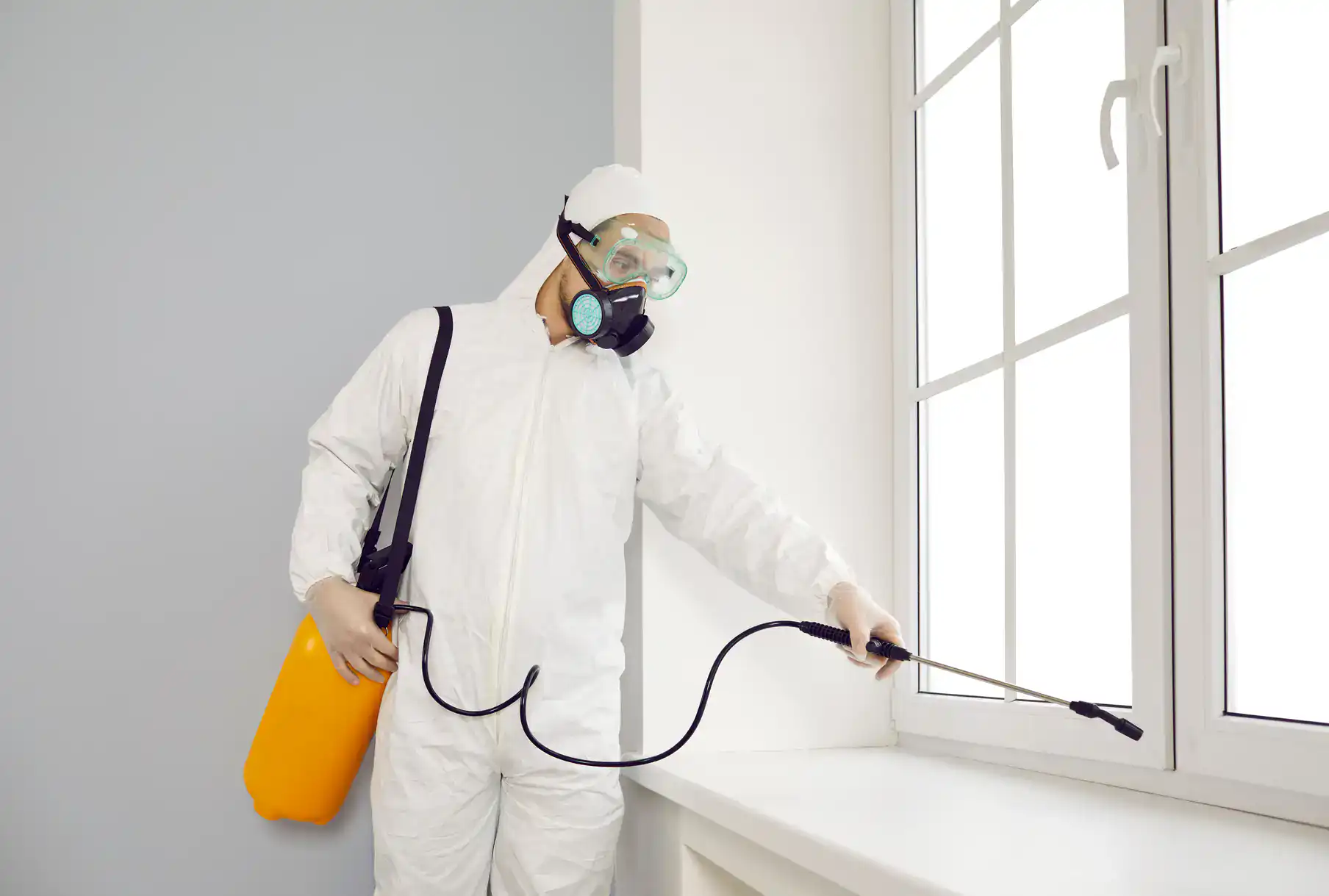
You stop hearing things at night. You stop finding evidence in the kitchen. You stop wondering whether the snap trap you set three days ago is doing anything. That’s what real rodent removal in Carroll Gardens looks like not just a visit, but a result you can feel.
Carroll Gardens’ brownstone housing stock is beautiful, and it is also one of the most rodent-accessible building types in New York City. Structures built between 1869 and 1884 were not designed with modern pest exclusion in mind. Their brick-and-mortar foundations have settled over 150 years, leaving gaps that a Norway rat can enter through easily. The long front gardens this neighborhood is named for the ones that make President Street and Carroll Street so iconic are also prime outdoor nesting ground. Solving the problem here means understanding the building, not just baiting a trap.
There is also the Gowanus Canal to consider. It runs directly along Carroll Gardens’ eastern edge and has been an EPA Superfund site since 2010. Every time remediation work or new construction disturbs that zone and with the Gowanus rezoning approved in 2021, that activity is ongoing established rodent colonies get displaced. A portion of them end up in the residential blocks of Carroll Gardens. That pressure is not random. It is geographic and predictable, and it is one of the reasons rodent infestations in this neighborhood tend to recur without proper exclusion work.
We founded Kingsway Exterminating in 1971 and have been family-run ever since. Our sons Richard Jr. and Charles joined the business in the late 1980s, and we’ve never been sold, franchised, or absorbed into a national chain. That matters because the people making decisions about your service are the same people whose name is on the business.
We’re headquartered in Marine Park Brooklyn, not Manhattan, not Long Island. That means the technicians who show up at your Carroll Gardens brownstone have been working in this borough their entire careers. They know what a garden-level basement looks like. They know how rodents move through shared party walls in attached row houses. They know the difference between a one-time entry event and a colony that has been established for months.
We hold an A+ BBB rating and have been accredited since 1989. We’re fully licensed, bonded, and insured, and apply only NYS Department of Environmental Conservation-registered materials which matters if you have children or pets in the home and want to know exactly what is being used.
It starts with a phone call at no charge. You describe what you are seeing or hearing and one of our technicians will ask the right questions to understand the scope before anyone sets foot in your home. That conversation alone usually tells an experienced technician a lot about what they are going to find.
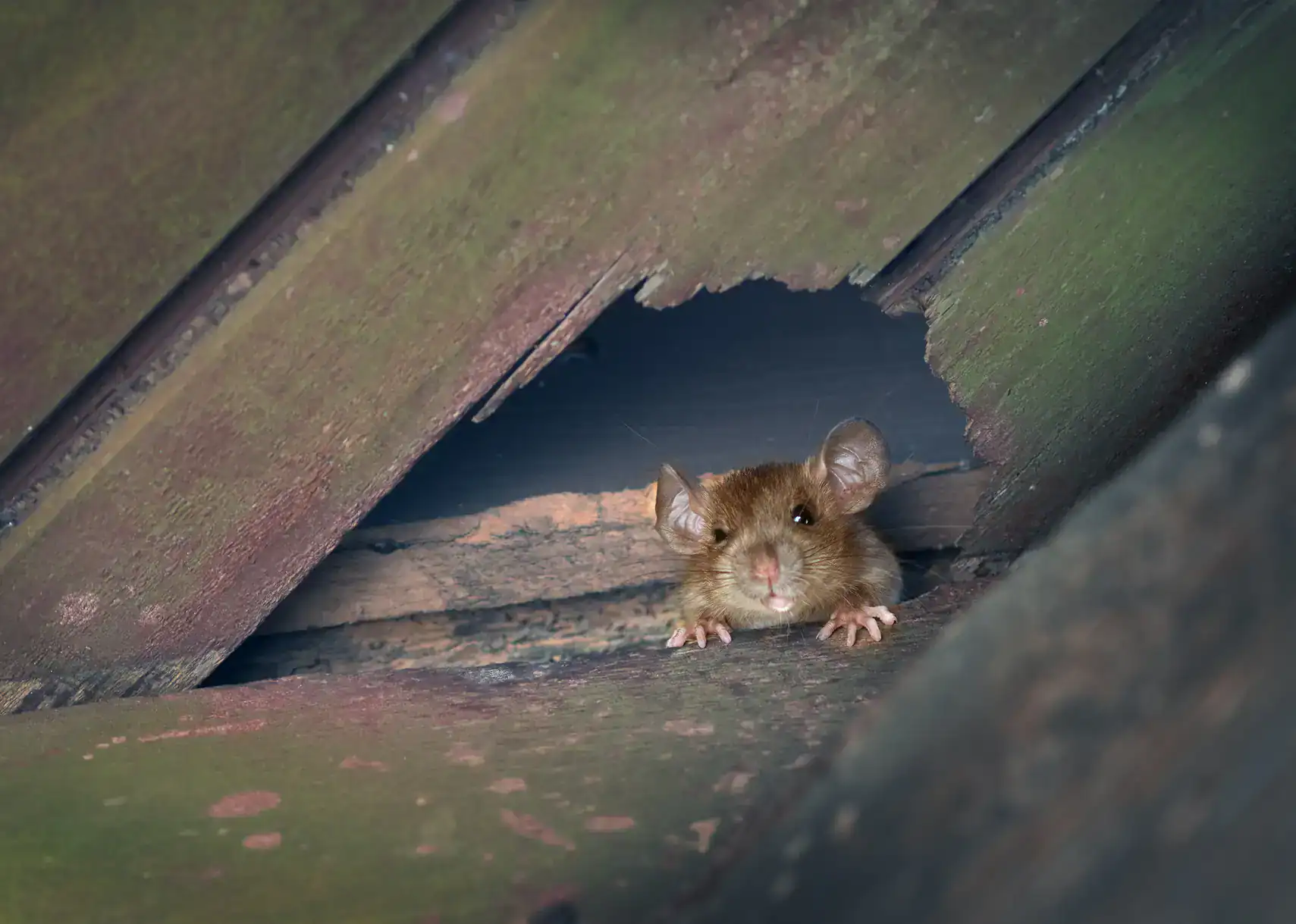
When our technician arrives, the inspection covers both the interior and exterior of your property. In a Carroll Gardens brownstone, that means the basement, the garden level, the foundation perimeter, the utility penetrations, and the garden itself. These are the entry and harborage points that DIY efforts almost always miss. A snap trap in the kitchen treats a symptom. Finding the quarter-sized gap in the foundation mortar at the base of the stoop treats the cause.
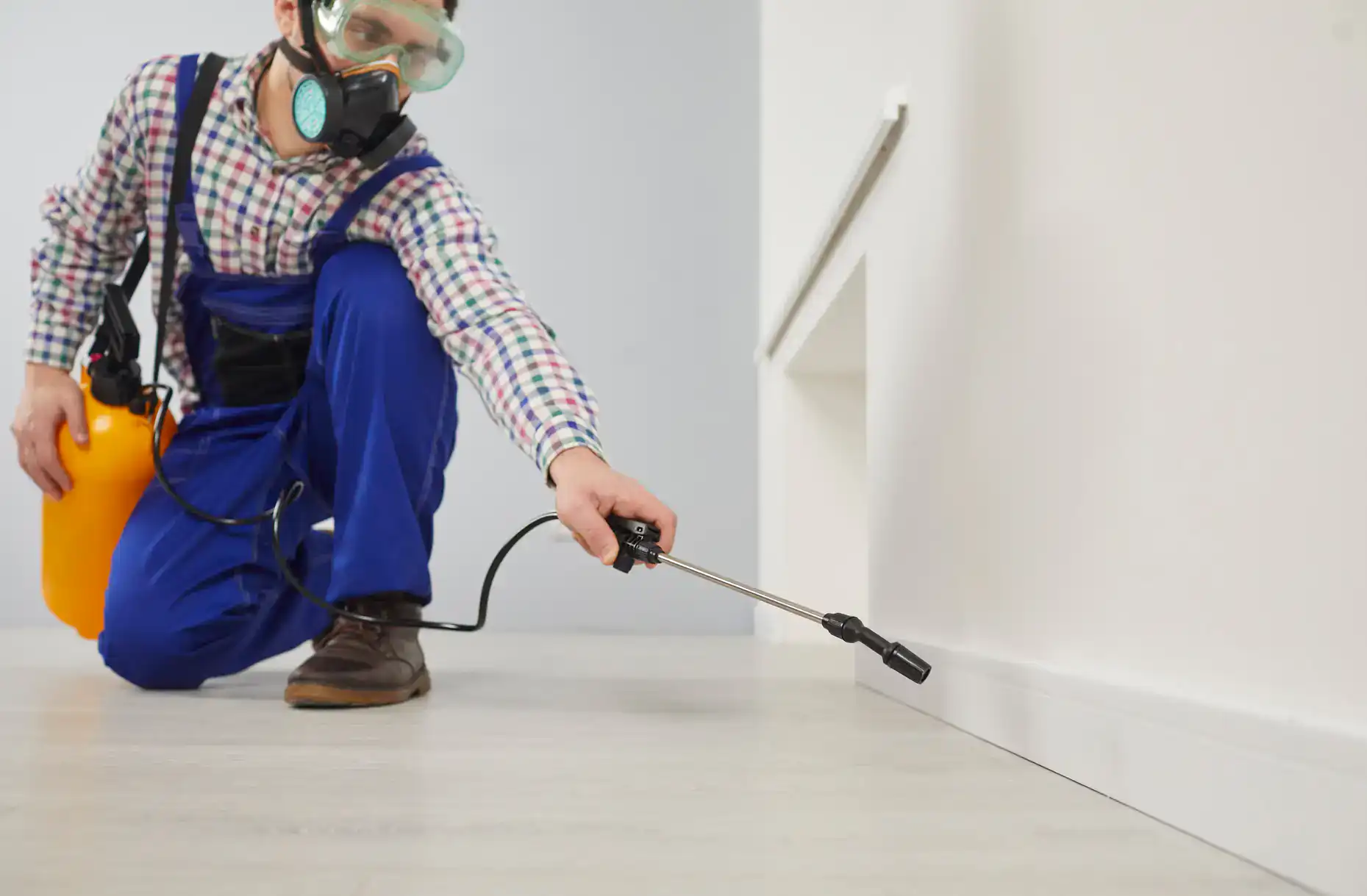
From there, we build a treatment plan around what was actually found not a standard package applied to every home on the block. Rodent control in attached row houses requires thinking about what is happening next door and in the shared infrastructure beneath the building, not just what is visible inside your unit. Treatment typically combines targeted baiting, mechanical trapping, and exclusion work to seal the entry points identified during inspection. You will be walked through exactly what was done, what to expect in the days following, and what steps on your end like coordinating with a neighbor or adjusting how outdoor garbage is stored will help the results hold.
Ready to get started?
Rodent control in Carroll Gardens is not a one-size-fits-all service, and we don’t treat it like one. Our service covers both rats and mice Norway rats being the dominant species in this neighborhood, particularly in properties adjacent to the Gowanus Canal zone and the restaurant corridor along Smith Street, where organic waste provides a reliable food source year-round.
Every service includes a full property inspection, interior and exterior treatment, and written documentation of findings and work performed. That documentation matters more than most homeowners realize. Under NYC Health Code Section 151.02, property owners are responsible for maintaining conditions that do not attract or harbor rodents. An active infestation can result in a Class C HPD violation the most serious category and having professional documentation of treatment is essential if you are responding to a complaint, preparing for a re-inspection, or in the middle of a property transaction. We’re well known among Brooklyn real estate brokers and attorneys for exactly this reason.
Exclusion work physically sealing the entry points identified during inspection is discussed with every customer and can be incorporated into the service plan. In Carroll Gardens’ aging Victorian brownstones, this is often the most important part of the job. Treating an active infestation without addressing how the rodents are getting in is a short-term fix. The goal is to make your home genuinely harder to enter, not just temporarily less hospitable.
The age of the building stock is the primary factor. Carroll Gardens’ most iconic homes were constructed between 1869 and 1884 they are 140 to 155 years old. Brick-and-mortar foundations from that era were not built to the pest-exclusion standards of modern construction, and 150 years of settling, freeze-thaw cycles, and renovation work have created gaps throughout the foundation, around utility penetrations, and at the base of stoops that rodents exploit easily. Norway rats need only a gap the size of a quarter to enter a structure. Mice need even less.
Newer buildings use poured concrete foundations, modern weatherstripping, and materials that are simply harder to breach. In a Victorian brownstone, the entry points are often numerous and not visible without a trained inspection. That is why a thorough exterior and basement inspection is the starting point for any effective rodent control service in Carroll Gardens and why DIY snap traps placed inside the home rarely solve the problem for long.
Yes, and this is one of the more specific rodent pressure factors in Carroll Gardens that most homeowners are not aware of. The Gowanus Canal runs along the neighborhood’s eastern boundary and has been an EPA Superfund site since 2010. The canal’s banks and the surrounding industrial infrastructure have historically supported large rodent colonies the combination of water access, organic waste from decades of industrial use, and low human disturbance creates ideal nesting conditions.
When construction or remediation activity disturbs that zone and the Gowanus rezoning approved in 2021 has triggered significant new development throughout the area established rodent colonies lose their burrow systems and migrate. Carroll Gardens, sitting directly west of the canal, absorbs a meaningful share of that displacement. Properties on the eastern blocks of the neighborhood, closer to the canal, tend to see this pressure most acutely. It is a recurring, cyclical pattern, not a one-time event, which is why exclusion work on the exterior of your property is so important for keeping displaced rodents from establishing themselves inside.
This is the most common experience homeowners describe, and the reason is almost always the same: the entry points were never found and sealed. Traps catch individual rodents, but they do not stop new ones from entering through the same gaps in your foundation, basement walls, or utility penetrations. In Carroll Gardens’ attached brownstones, the challenge is compounded by the fact that rodents can move laterally through shared wall voids, under shared foundations, and through connected garden spaces between adjacent properties. You can clear your unit completely and have the problem return within weeks if a neighboring property or shared infrastructure remains a harborage point.
Effective rodent control requires treating the entry, not just the interior. That means a thorough exterior inspection to identify every gap, crack, and penetration that rodents are using to access your home, followed by exclusion work to seal them. It also means an honest conversation about what is happening on the other side of your party walls something a technician with real experience in Brooklyn’s attached row-house environment will raise with you directly.
It can be, and the consequences are serious enough that property owners should not wait to address it. Under NYC Health Code Section 151.02, property owners are prohibited from maintaining conditions that attract or harbor rodents. The NYC Housing Maintenance Code also requires landlords to keep buildings free of pests. An active rodent infestation in a residential building can result in a Class C HPD violation the most serious category, classified as immediately hazardous which carries fines and a legal obligation to remediate within a short timeframe.
Beyond the violation itself, properties that fail NYC Health Department rodent inspections are publicly listed on the city’s Rat Map, which can affect tenant relationships and property value. If you receive a violation or a 311 complaint triggers an inspection, having documentation from a licensed exterminator showing that professional treatment was performed is essential for demonstrating compliance. We provide that documentation as a standard part of every service, and our established relationships with Brooklyn attorneys and real estate brokers mean we understand exactly what is needed in a regulatory or legal context.
Late fall is when most Carroll Gardens homeowners notice the problem for the first time typically October and November. As outdoor temperatures drop, Norway rats that have been nesting in garden soil and exterior burrow systems through the summer actively seek warmth and relocate indoors. Carroll Gardens’ long front gardens, which provide excellent outdoor nesting conditions through the warmer months, essentially push rodents toward the interior of homes as the ground cools. The characteristic brownstone garden level, with its multiple basement access points and aging foundation penetrations, is where they tend to enter.
Rodent activity in New York City surges approximately 25% above baseline in the fall and winter months. If you have had no visible signs of rodents all summer, that does not mean your property is clear it may mean the active population has simply been living outside. The time to address entry points and conduct a thorough inspection is before the fall migration begins, not after you have already found evidence inside. A preventive inspection in late summer is one of the more cost-effective things a Carroll Gardens homeowner can do.
In Carroll Gardens’ attached brownstones, shared infestations are genuinely common. Rodents do not recognize property lines they move through shared wall voids, under shared foundations, and through connected garden spaces between adjacent lots. A technician who has worked extensively in Brooklyn’s row-house environment will look for signs that the activity is originating from or spreading to adjacent properties: burrow systems that run along the shared fence line, rodent pathways in the garden that cross the property boundary, or entry points concentrated on the shared-wall side of the building.
When the evidence points to a shared or neighboring-property source, the honest answer is that treating your unit alone will produce limited long-term results. A good technician will tell you that directly and help you understand what a coordinated approach with your neighbor would look like. We’ve navigated this exact situation in Brooklyn row houses for decades. The goal is not to oversell you on additional services it is to give you an accurate picture of what is actually happening so the treatment plan reflects reality, not just what is visible inside your four walls.
Useful Links