Hear from Our Customers

You stop finding droppings behind the stove. You stop hearing things move in the walls at night. You stop wondering whether the problem is getting worse or whether whatever you tried last month actually worked. That’s what pest control is supposed to deliver and it’s what doesn’t happen when the job is done halfway.
Carroll Gardens creates specific conditions that make pest problems harder to resolve than most people expect. The rowhouses along Carroll Street, President Street, and the surrounding blocks share party walls, which means a rodent or cockroach population established next door can migrate into your unit through pipe chases and wall voids without ever touching a common hallway. Treating one unit without addressing the broader building dynamic is why so many infestations seem to come back they never actually left.
The neighborhood’s signature deep front gardens those 33.5-foot setbacks that make Carroll Gardens unlike anywhere else in Brooklyn are genuinely beautiful. They’re also prime harborage for Norway rats, which burrow into garden soil and establish colonies close to the foundation. Add the ongoing Gowanus Canal Superfund dredging pushing displaced rodent populations eastward into residential blocks, and the pest pressure in Carroll Gardens has real, specific causes that a real, specific treatment plan has to account for.
We’ve been a licensed, family-owned pest control company since 1971. That’s not a marketing number it means we were treating Carroll Gardens brownstones before most of the people reading this were born. The 19th-century rowhouses in the Carroll Gardens Historic District, the garden-level apartments, the attached construction with its shared walls and aging foundations this is the housing stock we’ve worked in for decades.
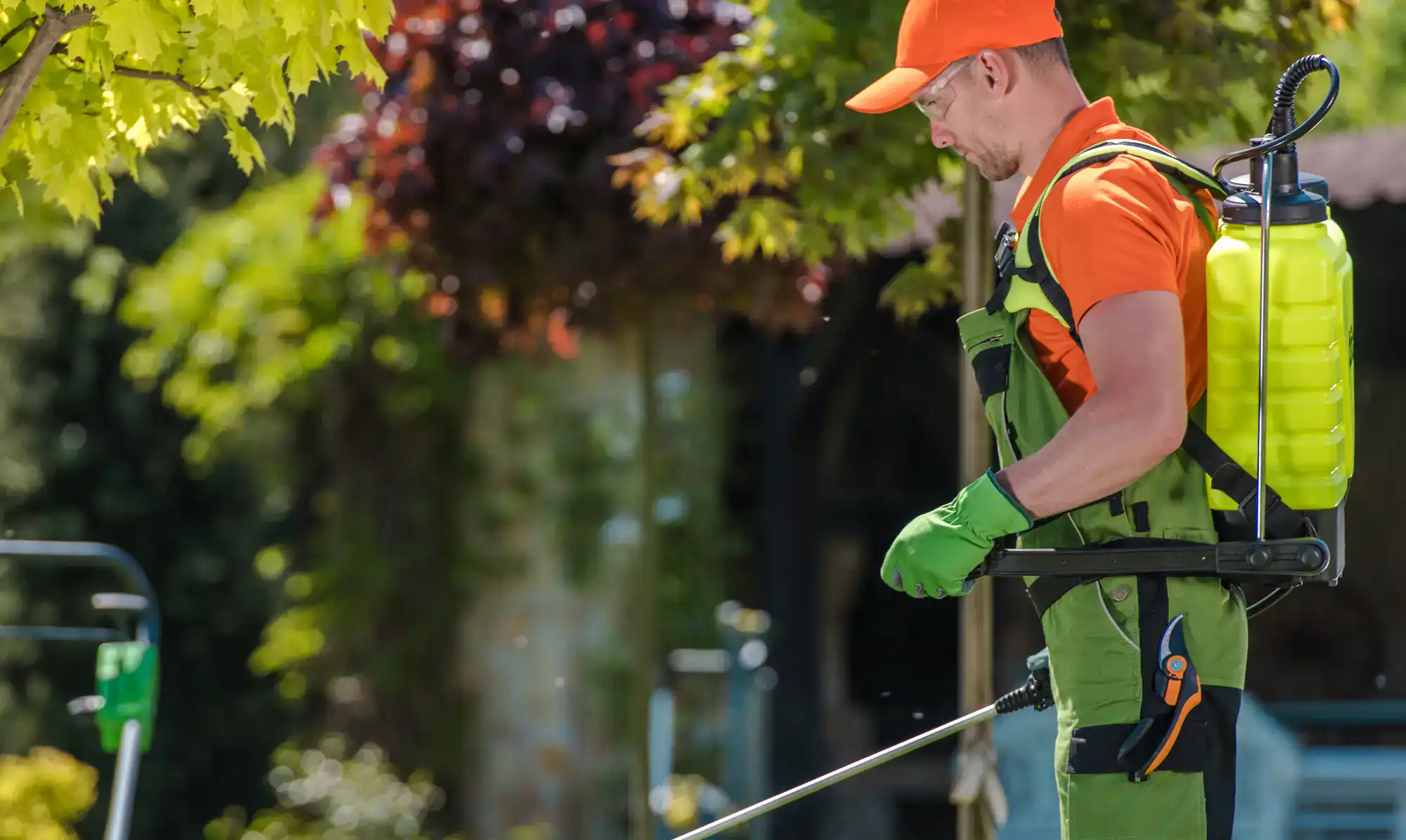
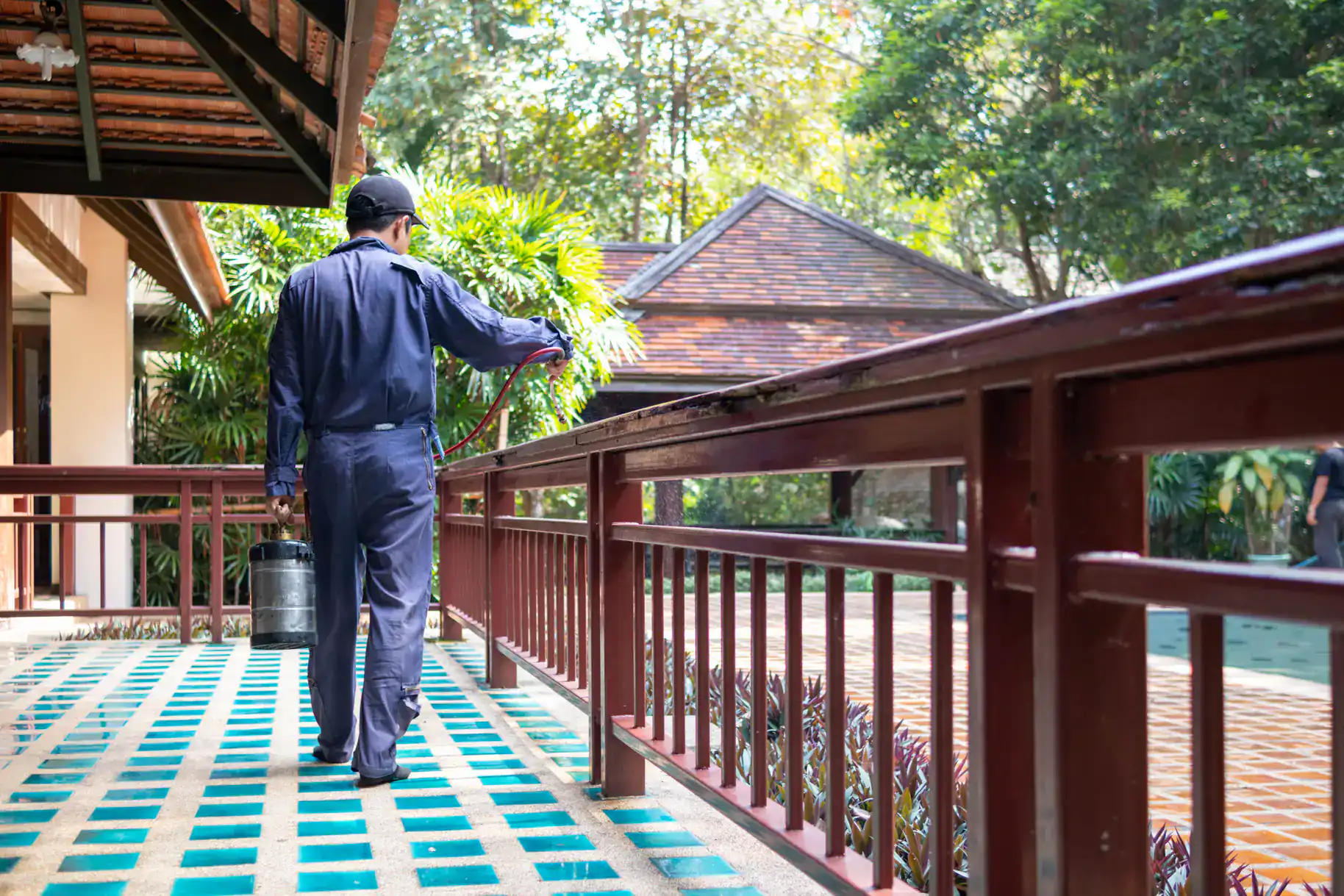
We’re New York State DEC-licensed, which matters more than most people realize. Licensing in this state requires category-specific examinations, continuing education, and registered business status. You’re not just getting someone with a sprayer. You’re getting a trained professional who knows what’s legal, what’s effective, and what’s safe to use in and around your home.
From the blocks near Carroll Park to the buildings above Smith Street’s restaurant corridor, we’ve handled the full range of what Carroll Gardens throws at pest control rodents, cockroaches, bed bugs, termites, and everything in between.
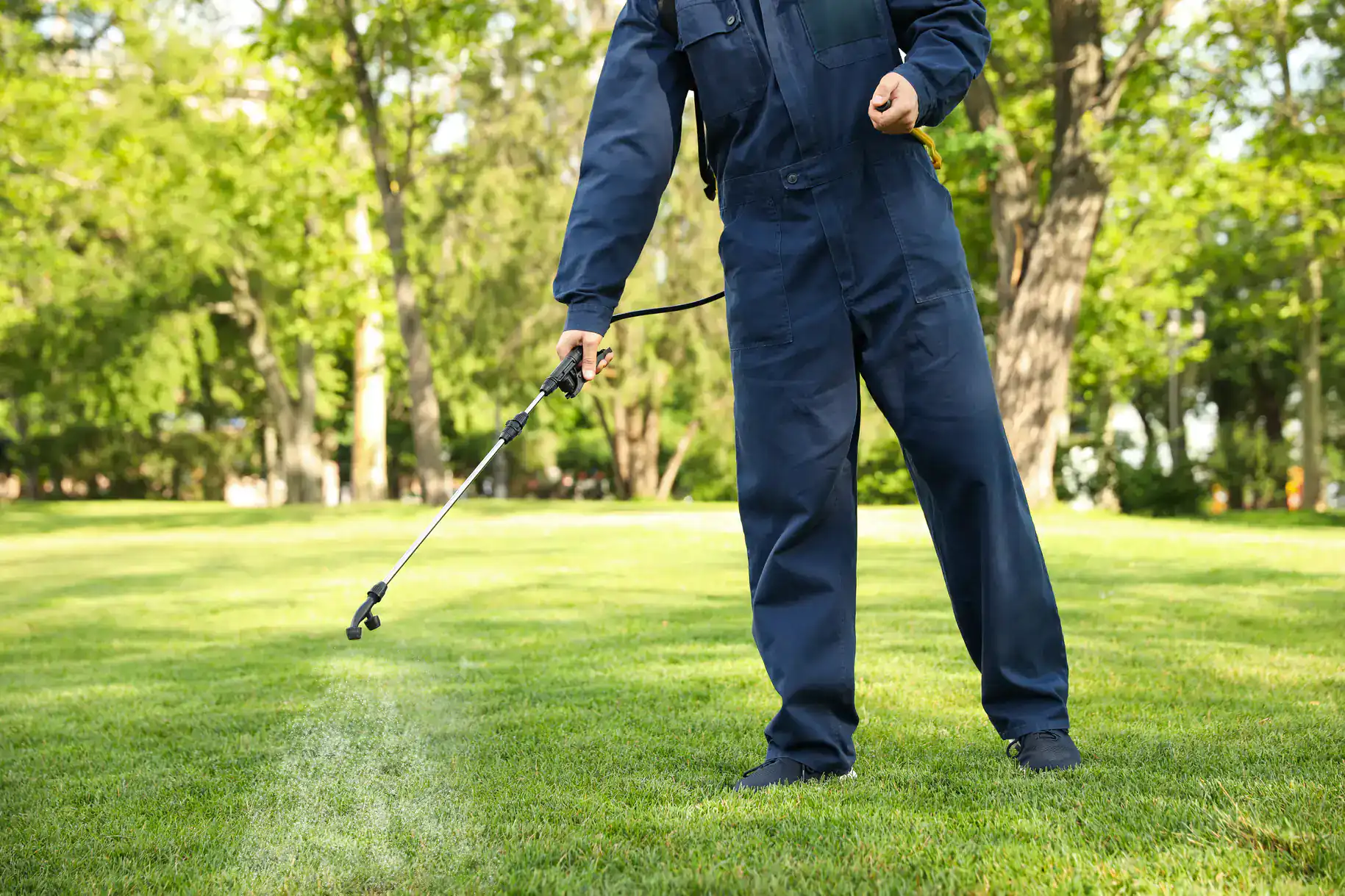
It starts with a free inspection. Before any treatment, a licensed technician walks your property, identifies what’s present, locates entry points and harborage zones, and gives you a clear picture of what you’re dealing with. In Carroll Gardens, that inspection almost always includes the garden level, the foundation perimeter, and any shared wall areas because that’s where problems typically originate in this type of construction.
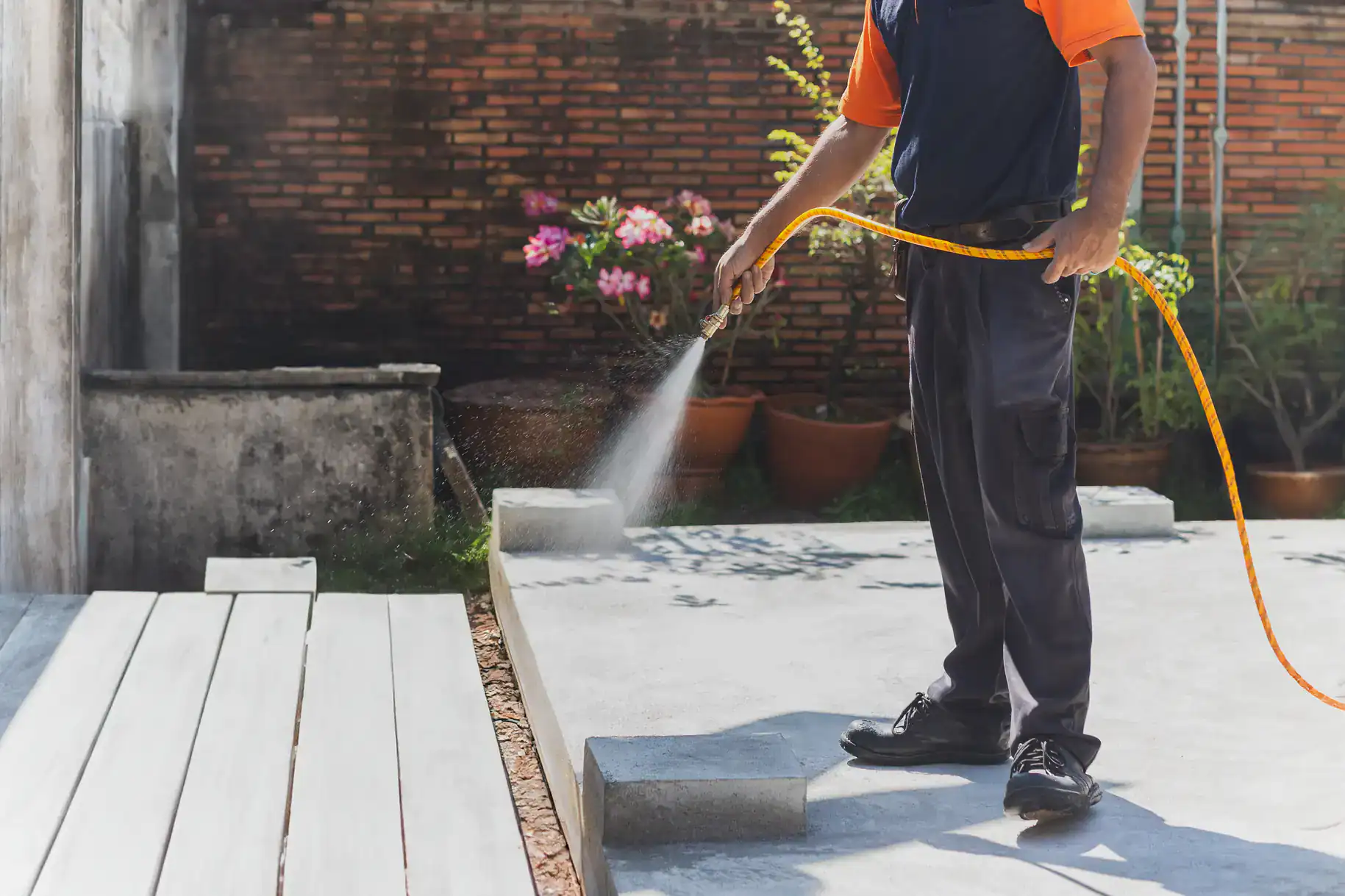
From there, you get a straightforward treatment plan. What’s being used, where it’s being applied, and why. If you have a front garden you tend carefully vegetables, herbs, ornamental beds that gets factored in. We use EPA-registered materials applied according to Integrated Pest Management principles, which means targeted application in the areas where pests are active, not a blanket treatment that ignores what’s actually going on.
Follow-up depends on the pest and the severity. Some situations are resolved in a single visit. Others particularly rodent activity tied to the Gowanus corridor displacement or cockroach infestations in multi-unit brownstones require a structured follow-up schedule to make sure the population is fully eliminated and re-entry points are sealed. We tell you upfront which situation you’re in, so there are no surprises on the back end.
Ready to get started?
We handle the full range of pest control needs that come with living in a dense, historic Brooklyn neighborhood. Rodent control, cockroach extermination, bed bug treatment, termite inspections, WDI reports for real estate transactions, mosquito control, wasps, fleas, and commercial accounts it’s all covered under one licensed provider who already knows this zip code.
The WDI inspection piece is worth calling out specifically. Carroll Gardens is one of Brooklyn’s most active real estate markets, and the 140-to-160-year-old wood construction in these rowhouses makes termite inspection a standard part of most transactions. If you’re buying, selling, or refinancing and your lender is asking for a Wood-Destroying Insect report, we provide mortgage-ready WDI certifications from a licensed professional who understands the specific construction characteristics of this housing stock.
For homeowners in the Carroll Gardens Historic District, there’s an additional layer to consider. Structural exclusion work that affects the exterior of a landmarked building sealing facade gaps, repointing mortar can require Landmarks Preservation Commission review. We understand that regulatory context and can help you think through treatment and exclusion approaches that address the infestation without creating compliance headaches. That’s the kind of local knowledge that only comes from decades of working in Brooklyn neighborhoods like this one.
This is the most common frustration we hear from Carroll Gardens homeowners, and the answer almost always comes down to building structure. These rowhouses share party walls, which means that cockroaches or mice living in an adjacent unit can migrate into yours through pipe chases, utility runs, and wall voids even after your unit has been treated. If the source population isn’t addressed, the problem returns.
A thorough inspection has to account for the full building context, not just the unit showing symptoms. In attached brownstone construction, that means identifying lateral migration pathways and either treating them directly or coordinating with adjacent units or a landlord to address the broader infestation. A treatment plan that ignores the shared-wall reality of Carroll Gardens rowhouses is only solving half the problem.
This is a legitimate concern, especially in Carroll Gardens where front gardens are actively used some residents grow vegetables and herbs in those deep setbacks, and kids play in them regularly. We use EPA-registered materials applied according to Integrated Pest Management principles, which means we target the specific areas where pests are active rather than applying broad treatments across garden spaces.
For rodent baiting near garden areas, we use tamper-resistant bait stations placed in locations that are inaccessible to children and pets. For perimeter treatments, we discuss placement with you before anything is applied. If you garden organically or have specific concerns about particular products, tell us during the inspection that conversation shapes the treatment plan. The goal is to solve the pest problem without creating a new one in your garden.
Yes, and it’s not speculation it’s a well-documented effect of large-scale remedial construction. When ground is disturbed at the scale of an EPA Superfund dredging operation, established rat colonies are displaced from their existing burrow systems. The Gowanus Canal’s RTA 2 remediation phase began in June 2024, with active dredging along the canal corridor immediately east of Carroll Gardens. Displaced rodent populations move outward in search of new harborage, and residential neighborhoods directly adjacent to the construction zone including Carroll Gardens absorb that pressure.
If you’ve noticed increased rodent activity in your garden, basement, or along your foundation in the past year or two, the Gowanus construction is a likely contributing factor. That doesn’t mean the problem is unmanageable it means the treatment plan needs to account for ongoing external pressure, not just a one-time population inside your home. Sealing entry points and maintaining exterior bait stations are particularly important during active remediation periods.
It depends on the transaction, but for Carroll Gardens specifically, the answer is often yes. FHA and VA loans typically require a Wood-Destroying Insect inspection report as a condition of financing, and many conventional lenders request one when the property involves older wood-framed construction which describes virtually every rowhouse in this neighborhood. Given that the brownstones in the Carroll Gardens Historic District were built between the 1860s and 1880s, original wood framing, wood lath, and structural timbers are standard features of these buildings, and subterranean termite activity is a real and documented risk.
Even in transactions where it isn’t lender-required, a WDI inspection is worth having. Discovering termite damage after closing on a Carroll Gardens brownstone is a significantly more expensive problem than the cost of an inspection before. We provide licensed WDI reports that meet lender requirements and can typically schedule inspections on short timelines to keep your transaction on track.
Early fall is the most critical window for rodent intrusion. As temperatures drop in September and October, Norway rats and house mice that have been living in garden areas, along the BQE corridor, and in the Gowanus zone start looking for warmth indoors. The aging brownstone stock with its original mortar joints, foundation gaps, and utility penetrations that have shifted over 150 years of settling gives them plenty of ways in. If you’re going to invest in exclusion work and a preventive treatment, late summer is the right time to do it, before that seasonal push begins.
Spring brings termite swarm season, typically starting in late April. Cockroach activity in Carroll Gardens is effectively year-round given the neighborhood’s density, shared walls, and proximity to the restaurant corridor on Smith Street. Bed bugs don’t follow a season they follow travel and turnover, and Carroll Gardens has plenty of both. There isn’t really an “off season” for pest control in this neighborhood, but fall and spring are when the stakes are highest.
New York State requires pest control businesses to be registered with the Department of Environmental Conservation and requires individual technicians to hold category-specific licenses earned through written examinations, not just on-the-job training. That licensing also requires ongoing continuing education to stay current. When you’re evaluating providers, ask directly for their NYSDEC registration number and confirm the technician who will be doing the work is individually licensed. A legitimate company will give you that information without hesitation.
In a neighborhood like Carroll Gardens, where unlicensed operators do exist and where the housing stock is historic and landmarked, the stakes of hiring the wrong provider are real. Improper pesticide application in a landmarked building, or exclusion work done without awareness of LPC requirements, can create problems that cost far more to fix than the original pest issue. We’ve been licensed and registered in New York State since 1971 our credentials are verifiable, and we’re happy to walk you through them before you book a single appointment.
Useful Links
Other Services we provide in Carroll Gardens