
Hear from Our Customers
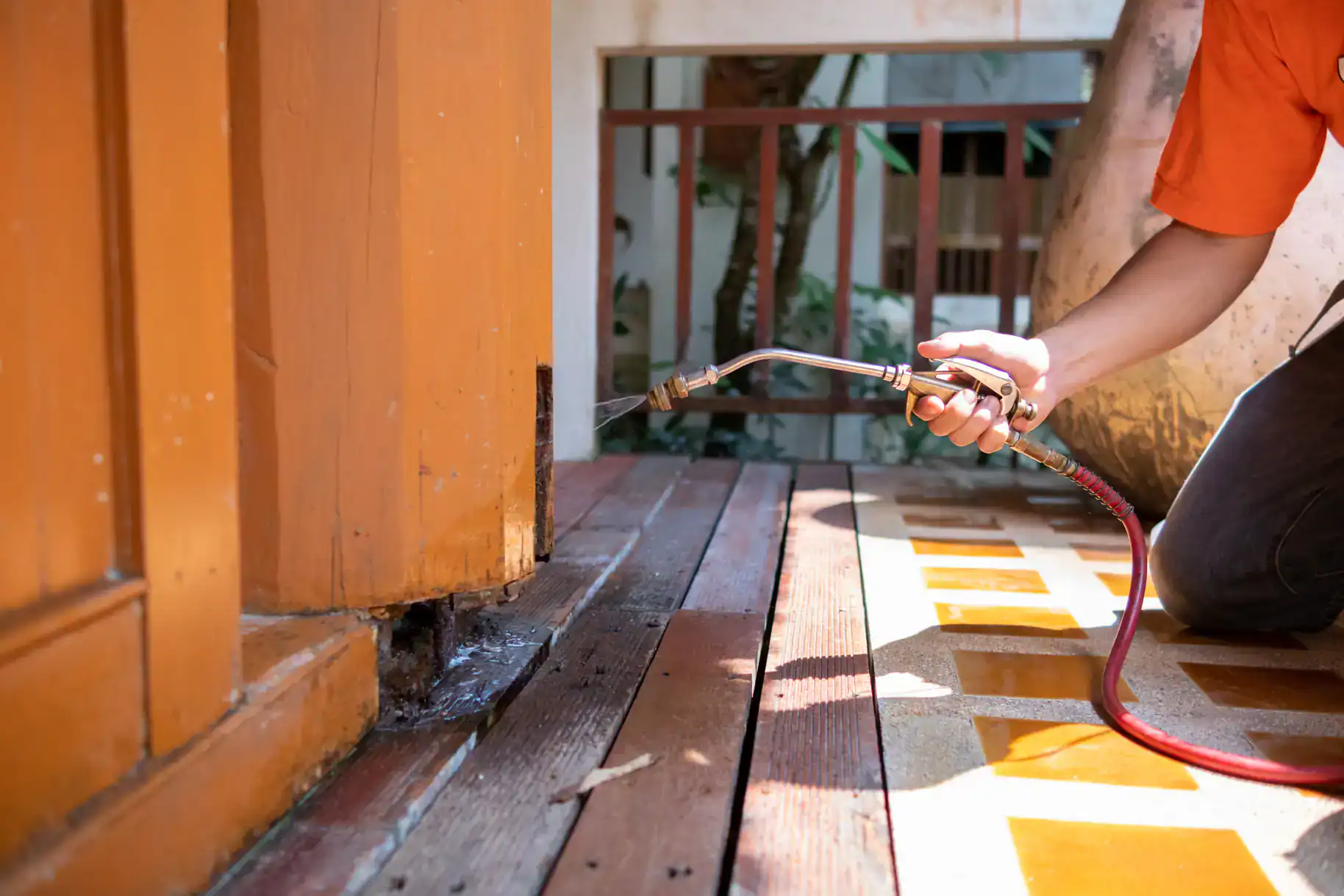
You stop seeing ants in your kitchen. You stop finding trails along your baseboard after a heavy rain. You stop wondering if the problem is in your walls or just passing through. That’s what real ant pest control in Carroll Gardens looks like not a temporary fix, but an actual resolution.
Carroll Gardens brownstones are 140 to 150 years old. The aged wood, settled foundations, and layered construction of these Historic District homes give ant colonies especially carpenter ants more places to hide than almost any other building type in Brooklyn. A surface spray hits the foragers you can see. It doesn’t reach the colony established inside a wall void or under your foundation. Until the colony is gone, the ants keep coming back.
The front gardens that define this neighborhood are something to be proud of. They’re also prime ant habitat mulch beds, moist soil, ornamental plantings right up against your foundation. After a heavy rain, when water drains downhill from Carroll Gardens toward Gowanus, saturated soil drives ants out of their outdoor nests and straight into your home. Once treatment addresses both the interior and the exterior perimeter, that cycle stops. You get your home back, and your garden stays exactly the way you want it.
We founded Kingsway Exterminating Company over 50 years ago and have been operating continuously in Brooklyn and Queens ever since. That’s not a marketing number it’s a track record you can verify. We hold an A+ rating with the Better Business Bureau of New York State and a 4.4-star average across nearly 100 verified reviews, with customers naming individual technicians by name. That kind of feedback doesn’t come from one-and-done visits.
We’re headquartered at 2216 Flatbush Avenue a Brooklyn company, not a franchise dispatching from out of state. The technicians who service Carroll Gardens homes know what a 150-year-old brownstone looks like from the inside. They know how ant colonies behave in the aged wood around a cornice, a window surround, or a basement joist. They’ve seen it in this neighborhood, in this building type, and they know how to treat it properly.
Every technician is licensed and insured. Every material we use is registered with the NYS Department of Environmental Conservation. You’re not getting a guy with a spray can you’re getting a trained professional who’s accountable for the result.
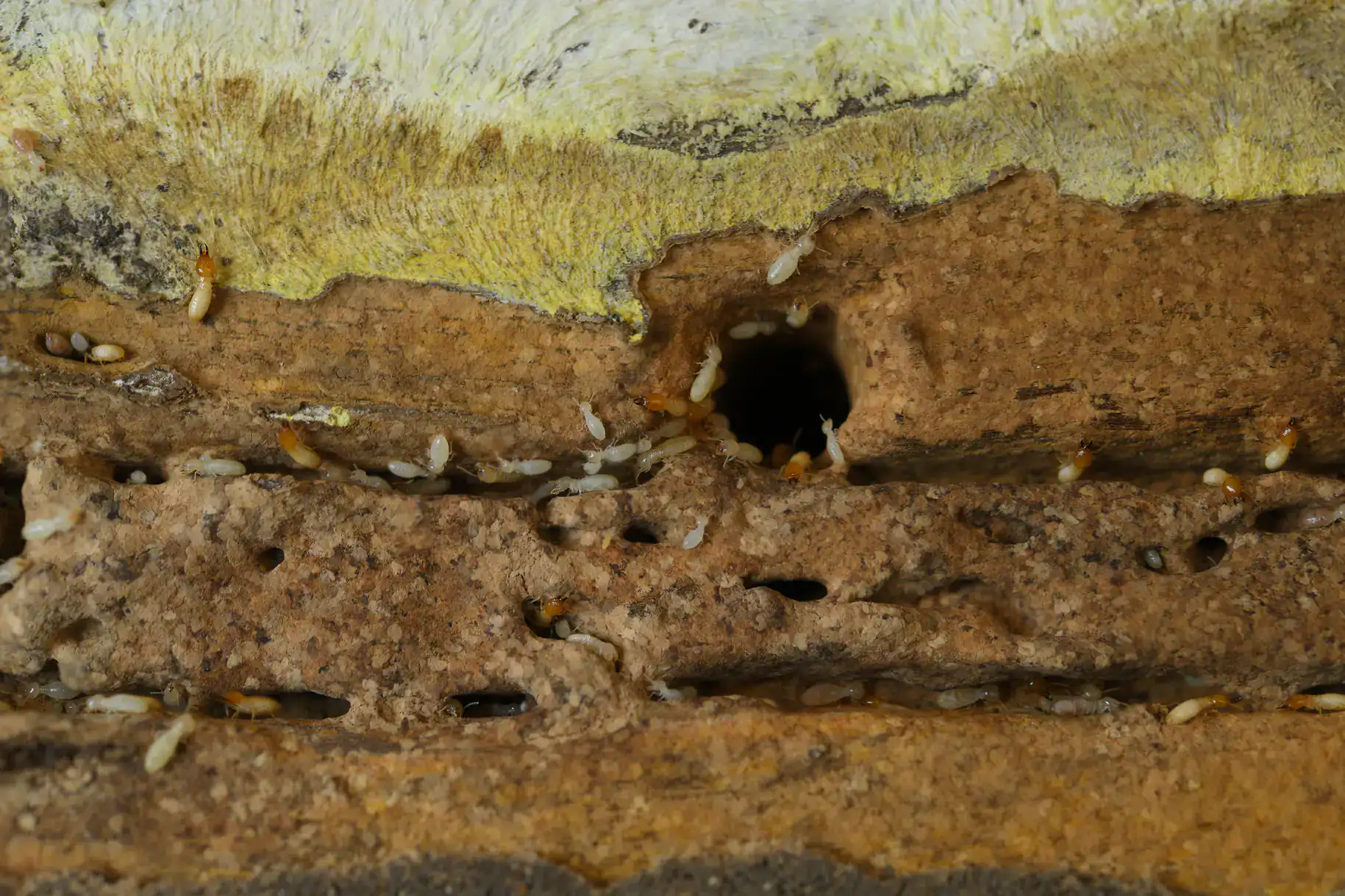
It starts with a thorough initial cleanout. One of our technicians applies treatment materials both inside and outside your home not just where you’ve seen ants, but along the entry points, perimeter, and foundation lines that are common in Carroll Gardens’ brownstone construction. The materials we use aren’t just contact killers. Ants carry them back into the colony and share them with the population. That’s what makes the difference between knocking back the visible trail and actually collapsing the nest.
Because Carroll Gardens homes often have multiple satellite colonies particularly in buildings with the kind of complex wall and floor systems that come with pre-1900 construction one visit rarely tells the whole story. After the initial cleanout, we schedule follow-up visits on a cadence that fits your situation: weekly, every other week, or monthly. Each return visit re-applies materials and monitors activity to confirm the infestation is being eliminated at the source, not just suppressed at the surface.
The exterior treatment matters just as much as the interior, especially here. Carroll Gardens’ position uphill from Gowanus means post-rain flooding of the soil is a real and recurring trigger for ant activity. A treated perimeter intercepts ants before they reach your foundation which is exactly where you want to stop them.
Ready to get started?
Our ant control service covers the full picture: interior treatment of active areas, targeted application along baseboards, pipe chases, and wall voids, and exterior perimeter treatment around your foundation and garden beds. For Carroll Gardens homeowners, that exterior component isn’t optional the large front gardens that sit right up against the brownstone foundations of the Historic District are a direct pathway from the soil into your home. Treatment that ignores the outside is treatment that’s already half-finished.
Carpenter ant infestations get particular attention. In a neighborhood where homes were built between 1869 and 1884, moisture-damaged wood is essentially universal in cornices, window surrounds, roof lines, and basement joists. Carpenter ants target exactly that. If you’re hearing faint sounds in your walls, finding small piles of sawdust-like material near your baseboards, or seeing large black ants coming out of wall voids, that’s not a minor issue. It’s a structural warning sign, and it needs to be treated as one.
All materials we use are registered with the NYS Department of Environmental Conservation a legal requirement in New York State that not every operator follows. We’re fully licensed, bonded, and insured, and we offer a free estimate before any work begins. Senior residents including the long-standing homeowners who have been part of Carroll Gardens for decades can ask about our 10% senior discount. We answer the phone 24 hours a day, 7 days a week, with a real person.
Spring is the peak trigger season in Carroll Gardens for a specific reason: the front garden beds that define this neighborhood get turned over, planted, and mulched starting in April and May. That soil disturbance disrupts existing ant colonies and drives forager activity directly toward your brownstone foundation. Add warming temperatures and increased moisture from spring rain, and you have the conditions that produce the ant surge Carroll Gardens homeowners see year after year.
The other factor is the building itself. A brownstone built in the 1870s or 1880s has 140-plus years of settled foundations, aging mortar joints, and deteriorated wood all of which create entry points that ants exploit as soon as outdoor activity picks up. Store-bought sprays knock back the visible foragers but don’t reach the colony, so the problem resets itself within days or weeks. Professional treatment that targets the colony directly and addresses both the interior and the exterior perimeter is what actually breaks the cycle.
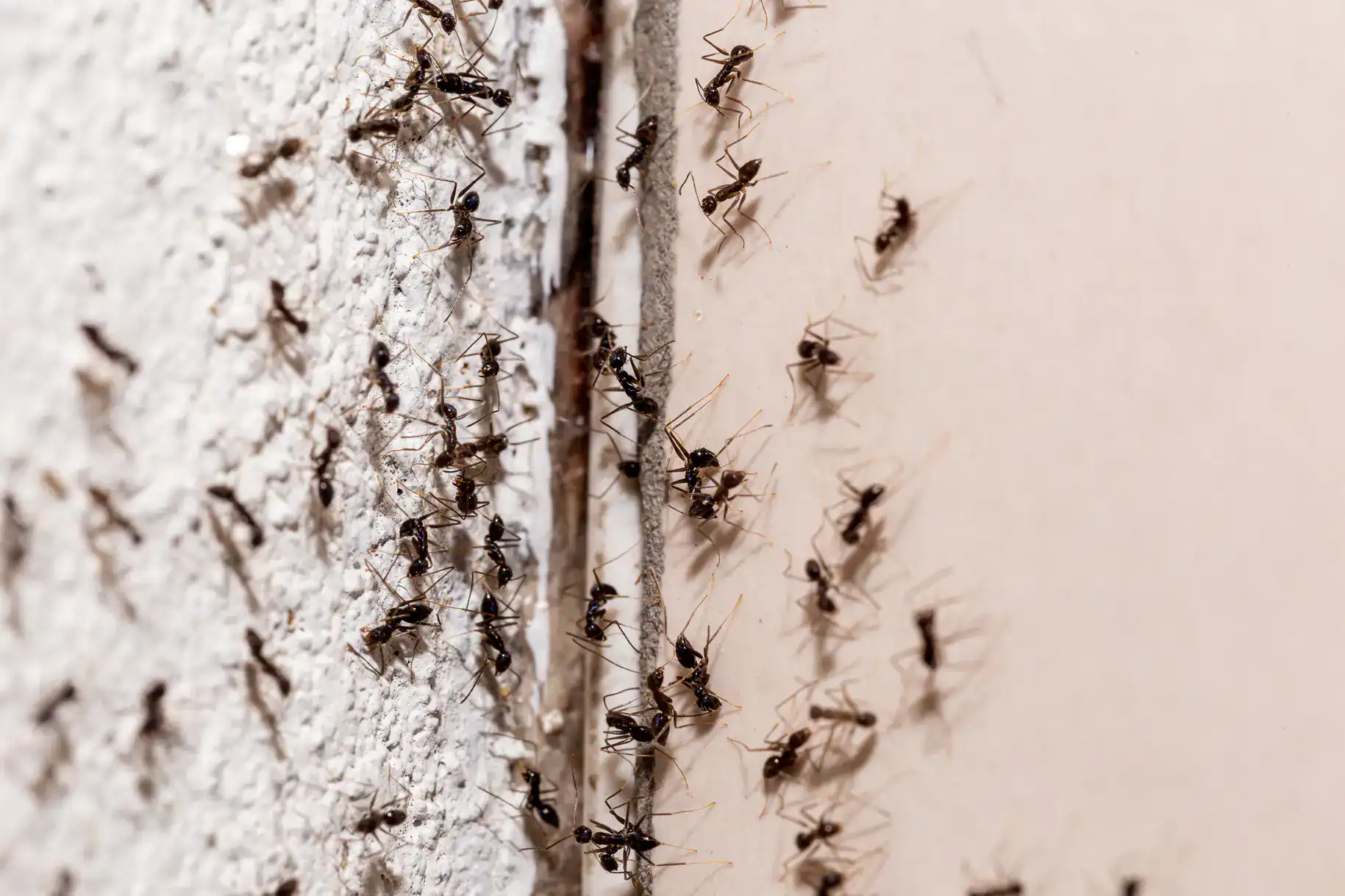
The most reliable signs of carpenter ants are size, location, and what they leave behind. Carpenter ants are significantly larger than pavement ants or odorous house ants typically a quarter-inch to half-inch long, and often black. If you’re seeing large ants emerging from wall voids, window frames, or baseboards especially in a Carroll Gardens brownstone where the wood around windows and cornices may have accumulated moisture damage over more than a century carpenter ants are a strong possibility.
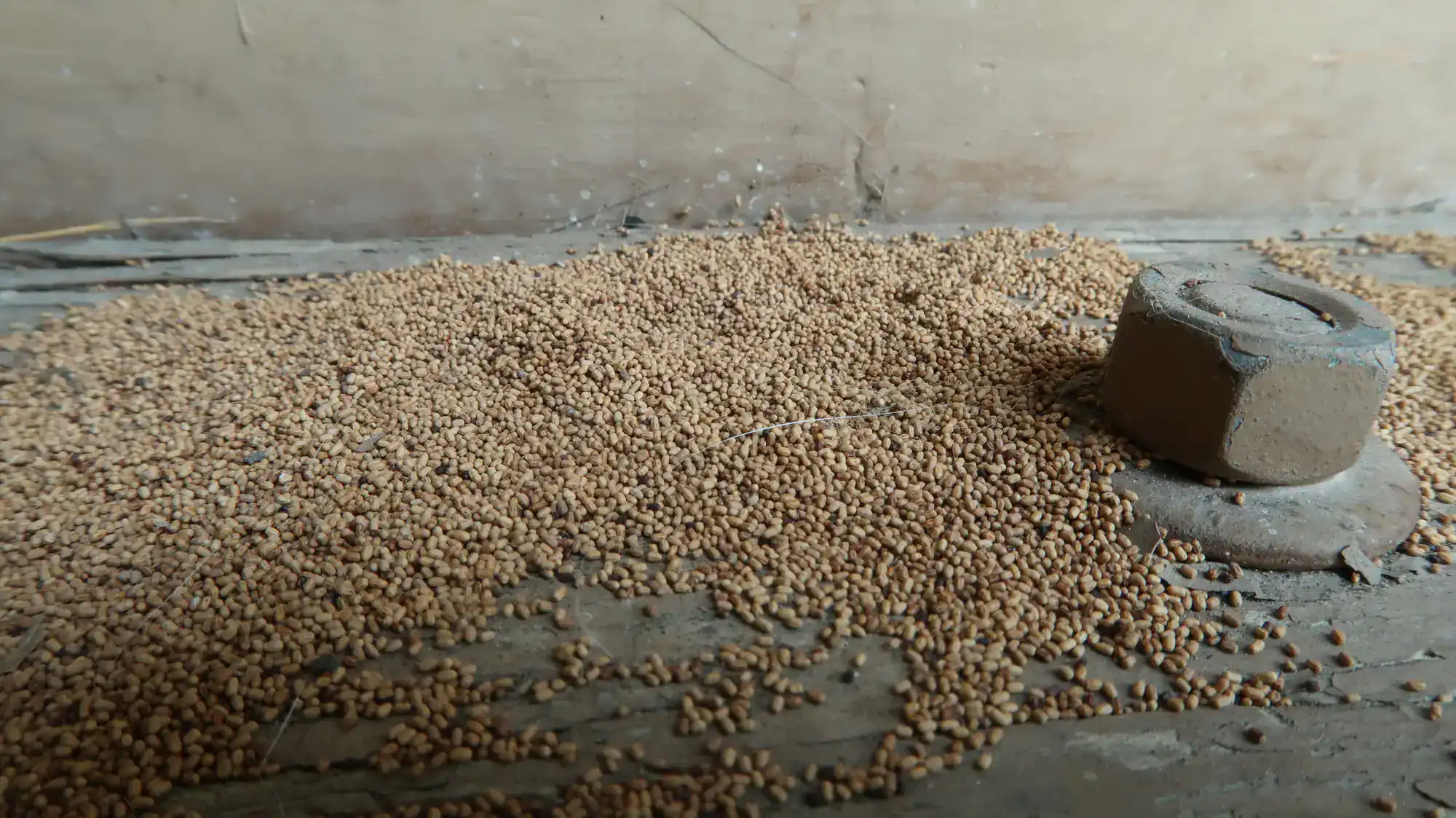
The other indicator is frass: small piles of material that look like coarse sawdust, sometimes mixed with insect parts. Carpenter ants don’t eat wood the way termites do they excavate it to build galleries, and the debris gets pushed out. Finding frass near a baseboard or window sill is a clear signal. You may also hear faint rustling or crinkling sounds inside the wall, particularly at night. If any of these signs are present, don’t wait carpenter ants in a historic brownstone indicate both a pest problem and a likely moisture issue that needs to be addressed together.
This is a well-documented pattern in Carroll Gardens specifically, and it comes down to the neighborhood’s topography. Carroll Gardens sits uphill from Gowanus, which is one of the most flood-prone areas in New York City. When heavy rain saturates the soil, water drains downhill from Carroll Gardens toward the Gowanus basin, temporarily flooding the ground around brownstone foundations. Ants whose outdoor nests get flooded don’t stay put they move toward the nearest warm, dry structure, which is your home.
This is why a post-rain ant surge isn’t random it’s a predictable response to a local geographic condition. The good news is that exterior perimeter treatment directly addresses this. A properly treated foundation line intercepts ants before they reach the entry points in your building’s structure, which means the trigger event heavy rain stops producing the same result. If you’ve noticed this pattern in your home, it’s worth addressing before the next storm, not after.
This is one of the most common questions from Carroll Gardens homeowners, and it’s a fair one. The front gardens here aren’t decorative afterthoughts they’re a real part of the home, and families use them. The short answer is that professional application of NYS DEC-registered materials is significantly safer and more targeted than the aerosol products you’d buy at a hardware store, which are often applied in excess by homeowners who aren’t trained in proper dosing or placement.
We use only materials registered with the New York State Department of Environmental Conservation, applied by licensed technicians who know exactly where and how to apply them to be effective without unnecessary exposure. After treatment, your technician will give you specific guidance on re-entry timing and any precautions relevant to your home and garden. The goal is to eliminate the infestation without disrupting the space you’ve built and that’s entirely achievable with professional-grade treatment applied correctly.
Because the spray killed the ants you could see not the colony producing them. An ant colony can contain tens of thousands of individuals, and the foragers trailing across your counter represent a small fraction of the total population. When you kill the visible trail, the colony simply sends more. The nest itself which in a Carroll Gardens brownstone may be established deep in a wall void, under the foundation, or in moisture-damaged structural wood is completely untouched.
Professional ant control works differently. The materials we apply are designed to be carried back into the colony by foraging ants and shared with the population, including the queen. This transfer mechanism is what collapses the infestation at its source rather than just interrupting it at the surface. In a building with the kind of complex interior architecture that comes with 19th-century brownstone construction multiple wall cavities, original floor systems, aged pipe chases getting to the source is the only approach that produces a lasting result.
Yes. We offer a 10% senior discount, and it’s worth mentioning directly to Carroll Gardens’ long-standing homeowners. This neighborhood has a significant population of residents many of them Italian-American families who have owned their homes for decades and have a deep connection to the community. Maintaining a historic brownstone on a fixed income comes with real costs, and pest control shouldn’t be a financial barrier to protecting a property you’ve invested in for years.
The discount applies to eligible senior customers and can be confirmed when you call for your free estimate. We answer the phone 24 hours a day, 7 days a week so whether you’re calling at 8 AM or after dinner, you’ll reach a real person who can walk you through pricing, scheduling, and what to expect from the service. There are no hidden fees and no pressure. You get a clear picture of what the treatment involves and what it costs before anything is scheduled.
Useful Links