Hear from Our Customers
When termite control is done right, the most immediate thing you notice is the absence of anxiety. No more wondering whether that hollow sound near the window frame is nothing or something that’s been quietly spreading for years. For residents in a Stuyvesant Town building constructed in 1947, that peace of mind is not a small thing.
The 110 red brick buildings in Stuyvesant Town share soil. That matters because Eastern Subterranean Termites don’t stop at your unit’s walls they forage through the ground beneath the entire footprint of the complex, sometimes spanning multiple structures at once. Effective treatment doesn’t just address what’s visible in your apartment. It targets the colony at its source, underground, before it migrates further into shared structural elements.
Stuyvesant Town’s extensive landscaping the Oval, the tree-lined pathways, the irrigated garden beds keeps the soil around these foundations consistently moist. Combine that with the proximity to the East River and the humidity that comes with it, and you have conditions that Eastern Subterranean Termites actively seek out. Getting ahead of the problem, or resolving it completely when it’s already present, protects both the integrity of your unit and the investment you’ve made in it.
We’ve been working in New York City since 1971 through ownership changes, regulatory shifts, and every pest pressure this city has thrown at its buildings. We’re still family-owned and operated, now run by Richard Jr. and Charles Kourbage, the sons of the founder. Our staff carries more than 100 years of combined pest control experience, and that depth shows in how we approach a job.
We’ve treated termite infestations across all five boroughs from pre-war tenements in the East Village to post-WWII apartment complexes like the ones here in Stuyvesant Town. We understand what 75-year-old construction looks like from the inside, where the vulnerabilities are, and what it takes to protect shared building infrastructure in a dense, managed residential environment. We also know how to work within the tenant-landlord dynamic that’s central to life in this community, including providing written documentation for HPD complaints and building management records when you need it.
It starts with an inspection. A licensed technician walks your space the apartment itself, any accessible basement or below-grade areas, window frames, door casings, and any area where wood contacts or approaches the building’s foundation. In a building like those in Stuyvesant Town, the basement utility corridors and laundry areas are often the first place activity appears, so those spaces get particular attention. The inspection is thorough, and you’ll know what was found before we recommend a single thing.
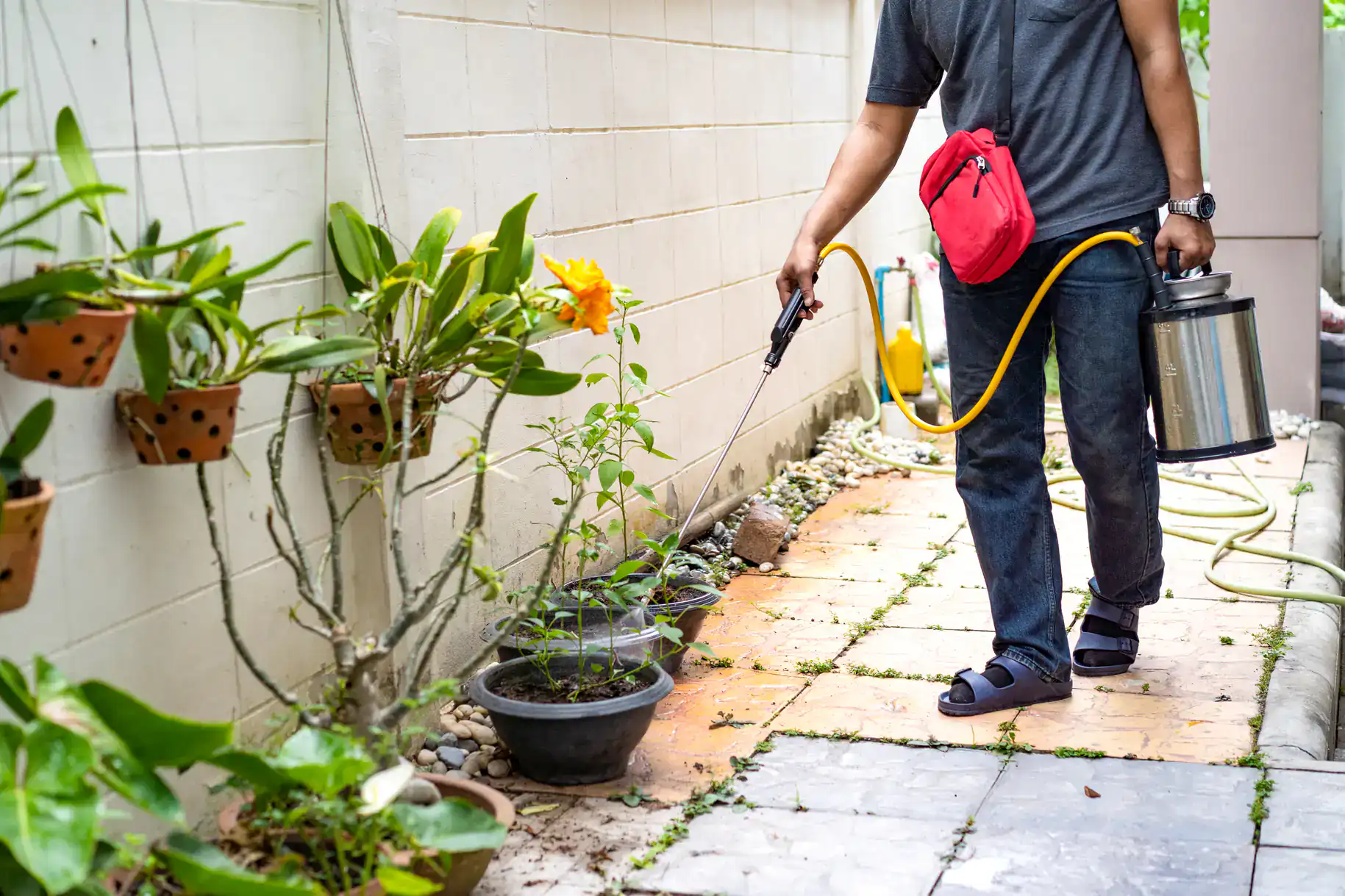
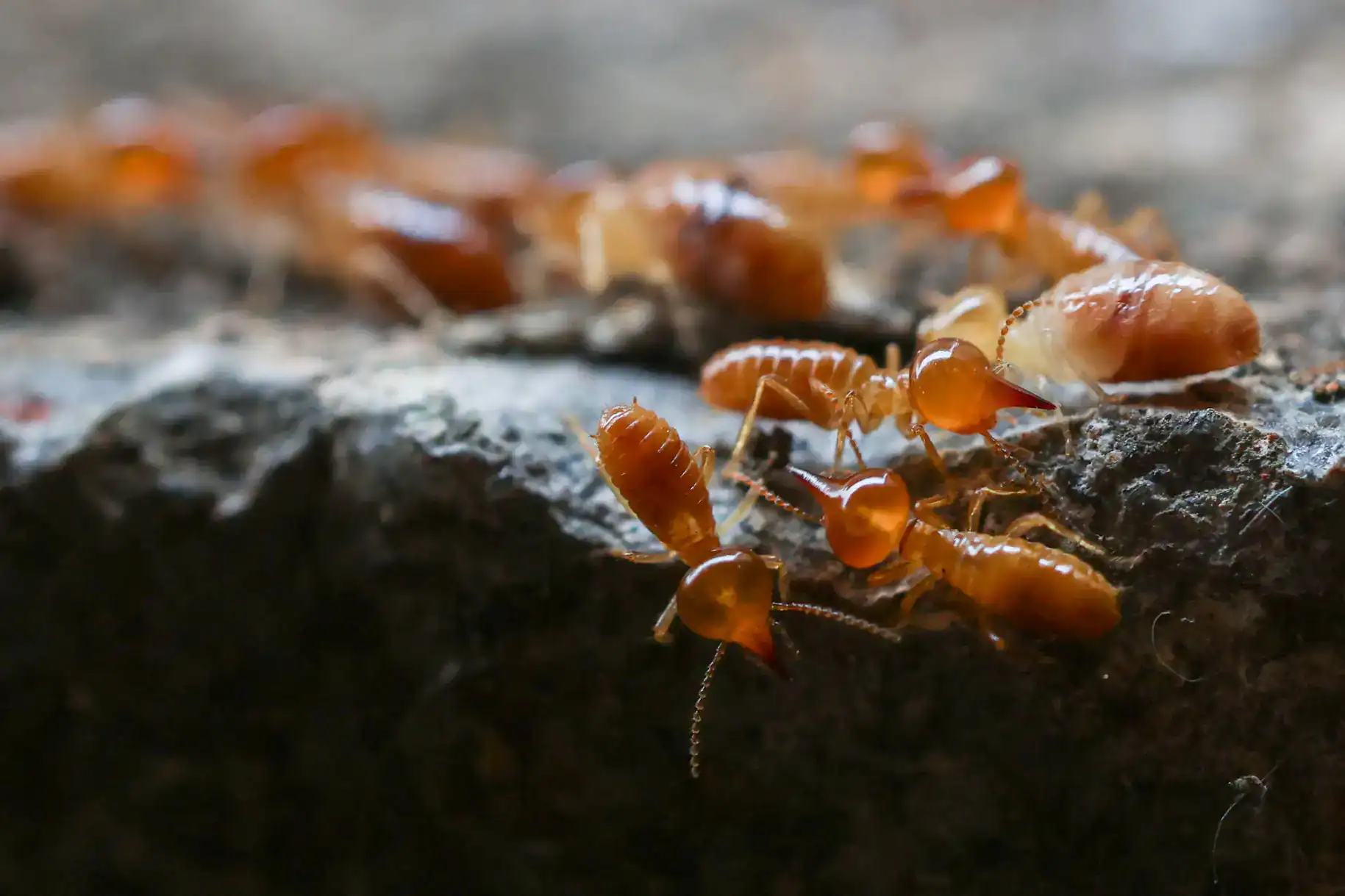
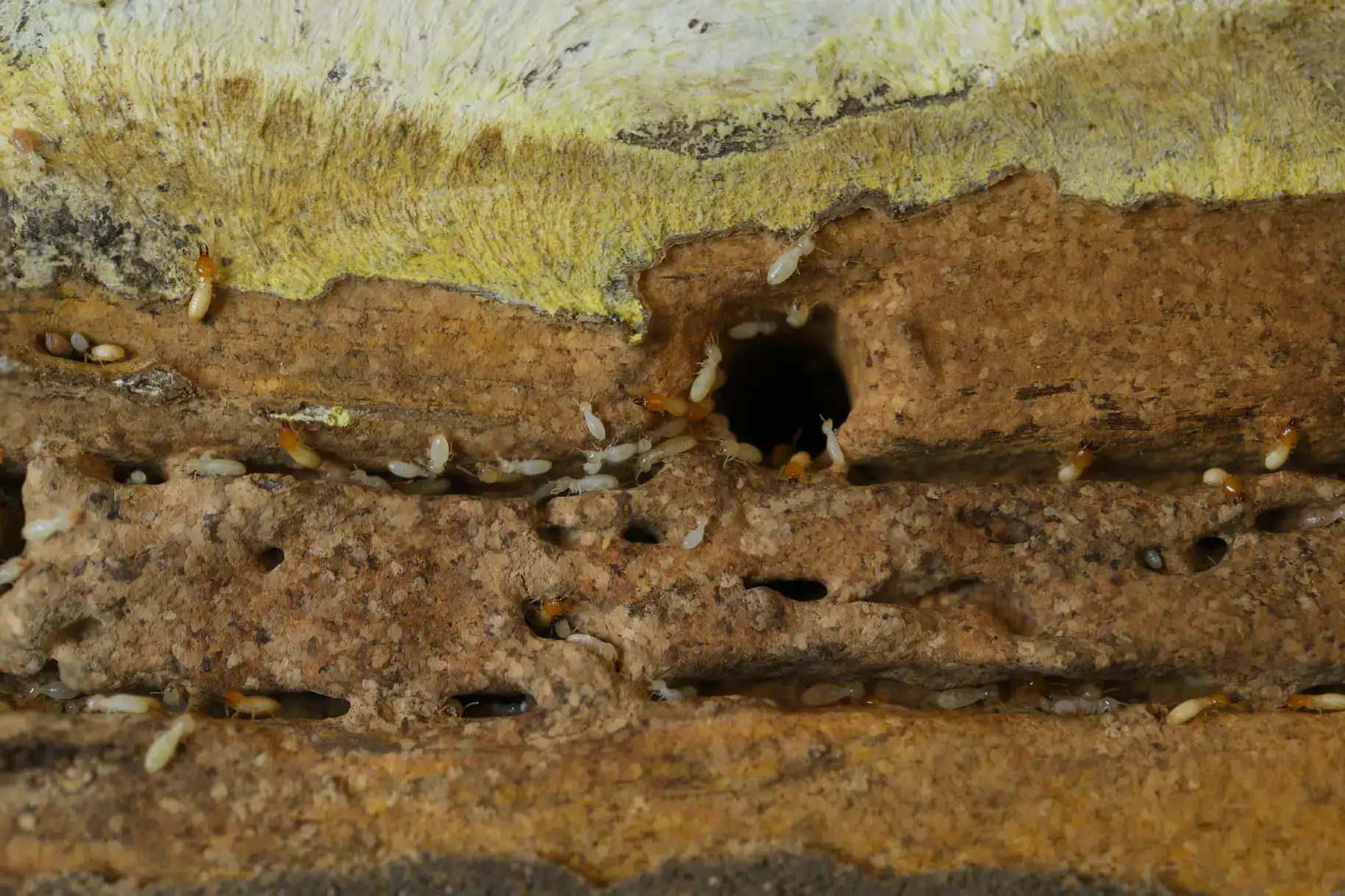
If termites are confirmed, the treatment plan is built around what’s actually present not a one-size approach. For Eastern Subterranean Termites, which is the species responsible for virtually all termite activity in Manhattan, bait station systems are often the most effective option. Workers carry the bait back to the colony underground, which collapses the colony at its root rather than just addressing surface activity. Liquid barrier treatments may also be applied depending on the access points and the scope of the infestation.
All materials we use are registered by the New York State Department of Environmental Conservation. That’s not a formality it’s a legal requirement for any pest control operator working in New York, and it matters in an occupied residential complex where treatments are applied near neighbors, children, and shared spaces. After treatment, you get written documentation of everything done, which is useful whether you’re communicating with StuyTown Property Services, filing an HPD complaint, or simply keeping a record for your own files.
Ready to get started?
Our service covers the full scope identification, inspection, treatment, and documentation. For Stuyvesant Town residents specifically, that documentation piece carries real weight. If building management has been slow to respond, or if you need to support an HPD complaint under the NYC Housing Maintenance Code, a professional inspection report from a licensed exterminator gives you something concrete to work with. We’re one of the few pest control companies in the city that explicitly handles NYC Department of Health pest-related citation resolution, which is directly relevant in a managed complex of this size.
On the treatment side, our services include termite baiting systems, subterranean termite eradication, and inspections for Wood Destroying Organisms the latter being particularly relevant if you own a condo in Stuyvesant Town or are involved in a real estate transaction that requires a WDO report. Carpenter ants and powder post beetles are also covered, since these wood-destroying insects are often found alongside termite activity in older construction.
We serve both individual tenants and building management organizations. Whether you’re a long-term rent-stabilized resident who’s noticed something concerning near your baseboard, a market-rate tenant who wants the problem resolved quickly and discreetly, or a condo owner who needs a formal WDO inspection before closing our service is built to fit your situation. We provide free estimates, guarantee appointments within two business days, and frequently offer same-day inspections.
Under the NYC Housing Maintenance Code, the responsibility for maintaining pest-free conditions in a rental apartment falls on the landlord in this case, StuyTown Property Services. If you report a termite problem to building management and they fail to address it in a reasonable timeframe, you have the right to file a complaint with NYC Housing Preservation and Development (HPD). That complaint creates a formal record and can trigger an inspection by the city.
That said, the process doesn’t always move quickly, and in the meantime the damage doesn’t pause. Many Stuyvesant Town tenants particularly those in long-term rent-stabilized units choose to get an independent professional inspection first. That inspection report gives you documentation to support your complaint and demonstrates that the problem was identified and reported. We provide written reports that are formatted to be useful in exactly this kind of situation, whether you’re communicating with building management, HPD, or both.
The most common early signs in a building like those in Stuyvesant Town are mud tubes pencil-width tunnels made of soil and wood particles running along basement walls, foundation edges, or the lower sections of interior walls. Termites build these tubes to travel between their underground colony and the wood they’re feeding on, and they’re one of the clearest indicators of Eastern Subterranean Termite activity.
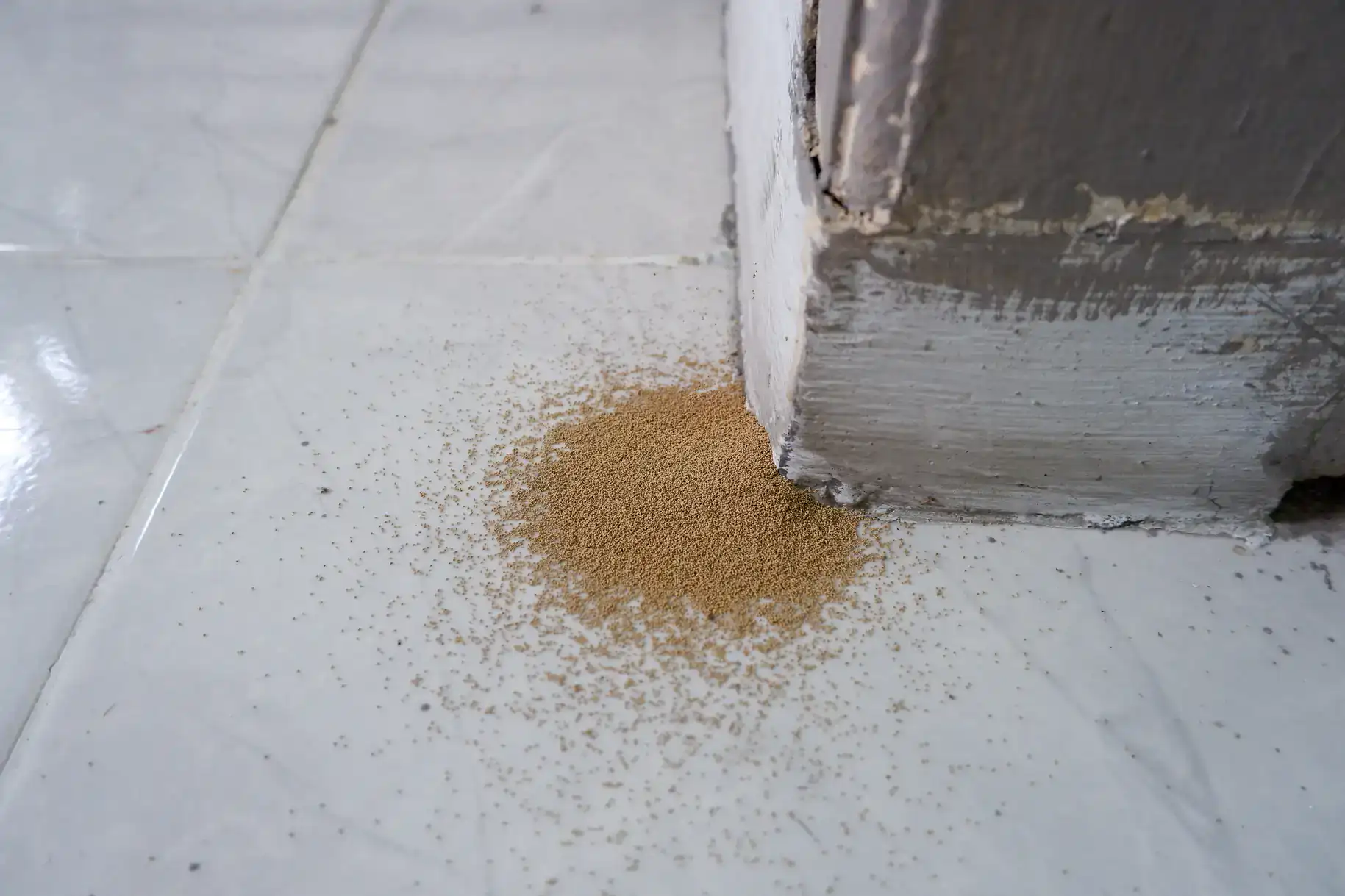
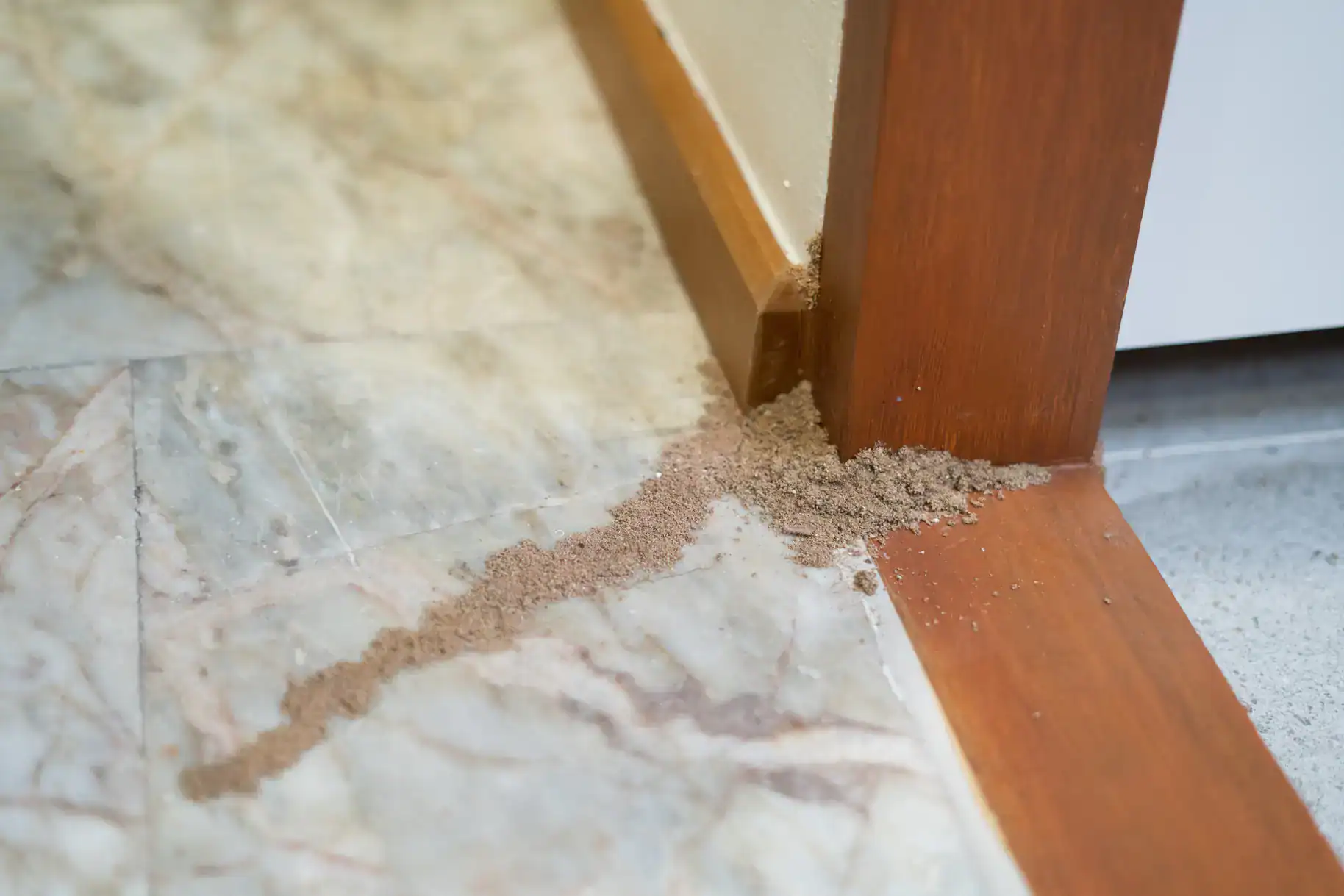
Other signs include wood that sounds hollow when tapped, small piles of what looks like sawdust or sand near baseboards or window frames, and discarded wings near windowsills or on floors a sign that swarmers have been active. In post-WWII construction like Stuyvesant Town’s buildings, the wood framing around windows and doors and the subflooring near exterior walls are the areas most likely to show early damage. If you notice any of these, don’t wait to have it looked at. Termite colonies feed around the clock, and a problem that’s caught early is significantly less expensive to address than one that’s been developing for a full season.
Termites don’t spread apartment to apartment the way cockroaches or bed bugs do they don’t travel through walls or hitchhike on belongings. But that doesn’t mean the problem is contained to one unit. Eastern Subterranean Termites live underground and forage upward into the building’s wood structure. In a large complex like Stuyvesant Town, where 110 buildings sit on a shared 80-acre footprint, a single colony in the soil can potentially access multiple buildings simultaneously through the foundation and below-grade areas.
This is why a termite problem detected in one part of the building is worth taking seriously even if your specific unit shows no visible signs yet. The activity may be concentrated in the basement or lower floors while the colony continues to grow. A thorough inspection that includes the below-grade spaces not just the interior of individual apartments is the right way to understand the actual scope of what’s present and whether neighboring structures are at risk.
For most treatments in a building like those in Stuyvesant Town, the active work takes anywhere from a few hours to a full day, depending on the size of the affected area and the treatment method being used. Bait station installation, which is often the primary approach for Eastern Subterranean Termites in a multi-unit building, involves placing stations in the soil around the building’s perimeter and in accessible below-grade areas. This process is minimally disruptive and doesn’t require residents to vacate their apartments.
Liquid barrier treatments, when used in conjunction with baiting, may require brief access to specific areas like basement corridors or utility spaces. In a managed building, this is typically coordinated with building management to minimize disruption to other residents. All materials we use are NYS DEC-registered, which means they’re applied according to protocols designed for occupied residential environments. You’ll receive a clear timeline before any work begins, and the technician will walk you through what to expect on the day of treatment.
Termite swarm season in New York City typically runs from March through June, with peak activity on warm days following rain. In Stuyvesant Town, the combination of the complex’s irrigated landscaping, mature trees, and proximity to the East River means the soil around the buildings stays moist after rain events which can trigger swarms earlier or more frequently than in drier, more inland parts of Manhattan.
If you see what look like winged ants emerging from a crack in the floor, a baseboard gap, or a window frame, don’t assume they’re flying ants. Termite swarmers and flying ants are frequently confused, but the distinction matters because it determines what you’re actually dealing with. Termite swarmers have straight antennae, equal-length wings, and a straight body flying ants have elbowed antennae and a pinched waist. Either way, the appearance of swarmers inside your apartment is a sign that a colony is established nearby and actively reproducing. That’s the moment to call for an inspection.
A formal WDO Wood Destroying Organism inspection is not always legally required for a condo purchase in New York, but lenders and co-op boards frequently request one as part of the due diligence process. In a building that’s been standing since 1947 or 1948, the presence of a WDO report gives both the buyer and the lender a clear picture of the wood structure’s condition before the transaction closes. Given that homes with a documented history of termite damage can lose roughly 20% of their market value, having that inspection done before you’re under contract rather than after puts you in a much stronger position.
We provide WDO inspection reports that are formatted for real estate transactions and accepted by lenders familiar with the New York City market. If the inspection turns up any findings, you’ll have a clear treatment plan and written documentation of remediation, which is what most lenders and boards need to proceed. For anyone buying into the Stuyvesant Town complex, where condo prices typically range from $675,000 to over $1 million, the cost of a professional inspection is straightforward protection on a significant investment.
Useful Links