Hear from Our Customers
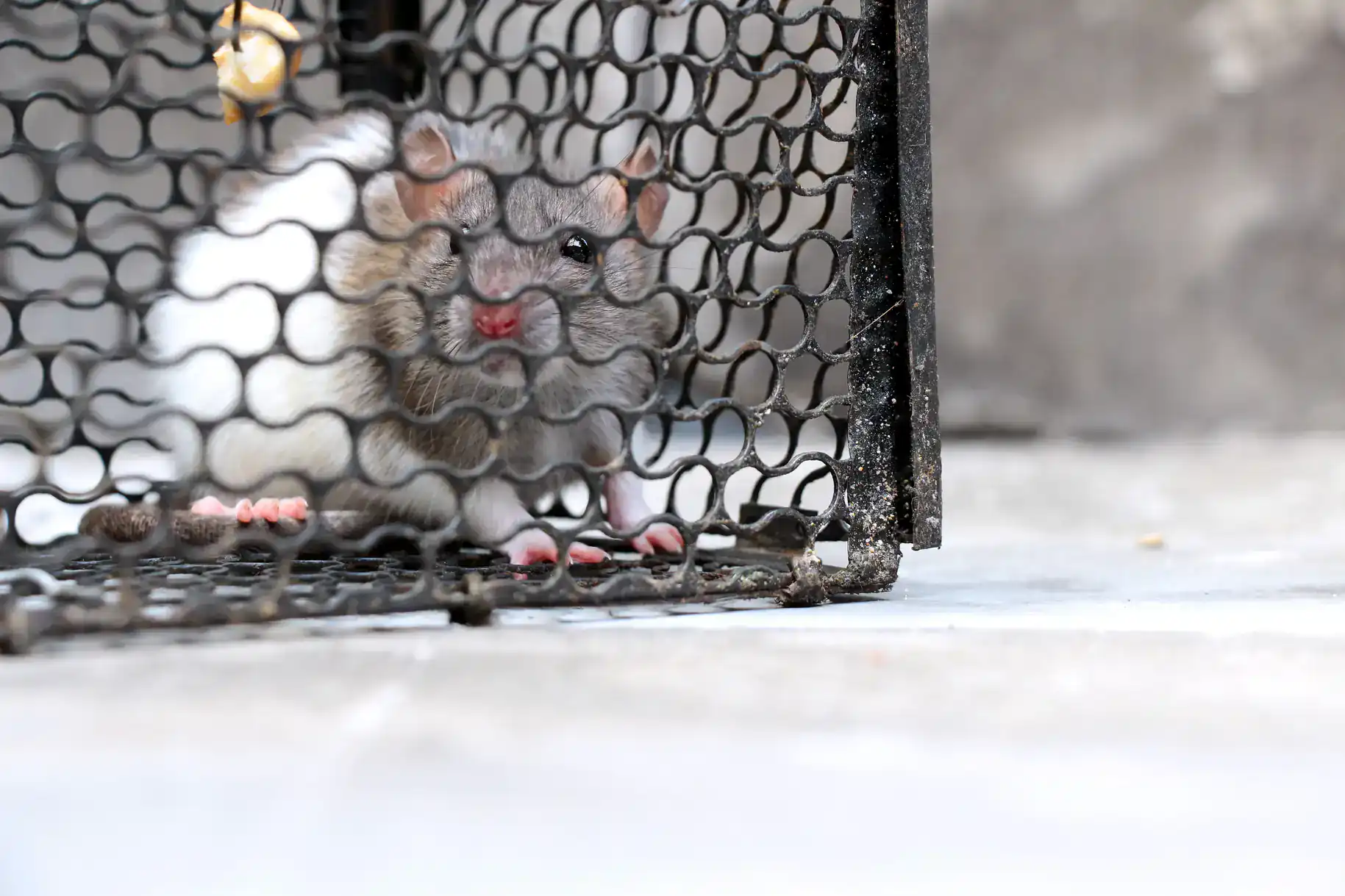
You stop hearing scratching in the walls at night. You stop finding droppings behind the stove or in the back of a cabinet. You stop wondering whether the snap trap you set last week is doing anything or whether more are coming in from next door. That’s what a real rodent removal solution looks like in Borough Park, and it starts with understanding why the problem keeps coming back.
Most homes in this neighborhood were built in the 1920s and 1930s as attached rowhouses. That construction style shared foundations, shared basement walls, utility chases running between units is exactly why DIY traps consistently fall short here. You might catch one mouse. But if the entry point is in a shared wall cavity two units down, the problem doesn’t stop. It restarts. Professional rodent control in Borough Park means we inspect the full picture: where they’re entering, how they’re moving, and what structural gaps are keeping the cycle going.
There’s also the 13th Avenue factor. A mile-long stretch of kosher bakeries, butchers, fish markets, and grocers generates consistent food waste year-round, and Norway rats the dominant species in Brooklyn travel up to 150 feet from their nest each night. The residential blocks running east and west off the commercial avenues are well within that range. Sealing your home properly isn’t just about the inside. It’s about cutting off the access points that connect your basement to that food source outside.
We’ve been a Brooklyn company since 1971. Founded by Richard Kourbage Sr. and now run by his sons Richard Jr. and Charles who joined in 1987 and 1989 respectively this is a family business with over 50 years of hands-on experience in the borough. Not a franchise. Not a rotating crew dispatched from a regional hub. People who have been solving Brooklyn pest problems since before most of Borough Park’s current residents moved in.
We’re headquartered on Flatbush Avenue in Marine Park, about four miles from Borough Park. That proximity matters, but what matters more is the accumulated knowledge: how southwestern Brooklyn’s aging housing stock ages, where the gaps appear in 1920s-era rowhouses, and what it actually takes to keep rodents out of an attached home for good. We hold an A+ rating with the Better Business Bureau accredited since 1989 are fully licensed, bonded, and insured, and apply only N.Y.S. Department of Environmental Conservation registered materials. That last point is worth noting in a city where unlicensed operators do exist, and where using one can create legal liability for the property owner.
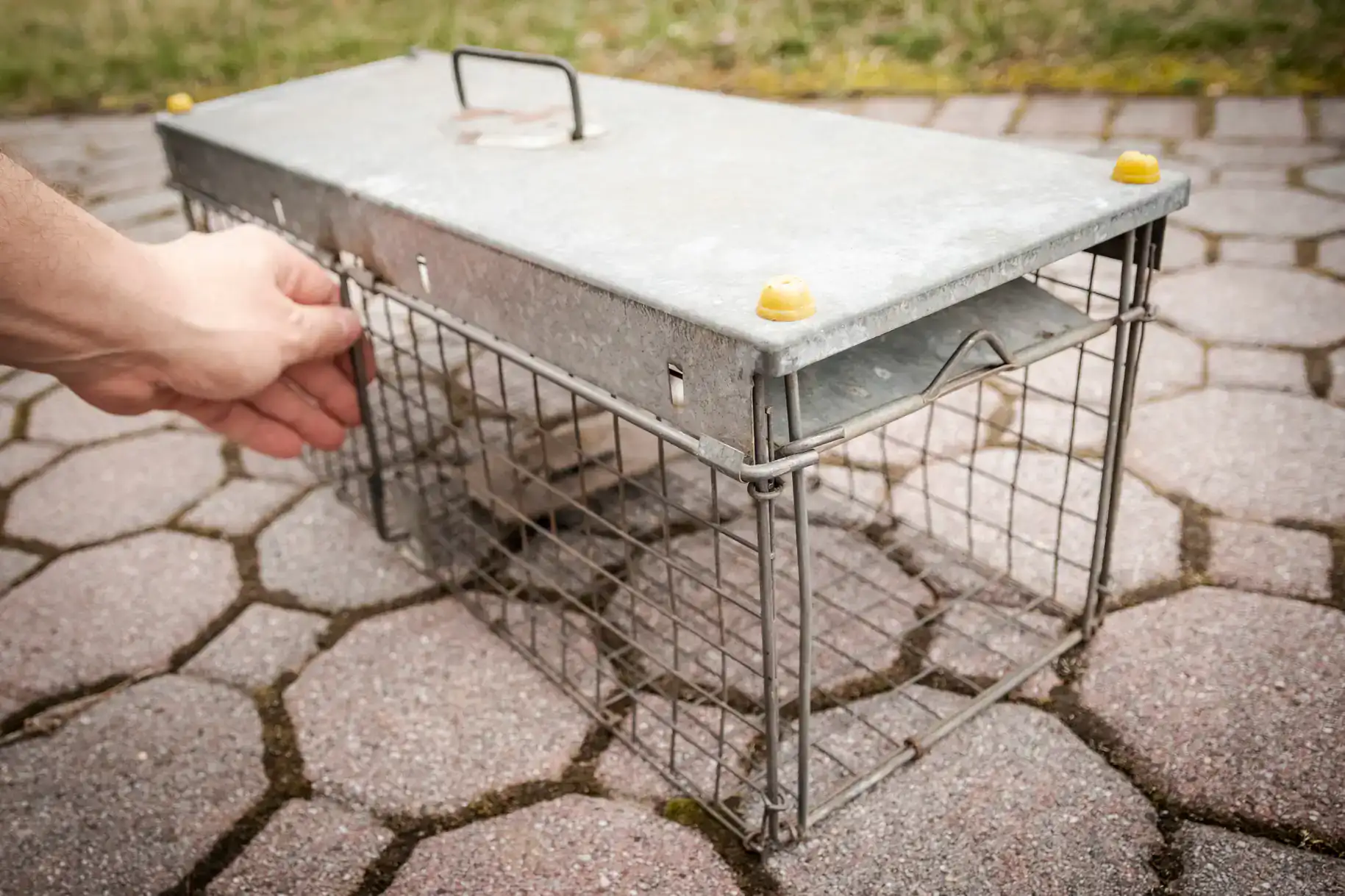
It starts with a thorough inspection interior and exterior. One of our technicians walks the property, identifies the species involved (Norway rat, roof rat, or house mouse each require a different approach), and maps out exactly how and where rodents are getting in. In Borough Park’s attached rowhouses, that inspection always includes the basement, shared walls, utility penetrations, and any gaps around aging foundation work. These are the entry points that store-bought solutions never address.
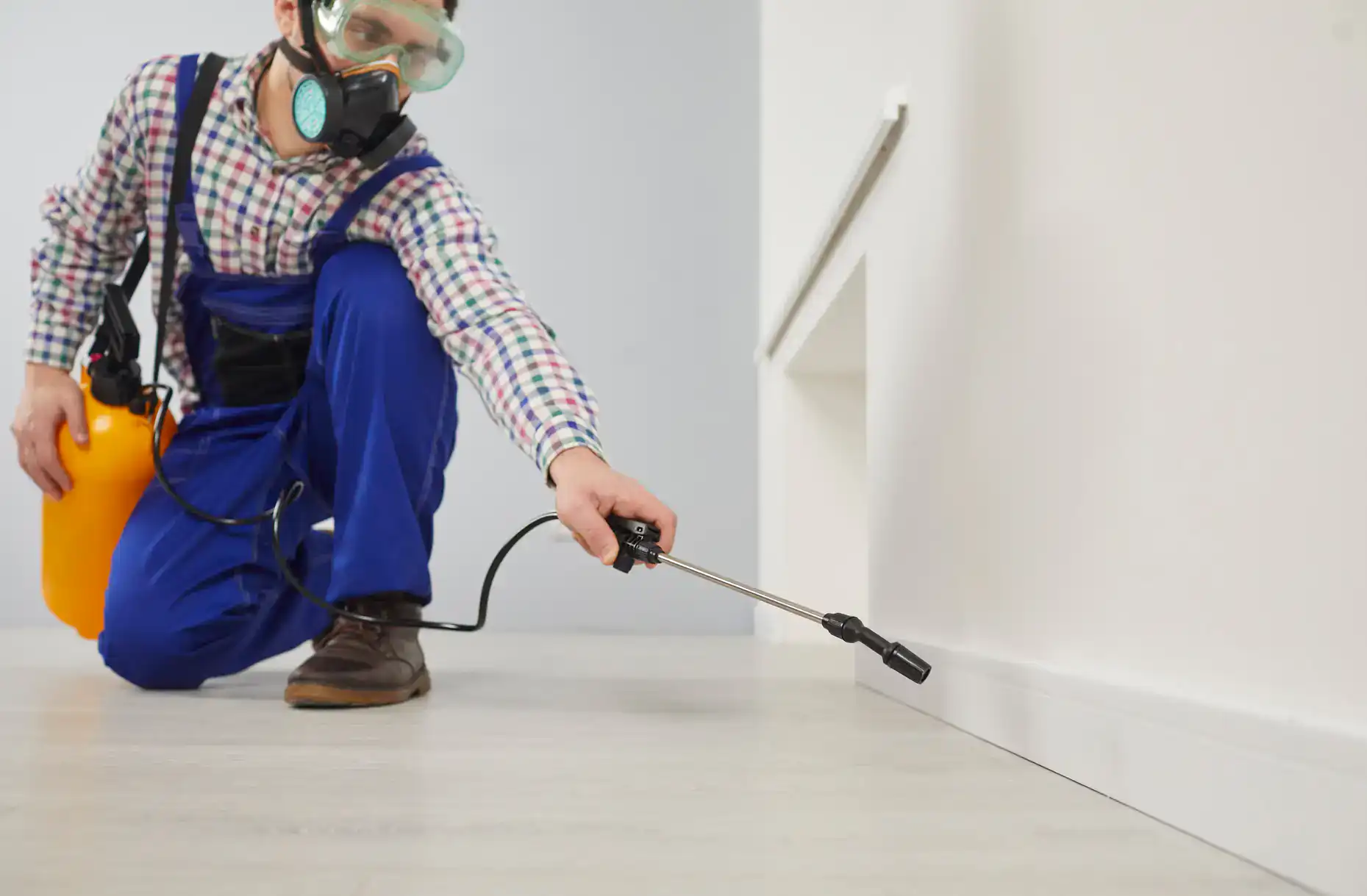
From there, we build a customized treatment plan around what’s actually happening in your home not a one-size-fits-all approach. That typically includes tamper-resistant bait stations placed in targeted locations, trapping where appropriate, and exclusion work to seal the structural gaps that are allowing rodents to enter in the first place. Exclusion is the step most people skip, and it’s the reason most infestations come back. Sealing cracks in foundation walls, closing gaps around pipes, and addressing deteriorated basement window frames are what turn a temporary fix into a lasting one.
Follow-up visits confirm that the treatment is working and that no new entry points have opened up. For Borough Park homes especially those with shared walls and basements we offer ongoing maintenance plans to keep the pressure managed year-round. Scheduling is flexible, including weekdays and Sundays, and works around the community’s calendar.
Ready to get started?
Every rodent control engagement starts with a free phone consultation no charge, no obligation. Describe what you’re seeing, and a real person will help you understand what you’re likely dealing with before you commit to anything. From there, a detailed estimate is prepared and an appointment is confirmed within 48 hours, with same-day service available in many cases.
The full service includes species identification, a complete interior and exterior inspection, a customized treatment plan, tamper-resistant bait station placement, trapping, exclusion work at identified entry points, sanitation guidance, and scheduled follow-up visits. For Borough Park specifically, the inspection pays close attention to the structural characteristics that make this neighborhood’s housing stock uniquely vulnerable shared basement walls, aging utility penetrations, and the foundation gaps common in pre-war rowhouse construction. NYC property owners are legally required under the Housing Maintenance Code to maintain premises free of rodent infestation, and a professional treatment plan with documented follow-up supports that compliance.
All materials we apply are registered with the N.Y.S. Department of Environmental Conservation. For households with children and in a neighborhood where 34% of residents are under 18, that’s most of them our technician will walk you through exactly what’s being applied, where, and what precautions apply. You won’t be left guessing. We offer ongoing maintenance plans for homeowners and multi-family building owners who want consistent, proactive rodent management rather than reactive calls.
This is one of the most common frustrations in Borough Park, and the answer almost always comes back to the building type. In attached rowhouses, your home shares foundation walls, basement ceilings, and utility chases with the properties on either side of you. When you seal a gap on your exterior, rodents that are already established in the shared structural spaces between buildings can still find their way into your unit through interior pathways you may not even be able to see. The entry point isn’t always on your property it can be in a shared wall cavity or a utility penetration that runs between multiple units.
This is why a professional inspection matters more in Borough Park than almost anywhere else. A thorough assessment identifies not just the obvious gaps, but the less visible pathways that are specific to attached rowhouse construction. Sealing your exterior is a good start. Addressing the shared structural entry points is what actually stops the cycle.
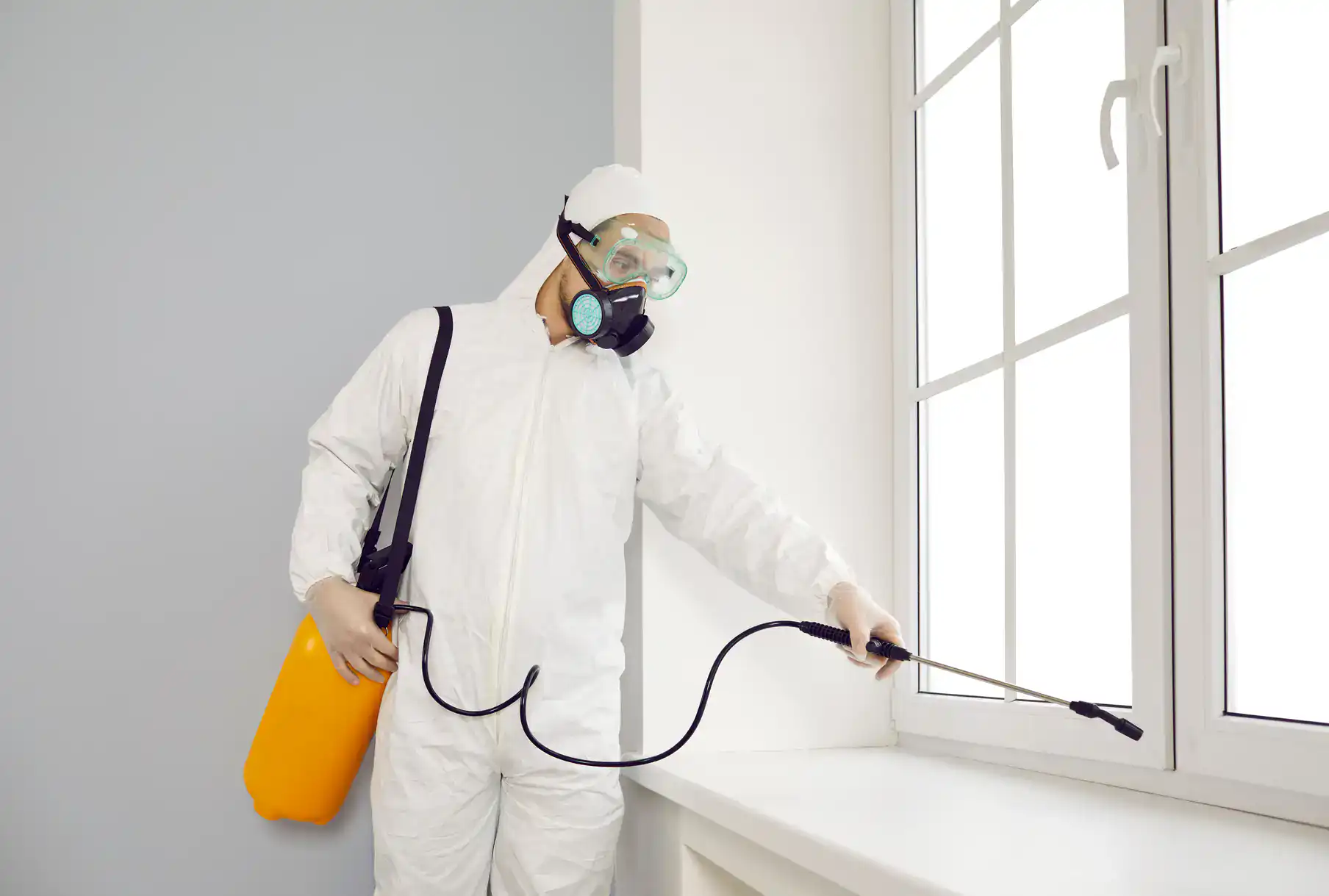
This is the first question most Borough Park parents ask, and it’s the right one. We apply only N.Y.S. Department of Environmental Conservation registered pesticide materials these are products that have been evaluated and approved for residential use by the state. Application is targeted and controlled, meaning materials are placed in specific locations rather than broadcast throughout a space. Tamper-resistant bait stations are designed so that children and pets cannot access the bait directly.
Before any treatment begins, our technician will walk you through exactly what’s being used, where it’s being placed, and whether any temporary precautions like staying out of a specific room during application are needed. In a neighborhood where large family households are the norm and 34% of residents are under 18, this isn’t a minor detail. It’s a central part of how we deliver the service. If you have specific concerns about a product or a particular area of the home, raise it before the appointment those conversations are part of the process, not an inconvenience.
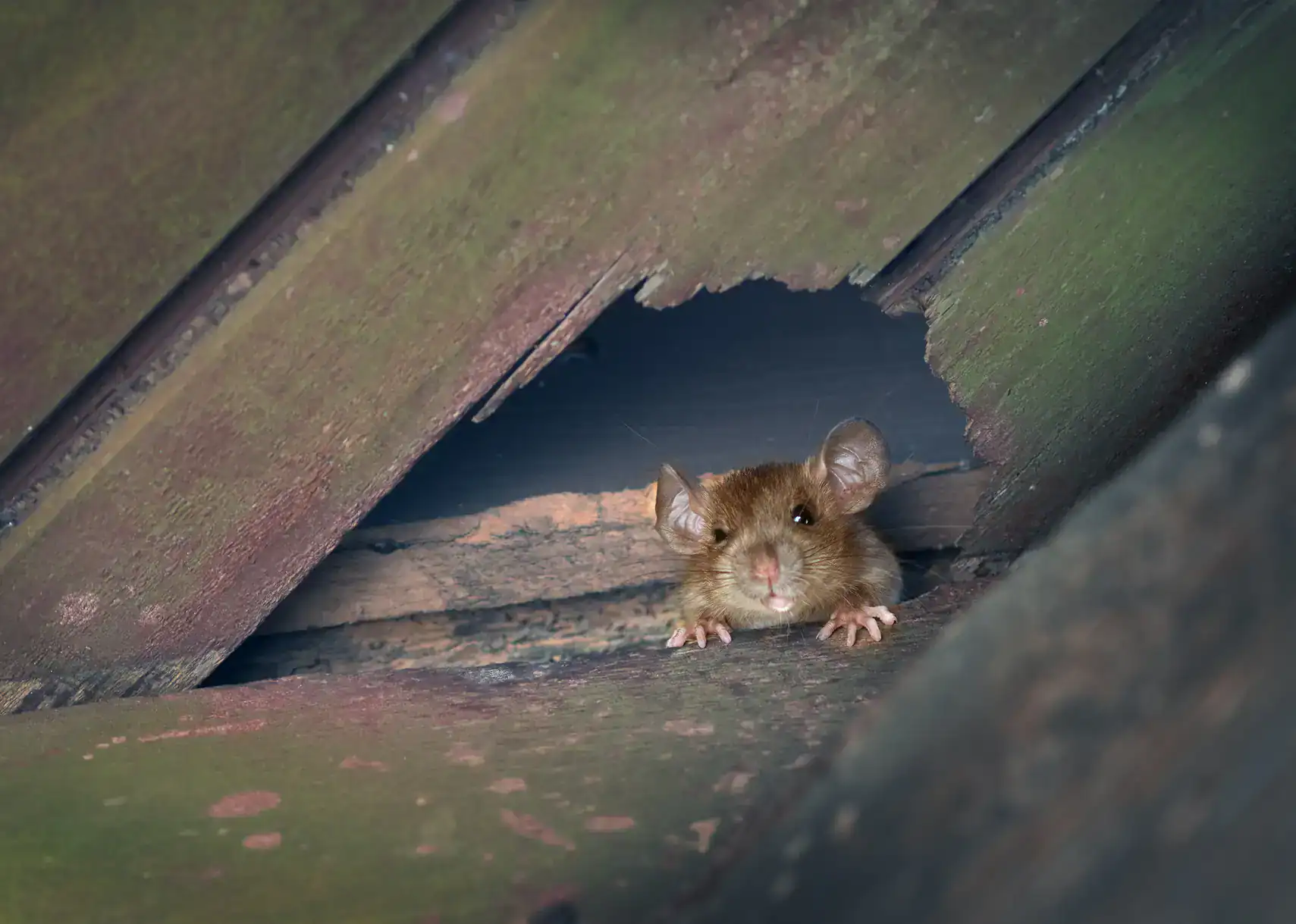
Yes and in Borough Park’s pre-war rowhouse construction, this is more common than most homeowners realize. Norway rats, which are the dominant species in Brooklyn, are capable of squeezing through a gap as small as half an inch. The shared foundation walls and basement structures in 1920s-era attached homes often have gaps, cracks, and utility penetrations that connect adjacent properties at the basement and sub-basement level. Once a rodent is inside that shared structural space, it can move laterally between units without ever going back outside.
This is one of the reasons that rodent control in attached homes requires a different approach than in a freestanding house. Placing traps inside your unit addresses the rodents that have already made it in, but it doesn’t stop the ones that are moving through the shared structure. Exclusion work physically sealing the gaps and penetrations that connect your property to adjacent ones is what breaks that cycle. It’s also why coordination with your building or neighboring properties can be part of the longer-term solution.
Fall and early winter are consistently the peak season for rodent intrusions into homes across New York City, and Borough Park is no exception. As temperatures drop in October and November, rodents that have been living and foraging outdoors begin actively seeking warmth inside structures. Rodent activity citywide increases during winter months, and Borough Park’s aging rowhouse stock with its cracked foundation walls, deteriorated mortar, and gaps around aging utility pipes provides plenty of access points for rodents looking to move in before the cold sets in.
That said, Borough Park has a year-round pressure dynamic that other neighborhoods don’t. The commercial avenues particularly 13th Avenue with its concentration of kosher food establishments generate organic food waste every week of the year. That consistent food source sustains rodent populations through all four seasons, which means spring and summer aren’t low-risk periods here. Fall is when rodents push hardest to get inside, but the colony pressure that drives them toward your home exists twelve months a year in this neighborhood.
The honest answer is that it depends on the size of the infestation, the species involved, and how thoroughly the exclusion work is completed. For a contained mouse problem in a single unit, you can expect to see a significant reduction in activity within one to two weeks of treatment. For a Norway rat infestation in a multi-family building which is a more complex situation involving burrows, established colonies, and potentially multiple entry points across the building the process takes longer and typically requires multiple visits.
In Borough Park’s multi-family buildings, the timeline is also affected by how much of the building is being treated. If rodents are active in shared basement spaces or laundry rooms, treating only one unit will produce limited results. A building-wide inspection and coordinated treatment plan covering common areas, basement access points, and exterior perimeter is what produces lasting results in that context. Follow-up visits are built into our process specifically because rodent control in dense, attached urban buildings isn’t a one-visit fix. The follow-up is where you confirm the treatment held and address anything that needs adjustment.
Yes. We offer flexible scheduling that includes weekdays and Sundays, and appointments are confirmed within 48 hours in every case with same-day service available in many situations. For Borough Park residents who observe Shabbat and cannot receive service from Friday sundown through Saturday night, Sunday scheduling is a practical and commonly used option. The same applies to major Jewish holidays throughout the year scheduling works around your calendar, not against it.
If you’re dealing with an active infestation and need to move quickly, the free phone consultation is available around the clock. Call, describe what you’re seeing, and a real person will help you figure out the fastest path to getting it handled whether that’s a Sunday appointment, a weekday visit, or same-day service if the situation warrants it. Borough Park is a community where scheduling around religious observance is a standard part of how we operate when serving this neighborhood.
Useful Links