Hear from Our Customers
You stop finding them behind the stove before Shabbat. You stop wondering if the problem is coming from the unit next door or the restaurant two buildings down on 13th Avenue. That’s the real outcome not just fewer roaches, but the confidence that your kitchen is clean, your kids are safe, and the issue has been addressed at the source.
In Borough Park, cockroach pressure doesn’t come from one place. The concentration of kosher restaurants, bakeries, and food prep businesses along 13th Avenue creates a persistent reservoir that continuously re-seeds infestations in nearby residential buildings. If you’ve cleaned, sprayed, and still keep seeing them, the source is likely external coming through shared plumbing, wall voids, or drain lines that connect your unit to the rest of the building. Store-bought sprays don’t reach any of that. They scatter the colony deeper into the walls and buy you maybe a week.
The pre-war and mid-century row houses and apartment buildings that make up most of Borough Park’s housing stock were built with shared plumbing chases and utility corridors that cockroaches move through freely. A single infested kitchen can seed an entire floor in weeks. Effective cockroach removal in a building like yours means treating the pathways, not just the surface and that’s a different job entirely than what a can of spray does.
Kingsway Exterminating is a family-owned Brooklyn business that has been operating since the mid-1980s. We’re based in Marine Park, and we’ve spent decades working inside the exact types of buildings that line Borough Park’s residential streets attached row houses, low-rise apartment buildings, pre-war brownstones with shared walls and aging pipe infrastructure. We’re not a national franchise routing calls through a call center. We’re a Brooklyn company that knows Brooklyn buildings.
Our team collectively brings over 100 years of hands-on pest control experience to every job. We hold a consistent A+ rating with the Better Business Bureau of New York State, and every technician we send is certified through the NYS Department of Environmental Conservation. We use only DEC-registered materials which matters especially in homes where children are present, and in Borough Park, that’s most of them.
If you’re a landlord who’s received an HPD violation notice, or a tenant whose building management hasn’t acted, we handle both. Cockroach infestations are classified as Class C immediately hazardous violations under NYC’s Housing Maintenance Code and we can help you get into compliance fast.
It starts with identifying exactly what you’re dealing with. German cockroaches the small, fast ones living behind your appliances and inside cabinet hinges require a completely different treatment approach than American cockroaches, which most Borough Park residents know as waterbugs. Waterbugs migrate up through drain pipes and sewer lines, especially after heavy rain. Treating for the wrong species wastes your time and money. We identify first, then treat.
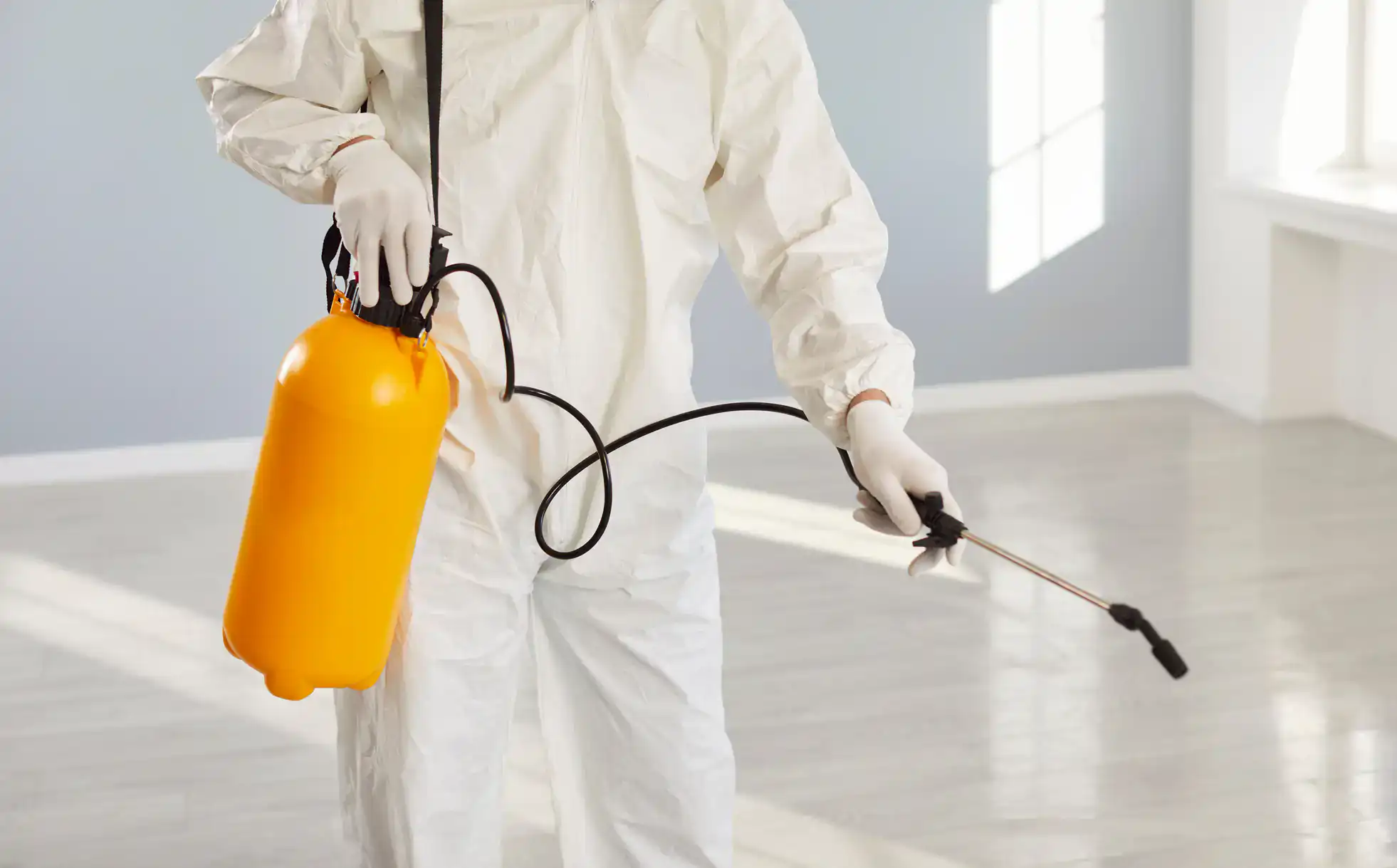
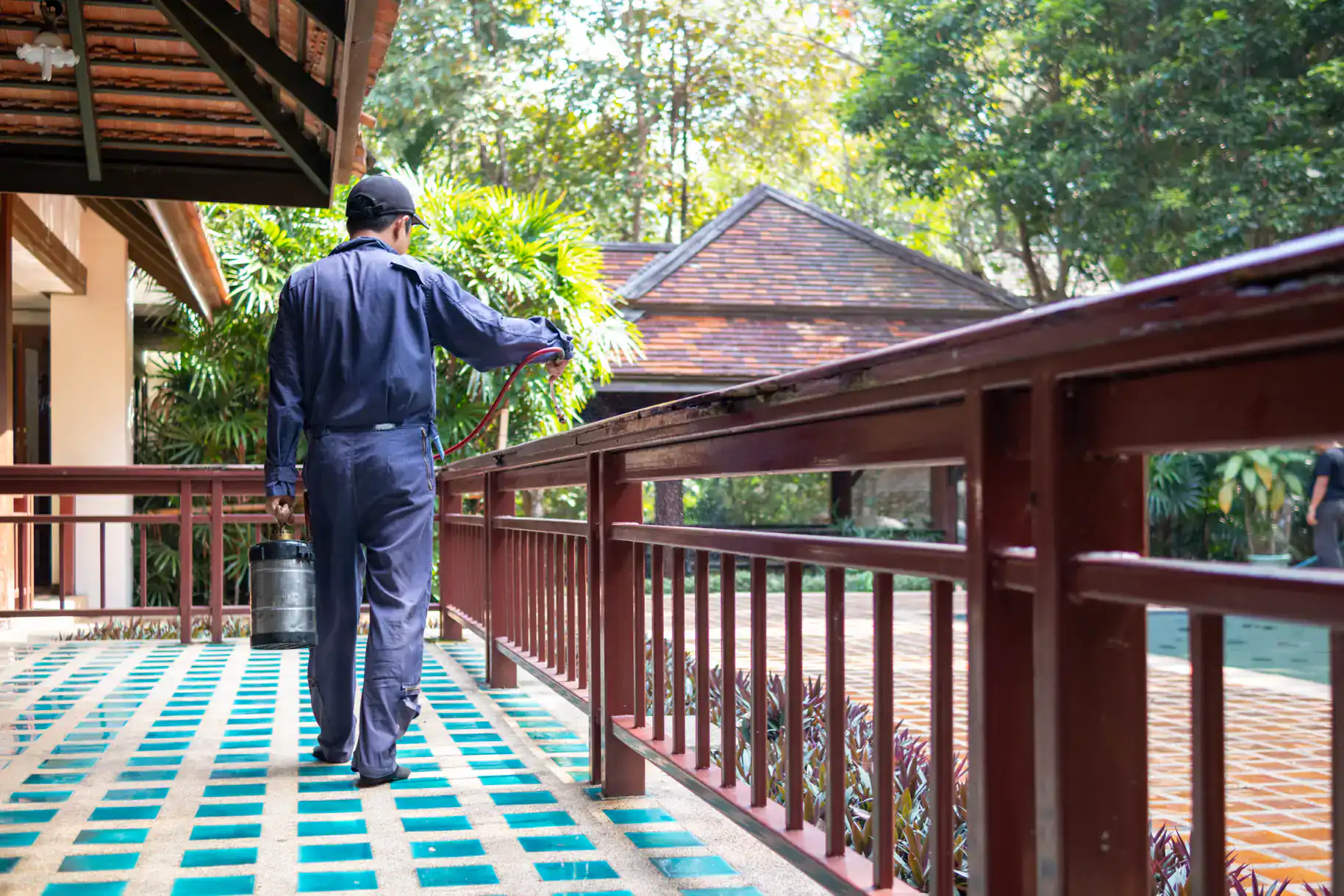
Once we know what we’re working with, we focus on harborage sites the places cockroaches actually live and breed, not just where you see them. In Borough Park’s older apartment buildings, that means wall voids, shared plumbing chases, the spaces behind refrigerators and stoves, and the areas under sinks where pipes enter the wall. We apply targeted treatments using gel baits, crack-and-crevice applications, and where appropriate, residual materials in non-food-contact zones. Everything we use is NYS DEC registered and applied by our certified technicians.
After treatment, we walk you through what to expect including a realistic timeline for activity to decrease, what conditions in your specific building may affect re-infestation risk, and whether a follow-up visit makes sense given the scope of the problem. If your building has multiple affected units, we can work with your landlord or property manager to coordinate a whole-building approach, which is often the only way to fully resolve the problem in a dense multi-unit structure.
Ready to get started?
Cockroach pest control in Borough Park isn’t a one-size job. The combination of older building stock, dense residential occupancy, large households with high kitchen activity, and the commercial food corridor along 13th Avenue creates a layered problem that requires a layered response. We account for all of it.
For residential units whether you’re in a ground-floor apartment near New Utrecht Avenue or a row house a few blocks from Maimonides Medical Center on 10th Avenue our treatment is targeted and thorough. We focus on the kitchen and bathroom as primary zones, treat harborage sites inside wall voids and under appliances, and address entry points like drain lines and pipe penetrations that are common in Borough Park’s pre-war construction. We use child-safe application methods and DEC-registered products, and we can schedule around your household’s needs, including Sunday appointments and weekday availability.
For landlords, property managers, and yeshiva or institutional facilities in the neighborhood, we also handle multi-unit and commercial treatments. If you manage a building in Borough Park and need documentation for an HPD inspection or health code compliance, we can provide the necessary service records. One thing worth knowing: 77% of NYC public housing apartments tested positive for cockroach presence in research conducted across the boroughs. In a neighborhood this dense, with this much shared infrastructure, reactive treatment alone isn’t enough consistent, proactive service is what keeps a building clean long-term.
This is the most common frustration we hear from Borough Park residents, and the answer almost always comes down to the same thing: the source of the infestation hasn’t been addressed. Store-bought sprays and even some professional treatments focus on what’s visible the roaches you can see on the counter or behind the stove. But in Borough Park’s older apartment buildings, cockroaches are living inside wall voids, behind plumbing, and in the shared infrastructure that connects your unit to the rest of the building. Treating your kitchen doesn’t stop them from re-entering through the wall cavity that connects to your neighbor’s unit.
There’s also the 13th Avenue factor. If you live within a few blocks of the commercial strip with its concentration of kosher restaurants, bakeries, and food businesses you’re dealing with a persistent external pressure that continuously re-seeds nearby buildings. A one-time treatment can knock the population down, but without addressing entry points and harborage sites, re-infestation is almost inevitable. That’s why our approach focuses on where they live and how they’re getting in, not just where you’re seeing them.
This is the right question to ask, and we take it seriously. Every product we use is registered with the New York State Department of Environmental Conservation meaning it has been reviewed and approved by state regulators for use in residential environments. Our technicians are certified applicators, not just people with a spray can. That matters because proper application the right product, in the right place, at the right concentration is what makes a treatment both effective and safe.
Here’s something worth keeping in mind: cockroaches themselves are a documented health risk for children. Research shows that between 23% and 60% of urban residents with asthma are sensitive to cockroach allergens, and cockroach feces and shed skin have been identified as triggers for respiratory conditions in kids. In a neighborhood like Borough Park, where large families are the norm and many households have multiple young children, the health risk of leaving an infestation untreated is real. We use gel bait applications and crack-and-crevice treatments that keep product away from food surfaces and living areas and we’ll walk you through exactly what was applied and where before we leave.
“Waterbug” is the name most New Yorkers use for the American cockroach the large, dark brown insect that appears in basements, bathrooms, and kitchens, usually after rain. They’re not a different species from cockroaches; they are cockroaches. But they behave differently from German cockroaches, and that distinction matters for treatment.
German cockroaches are the small, fast ones that infest kitchen cabinets, appliance motors, and wall voids. They reproduce quickly, they stay close to food and moisture sources, and they spread through shared building infrastructure. American cockroaches waterbugs migrate upward through sewer lines and drain pipes, especially during heavy rain events when the city’s aging combined sewer system gets overwhelmed. Borough Park’s interior Brooklyn location and older drainage infrastructure make waterbug incursions through basement drains and ground-floor plumbing a recurring issue, particularly in spring and summer. The treatment for a waterbug problem targets entry points, drain lines, and basement harborage which is a completely different protocol than treating a German cockroach infestation in a kitchen. Getting the identification right first is what makes the treatment work.
Yes and in Borough Park’s housing stock, this is extremely common. The pre-war and mid-century row houses and apartment buildings that make up most of the neighborhood were built with shared plumbing chases, utility corridors, and wall voids that run continuously between units. Cockroaches, particularly German cockroaches, move through these spaces freely. An infestation in one kitchen can spread to adjacent units within weeks, especially if the building’s shared infrastructure hasn’t been sealed or treated.
This is one of the reasons why individual unit treatments sometimes don’t hold. You can treat your apartment thoroughly, eliminate the visible population, and still see roaches return within a month because the source is in the building’s shared walls or in a neighboring unit. If you suspect this is happening, the most effective solution is a coordinated whole-building treatment which requires cooperation from the landlord or property manager. Under NYC’s Housing Maintenance Code, landlords are legally required to keep buildings free of cockroaches, and a cockroach infestation is a Class C immediately hazardous violation. If your landlord isn’t responding, filing a complaint through 311 triggers an HPD inspection and a formal violation notice that requires a 24-hour response.
For a standard residential treatment in a Borough Park apartment, the application itself typically takes between one and two hours depending on the size of the unit and the scope of the infestation. Whether you need to leave depends on the treatment method being used. For gel bait applications which are our primary method for German cockroach infestations there’s no need to vacate. The product is applied in targeted locations away from food surfaces and living areas, and you can remain in the home.
If a residual spray is part of the treatment plan for specific areas like a basement or utility space, we’ll let you know in advance how long to stay out of those zones typically two to four hours. We’ll also give you clear prep instructions before we arrive: things like emptying under-sink cabinets, pulling the refrigerator slightly away from the wall, and removing any food items from the treatment zones. In larger Borough Park households with multiple people and a busy kitchen schedule, we work around your timing. Sunday appointments and weekday availability are both options, and we’ll give you a realistic heads-up on what to prepare so the visit goes smoothly.
We offer a 10% discount for senior residents. Borough Park has a meaningful elderly population many of whom have lived in the same apartments and row houses in this neighborhood for decades and a number of those residents are on fixed incomes. Pest control isn’t optional when you’re dealing with a cockroach infestation, and we don’t think cost should be the reason someone puts it off and lets the problem get worse.
Beyond the senior discount, we’d rather be straightforward about pricing than vague: cockroach treatment costs vary based on the size of the unit, the severity of the infestation, and whether a follow-up visit is needed. A single-unit residential treatment in Brooklyn typically runs in the range of $150 to $400, with multi-unit or whole-building treatments priced separately based on scope. If you call us, we’ll give you a clear number before any work begins no surprises after the fact. For landlords managing multiple units or property managers with ongoing needs, we can discuss recurring service arrangements that make more sense financially than one-off emergency calls every few months.
Useful Links
Other Services we provide in Borough Park