
Hear from Our Customers
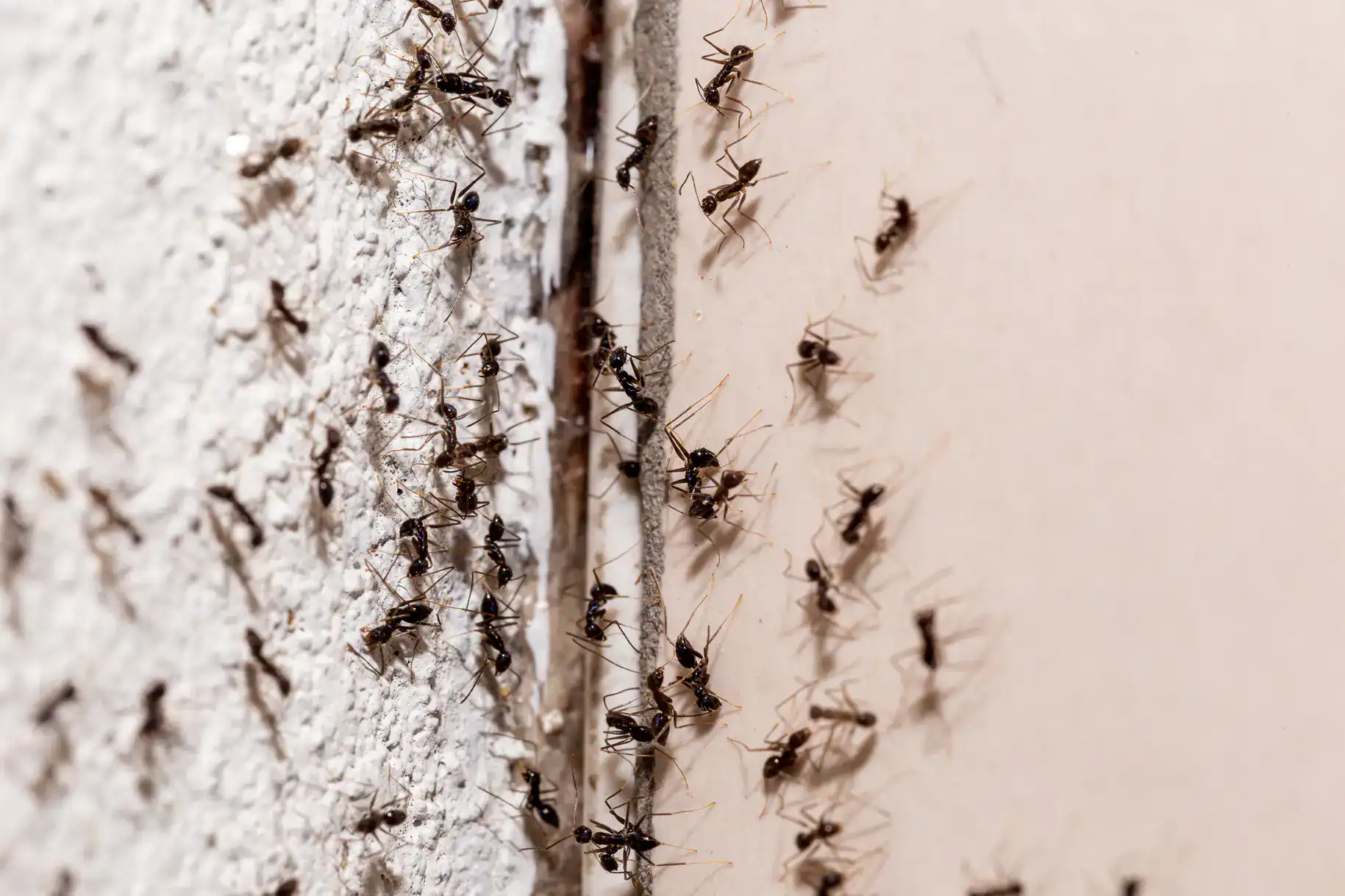
Here is what most people figure out after the second or third failed attempt: killing the ants you can see does not touch the colony. The foragers you spot along your baseboard are a tiny fraction of a population that can number in the hundreds of thousands. The nest itself tucked inside a shared wall void, under a basement slab, or deep in a moisture-damaged floor joist keeps producing more. Until the colony is gone, the ants keep coming back.
Borough Park’s pre-war brick row houses and attached multi-family buildings are built for exactly this kind of problem to thrive. Aging mortar joints and foundation cracks along the numbered streets give pavement ants easy access at ground level. Moisture-damaged wood in century-old basement sills and framing gives carpenter ants a place to nest and expand. And because these buildings share walls, a colony that starts in one unit does not stay there it moves laterally through the structure, floor by floor, until the whole building has a problem.
When ant control in Borough Park is done right, you stop seeing trails in your kitchen. You stop finding scouts near your food. You stop wondering if the problem is worse than it looks. It usually is and the right treatment reaches the source, not just the surface.
We have been a family-owned, Brooklyn-based operation for over 50 years. That means the person answering your call and the technician showing up at your door are both accountable to you not to a corporate scorecard in another state. There is no 1-800 number routing you through a national system. We are a real company, headquartered in Brooklyn, and we have been treating buildings across the five boroughs since before most of these streets were fully developed.
Borough Park is a neighborhood that runs on community trust and direct relationships with local service providers. Our A+ rating with the Better Business Bureau of New York State, full licensing through the NYS Department of Environmental Conservation, and 50-plus years of documented results in Brooklyn’s housing stock are the kinds of credentials that hold up when you look them up. We also offer a 10% senior discount and free estimates so you know exactly what you are getting into before any work begins.
The first step is an inspection not a formality, but an actual assessment of where the ants are entering, where they are foraging, and where the colony is most likely nesting. In Borough Park’s attached brick buildings, that means checking the foundation perimeter, basement areas, shared wall zones, and any moisture-damaged structural elements. Carpenter ants and pavement ants behave differently and nest in different places. Treating them the same way is one of the main reasons DIY attempts fail.
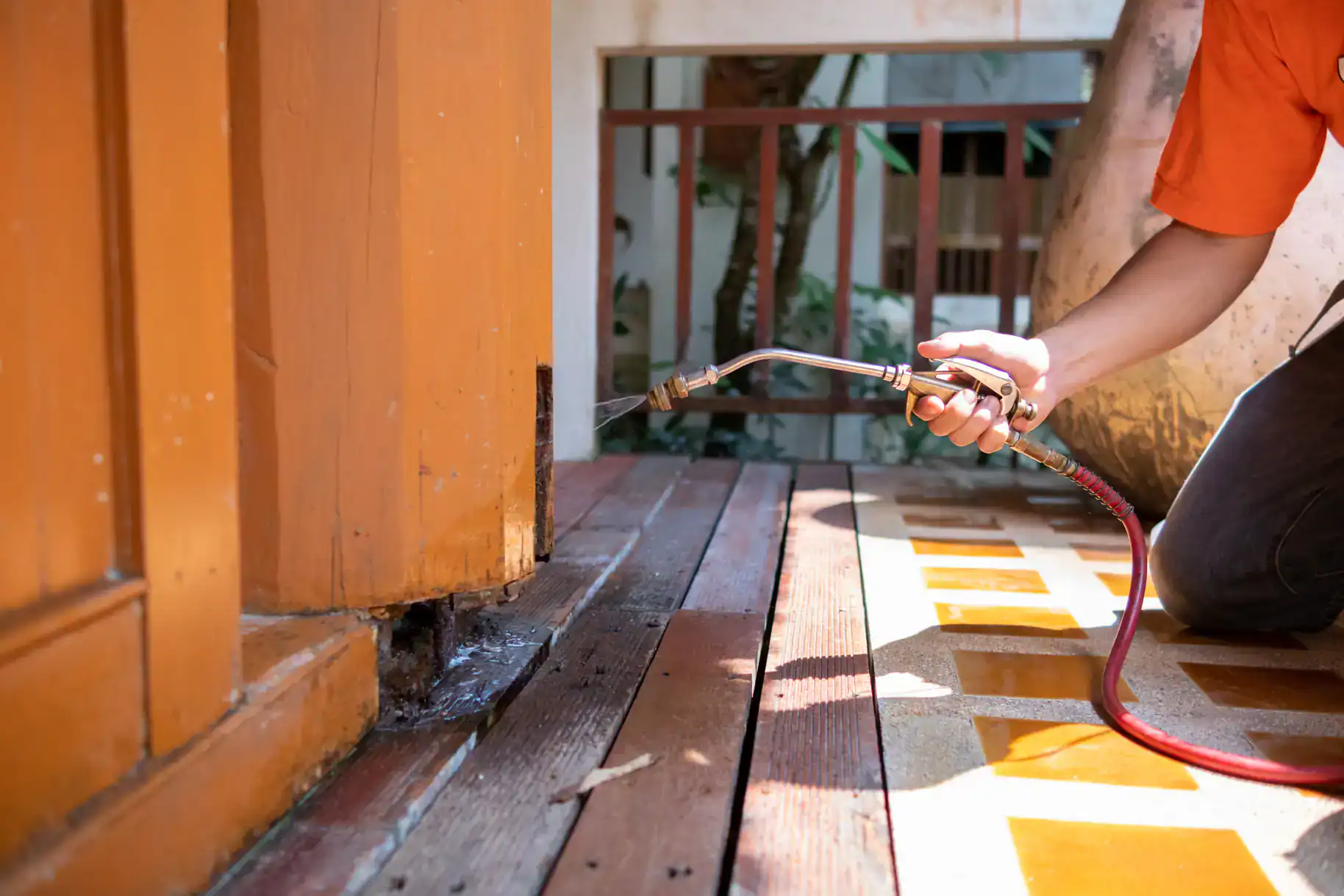
Once the inspection is done, we apply materials that foraging ants carry back into the nest and share with the colony. This is what makes the treatment reach the source instead of just knocking back the visible population. Because Borough Park buildings are densely connected shared basements, shared walls, shared laundry rooms the treatment accounts for the full scope of the structure, not just the unit where you first saw activity.
After the initial cleanout, we schedule follow-up visits weekly, every other week, or monthly depending on the severity and the building type. This is not optional maintenance. It is how you confirm that satellite nests in adjacent areas have been addressed and that the infestation does not re-establish from an untreated section of the building. Under NYC Local Law 55, multi-unit buildings in Borough Park are required to follow integrated pest management protocols our approach meets that standard.
Ready to get started?
Ant infestations in Borough Park are not all the same problem. Pavement ants are the most common complaint they enter through foundation cracks and mortar gaps at ground level and follow trails straight to kitchen food sources. Odorous house ants show up in larger numbers as summer progresses, especially in ground-floor and basement units along the commercial blocks near 13th Avenue, where food businesses generate foraging pressure that radiates into adjacent residential buildings. Carpenter ants are a more serious concern. They nest in wood softened by moisture, and Borough Park’s century-old building stock has no shortage of damp basement sills, wet window frames, and water-damaged framing. If you are seeing large black ants especially near wood that is not a surface problem.
We handle all of these. Treatment covers interior and exterior zones, targets the colony at the source using materials registered with the NYS Department of Environmental Conservation, and is applied by licensed, bonded, and insured technicians. For families with young children and Borough Park households are among the largest in the city our technicians advise on re-entry timing and safety before leaving the property. For kosher households, the treatment approach accounts for kitchen food storage areas and the separation of meat and dairy zones, so nothing about the process creates a problem for your home’s kashrut. Every job comes with a free estimate upfront and structured follow-up visits built into the plan.
Because what you treated was not the colony it was the foragers. The ants you see trailing across your kitchen floor represent maybe one to five percent of the total population. The rest of the colony, including the queen and the eggs, is nesting somewhere you have not reached inside a shared wall void, under the basement slab, or in a moisture-damaged section of the building’s framing. Until the queen is eliminated, the colony keeps producing new foragers and the cycle repeats.
In Borough Park’s attached brick buildings, this problem is compounded by the fact that colonies can spread laterally through shared walls and basement areas without ever crossing a doorway. A treatment that only addresses your unit leaves the rest of the structure untouched. We treat the building as a system, not apartment by apartment, and use materials that ants carry back into the nest so the colony itself is targeted not just the visible activity.
Yes and it is a fair question to ask directly before any technician enters your home. We use only pesticide materials registered with the New York State Department of Environmental Conservation. These are state-regulated products, applied in controlled quantities by licensed technicians who know exactly where and how much to use. The goal is targeted, effective treatment not broad chemical saturation.
Before leaving, our technicians walk you through re-entry timing and any precautions specific to your home. For Borough Park households with young children and many homes here have several that conversation is standard, not an afterthought. If you have specific concerns about a particular area of the home, a food storage zone, or a room where children spend most of their time, raise it before the treatment begins. The technician will adjust accordingly.
Pavement ants are the small brown or black ants most Borough Park residents find trailing along baseboards and into kitchens, especially in ground-floor and basement units. They nest in soil beneath sidewalks, foundations, and concrete slabs, and they enter buildings through cracks in mortar joints and foundation walls both of which are extremely common in Borough Park’s pre-war brick construction. They are a nuisance and a food contamination risk, but they do not damage the structure of your home.
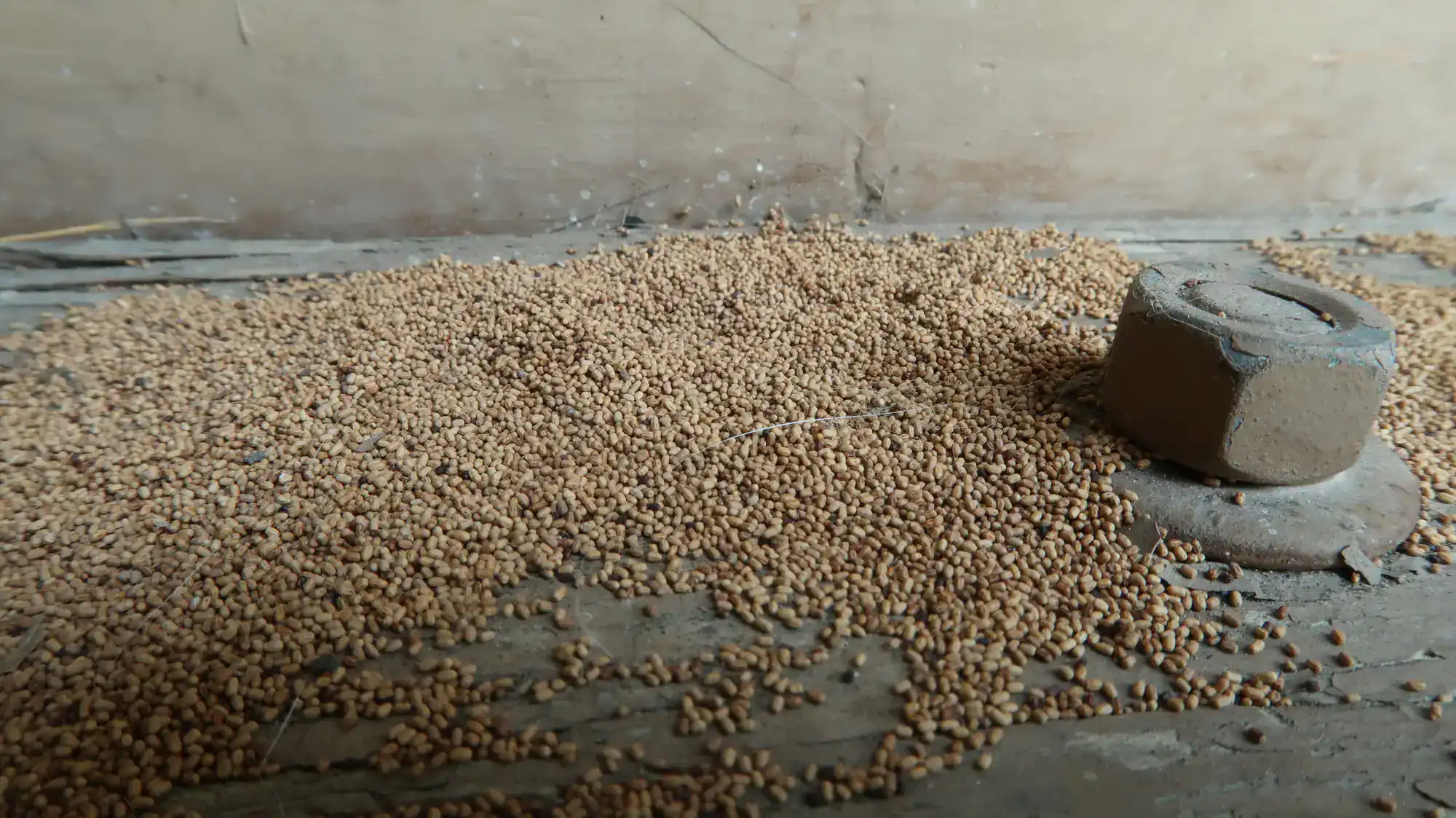
Carpenter ants are a different situation. They are larger often a half-inch or more and they nest inside wood that has been softened by moisture. In Borough Park’s century-old buildings, that means basement sills, window framing, floor joists near plumbing, and any area where water has been getting in over time. Carpenter ants do not eat wood, but they excavate it to build galleries, and that structural damage compounds over time. If you are seeing large black ants, especially near wood or in the basement, do not wait on that one.
The honest answer is that in most Borough Park buildings, it is both. Ant colonies do not respect unit boundaries. They nest in shared infrastructure basement areas, foundation zones, wall voids between attached units and send foragers into whichever spaces offer the easiest access to food and moisture. If you are on the ground floor or in a basement apartment, you are often the first to see activity, but the colony is rarely limited to your floor alone.
The way to know for certain is an inspection that looks at the full structure, not just the interior of your apartment. Our inspection process covers the foundation perimeter, basement areas, exterior entry points, and shared structural zones. If the building has multiple units, the inspection findings will reflect that and the treatment plan will account for the full scope of the infestation, not just what is visible from inside your unit. Under NYC’s warranty of habitability, your landlord is legally responsible for maintaining a pest-free building, so if the problem extends beyond your unit, that is worth raising with your property manager as well.
Ant activity in Borough Park typically starts picking up in late March and April as temperatures warm and ground-level colonies become active again after winter. Spring is also when heavy rain events push ants indoors flooded ground colonies will send foragers into the nearest building en masse, which is why ground-floor and basement apartments along the numbered streets often see sudden, large-scale ant activity right after a significant rainstorm.
Activity peaks through summer and tapers into fall, but Borough Park’s densely heated pre-war buildings mean ant activity does not stop in winter the way it might in a single-family home with less insulation. Kitchens, boiler rooms, and laundry areas stay warm enough to sustain foraging year-round. Without treatment, an established colony does not go away on its own it grows. Colony populations can reach hundreds of thousands, and a colony that has been in a building for a full season is significantly harder to eliminate than one caught early. Calling sooner rather than waiting for the problem to get worse is always the right move.
Yes we offer a 10% senior discount on ant control services. Borough Park has a significant number of multigenerational households where older residents are often the primary decision-makers for home services, and many of those residents are on fixed incomes or managing household budgets carefully. The discount is a straightforward recognition of that reality.
Every job also starts with a free estimate, so there are no surprise costs before any work begins. You will know what the treatment covers, what the follow-up schedule looks like, and what the total cost is before our technician does anything. If you have questions about scheduling around Shabbat or Jewish holidays, that conversation happens during the estimate call our phones are answered 24 hours a day, 7 days a week, and appointments are scheduled at times that work for your household.
Useful Links