
Hear from Our Customers
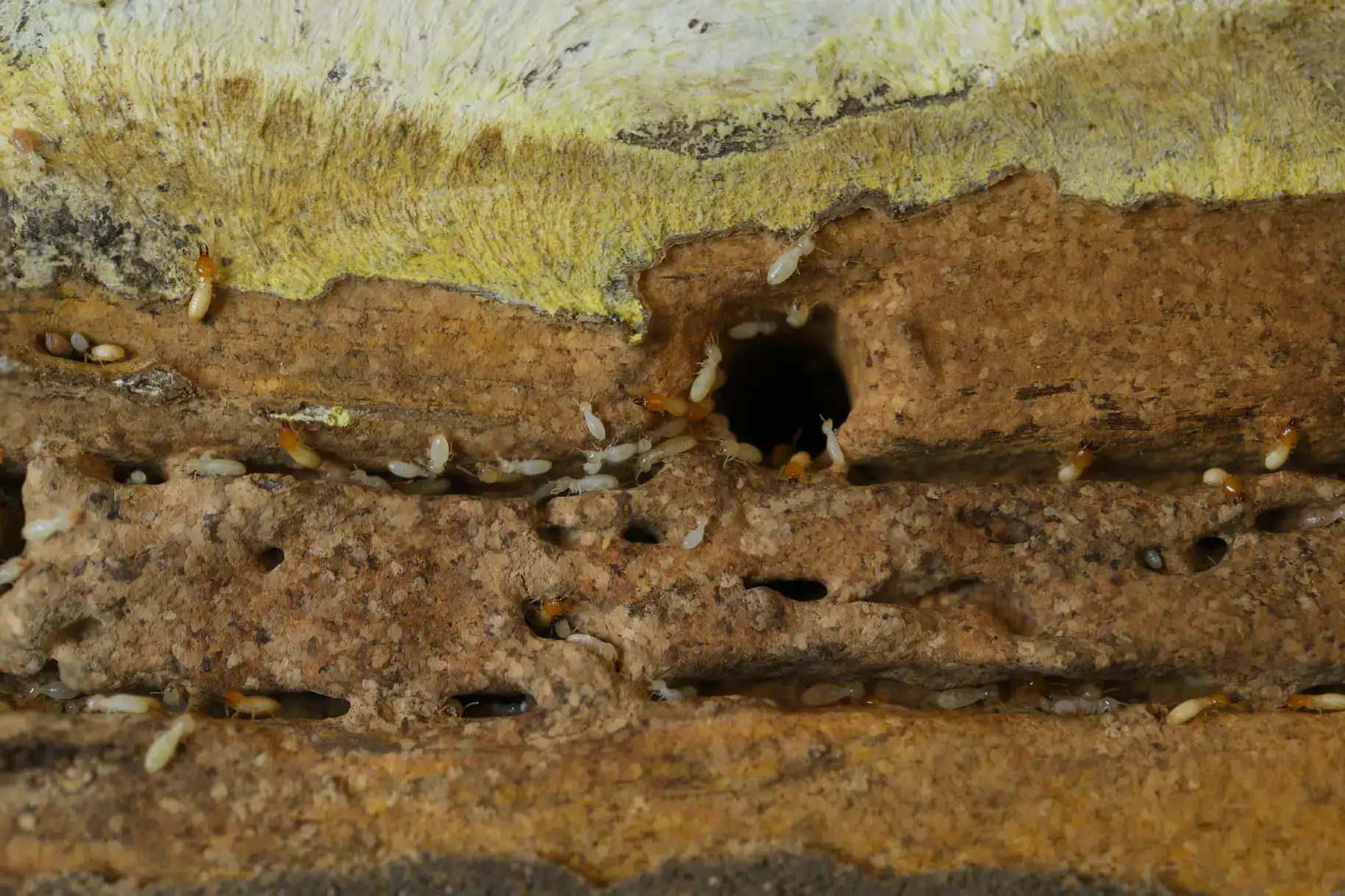
Most Borough Park homeowners don’t find out they have termites until something gives them away swarmers near a basement window in April, a hollow sound when you knock on a floor joist, or a contractor opening a wall during a renovation and going quiet. By that point, the colony has usually been feeding for years. It’s just how Eastern Subterranean Termites work. They move slowly, silently, and underground and they don’t stop.
What changes after a proper termite treatment isn’t dramatic. There’s no big moment. But the structural timbers in your basement stop being a food source. The mud tubes dry up. The colony loses access. And you stop carrying the financial exposure of a termite problem that no homeowner’s insurance policy in New York will cover. For a Borough Park townhouse worth $1.5 million or more, that exposure is real.
The attached nature of this neighborhood adds a layer most people don’t think about. Subterranean termite colonies forage laterally underground meaning a colony that entered through a neighbor’s foundation can be feeding on your floor joists without ever showing up on their side of the property line. A thorough inspection accounts for the full perimeter, not just what’s visible inside your unit. That’s the difference between treating a symptom and actually solving the problem.
We were founded in 1971 by Richard Kourbage Sr. a Brooklyn company, built in Brooklyn, still run by the Kourbage family more than 50 years later. Richard Jr. and Charles run it today. We’re headquartered at 2216 Flatbush Avenue, and the technicians who show up to your door in Borough Park are the same team that has been working these streets, these basements, and these pre-war foundations for decades.
Our staff collectively brings over 100 years of pest control experience. That’s not a rounding error it’s the kind of depth that shows up when a technician walks into a limestone two-family on a block off 13th Avenue and knows exactly what they’re looking at before they even open their kit. We’ve held BBB A+ accreditation since 1989, apply only NYS DEC-registered materials, and answer the phone 24 hours a day. In a neighborhood that runs on reputation and word-of-mouth, that track record means something.
It starts with a call and because we answer 24/7, that call can happen the same evening you notice something wrong. Appointments are guaranteed within two business days, and same-day inspections are frequently available. When our technician arrives, they’re not running through a checklist and leaving in 20 minutes. They’re looking at your foundation perimeter, your basement framing, your sill plates, any utility penetrations, and the full exterior grade line. In Borough Park’s attached row houses, that also means assessing the shared foundation walls and any areas where your structure connects to adjacent properties.
If there’s active termite activity or evidence of past activity you’ll get a clear explanation of what was found, where it is, and what the treatment options look like. All materials we use are registered with the New York State Department of Environmental Conservation. For households with young children, elderly family members, or anyone with sensitivities, that matters. Your technician will walk you through re-entry timing and any preparation needed before and after treatment.
For Borough Park property transactions, we also provide the written Wood Destroying Organism inspection reports that lenders require for FHA, VA, and conventional financing. If your closing has a termite inspection contingency, this is the documentation that satisfies it. The report is completed by a licensed inspector and covers termites, carpenter ants, powder post beetles, and other wood-destroying organisms everything your lender or attorney needs to move forward.
Ready to get started?
The termite control work we do in Borough Park is shaped by what this neighborhood actually is: block after block of attached pre-war housing, most of it built between the 1880s and 1940s, with original lumber that was never treated and basement framing that has been in direct contact with soil for generations. That’s not a problem you fix with a one-size approach.
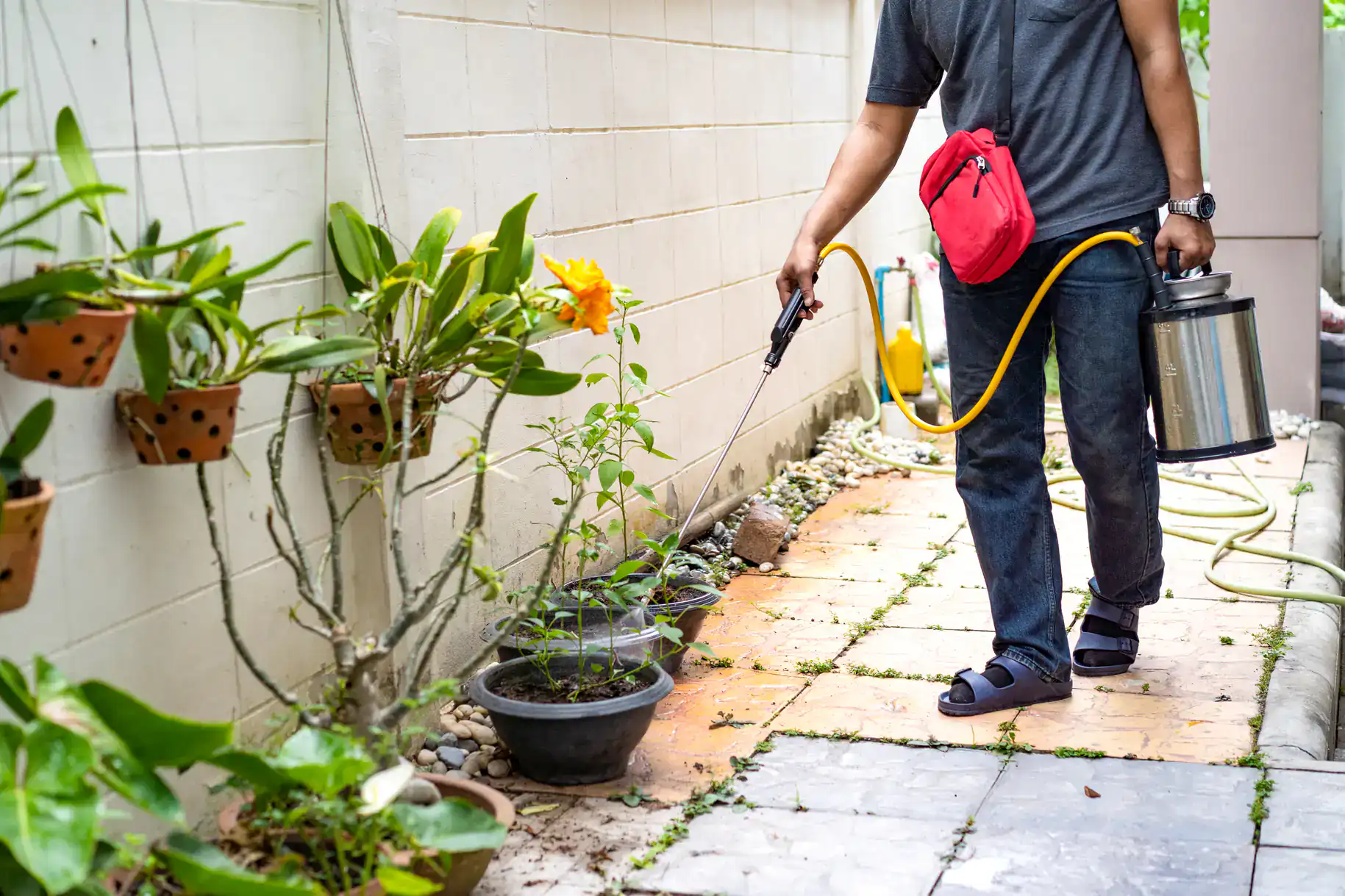
Depending on what the inspection finds, treatment may involve a liquid termiticide barrier applied to the soil around and beneath the foundation, a termite baiting system, or a combination of both. Liquid barriers create a treated zone that termites can’t cross without being eliminated. Bait systems intercept foraging workers and carry the active ingredient back to the colony. For Borough Park’s attached structures where the colony may be entering from a neighboring property’s side the treatment plan accounts for the full perimeter and any shared foundation access points, not just the interior evidence.
We also handle NYC Department of Health pest-related health code citations, which is relevant for Borough Park landlords and property managers who’ve received DOHMH notices tied to termite or wood-destroying organism activity. If you’re managing a multi-family building anywhere in the neighborhood from the side streets off 16th Avenue to the denser blocks near Fort Hamilton Parkway we can produce the documentation and treatment records the city requires to close out a violation.
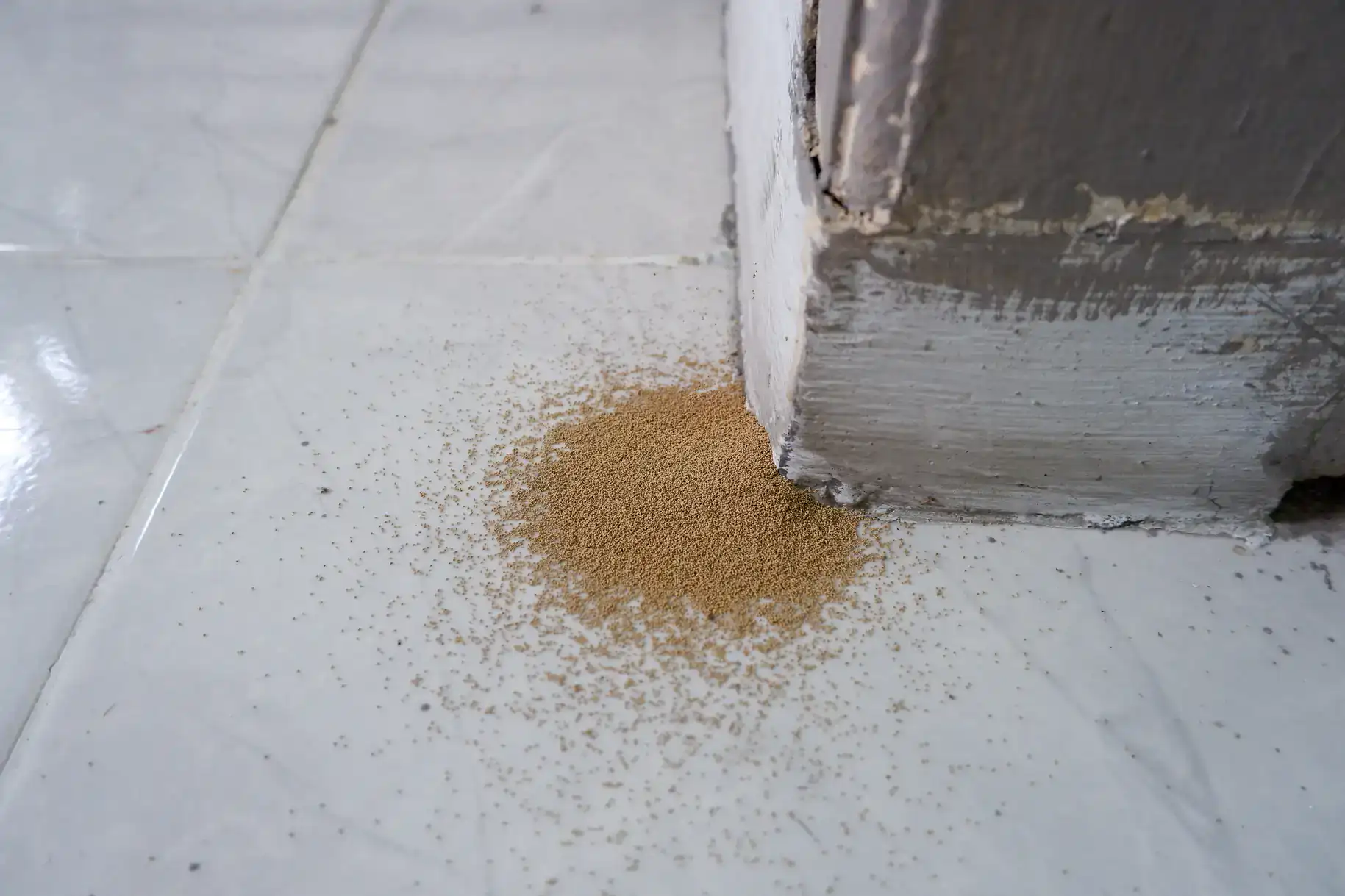
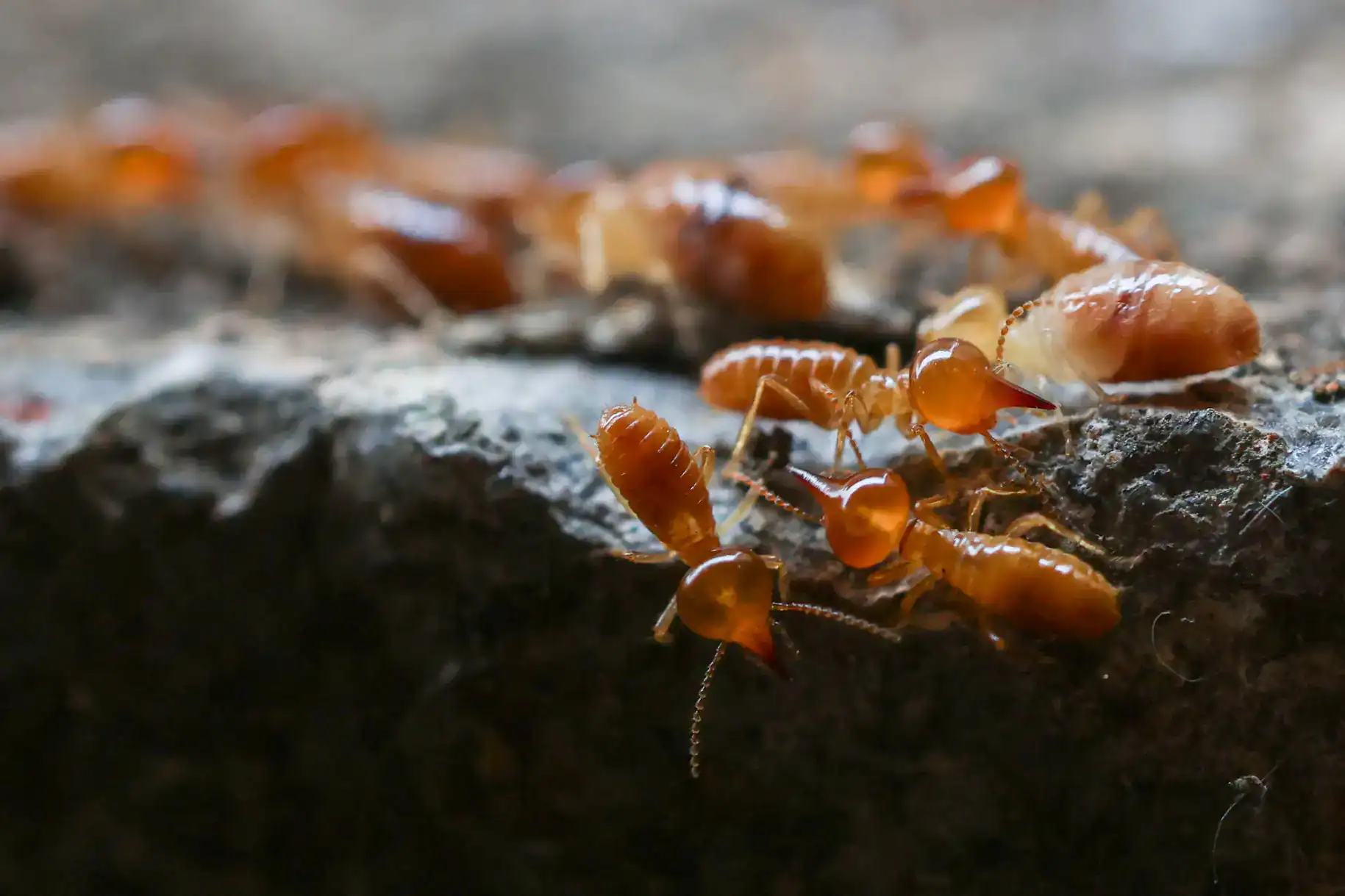
The most common signs in Borough Park’s pre-war attached homes are termite swarmers small, winged insects that emerge in late March through June, usually after a warm rain. You might find them near basement windows, around door frames, or clustered near a light source inside the home. Swarmers look similar to flying ants but have straight antennae, equal-length wings, and a straight body with no pinched waist. If you’re finding them indoors in the spring, there’s almost certainly an active colony in or under the structure.
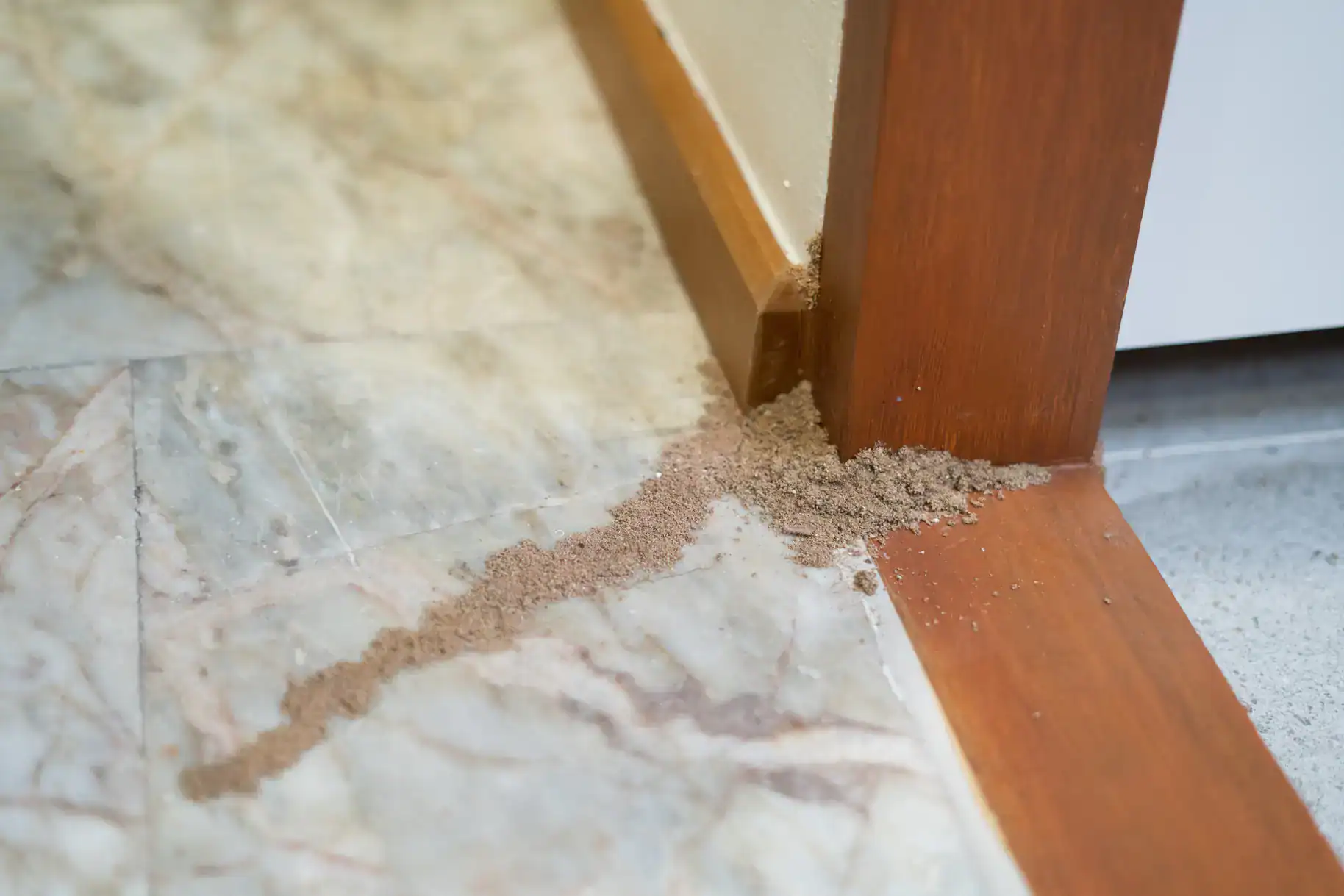
Other signs include mud tubes pencil-thin tunnels made of soil and wood particles running along foundation walls, floor joists, or the exterior foundation line. Hollow-sounding wood when you knock on a floor or baseboard, bubbling or uneven paint, and wood that crumbles or feels soft under pressure are all indicators of active or historical feeding. Because Borough Park homes were built with untreated lumber and many have wood sill plates sitting at or near grade, these are exactly the conditions subterranean termites look for. If you’re seeing any of these signs, the right move is a professional inspection not a wait-and-see approach.
Yes, termite activity is a real and documented issue in Brooklyn, and Borough Park’s housing stock puts it at higher risk than many other neighborhoods. The Eastern Subterranean Termite the species responsible for virtually all termite damage in New York City thrives in exactly the conditions found throughout Borough Park: moist soil, untreated wood, and direct wood-to-soil contact at foundation level. Most of the neighborhood’s attached row houses and limestone two-families were built between the 1880s and 1940s, before modern termiticide treatments existed. The original lumber in those structures has never been treated.
The attached nature of the housing stock adds another layer of risk. Subterranean termite colonies forage underground and laterally a colony that established itself beneath one attached home can extend its tunnel network under multiple adjacent properties. This means your home can have an active infestation even if the original entry point was on a neighbor’s side of the shared foundation. Annual inspections are the standard recommendation for high-risk urban areas like Borough Park, and they’re the only reliable way to catch activity before it becomes structural damage.
Treatment cost depends on the size of the structure, the extent of the infestation, the type of treatment used, and how accessible the foundation is. For a typical Borough Park two- or three-family attached row house, termite treatment generally falls in the range of $800 to $3,000. Larger multi-family buildings or cases where the infestation has spread significantly can run higher. We provide free estimates, so you’ll have a clear number before any work begins no surprise charges after the fact.
It’s worth understanding what the alternative costs look like. Structural repairs for termite damage replacing compromised floor joists, sill plates, or support beams typically run $2,000 to $10,000 or more depending on what’s affected. Standard homeowner’s insurance policies in New York do not cover termite damage, because it’s classified as a preventable maintenance issue rather than a sudden event. For a Borough Park townhouse valued at $1.5 million or more, carrying an unaddressed termite problem is a significant financial exposure. Treatment is almost always far less expensive than what you’d spend repairing what termites leave behind.
It depends on the type of financing involved, but in many cases, yes. FHA and VA loans require a Wood Destroying Organism inspection report before a mortgage can close. Conventional lenders may also require one, particularly for older properties and Borough Park’s housing stock is almost entirely pre-war, which means lenders and attorneys frequently flag termite inspections as a condition of the transaction. Even in cases where it’s not technically required, buyers’ attorneys routinely recommend one given the age and construction type of homes in this neighborhood.
A WDO report documents the presence or absence of termites, carpenter ants, powder post beetles, and other wood-destroying organisms. It has to be completed by a licensed inspector and must meet the documentation standards required by the lender or attorney requesting it. We provide these reports for Borough Park property transactions and can typically schedule inspections quickly which matters when you’re working against a closing deadline. If you’re buying or selling a pre-war attached home anywhere from the blocks near 13th Avenue to the streets bordering Kensington or Bensonhurst, getting this handled early in the transaction saves a lot of last-minute stress.
This is one of the most common questions we get from Borough Park families and it’s the right question to ask. With households in this neighborhood averaging six or more children and multigenerational living arrangements being common across the community, the safety of any treatment applied inside or near the home is a first-order concern, not an afterthought.
We apply only materials registered with the New York State Department of Environmental Conservation, following all applicable EPA safety protocols. Before treatment begins, our technician will explain exactly what product is being applied, where it’s being applied, and what the re-entry timing looks like for each treated area. In most cases, liquid termiticide treatments applied to soil around the foundation exterior require little to no interior disruption. Where interior basement treatment is involved, our technician will give you specific guidance on when it’s safe to resume normal activity in those spaces. If you have specific concerns about a family member an infant, an elderly grandparent, someone with respiratory sensitivities raise those before the job starts. The goal is a treatment plan that works for your household, not just a standard protocol applied without consideration.
Yes, and this is one of the most important things to understand about termite risk in Borough Park specifically. Eastern Subterranean Termites don’t respect property lines. They live underground in colonies that can contain up to 500,000 workers, and those workers forage through soil tunnels that can extend 150 feet or more from the central nest. In a neighborhood of attached row houses where foundations are shared or separated by inches of mortar a colony that entered through one property’s foundation can be actively feeding on the structural timbers of adjacent homes without showing any visible signs on the neighboring side.
This means that if a neighbor has had a termite problem, your property warrants an inspection regardless of whether you’ve seen any signs yourself. It also means that when we inspect and treat a Borough Park home, the assessment covers the full foundation perimeter and accounts for lateral access points not just the interior evidence. A treatment plan that only addresses what’s visible inside your unit may leave the actual entry point untouched. That’s why the inspection process matters as much as the treatment itself, and why experience with Borough Park’s specific attached housing typology makes a real difference in the outcome.
Useful Links